 @Johnx
History of korea
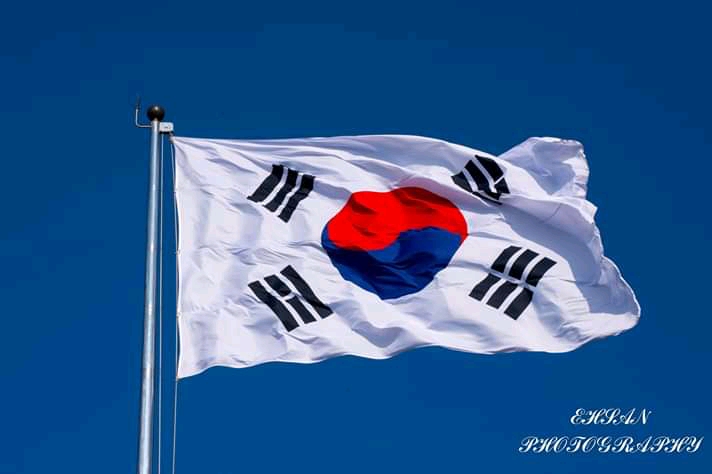
The Lower Paleolithic era in the Korean Peninsula and Manchuria began roughly half a million years ago.[1][2][3] The earliest known Korean pottery dates to around 8000 BC, and the Neolithic period began after 6000 BC, followed by the Bronze Age by 2000 BC,[4][5][6] and the Iron Age around 700 BC. https://en.m.wikipedia.org/wiki/Lower_Paleolithic https://en.m.wikipedia.org/wiki/Korean_Peninsula https://en.m.wikipedia.org/wiki/Manchuria https://en.m.wikipedia.org/wiki/History_of_Korea#cite_note-Eckert-1 https://en.m.wikipedia.org/wiki/History_of_Korea#cite_note-Norton-2 https://en.m.wikipedia.org/wiki/History_of_Korea#cite_note-Sin-3 https://en.m.wikipedia.org/wiki/Neolithic https://en.m.wikipedia.org/wiki/Bronze_Age https://en.m.wikipedia.org/wiki/History_of_Korea#cite_note-Eckert_2-4 https://en.m.wikipedia.org/wiki/History_of_Korea#cite_note-Connor-5 https://en.m.wikipedia.org/wiki/History_of_Korea#cite_note-Kim_and_Bae-6 https://en.m.wikipedia.org/wiki/Iron_Age According to the mythic account recounted in the *Samguk yusa*, the Gojoseon (Old Joseon) kingdom was founded in northern Korea and southern Manchuria in 2333 BC.[7][8][9] https://en.m.wikipedia.org/wiki/Samguk_yusa https://en.m.wikipedia.org/wiki/Gojoseon https://en.m.wikipedia.org/wiki/Manchuria https://en.m.wikipedia.org/wiki/History_of_Korea#cite_note-FOOTNOTESin200519-7 https://en.m.wikipedia.org/wiki/History_of_Korea#cite_note-Lee-8 https://en.m.wikipedia.org/wiki/History_of_Korea#cite_note-FOOTNOTESeth201017-9 The Gija Joseon state was purportedly founded in 12th century BC. Its existence and role has been controversial in the modern era, and seen as likely mythology.[10] The first written historical record on Gojoseon can be found from the early 7th century BC.[11][12] The Jin state was formed in southern Korea by the 3rd century BC. In the 2nd century BCE, Gija Joseon was replaced by Wiman Joseon, which fell to the Han dynasty of China near the end of the century. This resulted in the fall of Gojoseon and led to succeeding warring states, the Proto–Three Kingdoms period that spanned the later Iron Age. https://en.m.wikipedia.org/wiki/Gija_Joseon https://en.m.wikipedia.org/wiki/History_of_Korea#cite_note-Hwang-10 https://en.m.wikipedia.org/wiki/History_of_Korea#cite_note-FOOTNOTEPetersonMargulies20096-11 https://en.m.wikipedia.org/wiki/History_of_Korea#cite_note-naver1-12 https://en.m.wikipedia.org/wiki/Jin_(Korean_state) https://en.m.wikipedia.org/wiki/Wiman_Joseon https://en.m.wikipedia.org/wiki/Gojoseon%E2%80%93Han_War https://en.m.wikipedia.org/wiki/Han_dynasty https://en.m.wikipedia.org/wiki/Proto%E2%80%93Three_Kingdoms_of_Korea From the 1st century, Goguryeo, Baekje, and Silla grew to control the peninsula and Manchuria as the Three Kingdoms of Korea (57 BCE–668 BC), until unification by Silla in 676. In 698, Go of Balhae established the Kingdom of Balhae (c.f. modern Bohai Sea) in old territories of Goguryeo,[13][14] which led to the North–South States Period (698–926) of Balhae and Silla coexisting. https://en.m.wikipedia.org/wiki/Goguryeo https://en.m.wikipedia.org/wiki/Baekje https://en.m.wikipedia.org/wiki/Silla https://en.m.wikipedia.org/wiki/Three_Kingdoms_of_Korea https://en.m.wikipedia.org/wiki/Unified_Silla https://en.m.wikipedia.org/wiki/Go_of_Balhae https://en.m.wikipedia.org/wiki/Balhae https://en.m.wikipedia.org/wiki/Bohai_Sea https://en.m.wikipedia.org/wiki/History_of_Korea#cite_note-FOOTNOTEPratt200763-64-13 https://en.m.wikipedia.org/wiki/History_of_Korea#cite_note-FOOTNOTEPetersonMargulies200935-36-14 https://en.m.wikipedia.org/wiki/North%E2%80%93South_States_Period In the late 9th century, Silla was divided into the Later Three Kingdoms (892–936), which ended with the unification by Wang Geon's Goryeo dynasty. Meanwhile, Balhae fell after invasions by the Khitan Liao dynasty and the refugees including the last crown prince emigrated to Goryeo, where the crown prince was warmly welcomed and included into the ruling family by Wang Geon, thus unifying the two successor states of Goguryeo.[15][16] During the Goryeo period, laws were codified, a civil service system was introduced, and culture influenced by Buddhism flourished. However, Mongol invasions in the 13th century brought Goryeo under its influence until the mid-14th century.[17][18] https://en.m.wikipedia.org/wiki/Later_Three_Kingdoms https://en.m.wikipedia.org/wiki/Taejo_of_Goryeo https://en.m.wikipedia.org/wiki/Goryeo https://en.m.wikipedia.org/wiki/Khitan_people https://en.m.wikipedia.org/wiki/Liao_dynasty https://en.m.wikipedia.org/wiki/Dae_Gwang-hyeon https://en.m.wikipedia.org/wiki/History_of_Korea#cite_note-Goryeosa-15 https://en.m.wikipedia.org/wiki/History_of_Korea#cite_note-Balhae-16 https://en.m.wikipedia.org/wiki/Codification_(law) https://en.m.wikipedia.org/wiki/Civil_service https://en.m.wikipedia.org/wiki/Buddhism https://en.m.wikipedia.org/wiki/Mongol_invasions_of_Korea https://en.m.wikipedia.org/wiki/History_of_Korea#cite_note-17 https://en.m.wikipedia.org/wiki/History_of_Korea#cite_note-18 In 1392, General Yi Seong-gye established the Joseon dynasty (1392–1910) after a coup d'état that overthrew the Goryeo dynasty in 1388. King Sejong the Great (1418–1450) implemented numerous administrative, social, scientific, and economic reforms, established royal authority in the early years of the dynasty, and personally created Hangul, the Korean alphabet. https://en.m.wikipedia.org/wiki/Taejo_of_Joseon https://en.m.wikipedia.org/wiki/Joseon https://en.m.wikipedia.org/wiki/Coup_d%27%C3%A9tat https://en.m.wikipedia.org/wiki/Sejong_the_Great https://en.m.wikipedia.org/wiki/Hangul After enjoying a period of peace for nearly two centuries, the Joseon dynasty faced foreign invasions and internal factional strife from 1592 to 1637. Most notable of these invasions is the Japanese invasions of Korea, which marked the end of the Joseon dynasty's early period. The combined force of Ming dynasty of China and the Joseon dynasty repelled these Japanese invasions, but at cost to the countries. Henceforth, Joseon gradually became more and more isolationist and stagnant. By the mid 19th century, with the country unwilling to modernize, and under encroachment of European powers, Joseon Korea was forced to sign unequal treaties with foreign powers. After the assassination of Empress Myeongseong in 1895, the Donghak Peasant Revolution, and the Gabo Reforms of 1894 to 1896, the Korean Empire (1897–1910) came into existence, heralding a brief but rapid period of social reform and modernization. However, in 1905, the Korean Empire signed a protectorate treaty and in 1910, Japan annexed the Korean Empire. https://en.m.wikipedia.org/wiki/History_of_the_Joseon_dynasty https://en.m.wikipedia.org/wiki/Japanese_invasions_of_Korea_(1592%E2%80%931598) https://en.m.wikipedia.org/wiki/Ming_dynasty https://en.m.wikipedia.org/wiki/Isolationism https://en.m.wikipedia.org/wiki/Hermit_kingdom https://en.m.wikipedia.org/wiki/Unequal_treaties https://en.m.wikipedia.org/wiki/Empress_Myeongseong https://en.m.wikipedia.org/wiki/Donghak_Peasant_Revolution https://en.m.wikipedia.org/wiki/Gabo_Reform https://en.m.wikipedia.org/wiki/Korean_Empire https://en.m.wikipedia.org/wiki/Japan%E2%80%93Korea_Treaty_of_1905 https://en.m.wikipedia.org/wiki/Japan%E2%80%93Korea_Annexation_Treaty Korean resistance manifested in the widespread nonviolent March 1st Movement of 1919. Thereafter the resistance movements, coordinated by the Provisional Government of the Republic of Korea in exile, became largely active in neighboring Manchuria, China, and Siberia, influenced by Korea's peaceful demonstrations. Figures from these exile organizations would become important in post-WWII Korea. https://en.m.wikipedia.org/wiki/Korean_independence_movement https://en.m.wikipedia.org/wiki/March_1st_Movement https://en.m.wikipedia.org/wiki/Provisional_Government_of_the_Republic_of_Korea https://en.m.wikipedia.org/wiki/Siberia After the end of World War II in 1945, the Allies divided the country into a northern area (protected by the Soviets) and a southern area (protected primarily by the United States). In 1948, when the powers failed to agree on the formation of a single government, this partition became the modern states of North and South Korea. The peninsula was divided at the 38th Parallel: the "Republic of Korea" was created in the south, with the backing of the US and Western Europe, and the "Democratic People's Republic of Korea" in the north, with the backing of the Soviets and the communist People's Republic of China. The new premier of North Korea, Kim il-Sung, launched the Korean War in 1950 in an attempt to reunify the country under Communist rule. After immense material and human destruction, the conflict ended with a cease-fire in 1953. In 2018, the two nations agreed to work toward a final settlement to formally end the Korean War. In 1991, both states were accepted into the United Nations. https://en.m.wikipedia.org/wiki/World_War_II https://en.m.wikipedia.org/wiki/Division_of_Korea https://en.m.wikipedia.org/wiki/Soviet_Union https://en.m.wikipedia.org/wiki/United_States https://en.m.wikipedia.org/wiki/38th_parallel_north https://en.m.wikipedia.org/wiki/Republic_of_Korea https://en.m.wikipedia.org/wiki/Democratic_People%27s_Republic_of_Korea https://en.m.wikipedia.org/wiki/People%27s_Republic_of_China https://en.m.wikipedia.org/wiki/Kim_il-Sung https://en.m.wikipedia.org/wiki/Korean_War https://en.m.wikipedia.org/wiki/Korean_reunification https://en.m.wikipedia.org/wiki/State_communism https://en.m.wikipedia.org/wiki/Peace_Treaty_on_Korean_Peninsula https://en.m.wikipedia.org/wiki/United_Nations While both countries were essentially under military rule after the war, South Korea eventually liberalized. Since 1987 it has had a competitive electoral system. The South Korean economy has prospered, and the country is now considered to be fully developed, with a similar capital economic standing to Western Europe, Japan, and the United States. https://en.m.wikipedia.org/wiki/History_of_South_Korea https://en.m.wikipedia.org/wiki/June_Struggle https://en.m.wikipedia.org/wiki/Miracle_on_the_Han_River North Korea has maintained totalitarian militarized rule, with a personality cult constructed around the Kim family. Economically, North Korea has remained heavily dependent on foreign aid. Following the end of the Soviet Union, that aid collapsed precipitously. The country's economic situation has been quite marginal since. https://en.m.wikipedia.org/wiki/History_of_North_Korea https://en.m.wikipedia.org/wiki/Totalitarianism https://en.m.wikipedia.org/wiki/Military_dictatorship https://en.m.wikipedia.org/wiki/North_Korean_cult_of_personality https://en.m.wikipedia.org/wiki/Kim_dynasty_(North_Korea) https://en.m.wikipedia.org/wiki/Aid https://en.m.wikipedia.org/wiki/End_of_the_Soviet_Union https://en.m.wikipedia.org/wiki/Economy_of_North_Korea#The_last_trend
No comments yet