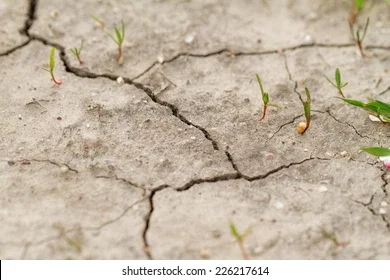
Effect of Nutrients on physiology of plants.....
27, May 2022
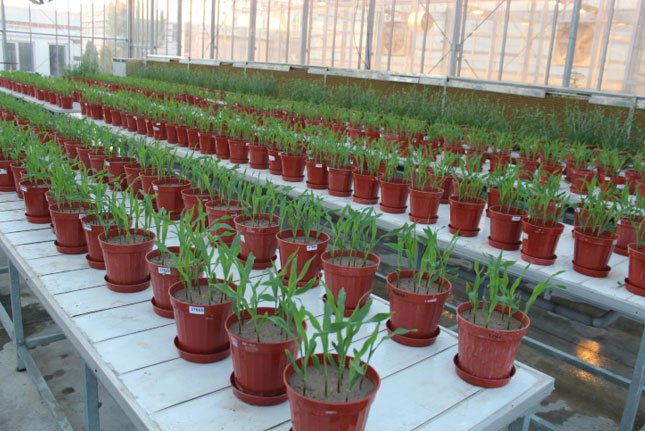
The field of plant physiology includes the study of all the internal activities of plants those chemical and physical processes associated with life as they occur in plants. ... At the largest scale are the processes of plant development, seasonality, dormancy, and reproductive control. Plants growth and development largely depend on the combination and concentration of mineral nutrients available in the soil.
Plants often face significant challenges in obtaining an adequate supply of these nutrients to meet the demands of basic cellular processes due to their relative immobility.
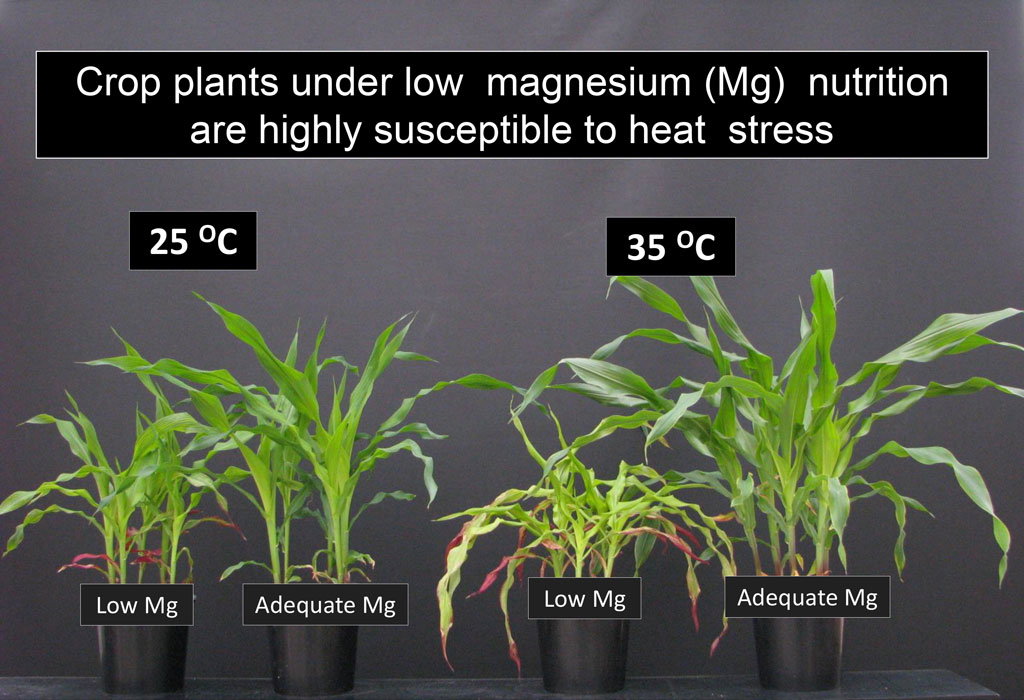
A deficiency of any one of them may result in decreased plant productivity and/or fertility. Symptoms of nutrient deficiency may include stunted growth, death of plant tissue, or yellowing of the leaves caused by a reduced production of chlorophyll, a pigment needed for photosynthesis.
Nutrient deficiency can have a significant impact on agriculture, resulting in reduced crop yield or reduced plant quality. Nutrient deficiency can also lead to reduced overall biodiversity since plants serve as the producers that support most food webs.
Two classes of nutrients are considered essential for plants:
**Macro-nutrients and Micro-nutrients.**
**Macronutrients** are the building blocks of crucial cellular components like proteins and nucleic acids; as the name suggests, they are required in large quantities. Nitrogen, phosphorus, magnesium, and potassium are some of the most important macronutrients.
Carbon, hydrogen, and oxygen are also considered macronutrients as they are required in large quantities to build the larger organic molecules of the cell; however, they represent the non-mineral class of macronutrients.
**Micronutrients**, including iron, zinc, manganese, and copper, are required in very small amounts. Micronutrients are often required as cofactors for enzyme activity.Mineral nutrients are usually obtained from the soil through plant roots, but many factors can affect the efficiency of nutrient acquisition. First, the chemistry and composition of certain soils can make it harder for plants to absorb nutrients.
The nutrients may not be available in certain soils, or may be present in forms that the plants cannot use. Soil properties like water content, pH, and compaction may exacerbate these problems.
Second, some plants possess mechanisms or structural features that provide advantages when growing in certain types of nutrient limited soils. In fact, most plants have evolved nutrient uptake mechanisms that are adapted to their native soils and are initiated in an attempt to overcome nutrient limitations.
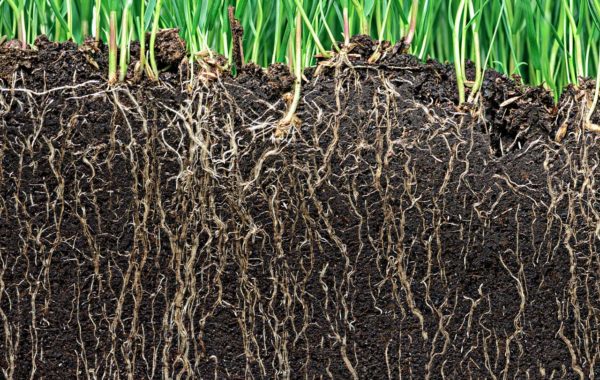
One of the most universal adaptations to nutrient-limited soils is a change in root structure that may increase the overall surface area of the root to increase nutrient acquisition or may increase elongation of the root system to access new nutrient sources. These changes can lead to an increase in the allocation of resources to overall root growth, thus resulting in greater root to shoot ratios in nutrient-limited plants.
Plants are known to show different responses to different specific nutrient deficiencies and the responses can vary between species. The most common changes are inhibition of primary root growth (often associated with P deficiency), increase in lateral root growth and density (often associated with N, P, Fe, and S deficiency) and increase in root hair growth and density (often associated with P and Fe deficiency). While nutrient deficiencies can pose serious threats to plant productivity, nutrients can become toxic in excess, which is also problematic.
When some micro nutrients accumulate to very high levels in plants, they contribute to the generation of reactive oxygen species (ROS), which can cause extensive cellular damage.
Some highly toxic elements like lead and cadmium cannot be distinguished from essential nutrients by the nutrient uptake systems in the plant root, which means that in contaminated soils, toxic elements may enter the food web via these nutrient uptake systems, causing reduced uptake of the essential nutrient and significantly reduced plant growth and quality. In order to maintain nutrient homeostasis, plants must regulate nutrient uptake and must respond to changes in the soil as well as within the plant.
Thus, plant species utilize various strategies for mobilization and uptake of nutrients as well as chelation, transport between the various cells and organs of the plant and storage to achieve whole-plant nutrient homeostasis.
**Here, we briefly describe a few examples of strategies used by plants to acquire nutrients from the soil.**
Overview of root architecture changes in response to nutrients deficiency
**Plant Acquisition of nutrients:**
Potassium (K) is considered a macronutrient for plants and is the most abundant cation within plant cells. Potassium has a number of important functions within plants, including balancing the charges of cellular anions, enzyme activation, control of stomatal opening/closing.
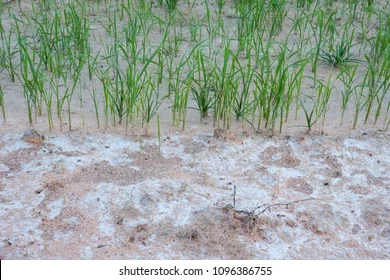
**Potassium deficiency** occurs frequently in plants grown on sandy soils resulting in a number of symptoms including browning of leaves, curling of leaf tips and yellowing (chlorosis) of leaves, as well as reduced growth and fertility.
Iron is essential for plant growth and development and is required as a cofactor for proteins that are involved in a number of important metabolic processes including photosynthesis and respiration. Despite the fact that iron is the fourth most abundant element in the earth's crust, it is often limiting for plants due to the fact that it tends to form insoluble complexes in aerobic soils of neutral to basic pH .
It is thought that iron limitation is a problem for plants on as much as 30% of soils worldwide.
**Iron-deficient** plants often display interveinal chlorosis, in which the veins of the leaf remain green while the areas between the veins are yellow. Nitrogen and phosphorus are among the elements considered most limiting to plant growth and productivity because they are often present in small quantities locally or are present in a form that cannot be used by the plant.
As a result, the evolution of many plant species has included the development of mutually beneficial symbiotic relationships with soil-borne microorganisms.
In these relationships, both the host plant and the microorganism symbiont derive valuable resources that they need for their own productivity and survival as a result of the association.
Despite the fact that nitrogen is the most abundant gaseous element in the atmosphere, plants are unable to utilize the element in this form (N2) and may experience nitrogen deficiency in some soils that have low nitrogen content.
Since nitrogen is a primary component of both proteins and nucleic acids, nitrogen deficiency imposes significant limitations to plant productivity.
In an agricultural setting, nitrogen deficiency can be combated by the addition of nitrogen-rich fertilizers to increase the availability of nutrients and thereby increase crop yield.
However, this can be a dangerous practice since excess nutrients generally end up in ground water, leading to eutrophication and subsequent oxygen deprivation of connected aquatic ecosystems.
Plants are able to directly acquire nitrate and ammonium from the soil. However, when these nitrogen sources are not available, certain species of plants from the family Fabaceae (legumes) initiate symbiotic relationships with a group of nitrogen fixing bacteria called Rhizobia.
These interactions are relatively specific and require that the host plant and the microbe recognize each other using chemical signals. The interaction begins when the plant releases compounds called flavonoids into the soil that attract the bacteria to the roots.In addition to symbiotic relationships with bacteria, plants can participate in symbiotic associations with fungal organisms as well.
Current estimates of the frequency of plant-mycorrhizal associations suggest that around 80% of all plants establish some type of mycorrhizal symbiosis, and many studies indicate that these relationships are millions of years old (Karandashov & Bucher, 2005; Vance, 2001). There are several classes of mycorrhiza, differing in structural morphology, the method of colonizing plant tissue, and the host plants colonized.
However, there are two main classes that are generally regarded as the most common and therefore, the most ecologically significant.
The **endo-mycorrhizae** are those fungi that establish associations with host plants by penetrating the cell wall of cortical cells in the plant roots.
By contrast, **ecto-mycorrhizae** develop a vast hyphae network between cortical cells but do not actually penetrate the cells.
Plant growth and development largely depend on the combination and concentration of mineral nutrients available in the soil. ...
**Symptoms of nutrient deficiency**
These may include stunted growth, death of plant tissue, or yellowing of the leaves caused by a reduced production of chlorophyll, a pigment needed for photosynthesis.
**Conclusion**:
Although plants are non-motile and often face nutrient shortages in their environment, they utilize a plethora of sophisticated mechanisms in an attempt to acquire sufficient amounts of the macro- and micronutrients required for proper growth, development and reproduction.
These mechanisms include changes in the developmental program and root structure to better "mine" the soil for limiting nutrients, induction of high affinity transport systems and the establishment of symbioses and associations that facilitate nutrient uptake.
Together, these mechanisms allow plants to maximize their nutrient acquisition abilities while protecting against the accumulation of excess nutrients, which can be toxic to the plant. It is clear that the ability of plants to utilize such mechanisms exerts significant influence over crop yields as well as plant community structure, soil ecology, ecosystem health, and biodiversity.
Thank you for reading.......
How I use my First Read Cash payout....
25, May 2022
Hello! Dear all users hope you all are enjoying your day.....
Today I'm going to share with all of you that how I use my first read cash payout ....
Actually there's very tragic story behind this because before payout I have lost my 4 dollars from my wallet....
As I'm user for a month and I have written some articles on this plat form I was not aware about the coins ups and downs I transfered my total 12$ into my wallet.....
I was thinking about when I will need anything I will take withdrawal from here but after few days I see that there are only 8$ in my wallet I was very worried at that time because I got those dollars after very hard work....
But at the spot I saw the notification of down of coins in cryptocurrency then I take withdrawal of 8$ which was about 1300 rupees....
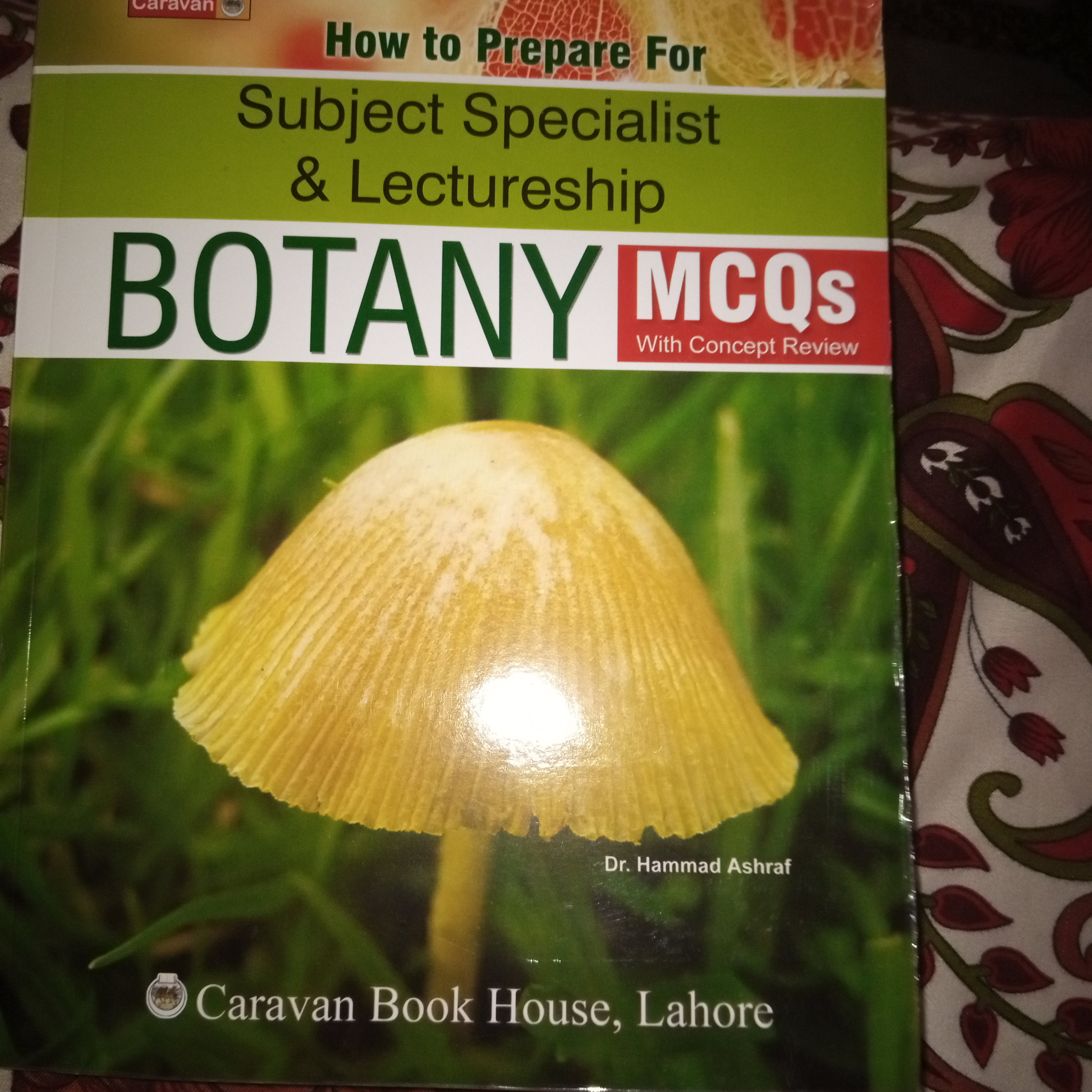
After taking withdrawal of 1300 rupees I bought two things from these rupees first of all I went bazaar and bought a book of Botany for the preparation of competitive exams .....
In the next day I again visit bazaar for the shopping of Eid- UL- Bakar there were 600 rupees remaining in my wallet from those 1300 rupees I bought a piece of contrast shirt matching with my caprie which costs exactly 600 rupees .....
**This was how I spend my first payout.....**
I will again collect dollars and in the next payout I will bought some beautiful thing for my family ....
**Thank you for reading ......**
A Short Review of My Favorite Novel ....
Hello! My online family I hope you all are fine.....
Every person has different obsessions in his life, but obsession is reading novels in other ways you can say that I'm a novelistic girl .....
I have read a lot of novels but my favorite novel is " Jannat k Pattay " by Nimrah Ahmed and today I'm gonna review this novel...
I love this novel beacuse it contains very suspicious characters the main leading character the hero of this novel Mr.Jihaan Sikandar plays 4 roles at a time which includes : Major Ahmed, Jihan Sikanadar , Abdul Rahman Pasha and Dolli.....
His childhood Wife named Haya lived in Pakistan and He was living in Turkey both were cousin but they never met each other after their childhood Nikah ! How majestic this is😊 .....
His wife tries to see him but due to their family issues she can't see him for a long time but his husband had see him for many times by changing his identity he listen his voice as a Major Ahmed wo called her as a wrong number l, he send her bookey of flowers sometimes he met her at road side by changing his identity into a transgender Dolly he protects her from every disaster and she was unaware about this rather she was very worried about it that why this stranger comes to help her at every awkward movement....
One day Haya went her University and she saw an add about Turkey scholarships she unknowingly applied for that scholarship and came back home....
One day she was laying at her bed and doing her work on her laptop suddenly she saw a notification of her mail address , she opened it by closing her eyes she saw that she was selected for Turkey scholarships under the course of students exchange program she was very happy at that time ....
In the next day she fullfill her requirements of scholarship and did some shopping and she take flight of Turkey within few days ....
She wander every day in Istiqlal street , see Taksim Square and return back but after few days she get address of his home she went there with her friend and she saw his back he was mending a kitchen cabinet she greets his mother and he act like he didn't know her this makes her sad...
She came her hostel after this shirt meeting then he came her University to meet her then they start knowing each other and after their long journey they were again together they were blessed with baby girl he named her Khadeejah ....
Reading deeply this novel explore every beautiful place of turkey so after this novel i want to visit turkey and see those places ....
I love to visit turkey and Turkey has become my favorite country after reading this novel....
**Thank you for reading....**
History of aboriginals and their relationship with plants...
**22,June 2022**
**Ethnobotany:**
Ethnobotany means the study of Botany of the primitive human races, this term was first used by “Hrashberger” in the year 1895 at a lecture in Philadelphia.
Jones (1941) defined as the study of interrelations of primitive man and plants.
Faulks (1958) defined it as total relationship between man and vegetation.
Thus the ethnobotany interpretation varied a lot but now it is understood as:
Total natural relationships of plant kingdom with man or relationships useful to both man and plants.
**Scope of Ethnobotany:**
• Ethnobotanical data is used by economic botanists to explore new plant resources.
• It is used to get fresh ideas of environment planners.
• Used to select plant species for plantation and drugs development by pharmacologists, phytochemists and clinicians.
• Ethnobotany also involves with the use of microbes, lichens, mosses and other lower plants.
• It is also involved in the identification of food materials from the dissection of human feces proved to be very useful tool to study pre-historic nutrition.
• Ethnobotany is primarily applied botany. Its study has become interdisciplinary study involving archeology, sociology, folklore, mythology, linguistics, literature, forestry, agriculture, medicinal sciences, economics, phyto-chemistry, pharmacology, and veterinary medicines.
• Knowledge of ethnobotany plays important role in community development.
**History of Ethnobotany:**
The pre- historic man could have used plants as food and medicines. There are documents showing thousands of plant species used as food, medicine, making agricultural tools, and for the purpose of religion documents etc.
The methodology that could have been adopted by these people to get the knowledge on use of these plant species is still debated. The following could be the methods these people could have applied:
• Trial and error method.
• The people could have been treated as guinea pigs and albino rats in the testing of drugs.
Ethnobotany knowledge has passed from generation to generation orally and now disappears with development. Particularly in the 19th and 20th century this knowledge has been threatened due to destruction of many forest areas and affecting tribal cultures.
Though the term ethnobotany was not coined until 1895 by the US botanist William Harshberger, the history of the ethnobotany begins long before that. In A.D.77, the Greek surgeon Dioscorides published “De Materia Medica” which was a catalog of about 600 plants in Mediterranean.
It includes the information on how use the Greeks use the plants especially for medicinal purposes. This illustrated herbal publication contained information on how and when each plant was gathered, whether or not it was poisonous, it’s actual use, or whether or not it is edible.
The “De Historia Stirpium” a publication of Leonhart Fuchs is a catalog of 400 native plants to Germany and Australia.
The 19th century saw a peak of botanical exploration. Alexander von Humboldt collected data from the new world and James Cook’s Voyages brought back collections and information on plants from south pacific. At this time major botanical gardens were started, for instance the Royal Botanical Gardens. Kew Edward Palmer collected artifacts and botanical specimens from people in the North America West and Mexico from the 1860s to 1890s.
Through all of this research, the field of “aboriginal botany” was established the study of all the forms of the vegetable world which aboriginal people use for food, medicine, textiles, ornaments and more.
The first individual to study the emic perspective of the plant world was a German Physician working in Sarajevo at the end of 19th century: Leopard Glueck, His published work on traditional medical uses of plants done by rural people in Bosnia (1896) has to be considered as the first modern ethnobotanical work.
In the beginning ethnobotanical specimens and studies were not very reliable and sometimes not helpful, this is because the botanists and anthropologists did not always collaborate in their work. The botanists focused on identifying species and plants were used instead of concentrating upon how plants fit into people’s lives.
On the other hand anthropologists were interested in the cultural role of plants and do not concentrate on the scientific aspects. In the early 20th century, botanists and anthropologists finally collaborated and the collection of reliable and detailed data began.
**Modern Ethnobotany:**
In the beginning of 20th century the field of ethnobotany experienced a shift from the raw compilation of data to a greater methodological and conceptual reorientation. This is also the beginning of academic ethnobotany.
The so called father of ethnobotany is “Richard Evans Schultes” even though he did not actually coin the term ethnobotany. Today the practice of ethnobotany requires a variety of skills:
**• Botanical training:**
For the identification and preservation of plants specimens.
**• Anthropological training:**
To understand the cultural concepts around the perception of plants.
**• Linguistic training:**
To transcribe local terms and understand native morphology, syntax, and semantics.
**Ethno-medicine**:
It is a branch of medical anthropology that deals with the study of traditional medicines, not only those with relevant written sources but also those whose knowledge and practice have been orally transmitted over countries,
The main focus of ethno medical studies is often indigenous perception and use of traditional medicines, discovery and development of drugs such as major pharmaceuticals such as digitoxin, atropine, and morphine have been traced to foxglove, belladonna and opium respectively. Ethnobotanical investigations in this century have led to the development of important drugs such podophyllotoxin the base of important anti-cancer drugs and vinblastine used in treatment of cancer.
**Agriculture:**
Ethnobotany contributes to an understanding of agriculture in two ways:
1. By revealing ways to create genetically altered plants for human purposes.
2. By describing and explaining the many different ways the same crop can be raised whether for economic gain a desire for sustained yield or other culturally specific purposes.
**Ethnobotanical Drug development:**
Once the plants have arrived at the company’s research site, processing the plants for medicinal purposes begins. The plants are tagged with information from the field study.
The plants are processed and tested using the state of art laboratory equipment, its main objective is to observe the plant metabolites and determine how relevant they are to the therapeutic areas of interest.
**Native American Ethnobotany:**
Native Americans were the first people to utilize plants growing in United States. Many of today’s medicines were originally derived from plants known to the Native Americans for their curative value. They determine which species were medicinally helpful from those that were potentially harmful or pharmaceutically useless through curative strength, good degree of experimentation and careful trial and error.
**Ethnobotany in Florida:**
Many plants provided important sources of food for Native Americans and early settlers in Florida. Important foods plants including fruits, nuts, roots, grains, and greens that varied by habitat, region and time of year. A few examples of important food plants includes fruits from coco-plum (Chrysobalanus icaco), pond apple
(Annona glabra) and Saw palmetto (Serenoa repens) and starch from coontie roots (Zamia pumila). The heart of the cabbage palm (Sabal palmetto) commonly referred as swamp cabbage was still commonly eaten in many rural areas.
Ethnobotanical uses of plants cab be grouped into six main applications:
**1. Food**
**2. Fiber**
**3. Medicinal**
**4. Housing/Construction materials.**
**5. Transportation and**
**6. Miscellaneous uses (tools, toys, weapons, ceremonial objects etc.)**
The majority of Florida’s current population depends on gathering native plants for food has been replaced by commercial agriculture. Native plants that have been developed into significant commercial crops including pecans, blueberries, and muscadine grapes. Citrus which was first introduced by the Spanish during 1500s currently is one of the Florida’s most important commercial commodities.
Fibers from plants were used for many purposes such as rope making, baskets, clothing and other everyday materials. Dyes plays an important role in Native Americans life just as they do in modern time. Dyes were used in coloring textiles’ in craft work and in ceremonies (face paints).
Many dyes can be obtained from natural sources such as plants, animals and minerals. In fact, humans have known about and use of natural dyes since the dawn of civilization. Red iron oxide for example has long been used to color clothes and pottery etc.
The earliest written record of the use of natural dyes was found in china dated 2600BC.Purple dye was made from a mollusk and clothing made from it was so expensive only the royal family could afford it. It was extracted from a small gastropod mollusk found in seas or from a crustacean called Trumpet shell or purple fish, found near the Mediterranean coast.
Their body secreted a deep purple fluid which was harvested by cracking the shell and digging out a vein located near the shell fish head with a small pointed utensil.
Indigo dye is naturally obtained from plants, cochineal is obtained from animals and ocher is obtained from minerals.
My Hobbies ❤️.....
Hello everyone, today I'm going to share my favorite hobbies with all of you...
As we all know that hobby is any think or any work which we do in our leisure time when we are relaxed and have nothing to do ....
**Having some hobby or some enjoyable work in spare time protects us from depression and anxiety ...**
In my spare time I used to read novels, watching TV dramas, making arts and crafts and gardening... Among all these gardening and decors making is my most favorite job when I'm at home ...
I plant different plants and also make different small crafts or decors in my extra time...
Now a days I'm alone for 4 days at home during day time because my university classes are shifted towards 3 days due to hot weather conditions and my other homies are on their Job like my mother is a school teacher and father have also private job so they are not at home during day time ....
Obviously when no one is at home I get bored alone so I used to do some gardening and plant some beautiful tress makes some pots for plants by using the waste Plastic bottles and buckets ....
In this way I never bored for being alone at home sometimes I have mood to make some new things like rooms decors etc but it take too much time usually I make half of the decor on one day and next whenever I have again mood of doing such amazing crafts I complete it so in this way sometimes I takes months to complete a simple craft 🤭....
While on the other hand some days I don't have mood to do anything so I just complete my home work like home cleaning , come into my room and lay down on my bed and use internet for the whole day on internet I also search different house holding crafts etc...
Hobbies are very important they define our life in a personal way that what we like what we don't like and they differentiate us with others as everyone has it's own choices and hobbies...
I seriously enjoyed my own company, sometimes it's a very important therapy to be alone at home and do what you like most it gives a very different level of satisfaction, just try it for a one time you will feel it that it's really amazing...💞
Thank you for reading ......
Reality of Life.....
4,June 2022
Hello my online family I hope you all are fine and enjoying your life.....
Today I'm going to discuss some bitter realities of our life ...
In this life which is temporary everyone is going to make his life beautiful some are enjoying it and some are sad due to some reasons, while some are those who have little things in their life but they are very happy with them and they are busy in enjoying every single day of life...
According to my point of view this life is full of the attitudes, misunderstandings, failure and thorns and only those who cope up with these problems and move on is called as a successful person in the world.....
Although it is very difficult to move on but trust me if you move on it will be very best for you which you will realize in future, because everything pass on, time passes,moment passes, people passes and also trust passes and it's rule of life ....
Those who does not change themselves according to the changing world and stuck into their past always losses everything the beauties of life, their love ones and their opportunities...
Man is a social animal and in order to survive in this world he needs to communicate with others and makes good connections with other a successful and open minded person always focuses upon making good connections which will increase his future opportunities....
Life does not accept the fools, shy and lazy people in this changing world only those who change themselves according to the needs of society are successful .....
**In the battle of life the successful are those who left their past behind and move on ......**
So in last I want to say that don't live in past and also don't worry about your future just enjoy your present and make it perfect , everything passes out as it's rule of life and probably the bitter reality of life.... Enjoy every little moment of life and make it most memorable ☺️.....
Thank you for reading ......
Going to University After Four Days 🙂......
Hello everyone!
I Hope you all are happy and doing good, but today I'm not happy because I came university after four days and as you all know student is student no matter on which level he is .....
As we all know it's very hard for students to start the as usual routine after break of two or four days .... Today when I wake up in the morning my heart ❤️was saying to me dear please don't go to university but my mind was saying that there will be attendance issue if you will take one more day 🙂 ....
So in the battle of heart and mind my mind wins and I stand up for the university after taking bath I'm going to be ready for university then leave the home 🏠 for University....
When I reached at my stop I saw that there was some time in arrival of buss and I have to wait for university buss , at that moment I feel little happiness about me that now I'm getting punctual slowly slowly .....
Then after 10 to 20 minutes buss reached at my stop I enter in buss there was a lot of crowd in buss which irritates me a lot my mood again becomes little bit bad 😔.....
Then after 30 minutes I reached at my university then my first try was to take bench in nursery area along with my friends then I went nursery area and sit on bench and makes some my home notes and start waiting for my friends.....
When my friends reached at nursery area then we all see the message of our teacher to come in his Lab for class, there was no formal class he gives us motivational lecture and tells us to become an independent person he also tells us that we should earn money online to support over selves and reduce some burden of our parents then we all share our ideas about some online earning platforms....
After this class we are going to take next classes which will continue till 4:30 PM.....
Thank you for reading ❤️.....
Foods which I like so much 😋...
Hello everyone! I hope you all are enjoying your day....
Today I'm gonna share some foods with all of you which I like so much....
As we all know about 80% of the people living in whole world are foody and I'm one of them🤭..... I love eating and tasting new dishes but there are some dishes which can never be replaced through out my life.....
First of all my only and first Love is Biryani and I think most of youth in our country loves this food...
**It's taste is irreplaceable, one who loves biryani is though to be very cheerful person according to me....**
After biryani there comes "pizza" 🍕 which I love most pizza is my heart ❤️ my friends sometimes says that she can do everything for pizza and when anyone asks me for a party I just says I want pizza...
I also like "Chana Chat" filled with a lot of yogurt and potatoes sometimes I mixed chat with biryani and it gives different type of good taste which can't be expressed....
I also love to eat "Fruit Chaat" mainly as a "Russian Salad " in whole Ramadan I eat a lot of fruit Chaat as it gives me energy and good taste also....
**Fruits are necessary for healthy life so if someone didn't like to eat separate fruits so fruit Chaat is best option for them .**
Beside these foods I also love shawarma , zinger burger and other fast foods...
Before eating I didn't like zinger burger by it's look then my Friends says me to try it for one time then I tried it and I like it very much now zinger is also one of my favorite food....
In sweet dishes I love to eat Kheer, I didn't like milk separately but In kheer I can take milk..... I'm also lover of sweet dishes..... 🥰
At the time of writing this article my mouth is filled with water and I feel craving for my favorite foods, I hope foody people like me also feel this craving while reading this article 😋......
Thank you for reading 💗.......
Some Beautiful Customs of us 😊...
30, May 2022
Hello everyone!
I hope you all will be fine today I'm going to share some beautiful customs of our area which I like so much, I hope you all will like too❤️....
Customs are the values, beliefs, ethics and facts of a specific area or a country. Every area and country have their own customs and values.
**Here, are some beautiful customs of the area in which I live ...**
First of all in a whole year we celebrate a festival two times called "Eid". Eid is very beautiful occasion because at Eid we met with our friends and family everyone make some sweet and spicy dishes and they visit each other....
After short EID Nimaz everyone shake hands with each other and wish Eid Mubarak to each other , this occasion is very beautiful and heart touching for us..
Girls also wear new dresses ,they also wear bangles and without mehndi ( Henna) their Eid looks incomplete....
Our marriages are held in open areas where guests come and have party and the see bride and groom pay some little amount to them which is called "salami".
Brides wears very beautiful wedding dress this dress is especially Called as "Kashmiri dress" and she also wear kashmiri jewellery which looks so nice .....
Some friends of bride are gathered and apply Henna on her hand and after that a function called "Mehndi" is started.
At the time of crop harvesting everyone helps each other they harvest crop by hands or sometimes with machines but every family member helps each other at this time ...
At that time of crop harvesting everyone is also happy because they work together and their is a lot of chit chat among them which creates good vibes ...
During this period I'm also involved in harvesting by providing food and other necessary things which are needed to them, I make food for at least three families everyday, it's little bit tiring but I enjoyed it very seriously ❤️...
Our little cute girls wear our traditional jewellery in which they looks very beautiful and eye catching ....
At evening time, some females of village are gathered around a furnace fitted in almost every home or outside of the home and they make bread by burning woods in that furnace.
These are some of the customs in our area , which I like more I hope you all also like them and also inform me what are the customs of your area or country😊❤️......
Thank you for reading .......
Morning in My Village After Rain ☔
28,May 2022
Hello everyone! I hope you all will be fine..... Living in a village gives us different kind of satisfaction as in village we are very close to nature and observe every good vibes which nature gives us😊.....
In my village yesterday it was very high temperature and different news channels were saying that people may have heat stroke attack due to this hot weather so, everyone should take care of them and continuously hydrate themselves by drinking plenty of water.....
After following my busy routine of whole day I went to bed for sleep and at that time there was no sign of rain, but when I wake up in the morning 🌅 ....
I see that the weather is very awesome and I feel a little bit Cold 🥶 when I go outside in my garden I observe that It has been raining through out the whole night.....
I feel very happy and start observing my plants and I feel that they are also very happy due to rain, because water and pleasant weather is requirement of every living things...
I took some pictures of my plants and the water on their leaves pour into my hands It was very satisfying moment which can't be explained I feel the love of nature at that time....
**Every nature lover can feel this love of nature and I'm a great nature lover .....**
My mood also became very good after observing this beautiful view of nature.
**I feel happy that nature gives us very good vibes and also gives us protection by providing us different benefits, and I feel sad also that we are continuously destroying our nature by adding different pollutants in it that is why we are facing these harmful effects of high temperature ....**
At last I want to thanks rain 😊 due to which I enjoyed this beautiful morning before following my busy and tiring routine ❤️......
Thank you for reading .......
Enjoyable but very Hectic Day...... 🙂
27 May,2022
Hello! My online family I hope you all will be fine and enjoying your life with all of it's ups and downs. As I told you all I'm doing masters in Botany. I want to share to my today's hectic work routine...
Today I wake up early in the morning and after taking bath I did my breakfast, after doing breakfast I clean up my home 🏠.....
After cleaning up I went to get ready for my university .....when I arrived at my university I listen the news that there are no classes because of the PhD Defence of our honourable mam, and we all are invited to attend this seminar .... I was very happy to listen this news because attending such seminars boosts our research ability.
In her seminar she told us how to attempt a good research and which research methods she used to proceed her research...
After attending seminar we came into university and one of our teacher grab us and says us to present our assignment topic and I was not well prepared for the assignment presentation but sir says me to represent my topic ....
Anyhow it was a little bit difficult but I defend my topic very well my topic was about translocation of mineral nutrients in plants...
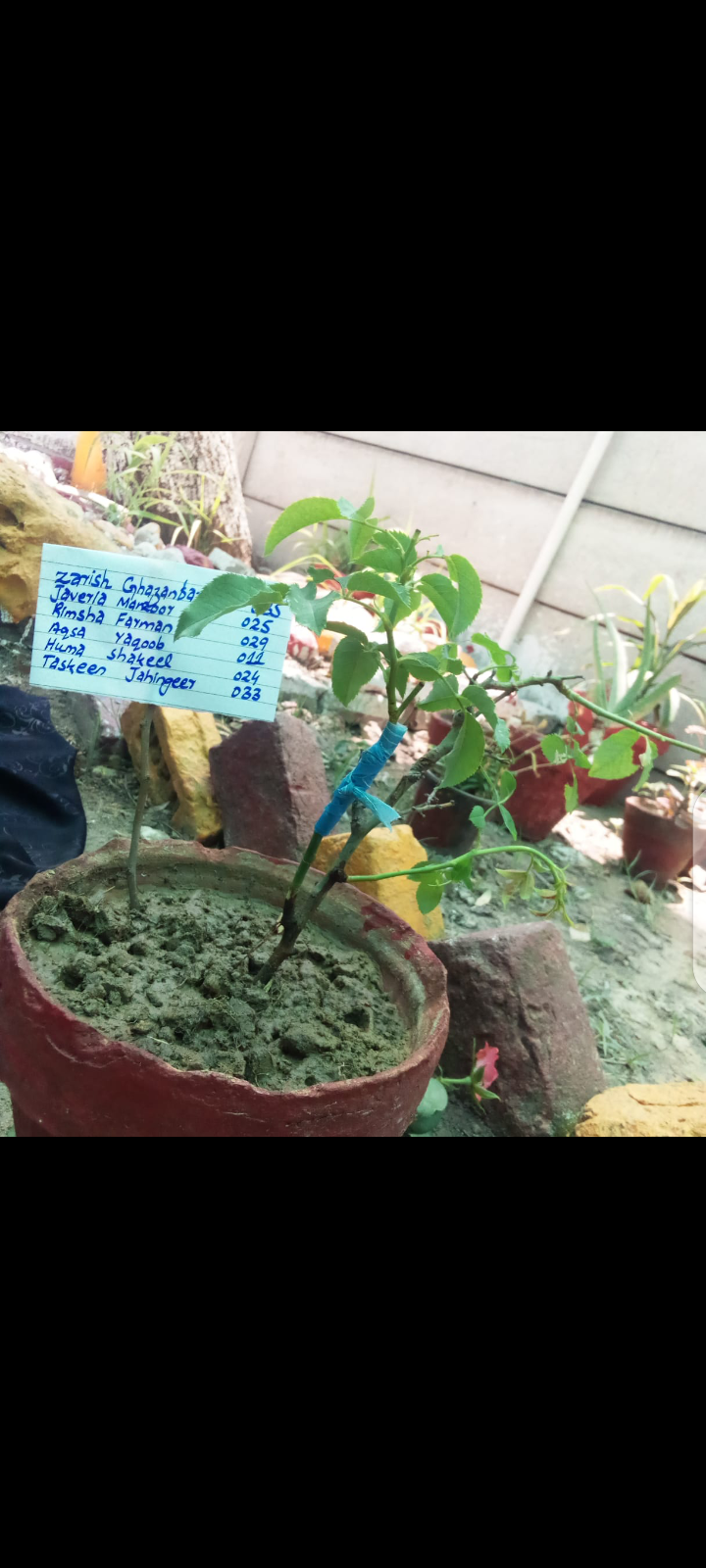
When all presentations are completed, our teacher give us an activity to graft a plant and I don't graft any plant before today even I was unaware of how to graft any plant then I use one of the social media platform and see vedios regarding to grafting and then we all friends went to nursery and buy a plant from nursery and graft it for the first time then we present our teacher our grafting procedure along with our sample plant he appreciate us and ask us to take care of this plant to get our desired results ....
Then we put the plant in our university nursery .... Although it was very enjoyable day but it was very hectic day with a lot of work and outdoor visit...... 🙂
Thank you for reading .......
Conservation OF Pandas in China.....
25 May, 2022
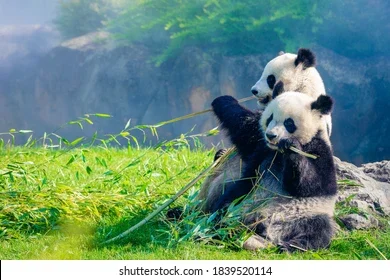
Pandas, (Ailuropoda melanoleuca) also known as “panda bear” a bear like mammal inhabiting bamboo forests in the mountains of southwest China. Pandas are considered as national treasure in China. Panda bear also has a special significance for WWF because it has been a logo of WWF since 1961.
Its body is coated with black and white fur which gives it a captivating appearance. A newborn panda is about 1/900th the size of its mother. Female panda can grow up to 200 pounds while males can grow approximately 300 pounds. Their thick hazy coat helps to keep themselves warm in their cool surroundings.
**Current Conservation Status of Pandas:**
Giant panda and red panda are only two species of pandas present in the world. Pandas are highly vulnerable towards extinction due to habitat destruction and lack of their food reserves. Conservation of pandas is necessary because every species possess its own specific genetic makeup and characteristics with the extinction of the pandas species one genetic variety would be reduced from this world. There are only 1864 pandas remains in wild out of which 1114 are present in China. Giant panda was under the category of endangered species but in September, 2016 the **International Union for Conservation of Nature (IUCN)** has reduced the conservation status of giant panda from **“endangered”** to **“vulnerable”**.
**Factors Contributing to the pandas Population Decline:**
Climate change is one of the most important factor contributing towards decline in pandas population. Habitat destruction and loss due to climate change causes decline in pandas population. Moreover, climate change also changes the availability of food reserves, bamboo is a main food of pandas and bamboo species are declining as a result of climate change and human activities. Habitat destruction causes inbreeding depression among the species, as a result of inbreeding depression no mating takes place and no more offspring are produced. Parasitic infections caused by several nematodes can significantly increase the mortality rates in pandas resulting in their population decline.
**Historic and Current Efforts to Stop the Decline in Pandas Population:**
Chinese government is working from several decades to conserve the giant pandas species. Their continuous conservation efforts upgraded the status of giant pandas from endangered to vulnerable species. In past they work on the enhancement of bamboo’s cultivation and reduce the human influence in natural areas.
Recently, Chinese government has made different adaptive management efforts in order to conserve the panda species in wild in this regard they made 67 protected areas and 13 natural reserve areas for pandas conservation. Habitat destruction and loss are major drivers of decline in pandas species, efforts have been made to identify the core areas of habitat loss and prioritize the protection and restoration of these areas.
**Monitoring Data on the Panda Species:**
For effective conservation and management of species within a specific area monitoring programs are very important. This system relies on the different partnership agencies, universities, international organizations and works on the current protected areas, observes the patrolling activities and availability of funds to support field staff. International organizations and universities provides basic training to assist the staff for data analysis. China introduced forest policies and increase the number of protected areas to minimize deforestation and habitat loss. Through long term monitoring it is resulted that live stocks mainly horses causes significant decline in bamboo biomass, livestock diminishes the pandas habitat by 34%. Forest policies suggests ban of livestock from the habitat preferred by pandas. In Sichuan Province of China trapping camera based monitoring system track the population abundance of giant pandas and other terrestrial mammals. Statistical analysis are conducted to monitor the effect of anthropogenic activities on captive breeding programs. GPS tracking system is used in detailed habitat surveys for better understanding of habitat selection strategies.
**Effectiveness of Current Management Efforts:**
Although China’s protected areas system requires much improvements but they are working effectively overtime for better habitat conservation containing more pandas. Protected areas and natural reserves are considered as backbone of species conservation, different agencies and international organizations working for the conservation and maintenance of wild species at local level. Monitoring system provides information about current status of species and the problems they are facing in their natural habitat, forest policies including ban of livestock and humans activities have minimize habitat destruction and reduce the inbreeding depression among the species which in turn increase their number.
**Strategies to Mitigate the Decline in Panda species:**
There are several strategies to mitigate the decline in pandas:
**Lowering the Cutting of Bamboo Plant:**
Bamboo trees are cut down to make paper which destroy the wild habitat and food resource of pandas. Cultivation of more bamboo trees and recycling of paper products protect the pandas species from extinction.
**Establishment of more Protected Areas:**
Protected areas are free from human and livestock influence, establishment of more protected areas with more natural resources proves to be helpful in conservation of pandas.
**Captive Breeding Programs:**
Some species are endangered in wild conditions and brought in captivity. In captive breeding organisms are reproduced under artificial settings away from their natural habitat in zoos, aquaria, farms and botanical gardens etc. These areas are filled with all resources under intensive human care. Establishing captive breeding areas causes reduction in declining rate of pandas.
**Reduce Inbreeding Depression:**
Human activities like hunting, agriculture, logging and their continuous influence in natural habitat causes in breeding depression in animals as a consequence of which they are failed to find their possible mates. Inbreeding depression is a leading cause of decline in many wild species. Human activities should be minimized in natural areas in order to conserve and maintain pandas and other wild animals.
**Rules and Laws for Conservation:**
Conservation of species is carried out by creating and maintaining biodiversity laws at local and international levels. Convention on International Trade in Endangered Species of Wild Flora and Fauna (CITES) is an international agreement between different governments that controls the trade of endangered species specimens for their effective conservation. Minimizing illegal trade of pandas proves to be most effective in their successful conservation.
**Public Awareness:**
Creating awareness among the society with respect to biodiversity loss and importance is very necessary for persistent conservation. Public awareness can be promoted through education and different seminars at local and regional level.
**Economic and Social impacts of the Pandas Species Decline:**
Economically pandas have only little importance, their decline does not affect economically as much, bamboo is used in making mini furniture, wooden railings and paper production pandas helps in seed dispersion and increase their production.
Panda is very cute animal, its soft black and white fur gives it a very attractive appearance. Panda is important socially, because of its natural attraction it promotes tourism people visit the natural areas to see this charming animal. Moreover, panda’s habitat provides beneficial services for mankind like fuel, medicines and bamboo pickle etc. We should protect panda once this amusing animal is extinct it cannot be replaced.
**Future Assessment of Panda species:**
Number of giant pandas is slowly increasing as an outcome of emergent efforts of China in September,2016 pandas become a worldwide sign of conservation success, but the past threats including over hunting, habitat fragmentation and loss are still present. Conservation practices should be continued for preservation of pandas at a constant rate otherwise in future this species once more will become endangered towards extinction.
Thank you for Reading ❤️......
Effect of Soil Temperature on Soil Properties and Plants Growth
24 May, 2022
Soil act as a major source of heat energy. Soil store energy during warm season and release it during cold season. Temperature of soil is heat exchange between soil and atmosphere. The main source of soil temperature is solar radiations. Soil temperature changes annually and daily it depends on the change in air temperature and solar radiations. Soil temperature governs physical, chemical and biological processes of soil. It also effect plant growth and rate of decomposition of organic matter and process of mineralization. Soil temperature also effect soil water retention, transmission and availability of water to plants.
**Factors influencing soil temperature:**
There are two main factors that influence soil temperature including:
**1: The amount of heat available to the soil surface:**
These factors include; soil colour, mulching, and solar radiations, slope of land surface, vegetation cover, organic matter content and evaporation.
**2: Amount of heat dissipated from soil surface down to the soil profile:**
These factors include; moisture content and bulk density.
**Effect of soil temperature on some soil properties:**
**Effect of soil on biological properties:**
**Bioactivity**:
Soil temperature ranges from 10 to 28 Celsius. Soil temperature increases the activity of extracellular enzymes and degrades organic matter in soil and increase microbial respiration. When temperature of soil increases it also increases the rate of nitrogen mineralization by increasing microbial activity and decomposition of soil organic matter. When soil temperature decreases below the freezing point it can decrease the process of mineralization by inhibiting microbial activity.
**Soil microorganism:**
Soil microbial activity is decreased with low soil temperature soil microorganisms requires temperature between 10 to 35.6 Celsius for their activity.
**Soil macro-organisms:**
At a soil temperature between 10 to 24 Celsius soil macro-organisms have higher metabolism rate but at extreme high temperature e.g. 58 Celsius soil macro-organisms dies due to unfavourable temperature. Soil macro-organisms do not survive at temperature below freezing point.
**Organic matter decomposition:**
Soil organic matter start accumulating in soil at temperature below 0 Celsius due to low rate of decomposition. Decomposition of organic matter increases at the temperature between 2 to 38 Celsius through stimulation of microbial activity and increase in movement of soluble substrates in soil.
**Effect of soil chemical properties:**
**Cation exchange capacity:**
Increase in soil temperature results in decrease in cation exchange capacity of soil. Reduction in organic matter and clay size as a result of high temperature leads towards decrease in cation exchange capacity of soil.
**Available phosphorus:**
The concentration of water soluble phosphorus is increased at soil temperature 50 to 250 Celsius due to increased movement of phosphorus in soil through diffusion. At low temperature concentration of phosphorus in soil is decreased due to hindrance in release of phosphorus from organic matter.
**Soil PH:**
PH of the soil is increases at the temperature between 25 to 39 Celsius due to denaturation of organic acid at high temperature.
**Effect of soil physical properties:**
**Soil structure:**
Increase in soil temperature causes dehydration in clay particles which in turn develop strong interaction between clay particles and yields in less clay and more silt sized particles. High temperature also causes cracking of sand particles and also reduced the sand sized particles in soil. Increase in soil temperature lessens the clay and sand particles and increase the silt particles in soil.
**Aggregate stability:**
Aggregate stability is a transformation of iron and aluminium oxides which in turn act as the strengthening agents of clay particles then form strong silt particles. At soil temperature of 30 Celsius the aggregate stability of soil increases.
**Soil moisture content:**
Increase in soil temperature results decrease in soil moisture content and also decrease water viscosity. Reduction in shade and increase in soil temperature results in high evaporation rate from soil surface which in turn reduced the movement of water in soil profile.
**Soil aeration:**
High temperature increase micro-organisms activity in soil which results in higher production of carbon dioxide in soil. Temperature also influences carbon dioxide concentration in soil air.
**Effects of soil temperature on plant growth:**
Soil temperature has great influence on plants growth by affecting water and nutrients uptake and also by affecting growth of root and shoots.
**Water uptake:**
Low soil temperature decreases the uptake of water and also decreases the rate of water absorption by plants. Decrease water uptake results in reduction in rate of photosynthesis.
**Nutrient uptake:**
Increase in soil temperature increases the metabolic activities in soil which in turn stimulate the availability of nutrients for plants. At low soil temperature nutrients uptake by plants is reduced due to high soil water viscosity and low activity of root nutrients transport.
**Root growth:**
Increase in soil temperature causes increase in root growth by increasing metabolic activity of root cells. Low temperature results decrease in root growth due to reduced tissue nutrient concentration.
**Conclusion:**
Soil is essential for maintenance of plant life, providing mechanical support, supplying nutrients, and water. Soil is a major source of heat and soil temperature controls many biological processes. Soil temperature influences soil moisture, soil aeration, and it also influences plants growth by providing nutrients to plants necessary for their growth.
Thank you for reading.......
Benefits of Reading News paper on Daily Basis
23 May, 2022
The word news stands for North, East, West, and South. Newspaper contains very useful information as well as entertainment stories etc. It aware people about the current situation of their country or state. Every country have it's own newspapers in which the national and international news are discussed.
Habit of reading newspaper on daily basis proves to be very helpful for analysing the current situations in world it also develops critical thinking skills in a daily news readers .
Newspapers are available in different languages, mostly in native languages so that people can read them very easily.
Newspapers provide general knowledge, information, entertainment, trade, commerce, sports and games, health tips and current economic status of the country.
Reading newspaper on daily basis develops a habit of consistent learning and brain development.
Man is a social animal, in order to meet the needs of society he needs to remain updated about what is happening across the world while sitting at the corner of his house. Reading Newspapers enable us to well informed about everything that is happening around us....
In school and colleges students have to undergo a lot of research and they deal with their school projects on daily basis. Reading newspaper gives them more ideas how to solve their problems related to their topic because different tips and ideas are shared in newspapers on daily basis.
Newspapers carries information about politics and current affairs thus, reading newspaper on daily basis also gives us information about the current political situation and general affairs of country .
Reading newspaper is a very healthy and Worth full activity for every individual especially for students.
Reading English newspapers improves the vocabulary and reading skills of students. Different articles are shared in newspapers on daily basis by reading these articles students can gain new knowledge and cognitive skills.
In short newspaper serves as a learning tool for everyone, it covers broad aspect of learning ranging from national to international level so, reading of newspaper should be promoted and good content in newspapers should be added on daily basis for better development of society.
Note!
Everything discussed in this article is not taken from any source these are the author's own thoughts....
Thank you for reading.....
My Teaching Experience
May 22, 2022
Hello! This is me Isfa from Pakistan, I worked as a teacher in Read foundation school Bhimber Azad Kashmir Pakistan. I work as a primary teacher for one year.
Life as a teacher is totally different from normal life we spend in our homes, in school or college we communicate with our colleagues and students.
My morning duty was on the school gate to welcome students. They arrived school at school early morning and pay greetings to me and their other teachers.
Students of nursery level sometimes comes with their weeping faces carrying their water bottles around their neck and school bag on their back. Every student attend morning assembly and then their normal routine classes are started.
I work as an activity teacher where I perform different activities related to science, English , and about our daily life routines. It was very beautiful experience with students we enjoy in our class along with the learning.
I was emotionally attached to my students they were like my own children to me and I teach them small things on daily basis like what is good for them and what is bad for them and they listen to me very carefully with their great interest.
**A teacher is a nation builder.... If you don't properly feed training in your teachers then they will eat your children.**
At parents teacher meeting first time I deal with a huge crowd of people and I was nervous also that how I will communicate with them. Parents comes with their children they meet me and appreciate my efforts regrading to the social and cognitive development of their children. I was very happy at that day because my efforts on my students comes fruitful at the end of day.
Parents treat me like I'm a very respectable personality they told me that their children loves me and talks about me at their homes in very good words, it was very appreciating for me.
**Teaching is passion not a profession.**
At last I have to left my school teaching for my further studies but I was not happy at leaving school my children as some goodbyes are not very easy when you are emotionally attached with a system. At my last day I met school principal and request him that I will join again their school after completion of my degree and he gave me permission that after my second semester he allows me to join again his school and now I'm in second semester of masters and still waiting anxiously for completion of my second semester and join again my teaching career..... ❤️
**Note:**
Everything I wrote in this article is not copied or taken from any website these are my own thoughts about my teaching career.
Thanks For Reading....!
Top 10 Flowers to Grow in Your Home Garden 🏡
May 20, 2022
Generally in our garden, we plant flowers as a hobby, to give it a good look, or just because of that we love the flowers. Having flowers or grasses in our home garden gives us different level of satisfaction and peace of mind. Have you ever noticed that spending your spare time in your garden having flowers of different colors or green portion of your home makes you feel better and also improves your mood?
Flower producing plants are also known as angiosperms. Flowering plants are those plants which produce flowers as their reproductive structures. These plants are available in different size, shapes and varieties majority of them are used as ornamental plants to enhance the beauty of our home, offices etc.
There are about 250,000 known species of flowering plants. These may include rose plant, grasses, daisies, sunflower, hibiscus, orchids, daffodils, marigolds, lavender, tulips and other many familiar plants, due to their showy petals and their beautiful fragrance these plants also attract humans and insects.
**Here is a list of top 10 flower producing plants that you can easily grow in your home garden or even in a small corner of your home like in a balcony or in a very small area of your home.**
**1: Rose**
Rose plant commonly known as “Gulab”. Its scientific name is Rosa indica. It is almost present in every home garden and enhance the beauty of an area or a garden. Rose plant is available in different varieties and cultivars that produce flowers of different colors including red, pink, white, orange and are also in black color. Their petals are showy and have mind blowing fragrance.
Flowers of rose plant are also used for decoration purposes. Red rose is considered as a symbol of love and prosperity.
**2: Grasses**
Different grasses are commonly grown in our home garden. Among these grasses Cynodon dactylon commonly known as “khabal grass” is very popular among different ornamental plants and is used for decoration and beautification of our home garden. This is very cheap grass that everyone can afford to grow in their homes. Do you know that Cynodon dactylon propagates very fast than other varieties of ornamental grasses?
**3: Daisies**
Daisies are also most commonly grown flowering plants. Their flowers are white in color having disc like center which is yellow in color. It is a European plant species. The scientific name of daisy is Bellis perennis.
Daisies are considered as a symbol of love and innocence. These can also use to symbolize love, beauty and nature. These flowers are commonly grown in home gardens to increase their beautification.
Wild species of daisies are also used in making cough syrups and medicinal tea which can prove to be helpful to cure different diseases like bronchitis and asthma etc.
**4: Sunflower**
Scientific name of sunflower is Helianthus annuus. Sunflower is most widely growing plant in our lawns, parks and other small portions of our homes or offices. Sunflower is of huge importance because it is an ornamental as well as very useful plant. Its flowers are yellow in color and have central disc portion containing seeds. Do you know that daisies and sunflowers belongs to the same family of flowering plants? Yes they belongs to the same family named as Asteraceae or Composite family.
Seeds of sunflower are dried and roasted for consumption purposes. Sunflower seeds are also used to obtain sunflower oil which is used for cooking purposes.
**5: Hibiscus**
Scientifically known as Hibiscus rosa sinensis. It is most common garden plant mostly used for ornamental purposes. Flower petals are very delicate and are is reddish shade. Its leaves are fleshy and dark green in color. This plant is also present in different colors and varieties.
**6: Orchids**
Orchids are beautiful indoor plants. The word orchid is derived from the Greek word (orchis) for testicle because of the shape of the root tubers in some species of the genus Orchis. They make magnificent plants for ornamenting the home. The flowers are colorful, unique, and long-lasting. They have a reputation of being difficult to grow indoors, but by selecting certain species and providing the proper environmental conditions, success is almost assured.
**7: Daffodils**
Daffodils are among the first flowers we see in springtime and are of great sign that winter is over. Mostly their flowers are white and are indicator of love, purity and a new start but some species also have yellow flowers. Their smell is too spicy and musky. Scientifically they are called as Narcissus jonquilla. These are also used as ornamental plants.
**8: Marigold**
Marigold plant commonly known as “Gainda” plant and its flowers are yellow to orange in color. It is very commonly growing ornamental plant almost present in every home garden and some public places. Its flowers are used to beautify a specific area and its flowers are also used to obtain essential oil called as “marigold essential oil”. This essential oil is used in the formation of different cosmetic products so we can say that marigold is a very important plant ornamentally as well as economically.
**9: Lavender**
Lavender is small shrub with linear green to grayish leaves. Its flowers are very attractive and are purple in color. Its common name is Lavender and scientific name is Lavandula officinalis. It is also grown as a home garden plant in different countries in order to beautify the lawns and gardens.
**10: Tulips**
Tulips are cup shaped flowers mostly available in different colors. Tulips are native flowers of central Asia and Turkey but are also widely present in other countries due to their huge ornamental value. Tulips have herbaceous stem. Tulip flowers are highly ornamental due to their different shades they increase the beauty of the area where they are present. These are also called as “spring flowers” because they flourish widely in spring season. Tulip flowers are the sign of deep love and perfection. Tulips are also cultivated at economic level and are used in making bunch of different flowers.
Thank you for reading....!
 @Isfi
@Isfi