How to live without someone you love
**What can be done**
Every year, millions of people around the world suffer the tragedy of the death of a loved one. The incredible shock and excruciating pain that often accompanies it is really hard to overcome.
Maybe you or someone you know has this loss. What can this person do to relieve the pain and return to a more normal standard of living?
Some have said that “time is a good doctor” and that its evolution will bring life back to a more normal routine. But time itself does not heal anything. It's what you do with your time that hurts or heals. Time after death can be misused for self-pity, or it can be put to good use to develop a satisfactory standard of living.
While there are a variety of issues, it is important to learn to live without a loved one. The steps you take will determine the number of scars remaining and the length of your grieving period. And there are a number of things that many find helpful in dealing with the problem, things that relate to everyday life.
But there is something else, something that is very helpful in relieving pain and allowing the person to continue to be optimistic. This was what Anita and her family had, and it surprised the doctors and nurses who came to them because it turned out to be much needed help.
But first, let's take a look at a few things in your daily routine that have proven helpful in coping with the loss of a loved one.
**Take back responsibility**
Of course, in the event of death, you will have to take a break from your normal routine for a while. Some may indicate a long period of mourning. But it can lengthen the process of overcoming the pain and make it harder to overcome self-pity.
As such, many find it helpful to return to a more normal routine when it is convenient for them. For example, a couple worked together on a bread delivery route. But the tragedy occurred when the man fell from a roof he was working on and died. The woman says:
“Partly for financial reasons, I had to get back to work quickly. After two weeks, I returned to deliver the bread.
But in a way, it was a blessing. Necessity is a good teacher. It helped me reconnect with other people in society, listen to their issues and think about others instead of just thinking about my sad situation.
“When I forced myself back to work as soon as possible, I had to take responsibility that I knew I had to face anyway.
Change your environment
Some of those who died in the family think it is good to let time pass before they reveal things or make big changes. The last question, however, is: should you keep the belongings of the deceased? Maybe you do. But even here, some things can be useful later, for example. B. Men's tools for home repairs.
But what if stored personal items cause constant depression because they are painful memories of loss? Trying to keep things the way they were or live as if the loved one is still there does not help you get through the pain. Instead, you can turn a house into a museum with sad memories.
After a first period of pain, it is best to see how much change needs to be made to meet your new needs in life, so that the past does not interfere unnecessarily in the present.
**Remarrying**
If a spouse is lost, the survivor may eventually choose to remarry. But since no one develops exactly the same conditions, no one else will replace the one who died. There is no point in finding someone who does. However, the new one can be as unique as the old one, which is very satisfying.
In many cases, the spouse may decide not to remarry or stay alone any longer. These people can quickly discover that they have a greater ability to do things than they thought. The extra responsibility to do more to raise children, cook or do other activities previously performed by someone else can give up previously underdeveloped personal resources. Even children often think that they can do much more than they thought when they adapted to the loss of a parent. They can be much more useful for household chores or for caring for younger relatives.
Although friends can never replace a loved one who is lost in death, they can be of great help and comfort. You can volunteer to take care of many things. If they are trusted friends, you can also ask them to help you. Of course, you should not be too dependent on them. But a true friend who listens and continues to trust, who will accept some of your burdens for a while and help you make smart decisions, is invaluable in a time of need.
Therefore, practical considerations such as these can help a person return to a more normal life after the death of a loved one.

Women in the pulpit,Whats the Bible’s view?
"After hundreds of years with only men on the podium, why the ongoing debate?" It is generally accepted that the women's liberation movement was the main force. Feminist writers argue that women are equally qualified and that "a change of tradition seems absolutely necessary".
Indeed, the possibility of “abolishing tradition” seems to be a major issue in the controversy. Instead, the first problem shouldn't be: who gives God the responsibility to teach the church? Yes, instead of researching man-made traditions, consider the Bible's point of view.
Jesus loved people, including women. Unlike the Pharisees and others, he treated women with respect and willingly taught them. Women were faithful to him and were the first to see him after his resurrection.
Nothing in the Gospels suggests that Jesus prevented women from telling others about the “good news” of salvation. Indeed, after about 120 men and women poured out the Spirit of God at Pentecost, Peter quotes Joel: “I [God] will pour out my Spirit on all flesh, and your sons and daughters will prophesy. (Acts 1:14; 2: 1-18; Joel 2:28, 29) So in the early church men and women willingly shared their new hope with all who would hear it.
On the other hand, we must carefully consider the biblical use of the Greek word ákònos. It is sometimes used generically by one of the sexes to "serve" or "serve" the other. Apparently, this is how Paul talks about "our sister Phoebe, who is a maid [the maid]". (Rom 16: 1; Luke 8: 1-3) However, in many passages the word clearly refers to a specific position in the congregation: a vicarious pastor.
The list of requirements for this official position includes: "Let officials be the wives of a woman." The same is true of those with spiritual oversight called "elders" or "supervisors." An elder of the parish would be "a man who runs his house well". (1 Tim. 3: 2-4, 8, 12) Let the baptized occupy both leadership positions in the church.
The Christian-Greek scriptures are very clear on this subject. Paul writes, "I do not allow a woman to teach [the church] or exercise authority over a man." (1 Tim. 2:11, 12.) But he also says that women have the capacity to teach, because it encourages mature women to "be teachers of what is good for the" girls. " Why can women do this outside of the Church? Was the apostle Paul “anti-woman” as some claim?
This reasoning ignores a basic biblical teaching: leadership. Paul was in harmony with Peter and other Bible writers when he wrote, “But I want you to know that the head of each one is Christ; the head of the woman is again the man; The head of Christ is in turn God ”- 1 Cor. 11: 3; 1 domestic animal. 3: 1.
God alone does not have his head on him; Everyone does it. Given the number of men who have abused their leadership, it is not surprising that some women are calling for equality. In reality, however, God provided this leadership arrangement for the benefit of all. As?
Jehovah created families for the most intimate aspects of life. To ensure the happiness and security of all, stability and unity would be essential. Of course, a member must give instructions. Jehovah has given this responsibility to mankind. He also ordered the man to "love his wife as he loves himself," to accept and honor her.
If a woman needs her husband's guidance at home, how can she take leadership of the men and women in the ward? What if an old man and an "old woman" got married?
Those who defend women “at the pulpit” want us to believe that due to prevailing social practice, Jesus had few apostles among the twelve. But Jesus acted according to God's original purpose. In Eden, Adam was the head of Eve even before she fell into sin.
Does this divine pattern restrict women and make Christians second class, as some claim? Today, the word "submission" is often associated with "inferiority." But the Bible and the Christian life teach us that we will find happiness only if we submit to Jehovah's will and seek our place in this arrangement.
In addition, the apostle Paul is often underrepresented in relation to women. Not only did he write a lot about how women should be loved and respected, he also repeatedly complimented and praised the sisters individually. (Rom. 16: 3, 4, 6, 12) And it was the same apostle who wrote the verse most often quoted by the "priestess." He explains: “There are no Jews or Greeks, there are no slaves or free men, there are no men or women; for you are all united with Christ Jesus. ”- Gal. 3:28.
This writing reveals a deep truth in its context. The heavenly class is not limited to men but includes women. Above all, it truly proclaims God's positive view of women, a view that Christ and Paul faithfully reflect.
While churches are moving in many directions on this issue, Christian women would do well to follow biblical teaching. They are not "deleted" during the process. They find true happiness by offering "spiritual sacrifices that are acceptable to God." Most importantly, they receive God's blessings. - 1 Peter. 2: 5.

Find your way through the stars
Who has not looked at the stars and marveled at the wonders of the universe on a crystal night? Can you identify the stars and asterisks? Or does the night sky look like a confusing mess of light spots that prevent you from identifying yourself?
It is more difficult to find oneself in the sky than on the ground because the stars change position. But it is an orderly movement, hour after hour, all night. The appearance of the sky also changes from month to month as the year goes on. These obvious movements are the result of the earth's motion, the first of its daily rotation, the second of its annual journey around the sun.
Do you want to learn how to navigate the stars and find some of them? Residents of the northern hemisphere can use "Big Bear" as a starting point. It is a collection of seven bright stars. Four of them describe the pot on the pot and the other three form a curved handle. This group of stars is known in England as "Plow" or "Wain" (Wagon), whose similarities are equally clear.
The stars in the sky are grouped into constellations, many of which have been described since time immemorial and are intended to form images of people, animals or objects. Astronomers divide the sky into a total of eight constellations, but less than half contain stars that are bright enough to attract the layman's attention. Ursa Major is part of a constellation called Ursa Major or Ursa Major.
It may seem difficult at first, but with a simple map as a guide, it is very easy to find many stars and constellations. It only takes a few minutes, two or three nights a year. Would you like to try?
***Summer sky stars***
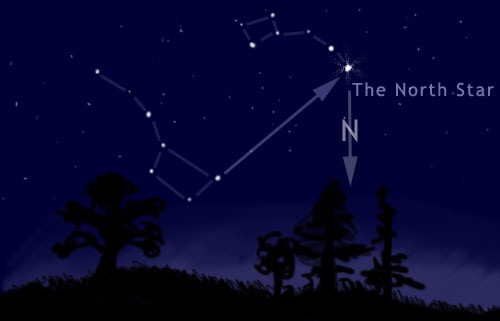
Let's start with the Big Dipper to find the Pole Star. Look north for the spoon bird on a clear spring, summer or autumn night. To make it easier, we will number the stars from 1 to 7, starting with the bowl and working down to the handle, which is shown in the attached tables.
Now imagine a line from 2 to 1 and continue the length of the pendulum. This leads to the Pole Star in the constellation Ursa Minor (the little carriage). From North Star, you can trace Ursa Minor's contours as it bends toward Ursa Major. If you continue in the same direction as Polaris, you will reach the constellation Cassiopeia at approximately the same distance, identified by five bright W-shaped stars.
You will find it interesting to observe these three constellations for a few hours in one night. The toy car rotates around the end of the handle. Ursa Maior and Cassiopeia also move counterclockwise around Polaris. The cause is the rotation of the earth around its axis.
If it's a summer night, Orsa Maggiore is west of the face with the handle facing up. It may show us another path between the stars. Follow the curve of the handle upwards and approximately the length of a saucepan you will find a bright orange star that is far from other bright stars. Here is Arcturus in the constellation Boötes. Follow the same curve to the end and you will reach another lone star, Spica, in the constellation Virgo.
Now go back to the pendulum and start with star 1, draw a straight line up to 4, a long line that goes through Arcturus and extends to the sky. Finally, you will find the eye-catching constellation Scorpio with the bright "giant red star" Antares, which burns in the heart of Scorpio. It has a long tail that turns towards the southern horizon and bends at the end. Some compared this constellation to a dragon with its long tail blown by the wind. Antares is one of the biggest known stars. It is so large that Antares would fill the inner solar system almost to the orbit of Mars if its center was where our sun is. Our country would be in the depths of Antares.
Now let's go back to the pendulum and take a new path. Start at 3 and follow line 4 to the eastern sky and you will reach Deneb, Cygnus (the swan). Deneb is at the top of the "Cruzeiro do Norte", which is located next to him at this time of year. Six stars mark the cross, even though it is quite dark in the middle of the post.
On our way to Deneb, we met an even brighter star on Lyra, Vega. Vega and Deneb form a large triangle with another bright star, Altair, in Aquila (the eagle). Altair is accompanied by two paler stars, one on each side in a straight line.
It's here! In a few minutes, you will have met the main stars and constellations of the summer sky. Once you get to know them, you don't need to reboot every time from Big Dipper to find them. The distinct shapes of the groups make many immediately recognizable. Cassiopée you know the "W"; Scorpio for the dragon; Deneb on the cross; Vega in the remarkable triangle and so on. Each of them is unique in paradise.
After discovering these constellations, you will want to renew your awareness of them from time to time when you go out at night. When fall begins, they move to the sky in the west. Eventually, one by one, they will disappear below the horizon. But the winter sky will contain new groups of eastern stars. The second table with this article will help you identify these new stars.
***Winter sky***
At the end of winter, the Big Dipper is downhill on the east side of Polaris. A line crossing stars 4 and 3 indicates Regulus in Leo (the lion). Note the "sickle" with regulus at the end of the handle. A line from 4 to 1 leads to Capella (the goat) with her three neighboring "children". Use 3 and 2 to bring Aldebaran to Taurus (the bull) at the head of a V-shaped group called Hyades. On the other side of V is a cluster of pale stars called the Pleiades, also known as "The Seven Sisters". Some say that this group looks like a small ball. If you have never seen the Hyades or the Pleiades with binoculars, a pleasant surprise awaits you.
A 4 to 2 diagonal line takes you to Gemini (the twins) which are made up of Castor and his lighter sibling, Pollux. A long line of 5 and 4 leads from Gemini to Orion, the hunter of the giants, one of the most spectacular constellations. Orion is bounded by an irregular rectangle. Betelgeuse in an upper corner is another red giant like Antares. Rigel in the opposite corner is a light blue and white star. Three stars in a row mark Orion's belt. They point to Sirius, the canine star of Canis Major (the big dog), the brightest fixed star in the sky. Between him and the twins stands Procyon in Canis Minor (the puppy).
Do you think we've now looked at one-third of the major constellations and over half of the first and second magnitude stars that can be seen from northern latitudes? But here's a caveat. If you follow these paths in the sky, you can find a bright star that does not fit. It could be one of the planets. Jupiter and Venus and sometimes Mars are brighter than any fixed star. Saturn is also bright: for example, Jupiter will be halfway between Aldebaran and Gemini in the winter of 1977-1978, and Saturn will therefore be near Regulus.
Have you and your family visited a planetarium? Once you start seeing the stars it will be a rewarding experience. The planetarium is located in many major cities. They offer different times, usually with the start of the sky above you, but they speed up and lighten the movements of the sky. These presentations are of interest to people of all ages. You may also want an inexpensive star guide that will help you identify other stars and constellations. And if you have the opportunity to travel to countries in the southern hemisphere, don't miss the opportunity to make new “friends” in the southern skies.
Finding your way between the stars and constellations with the naked eye will increase your appreciation for the power and wisdom of the Creator. Jehovah placed the stars there. They reflect his fame and allow us to appreciate and admire his work. If we are satisfied, knowing these constellations and a few dozen stars, we must not forget that there are millions and millions of stars that are out of our sight. And just think! Jehovah God knows everyone's names.
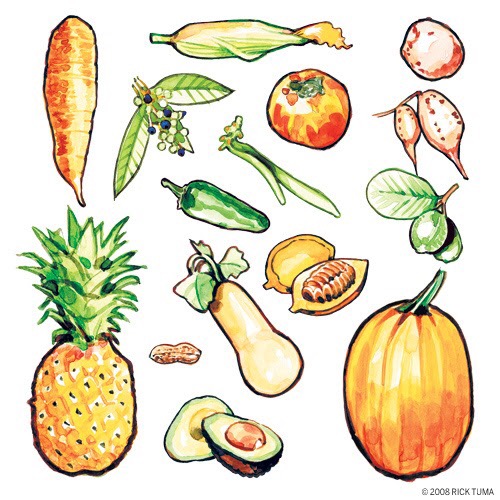
New fruit of the old
Today there is an incredible variety of fruits. And what a difference in taste! There are wild apples that can be described as "so sour that they take the edge of the knife", words that the natural scientist Plínio used about two thousand years ago. But many other varieties of apples are delicious for their taste and the options are not limited to a few. Why are 1823 different varieties included in a fruit book published in the United States more than a hundred years ago? But all with their characteristics are descendants of common ancestors. In fact, the new types of fruit come from old varieties. How was it obtained?
Probably, when men gained agricultural experience, they were more selective with the seeds they saved for future planting and chose the seeds of the largest grapes, the sweetest apples. , larger olives, etc. This gradually produced more and more different species of wild varieties.
The deliberate crossing to combine the desirable characteristics of different parents is a new development. Growing new types of old fruit in this way is not always easy, as Professor L. H. Bailey discovered in the late 19th century.
Bailey stood in the autumn with a mountain compass and pumpkin from Bergen and stretched the offspring with a pumpkin. In 1891, the fruits of this second generation resembled those of Bergen, with a thin, papery skin on a thick and attractive yellow mass. The peel protected the fruit from rough handling and ice. The meat cooks well. "But the taste," shouted Bailey, "remnants of quinine, bile and bones! The pumpkin was still there.
Since then, the man has learned a lot. There are at least five ways to produce better fruit.
**sports**
One solution is to use "sports". For a plant grower, sports are isolated plants that in some way differ significantly and in a new way from the original type. How were they last born?
Perhaps one in two hundred thousand times the mechanism by which genes reproduce a little fails. This may be due to exposure to radiation, heat or chemicals. The resulting genetic change is a "mutation". Most mutations are recessive and therefore do not appear immediately. But over time, a recessive mutation can manifest itself as a new trait. This new feature may be attractive enough to attract attention (like double flowers) and is still considered worthy of preservation, despite its low reproductive potential. Plants with this altered trait are the "sport" of the breeding world. If new features only appear on a bud or branch, it is called budding. Seeds from plants with genetic changes are also affected, and therefore the new feature can be retained.
**Selective selection of hybrids**
Another way to improve fruit varieties is to create hybrids. This method developed an apple tree that could survive the cold winters of northwestern Canada. In 1887, Dr. Saunders began creating plants from a small Siberian apple tree (Malus baccata) that can withstand temperatures of -34 degrees Celsius. Seven years later these plants flourished and he crossed them with sweet and cultivated varieties. The most promising of the eight hundred plants stood up to the harshness of northwestern Canada and survived. Over time, they also flourished and Dr. Saunders, who was not afraid of the small size of the fruit, used them to make various crosses with cultivated species. Among the descendants were some with the large, sweet fruits of their cultivated parents and the robustness of their Siberian ancestors.
**Crosses innate lines**
Another important way to produce new varieties of fruit from old ones is to cross clean lines for hybrid power. Many mutant genes may have accumulated in some food plants over the centuries and weakened these plants. This is because inbreeding increases the likelihood that the recessive traits carried by mutant genes will manifest in the offspring of plants, leading to a gradual loss of power and consequent yield. The combination of two of these innate lines restores the effectiveness to an amazing level; This is even more true when four unrelated bloodlines are combined in two generations. This improvement is only possible with some plants, but with maize or maize the effect is phenomenal.
**Double the number of chromosomes**
A fourth way to make new fruits from old ones is to double the number of chromosomes. The normal contribution of each parent's gamete chromosomes is half a set (the haploid number). After fertilization, they together form the diploid number of chromosomes in each cell. For almost all animals and most plants, this is the normal number of chromosomes. However, plants can have more chromosomes and still be healthy specimens. Those with three, four, five, six, seven, or eight chromosomal agents are triploid, tetraploid, pentaploid, hexaploid, heptaploid, and octoploid, respectively. Plants like these are generally larger and more powerful, but less fertile than diploids. For example, a cultivated red pepper (tetraploid) has an average of four times more weight than its diploid relatives. The fruit is up to five hundred times heavier!
In order to form haploid gametes from the diploid cells of the body, the chromosomes pair like two rows of partners in a dance. Hence, four cells are formed from one original cell, each of which has only the haploid number of chromosomes. If more than two cells consist of similar chromosomes, one or more chromosomes generally cannot find a mate (inevitably if the stem cell is triploid, pentaploid or heptaploid). Even in tetraploid cells, chromosomes can be separated by three and one instead of two and two. This imbalance tends to be sterile. But even if 5% of female gametes are fertilized, it is enough to produce fruit.
By applying colchicine to fast-growing shoots, chromosome doubling can almost be achieved today. X-rays can also be used to selectively kill the remaining diploid cells.
**A combination of hybridization and chromosomal duplication.**
The fifth way to get new fruits from old ones combines the hybridization of species with the replication of chromosomes. When less closely related plant species are crossed, the offspring are usually strong but sterile. Duplicating chromosomes with the help of colchicine restores fertility, usually at its best.
**Nothing new in the absolute mood**
However, we must not think that the breeders just have to choose suitable parents and pollinate, and then we will have a new juicy fruit. Sometimes years of hard work, at best thousands of plants later, can only result in a new strain that is no better than the previous one. There are many disappointments. Also, not all new varieties are as nutritious as the old ones. For example, white cabbage contains less vitamin A and vitamin C than green hearts. Cabbage is denser, harder, and less digestible.
Our modern understanding of genetics leads us to realize that, in the end, humans did nothing new through their reproductive efforts. In any theoretical development there has been much less natural selection or blind chance. All honor must go to the Creator, who gives plants the potential to survive for generations in nature and to develop them from humans into a wonderful variety. Therefore, in making new types of fruit from old ones, humans have simply explored the potential that has existed since plants emerged.
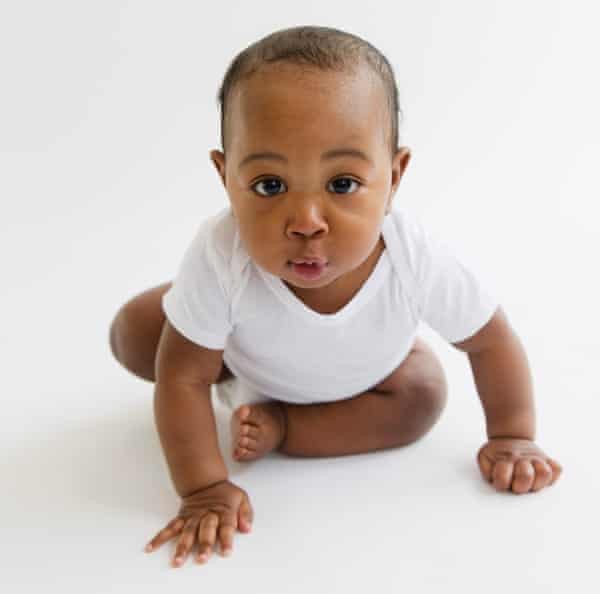
Help the child learn to speak.
**Multiple miracles**
The word "miracle" may sound like an exaggeration. However, speech (sounds, breathing patterns) and speech (what sounds represent) are very complex systems.
In fact, coordination alone is a miracle. Speaking a short two-syllable word may require twenty different lip, tongue, larynx, and jaw adjustments. These twenty delicate adjustments must be made in exactly the right order in about a quarter of a second. This would mean that each movement takes about a hundredth of a second. And everything is done automatically!
A second miracle is the variation in sound and when it can be done. As language experts report, children around the world can produce all the sounds of speech in the first few months of life that the human language system can produce: “. . . French vowels and trills, German consonants and gutters and many more that can only be described by phonetic symbols. “In general, infants quickly develop the potential for a variety of sounds, but their environment - the language of the country, the sounds they hear) affects those who use them regularly.
Such evidence strongly contradicts the evolutionary view that "primitive man falsely produced audible vocal sounds". (Psychology of communication, p. 16) On the contrary, he explains that the word is an "innate miracle". A Creator gave children equipment, desire and skills, or a tendency to speak.
This view is supported by scientific studies which show that children around the world have remarkably similar patterns and stages of language development. In addition to recognizing the word as a "gift" to be cherished, there are positive steps you can take to help a child learn and work with these role models.
**From the first cry to the first word**
These are the phases where many speech-language pathologists believe that all "normal" children continue to speak sentences or phrases. However, it's a good idea to post a notice here.
"Normal" simply means that most children will do it within the specified time. But no child is a statistic or an average; Each child is an individual. Although all children who speak tend to follow this pattern, the age at which they do so can vary widely.
Also note that inheritance is likely to play a role. Therefore, the conversation begins later in some families than in others. Considering these factors, we follow the first cry to first word pattern:
1. From birth to the first month, the baby's single vowel will cry with little difference in pitch regardless of the cause of the discomfort. Then, usually from the fourth to the sixteenth week, the baby will "coo" and make "laughing" noises. Certain sounds (mainly vocal) are produced. The crying will take on different tones. (Yes, the mother not only learns what the baby means when he cries, but also changes his tone when he cries.)
Around the twentieth week begins what is called "chatter". The child pushes "strings" from monosyllabic sounds, which are usually repetitions of similar sounds. The child generally likes to make these nasal consonants (like m, n).
From the sixth to the ninth month, the baby's stuttering leads to what is called "sound imitation". It begins with "self-imitation", which means that the child repeats the note he has made. Later, he will start repeating noises that an adult or another child makes for him.
From the tenth to the twelfth month, the baby may start to say short words, but usually it just repeats what the adults have said; it is always an imitation.
At eighteen months, the baby has a vocabulary of three, four or fifty words and identifies more and more with an inflection that means something, something. At this point the child can start to use two word sentences.
Girls usually start talking a little earlier than boys. And as mentioned before, each child can stay on one stage and quickly move to another. Language scholar Dr. However, Jon Eisenson says, "Most children who speak, perhaps up to 90%, say their first words after 15 months."
Now that you've thought about these steps, the most important thing to keep in mind is this: Babies learn to speak by imitating those around them. Therefore, you play an important role in supporting your child at each new level.
**How to help**
Even if you do not have a checklist of when Junior should be able to do so, it is important to closely monitor your child's reactions. Unfortunately, what develops into a serious speech disorder often begins with a hearing problem. Mild hearing loss is also dangerous for a small child. Why? Because the child learns sounds and repeats them when he hears them. A hearing problem that parents ignore can therefore lead to impaired language and learning ability.
For example, a disease is called SOM.This inflammation in the middle ear can only affect the baby's hearing marginally. In a preschooler, Dr. Marion Downs: “15 decibels hearing loss. . . it is enough to cause language problems in a child.Of course, opinions differ on why hearing loss leads to harm. However, a child with this particular disease will hear the vowels clearly, but will not be able to produce any consonants (such as p, t, s, th, sh and wh).
It is not easy to detect hearing loss in a child. Take a look at the little one. Does the child wave with sudden loud noises? Responds to faint, distant sounds? Does the child turn his head and react to a voice near the crib before he sees anyone? It is also a good indication that your hearing is correct.
If your child listens well, what positive steps can you take to make it easier for him to learn to speak? The most important thing is to devote your time and attention. Let the child stutter and encourage him to talk. Practice the sound for him, and if he has trouble speaking, encourage him by showing interest.
It is best to do it with a soft voice and a pleasant tone. The first time Junior says the wrong word, it's usually best not to repeat, "No, you should say - - - -". Better smile accordingly (said!), Then repeat the word that says good. Although it does not deter your child's speech, do not encourage him to spell the word repeatedly. Sometimes well-meaning friends and family think that a child's misrepresentation is "sweet". It really is better than seeing them as "bad" or "wrong". From a linguistic point of view, however, the greatest asset is to approve of the child's language, while patience and repetition encourage correct pronunciation.
On the other hand, this does not mean that parents should practically expect the child to speak like an adult from "word one". Yes, your child's speech may not be a good imitation of the Word at first, but patience and example are necessary. Then it will develop naturally based on a child's characteristics.
Obviously, discipline is necessary when children speak too loudly. However, balance is needed when treating young children. Encourage talking and avoid setting impossible goals for the child.
In early childhood, if some adolescents can not pronounce certain sounds correctly and the parents are very angry, it can harm the child. For example? 'Or what? Researchers believe that although there is a congenital tendency for certain speech disorders, they are often exacerbated by parental pressure. Sometimes parents find a transition phase so "awful" that the child "freezes" or gets stuck in the wrong pattern.
For example, the "average" child speaks fluently (stays or strains), especially between two and four years. During this time, wisdom is needed in the biblical principle found at Ephesians 6: 4, "Do not disturb your children." If parents do not respond harshly or in shock to stuttering or stuttering, but touch the child lovingly and smile, stress usually decreases. This loving attention reduces the child's anxiety and also reduces the parents' anxiety.
Institutionalized and culturally disadvantaged children often have language and language problems. But today, many children who have parents suffer as if they were orphans. Because? Because adults don't give children the attention they need. Ironically, parents sometimes block communication until they think the child is "old enough to understand" when a child really needs the same or more attention so that the child can speak freely.
This usually happens when parents have the misconception that a child cannot “seriously” learn until he or she is several years old. In contrast, the Bible's view of a child's learning potential is well expressed in Deuteronomy 31:12:. . for them to listen and learn. ""
**Helps expand vocabulary**
The speed at which a normal child's vocabulary develops is amazing. It ranges from two or three words in the first year to 50-200 after two years to 900 after three years. Why the great hope in two to three years? It should be because the child is discovering questions. As a result, the two-year-old now has a system to explore all possible languages.
Since the question is the child's primary tool, it is very important that parents (or anyone who cares for children) answer the seemingly irritating question "Why?" Understand. It is important. Discourage it and it will discourage the increase in vocabulary and logical thought patterns.
In addition to your response to questions, there are three responses to a child's first statements that will have a huge impact on the progress of your speech.
Let's take an example: let's say little Maria goes out and finds a "flower" and brings it to her mother. How is mom going to react when Mary says, "Look, mom, flower"?
The negative reaction would be, "Run away, Mary, I'm busy. Get the weeds out of here."
*The neutral response could be*, "How cute, Mary."
However, the positive reaction might be, “Oh, that's a beautiful flower, Maria. Look, it has four petals. “Obviously, the mother here not only responded warmly to her daughter's enthusiasm, but took it a step further and added a new word: 'petal'.
Therefore, parents can see conversations with their children as an opportunity to add new building blocks, new words to their “world of understanding”. The best way to do this is to make short statements, usually repeating what the child has said (if that is basically the case), then adding a little more.
It is also good to remember that even when a young child makes a false statement, they usually seek the support of an adult and in fact ask, "Am I right?"
Unfortunately, if great effort can be made to help a child, it may be obvious that there is a serious language problem of one type or another. In order to?
**Avoid extreme reactions**
Even though your hearing is normal and slows down at a certain age, your child may not be able to progress in forming and joining words. What Can Be Done The worst reaction is to panic and hit both extremes.
The only extreme is to see the baby as some kind of "monster" and blame yourself or the baby. If a child falls and breaks their leg, what parent wouldn't take them to the doctor to cancel? But somehow the “broken” language is seen as the child's fault, and therefore something to ignore or embarrass instead of being fixed.
It is true that problems at home have often contributed to poor speaking, but there is more reason to be mindful of both the child and the relationships within the home. Speech-language pathologists can often help a young child quickly resolve a language or speech problem, when the difficulty can be so ingrained when allowed to live in a way that is virtually impossible to correct.
The other extreme is violent fear, which is expressed in such a way that the child feels very afraid. You start to feel that you have to speak differently. With stuttering in particular, this extra pressure usually pushes them further into the non-flow pattern.
Instead, as mentioned above with young children, there is a great need for patience and tenderness on the part of parents. Avoid constantly correcting and irritating. Instead, he tries to get the young man to think about his language issues. When the mind moves away from the obstacle, the child can often speak normally.
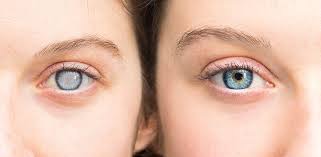
What to do about Cataracts?
IT HAPPENS over a thousand people every year. Or the problem affects twice as many women as queens. This usually happens when people have been at home for 60 years, but it can happen at any age, just before birth. Sober or what are we talking about?
Loss of vision due to cataracts. You already know what you often say about cataracts, but do you know what? Where can you be ugly to restore vision when cataracts occur? Let's start examining your eyes more closely.
The eyeball comes from a three-dimensional complex. It has the shape of a sphere and is encoded mainly as a transparent gelatinous substance called vitreous. Or the encapsulation of this semi-liquid substance is a "skin" with three commands. An outer layer is defined as a set, a middle is a choroid and an inner layer is a retina. In addition, no one after three litters involves the entire eyeball. They leave everything or space in front.
In front of the eyeball, a slave melts into a transparent convex horny layer. It was shaped like a small bowl placed in front of the eye like a bottom outward. Behind the cornea is the iris, a thin circular curtain of muscle tissue that is also stained by the eye. The iris has a hole that is not in the middle, known as a pupil. The muscle sets must be able to change the size of the pupil and control the amount of light that comes. The pre-recording of the space between a cordonata and an iris has a clear fluid called aqueous humor.
Do you think that your eyes do not really "see" anything? Instead, we bend and focus the light rays that the optic nerve (captured behind the eyeball) has transmitted to the visual center of the brain. Back is also possible, or in another matter is an important part.
The logo behind the iris is a slow transparent glass that approaches the size of a compressed aspirin. A slow one is biconvex, that is, it is convex front and back. A cornea and a slow one work together to bend the light rays and focus them behind the eyeball, not within the three surrounding layers, in the retina. A group of trapped muscles can slow down so that it changes shape to get your legs in focus. A long-term cross-sectional view would reveal that, focused on the distance of an object, it becomes oval like a football. A slow seems but round when or eye you see some close.
**Aging and cataracts**
It is not crystal clear that a cataract develops. The cause is slow and can be delayed due to its transparency. The word "cataract" comes from a Latin term meaning "waterfall". This was because it seemed to the old doctors that a vein of turquoise water had fallen into the glasses of people with cataracts.
Some people think that a cataract grows that is not crystalline. That's not the case, or Dr. David K. Berler reports: “A cataract is not a tumor or anything new in it; It's just a movement in the clarity of normal lenses. Or what causes it?
Eat unknown causes of cataracts. Another factor that is almost always present or growing. A slow eye is not fixed like a glass, but a living organ that has been a croissant for a long time. As bait, it consists of several layers of cells. When new hills form, compressed, dry and rigid hills cry in them. Over time, proteins that are not in the center of the lens can soften the changes or make it intense yellow, brown, while almost black. Or, as fibers in small layers of cells surrounding the nucleus, they can become swollen or distorted, resulting in the formation of burned gaps with fluid and debris. All this back with a clear and turquoise view.
**Other reasons**
However, aging is not a single cause of cataracts. A defect may be involved in the body's ability to use sugar. According to a study, people with diabetes have four to six times, but the risk of cataracts involves those who are not diabetics of the same sex. What is the reason for this? An article in Scientific American in December 1975 stated that diabetes results in an increase in glycine levels, not in aqueous humor. This triggers a chemical reaction that produces a slower aqueous alcohol "sorbitol". Or subsequent increase in the pressure of the fibers in the crystalline surface as they absorb water from two aqueous and vitreous bodies. As a result, when the crystalline fibers become swollen and disturbed, they may increase in loss of transparency.
Other causes of cataracts can be, including a drastic change in diet that leads to deficiencies in certain vitamins or other elements of good nutrition. A traumatic cataract occurs due to a blow to the eye or penetration of a sharp object, which moves and damages or is crystalline. According to Living with Your Eye Operation, cataracts can also be caused by the effects of "ultraviolet light, X-rays, infrared (heat) and other types of radiation, including microwaves, radar and diathermy". This concierge publication suggests that you wear goggles or sunglasses to filter out harmful rays or use sunlight or other equipment that emits attractive radiation.
**Can you avoid long-term vision patterns?**
Although I can not guarantee that you will never develop cataracts, there are steps you can take to avoid the slightest possible visual disturbance. How to assimilate?
Faith pointed out that a diet high in vitamins A, B (especially B2 or riboflavin) and C has in many cases been effective in slowing or developing cataracts. Can he lose weight? If you are diabetic, be careful not to neglect your disease. Or proper diabetes control can help prevent serious complications that can cause cataracts.
As the day of the cataract that most likely develops approaches, it feels like your face is undergoing regular eye exams. In an interview published in US News & World Report, Dr. Carl Kupfer, Director of the National Eye Institute, this advisor:
"We assumed that all children would undergo an eye examination at birth to detect birth defects. After that, it would be a standard examination of less than 3 1⁄2 to 4 1⁄2. So no problem, I expect to see that or drink came to puberty.
After that, if a person has no symptoms of problems, I do not mean that routine checks have been required for two to 40 years. After giving time to examine 60 years ago, a person should see an ophthalmologist at least every two years, but will need to change eyes when myopia suffers. "
**Have you had an eye examination recently?**
Or the most common treatment for cataracts and surgical removal of turquoise lenses. In some cases, entertainers, it may be possible to avoid surgery for a period of time and still have good eyesight. In rare cases, such as very small waterfalls and near the crystal center. Therefore, your doctor may prescribe drops that enlarge the pupil. This allows a light to penetrate along the banks of the river in a slow way, so as to "look around" of a waterfall. In other very rare cases, cataracts may form around the edges of the crystalline crystal where its center remains transparent. If this happens, glasses or special contacts may direct more light toward the center of the lens.
But is the only way to recover a visa to visit a surgical lens removal? Is it a pernicious and painful job? What are your chances of regaining good eyesight?
**"Ninety hundred percent correct"**
“Cataract removal is a major successive operation to prevent blindness," Operation Living with Your Eye noted or added: "See how successful cataract removal operations are performed by ninety pores. Evidence of its wealth and statistical speed is surprising for a quarter of a thousand cataract surgeries performed in the United States each year ... About eighty-five percent of all people who undergo cataract surgery achieve normal vision (20/30 or better) ".
An operation, if not very painful. Or the patient is usually placed under mild sedation when taken to an operating room. He agrees, but calm down. Then small injections are given to numb the eye muscles. After that, the doctor continued to slowly extract the cataracts. How did he do here?
You can separate as an eyelid, or the doctor faces a small arched incision with waves against the white part (mud) of the eye to find an upper part of the iris. The cornea can then be lowered, giving access to the lens through the pupil. Some surgeries also remove a small portion of the iris. The enzyme Uma is mainly used for solvents such as thin "zones" which take a slow but easy process to extract.
There are several methods for slow removal. Some surgeries use forceps that are similar to forceps. Others use a cryoprobe, which is a small probe connected to a freezer kept at about 15 degrees Fahrenheit (-9.4 degrees Celsius). Issus froze slowly until he got stuck in a probe and sailed smoothly inside. When the lens disappears, either the void is filled with saline or it helps the eye to maintain its proper shape and internal pressure.
Another method of removing the lens is phacoemulsification. It is also a special pipe that penetrates slowly. Or Dr. Berler explained: "This probe vibrates about 40,000 times per second and swells like cataracts, which are flooded in fragments by a very thin tube. penetrates and removes debris.The only advantage of the procedure is that the aspect necessary to allow a special vibrating probe can be dated as a single point and the patient can leave the hospital the same day or apologize.
**After the operation**
But surgery was done to remove cataracts from the xa or the lens of the eye without focusing on sharp images on the retina. Or what does it compensate for?
Special glasses are available to replace missing lenses. But the gray waterfall is very dense. In addition to being heavy, they increase everything by about 25 to 30 percent, or whatever it seems to be, but close to what it really is. And there is a lot of distortion at the edges. When looking sideways or upside down, the person with dark eyes must learn to turn their head instead of just their eyes.
Much of the problem has disappeared as contact lenses. Its length is much smaller; And how it stays close to the cornea, how the eye contact moves, eliminating the need for excessive head movements.
Some researchers will develop plastic lenses that go straight or replace them with normal lenses. One type does not fit in the same place as the slow original. Another type is in front of the iris. However, plastic lenses cannot change shape to focus on objects at different distances.
Does your vision look blurry? Or could it be a cataract problem? There is no possibility, a relatively simple and painless operation together with corrective lenses will prove to be able to restore good vision. Isn't it worth visiting your ophthalmologist to find out?
Our atmospheric "sea"
When you are by the sea, you will no doubt be amazed at the strength of the sea, its frenetic pace, its enormous size and depth. You must have wondered how marine animals feel when surrounded by water. Thousands of feet below you will find crabs and other forms of marine life that run along the seabed. The enormous pressure there would crush a human, but the bodies of these animals are made to tolerate it.
Have you thought about the fact that humans actually live in an "ocean" of air? We do. It is much deeper, about fifty times deeper than the depths of the ocean. It is subject to more sudden temperature changes and is more restless than the watery oceans. Huge air currents with a width of several hundred kilometers and a depth of several kilometers move at heights of ten to twelve kilometers above the earth's surface. They are known as "jet streams" and blow at speeds of up to 500 kilometers per hour. So there are violent storms that constantly destroy the various layers of this "sea" of air. We know the gigantic forces that are released in hurricanes and tornadoes. In addition, about 44,000 impressive storms occur every day in the large and rough "sea" that surrounds us.
**Air has substance and weight**
Air is invisible, but it has substance. Because of this, our atmosphere puts significant pressure on the earth's surface, of course not as large as the ocean, because the air is not as heavy as water. However, the air has weight, as evidenced by the fact that a balloon filled with helium rises. Because helium is lighter than air, air pushes it upwards, just like a bubble in a glass of water shoots. The average atmospheric pressure at sea level is about seven kilograms per square inch (6.5 square centimeters). At higher altitudes it becomes less dense and therefore lighter. But our "sea" of air is so large that it weighs more than 5,000,000,000,000,000,000 (five quadrillion) tons.
The weight of the air means that there is a lot of weight on the shoulders at sea level. But you do not realize why pressure also comes from all sides of the body. To compensate for this external compression, the body maintains internal pressure, just as the bodies of marine animals have internal pressure to balance the enormous external pressure in the water around them. This inner pressure that humans have when they are "at home" in the Earth's atmosphere forces them to wear pressure clothing when they are "away from home" in space. Otherwise, the lungs and blood vessels explode in an almost spatial vacuum.
When you have strong winds, you are convinced that the air has substance. And all doubt about it definitely disappears when you are in a laboratory and see how it turns into a liquid at -190 degrees Celsius and a solid at -236 degrees F. (VS). .).
In fact, we can "see" air even in its normal gaseous form when differences in heat cause it to act as a "lens". Air, densely concentrated in some places and finely concentrated in others, distorts light rays so that we can see illusions - reflection and refraction of light from things that are sometimes miles away. The waves we see in a hot radiator give us a small example of this phenomenon.
A valuable property of air is that it is expansive. Water in normal liquid form partially fills a container. But air molecules move much more freely and quickly, generally above the speed of sound.Only earth's gravity prevents air from escaping and diffusing into empty space. As the size of the room decreases, the air molecules increase in speed and provide resistance that creates pressure. This property is very useful. Liquids cannot be compressed significantly, but compressors can "pack" a large amount of air in a small container so that when released they can operate pneumatic presses, drills, jacks. air, etc.
**Important for life in many ways**
However, we are primarily interested in air because of its importance to life on this planet. The main component of lifelong air is oxygen, which is only 21% by volume (atmosphere), that is, gases produced in relatively constant proportions.
Oxygen easily combines with other elements or compounds to create combustion. Therefore, when a piece of wood is burnt, it rusts quickly. Our body heat is maintained by the body's metabolism during the oxidation of nutrients. This process also supplies energy to the brain, muscle energy, etc. This is one of the reasons why red blood cells, the oxygen carriers in the blood, are so important and why brain cells, which use about a quarter of the body's total oxygen supply, need of this constantly renewed element. . Oxygen is so active that fires start with a spark and virtually anything would burn if it wasn't diluted with other gases in the atmosphere. In addition, no one would live long and breathe only pure oxygen.
But for our existence and our safety, the Creator diluted the atmosphere with nitrogen, which makes up 78% of the “relatively constant” gases that make up the atmosphere. So we have enough oxygen and it is not very concentrated. In our atmospheric “ocean”, nitrogen and oxygen together make up 99% of these relatively constant gases. However, nitrogen is more of a diluent. It serves other purposes. During a thunderstorm, thunder allows nitrogen to combine with other elements. The rain then carries the resulting compounds into the soil as fertilizer. It is an important element for many plants.
But even in less than one percent of other atmospheric gases we find gases that are vital or contribute a lot to our comfort. There are five quasi-inert gases, known as “rare gases”: argon, neon, helium, krypton and xenon. We all know about the uses of argon and neon in lighting, helium in balloons, and many other uses. Methane, hydrogen and nitrous oxide are other gases in the atmosphere that are present in almost constant concentrations.
**Water vapor, ozone, dust: important components**
In addition to gases which vary in quantity, other gases are also present in the atmosphere in different proportions depending on time and place. Two of them are water vapor from 0 to 7% by volume and carbon dioxide from 0.01 to 1%. Plants take in carbon dioxide and give off oxygen. Without carbon dioxide, plant life would die. Ozone, a form or "allotrope" of oxygen, is also present in small amounts, making up only about 0.01% of the atmosphere. It is usually between ten and fifty kilometers and offers protection against deadly ultraviolet rays. Who, apart from an all-powerful and all-powerful Creator, could have created a similar atmosphere for the benefit of all living things on earth, with elements in the right proportions for maximum safety, comfort and well-being for everyone?
Like a gas in the atmosphere, water vapor is the source of rain, fog, snow, hail, and hail. It constitutes a large part of the clouds. Water vapor is created by the sun's evaporation from water in seas and lakes as well as from leaves. Without this cycle of rain and evaporation, plant life would soon die off the earth.
In addition to the small percentages of sulfur dioxide and nitrogen dioxide, there are solid particles such as dust, smoke soot, sea salt, pollen, microbes, and meteorite ash that are created when they burn in the atmosphere. Dust, unless it is excessive, cannot be called "pollution" because the dust particles are important in forming the core of the raindrops and they have to do with the beautiful blue hue of the sky and the deep red. Sunset. In addition to possibly treating the illnesses of hay fever sufferers, draft-dispersed plant pollen also serves a beneficial purpose.
**Temperatures in the "ocean" of the atmosphere**
Most of the things discussed have to do with the layer of air we live in: the troposphere. As everyone knows, the higher the altitude, the lower the temperature. After reaching a minimum of -55 ° C in the upper part of the troposphere, the temperature rises through the stratosphere (where the jet streams meet) to -2 ° C to ° C). C) and descends to the next layer (the mesosphere) at -135 ° F (approximately -93 ° C). The temperature in the next layer, the thermosphere, rises to an altitude of about 450 kilometers to an impressive 1,500 ° C.
The ionosphere is not one of the normal atmospheric "layers", but the region (comprising several "layers") in which air molecules are electrically charged by solar radiation. The lower limit is about 55 kilometers above Earth and reaches several thousand miles in a very, very thin atmosphere. The beautiful northern lights or "aurora borealis" (and the Australian aurora in the southern hemisphere) occurs in the ionosphere.
In the ionosphere, charged air particles that are "ionized" by solar and space radiation form a "blanket" of radio waves. This allows radio transmission over a distance of thousands of kilometers. Radio waves travel in a straight line and would reach a limited area only if the Earth were to move away from below and go directly into space. But the ceiling of the radio "bounces" in a far corner of the Earth. Satellites are now used in the same way.
Through the use of satellites and more complex instruments, this has led to a better understanding of our "ocean" from the air. We know much more about its currents, temperatures, etc. Therefore, weather forecasts are becoming more and more accurate. However, humans still need to learn a lot about the atmosphere, which, although in a very weakened state, spans several rays from Earth (one ray from Earth = 6,372 kilometers) in space. Many of its secrets are still hidden, and with the expansion of space exploration, new ones are emerging.

A visit to Igorots
It's early afternoon that my wife and I board a comfortable, air-conditioned bus and sink into the plush, padded seats to anticipate our unique vacation. We are about to visit the Igorotians who have largely opposed the intrusion of foreign influences into their culture. They live in the mountainous provinces of northern Luzon.
Igorotos are of Malaysian descent, of medium height, strong, dark skinned and straight black hair. What is remarkable about these people is that over the centuries, with only hand tools and a lot of hard work, they have turned an entire valley into the largest rice terraces in the world.
On the way to Igorots, we will cycle for five hours through the picturesque central plain of Luzon with its many towns and rice fields before reaching Baguio, the summer capital of the Philippines. The cold weather here is a welcome relief from the heat and humidity in Manila.
The next morning we got up early so as not to miss the bus to Banaue at 5.30am. Even though we got to the station half an hour earlier, much to our disappointment the bus was full. But the Filipinos are hospitable and soon a passenger walks up to the others who begin to kneel the little sleepers and spread the vegetables to leave us space. A man with a smiling face helps us to stand up.
The bus is shorter than other buses, looks more like a truck, and feels like it was built to be more sturdy than comfortable. It's completely open on one side, with wooden benches running across the width, but quite comfortable despite its spartan look. To protect you from wind and rain, there are colorful tarpaulins that can be folded down.
Although it is only about 700 km from Baguio to Banaue, our trip takes nine hours due to the winding mountain roads that take us through the clouds at elevations of over 7,000 feet. As we leave the mountains, an orange-yellow sunrise colors the sky and we see the morning mist hovering just under the canopy of tall pines.
**Igorot customs and lifestyle**
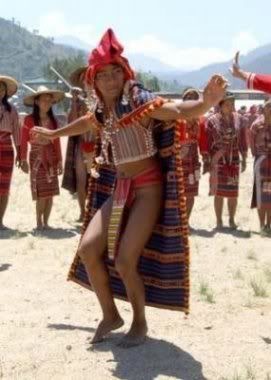
Closer to the town of Bontoc, we started to observe the Igoroths. Men wear a colorful loincloth called an early, commonly known as a thong. They also wear a round hat with a flat top which is used for pocket pockets.
Women wear a skirt made of a thick, colorful handcrafted fabric called a rug. It is predominantly red with yellow, white, green and black horizontal stripes. The tapestry is held in place by a 20cm wide belt which is woven with a thick rope called a carpet. Most of the women we see wear white blouses, but some women are seen in the cities.
Along the way, we see women carrying their babies in a blanket tied on their back or on the side. Girls also carry their siblings with bundles on their heads! When our bus pulls up, I ask a girl if I can pick up the package, and to my surprise, it weighs more than my loaded suitcase. However, she graciously takes it and wears it on her head!
Bontoc is the capital of the mountain province. Here the Igoroten live in a modern city in a concrete house with electricity and running water. Across the river, in the village of Samoki, others have lived like their ancestors for hundreds of years.
When we drive here with our travel companion and our interpreter, we find that he speaks to everyone he sees. We learn that Igorotians almost always greet people they meet in the street, mention where they are going and invite as a friendly gesture those who greet them. However, they are not expected to join the person offering the greeting.
We have noticed that many Igorot women have tattoos on their arms. “It's a mark of beauty,” explains our guide, “and it's worth fifteen years”.
I ask him, "How do you know when you're fifteen if you don't keep your birth certificates?"
"They estimate age the first time they fall in love with a young man," is the answer.
**Courtship, marriage and work**
We learned that Igorot's advertising habits are the most original and interesting. In the village there is a Ulog or Ag-Gam, a thatched cottage where girls of marriageable age sleep at night. A young man who is interested in getting married approaches the girl of his choice on Ulog and asks her to marry him. This may be the couple's first conversation.
If the proposal is accepted, the next step is to visit the girl's parents with a pig as a gift. This pig is killed and the bile is examined. If it is acceptable, the couple is engaged. A second pig follows. If your bile is acceptable, the marriage is official. Gall, who is in poor condition, is believed to explain that the marriage will not be blessed. Follow a wedding party with lots of food and dancing.
However, the marriage is still subject to bile status in a third pig, which must be slaughtered after the rice harvest. Unacceptable bile cancels marriage.
The workload in an Igorot family is divided in half between husband and wife. One day the man plows the field while the woman takes care of the house. Then the man takes care of the house while the woman spends the day in the fields planting and cultivating.
**Igorot's house**
We continued our bus journey and finally reached our destination, Banaue, where we arranged to spend quality time with a family in their Igorot cottage.
It is already dark when we arrive and we start our 30 minute walk to our accommodation. With a torch we climbed the rough chiseled stairs on the vertical side of a giant block along the road. Once at the top, we followed the flashlight of the flashlight along the narrow edge of a 20-meter-high rice terrace and walked carefully, trying to balance on a ten-inch-wide path. Soon we come to a narrow but deep canyon. We are advised not to look down during a meter jump. It's amazing to think this is the easiest way to get close to your house!
We finally came to a small clearing on the side of the mountain. In the light of the moon we see a small cottage, maybe 2.5 meters high and 2 meters wide. As soon as we catch our breath, a smiling old man comes out to invite us.
Once inside, we discover that there are no windows, just a small hole in the ceiling above the fire burning in the corner. The only other light source is a small oil lamp made of a jam jar and a piece of string. There are no tables or chairs, just a small rug made of narrow bamboo sticks called a bilaw and placed on the floor. It is used to sit, as a dining table and, as we will see later, as a bed.
As it is still early in the evening, our host Pedro Kindajan tells how he built this cottage during the Japanese occupation, which explains why it is so difficult to get there. Emphasize that the walls are made of bilav and that the thatched roof is an herb called goloon. A supply of wood is placed on shelves over the fire and dries when it absorbs the smoke.
Our conversation continues until 20:30, bedtime, as the day begins early for the Igorots. A small, thin mattress is spread out and the mattress we are sitting on immediately becomes a bed. Contrary to what you may think, it is very affordable. Our host and his family sleep in other cottages he has on his property.
**worth a visit**
The new day begins before dawn. During the preparation of breakfast, we will wash ourselves. Breakfast consists of boiled chicken eggs, baked sweet potatoes and coffee. I spend part of the morning with Pedro Kindajan who takes care of his daily chores including feeding the ducks, chickens and pigs.
Pedro points to a freshly plowed hill above the valley and says he will plant kamot and rice up there on one of the terraces below. Here, I see for the first time huge rice terraces in Banaue!
To the east, north and west, as far as the eye can see, there are green rice terraces over green terraced rice fields. They stretch from the base of the mountain to the top. There are over fifty terraces on one side of the mountain. These terraces cover an area of approximately 250 square kilometers and, if placed last, would extend for a distance of approximately 14,000 miles. Of all the wonderful accomplishments of all, these terraces are the most impressive I have ever seen. It amazes the imagination to believe that they were built with simple hand tools and without the aid of modern technology.
A job that gives you more freedom-How to get it?
In recent years, the number of unemployed has increased alarmingly around the world. Finding a suitable job has become a major challenge for millions of people.
In fact, some people have quit lucrative and responsible positions to work part-time in simple jobs. Many testify that they are much happier, despite the reduced income that requires adjustments in their lifestyle.
Can a job that offers more freedom benefit you? How do I find a suitable part-time job?
Many have come to the conclusion that working in a secular workplace five or more full days a week creates pressure and frustration that not even a high income can compensate. As an orientalist who left a high-paying job and now lives a comfortable life for himself and his family and does a variety of seasonal and odd jobs, he says: “I could work harder every day. . I could work all summer. But I do not want to. Personally, I do not feel like spending all my days working for money. ""
Many have found that working full-time does not give them enough time to enjoy family life. A former Omaha, Nebraska engineer, explains: "My job was to monitor projects hundreds of miles from my home, seven days a week and available 24 hours a day, 7 days a week. I've been away from home for days, weeks and sometimes months.I could not take care of my family responsibilities because I was a "work enthusiast".
**What kind of job?**
One would think that it would be almost impossible to find a part-time job in these economic crises. But some thought it was surprisingly simple. "All the clues indicate that part-time jobs are an important and growing sector of the labor market," states the Changing Times, adding, "This is reflected in the specific training programs that companies offer employees. Time and the liberalization of regular part-time jobs tend to make part-time employees an integral part of the company's workforce, not just a floating workforce. The article continued, "Some employers say that if you go to a store and ask for a job, the chance is never better than finding a part-time job, especially in the suburbs." "Did you know that already?"
Cleaning and cleaning work proved to be particularly useful for part-time workers. A man who now works an average of fourteen hours a week in this area explains:
“A good thing about maintenance is that you can get started without investing a lot of time or capital. In large cities, used equipment, such as a floor machine or vacuum cleaner, can be purchased through newspaper ads. You do not need new equipment to get started. For example, the average lifespan of a flooring machine is more than ten years. You do not even need a truck or van to work. A car and its luggage compartment generally provide space for your equipment. ""
But what if you think you can never become a salesperson? Even if you feel that this type of job is not for you, do not be afraid to give it a try. I never saw myself as a salesman and did not think I would pay enough. But everything worked the other way around. You never know if you'll not try. What should you do if you want to change to a way of working that gives more freedom?
**Find this part-time job**
Have you considered having more freedom in your current job? Would your employer agree to work the same number of hours in fewer days? You can do this by getting to work early or staying late on certain days. How about transitioning to part-time work at your current job? You may think that your employer would never accept it. But did you ask him the question?
Some people have found that current financial pressures have made it easier to spend more time outside of work. A man from Pennsylvania commented, “The tire store I worked for was about to fire a man because of a fuel shortage. I asked the boss if I could help by switching to a part-time job. He was glad he did and I was very happy. Could something like this work for you?
If you decide to move to a different work area, you may need training. Is there a school nearby that offers courses for the type of job you're interested in? How about a workspace that offers your services for free for a period of time in exchange for expert instructions? And did you know that some national companies have books on maintenance procedures, floor care and equipment selection? A few phone calls or a visit to a public bookstore or library can be enough to start a career that can bring a lot of freedom.
Be specific when contacting an employer. Tell him what you do and how many hours per week you want to work. This gives you an idea of where you can fit in when you have a part-time job.
But what if no one in your area is hiring people to do the type of work you choose?
**When no one is hiring**
When you can't find a suitable job that works for someone else, being self-employed can help. A review of local laws can determine that it is fairly easy to start a small business. And working for yourself can be less stressful than working for others. A man who thought it was okay in her case said, “I think I benefited from not having a problem with layoffs and the high demand pressures that employees face in times of inflation. I can adapt my work to my situation. ""
How can you attract customers to the product or service you are offering if you decide to work independently?
**Speak to potential customers**
It has often been shown that placing an ad in one or more newspapers can produce good results. However, direct comparison is obviously the best way to convince people and business representatives that they need what you have to offer. When researching customers, you may want to consider the following:
(1) Can you offer the same service as others at a reduced price? A man who does odd jobs as a painter and handyman says, “Many families cannot afford the high prices that most painters, plumbers, etc. can not afford. There is so much work to be done for those who are making a reasonable offer and doing a good job. "
(2) Can you charge the same as everyone else but work more or better? Adding a few "extras" is usually inexpensive, but it can greatly improve your company's reputation.
(3) Can you provide a product or service that no one else does? A man whose company rented a carpet cleaning machine and sold a special type of carpet cleaning liquid found the competition to be fierce. So he came up with the idea of offering the machine for free when his customers bought a certain amount of liters of carpet cleaner. It was a success because no one else had made such an offer.
**A key point to keep in mind when contacting prospects is the need to be serious.**
It is clear that reducing part-time income may require certain changes in living standards. However, the changes may not be as big as you expect if you limit the important things. Consider the experience of a policeman who quit his job to help his neighbors tell more Bible truth: “My wife and I made a list of our debts and we focused on the little ones first. At no time did the amount of debt decrease, which allowed us to significantly reduce our larger debts. By focusing on our needs rather than our wants, we were able to reduce our monthly living costs by $ 700 in 12 months. Can such a procedure give you more free time?
Finding a job that offers more freedom requires initiative and determination. Sometimes it takes weeks or even months to find the desired work schedule. Is your desire to spend more time on rewarding activities strong enough to make the necessary adjustments? If so, you will probably also find a job with more freedom.

Christmas
TODAY, Christmas parties have become a habit for many. You can breathe a sigh of relief at the end of the Christmas season. It is the spirit of the merchant rather than Christianity that permeates them, although it is likely based on the date of Jesus' birth.
What merit or spiritual merit in the eyes of God is the celebration of such an event if it is only a formalism? And at least if your background and your practice are not Christian? Notice what the New Catholic Encyclopedia says:
“According to the hypothesis ... The birth of Christ, approved by most scholars today, was attributed to the date of the winter solstice (December 25 in the Julian calendar [December 23 in our current Gregorian calendar]. ..). To this day, as the sun returned to the northern sky "the pagan supporters of Mithra dies natalis celebrated Solis Invicti (Birthday of the Invincible Sun). On December 25, 274, Aureliano proclaimed the patron sun god of the empire and dedicated a temple to him in Campo Marzio. Christmas came at a time when sun worship was particularly strong in Rome. "- Volume 3, p. 656 (note in parentheses in spring).
Additionally, Bible scholars generally recognize that December 25 is not the day of Christ's birth. In fact, the Bible does not give the date of birth of Jesus, but it informs us that it was not winter. Luke, the author of the third gospel, gives the following information:
The forerunner of Christ, John the Baptist, came from the family of the priests of Aaron, from the tribe of Levi. (Luke 1: 5, 13.) He therefore began his assigned work at the age of thirty. John was six months older than Jesus .Since Jesus also began his special work when he was “in his thirties,” John preached about six months before Jesus approached him for baptism.
Giovanni began his work "in the fifteenth year of the reign of the Roman Emperor Tiberius Caesar". Historical records show that Tiberius began to reign on August 17, AD 14 (Gregorian calendar). According to Roman calculations, the first year of Tiberius ran from the date of his assumption of power on August 17, 14 AD to August 17, AD 15. * Its fifteenth year would have been August 17, 28 AD. to August 17, 29 John began his work on August 17, 28 AD. When Jesus arrived at John about six months later, he did not approach until February 29, hence Jesus' birth thirty years before falling in year 2. Not 4 or 6 v. British Columbia, as some estimates suggest.
The question that may arise here is, "If our calendar begins with the birth of Jesus, how can we say that Jesus is 2 BC." Was born? VS.? "The New Catholic Encyclopedia states that Denys Meager, a Catholic monk, at the beginning of the 6th century" was the first to date the Christian era by the birth of Christ, but he erred in 4-7 years. “In fact, something seems to be wrong for over a year.
In what season 2 BC was Jesus born? It is probable that John did not begin his baptism at the beginning of the fifteenth year of Tiberius' reign, so that the six months of his work took place during the rainy and cold season of the following winter; logically, John began the baptism in the spring and the baptism of Jesus took place in the fall.
In support of a fall date for Jesus' birth, there are facts about his work and death. He died on Easter Day on Nisan 14 in accordance with the true "Passover", "the Lamb of God who takes away the sin of the world".From the age of 30, his preaching and teaching work lasted three and a half years, as evidenced by the fact that gospel accounts document participation of Jesus. four Easter at the moment.This accords with Daniel's prophecy that the Messiah would appear to offer his sacrifice in the middle of a “week”. seven years. The prophecy says: "In the middle of the week he will arrest the victim and the victim". Half a week this year would be three and a half years. Christ's sacrifice was the basis for the placement of animals and sacrifices in the temple in Jerusalem. It gave real deliverance from sin.According to this calculation, his death would occur three and a half years after the fall of AD 29. or the spring of AD 33 Astronomical data shows that Nisan 14 of the same year is April 1. ,Gregorian calendar. Counting the "middle week" would make Jesus appear as the Messiah (when he was baptized and anointed by the Holy Spirit) in the fall of 29 AD. and his birth thirty years earlier in the season. Autumn 2 BC
Therefore, we have good evidence for the day of Jesus' death, both in terms of year and day. For the day of Jesus' birth, we have references to the year and his appearance in the fall. However, there is no indication of the exact day. Is there a reason why this date is not in the Bible?
Supossely Yes. Jesus gave a specific command to remember the day of his death each year and said, "Keep doing this in my memory." (Luke 22:19).But as for the date of Jesus' birth, there is no mandate to remember it. True Christians today should not view Jesus as a child but as a powerful spiritual person in a position in heaven just behind Heavenly Father. Now, as king, he has gained power over the earth and will soon establish his ancient rule of peace over the whole earth. 11:15
Therefore, true Christians do not keep a date like the anniversary of Jesus' birth, which is in line with Ecclesiastes 7: 1: "Better is the name than the good oil and the day of death than the day of his birth." The day of Christ's death was indeed better than the day for his birth as a man. The Apostle Paul talks about his journey of faithful integrity to God and his sacrificial death: “Through a justifying act, the result is for people of all stripes to justify them for the rest of their lives. For just as a person's disobedience made many sinners, so a person's obedience made many righteous. “
Since the birth of Jesus was probably in October, not December, and the Bible shows that his death, not his birth, must be remembered, Christmas is meaningless for true Christians. Its celebration is especially rejected by them because of its pagan origins and practices.

Is Your Life Truly Satisfying?
**Some causes of Frustration**
In general, even if some people are affected by circumstances beyond their control, they provoke their own harassment.
Part of the problem may be your attitude. Do you usually point to the negative side of things? This can be harmful as it creates a feeling of self-pity and a complaining spirit. Wouldn't it be better to highlight the benefits of your daily routine? Seeing the bright side of things can go a long way to achieving greater satisfaction in life.
Even from a positive point of view, the pursuit of material security as the main goal in life can jeopardize satisfaction. It happened to the CEO above. He and millions of people around him around the world have learned through difficult experiences that the Bible tells the truth when it says, "The individual lover of money will not be satisfied with money and no lover of wealth will be satisfied." with income. It is also vanity. Are your main goals focused on material things? Could a new approach to life not help you?
Sexual immorality has also become commonplace, but what is the result? When a person is married, immorality creates a split between family members. The immoral person can suffer from terrible sexually transmitted diseases or other physical illnesses because of his bad conscience. This type of behavior seriously destroys your relationship with God. Is this really the life you want?
On the other hand, the circumstances that deprive you of the true meaning of your life may not all be yours. The current system is a major source of anger for many. People are shaken by the pressure of housing shortages, soaring food prices and high taxes. There is injustice. Racial tensions, drug abuse, crime and violence are increasing in cities around the world. Some know that they can not make changes and they do not love life.
**The key to life satisfaction**
Many people do nothing for situations that can be improved, even if they are not happy with their lives. For example, some alcoholics recognize the harm they do to themselves and to the people around them. But how many changes just for these things? A key element that can provide sufficient motivation for change is missing in these people's lives. What's that?
A sincere desire to please the creator of humanity. Hundreds of thousands of people around the world have discovered that this desire gave them the impetus to change their entire lives. But that desire does not become an engine without personal effort. Are you ready to make such an effort? What would it require?
First, one must study the Bible to become acquainted with God's characteristic personality and point of view and learn why there was sickness and death, why evil is allowed.
How does this knowledge affect an honest person? How do you feel when you meet a loving, compassionate, impartial, caring and generous person? Are you not attracted to the desire to somehow return to the kindness he has shown you? The same is true when people learn about God's compassionate relationship with mankind and his loving purpose for their eternal well-being. This knowledge motivates them to make changes in their lives. They do this willingly.
People from all continents and from all walks of life have discovered that the love of God that comes from the full knowledge of his word is the key to a fulfilling life for them. God's commandments are not only "not painful" but they now provide certain benefits to those who keep them. Think of some of them..

Is astrology for you?
"What kind of person am I?" "What is my calling in life?" "What does the future hold for me?" Have you thought about these questions? Most do. Millions of people throughout history have turned to astrology for answers. What does this term mean?
Century Dictionary and Cyclopedia define astrology as a study that "assumes that celestial bodies [sun, moon, stars and planets] have a direct influence on human life and destiny at certain times, depending on their relative position."
**Is astrology scientific?**
In the past, the earth was assumed to be the center of the universe. Because the earth rotates around its axis every twenty-four hours, the sun, moon, and stars appear to rotate around the earth.
Ancient astrologers have come to the conclusion that these celestial motions have special significance for humans. They wrote twelve specific groups of stars or constellations, which they named humans and animals, such as Leo (for Lion), Taurus (for Bull) and Aries (for Ram). The supposed circular orbit in which these stars and planets appear to move was called the zodiac and means "[circle] of animals (or living things)". Regarding the zodiac, The World Book Encyclopedia comments: “Men have always divided the zodiac into 12 equal parts at 30 degrees each. These parts are known as signs of the zodiac. About 2000 years ago, each sign was named after the constellation that occupied its position.
Due to the earth's motion around the sun, starting from the earth, it seems as if the sun moves from one constellation to another each month, forming a complete cycle of twelve months.
Astrologers say that the person at the exact time of birth is particularly impressed by the constellation where the sun appears and also by the one that later rises on the eastern horizon at the place of birth. Astrologers also say that the positions of the planets in relation to the stars and at certain times at certain times can affect the individual in a favorable or unfavorable way. This is especially true at birth. A chart that shows these positions is called a "horoscope". Radiation from these celestial bodies is said to affect newborn cells and cause hereditary changes that determine the type of person they are. It's really true?
One stronomer Dr. Bart said: “No,”he said
Studies on stars and planets have shown that the amount of radiation these bodies receive on Earth is extremely small and that the gravitational effects are so small that they are negligible compared to those of nearby objects.
In addition to the sun, the moon is the only celestial body that regularly generates a force greater than the gravitational force generated by nearby objects at birth. Only under the most favorable conditions can the gravitational force on the planet Mars be equal to that of the doctor responsible for delivery.
Even if celestial bodies could affect a person's cells and shape their personality, would that happen at birth? Prominent geneticist Amram Scheinfeld notes:
The position [of astrologers] that cosmic forces affect the baby's personality at birth is genetically untenable. For this theory to be valid, genes must be affected at the time of conception and not at birth. . . . All your charts are drawn nine months late. ""
Because of this difficulty, some astrologers try to calculate from the moment of conception. But who exactly can determine this moment?
***Origin in Religion of Ancient Babylon***
What would you learn if you studied the history of astrology? Where and how were you born? One professor explained: "The history of astrology now goes back to ancient Babylon and, in fact, to the earliest stages of Babylon's history." Regarding the zodiac, the Dictionary of the Century and the Encyclopedia note: “There is strong evidence that the zodiac existed around 2100 BC. It was formed in Babylon. . . . Some of the ancient figures in the constellation are remarkably Babylonian in nature. . . and almost anything can be explained by Babylonian mythology.
What purpose did astrology serve at its beginning? The professor continued: “In Babylonia as well as in Assyria . . . astrology takes its place in the official cult as one of the two chief means at the disposal of the priests . . . for ascertaining the will and intention of the gods.” The sun, moon and planets were considered the homes of the Babylonian gods and were named after them. The priests believed that a correct interpretation of the movements of these bodies would reveal what the gods were about to do. Thus, astrology was religious from its beginning. It was a form of divination by means of omens.
Of course, devotees of astrology today do not say that the planets are dwelling places of ancient gods. But their faith in astrology amounts to the same thing. Why so? Well, has not modern astrology branched off from that ancient Babylonian superstition? Is not a branch of a tree still part of the tree? Also, what essential difference is there between believing that planetary “gods” or planetary “forces” govern human affairs?

Are you willing to Work
HOBOES and beggars were at the bottom of the social ladder, mainly due to aversion to work. But attitudes toward employment are changing today. As one writer put it, "the work [itself] fell into disrepute."
"What is the responsibility," you ask, "for this negative attitude of many people towards work?" In fact, the causes are different.
On the one hand, the advent of mass production, especially accelerated in the second half of this century, turned many workers into little more than numbers, statistics in a computerized operation. As individuals, as human beings, they almost seem lost. Personalities are practically non-existent.
Of course, this affects people's attitude towards work. The man on the production line who takes pride in his work is truly rare. Motivation for self-interest in their work has practically disappeared. The ambition to succeed in personal art is absent. In this case, any incentive to work arises solely from the need to meet the needs of the family and dependents, or from the desire to satisfy some personal or sensual impulse. It no longer becomes a matter of work for work, but only for the salary received.
These attitudes generate contempt for the job itself and, in many cases, make men hate their work. So, without love for the job, you become lazy and indifferent. Your heart continues to press you to do the least work possible, the least per job. Your feelings about that particular job can influence your attitude toward the job in general. At home, you plant the same seeds of discontent in your children, and soon the next generation will show all the symptoms of the same sloth disease.
***Other causes of negative attitude***
The very structure and policies of the current economic system favor unemployment; those who are currently unemployed number in the millions. Many of these people, perhaps the majority, are willing to work if they find a suitable job. But their own state of unemployment tends to create frustration and bitter resentment, which in turn generates hatred and violence. To combat this, governments are devising various unemployment systems and social protection schemes to deal with violence and revolutions of the hungry.
Although most of these people cannot work, it is true that several thousand of them are physically capable and fully capable of working, if they so choose. It's one of the unfortunate by-products of wellness programs: a number of people who would rather live with help than have a useful job. In addition, more and more people prefer to rob, rob and assault others than to work for minimum wage. It is as the saying goes: "The slow at work is the brother of the one who causes ruin."
Then there are other attitudes towards work reflected by the current generation. For example, young people who have just dropped out of school seem to live in a world that cannot wait for anything; everything must be instantaneous. With "instant" coffee and tea, they expect "instant" success, and their idea of success is often equated with high pay and superior position.
People who think this way may view those who work with their hands or back muscles as somewhat retarded. They may disapprove of so-called "manual" jobs as something that does not respect their dignity. For them, executives, IT teams, market analysts and consultants are the intelligentsia. However, Thomas Edison, the famous inventor, once said that "there is no substitute for hard work", that "genius is one percent inspiration and ninety-nine percent sweat."
What is your opinion on these issues?
***The Bible praises the will to work***
“The gift of God” is that a man “sees well” during his hard working life, the Bible tells us.But the Bible unequivocally condemns the lazy and the lazy who are indifferent to their jobs or, worse yet, who refuse to work. -Proverbs . 10:42, 26; 13: 4; 15:19; 19:24; 21:25.
The apostle Paul wrote, “We want each of you to show the same area. . . so that they are not lazy, but imitators of those who inherit the promises by faith and patience ”. And those who had “faith and patience” were truly hard workers!
Instead of winking at the indolence of some of the early Christians who did not want to work, even if they could, the apostle condemned them. We read: “Resolve to live in peace, to go about your business and to work with your hands, as we have commanded. . . and you don't need anything ”. Later, in the same congregation, Paul wrote again: “When we were with you, we gave you this command: 'If anyone does not want to work, do not let him eat.' Because we have heard that some are in disarray among you. Nothing works than meddling in what doesn't concern you. We give these people command and admonition in the Lord Jesus Christ that, working in peace, they may eat what they earn.”
You may be willing to work for material wealth, for a position of honor, or for the praise and flattery of others, but what is your attitude towards working for Jehovah God, the Creator, and for the interests of his Kingdom? ? Are you so energetic and ambitious for this type of work? Are you willing and happy to be a slave to Jehovah?
Listen to what Jesus advised: “I am telling you the truth. . . Work, not for the food that perishes, but for the food that remains for eternal life, which the Son of man will give you. Also follow the advice of the apostle Paul: “Whatever you do, do it with all your heart like Jehovah, and not with men, for you know that from Jehovah you will receive reward due to inheritance. Slave of the Master, Christ. "
How you Could Save Life
***Restoration of an open airway***
Opening the airways to the lungs is therefore the most important action you can take to help a person breathe again. in fact, it may be enough to restore breathing. It is usually not difficult to open an obstructed airway.
With the unconscious person lying on their back, first lift their neck. This will cause the head to fall back, extending the neck. But also, turn your head completely back, until you go further. You might be surprised at how much your head grows down the length of your neck. Once done, the chin will almost point upward with the crown resting on the floor. In this position, the jaw and tongue are pushed forward and the throat airways are not blocked.
Sometimes, however, it may also be necessary to clean the mouth and throat with blood, vomit, food scraps, or other obstructions. To do this, wrap a clean tissue or handkerchief around your fingers and remove any obstructions. If you don't have a scarf or something similar, use your fingers. You have to remember that the father who saved his son sucked the debris into his mouth and then spat.
***Mouth-to-mouth resuscitation(CPR)***
If this rapid clearance of the airways does not restore breathing, begin artificial respiration immediately. Quick action is vital. Remember that the unconscious person can only go four to six minutes without breathing. Therefore, your goal is to do a person's normal breathing job, forcing air in and out of the lungs.
Open your mouth and place it directly over the victim's mouth, making an airtight seal. Then close your nose and breathe into your mouth until you see the chest rise and the lungs expand. Or you can blow your nose and keep your mouth closed. If the victim is a small child, place the mouth over the mouth and nose and breathe.
When you breathe out, the person's lungs should fill with air and the chest expands. Otherwise, there is probably still airway obstruction. In this case, turn the person on their side with their head tilted down and strike hard between the shoulder blades. It can move the object. A child can be held upside down with the heels and punched between the shoulder blades, the strength of which depends on the size of the child.
When the airways are open and after inhaling, what should you do next? Remove the mouth and inhale again, listening to the air coming out of the victim's lungs; Also notice if your chest is falling. Then inhale again, repeatedly inflating the lungs at a rate of ten to twelve times per minute for an adult and at least twenty times per minute for a child. Give an adult more vigorous puffs of air, a child with smaller puffs. It is important that the person's head is always tilted correctly to keep the airways open.
When the victim begins to breathe on their own, their breathing will be shallow and shallow. Therefore, program your inflation according to your weak breathing. Continue to help him breathe until he finds a satisfactory breath.
If after a while your breathing efforts fail to trigger the victim's breathing, you can interrupt about every two breaths with five or six heart-to-chest maneuvers. Don't give up quickly. People are reborn after an hour or more of resuscitation efforts.
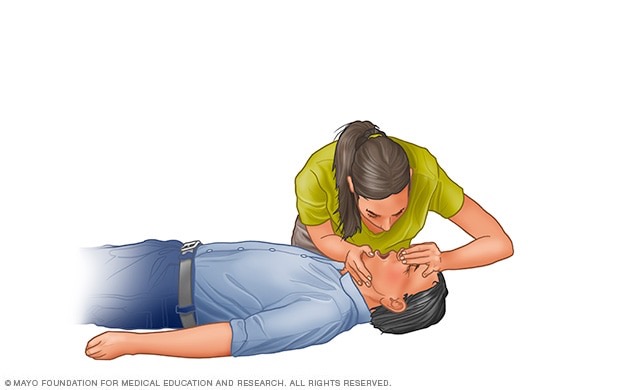
What is your voice expressing?
By your appearance, you give people a certain impression of the type of person you are. This impression, of course, is based solely on what they see. People also base their judgment on what they hear. In fact, your voice is much more revealing, much more revealing than your personality. It can proclaim many things, which may or may not be true. Yes, the sound of your voice can do you good or harm you and others.
Didn't you notice that the way a person says something, the tone of voice with which he says it, tilts him for or against him and what he is saying? If his voice is warm, friendly, gentle, pleasant, isn't he likely to seduce you much more than if he sounded cold, harsh, or shrill? Yes, because we are all influenced by emotion and the tone of voice with which something is said conveys a favorable or unfavorable emotion. Thus, forty years ago, President Roosevelt, with his fireside addresses, delivered in a warm, friendly, understanding, and reassuring tone, instilled hope in many of his listeners.
Not that the way something is said is more important than what is said. You are welcome! It is better to hear the truth spoken in a cold or unpleasant voice than to speak the lie in a low voice. But the truth told in a kind, friendly and seductive way will undoubtedly be more effective than if it were said in a harsh or hateful voice.
Physical factors
There are several basic factors that determine what your voice expresses. One is the way you use your vocal organs.
Consider the question of posture. Good upright posture is essential to produce a good voice. Why? Because your voice depends on your breathing and good posture is necessary to breathe well.
Good breathing is diaphragmatic breathing. The tendency for many is to use only the upper part of the lungs, but in order to have a good, strong voice that does not tire easily, it is necessary to get used to diaphragmatic breathing, involving the lower and larger parts of the lungs. . Most people don't speak loud enough and bad breath can be the cause.
Proper use of your voice also requires you to remain relaxed - your vocal mechanism, throat, jaws, and your entire body. Why that? Because tension in one part of the body tends to tense the rest of the body. When you're tense, your voice is likely harsh or shrill, not pleasant. Or it may simply be too high, thereby losing some of its potency or effectiveness. Make an effort to stay relaxed and you will probably look relaxed.
Many people speak with poor articulation or speech. This may be due to a structural defect in the mouth. But on the other hand, these weaknesses can be due to reckless or careless speech. By thinking in consonants, these people can improve their articulation. Others may have poor articulation because they speak too fast, which is often accompanied by a nervous disposition. This can be deliberately improved by slowing down and, in particular, by focusing more on the vowel sounds. At the same time, this will result in a higher, more pleasant and musical quality of voice.
Psychological factors
Obviously, the physical factors that govern voice quality that we just considered are only one side of the coin. The other aspect, which could be equally important, is the psychological and personality factors. These refer to the mental, emotional and religious aspects of speech.
In fact, this is so much that a book on voice training claims that voice training should go hand in hand with personality training or improvement. Although improving your personality is more difficult than learning your voice, don't forget that improving your voice in some way depends on improving your personality.
So if you are an outgoing, confident, cheerful and friendly person, your voice will reflect these favorable qualities. On the other hand, if you are shy, moody, indifferent or arrogant, intolerant, critical, harsh, or emotionally upset, your voice will show it, even if it reports your physical condition if you are weak or ill. Therefore, if you do not want your voice to convey these impressions to others, you must remove these qualities from your personality and replace them with optimistic, understanding, alert and confident qualities. You will find that by making a careful effort to express these qualities, other people will respond kindly and assist you in your efforts.
Without a doubt, our voices are capable of a great variety. Every time we speak, we have a message to convey. Make sure your voice matches your message. In this way, you will be able to better honor your Creator, communicate better with your neighbor, and obtain maximum satisfaction from using this wonderful tool, your voice.
Why They fly in V-formation
The recent conclusion from two aerodynamics at the California Institute of Technology is that large migratory birds fly in a V formation for practical reasons. It seems that by flying in this scheme, the birds stimulate themselves and increase the flight distance up to 71%. The theory is based almost entirely on the laws of aerodynamics, rather than on observations of birds in flight. But the angles V and the spaces reached by these experts in their calculations are very similar to those observed on the flights of migratory birds.
According to its conclusions, each bird in flight leaves a strong movement upwards or upwards outside the tips of its wings. By taking a position in the formation to take full advantage of this elevation, the next bird continues to fly more easily. This is very similar to the way a hawk or glider pilot uses the draft to stay in the air. Flying in this way reduces the forward speed of the birds, but increases their range. And considering the number of hundreds of kilometers traveled by migratory birds, you can understand why this type of flight is much more practical.
It may seem that in flying V formation, the main bird should do much of the work. But expert calculations show that, in this flight model, the update of the birds on both sides of the leader extends enough to help him. However, it depends on the spacing of the birds and the shape of the V. The leader will probably have to do more work and will therefore be the strongest bird, or perhaps the best navigator. In addition, birds at the outermost ends of the V can lighten their load by falling slightly.
Now what helps birds to stay put while flying like this? The analysis is that if a bird anticipates its correct position, it immediately feels a greater workload. This will bring him back to his rightful place. If he is late, he works less, but "social pressure" is suspected of forcing him to continue. Analysts argue that perhaps the continuous sound of Canadian wild geese in flight is indeed a demand for the laziest birds to stay in place.
The sea monsters
A monstrous head, eyes in the corners of a huge mouth, no hear lugs, just a hole in the head for the nostrils. Here is Mr. Whale's profile. When he opens his mouth, a cavernous void appears which can contain an adult African elephant. Without teeth. Long, fine and full-bodied mustache, hanging on both sides of the mouth.
On Mr. Whale's huge lower lip is his huge, velvety tongue. The three-meter-long mustache in the mouth is hard and flexible. When you breathe deeply, you are not breathing through your mouth. Air flows directly to the lungs through the valves in this hole in the head. Do you want to know more? So instead of following the approach by which food is taken, let's take a step back and look at this vast creature in a more comfortable position.
In our mind, the word "whale" is usually associated with something huge. But there are smaller whales, better known as dolphins and porpoises. The warm-blooded mammals that breathe the air, navigate with their fins and are moved by powerful fins, all this fascinating order of creatures from five hundred to thirty meters long, weighing from 100-150 tons, is called " Cetacea ".Some with teeth are called "Odontoceti", while others have a mustache instead of teeth and are known as "Mysticeti".
Toothless whales
The specimen already described is the Greenland right whale or the right whale, which frequents the North Pacific and the North Atlantic. About a third of its length is occupied by its head. It is closely related to another toothless wonder, the blue whale, the largest of all mammals, alive or extinct. A newborn calf with a blue whale can be over six meters long. A model of the adult blue whale, made of polyurethane meat on a steel skeleton, covered with fiberglass skin, was a special exhibition in the Mammal Biology Hall of the Natural History Museum in New York for several years.
The internal whiskers of these gigantic creatures, aptly called "beards", are called whale bones. It's not really bony, it's basically like hair. The Japanese call this a hige or mustache. Its use has been replaced by synthetic products in corsets and other factories. However, it is still used as a bristle in some types of industrial brushes.
The fat overcoat of the edentulous whale, a thick layer of rubber under the skin as thin as a paper, allows it to maintain a body temperature similar to that of humans. The fat, which produces 50 to 80% of its weight in edible oil, is converted into fat, soap and other kitchen products.
The whaling industry greatly affects these toothless whales. For example, the three Japanese whaling fleets returned last year, after four months in Antarctica, after capturing their share of 1,493 blue whale units. One unit equals one blue whale or its equivalent in two skinny whales, two humpback whales and a half or six skinny whales.
Whales with teeth
Until the early 18th century, whalers began to pay attention to another variety of whales, the irregular variety, especially the sperm whale. In 1846, over 700 Yankee whale boats went hunting, eager to share the profits of this creature's immense shell: its tons of oil, valued as illuminants, and the clear and colorless oil found in its whales. head. , from which the best quality wax candles are produced. Now, however, sperm oil is used in several ways: to laminate steel, leather for clothes, large fabrics and in special lubricants, wax, soap, detergents and cosmetic compositions.
Ambergris is another sperm whale product. Sometimes floating in the ocean, sometimes on land, this waxy gray substance forms in the whale's stomach and intestines, probably due to some sort of irritation and the creature vomits. It has the consistency of a hard cheese, reminiscent of marble when cut and has a delicious aroma. It is considered an excellent fixative in the production of expensive perfumes.
In general, members of the whale family are harmless and fun. They are often observed while playing surface sports in schools, jumping or doing somersaults. The friendly curiosity of dolphins is well known. On the other hand, when injured and slamming desperately into the water, a large whale can endanger even a heavy ship.
The killer whale
The killer whale is an exception: it is not satisfied with plankton and other small calves in the ocean. He prefers to put his teeth on dolphins, porpoises, seals, penguins and sharks and will not hesitate to catch a piece of another large whale, even by tearing his tongue. They hunt in packs. They are known to destroy blocks of ice to obtain men or seals.
The Japanese call it shachi, using Chinese ideography that adequately combines the characters of "fish" and "tiger". It has a special place in its superstitions. In the distance, like the square head of a cow with short protruding horns, the models of a male and female shachi, with their lucky streaks in the air, overlook the top of the highest roof of the Japanese castle. The most famous of these pendants is on top of the Nagoya castle. They were built in 1959 to replace those destroyed by the castle during the Second World War. They are made of copper, coated with 560 18-karat gold flakes, at a cost of $ 78,000.
You can get an idea of the killer's appetite from the fact that fourteen seals and thirteen porpoises were found in the stomach of a twenty-one foot champion. It is the only cetacean that will feed on its own type or other warm-blooded mammals.
Whale characteristics
Tooth or toothless, all whales have food. Teeth are used only to collect food. Toothless whales move together with their mouths open and live mainly on Brit which cling to their mustaches. In the numerous chambers of the stomach, food undergoes a long period of digestion. In 1891, the English sperm whale James Bartlett was swallowed by a sperm whale. He was later cut from the wet grave alive and undigested.
Sight is not the exceptional feature of the whale. To "see", the whale relies heavily on its ears, as well as on the bat. The ears are behind the eyes, although they are not visible to the casual observer. An exclusive airbag system works dual. They act as acoustic insulators and also adapt to the external pressure of an entry and exit of blood. The sounds that enter the outer ear reach the eardrum and are carried by the inner ear. During the journey, the arrangement of the bones in the middle ear makes them highly amplified. Truly an invention of those who created those great sea monsters!
Another integrated whale safety measure comes into play when pressure is suddenly released when whales emerge. The man in these circumstances, exposed to this pressure change, should avoid "curves", a condition caused by the formation of nitrogen bubbles in the blood and tissues. The whale is wonderfully protected against "curves".
Unable to extract oxygen directly from the water, such as fish, the whale must rise to the surface to supply air every fifteen or twenty minutes. When you exhale, a "knock" is created that is visible from the sudden expansion and cooling of the air expelled through the exhaust port. Indeed, expert whalers can determine the type of whale based on the size, shape and angle of the "shot".
The struggle for existence
Due to the deadly effectiveness of modern whaling methods and the fact that only one calf is born at a time after a gestation period of eleven to fifteen months, the whale is losing the fight for survival. The international whale commission created in 1946 also fails to save the whale. Every year there is a drastic cut in the whale population.
The weapon's harpoon has given way to the harpoon fired from a barrel and is so constructed that it will explode in the target's head. Factory ships can catch and cut a whale in thirty or forty-five minutes. In the last 50 years,hundreds of these industrial ships operated over 60,000 whales, reducing them to 3700,000 tons of oil and 3000,000 tons of by-products. With all the modern equipment to detect and send the whale, what chance does it have?
Wat tel dit op 'n veilige, gelukkige lewe?
Dit is so duidelik dat die opeenhoping van rykdom nie die vrede, veiligheid of welvaart vir die nasies bring nie, en dat dit ook nie werklike geluk bring vir die individu wat dit moontlik deur slegte middele en hebsug versamel het nie. Dit is geregtigheid wat tel! Wie wil leef en die lewe regtig wil geniet, moet hom tot die Woord van die Here wend vir advies en dit dan volg. Die armes sowel as die rykes moet op God vertrou en sy gebede doen. Kan die rykes, diegene met baie van hierdie wêreld se goed, dit doen? Is daar hoegenaamd hoop vir hulle om lewe in die nuwe wêreld te kry? As daar wel is, wat moet hulle doen?
Die goeie raad uit die Bybel sê vir ons dat ons ryk moet wees aan goeie werke
Waarom moet ons nie gulsig wees en ander se besittings begeer nie?
Die mens moet weet dat die hele skepping, ook die mens self, gemaak is om die prag en die heerlikheid van Jehovah, die Allerhoogste van die heelal, te openbaar. Die mens moet voel dat hy op God vertrou; want as iemand in die wêreld kom, het hy niks anders as die gawe van die lewe wat God hom gegee het nie, en hy kan niks saamneem as hy dit verlaat nie. As 'n mens dit weet, waarom moet hy daarna smag om oorheersing te neem oor die lewens en bestemmings van ander menslike wesens? Waarom wees gulsig en het daardie selfsugtige hartkondisie? As God, soos ons weet, alles voorsien om ons lewe te onderhou, waarom dan die stof wat God vir ander mense gegee het, wegneem? In hierdie gekommersialiseerde wêreld het die meeste mense baie min en die reuse van handel wil nie hê dat hulle meer moet hê nie. Diegene wat kommunistiese koöperasies vervang, slaag nie daarin om die toestand te oorkom nie en die mense ly aan 'n gebrek aan lewensbenodigdhede. Onder die een of ander stelsel wat mans oprig, oorheers selfsug en wellus vir beheer. Dit sou beter wees om ons substansie aan die armes te gee as om die geringste te begeer. Wat baat ons as ons die armes beroof? Ons kan dit beslis nie saam met ons neem nie!

What is 'groot wins'? Hoe kan sommige dit nie regkry nie?
Om sulke werk te doen, beteken dat die individu tevrede en gelukkig sal wees en altyd iets sal hê wat werklik die moeite werd is. Godsaligheid is nie net 'n kwessie van Sondag kerk toe gaan of na die Koninkryksaal van Jehovah se getuies nie, hoewel dit die enigste manier is waarop sommige mense hul godsaligheid probeer bewys. Die enigste manier waarop ware godsaligheid baie kan wees, is as dit gekombineer word met tevredenheid. U hart en verstand sowel as u liggaam moet gebruik word om die Woord te verkondig. Diegene wat na die sinagoges of kerke van hierdie ou wêreld of selfs na die Koninkryksaal gaan as hulle bekommerd is oor hul groot besittings soos die ryk man met wie Jesus gepraat het, het nie die tevredenheid wat groot wins bring nie. Miskien woon hulle kerk toe vir optredes of om sakegedigte, of omdat dit hulle 'n beter posisie in die gemeenskap gee; maar in plaas van tevredenheid, het hulle net bekommernisse en probleme.
Paulus het baie jare gelede 'n goeie vermaning aan Timoteus gegee, en dit sal, indien dit gevolg word, die hele lewenswandel verander: 'Maar godsaligheid met tevredenheid is 'n groot wins. Want ons het niks in hierdie wêreld ingebring nie, en dit is seker dat ons niks kan uitvoer nie. En as ons voedsel en klere het, moet ons daarmee tevrede wees. Maar die wat ryk sal word, val in versoeking en in 'n strik en in baie dwase en kwetsende begeerlikhede wat mense in vernietiging en verderf verdrink. Want die geldgierigheid is die wortel van alle kwaad: wat sommige van hulle begeer het, dwaal hulle uit die geloof en steek hulself deur met baie smarte. "


Waarom kan die armes van die wêreld makliker “ryk wees aan goeie werke”?
DIT IS nie die opbou van die wêreld se rykdom wat sekuriteit bring nie. Dit is die opbou van goeie werke. Dit is wat mense ryk maak teenoor God, en die 'armes van hierdie wêreld' kan hierdie skat vinniger opbou as die rykes as hulle 'ryk in geloof' is. Diegene wat arm aan die wêreld se goed is, hoef ook nie soveel tyd te spandeer om dit te besit wat hulle besit nie. Een wat op geld vertrou, het veral min deesdae baie sekuriteit. Dit lyk asof geld na elke oorlog waarde verloor. Kort na die tweede wêreldoorlog is die meeste van die geld in Europese lande deur 'n regeringsbevel in die banke geblokkeer, en die mense kon jare lank nie al hul geld onttrek nie. Selfs die rykes het slegs 'n klein hoeveelheid gegee om te gebruik, en onlangs het diegene wat ryk was aan pond sterling gevind dat hulle oornag duisende teen duisende dollars verloor het, omdat die waarde van die pond op die buitelandse markbeurs van $ 4,03 tot 2,80 dollar gedaal het. Baie ander geldeenhede het terselfdertyd baie van hul koopkrag op die wêreldmarkte verloor. Die opeenhoping van geld, rykdom of die onsekere rykdom van hierdie wêreld is dus van min waarde. Die waarde daarvan kan oornag verdwyn as regerings so besluit. Hoeveel beter sou dit wees vir 'n man om sy welvaart tot voordeel van ander te laat werk, terwyl dit 'n bietjie waarde het as om dit vas te hou totdat dit motte en roes bymekaarmaak en nutteloos word.

Lingala
MBOTE! Ozali malamu? " Huu ni salamu za kindani na kuuliza juu ya ustawi wa moja unaosikika huko Kinshasa, mji mkuu wa Zaïre, na vile vile kwenda kwenye mto wa Zaïre hadi tunakoishi, huko Kisangani. Hii urefu wa maili 750 ni eneo la Lingala.
Ingawa Kifaransa ndio lugha rasmi ya nchi, Lingala ndio lugha inayotumiwa na Jeshi na jeshi la polisi la Jamhuri ya Zaïre. Ilisemwa na watu zaidi ya milioni huko Kinshasa na kwa maelfu zaidi katika "mambo ya ndani," umaarufu wa Lingala unaendelea kuongezeka.
Ukweli, Lingala haina maneno ya kiufundi kwa magari, redio, na kadhalika - maneno haya lazima yatolewe kutoka Kifaransa. Lakini hii kwa njia yoyote hutenga kutoka kwa lugha kama njia ya mawasiliano. Kwa kweli mtu anaweza kuwa sahihi katika kufikisha mawazo ya mtu katika Kilingala kama mtu anataka kuwa, na lugha ni rahisi kujifunza.
Asili
Asili ya Lingala haijulikani wazi, lakini kwa kweli Kireno kilikuwa na kitu cha kufanya. Wakati walikuwa wakifunua Mto wa Zaïre (ulijulikana hapa kama Mto wa Kongo) katika karne ya kumi na saba, wanasemekana waliendeleza Lingala kama njia ya kuwasiliana na wenyeji. Maneno kama "mesa" kwa meza na "mateka" kwa siagi hushuhudia ushawishi wa Kireno.
Walakini, kiasi kidogo cha msamiati hutoka kwa Kiswahili, ambayo ni lugha maarufu ya Kiafrika inayobebwa ndani ya Zaïre kutoka mashariki. Maneno mengine, kama "lopitalo," yakimaanisha "hospitali," hutoka kwa wafaransa, na walianzisha na wakoloni. Neno "motuka" (limetamkwa mo-pia-kah) badala hufanana na "gari ya Kiingereza" - na hivyo ndivyo inamaanisha.
Muundo
Lingala haina nakala yoyote, ya kweli au isiyo na kipimo, na hakuna wapenzi wa shida wa kujifunza. Kwa hivyo inajitolea haraka kwa yule ambaye hupata kusoma kwa lugha ngumu. Vitenzi ni rahisi kuunda, mzizi wa kitenzi unakaa sawa kwa kitenzi kimoja, isipokuwa chache. Mtu na wakati ni kuamua kwa kuongeza viambishi na kiambishi awali kwenye mizizi au shina la kitenzi.
Kwa mfano, neno mzizi la "kuhubiri" ni "sakol." Kwa neno "kosakola" (kuhubiri) kiambishi awali "ko" ni sawa na "kwa" kwa infinitive wa Kiingereza. Ikiwa "na," badala ya "ko," inatumiwa kama kiambishi na "i" badala ya "a" inatumika kama kiambishi, neno lililoundwa ni "nasakoli," ikimaanisha "Ninahubiri." Kusema "Nimehubiri," "ak" imeongezwa kwa sauti, kutengeneza neno "nasakolaki." Kwa hivyo usahihi wa usemi unaweza kupatikana katika Lingala.
Watu wengine, hata hivyo, wanalalamika juu ya ukosefu wa kivumishi katika lugha. Na ni kweli kwamba hakuna wengi, lakini ukosefu huu ni fidia kwa urahisi. Nomino za Kikemikali zinaweza kutumika na utangulizi. Kwa hivyo badala ya kusema kwamba "Yehova ni Mungu mwenye upendo," mtu anasema, "Yehova ni Mungu wa upendo." Maana bado ni wazi.
Kitu ambacho mara nyingi ni ngumu kwa Mzungu au Amerika kuizoea ni kutengeneza wingi wa nomino na kiambishi badala ya kipaza sauti. Katika Lingala "Nzambe" inamaanisha Mungu mmoja, lakini "ba-nzambe" ni neno la mungu zaidi ya mmoja. Mtu ni "mutu," wakati "batu" ni neno kwa watu.

Jinsi Wanyama Wanavyowazoeza Vijana Wao
VIJANA wanawafundisha watoto wao? Tumia nidhamu? Inahitaji utii? Ndio, kwa kweli! Vitu kama hivyo vina jukumu muhimu katika maisha yao. Kuokolewa kunahusika.
Sifa iliyopewa na Mungu ni nguvu inayosonga. Kiwango kidogo cha akili pia hujitokeza. Ikiwa wataishi, watoto wanahitaji kufundishwa jinsi ya kupata chakula; wanahitaji pia kujifunza kutambua hatari na kujua jinsi ya kustahimili. Wazazi wa wanyama hawape watoto wao sababu au kuelezea kwanini na jinsi ya kufanya vitu. Lakini zinafundisha kwa mfano, na zinaweza kuumiza maumivu kusaidia vijana kukaa kwenye mstari.
Kutumia Wakati wa Kufundisha Vijana Wao
Wazazi wa wanyama hutumia wakati mwingi kufundisha watoto wao. Dubu-dume linaweza kuchukua hadi miaka miwili kumfundisha watoto wake. Anawaonyesha mahali wanaweza kupata chakula, akiwafundisha kuchimba kwa mizizi ya viungo. Na ni yeye huwaangazia kwa utamu wa tangy wa asali ya mwituni, ladha ambayo wao hufurahi kwa maisha yao yote.
Vijana wachanga wanapata mafunzo katika sanaa ya kujiridhisha. Mama yao hutumia wakati kuwachagia vyura na samaki wengine wa manyoya, akitumia kucheza kuwafundisha. Pia huwafundisha katika kujilinda, uwindaji na uvuvi. Kwa wakati vijana wake hujifunza kufuata panya, kuvua vyura na mabuu ya wadudu. Na anawashauri juu ya wapi wanaweza kupata zabibu mwitu na mahindi bora.
Wanyama wengine wachanga hufanya mazoezi ya kufanya vitu ambavyo tunaweza kudhani ni vya asili. Fikiria otters za kupenda maji. Je! Ulijua kuwa mama otter lazima afundishe mchanga jinsi ya kuogelea? Kwa kweli, lazima awafundishe kupenda maji, kwani hawataingia kwa hiari yao. Je! Yeye hufanyaje? Anaweza kuwavuta ndani ya maji, akiwavuta kwa ngozi ya shingo zao. Au anaweza kuwachochea kupata mgongo. Kisha, chaga, ndani ya maji yeye huenda! Kwa muda mfupi yeye husogelea karibu na takataka zake zikitazamia maisha mpendwa. Ghafla, anaingia chini! Sasa otters vijana wanalazimishwa kuzama au kuogelea. Na wanajaribu kuogelea! Mara ya kwanza wana shida, lakini kidogo hujifunza.
Muhuri wa mama, pia, lazima uchukue wakati wa kumfundisha mdogo wake jinsi ya kuogelea. Wakati yuko ndani ya maji, atasihi, anamshawishi na kumshawishi mtoto wake kujaribu kuogelea. Kawaida, yeye huishia kusukuma tu abadilike. Lakini kazi yake haishii hapo. Yeye husaidia mtoto wake pamoja na kuogelea chini yake wakati mwingine. Ikiwa atatokea kwa shida, ataweka kichwa chake chini ya kitangulizi chake na kushinikiza kichwa chake kutoka majini. Baada ya muda, mtoto wa muhuri anaweza kuogelea peke yake.
Jinsi gani squirrel mchanga flying kujifunza jinsi ya glide? Mama yake anamsukuma tu kwenye tawi la mti. Na kijana anaonekana anajua kitabia cha kufanya ili kuvunja anguko lake. Anaeneza miguu yake kidogo, na membrane nyembamba kwa kila upande ikiunganisha miguu yake ya mbele na ya nyuma inaunda aina ya paradiso inayomwezesha kuteleza vizuri ardhini. Instinct inaonyesha mama akiruka squirrel wakati mdogo wake yuko tayari kujifunza kazi hii. Ikiwa angemsukuma kutoka kwa mti akiwa na umri mdogo sana, inaweza kuuawa.
Wakati unakaribia kwa ndege wadogo wa ndege wa kujifunza kuruka, wanaanza mazoezi ya kukuza misuli yao ya kuruka. Wanashika shingo zao, wakasokota mabawa yao, wakasokota na wanaruka pande zote. Lakini ni ndege mama ambao huwafanya waondoke kiota chao na kujaribu kuruka. Yeye atasimama kwa miguu kidogo, akiwapa chakula kishawishi cha kuwahimiza kutoka na kujaribu mabawa yao. Katika hali ambapo kiota iko katika nafasi ya juu sana, ni muhimu kufanikiwa kwa jaribio lao la kwanza. Kwa kushangaza, watoto wachanga wadogo wanaweza kufunika yadi mia moja kwenye ndege yao ya kwanza.
Kuwafundisha kuishi
Ili kula, viumbe vijana wanaoishi karibu na bahari wanahitaji kujifunza jinsi ya samaki. Mihuri, simba za baharini na huzaa polar itaingia ndani ya maji na kuja na samaki. Halafu huiachilia mbele ya watoto wao wenye njaa. Hii inawahimiza kunyakua mawindo kabla ya kutoroka. Haichukui muda mrefu sana kwa wanyama hawa kuwa na ujuzi kabisa wa uvuvi.
Ni muhimu sana kwamba viumbe hawa vijana kujifunza yote wanayoweza juu ya kupata chakula! Mara watakapokuwa wakubwa wa kujitunza wenyewe, shauku ya wazazi wao ya kuwalisha itafungwa kwa silika. Na watakuwa peke yao.
Kuokolewa pia ni pamoja na kujiepusha na hatari. Wazazi wa wanyama huwaonyaje watoto wao juu ya hizi? Kulungu la mama hufundisha ibada yake kuogopa mwanadamu peke yake kuonyesha hofu kama hiyo mbele ya watu au harufu ya mwanadamu.
Wakati mbwa mwitu anakuja karibu na mtego na watoto wake kwa mara ya kwanza, anaonyesha hofu kuu. Vijana wake wanaona majibu yake na wanasaidiwa kujifunza kwamba mitego inapaswa kuepukwa.
Athari za ulinzi wa wanyama dhidi ya hatari zinaonekana kupatikana kwa kujifunza. Panya wakubwa ambao walizaliwa uhamishoni huko Paris, Ufaransa, hawakuguswa na msururu mkubwa. Hata walikaribia kwa utulivu na kuchomoka snout yake. Lakini wazazi wao walishambulia nyoka kwa vurugu, kwa kuwa wameijua kawaida katika asili yao ya Kiafrika. Ndivyo ilivyokuwa kwa chimpanzi wachanga. Jamaa speakin

Athari za kuvuta sigara juu ya Usawa wa Kimwili
Mamlaka ya matibabu sasa kwa ujumla yanakubaliwa kwamba uvutaji sigara huathiri vibaya mazoezi ya mwili. Geriatrics 1971, iliyochapishwa na Medical World News, inasema: Kazi ya uvutaji wa sigara sugu kwa wastani, imepunguzwa kwa kiwango cha wavutaji sigara ambao ni takriban miaka kumi. ”
Walakini, watu wengine wanaweza kusema, 'nimevuta sigara sana. Haitafanya vizuri kuacha sasa. 'Lakini kifungu kilichonukuliwa hapo juu kinaelezea: "Wakati mtu akiacha kuvuta sigara, mapafu yake inaweza, katika miezi 12 hadi 18, kurudi karibu katika kiwango cha wasiovuta sigara; hii inatumika hata kwa masomo ya miaka 60. Ni wazi, michakato ya kurudisha bado inaendelea kutumika kwa wazee. "
Je! Unataka kuboresha usawa wa mwili, na labda miaka nyongeza ya maisha? Ikiwa unavuta moshi, kuna kitu unaweza kufanya. Acha kuvuta! Inastahili juhudi hiyo.
Ulimi
'Toa ulimi wako na useme Aahh!' Mtu anaweza kufikiria idadi ya mara ambayo madaktari wameyarudia hii kwa miaka. Waganga wamethamini kwa muda mrefu umuhimu wa kuonekana kwa ulimi wakati wa kuchunguza mtu mgonjwa. Hasa nyakati za zamani, madaktari walilazimika kutegemea zaidi nguvu zao za uchunguzi kuliko mitihani ya maabara.
Wakati ulimi huonyesha mabadiliko fulani au majimbo yenye ugonjwa katika sehemu zingine za mwili, imegunduliwa kuwa haiwezi kutumiwa kugundua ugonjwa fulani. Walakini, homa nyekundu ni moja wapo ya magonjwa ambayo hali ya ulimi ni muhimu katika utambuzi, mtu aliye na ugonjwa huu ana ile inayoitwa "ulimi wa sitirishi."
Ulimi na Uso wake
Kiumbe cha kipekee, ulimi ni kifungu kidogo cha misuli iliyofunikwa na uso nyeti sana. Misuli kwenye ulimi inaweza kuishtua, ikapindisha ncha na hata kingo wakati unapuliza. Harakati hizi zinawezekana kwa sababu misuli kwenye ulimi imeingiliana na huenda kwa mwelekeo kadhaa. Kuna misuli inayoanza kwenye ncha na kupanua kuelekea nyuma. Kuna misuli ambayo huenda kwa ujumla kutoka kwa upande. Na kuna wale ambao huenda juu na chini. Hizi zote husaidia kutoa ulimi harakati zake mbali mbali.
Uso wa lugha imeundwa na makadirio mengi madogo ambayo hupa hisia nzuri. (Katika makadirio ya lugha ya familia paka ni kubwa na ya kutosha kutoa uso wa ulimi kuhisi upele.) Makadirio haya madogo (inayoitwa "papillae") yanaweza kuonekana kwa urahisi kwa kusambaza ulimi wako na kukausha eneo ndogo na laini , kitambaa safi. Mtu akifanya hivi, mtu atagundua kuwa kuna aina tofauti za mwinuko.
Aina nyingi zaidi ni miundo ya rangi ya pinki, nyembamba, na laini iliyosambazwa sawasawa juu ya uso wa ulimi. Hizi kawaida ni za kwanza kutoweka katika majimbo mengine yenye ugonjwa, pamoja na shida fulani za lishe.
Aina nyingine ya makadirio ndogo ni kama matuta kidogo yenye mviringo kwenye uso wa ulimi. Kuna wachache wa mwinuko huu ambao umbo la uyoga ni, na kwa ujumla ni nyekundu kidogo kuliko ile nyingine. Pia hupotea wakati mwingine.
Ukishikilia ulimi wako mbali sana, utaweza kuona aina kubwa ya makadirio kwenye sehemu ya nyuma ya ulimi wako karibu na koo. Ni kama minara ya squat iliyozungukwa na moat. Kuna kutoka saba hadi kumi na moja ya makadirio haya pande zote kutengeneza "V" nyuma ya ulimi wako.
Bado makadirio mengine yanaonekana kama folda kwenye pande za ulimi karibu na nyuma.
Mipako ya ulimi
Uso wa ulimi wakati mwingine huwa "furred" au coated. Kwa kweli malezi ya mipako kwenye ulimi ni mchakato wa asili na unaoendelea. Walakini, mipako hii kawaida huondolewa na mtiririko wa mate, kutafuna chakula, kuongea na kumeza. Mipako hiyo kwa ujumla inaundwa na chembe ndogo za chakula, bakteria na seli za tishu ambazo hutiwa uso wa ulimi kwa njia inayofanana na ambayo ngozi yako hutoa seli zilizokufa. Kiasi cha mipako ambayo inakua, kwa kweli, inatofautiana na kila mtu na pia kwa nyakati tofauti za siku.
Hali yoyote ambayo inaingiliana na kusafisha kawaida kwa ulimi inaweza kutoa ulimi ulio na asili. Mojawapo ya mambo yanayoweza kuchangia hii ni lishe laini, kupumua kwa kinywa kwa wengine, ukosefu wa umakini juu ya usafi wa mdomo, sigara, upungufu wa maji wakati wa fevers, na ukosefu wa mtiririko wa kawaida wa mshono. Kwa ujumla, ulimi wenye kunyolewa au uliofunikwa huonyesha hali fulani ya afya. Wakati mtu ana shida ya kumengenya, mchakato wa kumwaga seli za ulimi huharibika, na hujilimbikiza, na kusababisha ulimi wa "furred". Katika hali nyingi mipako inaweza kusafishwa kutoka kwa ulimi na mswaki wakati meno yamepigwa.
Mabadiliko mengine na Masharti
Mabadiliko katika muundo wa uso na rangi ya ulimi labda ni ya maana zaidi kuliko mipako. Hata hapa, ingawa, daktari anahitaji kujua zaidi juu ya mtu kabla ya kugundua ugonjwa fulani. Ulimi huonyesha mabadiliko katika sehemu zingine za mwili, lakini hauamua. Hali ya ulimi inaweza kuonyesha hitaji la daktari kufanya uchunguzi zaidi ili kujua sababu.
Kuna magonjwa ambayo yanaweza kuathiri ulimi haswa, kama saratani na kaswende. Walakini, ulimi mara nyingi zaidi utaonyesha mabadiliko au hali ambazo hazina madhara kabisa. Majina wakati mwingine ni ya kutisha zaidi kuliko hali yenyewe - majina kama vile nywele nyembamba au lugha nyeusi na lugha ya kijiografia huelezea hali ambazo kwa ujumla hazina madhara.
Kwa hivyo usirudie hitimisho lisilotarajiwa ikiwa ulimi wako unaonekana kuwa wa kushangaza. Sababu inaweza kuwa ndogo kama makali ya jino au kujaza, ambayo inaweza kusababisha hasira ya ulimi wako. Kwa kweli, hii inapaswa kuzingatiwa ili isiweze kusababisha uharibifu zaidi.
Mojawapo ya sababu za kawaida za hali isiyofaa ya ulimi inasemekana upungufu wa vitamini B. Grooves na matuta kwenye tongu
vya kisasa
JE, Je! Una maji yanayoweza kutumia kwa kiwango unachotaka? Mama wengi wa nyumbani bado hutumia usambazaji wake wa kila siku kwa muda mfupi, kwani lazima itolewe kutoka kwa vijito vya karibu, chemchem au kisima cha mbali. Wengine, labda, kamwe hawapei jambo hilo wazo la pili kwa sababu maendeleo ya kisasa yamefanya maji kupatikana. Lakini haijawahi kuwa hivyo kila wakati. Je! Unajua ni watu wangapi wa jiji walipata maji karne nyingi zilizopita?
Vizuizi ni jibu. Mifereji ya maji ya zamani kawaida ilikuwa ndefu, nyembamba, vifungo vilivyofungwa kabisa ambavyo vilitoa kituo cha juu cha maji kwa maji kati yake kwa uhuru kutoka kwa asili ya asili hadi jiji. Mtiririko wa maji ulikuwa wa mvuto, mto wa maji ukiwa na taratibu polepole ya mita moja au mbili kwa maili. Ambapo mabonde yalikuwepo, ilikuwa ni lazima kujenga muundo, katika fomu ya daraja, ambayo ingechukua maji kwenye mteremko wa kuteremka sawa. Wakati eneo la maji lilipokutana na vilima au vilima, hii ilihitaji shimo kwa njia ya mlima.
Ni wazi, mipango nzuri ya uhandisi ilikuwa muhimu. Bibilia inasimulia kwamba Hezekia, mfalme wa Yuda (745-716 B.C.E.), alielekeza ujenzi wa kijito bora cha kukatwa kwa mwamba thabiti. Alifanya hivyo kwa kutumia timu mbili za wanaume zinazofanya kazi kwa kila mmoja kutoka pande tofauti hadi walipokutana katikati. Na hii haikuwa kazi ndogo, urefu wake wa wastani ulikuwa futi sita na urefu wake futi 1,749, au kama theluthi ya maili!
Vizuizi vya kisasa
Kwa kulinganisha na mifereji ya maji ya zamani iliyojengwa kutoka kwa uashi, bomba za mbao au hata vifaa vya mianzi, visima vya kisasa ni shughuli za uhandisi zenye asili nyingi, na zinaweza kujumuisha mifereji, bomba na vichungi. Kwa ukuaji wa mijini na maendeleo yanayounda miji inayokuwa na idadi ya watu kuwa mamilioni, uwezo wa mwanadamu wa kutoa usambazaji wa maji wa kutosha umepingwa. Ufanisi bora unaweza kuonekana katika majimbo ya New York na California.
Jiji la New York lilizalisha mto mkubwa wa maji wa Catskill kuleta galoni 500,000,000 kwa siku kwa jiji hilo. Tume iliandaliwa kuhakikisha upeanaji wa maji ya miji kumi na nne huko California Kusini. Matokeo yake yalikuwa ni mto unaovutia wa Mto Colorado, ambao huleta maji kwa shinikizo maili 240 juu ya safu kadhaa za mlima. Mradi huu ulihusisha ujenzi wa mabwawa matatu ya zege, na mimea mitano kubwa ya kusukuma maji ili kuinua maji jumla ya futi 1,617. Sasa Mradi wa Maji wa Jimbo la California unajengwa ambao utafanya kazi yoyote ya uhandisi ya umma iliyowahi kufanywa kusafirisha maji.
Bila shaka, kila mtu anafahamu kuwa maji ni muhimu. Je! Unajua, kwamba kuna aina zaidi ya moja ya "maji"?
Kwa mwanamke Msamaria aliyekuja kuchota maji kila siku kutoka kwenye kisima, Yesu Kristo alisema: “Kila mtu anayekunywa maji haya atakuwa na kiu tena. Yeyote anyaye kutoka kwa maji ambayo nitampa yeye hataona kiu hata kidogo, lakini maji nitakayompa yatakuwa ndani yake chemchemi ya maji yanayochemka ili kutoa uzima wa milele. ”
"Maji" haya ni vifungu vya Mungu vya kupata uzima wa milele kupitia Yesu Kristo. Wengi wamepata "maji" ya mfano, kwa furaha yao ya milele. Tunatumahi kuwa na wewe utapata udadisi wa kutafuta na kupata “maji haya ya uzima.” - Ufu. 22: 1.

Je! Wewe ni Balk katika maamuzi?
Msaada mwingine wa kuchochea fikira kusita ni kukumbuka kuwa shida haziendi “kwa sababu ya kuziondoa au kukataa kufanya uamuzi. Kutokufanya uamuzi wowote, kwa kweli, yenyewe ni kufanya uamuzi. Watu wengi ambao wanakabiliwa na maamuzi, hugundua kuwa baadaye ni ngumu zaidi kufanya. Kwanini wengi wana tabia hiyo?
Wengine huogopa matokeo yaliyofikiriwa. Wengine wanakumbuka maamuzi ya zamani, na, wakijuta kwa jinsi mambo walivyokuwa, wanasita kutengeneza mpya. Lakini tuseme wameamua njia nyingine juu ya maamuzi hayo ya zamani - ni nani anayeweza kusema mambo yangekuwa bora?
Kwa upande mwingine, labda umefanya maamuzi mabaya hapo zamani. Je! Kiburi sasa kinapaswa kukukatisha tamaa kutengeneza baadaye? Haifikirii sana kama Albert Einstein alisema kuhusu hitimisho lake mwenyewe kutoka kwa masomo: "Nadhani na nadhani, kwa miezi, kwa miaka, mara tisini na tisa hitimisho ni uongo. Mia niko sawa. " Kwa bahati nzuri, katika maamuzi ya kibinafsi wastani huwa juu sana kuliko hiyo.
Walakini, kama msaada katika kufanya maamuzi sahihi na ya haraka, jiulize, 'Je, niko tayari kuzingatia maoni ya watu wengine, haswa ikiwa wanahusika katika uamuzi wowote?' Msimamizi mwenye busara au kichwa cha familia anafahamu kwamba yeye sio yeye ni mmoja tu anayejua kufikiria. Ndio, hata kwa kiwango cha familia, kila mshiriki anaweza kuwa na kitu cha kuchangia. Maelezo ya Rudolph Flesch:
"Ikiwa unataka kuorodhesha maoni ya umri na jinsia tofauti, kaa nyumbani. Msingi wa mawazo wazi. . . ni utambuzi tunaofikiria na uzoefu wetu. Familia . . . ni mahali pa kujifunza hii mara moja na kwa wote. . . . Timu ya familia-kazi katika kufikiria ni ya kawaida linapokuja suala la maamuzi makubwa kama kununua nyumba mpya. Hapa ndipo waume, wake na watoto wakubwa wanakusanyika kujadili shida, kupima faida na hasara za suluhisho linalowezekana, kupanga na penseli na karatasi, na uchunguzi wa habari inayopatikana ya ukweli. ”
Kwa kweli, sio tu katika miradi mikubwa, lakini hata kwa wadogo ni wazo nzuri kushauriana na watu wengine. Kanuni ya Bibilia ni kweli kwamba "kwa wingi wa washauri kuna mafanikio." (Met. 15:22) Kuzingatia ushauri wa watu wengine pia huzuia mtu kufanya maamuzi ya haraka au ya "snap". Kama mithali nyingine inavyotukumbusha, “kila mtu anayepesi haraka huongoza kwa uhitaji.”
Chanzo kingine cha habari kulingana na uzoefu ni nyenzo za kusoma. Hapa mtu anaweza kufaidika na uzoefu wa mwandishi, labda mtu ambaye ametumia miaka katika shamba kufunikwa na kitabu chake au makala. Walakini, ikiwa unasoma kupata habari kabla ya kufanya uamuzi, uchague. Mara nyingi ni sehemu ndogo tu ya yote ambayo huchapishwa kwenye somo lililopewa ambayo ni ya kweli kwako. Kumbuka wazi habari ya aina unayotaka. Epuka tangi. Kwa maneno mengine, badala ya "kusoma kwa haraka" jifunze "fikira za haraka," kuweka akili yako kwenye kusudi lako.
Mara tu ukiwa na ukweli mzuri wa ukweli uliokusanywa kutoka kwa kusoma na kutoka kwa majadiliano, na wakati umetumika katika kutafakari, basi fanya uamuzi wako. Mwishowe, isipokuwa kuzidi kutoa ushuhuda wa kinyume chake baadaye, shikamana na yale umeamua.
Kwa njia ya muhtasari, kujifunza kufikiria wazi inahitaji kusasisha akili yako kwa lengo lako la msingi katika maisha, na pia kuanzisha malengo mengine, ya sekondari, maishani. Basi unapoendelea kushughulikia shida za kila siku, panga kazi yako, fikiria kimfumo na fanya maamuzi kwa njia ambayo inaendana na malengo yako.

Kwanini Watu wengi Hawafikirii wazi
Watu wengi hupendelea tu kuwaruhusu wengine wafikirie kwao. Kwa wengi, kwa hivyo, mtindo wa kimsingi wa mawazo umedhamiriwa na jamii na ulimwengu ambao wanaishi. Wanafikiria na kutenda kwa njia sawa na wale walio karibu nao. Hata katika maswala madogo ya maisha hii inaonekana, kwa kuwa matangazo na media ya watu huamuru maoni yao. Na katika sehemu kuu za maisha, njia ambayo watu wengine hufanya mawazo yao mengi kwa ajili yao inaweza kuonyeshwa na kile kinachotokea wakati wa vita.
Wakati nchi zao zinachapisha propaganda zinazokusanya idadi ya watu vitani, je! Watu wengi wanachambua kwa uangalifu masuala yote yanayohusika katika mzozo? Au, je, wanakubali kile wanachoambiwa wafikirie? Kuandika juu ya Vita vya Kwanza vya Ulimwengu, marehemu Winston Churchill alisema: "Ni ishara tu inahitajika kubadili umati huu wa watu wenye amani na wafanyikazi kuwa vikosi vikubwa ambavyo vitavunana vipande vipande." Aligundua zaidi kwamba, waliambia nini cha kufanya, watu wengi waliitikia bila kujali. (Mgogoro wa Dunia, Buku la VI, ukurasa wa 93) Miaka ishirini na tano baadaye kizazi kingine kiliruhusu aina hiyo hiyo ya mawazo iwaongoze kwenye mzozo mkubwa zaidi, Vita vya Kidunia vya pili.
Ni nini imesababisha watu wengi kwa sababu waliruhusu wengine kuwafikiria? Mamilioni wamekufa au kulemazwa, mara nyingi wanapigana vita kwenye ardhi ya nje juu ya masuala ambayo hawakuelewa. Na sasa tunaona kuwa mtindo wa ulimwengu wa fikra, na juhudi ambayo imezalisha, hazijaleta amani ya kudumu. Kwa kweli, ulimwengu umejaa silaha zenye kutisha zaidi leo kuliko hapo zamani.
Lakini je! Wengine hawageuki dhidi ya mawazo yaliyosababisha vita vile? Ndio, watu wengi wa kizazi kipya wanaasi dhidi ya "mawazo" ya wazee wao. Bado maoni ya waasi ujana ni wazi kabisa au ya kuridhisha zaidi kuliko ile ambayo wanatafuta kukimbia? Je! Uasi wao umewaongoza kwa kitu chochote bora zaidi?
"Fikra" ya viongozi wa ulimwengu kabisa, na ile ya waasi ujana wakati mwingine, inachanganyika ili kuonyesha kwamba njia ya mwanadamu ya mawazo haitoi matokeo mazuri kabisa. Labda unajisikia kulazimika kuuliza, 'Ikiwa ni hivyo, basi, fikira wazi inawezekanaje?'
Lengo lisilo na mwisho linahitajika kwa Kufikiria wazi
Kujifunza kufikiria wazi, kwanza kabisa, kwamba mtu ana kusudi au kusudi maishani. Kwa nini ni hivyo?
Kwa kweli, kusafiri kwa njia ya maisha kunaweza kufananishwa na safari; ukiwa na uhakika wa marudio yako, njia yako nzuri inaweza kuwa nzuri. Tuseme unaishi katika Madrid (Uhispania) na unasema unaenda Ujerumani. Hilo ni lengo pana sana na idadi ya njia mbadala zinajitokeza wenyewe. Walakini, kusafiri kutoka Madrid kwenda Berlin, Ujerumani, hupunguza sana idadi ya barabara tofauti ambazo unaweza kusafiri; ni lengo sahihi zaidi. Kwa hivyo, pia, lengo dhahiri zaidi la moja maishani, fikira za mtu thabiti zaidi zinaweza kuwa.
Walakini, je! Ulijua kuwa watu wachache sana wanaweza kusema wazi na wazi ni nini lengo lao katika maisha? Maoni ya Profesa Aaron Levenstein katika Chuo cha Jiji katika jiji la New York yanasisitiza jinsi maisha ya watu wengi bila kusudi ilivyo:
"Watu wanaweza kuwa na ufahamu wazi wa msimamo wao wa sasa lakini hawawezi kuunda akili zao wapi wanataka kwenda. Wanaishi maisha yao bila falsafa. Hawafanikiwa kufikia lengo lolote, kwa sababu hawajawahi kuanzisha moja. ”
Wakati ni kweli, kama Profesa Levenstein anasema, kwamba watu wengi hawana lengo maishani, je! Hii haeleweki? Je! Ni lengo gani la kudumu na lenye kuridhisha ambalo sehemu yoyote ya ulimwengu inampa mtu ambaye anaweza kuelekeza fikira zake?
Kwa upande mwingine, Mkristo wa kweli ana vitu muhimu vya kufikia fikira hizo wazi. Kwa nini? Kwa sababu ana kusudi la maisha, kutafuta, zaidi ya yote, kumpendeza Mungu. Walakini, ili kufurahiya fikira wazi kwamba hii inafanya iwezekanavyo, lazima ajitahidi kweli. Anahitaji kujifunza Biblia. Huko anajifunza juu ya thawabu ya uzima wa milele katika utaratibu mpya wa haki wa Mungu. Upendo wake kwa Mungu na hamu yake ya kupata thawabu aliyopewa na Mungu humchochea kufuata matakwa ya hali ya juu ya Mungu na aachane na 'kuumbwa kwa mfumo huu wa mambo.' Kwa hivyo anabadilisha maadili maishani mwake na mara nyingi hizi husaidia fikira zake, kutoa dhamiri yake na akili ya mizigo isiyo ya lazima iliyoletwa na maisha machafu.
Walakini, wengine wanaweza kuuliza, je! Kutokuwa na lengo moja maishani kunasababisha mtu kuwa na akili iliyofungwa badala ya "iliyofunguliwa"? Wacha tuone.
Kawaida wakati watu wanazungumza juu ya akili "wazi" huwa wanasema tu kwamba wanavumilia maoni ya mwingine. Lakini kuvumilia tu maoni ya mwingine hauhitaji kufikiria, sivyo? Kwa kweli, akili “iliyo wazi” inaweza kufananishwa na bomba linaloruhusu kila kitu kupita kati yake, hata maji taka. Hakuna mtu anayejiheshimu anataka akili iliyochafuliwa na takataka. Kwa hivyo, anahitaji kuchagua, anahitaji kusafisha yale anakubali katika akili yake. Kwa upole

Bambukning ovozi
Bambuk "ovozi" bilan tanilgan, ba'zi tillarda o'z nomini aytishga qodir. Agar sizning tilingizdagi bambuk so'zi inglizcha so'z bilan bir xil bo'lsa, unda siz ushbu o'tning gapini eshitishingiz mumkin. Qanday qilib?
Xo'sh, inglizcha "bambuk" so'zi yoqilganda tovushni taqlid qiladi. U baland ovoz bilan “BAM! BOO! ” O'n uchinchi asr sayyohi Marko Polo bambukning "ovozi" to'g'risida gapirib bergan. Uning davridagi sayohatchilar yashil bambukni shamlardan bog'lashar va kechasi olovga qo'yib, baland ovozda “BAM! BOO! ” talonchilarni oldini olish uchun mo'ljallangan edi.
Bambuk, shuningdek, erkaklar bergan ovoz bilan gapiradi. Bambuk sharqona nay kabi sharqona yog'och o'pkalarini yasashda keng qo'llaniladi. Tokioda ham, Manilada ham bambuk quvurlari bo'lgan organlar mavjud. Manila atrofidagi Las-Pinas Rizal shahridagi cherkovda 150 yoshli bambuk quvurlari bo'lgan organ mavjud.
O'sish
Bambukning umri 120 yilni tashkil etadi. Bu deyarli 44,000 kun. Ko'pgina bambuk o'zining birinchi oltmish kunida o'sishni yakunlaydi!
Moviy kit dunyodagi eng katta tirik jonzot bo'lganligi kabi, bambuk ham hozirgi o'simliklarning eng tez o'sishi sifatida qayd etilgan. U o'sayotganini eshitish mumkin va u o'sayotganini ko'rish mumkin. Hisobotlar bir kunda to'rt fut o'sish haqida qilingan! Bambuk o'rmon tom ma'noda hayotiylik bilan buziladi.
Dastlabki shag'al osmonga ko'tarilgandan so'ng sopi yoki novdasi hech qachon o'smaydi. Keyinchalik u keyingi asr va chorak uchun hech qachon hajmini o'zgartirmaydigan joyda turishi mumkin.
Urug' erdan bir qadam pastga tushganda, uning tarkibiga voyaga yetgan kultum ega bo'lgan barcha bo'g'inlar kiradi. Bambukning novdasini kesish mumkin va u erda 120 fut balandlikdagi gigantga aylangan barcha segmentlar ichida siqilganni ko'rish mumkin! Lola lampochkasiga o'xshash narsa. Uni yarmida kesib tashlang va agar ushbu operatsiya qilinmasa, bahorda gullab-yashnagan embrion lolaning to'liq gulini topasiz.
Uning ajoyib jozibali osmonga ko'tarilishi bir necha hafta ichida yakunlangan bo'lsa-da, bambuk hali ham er ostida o'sadi. Bambukning uzun bo'yli bo'g'ini kesilgan bo'lsa ham, ko'pincha bu sodir bo'ladi, bu er osti o'sishi davom etadi. Bu erda ko'zga ko'rinmaydigan tarzda ajoyib almashtirish jarayoni davom etmoqda. Har yili akrdan 200 dan 1500 gacha yangi kurtaklar to'planib olinadi yoki er osti yuguruvchilarda hosil bo'ladi. Bular tobora ko'payib boradigan nasl bolalar bog'chasini tashkil qiladi.
Bahorda yangi unib chiqqan tuproq tuproqqa kirganda, o'sayotgan bambukning barcha energiyasi yangi hosilni havoga ko'tarishga qaratilgan. O'sish davrida er osti o'sishi vaqtincha to'xtaydi.
O'lim
Shunisi qiziqki, kelgusi har yili bambuk o'sib chiqqanlari avvalgilariga qaraganda bir yilga kamroq umr ko'rishadi. Shunday qilib, ularning yoshi yuzdan oshgan, ellik, yigirma besh, besh yoshdan oshgan yoki faqat o'tgan yilning hosili bo'lgan bu bambuk o'simliklarning barchasi bir vaqtning o'zida o'ladi.
Uning gullashi bilan o'rmon bir yoki ikki yil davomida nobud bo'ladi. Shunday qilib, o'rmon gullari taxminan bir asrda bir marta o'ladi va keyin o'ladi. Hatto boshqa mamlakatlarga ekilgan o'simliklar ham o'sadi va ona o'rmon o'lgandan bir yoki ikki yil o'tgach nobud bo'ladi. Dunyo bo'ylab tarqalib ketgan o'rmon va uning barcha ko'chirilgan nasllari, dengiz bo'ylab tarqalgan qizil ikra ichki soatga qanday javob berishsa, xuddi shunday javob berishadi.
Yaqinda, masalan, Yaponiyada madake bambuk gullab-yashnadi. Yaponiyadagi bambukning to'rtdan uch qismi shu turdagi bo'lgani uchun, Yaponiya o'n yillik katta yo'qotishlarga duch keldi, chunki bambuk o'rmonining kuchga kirishi uchun o'n yil kerak bo'ladi.
Bambuk o'rmon o'lsa, u qanday qilib qaytadi?
Qayta tug'ilish
Ba'zi navlarda bu urug'ning urug'i bilan gullaydi. Ammo yana bitta usul mavjud, bu o'ziga xosdir.
Yuqorida aytib o'tilganidek, bambukdan o'rmon gullari paydo bo'lganda, o'simliklar ikki yil ichida o'ladi. Bu shunchaki yuzaki o'lim emas; er osti rizomlari ham o'ladi. Bu go'shtli, oziq-ovqat saqlaydigan er osti poyalari yoki ildizlari. Xo'sh, yangi o'rmonning manbai nima?
Bu yangi rizomlarning er osti o'sishi natijasidir. Uch yil davomida hayot eski bambuk o'rmonidan yangi mayda yangi rizomlarga ko'chirildi. Keyin rizomlar to'dasi ko'payib, o'rmonga aylanishi uchun yana etti yil kerak bo'ladi.
Shunday qilib, mening orqa hovlimda, ba'zan bambuk bo'lmagan shudring qurigan o'tlar orqali yalang'och barmoqlarim bilan yugurib zavqlanaman va shu bilan birga baland tog'oraga hayronman. Mening minnatdorman yuragim hamma narsani yaratgan Yaratganga - maysa, odamzot va bambukga, yanada balandroq etib boradi va Uning donoligi qanday namoyon bo'lganiga qoyil qoladi.

Plus achara
“Olu” achara
A na-ekwu na achara Bam nwere “olu,” nwee ikike nke ịkpọ aha ya n'asụsụ ụfọdụ. Y’oburu na okwu achara di asusu gi nwere otu uzo a si di ya na bekee, i gha inu inu ahihia a. Kedu otu ọ bụ?
Etu okwu Bekee si “achara” na - eativeomi ụda ọ na - eme mgbe ọkụ. Ọ na-eti mkpu n'oké olu “BAM! BOO! ” Onye njem njem narị afọ nke iri na atọ Marco Polo kọrọ ogologo oge banyere iji 'olu' achara. Ndị njem nke oge ya na-ejikọ ngwo akwụkwọ na-acha akwụkwọ ndụ na mkpọlite ma gbochie ya n'ọkụ n'abalị, yana mkpu "BAM! BOO! ” bu n’obi igbochi ndi na-apụnara mmadụ ihe.
Bamia na ejikwa olu ndi mmadu nye ya kwuo okwu. A na-ejikarị achara rụọ ahịhịa ndị dị na Oriental, dị ka ọjà. Ma na Tokyo na Manila enwere akụkụ nwere ọkpọ ngwo. N'ime otu ụlọ ụka dị na ime ime obodo Manila, Las Piñas Rizal, otu ahụ gbara afọ 150 nwere nnukwu ngwo.
Uto
Oke ndu nwere ndu ogologo oge di ka otu nari iri abuo. Nke ahụ bụ ihe dịka ụbọchị 44,000. N'agbanyeghị ọtụtụ ngwo na-emecha uto ya n'ime ụbọchị iri isii mbụ!
Dị nnọọ ka whale na-acha anụnụ anụnụ bụ anụ kasị dị ndụ amụtụrụla n'ụwa, otú ahụ ka a na-ahụ achara dị ka ihe ọkụkụ na-eto ngwa ngwa ugbu a. Enwere ike ịnụ ka ọ na-eto, ma enwere ike ịhụ ka ọ na-eto. A na-eme akụkọ maka okpukpu anọ nke uto n'otu ụbọchị! Oke ohia achara n'ụzọ di nkpa.
Osisi ma ọ bụ ogho ahụ anaghị eto mgbe mbụ ahụ gasịrị. Ọ nwere ike guzoro ebe ahụ, na-agbanweghị nha ọ fọrọ obere ka ọ bụrụ otu narị afọ na nkeji iri na ise.
Mgbe ome pulitere erughị otu ụkwụ n’elu ala, ọ na-ahụ anya n’ime ya ka ihe niile njikọta ahụ zuru oke ga-enweta. Mmadu nwere ike igbapu osisi ngwo, ma hu ahiri n'ime n’ime ya nile ihe nwere ike ibu ibu di elu di elu na atuli-elu! Yiri nke a na bluip achara. Bee ya na ọkara, ị ga - ahụ ifuru tulip zuru oke nke ga - ama ifuru na mmiri, ma ọ bụrụ na a naghị arụ ọrụ a.
Agbanyeghi na ogwe ugwu ya di ebube na emechara n’ime izu ole na ole, ngwo a na-etolite ala. Ọ bụrụgodi na e gbuturu okporo osisi achara dị ogologo, dịka ọ na-emekarị, uto a na-aga n'ihu na-aga n'ihu. N'ebe ahụ, na-adịghị ahụ anya, usoro nnọchi dị ebube na-aga n'ihu. Kwa afọ site na 200 ruo 1,500 Ome ọhụrụ kwa acre ka a ga-emepụta ma ọ bụ nkedo ma ọ bụ ndị na-agba ọsọ n'okpuruala. Ndị a na-etolite etolite na-amụba amụba nke ụmụ.
Mgbe ihe opupu ọhụrụ ahụ na-eto ala n’ime oge opupu ihe ubi, a na-eme ka ike niile nke achara na-eto eto ịgha mkpụrụ ọkụkụ n’ime ikuku. Mmụba dị n'okpuru ala na-akwụsị nwa oge n'oge uto a.
Ọnwụ
Ọ bụ ihe na-adọrọ mmasị na ụgbụ achara afọ na-aga nke ọma nwere otu afọ nke ndụ nwere ike ịdị karịa ndị bu ha ụzọ. Yabụ, na ha karịrị otu narị afọ, afọ iri ise, iri abụọ na ise, ise, maọbụ bụ naanị ihe ọkụkụ afọ gara aga, osisi achara niile na-anwụ n'ihe dị ka n'otu oge.
Ka ọrụ ya na-eto, ọhịa na-anwụ karịa otu afọ ma ọ bụ abụọ. N'ihi ya, okooko osisi ọhịa dị otu mgbe n'ihe dị ka otu narị afọ ma nwụọ. Ọbụna osisi ndị a kpọfere na mba ndị ọzọ ga-acha akwụkwọ ma nwụọ n'otu afọ ma ọ bụ abụọ nke nne nne nwụrụ. Oke ohia na ụmụ ya ndị buchara agha, n’agbanyeghi na ha gbasasịrị ụwa niile, na-emeghachi omume dịka salmon gbasasịrị n’osimiri na-aza elekere ime.
Na nso nso a, dịka ọmụmaatụ, achara adịgboroja na Japan. Ebe ọ bụ na atọ ụzọ atọ nke achara Japan dị ụdị a, Japan abanyela afọ iri nke nnukwu mfu, ebe ọ na-ewe afọ iri maka oke ọhịa achara ịlaghachi n'ike.
Mgbe oke ohia nwuru, olee otu o silaghachi?
Ntughari
N'ụdị ụfọdụ, ọ bụ mkpụrụ site na mkpụrụ nke ifuru na-amịpụta. Mana enwere ụzọ ọzọ, nke pụrụ iche.
Dị ka anyị kwurula, mgbe achara okooko osisi ọhịa, osisi ndị ahụ na-anwụ n'ime afọ abụọ. Nke a abughi nanị ọnwụ nke elu; na n'okpuruala rhizomes na-anwụkwa. Ndị a bụ fleshy, na-echekwa nri n'okpuruala gị ma ọ bụ mgbọrọgwụ. Ozo, gini bu kwa isi ohia a?
Ọ bụ nsonaazụ nke uto nke ala ọhụrụ nke rhizomes. N'ụzọ dị ịtụnanya, a na-ebugharị ndụ ihe karịrị afọ atọ site n'oké ọhịa ochie nke achara gaa rhizomes ọhụrụ ndị a. Ọ na-ewe afọ asaa ọzọ ka ọnya rhizomes wee na-abawanye, ma glade a bụ oke ọhịa.
Yabụ, n'azu m, ana m enwe obi ụtọ mgbe ụfọdụ na m ga-eji mkpịsị ụkwụ m gbadaa na ahihia amịpụta na-abụghị achara, n'otu oge ahụ na-ele anya n'okirikiri ahịhịa ahụ dị elu. Obi m nwere ekele rutere Onye Okike kachasị ihe niile mma - ahịhịa, ụmụ mmadụ na achara — ọ na-atọkwa m ụtọ n'ụzọ esi gosipụta amamihe Ya.