 @Godwin
more from that month
@Godwin
more from that month
Selling tips: who are you selling to?
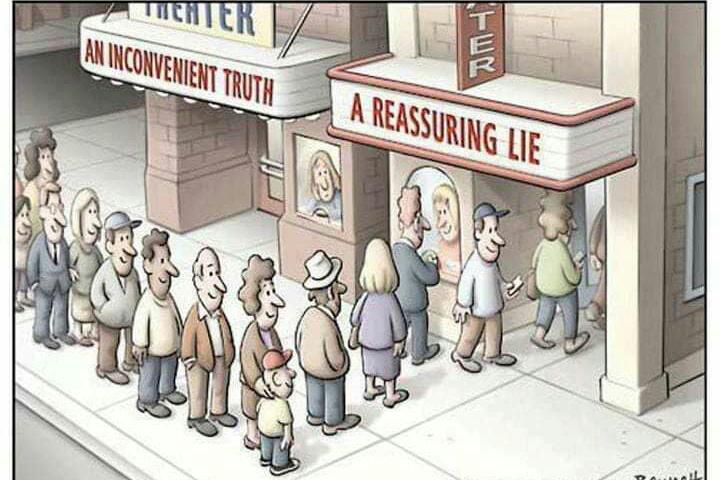
You need to do an exercise this morning. Don't worry, it's a simple one. I need you to describe who your ideal customer is. Okay, let's go. -------------------------- Close your eyes. Think about who this person is and try to describe everything about them. -------------------------- Have you done it? If you have, continue reading. If you haven't, please do it first, you will understand why when you read on. Whether you are in a product or service business, being able to identify and describe your ideal customer is the first thing you must do. Everyone is not your customer. I repeat, everyone is not your customer. Not even your friends and family members. They may patronise you out of pity. They may patronise you to identify with you. They may patronise you so that you do not carry their matter to family meeting. But in the long run, they are not your ideal customer. No hard feelings! That's just the way it is. And the earlier you come to terms with this, the more profitable it will be for you. Let's face it, not everyone is on the MTN network. Some will swear by the GLO network anyday anytime. Not everyone likes Coca-cola. Some people prefer to drink kunu or zobo. Not everyone likes Apple products, ........ is their preferred product type. Not everyone likes GoTV or DSTv. AIT and TVC gives some people all the news and entertainment they want. Not everyone is a member of the two most popular political parties in Nigeria—PDP and APC. ..... and ..... have devoted members too. Not everyone wants to travel to Dubai or Canada. Nigeria is fine for some people. Not everyone likes to eat pizza and Coldstone. Just give some people I personally know, amala, ewedu and ogufe. They'll be fine. Not everyone wants to become an entrepreneur. They like their salary job like that. Not everyone likes to take photos or even do a photoshoot for their next birthday. They don't care about it. Phew! Many call this, Customer Avatar or Persona (just forget about the jargon, I will explain). It means describing the exact qualities of the person your product is designed for. Factors like name, location, age, income, belief, political bias, likes, food preference, etc. Whenever I deploy this for my clients, I niche it further down to things that do not seem to matter. By doing this, I am able to identify who their ideal customer is and how best to reach them. Below is a successful case study I did for a client who sells kitchen utensils. Read carefully and see how you can apply this to your product or service. I niched down the business with the following: 𝗔𝗴𝗲 (25 – 70) 𝗚𝗲𝗻𝗱𝗲𝗿 (Mostly females, some males though) 𝗢𝗰𝗰𝘂𝗽𝗮𝘁𝗶𝗼𝗻(Caterers, Cooks, Restauranteurs, Hoteliers, Career Professionals and Entrepreneurs) 𝗟𝗼𝗰𝗮𝘁𝗶𝗼𝗻 (mostly urban areas) 𝗟𝗶𝗳𝗲𝘀𝘁𝘆𝗹𝗲(conservative or extravagant, Eats in, Prefers to cook their own food) 𝗛𝗼𝗯𝗯𝗶𝗲𝘀 𝗮𝗻𝗱 𝗜𝗻𝘁𝗲𝗿𝗲𝘀𝘁 (Do It Yourself, likes to make a smoothie, try out new recipes but doesn't have the kitchen equipment, and other details this space cannot hold) 𝗔𝗻𝗻𝘂𝗮𝗹 𝗶𝗻𝗰𝗼𝗺𝗲 (Must earn enough to be able to purchase cooking utensils for as low as N2,000) 𝗠𝗮𝗿𝗶𝘁𝗮𝗹 𝘀𝘁𝗮𝘁𝘂𝘀 (Single, but mostly married) 𝗜𝗳 𝗠𝗮𝗿𝗿𝗶𝗲𝗱, 𝗡𝘂𝗺𝗯𝗲𝗿 𝗼𝗳 𝗞𝗶𝗱𝘀 (They would need food flasks and smaller sized cutlery, so we can upsell those) This is getting interesting, right? Yes, let's continue. 𝗪𝗵𝗲𝗿𝗲 𝗱𝗼 𝘁𝗵𝗲𝘆 𝗵𝗮𝗻𝗴 𝗼𝘂𝘁? (For most described above, weekend events and places of worship, then the markets) 𝗪𝗵𝗮𝘁 𝗮𝗿𝗲 𝘁𝗵𝗲𝗶𝗿 𝗱𝗲𝘀𝗶𝗿𝗲𝘀 𝗮𝗯𝗼𝘂𝘁 𝗸𝗶𝘁𝗰𝗵𝗲𝗻 𝘂𝘁𝗲𝗻𝘀𝗶𝗹𝘀? (To have a stress-free cooking experience over and again) 𝗪𝗵𝗮𝘁 𝗮𝗿𝗲 𝘁𝗵𝗲𝗶𝗿 𝘄𝗼𝗿𝗿𝗶𝗲𝘀 𝗮𝗯𝗼𝘂𝘁 𝗸𝗶𝘁𝗰𝗵𝗲𝗻 𝘂𝘁𝗲𝗻𝘀𝗶𝗹𝘀? (durability and affordability, time and energy-saving kitchen devices such as blenders, juicers, food processors, non-stick pans, multipurpose graters, microwave oven, pressure cooking pots, etc.) 𝗪𝗵𝗮𝘁 𝗮𝗿𝗲 𝘁𝗵𝗲𝗶𝗿 𝗰𝗼𝗿𝗲 𝗯𝗲𝗹𝗶𝗲𝗳𝘀 𝗿𝗲𝗴𝗮𝗿𝗱𝗶𝗻𝗴 𝘄𝗵𝗮𝘁 𝘆𝗼𝘂 𝗱𝗼? (some women believe to pound yam in mortar is tastier than those done with a food processor) 𝗔𝗿𝗲 𝘁𝗵𝗲𝘆 𝘁𝗵𝗲 𝗱𝗲𝗰𝗶𝘀𝗶𝗼𝗻-𝗺𝗮𝗸𝗲𝗿𝘀 𝘄𝗵𝗲𝗻 𝗶𝘁 𝗰𝗼𝗺𝗲𝘀 𝘁𝗼 𝗯𝘂𝘆𝗶𝗻𝗴 𝘁𝗵𝗶𝘀 𝗽𝗿𝗼𝗱𝘂𝗰𝘁? (obviously, the kitchen is for the woman) 𝗔𝗿𝗲 𝘁𝗵𝗲𝘆 𝘁𝗵𝗲 𝗼𝗻𝗲𝘀 𝘄𝗵𝗼 𝗽𝗮𝘆 𝗳𝗼𝗿 𝘁𝗵𝗲 𝗽𝗿𝗼𝗱𝘂𝗰𝘁𝘀? (In some cases, for the married, the husbands pay for the product) 𝗪𝗵𝗮𝘁 𝘀𝗶𝗺𝗶𝗹𝗮𝗿 𝗽𝗿𝗼𝗱𝘂𝗰𝘁𝘀 𝗱𝗼 𝘁𝗵𝗲𝘆 𝘂𝘀𝗲? (Popular brands like MasterChef, Kenwood) 𝗪𝗵𝗮𝘁 𝗧𝗩 𝗽𝗿𝗼𝗴𝗿𝗮𝗺 𝗱𝗼 𝘁𝗵𝗲𝘆 𝘄𝗮𝘁𝗰𝗵? (Popular Family sitcoms like The Johnsons, My Siblings & I, Halita, or the cooking shows like MasterChef, Chopped) 𝗛𝗼𝘄 𝘄𝗼𝘂𝗹𝗱 𝘁𝗵𝗲𝘆 𝗯𝘂𝘆? (online, your physical shop, pay-on-delivery) 𝗪𝗵𝗮𝘁 𝗺𝗼𝘃𝗶𝗲 𝘀𝗲𝗿𝗶𝗲𝘀 𝗮𝗿𝗲 𝘁𝗵𝗲𝘆 𝗹𝗶𝗸𝗲𝗹𝘆 𝘁𝗼 𝗳𝗼𝗹𝗹𝗼𝘄? (This can help you craft a story they can easily relate to) The list goes on. Well, if you cannot relate to the above, you are not my client's ideal customer. This is one reason certain businesses you know would prefer to put their imprints on reality shows like BBNaija (and sporting events) over and again, but would not spend a dime to sponsor an educational or academic competition. They know who their ideal customer is and where to find them. This is one reason certain businesses are more successful than others. They know what their ideal customers need, and they give it to them. There is one reason businesses have repeat customers. They know where their ideal customer is and do everything to keep them asking for more. It's not magic, village people, or guesswork. In my next post, I will teach you how to define or describe your target market using a case study. Don't worry; it's one of the easiest things you will ever learn. So, were you able to describe your ideal customer? Let me know in the comments below
No comments yet