 @FrenchLegalAspect
Joined 27 May 2020 · 81 posts
120 KT
0 KT · $1.67 received · 0 KT · 11¢ given
@FrenchLegalAspect
@FrenchLegalAspect
French Legal Analysis of Crypto-payment – An Usefull Alternative Method of Payment 2/2 Second part of French legal analysis of payment in crypto-currencies – An usefull alternative method of payment 1/2. https://www.publish0x.com/fla/french-legal-analysis-of-payment-in-crypto-currencies-an-use-xmdkqeq Hope you will enjoy the reading. **II. OPTIONAL PAYMENT IN CRYPTO-ASSET FORM OF A BOND DENOMINATED IN EURO** In order to extinguish a debt denominated in euro, the transmission of crypto-asset units must be consented to by the creditor of a monetary obligation. The debtor may then be discharged by the payment of the units deemed to be equivalent. Depending on whether such consent is given before or at the time of payment, the fate of the transactions may be different. The transmission of tokens, of whatever kind, may produce the effects of payment in order to extinguish a monetary obligation, provided that this means of payment is consented to by the creditor, either originally, by an optional obligation (A.), or at the time of payment, by a dation (B.). *A. « AB INITIO » CONSENT TO ENCRYPTED PAYMENTS* Where the creditor's consent to a monetary obligation to be satisfied by the payment of the countervalue of Crypto-asset units at the stage of formation of the contract is given, the mechanism is that of an optional obligation, implying a need to dwell on its nature (1.) and then to determine its regime (2.). 1. An optional obligation **Definition -** An optional obligation is a form of plural obligation which has as its object a performance of a specific nature but from which the debtor may be discharged by performing another, also specific, performance[1]. The optional obligation is extinguished if the initial performance cannot be performed because of force majeure[2]. The debtor has the option of freeing himself by substituting for the performance due in principle, "the principal performance", another performance, "the optional performance"[3]. It therefore differs from the alternative obligation since it comprises only one performance, unlike the alternative obligation which comprises several performances. In other words, if each of the performances is considered to be a normal means of performance, the obligation is alternative; if only one is considered to be a normal means of performance but another may exceptionally be performed by the debtor in place of the first, the obligation is optional[4]. https://www.publish0x.com/fla/french-legal-analysis-of-payment-in-crypto-currencies-an-use-xzywkmp#_ftn1 https://www.publish0x.com/fla/french-legal-analysis-of-payment-in-crypto-currencies-an-use-xzywkmp#_ftn2 https://www.publish0x.com/fla/french-legal-analysis-of-payment-in-crypto-currencies-an-use-xzywkmp#_ftn3 https://www.publish0x.com/fla/french-legal-analysis-of-payment-in-crypto-currencies-an-use-xzywkmp#_ftn4 **Usual applications -** There are few applications that appear in case law. One finds the seller of a railway concession accepting that the buyer pays the purchase price in cash and that he is optionally released by the delivery of bonds previously issued by the seller[5], or in a more commercial context, the transferor of securities taking the commitment to remain in the company for 2 years[6]. However, the optional obligation seems to be the legal mechanism used by a seller when it states that it accepts Crypto-asset payments for the purchase of its products or services. It is therefore highly likely, in view of the fluctuating price of Crypto-assets, that a dispute will arise and that it will help to flesh out the case law on the optional obligation. https://www.publish0x.com/fla/french-legal-analysis-of-payment-in-crypto-currencies-an-use-xzywkmp#_ftn5 https://www.publish0x.com/fla/french-legal-analysis-of-payment-in-crypto-currencies-an-use-xzywkmp#_ftn6 **Nature of the optional obligation -** The legal analysis of the optional obligation is difficult, since it depends on the conception of the relationship between the payment and the subject matter of the obligation[7]. Some consider that payment is not attached to the performance due, whereas the change concerns only the payment and not the obligation (only one performance is due but the debtor has the option to change it for payment). On the other hand, others consider that what is paid must always correspond to what was due, resulting in a change in the subject-matter of the obligation which is effected by a unilateral promise to change the performance forming the subject-matter of the obligation, the option of which is always given to the debtor[8]. The qualification of the optional obligation depends solely on the initial performance and not on the qualification of the substitute performance which can be provided instead. The change in performance therefore has no impact on the classification of the initial obligation[9], in the same way as a payment dation that does not change the monetary nature of the obligation initially due. The proximity in terms of nature and function between monetary crypto-assets and currencies seems to lean towards the second conception. https://www.publish0x.com/fla/french-legal-analysis-of-payment-in-crypto-currencies-an-use-xzywkmp#_ftn7 https://www.publish0x.com/fla/french-legal-analysis-of-payment-in-crypto-currencies-an-use-xzywkmp#_ftn8 https://www.publish0x.com/fla/french-legal-analysis-of-payment-in-crypto-currencies-an-use-xzywkmp#_ftn9 **Distinction with dation -** An optional obligation is similar to a dation in payment, which implies an agreement to modify the object. With the optional obligation, there is a unilateral promise to change the performance due and the subsequent exercise of the option. The object of the obligation is determined ab initio, but the creditor accepts that the debtor is discharged by performing an optional performance[10]. In fact, the creditor can 'only require performance 'in obligatione' when the debtor has, for his part, the choice of performing either in obligatione or in facultate solutionis'***[11]***. Therefore, what distinguishes the optional obligation from the dation in payment is the moment of consent to be satisfied by another means of payment: if a seller declares that he accepts payment in Crypto-asset for his euro-denominated products, then he will grant an optional obligation to his debtors concerning the method of payment. If nothing is indicated and a customer wishes to purchase a product denominated in euros, the creditor, by accepting at the time of payment, consents to a dation. https://www.publish0x.com/fla/french-legal-analysis-of-payment-in-crypto-currencies-an-use-xzywkmp#_ftn10 https://www.publish0x.com/fla/french-legal-analysis-of-payment-in-crypto-currencies-an-use-xzywkmp#_ftn11 2. Operation of the optional obligation **Existence of the option -** The optional obligation requires a consensual stipulation: it exists by the will of the parties[12]. For the option to exist, it is necessary that the performance initially due and the substitute performance be determined, possible[13] and lawful[14]. If the initial performance is not likely to be the subject of an obligation, it may be cancelled, bringing with it the optional obligation[15]. This power of substitution belongs only to the debtor who exercises this option by a unilateral act within the meaning of the first paragraph of Article 1308. Thus, the creditor of an optional obligation can continue the performance in kind of the only performance due by the debtor[16], whereas the creditor of an alternative obligation cannot continue performance in kind until the debtor has exercised his power and has chosen the performance which will form the subject-matter of his obligation[17]. https://www.publish0x.com/fla/french-legal-analysis-of-payment-in-crypto-currencies-an-use-xzywkmp#_ftn12 https://www.publish0x.com/fla/french-legal-analysis-of-payment-in-crypto-currencies-an-use-xzywkmp#_ftn13 https://www.publish0x.com/fla/french-legal-analysis-of-payment-in-crypto-currencies-an-use-xzywkmp#_ftn14 https://www.publish0x.com/fla/french-legal-analysis-of-payment-in-crypto-currencies-an-use-xzywkmp#_ftn15 https://www.publish0x.com/fla/french-legal-analysis-of-payment-in-crypto-currencies-an-use-xzywkmp#_ftn16 https://www.publish0x.com/fla/french-legal-analysis-of-payment-in-crypto-currencies-an-use-xzywkmp#_ftn17 **Optional obligation regime -** The debtor owes only the initial benefit. The creditor may require the debtor to pay this benefit and not the substitute benefit[18]. On the other hand, the debtor may substitute the performance initially due with another performance which he performs[19]. This substitution is effected by a unilateral act of will on the part of the debtor which is subject to the conditions of validity of ordinary law[20]. In practice, merchants who accept Crypto-assets as payment pay the price of their products or services in euro. In the event of non-payment, the trader may demand the forced performance of the monetary obligation of which he is a creditor, which will result in the payment of a sum in euros[21], without being able to demand the payment of the Crypto-asset. Indeed, even the judgment given between the creditor and the debtor can only order the debtor to pay the initial performance (unless the debtor fulfils his optional obligation before the judgment is given, offering satisfaction to the creditor and removing his interest in bringing proceedings[22]). https://www.publish0x.com/fla/french-legal-analysis-of-payment-in-crypto-currencies-an-use-xzywkmp#_ftn18 https://www.publish0x.com/fla/french-legal-analysis-of-payment-in-crypto-currencies-an-use-xzywkmp#_ftn19 https://www.publish0x.com/fla/french-legal-analysis-of-payment-in-crypto-currencies-an-use-xzywkmp#_ftn20 https://www.publish0x.com/fla/french-legal-analysis-of-payment-in-crypto-currencies-an-use-xzywkmp#_ftn21 https://www.publish0x.com/fla/french-legal-analysis-of-payment-in-crypto-currencies-an-use-xzywkmp#_ftn22 **Effect of the main obligation -** If the main object of an optional obligation is lost, the obligation disappears completely, even if the optional benefit remains[23]. The solution is the same in the case of impossibility to perform the initial performance, even if the substitute performance can be performed[24]. For example, a company grants a loan to a student in training, providing for the absence of repayment in the event of the conclusion of a contract of employment is an optional obligation, although it is considered as a condition precedent[25]. The judicial liquidation of the lender having rendered the suspensive condition deficient, the lender could not demand repayment of the loan. However, it had been argued that this was in fact an optional obligation, since the borrower consented to a promise of a contract of employment in return for which the lender undertook to remit its debt to it, and the borrower could evade its promise of a contract of employment by repaying its loan[26]. The solution would have been the same, but the mechanism retained by the Court of Appeal did not seem to be the most adequate. If the impossibility of performance affects the replacement benefit that is optionally due, the obligation becomes pure and simple and remains with this qualification[27]. By comparison, if one of the benefits of an alternative obligation is impossible to perform, the obligation remains as an obligation pure and simple with respect to the benefit that remains enforceable[28]. https://www.publish0x.com/fla/french-legal-analysis-of-payment-in-crypto-currencies-an-use-xzywkmp#_ftn23 https://www.publish0x.com/fla/french-legal-analysis-of-payment-in-crypto-currencies-an-use-xzywkmp#_ftn24 https://www.publish0x.com/fla/french-legal-analysis-of-payment-in-crypto-currencies-an-use-xzywkmp#_ftn25 https://www.publish0x.com/fla/french-legal-analysis-of-payment-in-crypto-currencies-an-use-xzywkmp#_ftn26 https://www.publish0x.com/fla/french-legal-analysis-of-payment-in-crypto-currencies-an-use-xzywkmp#_ftn27 https://www.publish0x.com/fla/french-legal-analysis-of-payment-in-crypto-currencies-an-use-xzywkmp#_ftn28 Thus the optional obligation, in the case of a payment in encrypted form, is a greater source of security for the creditor than the alternative obligation. *B. THE "AD MOMENTUM" CONSENT TO PAYMENT IN CRYPTO-ASSET MODE* Where the creditor consents to be satisfied by the transmission of Crypto-asset units instead of the euro at the time of payment, this is no longer an alternative obligation, but a novation by change of purpose, which is, in the case of a monetary obligation, a dation in payment. **The notion of dation in payment -** Dation in payment is a method of extinguishing an obligation by payment from the debtor. Indeed, "the creditor may agree to receive in payment something other than what is due to him"***[29]***. There is a dation in payment when it is given to the creditor, something other than the object of the debt itself[30]. It is therefore an abnormal mode of payment, the creditor being indirectly satisfied since he does not obtain the thing provided for in the contract, but something deemed equivalent by the parties. https://www.publish0x.com/fla/french-legal-analysis-of-payment-in-crypto-currencies-an-use-xzywkmp#_ftn29 https://www.publish0x.com/fla/french-legal-analysis-of-payment-in-crypto-currencies-an-use-xzywkmp#_ftn30 **An agreed method of payment -** The creditor's agreement makes the provision a legal act, subject to the conditions of validity and proof of ordinary law[31]. It must be made at the time of payment by the creditor, and this consent may be simply implied[32]. A waiver of payment may be annulled for lack of consent or, in the absence of a claim to be extinguished, for lack of purpose[33]. As with payment, the dation may be made by a third party[34] and releases the guarantor (even if the creditor is evicted from the thing given in payment) [35]. As an abnormal means of payment, it is subject to Paulian action and falls under the nullity of the suspicious period[36]. Where a preferential right is granted over the object of the transfer, the holder is entitled to exercise his right, the transfer being assimilated to a transfer for valuable consideration[37]. Rescission for injury shall apply and the debtor shall owe the creditor the same guarantees as a seller. If the creditor is evicted[38], the debt is deemed not to be extinguished[39]. https://www.publish0x.com/fla/french-legal-analysis-of-payment-in-crypto-currencies-an-use-xzywkmp#_ftn31 https://www.publish0x.com/fla/french-legal-analysis-of-payment-in-crypto-currencies-an-use-xzywkmp#_ftn32 https://www.publish0x.com/fla/french-legal-analysis-of-payment-in-crypto-currencies-an-use-xzywkmp#_ftn33 https://www.publish0x.com/fla/french-legal-analysis-of-payment-in-crypto-currencies-an-use-xzywkmp#_ftn34 https://www.publish0x.com/fla/french-legal-analysis-of-payment-in-crypto-currencies-an-use-xzywkmp#_ftn35 https://www.publish0x.com/fla/french-legal-analysis-of-payment-in-crypto-currencies-an-use-xzywkmp#_ftn36 https://www.publish0x.com/fla/french-legal-analysis-of-payment-in-crypto-currencies-an-use-xzywkmp#_ftn37 https://www.publish0x.com/fla/french-legal-analysis-of-payment-in-crypto-currencies-an-use-xzywkmp#_ftn38 https://www.publish0x.com/fla/french-legal-analysis-of-payment-in-crypto-currencies-an-use-xzywkmp#_ftn39 T**he necessary ownership of the object transferred in payment -** The transfer in payment presupposes that the debtor of the monetary obligation is the owner of the things he transfers in payment[40]. If he is not, the owner and the creditor may request the nullity of the payment within 5 years from the date of the transfer or from his knowledge[41]. The true owner has the right of action to claim[42], but the rule of Article 2276 of the Civil Code may be invoked against him[43]. https://www.publish0x.com/fla/french-legal-analysis-of-payment-in-crypto-currencies-an-use-xzywkmp#_ftn40 https://www.publish0x.com/fla/french-legal-analysis-of-payment-in-crypto-currencies-an-use-xzywkmp#_ftn41 https://www.publish0x.com/fla/french-legal-analysis-of-payment-in-crypto-currencies-an-use-xzywkmp#_ftn42 https://www.publish0x.com/fla/french-legal-analysis-of-payment-in-crypto-currencies-an-use-xzywkmp#_ftn43 **The transfer of ownership of the given thing -** It is important to know when the transfer of ownership takes place legally[44]. As with any act of transfer of ownership, the transfer of ownership of the thing given in dation takes place, necessarily upon consent to the dation[45], except for things of kind[46]. These rules are the transposition to the dation of the provisions of article 1196 of the Civil Code[47], which provide that the transfer of ownership takes place at the time of the exchange of consents[48], or in a deferred manner when "the nature of things" so requires[49]. Here the qualification of Crypto-assets becomes essential again. In the case of a simple commodity, the moment will be from the time of consent to dation, whereas the units will always be registered in the debtor's account[50]. On the other hand, if they were recognised as currency, their transfers would be conditional on the real tradition of payment units[51], which seems more appropriate to the payment function of Crypto-assets, since the transfer from one account to another is forgery-proof. Moreover, this is what emerges from the recognition of electronic recording devices allowing "the transfer of ownership of mini-vouchers results from the recording of the transfer"[52] within them. It is certainly in the nature of things, since cryptomoney organisations wish to be a forgery-proof digital currency, that the most appropriate regime for their transfer is that of money, regardless of whether they are recognised as such. https://www.publish0x.com/fla/french-legal-analysis-of-payment-in-crypto-currencies-an-use-xzywkmp#_ftn44 https://www.publish0x.com/fla/french-legal-analysis-of-payment-in-crypto-currencies-an-use-xzywkmp#_ftn45 https://www.publish0x.com/fla/french-legal-analysis-of-payment-in-crypto-currencies-an-use-xzywkmp#_ftn46 https://www.publish0x.com/fla/french-legal-analysis-of-payment-in-crypto-currencies-an-use-xzywkmp#_ftn47 https://www.publish0x.com/fla/french-legal-analysis-of-payment-in-crypto-currencies-an-use-xzywkmp#_ftn48 https://www.publish0x.com/fla/french-legal-analysis-of-payment-in-crypto-currencies-an-use-xzywkmp#_ftn49 https://www.publish0x.com/fla/french-legal-analysis-of-payment-in-crypto-currencies-an-use-xzywkmp#_ftn50 https://www.publish0x.com/fla/french-legal-analysis-of-payment-in-crypto-currencies-an-use-xzywkmp#_ftn51 https://www.publish0x.com/fla/french-legal-analysis-of-payment-in-crypto-currencies-an-use-xzywkmp#_ftn52 **Effect on the price change obligation -** There is nothing to prevent the creditor from receiving in payment an asset whose value is greater than the amount of the claim. The question is then whether, as a result of such a remittance, the creditor agrees to consider himself or herself a debtor to the person remitting the property in payment of an amount equal to the difference between the amount of the claim and the value of the property. In such a case, the person who handed over the property by way of a payment shall enjoy a seller's lien for the difference[53]. This preference must be granted by the creditor even if the property assigned has a value greater than the claim[54].. An object whose value is less than the original obligation is not relevant to the satisfaction of the creditor, since he consents to it. Consequently, a trader who agrees to receive units of Crypto-assets, if he takes the risk of seeing the units lose value without being able to obtain full satisfaction, will remain the owner of the surplus value of the reverse scenario in the absence of any forecast to the contrary. https://www.publish0x.com/fla/french-legal-analysis-of-payment-in-crypto-currencies-an-use-xzywkmp#_ftn53 https://www.publish0x.com/fla/french-legal-analysis-of-payment-in-crypto-currencies-an-use-xzywkmp#_ftn54 All my posts are linked each other, so if you don't understand everything or you want to learn more about crypto-currencies in France please check the links below : French Legal Aspects of Cryptocurrencies - Introduction 1/2 ;The Impossible Monetary Recognition of Crypto-assets in French Law - The Example of Complementary Local Currencies (CLC) 1/2 ; https://www.publish0x.com/fla/french-legal-aspects-of-cryptocurrencies-introduction-12-xnlllnl https://www.publish0x.com/fla/the-impossible-monetary-recognition-of-crypto-assets-in-fren-xrooyqq The BlockChain, A Method of Issuing Dematerialized Securities 1/2; https://www.publish0x.com/fla/the-blockchain-a-method-of-issuing-dematerialized-securities-xgddzwl French Legal Regulation of Crypto-assets Financing Mechanisms (or DeFi) - The ICOs (Initial Coin Offering); https://www.publish0x.com/fla/french-legal-regulation-of-crypto-assets-financing-mechanism-xkkyydw French Legal Regulation of Crypto-assets Financing Mechanisms (or DeFi) - Lending and Borrowing; https://www.publish0x.com/fla/french-legal-regulation-of-crypto-assets-financing-mechanism-xwnqqln Public Crypto Currency - Why and How Banque de France successfully tested a stablecoin indexed to Euro. https://www.publish0x.com/fla/public-crypto-currency-why-and-how-banque-de-france-successf-xdrndnv [1] Art. 1308, al. 1er, C. civ. https://www.publish0x.com/fla/french-legal-analysis-of-payment-in-crypto-currencies-an-use-xzywkmp#_ftnref1 [2] Art. 1308, al. 2, C. civ. https://www.publish0x.com/fla/french-legal-analysis-of-payment-in-crypto-currencies-an-use-xzywkmp#_ftnref2 [3] M. Mignot, *« Art. 1306 à 1308, Fasc. unique : Régime général de l’obligation ; Modalités de l'obligation ; Pluralité d'objets* », JurisClasseur Civil Code (Maj, 21 mai 2017), par. 79. https://www.publish0x.com/fla/french-legal-analysis-of-payment-in-crypto-currencies-an-use-xzywkmp#_ftnref3 [4] Idem, par. 86. https://www.publish0x.com/fla/french-legal-analysis-of-payment-in-crypto-currencies-an-use-xzywkmp#_ftnref4 [5] CA Douai, 2e ch., 21 mars 1891 : DP 1892, 2, p. 549. https://www.publish0x.com/fla/french-legal-analysis-of-payment-in-crypto-currencies-an-use-xzywkmp#_ftnref5 [6] Since the latter had the option of leaving it, he would then lose the last maturity date of the price: the bond is implicitly considered optional (CA Versailles, 3rd ch., Jan. 12, 1996: Bull. Joly Sociétés 1996, p. 377, para. 129, note J.-C. HALLOUIN. https://www.publish0x.com/fla/french-legal-analysis-of-payment-in-crypto-currencies-an-use-xzywkmp#_ftnref6 [7] M. Mignot, « *La nature juridique du paiement »,* in *« Le paiement* », (dir.) M. Mignot et J. Lasserre-Capdeville, éd. L'Harmattan, 2014, p. 9. https://www.publish0x.com/fla/french-legal-analysis-of-payment-in-crypto-currencies-an-use-xzywkmp#_ftnref7 [8] M. Mignot, *« Art. 1306 à 1308, Fasc. unique : Régime général de l’obligation ; Modalités de l'obligation ; Pluralité d'objets* », JurisClasseur Civil Code (Maj, 21 mai 2017), par. 80. https://www.publish0x.com/fla/french-legal-analysis-of-payment-in-crypto-currencies-an-use-xzywkmp#_ftnref8 [9] M. Mignot, *« Art. 1306 à 1308, Fasc. unique : Régime général de l’obligation ; Modalités de l'obligation ; Pluralité d'objets* », JurisClasseur Civil Code (Maj, 21 mai 2017), par. 84. https://www.publish0x.com/fla/french-legal-analysis-of-payment-in-crypto-currencies-an-use-xzywkmp#_ftnref9 [10] F. Bicheron, « *La dation en paiement* », préf. M. Grimaldi, éd. Panthéon-Assas, 2006, p. 234. https://www.publish0x.com/fla/french-legal-analysis-of-payment-in-crypto-currencies-an-use-xzywkmp#_ftnref10 [11] Idem, p. 236. https://www.publish0x.com/fla/french-legal-analysis-of-payment-in-crypto-currencies-an-use-xzywkmp#_ftnref11 [12] Art. 1102, al. 1er, C. civ. https://www.publish0x.com/fla/french-legal-analysis-of-payment-in-crypto-currencies-an-use-xzywkmp#_ftnref12 [13] Art. 1163, al. 2, C. civ. https://www.publish0x.com/fla/french-legal-analysis-of-payment-in-crypto-currencies-an-use-xzywkmp#_ftnref13 [14] Art. 1162, C. civ. https://www.publish0x.com/fla/french-legal-analysis-of-payment-in-crypto-currencies-an-use-xzywkmp#_ftnref14 [15] Art. 1178, al. 1er, C. civ. https://www.publish0x.com/fla/french-legal-analysis-of-payment-in-crypto-currencies-an-use-xzywkmp#_ftnref15 [16] Art. 1221, 1222, C. civ. https://www.publish0x.com/fla/french-legal-analysis-of-payment-in-crypto-currencies-an-use-xzywkmp#_ftnref16 [17] M. Mignot, *« Art. 1306 à 1308, Fasc. unique : Régime général de l’obligation ; Modalités de l'obligation ; Pluralité d'objets* », JurisClasseur Civil Code (Maj, 21 mai 2017), par. 86. https://www.publish0x.com/fla/french-legal-analysis-of-payment-in-crypto-currencies-an-use-xzywkmp#_ftnref17 [18] Art. 1344, C. civ. https://www.publish0x.com/fla/french-legal-analysis-of-payment-in-crypto-currencies-an-use-xzywkmp#_ftnref18 [19] M. Mignot, *« Art. 1306 à 1308, Fasc. unique : Régime général de l’obligation ; Modalités de l'obligation ; Pluralité d'objets* », JurisClasseur Civil Code (Maj, 21 mai 2017), par. 87. https://www.publish0x.com/fla/french-legal-analysis-of-payment-in-crypto-currencies-an-use-xzywkmp#_ftnref19 [20] Art. 1100-1, al. 2, 1128, C. civ. https://www.publish0x.com/fla/french-legal-analysis-of-payment-in-crypto-currencies-an-use-xzywkmp#_ftnref20 [21] G. Marain, *« Le bitcoin à l'épreuve de la monnaie »*, Dalloz revues, AJ contrat 2017, p. 522. https://www.publish0x.com/fla/french-legal-analysis-of-payment-in-crypto-currencies-an-use-xzywkmp#_ftnref21 [22] CA Douai, 2e ch., 21 mars 1891 : DP 1892, 2, p. 549. https://www.publish0x.com/fla/french-legal-analysis-of-payment-in-crypto-currencies-an-use-xzywkmp#_ftnref22 [23] M. Mignot, *« Art. 1306 à 1308, Fasc. unique : Régime général de l’obligation ; Modalités de l'obligation ; Pluralité d'objets* », JurisClasseur Civil Code (Maj, 21 mai 2017), par. 88. https://www.publish0x.com/fla/french-legal-analysis-of-payment-in-crypto-currencies-an-use-xzywkmp#_ftnref23 [24] Art. 1308, al. 2, C. civ. https://www.publish0x.com/fla/french-legal-analysis-of-payment-in-crypto-currencies-an-use-xzywkmp#_ftnref24 [25] CA Paris, 15ème ch. A, 7 mars 1989, *« Ferrari c/Schneider Jumont Ral* » : JCP G 1989, II, 21318, note B. Petit. https://www.publish0x.com/fla/french-legal-analysis-of-payment-in-crypto-currencies-an-use-xzywkmp#_ftnref25 [26] En ce sens : B. Petit, JurisClasseur Périodique Général 1989, II, 21318. https://www.publish0x.com/fla/french-legal-analysis-of-payment-in-crypto-currencies-an-use-xzywkmp#_ftnref26 [27] G. Ripert et J. Boulanger, *« Traité de droit civil d'après le traité de M. Planiol* », t. II, éd. LGDJ, 1957, par. 1312. https://www.publish0x.com/fla/french-legal-analysis-of-payment-in-crypto-currencies-an-use-xzywkmp#_ftnref27 [28] Art. 1307-3 et 1307-4, C. civ. https://www.publish0x.com/fla/french-legal-analysis-of-payment-in-crypto-currencies-an-use-xzywkmp#_ftnref28 [29] Art. 1342-4, al. 2, C. civ. https://www.publish0x.com/fla/french-legal-analysis-of-payment-in-crypto-currencies-an-use-xzywkmp#_ftnref29 [30] Ass. Plén., 22 avr. 1974, n° 71-13.450, Bull. : Recueil Dalloz 1974, p. 613, note Derrida. https://www.publish0x.com/fla/french-legal-analysis-of-payment-in-crypto-currencies-an-use-xzywkmp#_ftnref30 [31] Art. 1128 et suiv., C. civ. https://www.publish0x.com/fla/french-legal-analysis-of-payment-in-crypto-currencies-an-use-xzywkmp#_ftnref31 [32] Civ. 1ere, 13 juin 1979, n° 78-12.030, Bull. civ. I, n°178 ; Civ. 1ere, 21 nov. 1995 n° 93-16.554, NP. https://www.publish0x.com/fla/french-legal-analysis-of-payment-in-crypto-currencies-an-use-xzywkmp#_ftnref32 [33] P. Simler, *« Synthèse 670. Extinction des obligations par paiement* », JurisClasseur Civil Code (Maj, 15 déc. 2017), par. 30. https://www.publish0x.com/fla/french-legal-analysis-of-payment-in-crypto-currencies-an-use-xzywkmp#_ftnref33 [34] Civ. 3ème, 5 avr. 1968, Bull. civ. III, n°161. https://www.publish0x.com/fla/french-legal-analysis-of-payment-in-crypto-currencies-an-use-xzywkmp#_ftnref34 [35] Art. 2315, C. civ. https://www.publish0x.com/fla/french-legal-analysis-of-payment-in-crypto-currencies-an-use-xzywkmp#_ftnref35 [36] Art. L632-1, 4°, C. comm. https://www.publish0x.com/fla/french-legal-analysis-of-payment-in-crypto-currencies-an-use-xzywkmp#_ftnref36 [37] Civ. 3ème, 4 avr. 1968, Bull. civ. III, n°148 sur un droit de préemption. https://www.publish0x.com/fla/french-legal-analysis-of-payment-in-crypto-currencies-an-use-xzywkmp#_ftnref37 [38] Civ. 3ème, 4 juill. 1968, Bull. civ. III, n°324. https://www.publish0x.com/fla/french-legal-analysis-of-payment-in-crypto-currencies-an-use-xzywkmp#_ftnref38 [39] P. Simler, *« Synthèse 670. Extinction des obligations par paiement* », JurisClasseur Civil Code (Maj, 15 déc. 2017), par. 30. https://www.publish0x.com/fla/french-legal-analysis-of-payment-in-crypto-currencies-an-use-xzywkmp#_ftnref39 [40] Art. 1238 ancien, al. 1er, C. civ. https://www.publish0x.com/fla/french-legal-analysis-of-payment-in-crypto-currencies-an-use-xzywkmp#_ftnref40 [41] Ordinary law limitation period, reduced from 30 to 5 years by Law No. 2008-561 of 17 June 2008. https://www.publish0x.com/fla/french-legal-analysis-of-payment-in-crypto-currencies-an-use-xzywkmp#_ftnref41 [42] P. Simler, *« Synthèse 670. Extinction des obligations par paiement* », JurisClasseur Civil Code, (Maj, 15 déc. 2017), par. 22. https://www.publish0x.com/fla/french-legal-analysis-of-payment-in-crypto-currencies-an-use-xzywkmp#_ftnref42 [43] Former art. 2279, C. civ. https://www.publish0x.com/fla/french-legal-analysis-of-payment-in-crypto-currencies-an-use-xzywkmp#_ftnref43 [44] F. Bouttier, *« V° Dation en paiement : Fasc. 10 : Dation en paiement »,* JurisClasseur Notarial Formulaire (Maj, 26 sept. 2016), par. 12. https://www.publish0x.com/fla/french-legal-analysis-of-payment-in-crypto-currencies-an-use-xzywkmp#_ftnref44 [45] Civ. 1ere, 27 janv. 1993, n° 91-12.115, Bull. Civ. I, n°39, p.25. https://www.publish0x.com/fla/french-legal-analysis-of-payment-in-crypto-currencies-an-use-xzywkmp#_ftnref45 [46] In the presence of such a thing, the transfer presupposes an act of individualization of the goods: Civ. Com. 11 May 2010, No. 09-12.102, NP. https://www.publish0x.com/fla/french-legal-analysis-of-payment-in-crypto-currencies-an-use-xzywkmp#_ftnref46 [47] Or the provisions of art. 1583 of the Civil Code, this time relating to the sale, but also tolerating conventional exceptions such as reservation of ownership clauses. https://www.publish0x.com/fla/french-legal-analysis-of-payment-in-crypto-currencies-an-use-xzywkmp#_ftnref47 [48] Art. 1196, al 1er, C. civ. https://www.publish0x.com/fla/french-legal-analysis-of-payment-in-crypto-currencies-an-use-xzywkmp#_ftnref48 [49] Art. 1196, al. 2, C. civ. https://www.publish0x.com/fla/french-legal-analysis-of-payment-in-crypto-currencies-an-use-xzywkmp#_ftnref49 [50] G. Marain, *« Le bitcoin à l'épreuve de la monnaie »*, Dalloz revues, AJ contrat 2017, p. 522. https://www.publish0x.com/fla/french-legal-analysis-of-payment-in-crypto-currencies-an-use-xzywkmp#_ftnref50 [51] T. Le Gueut, « *Le paiement de l'obligation monétaire en droit privé interne »*, préf. H. Synvet, éd. LGDJ, 2016, p. 265. https://www.publish0x.com/fla/french-legal-analysis-of-payment-in-crypto-currencies-an-use-xzywkmp#_ftnref51 [52] Art. L223-13, C. mon. fin. https://www.publish0x.com/fla/french-legal-analysis-of-payment-in-crypto-currencies-an-use-xzywkmp#_ftnref52 [53] F. Bouttier, *« V° Dation en paiement : Fasc. 10 : Dation en paiement »,* JurisClasseur Notarial Formulaire (Maj, 26 sept. 2016), par. 15. https://www.publish0x.com/fla/french-legal-analysis-of-payment-in-crypto-currencies-an-use-xzywkmp#_ftnref53 [54] Civ. 3ème, 13 avr. 2005, n° 04-10.774, NP. https://www.publish0x.com/fla/french-legal-analysis-of-payment-in-crypto-currencies-an-use-xzywkmp#_ftnref54
 @FrenchLegalAspect
 @FrenchLegalAspect
French Legal Analysis of Crypto-payment – An Usefull Alternative Method of Payment 1/2 Crypto-assets are not currencies, at most they are means of payment. As a means of payment that is not legal tender, forced payment in crypto-assets is impossible, unless the contract of sale is requalified as a contract of exchange (I.). However, a contract of sale may be terminated by the transmission of crypto-assets, provided that this method of payment is agreed to by the creditor of the monetary obligation (II.). **I. MANDATORY PAYMENT IN CRYPTO-ASSETS** It is not possible to denominate a monetary obligation in crypto-asset units, since a sum-of-money obligation is denominated in euro, or conditionally, in another recognised currency. This is not the case with crypto-assets, which can nevertheless influence the amount of the obligation (A.). Since an obligatory payment is not permitted from the angle of the monetary obligation, the transmission of crypto-asset units as the principal obligation can only be analysed from the angle of the exchange (B.). *A. THE DIFFICULT LIBEL OF A MONETARY OBLIGATION IN CRYPTO-ASSETS* The obligations are varied, but follow a common regime regarding their extinction by payment. However, monetary obligations are subject to special rules, reserved for legal tender, so that payment of a monetary obligation is made in euro, imposing its use as the unit of account for any payment of a monetary obligation. **The principle of monetary nominalism -** Monetary nominalism is defined as "the principle according to which a monetary unit, as long as it has the same name, retains the same (discharging) value, even if over time its real value (purchasing power) has changed, and by application of which the debtor of a certain quantity of monetary units always owes the same numerical sum, without revaluation"***[1]***. In other words, the monetary unit is invariable over time, and a claim cannot, in principle, be revalued[2]. This principle is repeated in Article 1343, paragraph 1 of the Civil Code, which provides that "the debtor of an obligation to pay a sum of money is discharged by the payment of its nominal amount". Prior to the 2016 reform, Article 1895 of the Civil Code provided that: "The obligation resulting from a cash loan is always only the sum stated in the contract". The provision originally concerned only loans of money, but its extension to all contracts by case law[3] meant that it had to be transposed to the general regime of obligations[4]. However, this principle has no constitutional value[5], nor even the character of a measure of public policy[6], so that it allows contrary stipulations. https://www.publish0x.com/fla/french-legal-analysis-of-payment-in-crypto-currencies-an-use-xmdkqeq#_ftn1 https://www.publish0x.com/fla/french-legal-analysis-of-payment-in-crypto-currencies-an-use-xmdkqeq#_ftn2 https://www.publish0x.com/fla/french-legal-analysis-of-payment-in-crypto-currencies-an-use-xmdkqeq#_ftn3 https://www.publish0x.com/fla/french-legal-analysis-of-payment-in-crypto-currencies-an-use-xmdkqeq#_ftn4 https://www.publish0x.com/fla/french-legal-analysis-of-payment-in-crypto-currencies-an-use-xmdkqeq#_ftn5 https://www.publish0x.com/fla/french-legal-analysis-of-payment-in-crypto-currencies-an-use-xmdkqeq#_ftn6 **Value debt -** Since monetary nominalism is an exceptional principle, its counterpart is value debt. The debt of value finds its origin in Article 1343, paragraph 2 of the Civil Code, which states that "the debtor of a debt of value is discharged by the payment of the sum of money resulting from its liquidation". As an exception to the principle of monetary nominalism, the debt of value is, like the nominal obligation, a debt which is discharged by the payment of a sum of money, but the amount of which is fixed not in advance, "but according to a real value, assessed at maturity"***[7]***. However, most of the applications of the debt of value concern legal hypotheses such as tort liability (the evaluation of the damage must take place on the day of the judgment, and not on the day when it occurred[8]), matrimonial property regimes (for the calculation of the rewards due to the community) or joint and several liability[9]. Thus, in these rare, but nonetheless probable, cases[10], the infringement of monetary nominalism could take into account changes in the values of crypto-assets and weight changes for which the payment of the nominal would be irrelevant, without being able to be used in the contractual sphere. https://www.publish0x.com/fla/french-legal-analysis-of-payment-in-crypto-currencies-an-use-xmdkqeq#_ftn7 https://www.publish0x.com/fla/french-legal-analysis-of-payment-in-crypto-currencies-an-use-xmdkqeq#_ftn8 https://www.publish0x.com/fla/french-legal-analysis-of-payment-in-crypto-currencies-an-use-xmdkqeq#_ftn9 https://www.publish0x.com/fla/french-legal-analysis-of-payment-in-crypto-currencies-an-use-xmdkqeq#_ftn10 **Indexation of the value of the monetary bond -** If it is not possible to denominate a bond in crypto-asset units, the value of the latter seems to allow it to be used as an index of a monetary bond, under strict conditions. Thus, if a bond cannot be denominated in crypto-asset units, its "amount may vary through indexation"***[11]***. The debt is said to be indexed. Claims are indexed when the money bond is linked to an objective reference, the index, which tends to vary its amount. It differs from price revision, which is a new agreement, so that the legal mechanism is based on novation[12], whereas indexation does not generate any novation, because even when the object changes, the contract remains the same as it was originally[13]. It may be obtained ipso jure[14], judicially (mainly for debts of maintenance[15] and compensatory allowance paid in the form of a life annuity[16]) or by agreement[17]. It is in the latter type of indexation that the use of crypto-assets as an index seems to be expressed. https://www.publish0x.com/fla/french-legal-analysis-of-payment-in-crypto-currencies-an-use-xmdkqeq#_ftn11 https://www.publish0x.com/fla/french-legal-analysis-of-payment-in-crypto-currencies-an-use-xmdkqeq#_ftn12 https://www.publish0x.com/fla/french-legal-analysis-of-payment-in-crypto-currencies-an-use-xmdkqeq#_ftn13 https://www.publish0x.com/fla/french-legal-analysis-of-payment-in-crypto-currencies-an-use-xmdkqeq#_ftn14 https://www.publish0x.com/fla/french-legal-analysis-of-payment-in-crypto-currencies-an-use-xmdkqeq#_ftn15 https://www.publish0x.com/fla/french-legal-analysis-of-payment-in-crypto-currencies-an-use-xmdkqeq#_ftn16 https://www.publish0x.com/fla/french-legal-analysis-of-payment-in-crypto-currencies-an-use-xmdkqeq#_ftn17 **Indexation clause or foreign currency? -** It has already been said, but Article 1343-3 of the Civil Code requires the unit of payment on French soil to be the euro. Nevertheless, like any principle, "payment may be made in another currency if the obligation so expressed arises from an international contract or a foreign judgment". Without being a real currency, could crypto-assets constitute a currency? The question refers to the previous developments concerning the monetary nature of these units[18]. If this were the case, merchants who would decide to denominate their prices in such units would then stipulate a foreign currency clause. Indeed, the parties may fix the wording of the monetary obligation of a domestic contract in a foreign currency as long as the payment is made in its equivalent value in euro. The stipulation of an obligation in a foreign currency is lawful if that currency is provided for as a payment instrument but not as a unit of account[19]. Such a provision is interpreted as an indexation clause subject to Article L112-2 of the Monetary and Financial Code[20]. This stipulation is valid if the chosen benchmark is directly related to the purpose of the agreement or to the activity of one of the parties. There must necessarily be a de facto relationship between the index and the subject matter of the agreement, otherwise it is qualified as disguised indexation in internal contracts[21]. Failing this, indexation is unlawful and renders the clause[22], or even the whole agreement[23], absolutely null and void if the clause is essential to its existence. In order to be legally viable, this hypothesis presupposes that crypto-assets are recognised in France as foreign currencies and, if this could have been argued by the CJEU[24], the French position would have been different. However, the absence of recognition as a currency does not totally prevent crypto-assets from being the subject of such clauses, as evidenced by the admission of the use of the ecu, which is not recognised as a currency but whose use was confirmed by a simple law authorising its use and which confirmed the validity of an index clause using it as an index[25]. https://www.publish0x.com/fla/french-legal-analysis-of-payment-in-crypto-currencies-an-use-xmdkqeq#_ftn18 https://www.publish0x.com/fla/french-legal-analysis-of-payment-in-crypto-currencies-an-use-xmdkqeq#_ftn19 https://www.publish0x.com/fla/french-legal-analysis-of-payment-in-crypto-currencies-an-use-xmdkqeq#_ftn20 https://www.publish0x.com/fla/french-legal-analysis-of-payment-in-crypto-currencies-an-use-xmdkqeq#_ftn21 https://www.publish0x.com/fla/french-legal-analysis-of-payment-in-crypto-currencies-an-use-xmdkqeq#_ftn22 https://www.publish0x.com/fla/french-legal-analysis-of-payment-in-crypto-currencies-an-use-xmdkqeq#_ftn23 https://www.publish0x.com/fla/french-legal-analysis-of-payment-in-crypto-currencies-an-use-xmdkqeq#_ftn24 https://www.publish0x.com/fla/french-legal-analysis-of-payment-in-crypto-currencies-an-use-xmdkqeq#_ftn25 **Possible sectoral tolerance -** Despite these strict conditions, case law allows price indexation by reference to a foreign currency in credit activities. It is therefore lawful for a credit institution to index its loans to a foreign currency, even for a purely domestic transaction[26]. It is conceivable that a debt may be denominated in crypto-asset as long as the purpose of the contract or the activity of one party justifies it and payment is made in euros[27]. Thus, if one of the parties uses crypto-assets, or is a company in this sector, it would seem that such indexation could be lawful. Moreover, some argue that this exclusively French regulation would be incompatible with European law[28], which has normally been issued by the EU institutions since the changeover to the euro, without imposing such restrictions on the indexation clauses[29]. https://www.publish0x.com/fla/french-legal-analysis-of-payment-in-crypto-currencies-an-use-xmdkqeq#_ftn26 https://www.publish0x.com/fla/french-legal-analysis-of-payment-in-crypto-currencies-an-use-xmdkqeq#_ftn27 https://www.publish0x.com/fla/french-legal-analysis-of-payment-in-crypto-currencies-an-use-xmdkqeq#_ftn28 https://www.publish0x.com/fla/french-legal-analysis-of-payment-in-crypto-currencies-an-use-xmdkqeq#_ftn29 *B. THE EXCHANGE CONTRACT AS A MANDATORY METHOD OF PAYMENT* Since a monetary obligation can only be denominated in a currency that is legal tender in a State, and since payment can only be made in euros, it is impossible to make it compulsory for the seller of a good, in France, to make a payment in crypto-asset. If he wishes to obtain only crypto-assets in the exchange of his good, for lack of monetary obligation, the contract will necessarily be an exchange. The obligation of transmission of ownership of the units will not be analyzed as a monetary obligation, but a simple obligation of transfer of ownership. Consequently, the fact of imposing crypto-assets as a means of payment will not be analysed as a contract of sale, but as a contract of exchange[30]. https://www.publish0x.com/fla/french-legal-analysis-of-payment-in-crypto-currencies-an-use-xmdkqeq#_ftn30 **The exchange contract** - Legally enshrined in Title VII of the Civil Code, the exchange contract is the "contract by which the parties respectively give one thing for another. » [31]. The exchange from euro to crypto-asset, if it is exempt from VAT[32] is not an exchange, since one of the parties must provide a monetary obligation. Similarly, the transfer of a crypto-asset will be a sale. The contract will only really be an exchange when one person offers to transfer ownership of a good to another person in return for x units of a particular crypto-asset, without agreeing to transfer ownership by paying the value of the corresponding euro units. The hypothesis of an exchange of crypto-assets, i.e. the contract whereby one person would transmit x units of a crypto-agent in exchange for x units of another crypto-agent, still needs to be addressed. While it is tempting to think that, like the exchange of goods for crypto-assets, the legal form chosen is exchange, since the structure of this market is similar to a stock market, this solution does not seem to be feasible in all cases. Indeed, even simultaneous operations of purchase and sale of securities on the stock exchange cannot be considered as an exchange of securities[33]. Thus, it would be advisable to limit the exchange contract system to one-off transactions without an intermediary, or to check each transaction to determine the will of the parties. https://www.publish0x.com/fla/french-legal-analysis-of-payment-in-crypto-currencies-an-use-xmdkqeq#_ftn31 https://www.publish0x.com/fla/french-legal-analysis-of-payment-in-crypto-currencies-an-use-xmdkqeq#_ftn32 https://www.publish0x.com/fla/french-legal-analysis-of-payment-in-crypto-currencies-an-use-xmdkqeq#_ftn33 **Regime of the exchange contract -** As with almost any transfer of ownership, "the goods being exchanged must necessarily be the property of the contracting parties"[34]. Failing this, the party having received the thing in dispute is bound to return it[35]. A guarantee of eviction exists with regard to the evicted co-perpetrator: he has a choice between an award of damages and the repetition of the thing. A contract that is fairly close to a sale in its operation, the exchange "takes place by consent alone"***[36]***, and "the rules prescribed for the contract of sale are applicable"[37]. However, and unlike the contract of sale, "rescission on account of injury does not take place in the contract of exchange. » [38]. https://www.publish0x.com/fla/french-legal-analysis-of-payment-in-crypto-currencies-an-use-xmdkqeq#_ftn34 https://www.publish0x.com/fla/french-legal-analysis-of-payment-in-crypto-currencies-an-use-xmdkqeq#_ftn35 https://www.publish0x.com/fla/french-legal-analysis-of-payment-in-crypto-currencies-an-use-xmdkqeq#_ftn36 https://www.publish0x.com/fla/french-legal-analysis-of-payment-in-crypto-currencies-an-use-xmdkqeq#_ftn37 https://www.publish0x.com/fla/french-legal-analysis-of-payment-in-crypto-currencies-an-use-xmdkqeq#_ftn38 Thus, despite the detour through the exchange contract, the obligation to pay something in crypto-asset seems legally viable, although more difficult than an optional payment. You can read this article originally published on Publish0x and support me by tipping freely with this link : French legal analysis of payment in crypto-currencies – An usefull alternative method of payment 1/2 https://www.publish0x.com/fla/french-legal-analysis-of-payment-in-crypto-currencies-an-use-xmdkqeq [1] G. Cornu et Association H. Capitant, *« Vocabulaire juridique »*, éd. PUF, 19ème éd. https://www.publish0x.com/fla/french-legal-analysis-of-payment-in-crypto-currencies-an-use-xmdkqeq#_ftnref1 [2] N. Cayrol, « *Synthèse 680 : Monnaie de paiement* », JurisClasseur Civil Code (Maj, 11 déc. 2017), par. 37. https://www.publish0x.com/fla/french-legal-analysis-of-payment-in-crypto-currencies-an-use-xmdkqeq#_ftnref2 [3] Cass. req., 25 nov. 1929 : DH 1929, p. 161 ; Gaz. Pal. 1929, 1, p. 802 ; Cass. req., 25 oct. 1932 : DH 1932, p. 556 ; Gaz. Pal. 1933, 1, p. 36. https://www.publish0x.com/fla/french-legal-analysis-of-payment-in-crypto-currencies-an-use-xmdkqeq#_ftnref3 [4] N. Cayrol, « *Synthèse 680 : Monnaie de paiement* », JurisClasseur Civil Code (Maj, 11 déc. 2017), par. 38. https://www.publish0x.com/fla/french-legal-analysis-of-payment-in-crypto-currencies-an-use-xmdkqeq#_ftnref4 [5] Cons. const., 16 janv. 1982, n° 81-132 DC, JORF, 17 janv. 1982, p. 299. https://www.publish0x.com/fla/french-legal-analysis-of-payment-in-crypto-currencies-an-use-xmdkqeq#_ftnref5 [6] Cass. 1re civ., 27 juin 1957 : JurisClasseur Périodique Général, 1957, II, 10093 bis, concl. A. Besson ; Revue Trimestrielle de Droit civ. 1957, p. 553, obs. J. Carbonnier. https://www.publish0x.com/fla/french-legal-analysis-of-payment-in-crypto-currencies-an-use-xmdkqeq#_ftnref6 [7] N. Cayrol, « *Synthèse 680 : Monnaie de paiement* », JurisClasseur Civil Code (Maj, 11 déc. 2017), par. 40. https://www.publish0x.com/fla/french-legal-analysis-of-payment-in-crypto-currencies-an-use-xmdkqeq#_ftnref7 [8] Responsabilité délictuelle : Cass. req., 24 mars 1942 : Gaz. Pal. 1942, 1, p. 224 ; responsabilité contractuelle : Cass. soc., 18 juin 1953 : Gaz. Pal. 1953, 2, p. 240, note Mazeaud. https://www.publish0x.com/fla/french-legal-analysis-of-payment-in-crypto-currencies-an-use-xmdkqeq#_ftnref8 [9] Art. 815-13, C. civ. providing that the compensation which may be due to an undivided co-owner who has improved an undivided property at his own expense must be fixed in equity "having regard to the increase in the value of the property". https://www.publish0x.com/fla/french-legal-analysis-of-payment-in-crypto-currencies-an-use-xmdkqeq#_ftnref9 [10] The assessment of the damage resulting from a fault in the management of crypto-assets should then be assessed on the day of judgment. https://www.publish0x.com/fla/french-legal-analysis-of-payment-in-crypto-currencies-an-use-xmdkqeq#_ftnref10 [11] Art. 1343 al. 2, C. civ. https://www.publish0x.com/fla/french-legal-analysis-of-payment-in-crypto-currencies-an-use-xmdkqeq#_ftnref11 [12] N. Cayrol, « *Synthèse 680 : Monnaie de paiement* », JurisClasseur Civil Code (Maj, 11 déc. 2017), par. 43. https://www.publish0x.com/fla/french-legal-analysis-of-payment-in-crypto-currencies-an-use-xmdkqeq#_ftnref12 [13] Case law does not see indexation in clauses which provide for the revision of the expert's quoted price (Com., 16 March 1966: JCP G 1966, IV, 66; Com., 20 Jan. 1970: Bull. civ. IV, No 27), or by negotiation between the parties (Soc., 30 Apr. 1985: Bull. civ. V, No 267; JCP G 1985, IV, 244). https://www.publish0x.com/fla/french-legal-analysis-of-payment-in-crypto-currencies-an-use-xmdkqeq#_ftnref13 [14] Notably for pensions constituted with insurance companies (see L. No. 49-1098, 2 August 1949, revising certain life annuities constituted by insurance companies, by the National Retirement Pension Fund for Old Age or by private individuals through the alienation of capital in cash, JORF, 6 August 1949, and L. No. 51-695, 24 May 1951, increasing certain life annuities and pensions, JORF, 5 June 1951) or awarded as compensation for damage caused by a road accident (see L. No. 74-1118, 27 Dec. 1974, relating to the revaluation of certain annuities awarded as compensation for damage caused by a land motor vehicle, JORF, 28 Dec. 1974). https://www.publish0x.com/fla/french-legal-analysis-of-payment-in-crypto-currencies-an-use-xmdkqeq#_ftnref14 [15] Art. 208, al. 2, C. civ. https://www.publish0x.com/fla/french-legal-analysis-of-payment-in-crypto-currencies-an-use-xmdkqeq#_ftnref15 [16] Art. 276-1, al. 1er, C. civ. https://www.publish0x.com/fla/french-legal-analysis-of-payment-in-crypto-currencies-an-use-xmdkqeq#_ftnref16 [17] N. Cayrol, « *Synthèse 680 : Monnaie de paiement* », JurisClasseur Civil Code (Maj, 11 déc. 2017), par. 43-44. https://www.publish0x.com/fla/french-legal-analysis-of-payment-in-crypto-currencies-an-use-xmdkqeq#_ftnref17 [18] Voir infra. par. 38-44. https://www.publish0x.com/fla/french-legal-analysis-of-payment-in-crypto-currencies-an-use-xmdkqeq#_ftnref18 [19] Civ. 1ère, 25 mars 1981, n° 79-16.847, Bull. civ. I, n° 104 :*"Whereas the stipulation of an obligation in foreign currency is lawful as soon as this currency is provided for, not as an instrument of payment, but as a unit of account".* https://www.publish0x.com/fla/french-legal-analysis-of-payment-in-crypto-currencies-an-use-xmdkqeq#_ftnref19 [20] Civ. 1ère, 11 oct. 1989, n° 87-16.341, Bull. civ. I, n° 311 : Recueil Dalloz 1990. 167, note E. S. de La Marnierre. https://www.publish0x.com/fla/french-legal-analysis-of-payment-in-crypto-currencies-an-use-xmdkqeq#_ftnref20 [21] Com., 28 juin 1965, Bull. n° 405 : Recueil Dalloz 1965. 582. https://www.publish0x.com/fla/french-legal-analysis-of-payment-in-crypto-currencies-an-use-xmdkqeq#_ftnref21 [22] Com., 3 nov. 1988 : Recueil Dalloz 1989. 93, note Malaurie. https://www.publish0x.com/fla/french-legal-analysis-of-payment-in-crypto-currencies-an-use-xmdkqeq#_ftnref22 [23] Civ. 3ème, 13 février 1969, Bull. n° 134 : JCP 1969, II 15942., (2e esp.). https://www.publish0x.com/fla/french-legal-analysis-of-payment-in-crypto-currencies-an-use-xmdkqeq#_ftnref23 [24] CJUE 22 oct. 2015, aff. C-264/14, « *Skatteverket c/ Hedqvist, Skatteverket c/ David Hedqvist* ». https://www.publish0x.com/fla/french-legal-analysis-of-payment-in-crypto-currencies-an-use-xmdkqeq#_ftnref24 [25] Civ. 1ere, 13 avr. 1999 : Bull. civ. I n°135 ; Recueil Dalloz, 2000. Somm. 365 obs. R. Libchaber. https://www.publish0x.com/fla/french-legal-analysis-of-payment-in-crypto-currencies-an-use-xmdkqeq#_ftnref25 [26] Com., 22 mai 2001, n° 98-14.406, Bull. civ. I, n° 98, p.91 ; Civ. 1ère, 29 mars 2017, n° 16-13.050, Bull. : Recueil Dalloz 2017, 1893, note C. Kleiner. https://www.publish0x.com/fla/french-legal-analysis-of-payment-in-crypto-currencies-an-use-xmdkqeq#_ftnref26 [27] G. Marain, *« Le bitcoin à l'épreuve de la monnaie »*, Dalloz revues, AJ contrat 2017, p. 522. https://www.publish0x.com/fla/french-legal-analysis-of-payment-in-crypto-currencies-an-use-xmdkqeq#_ftnref27 [28] G. Gruber, *« L’euro et les clauses d’indexation* », recueil Dalloz 1999, chron. p. 258 ; N. Guerrero, *« Les clauses d’indexation monétaire dans les contrats de prêt accordés par un établissement bancaire : une validité discutée* », Banque et droit, 2014, n° 153, p. 3. https://www.publish0x.com/fla/french-legal-analysis-of-payment-in-crypto-currencies-an-use-xmdkqeq#_ftnref28 [29] N. Cayrol, « *Synthèse 680 : Monnaie de paiement* », JurisClasseur Civil Code (Maj, 11 déc. 2017), par. 47. https://www.publish0x.com/fla/french-legal-analysis-of-payment-in-crypto-currencies-an-use-xmdkqeq#_ftnref29 [30] M. Rousille, *« Le bitcoin : objet juridique non identifié »,* éd. Banque & Droit nº 159 janv./févr. 2015, p. 30. https://www.publish0x.com/fla/french-legal-analysis-of-payment-in-crypto-currencies-an-use-xmdkqeq#_ftnref30 [31] Art. 1702, C. civ. https://www.publish0x.com/fla/french-legal-analysis-of-payment-in-crypto-currencies-an-use-xmdkqeq#_ftnref31 [32] CJUE 22 oct. 2015, aff. C-264/14, « *Skatteverket c/ Hedqvist, Skatteverket c/ David Hedqvist* ». https://www.publish0x.com/fla/french-legal-analysis-of-payment-in-crypto-currencies-an-use-xmdkqeq#_ftnref32 [33] Com., 3 mai 1973, n°71-10.587, Bull. civ IV, n°158, p. 137. https://www.publish0x.com/fla/french-legal-analysis-of-payment-in-crypto-currencies-an-use-xmdkqeq#_ftnref33 [34] Art. 1704, C. civ. https://www.publish0x.com/fla/french-legal-analysis-of-payment-in-crypto-currencies-an-use-xmdkqeq#_ftnref34 [35] Art. 1705, C. civ. https://www.publish0x.com/fla/french-legal-analysis-of-payment-in-crypto-currencies-an-use-xmdkqeq#_ftnref35 [36] Art. 1703, C. civ. https://www.publish0x.com/fla/french-legal-analysis-of-payment-in-crypto-currencies-an-use-xmdkqeq#_ftnref36 [37] Art. 1707, C. civ. https://www.publish0x.com/fla/french-legal-analysis-of-payment-in-crypto-currencies-an-use-xmdkqeq#_ftnref37 [38] Art. 1706, C. civ. https://www.publish0x.com/fla/french-legal-analysis-of-payment-in-crypto-currencies-an-use-xmdkqeq#_ftnref38
 @FrenchLegalAspect
 @FrenchLegalAspect
 @FrenchLegalAspect
 @FrenchLegalAspect
 @FrenchLegalAspect
 @FrenchLegalAspect
 @FrenchLegalAspect
French Legal Aspects of Cryptocurrencies - Introduction 2/2 `Second part of French Legal Aspects of Cryptocurrencies - Introduction 1/2.` `Hope you will enjoy the reading.` 10. The first manifestation of this phenomenon is that at the heart of the concept of money, payment . The transfer of "traditional" capital to crypto-assets is a source of concern for States, which see their hold on the economy diminishing in favour of the cryptographic sector. This lack of state control over crypto-assets is the advantage of this technology, since the capture of values in crypto-assets is facing serious feasibility problems. While a judgment may force a banking institution to pay the amount of a conviction, to the winner of a lawsuit, or to the tax authorities, it seems impossible to seize stored values by means of a smart-contract. Moreover, the absence of any obligation on operators in the cryptographic sector has certainly allowed a number of illicit operations to pass under the radar of the States concerned. Although the problem now seems to have been taken head-on by public operators, the existence of previous illegal operations, whether in terms of money laundering or fraud, is beyond doubt. Some crypto-assets are moreover specialised in the opacity of the operations carried out. 11. While the risks associated with the use of crypto-assets should not be underestimated, it is also important not to paint a completely black picture of this technology. It seems that it is the lack of regulation rather than the technology itself which has led some unscrupulous users to misuse it. In addition to these illicit phenomena of capital transfer, many actors are engaged in a healthy use of the technology behind crypto-assets. The registration aspect alone offers a large number of possibilities since it is forgery-proof. 12. Other more recent events, in particular "smart-contracts", allow certain services to be opened up to the greatest possible number of people at the lowest possible cost. The second main use of the currency is, logically, the offers of financing which are beginning to emerge, both in terms of mechanism, through the ICO, and in terms of use. In the case of ICOs, the issue of the nature of the tokens is of prime importance, as is that of the cryptomoney when they were created. However, the problem would be the same: the counterpart of financing should, in principle, be financial securities. Like the currency, it is difficult to transpose the regulations, and would harm the attractiveness of this method of financing, and therefore the revenues of a State benefiting from an overly restrictive regulatory framework. Grouped together in the category of crypto-assets, cryptomoney and tokens nevertheless follow different logics, the only common nature of which is the dematerialization mode recognized for its reliability. 13. This solution is a clever way to kick in on the nature of each right thus dematerialized, while moving towards an attractive regulation in order to capture the activity generated by the cryptographic sector. Far from being limited to the amounts, which are certainly impressive in terms of volume, a number of services originate from this technology. Thus, companies providing advice and assistance to ICO initiators are emerging, as well as legal consulting firms specialising in this sector and even some stand-alone "legal-tech" projects. 14. Although the future applications are interesting, they stray from the subject of this brief. Indeed, only these crypto-assets in themselves will be dealt with, and not "smart-contracts" which would require a specific and in-depth study. Nevertheless, crypto-assets being the "currency" of these applications, and these also using a smart-contract, a slight detour will sometimes be necessary. The prism of the study will be the crypto-assets in all that they encompass in 2018, i.e. a multitude of "currencies", operators and operating modes. 15. The will of the parties to a convention is more than ever renewed when a new legal object is used so rapidly and massively. Without being able to qualify it legally, it is difficult to provide a legal framework for the object itself without dwelling on its functions. The study of the real uses and practices of users of crypto-assets has proved difficult until now, but various private actors are tending to democratize and show pedagogy with regard to market practices. Apart from these private initiatives, it is difficult to easily find studies or documentation on the real functioning and uses of this sector. As for the technical aspects, although they are essential to the understanding of the legal mechanisms implemented autonomously, it is impossible for the programming neophyte to verify them. Thus, if it is possible to understand how such or such protocol works, this will most of the time depend on the veracity of the claims of the creator of the smart-contract. 16. However, it emerges that one of the common elements of the set of crypto-assets is its method of storage, which is not smart-contract, but the account into which the units of the crypto-assets are incorporated: the "wallet". The wallet is similar to an account denominated in crypto-assets, as could be a scriptural currency. Each unit has an account, linked to its smart-contract by a unique identification key. These "wallets" are mostly managed by the exchange platforms, although alternatives, outside networks, exist. The role of these platforms, as intermediaries between the blockchain and the owner of the crypto-assets, is important and is at the centre of management projects. Since they handle non-monetary and monetary units of value, it is on them that existing obligations must be placed, more than on the owners of the crypto-assets themselves. 17. Once the elements relating to the prefix "crypto" have been set out, the core of the notion remains, namely the nature of the crypto-assets. The monetary aspect was the first to be discussed, and then, as the prices of the main crypto-assets rose and the markets became increasingly interested, the aspect of financial instruments. Cryptomoney, tokens and crypto-assets are all names given to this technology, which is constantly evolving, without it being possible to classify it clearly and unequivocally. 18. This is because the nature of crypto-assets is such as to renew the classical conception of many of the existing categories, from money to financial instrument, until the next application which will emerge from smart-contracts (the very nature of smart-contracts is also the subject of various legal debates . The nature of money is the most blatant illustration. However, this legal asset with a very specific and well-supplied regime has continued to evolve in its nature, to the point of losing its substance. However, the dematerialization of money is not likely to call it into question, but its foundations, i.e. the state monopoly, are more fragile than ever to the point of seeing currencies competing with their cryptographic cousins. The concept of money depends on its use as a means of payment, and therefore not necessarily on a sovereign hold as it is developed today. 19. The persistent, but distended, link between state and currency has today allowed the emergence of an international non-state currency. It must be said that the creator of Bitcoin sought to create a decentralized electronic money system. If it is not used and decently usable as a currency, it is indeed the basis of the economy of crypto-assets, any operation of which requires the use of the first crypto-assets, those having sought to become currency. Those that have not sought to become currency are based on the same technology, but use other functions than that of a register. Thus Bitcoin is a simple transaction register, where Ethereum is a register, allowing the creation of crypto-assets sub-registers. If Bitcoin is a cryptomony, Ethereum is also a cryptomony, but integrates the possibility to create one. 20. This illustration highlights the fact that, like money, crypto-assets have different functions from those of payment, but follow a similar logic: to serve as a basis for exchanges. It is in this characteristic that we find the link with money, imposing the study of alternative currencies, proof of the ability of a state to control competing monetary manifestations without concealing their nature. However, the diversity of crypto-assets and the impossibility of banning their circulation on a national level deserves to welcome the general recognition of crypto-assets. It makes it possible to group together a diversity of assets, but presupposes a case-by-case analysis of the rights incorporated in each type of unit. As a specific mode of dematerialization, crypto-assets can only be functional assets. 21. Since any theoretical demonstration needs to be tested in practice, the functions of crypto-assets will then be used to illustrate the current and potential uses of the technology in order to establish a coherent and realistic legal regime. This last condition implies decomposing the mechanisms, complex and technical, behind the functions of various crypto-assets. Since the law must be realistic, this qualification will have to be tested against the actual use of the technology. *Is crypto-assets usable as functional currency in French law?* 22. To answer such a question, the very nature of crypto-assets must be analysed in order to extract the common elements and provide a common qualification. This requirement, although it does bring to light a common nature, is however difficult to reconcile with a single legal regime in view of the varied functions of crypto-assets. It emerges from this that crypto-assets are more a particular form of dematerialised asset than a fixed category, so that the qualification of a functional asset, under the regime dependent on embedded rights, seems inevitable.
 @FrenchLegalAspect
French Legal Aspects of Cryptocurrencies - Introduction 1/2 1. A real "ecosystem" around crypto-assets is developing in France and around the world. However, the emergence of this new and growing sector is not easy to understand legally, given its unprecedented nature. The technical nature of the terms used, most often Anglicisms, is not likely to help the neophyte in the understanding of this new technology. The result is a profound lack of understanding of the mechanisms inherent in the functioning of crypto-assets. However, once these obstacles have been overcome, the interest in crypto-assets emerges, and the field of possibilities offered by the technology seems limitless, so much so that it can be transposed into many fields that were previously thought to be immutable. 2. Bitcoin is the first crypto-active, created in January 2009 by a computer scientist nicknamed "Satoshi Nakamoto". Originally conceived as a decentralized e-money system, its value has grown steadily over time. Its operation has been duplicated so that many crypto-assets exist today. Thus, Bitcoin, because of its anteriority, seems to fulfil the function of a store of value, as most other crypto-assets are indexed on it. As crypto-assets increasingly take the form of a real alternative economy, their growth seems to be anchored in the new generations to such an extent that it is no longer decent to deny them, as has been the case for almost ten years in France. 3. The lack of certainty as to the identity of "Satoshi Nakamoto", as well as the concomitance with the global economic crisis of 2008 illustrating the loss of confidence in the world's monetary institutions, are all factors justifying the reluctance of States to adopt a clear position on crypto-assets. As the law does not tolerate a vacuum, it is the doctrine that quickly took up the issue. Even at the qualification stage, positions are divided: Financial assets for the crypto-skeptics, real alternative currency for the pro-bitcoin. In addition to these positions, which were eminently political rather than legal, some people practised breaking down each stage of the operation in order to better understand it as a whole. While none of the approaches seems ideal, the last one is marked by pedagogy and, in our opinion, the one most likely to identify a new, rapidly evolving concept. 4. Prior to the legal analysis of crypto-assets, it is necessary to define them by dwelling on the terms sometimes used to designate them. As the terminology used has evolved over time, different terms have been used to designate crypto-assets since their creation, a source of incomprehension that has been forever inscribed in legal research on this subject. Thus, crypto-assets are all virtual assets that have a "smart-contract" as their electronic medium. The term cryptomoney was originally used to refer to Bitcoin and other crypto-assets. Regardless of the term used, it is a "currency created, not by a State or a monetary union, but by a group of persons (natural or legal) and intended to record, on a virtual medium, the multilateral exchanges of goods or services within that group". It is indeed the decentralised nature of crypto-assets that is at the heart of the definition. Thus, the term "crypto-active" was preferred to "cryptomonic", without changing the scope of the concept, but making it possible to designate all encrypted assets with greater relevance, regardless of their monetary purpose, which is marginal in view of the development of the types of crypto-active. Indeed, it is the use of the term currency to designate crypto-assets such as Bitcoin that poses the most problems. The term money derives from the name of the temple of Juno Moneta where coins were minted in Rome, illustrating that money is a state instrument. As an economic instrument, the State has, in all eras, exercised its prerogatives over this instrument in order to control it better, so that the idea of a non-sovereign currency has always been strongly contested, when it is not simply prohibited. 5. Other terms have been used to refer to crypto-assets, although they are inadequate. For example, crypto-active as cryptomoney is also referred to as cybercurrencies, which are "currencies whose creation and management rely on the use of computer and telecommunications techniques". While it is undeniable that an active crypto is a cybercurrency, this notion encompasses more than crypto-assets: any digital, electronic or scriptural currency is a cybercurrency, without being specially encrypted and decentralised, whereas this is the essential characteristic of crypto-assets. crypto-assets are therefore a special form of cybermoney, decentralized and encrypted. In the same vein, crypto-assets are a particular form of electronic money, which is a "currency whose units of account are stored on an electronic medium. » . Like the concept of e-money, e-money encompasses more than crypto-assets, since, if stored on an electronic medium, it is special and not to be confused with those used for e-money. Semantically adequate but too broad, it would be possible to include crypto-assets in the category of electronic money if its legal design did not suffer from greater incompatibilities. 6. The technological aspect of crypto-assets is central to their nature, and therefore to their definition: it is an asset stored on a particular medium, a smart-contract. This characteristic makes it possible to attach crypto-assets to various existing categories, without them fitting perfectly into it. It is the novel nature of the electronic medium that makes it difficult to integrate them directly into an existing category. Consequently, it is necessary to understand the functioning of this medium in order to better grasp it. 7. Smart-contracts" are autonomous computer programs which, once started, automatically execute predefined conditions which are written into them . They are executed automatically because they operate in a peer-to-peer network, which is "the mode of use of a network in which each of the connected participants has the same rights and which allows a direct exchange of services without using a server". Concerning the operating conditions, the range of possibilities is only equalled by the inventiveness of their creator. Therefore we will only focus on one particular smart contract, the one that created the first crypto-assets like Bitcoin: the "blockchain". It is a "mode of recording continuously produced data, in the form of blocks linked to each other in the chronological order of their validation, each of the blocks and their sequence being protected against any modification". 8. The "blockchain" is a fairly simple form of "smart-contract", allowing the decentralization of a register. This "smart-contract" is forgery-proof because each block is validated, not by a specific person, but by all the participants in the network through the block validation mechanism, which is none other than "the computer operation used to make a block forgery-proof and validate it in a chain of blocks". More precisely, this validation will depend on the computing power used by the members of the network, making it impossible for an operation to be falsified by an isolated operator. This validation results from a proof of work which is "the result of a task that consumes a lot of computing resources, whose accuracy is easily verifiable by any participant and certifies that this task has been carried out by consuming the necessary resources". Another form of validation, less energy consuming, the proof of issue is a validation method requiring, not the accuracy allowed by the power of each, but the simple consensus of the participating members. 9. Once these terminological and technical elements have been exposed, it is necessary to place the crypto-assets in a more general context. Indeed, a whole sector of activity has been born, and reducing the analysis to a mere financial object, as is often envisaged, does not seem adequate to understand crypto-assets as a whole. If it is the monetary nature of the first crypto-assets that has caused the most ink to flow, it is because of the lack of precedent in the emergence of a real alternative economy. If we see in some crypto-assets the nature of money, it is because they are at the service of a growing number of applications developed on the basis of "smart-contracts" that make it possible to free oneself from any reference to legal tender.
 @FrenchLegalAspect
The French Legal Recognition of the BlockChain - A Method of Issuing Dematerialized Securities 2/2 Here the second part. Hope you'll enjoy the reading. **II. OTHER TITLES USING THE BLOCKCHAIN** Cryptomoney would perform poorly as a form of currency[1]. This statement is true because of the significant fluctuation in the price of most cryptomonnages. Some people invoke the financialisation of the market as the culprit, so that the qualification as a financial instrument is sometimes considered[2]. The analyses show that the concepts are incompatible with traditional cryptomoney schemes, which are not issued by anyone. However, certain types of virtual assets, such as "tokens", can, since 2016, be recorded on a particular electronic medium, so that their recognition depends on their medium. Since they are only a medium, it is necessary to study the rights incorporated on a case-by-case basis, since they may fall under existing categories. In particular, certain crypto-actives should be qualified as financial instruments. Financial instruments are defined in French law[3] as including financial contracts (A.) and financial securities (B.). https://www.publish0x.com/fla/the-french-legal-recognition-of-the-blockchain-a-method-of-i-xroojjy#_ftn1 https://www.publish0x.com/fla/the-french-legal-recognition-of-the-blockchain-a-method-of-i-xroojjy#_ftn2 https://www.publish0x.com/fla/the-french-legal-recognition-of-the-blockchain-a-method-of-i-xroojjy#_ftn3 A. CONTRACTS INVOLVING CRYPTO-ASSETS **Financial contracts -** Financial contracts are not defined but are listed[4]. Thus, financial contracts are financial futures (financial warrants, certificates of guarantee value), firm contracts (futures contracts, swaps), options contracts, credit derivatives[5] without aiming in any way at a crypto-active. However, a contract is financial when it concerns assets which, although not mentioned, have the characteristics of other financial instruments (in particular when traded in an organised system) [6]. If cryptomoney can be seen as an asset, it would seem that a contract relating to crypto-assets, with a view to obtaining interest, constitutes a financial contract meeting this condition. https://www.publish0x.com/fla/the-french-legal-recognition-of-the-blockchain-a-method-of-i-xroojjy#_ftn4 https://www.publish0x.com/fla/the-french-legal-recognition-of-the-blockchain-a-method-of-i-xroojjy#_ftn5 https://www.publish0x.com/fla/the-french-legal-recognition-of-the-blockchain-a-method-of-i-xroojjy#_ftn6 **Crypto-actives are not financial contracts -** In its report on ICOs, the qualification of ICOs as financial contracts was put forward[7], but immediately rejected by the institution, which does not see tokens in the list of financial contracts. However, it does not rule out the possibility, in view of the rights incorporated, of having to take a decision in this regard when certain tokens present characteristics falling within "one of the categories of financial contracts listed in Article D211-1 A of the Monetary and Financial Code"***[8]***. Thus, the category of financial contracts is appropriate for cryptomoney derivatives, particularly in the trading of crypto-currencies, where operators grant real loans in cryptomoney to benefit from leverage, and tend to be apprehended by some regulated markets[9]. https://www.publish0x.com/fla/the-french-legal-recognition-of-the-blockchain-a-method-of-i-xroojjy#_ftn7 https://www.publish0x.com/fla/the-french-legal-recognition-of-the-blockchain-a-method-of-i-xroojjy#_ftn8 https://www.publish0x.com/fla/the-french-legal-recognition-of-the-blockchain-a-method-of-i-xroojjy#_ftn9 **Derivatives in crypto-assets are financial contracts -** This was the solution adopted in the United States when the SEC had to rule on the nature of cryptomoney in a dispute over a contract concerning cryptomoney. The SEC qualified it as a financial contract, since it related to an asset[10]. Thus, by classifying it as a financial contract, the United States seems to recognise the monetary nature (at least a real value) of the cryptosystem[11]. A Swiss decision also seems to have been pronounced in this regard[12]. In France, such an offer by unregulated platforms can be analysed, after noting that the qualification of the derivative is independent of that of its underlying product, as a financial contract[13], thus making the regulations applicable to the offer of financial instruments[14] applicable. https://www.publish0x.com/fla/the-french-legal-recognition-of-the-blockchain-a-method-of-i-xroojjy#_ftn10 https://www.publish0x.com/fla/the-french-legal-recognition-of-the-blockchain-a-method-of-i-xroojjy#_ftn11 https://www.publish0x.com/fla/the-french-legal-recognition-of-the-blockchain-a-method-of-i-xroojjy#_ftn12 https://www.publish0x.com/fla/the-french-legal-recognition-of-the-blockchain-a-method-of-i-xroojjy#_ftn13 https://www.publish0x.com/fla/the-french-legal-recognition-of-the-blockchain-a-method-of-i-xroojjy#_ftn14 This type of use seems to imply a financial regulation that the category of financial instruments could provide, but would be incompatible with crypto-actives as a whole because, "while some instruments, without being qualified as financial instruments, are subject to their regime by law, this is not the case for cryptomoney"[15] per se. https://www.publish0x.com/fla/the-french-legal-recognition-of-the-blockchain-a-method-of-i-xroojjy#_ftn15 B. TOKENS INCORPORATING VOTING OR FINANCIAL RIGHTS The category of financial instruments is not compatible with the way in which cryptomoney is issued, but certain cryptoscripts may have certain characteristics of financial securities, the method of holding of which should not exclude the application of the regime. **Financial securities -** Financial securities are equity securities (ordinary shares, preferred shares), debt securities (bonds, negotiable debt securities, complex bonds) and units in collective investment schemes (UCITS, FIAs or special-purpose financial securities) [16]. This category is strictly regulated since only certain institutions are authorised to issue them: the government, a legal entity, a mutual fund, a real estate investment fund, a professional real estate investment fund or a securitisation mutual fund[17]. Thus, a financial security presupposes an identified issuer with a special status to be able to issue such a security. https://www.publish0x.com/fla/the-french-legal-recognition-of-the-blockchain-a-method-of-i-xroojjy#_ftn16 https://www.publish0x.com/fla/the-french-legal-recognition-of-the-blockchain-a-method-of-i-xroojjy#_ftn17 **Inappropriateness with monetary tokens -** It is clear that, strictly speaking, cryptomonnages are not issued by anyone, since it is impossible to consider that minors, for example, are issuers, and have no link or reference in the real or financial economy outside themselves[18]. It is therefore impossible to classify cryptosystems as financial instruments, just as it is impossible to conceive of a financial security without an issuer or a financial contract without a purpose. This is reflected in the article on financial instruments, which excludes cash vouchers from its scope[19]. Certain forms of crypto-actives, such as "tokens", are issued by a specific legal entity, usually a company, at the very least with regard to the technical prerequisites for undertaking such an operation. Thus, the category of financial instrument is not to be discarded in order to understand certain uses of cryptosystems such as this type of financing, the author of which must necessarily be identified. https://www.publish0x.com/fla/the-french-legal-recognition-of-the-blockchain-a-method-of-i-xroojjy#_ftn18 https://www.publish0x.com/fla/the-french-legal-recognition-of-the-blockchain-a-method-of-i-xroojjy#_ftn19 **Appropriate qualification for financial tokens -** When a crypto-active is issued not in return for the operation of the network but in return for funding a cryptographic project, the term ICO is used. It is then issued not to the people operating the computer network, but to investors financing a project based on cryptomoney technology by providing cryptomoney. The latter receives in exchange "tokens", cryptomoney issued by the instigator of the project having also decided on the characteristics offered by the possession of a "token": the use to benefit from the developed service, or voting or financial rights. The issue of a cryptographic unit can indeed be for monetary or commercial purposes[20]. If in the first case, only contracts relating to these cryptomonnages seem to qualify as financial instruments, the second category when it incorporates voting or financial rights seems to fall within the category of financial securities. https://www.publish0x.com/fla/the-french-legal-recognition-of-the-blockchain-a-method-of-i-xroojjy#_ftn20 **Tokens incorporating voting or financial rights -** These are tokens that are intended to grant financial or voting rights to their holder[21]. Only a small minority of ICOs issue tokens with this type of prerogative[22]. Thus, as the tokens may be of a different nature, the rights incorporated in the "token" issued as consideration for the contribution should be analysed on a case-by-case basis. If they incorporate voting or financial rights, they could be qualified as capital securities[23], whereas if they represented a monetary claim, they would then be debt securities[24]. However, as these two hypotheses are marginal in practice, it does not seem to suit the majority of the tokens issued. https://www.publish0x.com/fla/the-french-legal-recognition-of-the-blockchain-a-method-of-i-xroojjy#_ftn21 https://www.publish0x.com/fla/the-french-legal-recognition-of-the-blockchain-a-method-of-i-xroojjy#_ftn22 https://www.publish0x.com/fla/the-french-legal-recognition-of-the-blockchain-a-method-of-i-xroojjy#_ftn23 https://www.publish0x.com/fla/the-french-legal-recognition-of-the-blockchain-a-method-of-i-xroojjy#_ftn24 It is difficult to establish with certainty the nature of cryptomoney is difficult in view of the profusion of existing forms (more than 1,300 according to the Banque de France report[25]). The emergence of new dematerialised securities in "blockchains" is not likely to simplify the task, since it seems that any security based on the "blockchain" is a crypto-active, regardless of the origin of the security (a cryptographic currency and a dematerialised action in a "blockchain" are therefore covered by the notion of crypto-active, even though the functions are totally different). It is because cryptography is a tool applicable to various legal forms that establishing a common nature is difficult, where the application of a regime that meets the purpose of each crypto-active is most relevant. https://www.publish0x.com/fla/the-french-legal-recognition-of-the-blockchain-a-method-of-i-xroojjy#_ftn25 [1] Banque de France, *« L’émergence du bitcoin et autres crypto-actifs : enjeux, risques et perspective »*, Focus n° 16, 5 mars 2018, p. 1. https://www.publish0x.com/fla/the-french-legal-recognition-of-the-blockchain-a-method-of-i-xroojjy#_ftnref1 [2] N. Mathey, *« La nature juridique des monnaies alternatives à l'épreuve du paiement »,* Revue de Droit bancaire et financier n° 6, nov. 2016, dossier 41. https://www.publish0x.com/fla/the-french-legal-recognition-of-the-blockchain-a-method-of-i-xroojjy#_ftnref2 [3] Art. L211-1 du C. mon. fin. https://www.publish0x.com/fla/the-french-legal-recognition-of-the-blockchain-a-method-of-i-xroojjy#_ftnref3 [4] Annex 1, Section C), EU Dir. 2014/65/EU, 15 May 2014 concerning markets in financial instruments and amending Dir. 2002/92/EC and Dir. 2011/61/EU, OJEU L173/349, 12 June 2014, reproduced in Art. L211-1, III and D211-1, A, C. mon. fin. https://www.publish0x.com/fla/the-french-legal-recognition-of-the-blockchain-a-method-of-i-xroojjy#_ftnref4 [5] Art. D211-1. A, 1 à 7, C. mon. fin. https://www.publish0x.com/fla/the-french-legal-recognition-of-the-blockchain-a-method-of-i-xroojjy#_ftnref5 [6] Art. D211-1. A, I.,8, C. mon. fin. https://www.publish0x.com/fla/the-french-legal-recognition-of-the-blockchain-a-method-of-i-xroojjy#_ftnref6 [7] N. Mathey, *« La nature juridique des monnaies alternatives à l'épreuve du paiement »,* Revue de Droit bancaire et financier n° 6, nov. 2016, dossier 41. https://www.publish0x.com/fla/the-french-legal-recognition-of-the-blockchain-a-method-of-i-xroojjy#_ftnref7 [8] Ibidem. https://www.publish0x.com/fla/the-french-legal-recognition-of-the-blockchain-a-method-of-i-xroojjy#_ftnref8 [9] V. during 2017, the listing of bitcoin futures proposed by the Chicago Board Options Exchange or the Chicago Mercantile Exchange. https://www.publish0x.com/fla/the-french-legal-recognition-of-the-blockchain-a-method-of-i-xroojjy#_ftnref9 [10] *« Security »* au sens de : U.S. Code, Title 15, Chapter 2A, Subchapter I, § 77b. https://www.publish0x.com/fla/the-french-legal-recognition-of-the-blockchain-a-method-of-i-xroojjy#_ftnref10 [11] Implicit position adopted by the SEC in the United States: USDC, "Securities and exchange commission v. Trendon T. Shavers and Bitcoin savings and Trust ", Case n°4 :13-CV-416, Sept. 18, 2014. https://www.publish0x.com/fla/the-french-legal-recognition-of-the-blockchain-a-method-of-i-xroojjy#_ftnref11 [12] AMF*, « Synthèse des réponses à la consultation publique portant sur les Initial Coin Offering (ICO) et point d’étape sur le programme « UNICORN » »*, 22 février 2018, p. 9. https://www.publish0x.com/fla/the-french-legal-recognition-of-the-blockchain-a-method-of-i-xroojjy#_ftnref12 [13] P. Pailler, *« Les dérivés sur crypto-monnaie sont des contrats financiers »*, Revue de Droit bancaire et financier n° 2, mars 2018, alerte 23, par. 5. https://www.publish0x.com/fla/the-french-legal-recognition-of-the-blockchain-a-method-of-i-xroojjy#_ftnref13 [14] AMF, *« Analyse sur la qualification juridique des produits dérivés sur crypto-monnaies* », 22 févr. 2018., p.7. https://www.publish0x.com/fla/the-french-legal-recognition-of-the-blockchain-a-method-of-i-xroojjy#_ftnref14 [15] P. Pailler, *« Les dérivés sur crypto-monnaie sont des contrats financiers »*, Revue de Droit bancaire et financier n° 2, mars 2018, alerte 23, par. 2. https://www.publish0x.com/fla/the-french-legal-recognition-of-the-blockchain-a-method-of-i-xroojjy#_ftnref15 [16] Art. L211-1, II, C. mon. fin. https://www.publish0x.com/fla/the-french-legal-recognition-of-the-blockchain-a-method-of-i-xroojjy#_ftnref16 [17] Art. L211-2, C. mon. fin. https://www.publish0x.com/fla/the-french-legal-recognition-of-the-blockchain-a-method-of-i-xroojjy#_ftnref17 [18] N. Mathey, *« La nature juridique des monnaies alternatives à l'épreuve du paiement »,* Revue de Droit bancaire et financier n° 6, nov. 2016, dossier 41. https://www.publish0x.com/fla/the-french-legal-recognition-of-the-blockchain-a-method-of-i-xroojjy#_ftnref18 [19] Art. L211-1, IV, C. mon. fin. https://www.publish0x.com/fla/the-french-legal-recognition-of-the-blockchain-a-method-of-i-xroojjy#_ftnref19 [20] H. Causse, *« Jetons et tokens créés par ICO : réalités fondamentales et pratiques de l’émission* », Hebdo édition affaires n°548, 12 avr. 2018, p. 13, par. 39. https://www.publish0x.com/fla/the-french-legal-recognition-of-the-blockchain-a-method-of-i-xroojjy#_ftnref20 [21] They are called "investment tokens" in the terminology used in Switzerland: H. CAUSSE, "Jetons et tokens créés par ICO : réalités fondamentales et pratiques de l'émission", Lexis Nexis, Hebdo édition affaires du 12 avr. 2018, par. 23. https://www.publish0x.com/fla/the-french-legal-recognition-of-the-blockchain-a-method-of-i-xroojjy#_ftnref21 [22] AMF, *« Synthèse des réponses à la consultation publique portant sur les Initial Coin Offering (ICO) et point d’étape sur le programme « UNICORN » »*, 22 févr. 2018*,* p. 3. https://www.publish0x.com/fla/the-french-legal-recognition-of-the-blockchain-a-method-of-i-xroojjy#_ftnref22 [23] Idem, p. 7. https://www.publish0x.com/fla/the-french-legal-recognition-of-the-blockchain-a-method-of-i-xroojjy#_ftnref23 [24] Id., p. 8. https://www.publish0x.com/fla/the-french-legal-recognition-of-the-blockchain-a-method-of-i-xroojjy#_ftnref24 [25] Banque de France, *« L’émergence du bitcoin et autres crypto-actifs : enjeux, risques et perspectives »,* Focus n° 16, 5 mars 2018, p. 1. https://www.publish0x.com/fla/the-french-legal-recognition-of-the-blockchain-a-method-of-i-xroojjy#_ftnref25
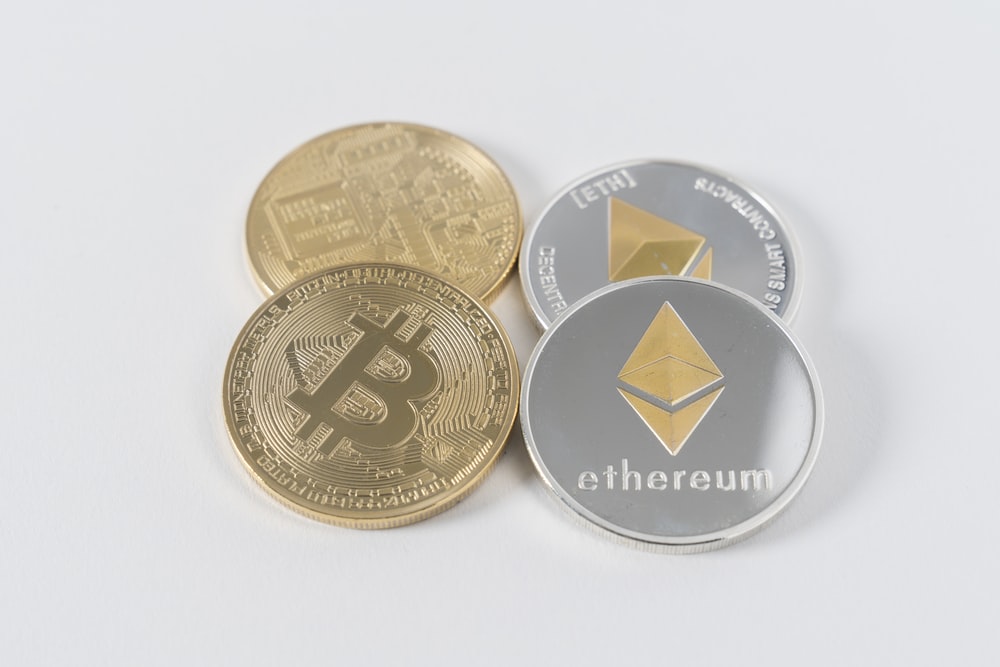 @FrenchLegalAspect
The French Legal Recognition of the BlockChain - A Method of Issuing Dematerialized Securities 1/2 `This is a translation of legal researches about crypto-assets and other currencies i have made few years ago. Think it's interesting to see how each country react about development of that technology.` `It will be cut in two parts as my other posts to be easier to read in regards of their lenght.` `Hope you will enjoy the reading.` Once this element common to all crypto-actives has been explained, i.e. acceptance as a means of payment, the elements of distinction between crypto-actives should be addressed. This exercise makes it possible to divide crypto-actives into categories according to the conditions under which they were made (conditions which are computer-transcribed within the blockchain). For the moment, cryptocurrencies are all derivatives of Ethereum and Bitcoin, whose distinction is the possibility of consuming the units through other "smart-contracts" based on the same technology for Ethereum. **Announcement -** Other forms of assets using this technology have emerged with a different purpose from monetary issuance, justifying a broad recognition of crypto-assets. This concept takes account of the diversity of possible uses of tokens by focusing on the nature of the right incorporated in the cryptographic asset. Thus there are titles invented in blockchain (**I.**), whose framework presents difficulties, and existing titles transposed in blockchain (**II.**), for which an adapted transposition of the regime seems appropriate. **I. TITLES INVENTED IN BLOCKCHAIN** **Announcement -** The first type of cryptographic assets, these do not come close to any transposable legal category. These are monetary crypto-assets (**A.**), and the other forms of crypto-assets, which will be grouped together as commercial crypto-assets (**B.**). A. MONETARY CRYPTO-ASSETS **Monetary tokens -** Also called payment tokens, they have no other use than as currency or the value it represents. At the origin of all the other crypto-actives, monetary tokens are "cryptomoney" in its usual sense, falling within the category of crypto-actives, a nomenclature used by the Banque de France. Monetary tokens are issued in return for the operation of the decentralised money network, and not in return for financing. Most of the crypto-assets in circulation are monetary tokens, i.e. crypto-assets whose original function is solely that of payment between the members of the network. The only difference between the two is that the latter allows an ICO based on its protocol to issue new tokens, whereas the former, if it can be duplicated (Litecoin is for example a clone of the Bitcoin protocol, with some adjustments to the modalities: for example, the maximum number of Bitcoin and 21 million versus 84 for Litecoin) can only be used as a means of payment by being transferred for this purpose. This difference is important from a legal point of view since Ethereum would then be a consumable unit, not Bitcoin. Non-consumable tokens, such as Bitcoin, appear to be used more for speculative purposes in the hope that the price will rise due to their rarity[1]. However, for some things (e.g., currency), their disposal is considered consumption, and the disposal of "tokens" could be considered consumption, making them consumable things[2]. https://www.publish0x.com/fla/the-french-legal-recognition-of-the-blockchain-a-method-of-i-xgddzwl#_ftn1 https://www.publish0x.com/fla/the-french-legal-recognition-of-the-blockchain-a-method-of-i-xgddzwl#_ftn2 **The provision of a "manifesto" -** What distinguishes monetary tokens from commercial tokens issued by ICOs is the nature of the founding document of the activity: Manifestos, which aim to announce a protocol on which certain types of technological projects (originally Bitcoin) could be developed, and white-paper, which are more commercial in nature and are aimed at a target group of buyers by describing, with varying degrees of detail, "the business project, the characteristics of the tokens issued, the planned use of the fundraising, the economic projections and the use of the funds raised over a more or less long-term period"[3]. As the two crypto-assets do not have the same objective (one having a monetary purpose, the other a means of financing), it is logical that the documents provided, and even their characteristics, should be distinct. The first cryptomony, and most of the crypto-actives with a monetary purpose, appeared accompanied by a "manifesto" from its creator who took the trouble to explain how it worked[4]. A manifesto puts on a new legal ground, but does not seem to be forbidden[5]. Other types of cryptomoney exist, of which only the knowledge of the computer code or the trust in its creator allows to be certain of the characteristics of each crypto-active. It should also be noted that some initiators mention various technical information relating to the ICO operation that they plan to launch in a document called "terms & conditions", distinct from the "white paper". https://www.publish0x.com/fla/the-french-legal-recognition-of-the-blockchain-a-method-of-i-xgddzwl#_ftn3 https://www.publish0x.com/fla/the-french-legal-recognition-of-the-blockchain-a-method-of-i-xgddzwl#_ftn4 https://www.publish0x.com/fla/the-french-legal-recognition-of-the-blockchain-a-method-of-i-xgddzwl#_ftn5 **Lack of identity of the issuers of monetary tokens -** Cryptometers are issued in exchange for participation in the "peer-to-peer network". Thus, the CJEU considers that cryptomonnages are non-legal means of payment[6]. They are accepted as a means of payment within the network must therefore be of this nature and, by incorporating this function as a form of currency, they become part of the character of money. Nevertheless, while private currencies are issued by a person independent of the state, cryptomonnages are not issued by anyone. The issuance of cryptomoney is determined by the creator who has registered the operation of the issuance process by computer. Once created, the cryptomony follows its rules without its creator being able to intervene on the issued units. Only the participation of almost all the members of the network can modify this computer protocol, a rare but existing hypothesis, mainly for technical adjustments (security and network performance). The solutions adopted for the supervision of MLCs concern issuing institutions and are therefore inadequate when transposed to monetary tokens. As commercial tokens are issued to specific persons, a separate regime is relevant but requires an understanding of the functioning of each type of crypto-active. https://www.publish0x.com/fla/the-french-legal-recognition-of-the-blockchain-a-method-of-i-xgddzwl#_ftn6 While it is salutary to create a category of crypto-actives which takes account of the specific features of cryptographic technology, it is also necessary to differentiate between them since they may pursue very different objectives, if only between monetary and commercial issuance. In this respect, a classification between three types of tokens, as in Switzerland, rather than two, would have been more relevant, since otherwise these monetary crypto-actives would be treated in the same way as commercial crypto-actives. B. COMMERCIAL CRYPTO-ASSETS Part of the doctrine[7] has proposed that the tokens issued by ICO should be considered as miscellaneous property within the meaning of the Monetary and Financial Code when dealing with brokers in miscellaneous property[8]. While the nature of intangible movable property is not in doubt, it does not shed any additional light on the nature of crypto-assets. However, although it has often been dismissed on the grounds that the regime only applies to ISPs, the AMF[9] has not upheld the complaint and seems to be appropriate for the issuance of certain crypto-assets, sometimes referred to as "commercial crypto-assets"[10]. https://www.publish0x.com/fla/the-french-legal-recognition-of-the-blockchain-a-method-of-i-xgddzwl#_ftn7 https://www.publish0x.com/fla/the-french-legal-recognition-of-the-blockchain-a-method-of-i-xgddzwl#_ftn8 https://www.publish0x.com/fla/the-french-legal-recognition-of-the-blockchain-a-method-of-i-xgddzwl#_ftn9 https://www.publish0x.com/fla/the-french-legal-recognition-of-the-blockchain-a-method-of-i-xgddzwl#_ftn10 **Use tokens -** Use tokens, unlike voting or financial tokens, give the holder a right of use by allowing them to use the technology and/or services distributed by the ICO promoter. This type of token issue, known as "use" tokens, allows issuers to address both the financiers of their business project and also customers wishing to use the services they wish to develop[11]. This type of financing falls between participatory financing and the "captive marketing" methods used by certain brands that develop a customer attachment to the economic usefulness of their product and/or service. Some "tokens" are thus intended to serve as payment assets within the project to be financed, while others are only intended to be resold on the secondary market, or else to incorporate financial rights into the project (particularly in pre-sales operations, where the first tokens are issued to a small number of participants and then offered to the public without any particular right). Therefore, commercial crypto-assets can have various characteristics. https://www.publish0x.com/fla/the-french-legal-recognition-of-the-blockchain-a-method-of-i-xgddzwl#_ftn11 **The provision of a "white paper" -** Potential investors are approached via a "white paper", a document presenting the project to be financed (a few examples of these application projects: Augur, a software allowing each person to "bet" on the realization of an event in order to eventually create a collective intelligence; Slock.it, a software allowing the control of intelligent objects by "smart contracts" recorded on the blockchain)[12], most often related to blockchain technology[13]. https://www.publish0x.com/fla/the-french-legal-recognition-of-the-blockchain-a-method-of-i-xgddzwl#_ftn12 https://www.publish0x.com/fla/the-french-legal-recognition-of-the-blockchain-a-method-of-i-xgddzwl#_ftn13 **A miscellaneous property characterization -** This characterization does not provide a regime or even a property test since the miscellaneous property regime is intended to provide a regime for financial property intermediaries[14]. Thus, it is a regulation specific to financial property intermediaries, almost residual. This unclassifiable nature can be seen in crypto-assets without shedding any new light on their nature. However, the point of this analysis is to transpose a regime for controlling the activities of operators operating on the market in crypto-assets. While this is commendable, since it would regulate more specifically the exchange and service platforms in this sector, this prism does not allow us to give an opinion on the nature of cryptomoney other than to prefer a "catch-all" financial qualification rather than a particular form of currency. However, it is not unreasonable to see tokens, both monetary and commercial, as a miscellaneous good, in the absence of a definition of such goods[15]. Moreover, the miscellaneous property intermediary regime would allow for the imposition of obligations on intermediaries in the cryptomoney market. However, the absence of a definition of goods and a qualification seems to circumvent the payment function of cryptomoney. The recognition of the "blockchain" within the Monetary and Financial Code seems to take this diverse nature into account, suggesting the drafting of a functional regulation of cryptographic assets according to their nature[16]. This method, not without recalling the functional nature of the concept of money, seems the most relevant to provide a solution specific to each use. https://www.publish0x.com/fla/the-french-legal-recognition-of-the-blockchain-a-method-of-i-xgddzwl#_ftn14 https://www.publish0x.com/fla/the-french-legal-recognition-of-the-blockchain-a-method-of-i-xgddzwl#_ftn15 https://www.publish0x.com/fla/the-french-legal-recognition-of-the-blockchain-a-method-of-i-xgddzwl#_ftn16 **Timely nature to issuers of "tokens" of use and no function -** If the assumption had been raised that the financial and broad nature of the miscellaneous property category suffered little impediment. The AMF has ruled out these obstacles[17]. It appears that the fact that the holder of the ICO project is also the issuer of the tokens is not an obstacle to the classification of BID, contrary to what had been put forward by part of the doctrine[18]. It had been pointed out that an initiator of an ICO did not necessarily operate on a regular basis, which is a necessary condition for the application of the scheme. However, the condition seems to be met by all ICOs since this expression means that the proposal is made to several persons at the same time. Moreover, some cryptographic assets seem to have no particular function, so that it would be necessary to include them in the regulation of brokers of various goods. Indeed, recently, new applications using the "blockchain" have been developed. A number of networked games have been created that accept only cryptomonias as a means of payment in order to purchase items within the application. These items, which are also cryptographic assets since they are based on blockchain technology, are however very different from the cryptomonnages used to purchase them: issued by a specific person, they are more similar to tokens issued during an ICO. However, while the usefulness of tokens is not in doubt, since in principle they give specific rights to their holders, the usefulness of this type of asset is more difficult to determine[19]. As simple digital currencies, these residual crypto-assets should then be placed, for want of a better solution, under the regime of miscellaneous assets that would make it possible to supervise the issuers and intermediaries intervening in this type of crypto-assets. https://www.publish0x.com/fla/the-french-legal-recognition-of-the-blockchain-a-method-of-i-xgddzwl#_ftn17 https://www.publish0x.com/fla/the-french-legal-recognition-of-the-blockchain-a-method-of-i-xgddzwl#_ftn18 https://www.publish0x.com/fla/the-french-legal-recognition-of-the-blockchain-a-method-of-i-xgddzwl#_ftn19 With regard to the application of the miscellaneous property regime, it appears that the regime is not fully applicable to tokens with regard to the mode of issuance, but seems to be the most appropriate category in positive law. In the absence of anything better, monetary tokens will also be subject to the miscellaneous goods regime, while platforms offering crypto-active exchange will be subject to the status of payment service provider. [1] This is why some people argue that the increase in the price being irresistible, the issuance of cryptomoney would obey a pyramid or Ponzi scheme logic. https://www.publish0x.com/fla/the-french-legal-recognition-of-the-blockchain-a-method-of-i-xgddzwl#_ftnref1 [2] L. Soleranski, *« Réflexions sur la nature juridique des tokens* », Bull. Joly Bourse, mai 2018, n° 117n0, p. 19, par. 10. https://www.publish0x.com/fla/the-french-legal-recognition-of-the-blockchain-a-method-of-i-xgddzwl#_ftnref2 [3] AMF*, « Synthèse des réponses à la consultation publique portant sur les Initial Coin Offering (ICO) et point d’étape sur le programme « UNICORN » »*, 22 févr. 2018*,* p. 3. https://www.publish0x.com/fla/the-french-legal-recognition-of-the-blockchain-a-method-of-i-xgddzwl#_ftnref3 [4] To consult Bitcoin's "white paper", explaining how the "blockchain" works, and the purpose of using it as a decentralized currency: [https://bitcoin.org/bitcoin.pdf]. https://www.publish0x.com/fla/the-french-legal-recognition-of-the-blockchain-a-method-of-i-xgddzwl#_ftnref4 [5] H. Causse, *« Jetons et tokens créés par ICO : réalités fondamentales et pratiques de l’émission* », Hebdo édition affaires n°548, 12 avr. 2018, p. 13, par. 32. https://www.publish0x.com/fla/the-french-legal-recognition-of-the-blockchain-a-method-of-i-xgddzwl#_ftnref5 [6] CJUE 22 oct. 2015, aff. C-264/14, « *Skatteverket c/ Hedqvist, Skatteverket c/ David Hedqvist* ». https://www.publish0x.com/fla/the-french-legal-recognition-of-the-blockchain-a-method-of-i-xgddzwl#_ftnref6 [7] S. Schiller, *« La blockchain révolutionne les levées de fonds* », éd. Actes prat. ing. sociétaire 2017, par. 2 ; D. Legeais, *« L'ICO en trois questions* », Semaine Juridique Entreprise et Affaires n° 1, 11 janv. 2018, par. 3. https://www.publish0x.com/fla/the-french-legal-recognition-of-the-blockchain-a-method-of-i-xgddzwl#_ftnref7 [8] F. Drummond, *« Bitcoin : du service financier au service d'investissement ? »,* Bull. Joly Bourse 2014, p. 249, par. 111. https://www.publish0x.com/fla/the-french-legal-recognition-of-the-blockchain-a-method-of-i-xgddzwl#_ftnref8 [9] AMF*, « Synthèse des réponses à la consultation publique portant sur les Initial Coin Offering (ICO) et point d’étape sur le programme « UNICORN » »*, 22 févr. 2018*,* pp. 9-11. https://www.publish0x.com/fla/the-french-legal-recognition-of-the-blockchain-a-method-of-i-xgddzwl#_ftnref9 [10] H. Causse, *« Jetons et tokens créés par ICO : réalités fondamentales et pratiques de l’émission* », Hebdo édition affaires n°548, 12 avr. 2018, p. 13, par. 37. https://www.publish0x.com/fla/the-french-legal-recognition-of-the-blockchain-a-method-of-i-xgddzwl#_ftnref10 [11] AMF*, « Synthèse des réponses à la consultation publique portant sur les Initial Coin Offering (ICO) et point d’étape sur le programme « UNICORN » »*, 22 février 2018, p. 3. https://www.publish0x.com/fla/the-french-legal-recognition-of-the-blockchain-a-method-of-i-xgddzwl#_ftnref11 [12] [https://www.ethereum-france.com/quest-ce-que-lethereum/]. https://www.publish0x.com/fla/the-french-legal-recognition-of-the-blockchain-a-method-of-i-xgddzwl#_ftnref12 [13] D. Legeais, *« L'ICO en trois questions* », Semaine Juridique Entreprise et Affaires n° 1, 11 janv. 2018, par. 3. https://www.publish0x.com/fla/the-french-legal-recognition-of-the-blockchain-a-method-of-i-xgddzwl#_ftnref13 [14] Art. L550-1 et suiv., C. mon. fin. https://www.publish0x.com/fla/the-french-legal-recognition-of-the-blockchain-a-method-of-i-xgddzwl#_ftnref14 [15] Banque de France, *« L’émergence du bitcoin et autres crypto-actifs : enjeux, risques et perspectives »,* Focus n° 16, 5 mars 2018, pp. 9-11. https://www.publish0x.com/fla/the-french-legal-recognition-of-the-blockchain-a-method-of-i-xgddzwl#_ftnref15 [16] Art. L223-12, C. mon. fin. https://www.publish0x.com/fla/the-french-legal-recognition-of-the-blockchain-a-method-of-i-xgddzwl#_ftnref16 [17] Banque de France, *« L’émergence du bitcoin et autres crypto-actifs : enjeux, risques et perspectives »,* Focus n° 16, 5 mars 2018, pp. 10-11. https://www.publish0x.com/fla/the-french-legal-recognition-of-the-blockchain-a-method-of-i-xgddzwl#_ftnref17 [18] H. Causse, *« Jetons et tokens créés par ICO : réalités fondamentales et pratiques de l’émission* », Hebdo édition affaires n°548, 12 avr. 2018, p. 13, par. 50 : *« l’initiateur d’une blockchain, s’il est connu, est un prestataire et non un intermédiaire rendant la législation sur les intermédiaires en bien divers sans application »* ; « the initiator of a blockchain, if known, is a service provider and not an intermediary making the legislation on intermediaries of various kinds without application ». https://www.publish0x.com/fla/the-french-legal-recognition-of-the-blockchain-a-method-of-i-xgddzwl#_ftnref18 [19] The existence and usefulness of these assets, the most important of which are cryptographically held virtual chats, remains a mystery except for access to a game and the hope of reselling the item at a higher price : [https://www.cryptokitties.co/]. https://www.publish0x.com/fla/the-french-legal-recognition-of-the-blockchain-a-method-of-i-xgddzwl#_ftnref19
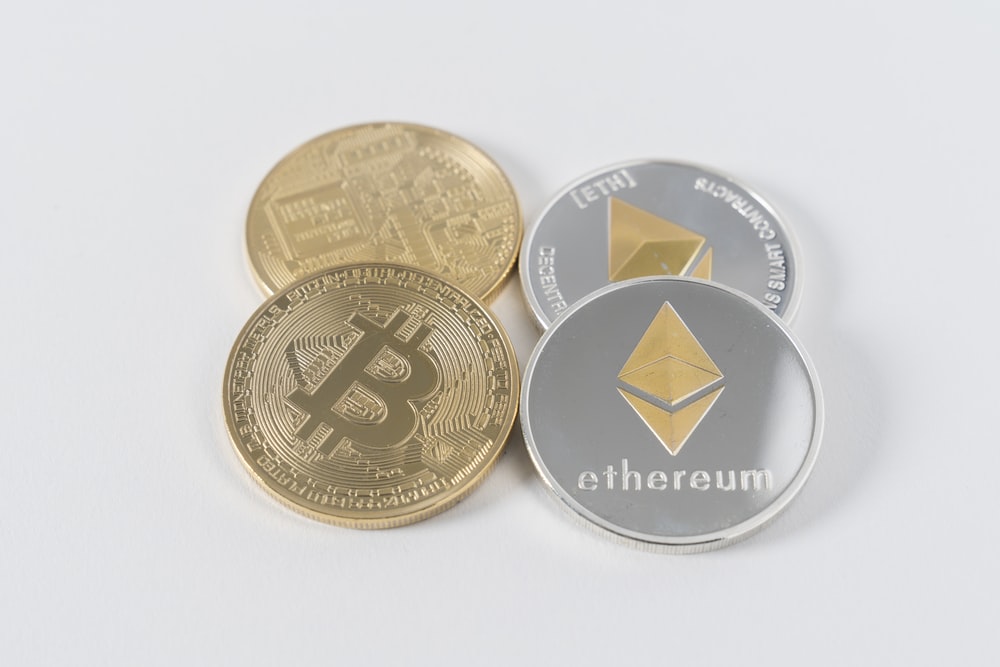 @FrenchLegalAspect
French Legal Regulation of DeFi - Lending and Borrowing A practice in the crypto-assets market has developed: "lending" in crypto-assets. It is the operation by which a crypto-asset exchange or intermediation platform lends to a given beneficiary an amount of crypto-currency for a given period of time, with the obligation to return the number lent at maturity. The purpose of such a contract is to provide greater leverage for traders in crypto-assets than without this technique. This use of crypto-assets is a lending operation (**I.**), highlighting the risks associated with its practice in the absence of regulation (**II.**). **I. A CRYPTO-ASSETS LENDING OPERATION** While it is easy to describe the operation whereby one person consents to another to transmit something to him, on condition that it is returned to him at a given time, as a lending operation, the use of crypto-asset as a unit is a source of difficulty (A.). These are the coordination of the difficult identification of the characteristics of a crypto-asset and the obsolescence of the articles of the Civil Code relating to lending. However, these difficulties are surmountable since there is another factor of distinction, that of the interest loan (B.). **A. QUALIFICATION DIFFICULTIES** The Civil Code distinguishes between the two forms of loan: "that of things that can be used without destroying them"[1], the loan for use, and "that of things that are consumed by the use that is made of them"***[2]***, the consumer loan. Thus, the nature of the thing lent becomes essential again: are crypto-assets consumable goods? https://www.publish0x.com/fla/french-legal-regulation-of-crypto-assets-financing-mechanism-xwnqqln#_ftn1 https://www.publish0x.com/fla/french-legal-regulation-of-crypto-assets-financing-mechanism-xwnqqln#_ftn2 **A consumer loan -** If we look at this particular object from a monetary point of view, we will consider that crypto-assets are consumable, the borrower having to return the nominal amount lent, although the money used was not actually consumed, since it was only transmitted without it perishing in the transaction. The consumer loan would then be possible, since it relates to a quantity of thing consumable by use[3]. However, since consumer loans are essentially aimed at lending a sum of money[4], their qualification is subject to the monetary recognition of the crypto-asset unit, which does not seem to be possible and envisaged. Moreover, the individualised nature of each unit probably makes the provision reclassifying as loans for use consumer loans giving "things which, although of the same kind, are different"[5] applicable. https://www.publish0x.com/fla/french-legal-regulation-of-crypto-assets-financing-mechanism-xwnqqln#_ftn3 https://www.publish0x.com/fla/french-legal-regulation-of-crypto-assets-financing-mechanism-xwnqqln#_ftn4 https://www.publish0x.com/fla/french-legal-regulation-of-crypto-assets-financing-mechanism-xwnqqln#_ftn5 **A loan for use -** Conversely, if viewed through the prism of the technology used, since each crypto-asset unit is tamper-proof and individualized, they would not be consumable. Since the loan for use can only relate to a thing that is not consumed through use[6], it would have to be qualified as such. However, the individualized nature of each unit together with the obligation to return it, which is the very essence of loan for use[7], will require the same units lent to be returned, a hypothesis which does not exist in practice, since only the return of the number of units, but not necessarily those actually transmitted, is required. https://www.publish0x.com/fla/french-legal-regulation-of-crypto-assets-financing-mechanism-xwnqqln#_ftn6 https://www.publish0x.com/fla/french-legal-regulation-of-crypto-assets-financing-mechanism-xwnqqln#_ftn7 **The inappropriateness of a qualification linked to the nature of the crypto-asset -** The distinction between consumer loan and loan for use, which has remained intact since 1804, is no longer necessarily relevant: loan for use was considered free of charge[8], whereas loan for use was considered remunerated[9]. Thus, the perishable nature of the thing lent is not such as to make it possible to decide on the type of loan contract that constitutes "lending". It is in fact impossible to settle the question, as the solution is more a matter for debate between the pro-crypto-asset and the crypto-sceptic. Moreover, the diversity of crypto-assets and their characteristics does not seem to allow a general solution to be found on this point, since some (ETH) units are consumable while others are not (BTC). Since the practice of "lending" is necessarily remunerated by interest, while the question of the consumability of crypto-assets deserves clarification, it is not essential in the legal analysis of the transaction. https://www.publish0x.com/fla/french-legal-regulation-of-crypto-assets-financing-mechanism-xwnqqln#_ftn8 https://www.publish0x.com/fla/french-legal-regulation-of-crypto-assets-financing-mechanism-xwnqqln#_ftn9 Like any loan in cash, the crypto-asset loan is a consumer loan, or at least a form of interest loan. In fact, alongside the classic forms of loan, there is the interest loan that best suits crypto-asset loans since it is always the case, regardless of the consumable nature of the units. **B. A FORM OF INTEREST-BEARING LOAN** While the very nature of a "lending" contract on a crypto-asset lending platform is difficult to define legally since the two civil law forms suffer from incompatibilities, it emerges that the analysis of the onerous nature of almost all crypto-asset loans makes it relevant to classify them as a new form of interest-bearing loan. **An interest-bearing loan** - An interest-bearing loan is one in which the lender stipulates, in addition to the obligation of restitution inherent in any loan, that the loan will earn interest during the performance of the contract. This option is open to loans involving "a sum of money, commodities or any other movable thing"***[10]***. This stipulation must be express[11], and mention the applicable rate, otherwise the legal rate will apply[12]. Nevertheless, in the absence of a stipulation, the borrower who pays non-tipulated interest may "neither repeat it nor charge it against the capital***[13]***" if the capital is voluntary[14] and the interest is legal[15]. It appears from practice that the loan in crypto-asset is offered either by exchange platforms[16] granting a loan in crypto-asset to the users of their services, most often in the short term, or by platforms[17] bringing together individuals wishing to finance a company's project, a form of participative and crypto-asset financing that is more long-term. In any event, both practices are remunerated by interest, which makes applicable the obligations to which credit institutions are subject when they grant loans for valuable consideration and which are customary. https://www.publish0x.com/fla/french-legal-regulation-of-crypto-assets-financing-mechanism-xwnqqln#_ftn10 https://www.publish0x.com/fla/french-legal-regulation-of-crypto-assets-financing-mechanism-xwnqqln#_ftn11 https://www.publish0x.com/fla/french-legal-regulation-of-crypto-assets-financing-mechanism-xwnqqln#_ftn12 https://www.publish0x.com/fla/french-legal-regulation-of-crypto-assets-financing-mechanism-xwnqqln#_ftn13 https://www.publish0x.com/fla/french-legal-regulation-of-crypto-assets-financing-mechanism-xwnqqln#_ftn14 https://www.publish0x.com/fla/french-legal-regulation-of-crypto-assets-financing-mechanism-xwnqqln#_ftn15 https://www.publish0x.com/fla/french-legal-regulation-of-crypto-assets-financing-mechanism-xwnqqln#_ftn16 https://www.publish0x.com/fla/french-legal-regulation-of-crypto-assets-financing-mechanism-xwnqqln#_ftn17 **II. AN ILLUSTRATION OF HIGH-RISK PRACTICE** **Announcement -** Lending in crypto-asset seems to be a particularly risky use of technology. As the value of one of these units is already a risky holding compared to the purchase value, the remuneration of a loan in this unit for a more or less long period of time seems to be subject to considerable uncertainty. Faced with this multitude of risks (A.), this practice requires the application of financial regulations (B.). **A. A DIVERSITY OF RISKS** **Fraud risk -** The holding of crypto-asset units represents a financial risk, as they are not necessarily backed by actual activity or an underlying asset. However, the risk of fraud is increasing with respect to the use of these services by novices. The convertibility of crypto-assets into different legal tender currencies, which is necessary to make profits from speculation, is not guaranteed by any centralised body. Moreover, since security is not guaranteed by any real institution, the danger of taking control of the network operating the "blockchain" remains possible[18]. https://www.publish0x.com/fla/french-legal-regulation-of-crypto-assets-financing-mechanism-xwnqqln#_ftn18 **Legal Risks -** In addition to these risks of fraud, in the event that the transaction is real but litigation arises, both the lender and the borrower are exposed to significant legal risk. This is because the legality of the transaction is not assured and there is a significant risk that a dispute cannot be settled judicially. If, despite the existence of the monetary monopoly, it is possible to lend money in a currency other than the national currency in France, this possibility is limited to the initial remittance[19]. It is lawful to lend, in France, Swiss francs, so there should be nothing to prevent the lending of private, and therefore crypto-asset, currencies. Thus, when 10 units of crypto-actif are loaned with an obligation to return them at maturity, the obligation to return them can be validly enforced in their equivalent value in euro. In practice, however, lending in cryptomoney is mainly used for trading purposes[20]. The units lent are repaid in the same unit. This type of operation is therefore normally prohibited under French law because, while it is possible to lend in any currency, repayment must be made in euro[21]. Some "wallets" are also remunerated since they are placed and used for the loan, showing the financial use of this type of instrument. https://www.publish0x.com/fla/french-legal-regulation-of-crypto-assets-financing-mechanism-xwnqqln#_ftn19 https://www.publish0x.com/fla/french-legal-regulation-of-crypto-assets-financing-mechanism-xwnqqln#_ftn20 https://www.publish0x.com/fla/french-legal-regulation-of-crypto-assets-financing-mechanism-xwnqqln#_ftn21 **B. TOWARDS PROTECTION OF THE REAL ECONOMY** **The regulation of crypto-currency derivatives -** For the AMF, crypto-currency derivatives are financial instruments[22]. A crypto-currency, which "does not fall into the category of financial securities or financial contracts, is not a financial instrument within the meaning of Article L211-1 of the Monetary and Financial Code"***[23]***. However, "the qualification of the derivative is independent of that of its underlying, which can be analysed as a simple technical support for the derivative, a simple index reference"[24]. The classification of contracts on crypto-assets as derivatives is subject to the relevant public policy regulations, in particular the obligation for platforms to be authorised to provide investment services and to comply with the rules of good conduct[25]. The contracts themselves are subject to the obligations arising from the EMIR Regulation of 4 July 2012 on clearing and reporting to central securities depositories[26], while the riskiest of them should be subject to an additional measure[27], a ban on advertising[28]. The concept of financial instruments, whose plasticity is sometimes criticized, allows the AMF to adapt and extend its framework, "rightly so in the case of derivatives on crypto-currency"[29]. https://www.publish0x.com/fla/french-legal-regulation-of-crypto-assets-financing-mechanism-xwnqqln#_ftn22 https://www.publish0x.com/fla/french-legal-regulation-of-crypto-assets-financing-mechanism-xwnqqln#_ftn23 https://www.publish0x.com/fla/french-legal-regulation-of-crypto-assets-financing-mechanism-xwnqqln#_ftn24 https://www.publish0x.com/fla/french-legal-regulation-of-crypto-assets-financing-mechanism-xwnqqln#_ftn25 https://www.publish0x.com/fla/french-legal-regulation-of-crypto-assets-financing-mechanism-xwnqqln#_ftn26 https://www.publish0x.com/fla/french-legal-regulation-of-crypto-assets-financing-mechanism-xwnqqln#_ftn27 https://www.publish0x.com/fla/french-legal-regulation-of-crypto-assets-financing-mechanism-xwnqqln#_ftn28 https://www.publish0x.com/fla/french-legal-regulation-of-crypto-assets-financing-mechanism-xwnqqln#_ftn29 **Strict application of financial regulations -** "exchange" platforms, i.e., exchange between crypto-assets, and lending in crypto-assets are the most speculative uses of these units. Like crypto-asset derivatives in the financial instruments category, crypto-asset loans, whether for leverage or financing between individuals, should also be subject to the strictest financial regulations, given the risks incurred by the uninformed user. **The prohibition of subscription to certain operators -** The Banque de France suggests regulating investments in crypto-assets by supplementing their regulation with a ban on "certain regulated companies (banks, insurance companies, management companies, etc.) from intervening in these crypto-assets"[30], particularly with regard to "deposit and loan activities in crypto-assets". In the case of investments, a deduction is made from the amount of equity investments, which would require changes in accounting standards, or at least a clear position from international accounting institutions. With regard to individuals, marketing by professionals should be prohibited to uninformed individuals and, when offered, to informed investors, accompanied by "customer protection rules"[31]. https://www.publish0x.com/fla/french-legal-regulation-of-crypto-assets-financing-mechanism-xwnqqln#_ftn30 https://www.publish0x.com/fla/french-legal-regulation-of-crypto-assets-financing-mechanism-xwnqqln#_ftn31 All my posts are linked each other, so if you don't understand everything or you want to learn more about crypto-currencies in France please check the links below : French Legal Aspects of Cryptocurrencies - Introduction 1/2 ; https://www.publish0x.com/fla/french-legal-aspects-of-cryptocurrencies-introduction-12-xnlllnl The Impossible Monetary Recognition of Crypto-assets in French Law - The Example of Complementary Local Currencies (CLC) 1/2 ; https://www.publish0x.com/fla/the-impossible-monetary-recognition-of-crypto-assets-in-fren-xrooyqq The BlockChain, A Method of Issuing Dematerialized Securities 1/2. https://www.publish0x.com/fla/the-blockchain-a-method-of-issuing-dematerialized-securities-xgddzwl [1] Art. 1874, C. civ. https://www.publish0x.com/fla/french-legal-regulation-of-crypto-assets-financing-mechanism-xwnqqln#_ftnref1 [2] Art. 1874, C civ. https://www.publish0x.com/fla/french-legal-regulation-of-crypto-assets-financing-mechanism-xwnqqln#_ftnref2 [3] Art. 1892, C. civ. https://www.publish0x.com/fla/french-legal-regulation-of-crypto-assets-financing-mechanism-xwnqqln#_ftnref3 [4] Art. 1895, C. civ. : on the obligation to return the nominal value. https://www.publish0x.com/fla/french-legal-regulation-of-crypto-assets-financing-mechanism-xwnqqln#_ftnref4 [5] Art. 1894, C. civ. https://www.publish0x.com/fla/french-legal-regulation-of-crypto-assets-financing-mechanism-xwnqqln#_ftnref5 [6] Art. 1878, C. civ. https://www.publish0x.com/fla/french-legal-regulation-of-crypto-assets-financing-mechanism-xwnqqln#_ftnref6 [7] Civ. 1ère, 12 nov. 1988, n°96-19.549, Bull. n°312, p. 216. ; Civ. 1ère, 3 févr. 2004, n°01-00.004, Bull. n°34, p. 28. https://www.publish0x.com/fla/french-legal-regulation-of-crypto-assets-financing-mechanism-xwnqqln#_ftnref7 [8] Art. 1876, C. civ. https://www.publish0x.com/fla/french-legal-regulation-of-crypto-assets-financing-mechanism-xwnqqln#_ftnref8 [9] F. Grua et N. Cayrol, « *Art. 1874 : Fasc. Unique : Prêt – Distinction entre le prêt à usage et le prêt de consommation* », JurisClasseur Civil Code (Maj, 13 mai 2017). https://www.publish0x.com/fla/french-legal-regulation-of-crypto-assets-financing-mechanism-xwnqqln#_ftnref9 [10] Art. 1906, C. civ. https://www.publish0x.com/fla/french-legal-regulation-of-crypto-assets-financing-mechanism-xwnqqln#_ftnref10 [11] Civ. 1ère, 23 juill. 1974, n°73-10.013, Bull. Civ. I n°243, p. 208. https://www.publish0x.com/fla/french-legal-regulation-of-crypto-assets-financing-mechanism-xwnqqln#_ftnref11 [12] Civ. 1ère, 26 nov. 1991, n° 90-17.169, Bull. civ. I, n°335, p. 218. https://www.publish0x.com/fla/french-legal-regulation-of-crypto-assets-financing-mechanism-xwnqqln#_ftnref12 [13] Art. 1906, C. civ. https://www.publish0x.com/fla/french-legal-regulation-of-crypto-assets-financing-mechanism-xwnqqln#_ftnref13 [14] Com., 23 oct. 1990, n°88-19.244, Bull. n°249, p. 173, Recueil Dalloz 1991, 73., note Gavalda. https://www.publish0x.com/fla/french-legal-regulation-of-crypto-assets-financing-mechanism-xwnqqln#_ftnref14 [15] Com., 18 juin 1996 n°94-20.413, Bull. Civ. IV, n°183, p.158. https://www.publish0x.com/fla/french-legal-regulation-of-crypto-assets-financing-mechanism-xwnqqln#_ftnref15 [16] [https://poloniex.com/]. https://www.publish0x.com/fla/french-legal-regulation-of-crypto-assets-financing-mechanism-xwnqqln#_ftnref16 [17] [https://www.bitbond.com/fr]. https://www.publish0x.com/fla/french-legal-regulation-of-crypto-assets-financing-mechanism-xwnqqln#_ftnref17 [18] J. Lasserre Capdeville, *« Monnaie : 3 Questions : Le bitcoin* », La Semaine Juridique Entreprise et Affaires n° 3, 16 janv. 2014, 25, par. 3. https://www.publish0x.com/fla/french-legal-regulation-of-crypto-assets-financing-mechanism-xwnqqln#_ftnref18 [19] A. Bénabent, « *Droit civil, Les contrats spéciaux civils et commerciaux* », éd. Montchrestien, 4ème éd., 1999, par. 835. https://www.publish0x.com/fla/french-legal-regulation-of-crypto-assets-financing-mechanism-xwnqqln#_ftnref19 [20] One of the largest crypto-asset exchange platform is Poloniex. https://www.publish0x.com/fla/french-legal-regulation-of-crypto-assets-financing-mechanism-xwnqqln#_ftnref20 [21] M. Laine, *« La monnaie privée »,* éd. Dalloz, Revue Trimestrielle de Droit Com. 2004, p. 227, par. 22. https://www.publish0x.com/fla/french-legal-regulation-of-crypto-assets-financing-mechanism-xwnqqln#_ftnref21 [22] AMF, « *Analyse sur la qualification juridique des produits dérivés sur crypto-monnaies* », 22 févr. 2018, p. 1-2. https://www.publish0x.com/fla/french-legal-regulation-of-crypto-assets-financing-mechanism-xwnqqln#_ftnref22 [23] M. Rousille, *« Le bitcoin : objet juridique non identifié »,* éd. Banque & Droit nº 159 janv./févr. 2015, pp. 27-31 ; P. Pailler*, « Quelles règles pour l'encadrement de la monnaie virtuelle en France »,* Revue Internationale des Services Financiers, 2014/4, p. 42. https://www.publish0x.com/fla/french-legal-regulation-of-crypto-assets-financing-mechanism-xwnqqln#_ftnref23 [24] Com., 16 janv. 1990, n° 88-10.160 : Bull. civ. IV n° 13, p. 8. https://www.publish0x.com/fla/french-legal-regulation-of-crypto-assets-financing-mechanism-xwnqqln#_ftnref24 [25] P. Pailler, *« Les dérivés sur crypto-monnaie sont des contrats financiers »*, Revue de Droit bancaire et financier n° 2, mars 2018, alerte 23, par. 4. https://www.publish0x.com/fla/french-legal-regulation-of-crypto-assets-financing-mechanism-xwnqqln#_ftnref25 [26] Règl. UE n° 648/2012, 4 juill. 2012, sur les produits dérivés négociés de gré à gré, les contreparties centrales et les référentiels centraux, JOUE L201/1, 27 juill. 2012. https://www.publish0x.com/fla/french-legal-regulation-of-crypto-assets-financing-mechanism-xwnqqln#_ftnref26 [27] P. Pailler, *« Les dérivés sur crypto-monnaie sont des contrats financiers »*, Revue de Droit bancaire et financier n° 2, mars 2018, alerte 23, par. 5. https://www.publish0x.com/fla/french-legal-regulation-of-crypto-assets-financing-mechanism-xwnqqln#_ftnref27 [28] Art. L533-12-7, C. mon. fin. https://www.publish0x.com/fla/french-legal-regulation-of-crypto-assets-financing-mechanism-xwnqqln#_ftnref28 [29] P. Pailler, *« Les dérivés sur crypto-monnaie sont des contrats financiers »*, Revue de Droit bancaire et financier n° 2, mars 2018, alerte 23, par. 6. https://www.publish0x.com/fla/french-legal-regulation-of-crypto-assets-financing-mechanism-xwnqqln#_ftnref29 [30] Banque de France, *« L’émergence du bitcoin et autres crypto-actifs : enjeux, risques et perspective »*, Focus n°16, 5 mars 2018, p. 5. https://www.publish0x.com/fla/french-legal-regulation-of-crypto-assets-financing-mechanism-xwnqqln#_ftnref30 [31] Banque de France, *« L’émergence du bitcoin et autres crypto-actifs : enjeux, risques et perspective »*, Focus n°16, 5 mars 2018, p. 5. https://www.publish0x.com/fla/french-legal-regulation-of-crypto-assets-financing-mechanism-xwnqqln#_ftnref31
 @FrenchLegalAspect
Beginner Guide - How to Start Well into the Crypto Universe Hey you, If you read that post you are already signed on Read.cash, so you should know lot of thing about how crypto works. Perhaps, you may learn something of this guide which will try to provide you some useful things to gain free crypto-currencies instead of buying them in a first time. I am listening to all things you might have added in the comment and i will update the post to add them. Hope you will enjoy the reading and learn some. **1. Download a web Browser who reward you with Cryptocurrencies** The first thing you should do before investing your money in crypto-universe is to install a crypto-friendly browser. **1.1. Brave Browser** Brave Browser is a privacy browser which allow you to choose by seeing ad for money in BAT (from punctual ads you don't have to open; and from Sponsored image opened each 4 news tab) or no seeing them freely. In my view it's one of the best web browser, also if you use it only for privacy and not for rewards. Quite quick and fluid. It also integrate an Ethereum wallet ERC-20 which permit to withdraw your money from Publish0x. Moreover, Brave could be installed both on Android and IOS phone, so you can earn reward on each device. By enabling Brave rewards on two devices, regarding of my location (Europe ; there are more active campaign is US/UK), I earn about 30/40 BAT a month (about 6/8 USD). To learn more about : https://support.brave.com/hc/en-us To download Brave Browser : https://brave.com/ibr005 **1.2. CryptoTab** An other crypto-browser crypto-friendly. The concept is to mine some BTC when you browse. I don't recommand this kind of browser wich will damaged your computer faster than it deserve for few rewards... To learn more about : https://cryptobrowser.site/fr/cryptotab/ **2. Open differents Wallets regarding your crypto-use** A wallet is an account where you put your crypto-currencies, like a bank account. There are classic wallet where you can only put crypto on it (2.1.), and some advanced wallet who permit to use some Dapp (**2.2.**) and Exchange Wallets (**2.3.**). **2.1. Classic Wallets** *2.1.1. Metamask* To learn more about : https://metamask.zendesk.com/hc/en-us/sections/360002148511-FAQs *2.1.2. Uphold* To learn more about : https://support.uphold.com/hc/en-us **2.2. Advanced Wallets** *2.2.1. Coinbase Wallet* To learn more about : https://wallet.coinbase.com/faq/ https://blog.coinbase.com/send-crypto-more-easily-with-coinbase-wallet-c90a0c84927f **2.3. Exchanges** *2.3.1. Centralized Exchange (CEX)* Coinbase Coinbase is on of the biggest Exchange, good-looking interface, available on android and IOS with really cool related app (Earn, Pro, Wallet etc...). The one i mostly use for convert crypto To sign on Coinbase : https://www.coinbase.com/ https://www.coinbase.com/join/foglia_i To learn more about : https://help.coinbase.com/ Binance Binance is not really an exchange but it is integrated to Brave Browser, so it could be interesting to use for some, and it seem to be secure. To learn more about : https://www.binance.com/en/support-center Coinhouse Coinhouse is the biggest Exchange in France. Fees are really high and there are only 4 crypto-currencies available in the free version. Pro version is expensive but allow you to acces to more crypto-currencies. I personnaly don't really use it but it could be interesting for tax consideration for french residents. To learn more about : https://support.coinhouse.com/hc/fr *2.3.2. Decentralised Exchange (DEX)* Atomic Wallet Atomic Wallet is a Decentralised Exchange. So you don't sell anything to an exchange but directly to an other user. Publish0x recommand to use it and you can earn free crypto by registering on it. I think it's part of the future of crypto-world bu it seem to be really young and trading volume doesn't permit to buy and sell quickly crypto. To learn more about : https://atomicwallet.io/ **3. Use Crypto-tools and Dapp people created** If you have done the two precedent parts, you have now everything to start to use the crypto you have earned. **3.1. Earn crypto-currencies by learning about Crypto (Coinbase Earn)** To learn more about : https://help.coinbase.com/en/coinbase/getting-started/general-crypto-education/coinbase-earn-faq-and-terms.html To start to earn 12USD OXT (Orchid) : https://coinbase.com/earn/oxt/invite/bmx85r1j To start to earn 10USD EOS : https://coinbase.com/earn/eos/invite/8wyng6h0 To start to earn 10XLM (Stellar Lumens) : https://coinbase.com/earn/xlm/invite/w6df739n **3.2. Earn crypto-currencies by reading, writing and creating content** *3.2.1. Publish0x* Earn Crypto by free tipping (7 a day, every ten minutes or 1 hour if it's the same author) in DAI, BAT, LRC. You also can earn money by writing and becoming an author. To learn more about : https://www.publish0x.com/page/frequently-asked-questions?a=y5eVO7JBaE *3.2.2. Medium* Same than Publish0x but harder to earn money (you have to register to their Writer Program and pray for a member read and tip you) To learn more about : https://medium.com/ *3.2.3. Steemit* Same than Publish0x but with more asian content and users. Quite difficult to earn because it seem than nobody read anything on it in my opinion. To learn more about : https://steemit.com/ *3.2.4. ReadCash* To learn more about : https://read.cash/r/FrenchLegalAspect *3.2.5. Brave Creators* Allow you to link your reddit, twitter, youtube and other account to be tipped in BAT by Brave Users. Ergonomic interface and epic user Growth. To learn more about : https://creators.brave.com/ **3.3. Speak of Crypto-tools you use to your friend to earn by referral links** Most of well-known Crypto-tools have an ambassador program or an option to advertise on other users by referral links. I will not list all of them but most of the things i have speak about have that kind of program. By example, on Publish0x you can earn 5% (3% on Read.cash) of all and lifetime tip of user who sign on Publish0x by using your link (my referral link is *https://www.publish0x.com?****a=y5eVO7JBaE (the last part can be added to every Publish0x link)).*** https://www.publish0x.com/?a=y5eVO7JBaE To learn more about : https://www.publish0x.com/ambassadors https://www.publish0x.com/publishtutorials/publish0x-tutorial-ambassador-program-xvnvmj **3.4. Use Dapp to stake, borrow, lend or trade Crypto-currencies (DeFi World)** One of the latest innovation of crypto-world is Defi for Decentralized Finance. It permit users to do all financial operation without intervention of a third party like a bank. You will be able to stake your crypto (let your crypto on a wallet and earn interest), borrow or lend them with interest, and trade with leverage by borrowing crypto instead of buying them (you can now trade on bearish position) You must have an advanced wallet like Coinbase wallet. It allow you to use Dapp with a well-looking application. That pratice is quite riskous so i will not explain all use you can do with DeFi, but i will mention two of them. *3.4.1. Compound finance* You can supply and borrow almost 10 crypto-currencies in a really great interface. To learn more about : https://compound.finance/ *3.4.2. Dydx* It's almost the same than Compound but with better interest for the same crypto. But i prefer Compound because is better security and interface. To learn more about : https://dydx.exchange/ **4. Don't waste you time on useless Faucets (Sadly most of them)** I definitely don't recommand them. Most of them are now scams and the only way people can earn several money is by the use of referral links. You don't have to spend much time on this in my view. Don't learn anymore on Faucets. **5. (Always) do you own researchs** If you already done every points on this post you are on good way to make some passive income by doing nothing more than before but with other tools. There are severals other way to use crypto, but this guide permit to show easy tools you can use for some Crypto you can convert into real money. This post will be updated with future contribution of the community (I'm hoping at least).


+15 more
@FrenchLegalAspect
Helpfull Tools' Writting for Non-English Creators Hello everyone, A post a little bit different than usual concerning writing in English for a non-native speaker. You may have seen that on Read.cash you won't be able to reach many readers if you write content in an other langage than English. You are able to translate your content by using these two helpfull tools : To translate in and into any foreign langage : - https://www.deepl.com/translator To modify and verify the syntax and grammar of the translated content : - https://languagetool.org/fr/ Both are free in limited version (you can purchase the "pro tool" if you need it), and quite efficient when added each other. It certainly not replace langage learning and native-speaking, but it allow you to progress and catch more readers. Hope you will discover and like these tools and let me know what you think about or what you might have added.
 @FrenchLegalAspect
Crypto-assets in French Law - The Example of Complementary Local Currencies (CLC) 2/2 Second part of Crypto-assets in French Law - The Example of Complementary Local Currencies (CLC) 1/2. https://read.cash/@FrenchLegalAspect/crypto-assets-in-french-law-the-example-of-complementary-local-currencies-clc-12-024d289b Hope you will enjoy the reading. **II. CRYPTO-ASSETS** The recognition of crypto-assets follows a logic similar to that of complementary local currencies. They are thus recognised as a means of payment (**A-**), without specifically regulating the operation since it is based on the will of the parties. The specificities of the use of smart-contract as a transaction register also implied recognition of this particular medium (**B-**). **A- Recognition as a non-monetary unit of value** **The premises of monetary recognition -** crypto-assets, like complementary local currencies, belong to the category of private currencies. As their development requires, at the very least, legal recognition or the establishment of a legal regime, the question of qualification is of prime importance, as the monetary regime is appropriate for these particular assets. In this respect, despite the major disagreements within the French legal doctrine, the CJEU has apporté́ an important contribution to the qualification of what it calls virtual currencies [1]. Indeed, during a preliminary ruling on the exemption from value added tax (VAT) of transactions involving the exchange of bitcoins against traditional currencies, the Court has précisé́ that the exemption provided for à̀ in Article 135(1)(e) of the VAT Directive[2] including transactions "involving currency, banknotes and currencies which are legal means of payment" should apply both in the presence of traditional currencies and virtual currencies. This decision is taken on the grounds that it follows from the "context and the finalité́" of Article 135 précité́ that a reductive interpretation of the concept of currency would deprive this text of some of its effects[3]. 3] This reference to context and finalité́ is all the more surprising given that, at the time this directive was drafted, Bitcoin did not yet exist. Although not a legal means of payment, like MLCs, they are nevertheless a means of payment accepted by the parties to a contractual transaction. By this interpretation, the Court stated souhaité́ that it considered Bitcoin to be a conventional currency[5]. Although the decision is given on the basis of a VAT directive, the contribution is no less important, since it affects the taxation of foreign exchange transactions in all the Member States. Thus, recognition by a Member State as a good would be incompatible with this decision from a tax point of view: subjecting foreign exchange transactions to VAT would be contrary to Community law, even though classification as a non-monetary good would make a person liable to that tax. **A non-monetary unit of value -** The Banque de France considers that crypto-assets are "units of non-monetary value (...) which do not represent a claim on the issuer"[6]. 6] It is therefore difficult to see what a non-monetary unit of value can be, especially since it states that crypto-assets are accepted in payment. 7] This difficulty lies in the value function incorporated in money that is difficult to tolerate in other goods. It had moreover been pointed out that the objections to the qualification of money concerned more the function of unit of value than that of payment[8], and yet it is this function that is raised by the institution. However, whether or not it is considered as a means of payment has no bearing on its use, and if a dispute were to arise on this point, a number of questions would renew the problem of its intrinsic monetary nature or not. **B- The recognition of the electronic support "blockchain".** **Notion of "blockchain" -** The "blockchain" belongs to the category of smart-contract, the blockchain being only its first functional manifestation by application to money. Indeed, if "the blockchain is an Excel table, smart contracts are macros" [9]. 9] For example, the creator of Bitcoin computerized that the units would be issued in consideration for the operation of the peer-to-peer network, i.e. the provision of the computing power necessary for the operation of the computer protocol. Thus, he was able to foresee that the maximum number of Bitcoin would be 21 million, through a degressive transmission (Bitcoin will only reach its maximum in 2050, whereas in 2018, more than 15 million have already been transmitted[10]), and the keeping of a register that makes it possible to render a unit forgery-proof since it records any movement by means of a writing that is forgery-proof since it is fractionated and dispersed among all the persons participating in the network. This database [11] serves as a register of all operations carried out on the network using the attached unit of account. Thus each cryptographic money transfer is recorded anonymously, but each account holder is identifiable as the holder of the units. The "blockchain" [12] allows multiple entries and exits to be referenced, but a specific entry can only be used once as an entry, guaranteeing the veracity of each operation. This prevents the same amount of money from being spent twice. To justify its validity, any transaction refers as an input to one or more past transactions whose sum of the outputs is greater than or equal to its amount. Thus, as indicated by the Banque de France and despite what is often said "The purpose of this register is to ensure a complete traçabilité́ of the operations on each crypto-active". Since transactions are totally transparent, a crypto-active is forgery-proof because it relies on cryptographic technology to "ensure protection against attempts to tamper with the register" [13]. **Block Validation Mechanism -** Individuals on the network validate transactions on the basis of consensus. "This consensus depends on the computing power that each minor is able to deploy. »[14]. Depending on the network used, validation may be different. There are two types of evidence for validating a transaction block: the "Proof of work"[15] and the "Proof of stake"[16]. The second depends on less computing power than the first, which is mostly used (BTC for the most important and LTC), and is therefore less energy consuming. One can therefore imagine in the future, in the hypothesis of taxation on energy consumption, a differentiated treatment according to the mechanism specific to each one. If Mr. X wishes to send 10 LTCs to Ms. Y, he has to integrate into the network of transactions made by synchronizing to the UTXO's database. Once this has been done, the network will be able to know the amount of the transactions carried out, and therefore the identity of each CTS holder: thus if Mr X has 9 CTS, the operation will not be validated and the CTS will not be received by Mrs Y, whereas the operation is validated as soon as the number of CTS available to Mr X is greater than 10. [17] **Recognition of the blockchain -** Since 2016 [18], the "blockchain" has been legally recognised as a "shared electronic recording device enabling the authentication of specific securities transactions intended to be traded on participatory financing platforms". On the other hand, the transfer of ownership of mini-vouchers results from the recording of the transfer in the electronic recording device, which takes the place of a written contract for the application of Articles 1321 and 1322 of the Civil Code. Thus, the registration on the blockchain of mini-voucher transactions has the value of a writing and is therefore enforceable against third parties. The use of the term "mini bon" does not refer exclusively to cryptomoney[19] but especially to cash vouchers, so that the notion is not yet perfectly clear although the creation of new securities called "mini bons" suggests that they may be registered on the "blockchain"[20]. Once this has been stated, it appears that the monetary nature is the most appropriate because it is closest to the original purpose of cryptomoney, which is to be a decentralized digital money system. Yet other forms of cryptographic assets that do not pursue the objective of creating a decentralized currency are emerging. While the grievances about the monetary nature of cryptomoney systems are well-founded, the existence of other types of assets is not such as to negate their function as money, since these other digital forms serve different purposes. Since the financial categories do not suffer from the same monopoly as that of the State for money, the transposition of the existing categories seems to be possible for most cryptographic assets. Their nature should be modelled on the legal object they imitate. [1] CJEU 22 Oct. 2015, Case C-264/14, Skatteverket v. Hedqvist, Skatteverket v. David Hedqvist; Revue Internationale des Services Financiers 2016, No. 1, p. 170, note R. Vabres; Revue Trimestrielle de Droit Européen 2016. 77, obs. D. Berlin. [2] Council Directive 2006/112/EC of 28 November 2006 on the common system of value added tax, OJEU L347/1, 11 December 2006. [3] CJEU 22 Oct. 2015, Case C-264/14, Skatteverket v. Hedqvist, Skatteverket v. David Hedqvist, para. 51. [4] T. Bonneau, "Analyse critique de la contribution de la CJUE à l'ascension juridique du bitcoin", in Mél. B. Sousi, Revue Banque, 2016, p. 295, para. 21. [5] G. Marain, "Le bitcoin à l'épreuve de la monnaie," Dalloz revues, AJ contrat 2017, p. 522. [6] Banque de France, "L'émergence du bitcoin et autres crypto-actifs : enjeux, risques et perspectives", Focus n° 16, 5 March 2018, p. 1. [7] Idem, p. 5. [8] L. Corbion-Condé, "Monnaie légale - De la misance à l'égard desnaies nationales au miroir du bitcoin", Revue de Droit bancaire et financier n° 2, March 2014, dossier 13, p. 122, par. 12. [9] D. Legeais, "Fasc. 534: Blockchain", JurisClasseur Commercial (Maj. 7 March 2017), para. 51. [10] [https://bitcoin.fr/evolution-du-nombre-de-bitcoins-a-travers-le-temps/]. [11] Ibidem: "Transactions are assembled as a block and then added to a chain, giving the register the name of blockchain. [12] Or any protocol using UTXO: behind this name is a referencing mechanism leading to the formation of a chain of transactions ("block chain"), each node of which corresponds to a validation of a transaction whose aggregate, once validated and copied, constitutes a forgery-proof block. [13] Banque de France, "L'émergence du bitcoin et autres crypto-actifs: enjeux, risques et perspectives", Focus no. 16, 5 March 2018, p. 2. [14] Ibidem. [15] The process of solving an IT challenge imposed by a "Proof of Work" is called "mining". [16] [http://blogchaincafe.com/les-consensus-proof-of-work-vs-proof-of-stake]. [17] [https://www.ethereum-france.com/comprendre-la-blockchain-ethereum-article-1-bitcoin-premiere-implementation-de-la-blockchain-12/]. [18] Art. 2, Ord. n°2016-520, 28 Apr. 2016, relating to cash vouchers, JORF n°0101, 29 Apr. 2016, reprinted in art. L223-12, Code, mon. fin. [19] J-F. Riffard, "Synthèse 40. Services bancaire", JurisClasseur Banque Crédit Bourse (Maj, Sept. 9, 2017), par. 5. [20] Art. L223-6, C. mon. fin.
 @FrenchLegalAspect
Crypto-assets in French Law - The Example of Complementary Local Currencies (CLC) 1/2 The existence of private currencies is not in doubt. However, the regalian conception of money in France, in the strict sense, should not be able to tolerate the existence of other forms of money because of the monopoly of the State . Confronted with this problem, States have the choice between prohibiting or authorising. However, these phenomena, which are essentially small-scale, are not prohibited, as most States opt for implicit tolerance. In France, alternative currencies are recognized to be regulated, especially complementary local currencies (**I.**). As the other alternative currencies are on a smaller scale, they are not subject to specific regulations, but this is not the case for crypto-assets, which cannot be recognised as a currency because they cannot be banned (**II.**). **I. COMPLEMENTARY LOCAL CURRENCIES** **Recognition of CLCs -** In France, alternative currencies, in addition to existing despite the absence of legal tender, are fully-fledged currencies since the law of July 31, 2014 on the social and solidarity economy. This law legally recognises the existence of complementary local currencies and provides a framework for their issue and payment. Since this law, complementary local currencies have become legal tender or at least assimilated to legal tender since they should still not be legal tender. This illustrates the fact that a currency can exist or even be a legal tender without being legal tender even though it is not a foreign currency but a simple private currency, thus greatly reducing the scope of the argument of its absence. Moreover, the solution adopted makes it possible to secure the use of CLCs by providing a framework for their operation. CLCs, like all private currencies, are issued by an operator independent of the State. The legislator subjects them to a regulation that favours regulation over supervision. Under the terms of Article L311-5 of the Monetary and Financial Code, complementary local currency securities may be issued and managed by one of the companies in the social and solidarity economy sector whose sole corporate purpose is to do so. **Non-convertible CLCs -** CLCs, like any contractual currency, are so diverse that it is difficult to establish a single regime. Thus, the distinction made is that of convertibility. Most non-convertible CLCs are paper-based securities, which do not allow the currency to be returned. However, this constraint allows them to escape payment services law and leave their issuers outside the status of payment service providers . **Convertible CLCs -** On the other hand, convertible CLCs and dematerialised instruments are genuine payment instruments. In this case, they are subject to the rules applicable to payment services or electronic money, or even banking services in the case of issuing cheque forms. Where the instrument is dematerialised and is issued against the remittance of funds, it is electronic money . Thus, a social economy enterprise that wishes to issue additional local currency in the form of convertible notes is in principle subject to banking legislation unless it benefits from an exemption. The same will apply to institutions issuing convertible local currency in scriptural or electronic form. In the latter two cases, the Monetary and Financial Code provides for a so-called limited-network exception that will allow issuers of local currencies to escape the statutes of payment institutions or electronic money institutions in certain cases. If the exempted issuer is not subject to banking status, the instruments issued will remain subject to the rules of the Monetary and Financial Code . These currencies are real alternative currencies. The legal recognition of CLCs means that they are recognised as payment instruments for currencies, which is why the CMF must be applied. The status of institutions issuing CLCs depends on the characteristics of the currency issued, so that those that are genuine currencies are subject to banking regulations. The status of payment service provider is reserved for electronic money or payment service institutions. In the absence of an issuer, there would be only crypto-active intermediaries. However, platforms exchanging crypto-actively against legal tender currencies are payment service providers, whereas issuers of ICOs should be subject to the intermediary regime in a variety of ways. All my posts are linked each other, so if you don't understand everything or you want to learn more about crypto-currencies in France please check the links below : French Legal Aspects of Cryptocurrencies - Introduction 1/2 ; https://www.publish0x.com/fla/french-legal-aspects-of-cryptocurrencies-introduction-12-xnlllnl The BlockChain, A Method of Issuing Dematerialized Securities 1/2 ; https://www.publish0x.com/fla/the-blockchain-a-method-of-issuing-dematerialized-securities-xgddzwl French Law's Regulation of Crypto-assets Financing Mechanisms (or DeFi) - The Case of ICOs (Initial Coin Offering) ; https://www.publish0x.com/fla/french-laws-regulation-of-crypto-assets-financing-mechanisms-xkkyydw [1] Art. 34, Constitution of 4 Oct. 1958 providing that "the law shall lay down the rules concerning the system for the issue of currency". [2] Art. 16, L. n° 2014-856, 31 July 2014, relating to the social and solidarity economy, JORF n° 0176, 1 August 2014. [3] N. Mathey, " La nature juridique des monnaies alternatives à l'épreuve du paiement ", Revue de Droit bancaire et financier n° 6, nov. 2016, dossier 41, par. 20. [4] Idem, para. 21. [5] Solution suggested by the ACPR in 2013, which considered that tangible local currencies were not subject to banking regulations since they were neither redeemable nor divisible and did not give rise to any return of change (ACPR, "Les monnaies locales", ACPR Journal 2013, No. 14, p. 14). [6] R. Zanolli, "Le nouveau cadre juridico-légal des MLC après l'adoption de la loi ESS, avancée et incertitude", in "Rapport Mission monnaies locales complémentaires", p. 63, which refers to infra-bank law for securities covered by Article L311-5 of the Monetary and Financial Code. [7] N. Mathey, "La nature juridique des monnaies alternatives à l'épreuve du paiement", Revue de Droit bancaire et financier n° 6, Nov. 2016, dossier 41, par. 20. [8] Art. L314-1, C. mon. fin. [9] Art. L315-1, C. mon. fin. [10] N. Mathey, "La nature juridique des monnaies alternatives à l'épreuve du paiement", Revue de Droit bancaire et financier n° 6, nov. 2016, dossier 41, par. 20, which considers that there is a conversion into local currency concomitantly with the issuance of electronic money. [11] Art. L511-7, II, C. mon. fin. [12] Art. L521-3, C. mon. fin. [13] Art. L525-6, C. my. end. [14] R. Zanolli, "Le nouveau cadre juridico-légal des MLC après l'adoption de la loi ESS, avancée et incertitude," in "Rapport Mission monnaie locales complémentaires," p. 66. [15] Complementary local currencies include the example of the SoNantes, a currency created by the Caisse de crédit de Nantes, which has not led to the issue of any banknotes and remains totally dematerialized and includes the possibility of obtaining a payment card: [https://sonantes.fr/].
 @FrenchLegalAspect
French Legal Regulation of DeFi - The ICOs (Initial Coin Offering) The ICO is a participatory and disintermediated fund-raising mechanism that is part of a philosophy of economic liberalization. It consists, for the initiator, in issuing crypto-assets, acquired in exchange for other crypto-assets. Beneath this apparent simplicity, the accomplishment of such an operation is highly technical and difficult to understand from a legal point of view. While the terminology of crypto-assets makes it possible to understand the technique used, the diversity of rights incorporated within them highlights the limits of such a conception. It is because "monetary crypto-assets" are brought in that "commercial crypto-assets" are issued. This is how Ethereum works[1]. The smart-contracts resulting from ICOs are grafted to the register of the ETH monetary crypto-assets, ensuring their security, and their own value since they are only consumable in the created smart-contract, which can also be transferred, or even brought in a new ICO if it is accepted by its instigator (most often ETH, then BTC and state currencies[2]). https://www.publish0x.com/fla/french-legal-regulation-of-crypto-assets-financing-mechanism-xkkyydw#_ftn1 https://www.publish0x.com/fla/french-legal-regulation-of-crypto-assets-financing-mechanism-xkkyydw#_ftn2 **Announcement -** However, some new means of funding are welcomed, providing an attractive legislative framework[3], particularly because of incentives from European sources. If such an impulse is still timid at the European level, the ICOs are welcome in France, as the institutions seem to take the subject seriously. Thus, the ICO is a sectoral mode of financing (I.), for which the guidelines of the future legal framework seem to be taking shape (**II.**). https://www.publish0x.com/fla/french-legal-regulation-of-crypto-assets-financing-mechanism-xkkyydw#_ftn3 **I. A FUND-RAISING MECHANISM** **Announcement -** If ICO is a new form of funding, it may not be the revolution it claims to be. Indeed, by its nature, ICO is only intended for a small proportion of companies: only the use of "block-chain" / "smart-contract" technology in a company's activity makes it possible, and useful, to use such a mechanism. These characteristics make it a method of financing limited to a particular sector (A.), necessarily competing with other, more open forms (B.). **A. A SECTORAL FINANCING METHOD** **Announcement -** Initial Coin Offering is a financing method open to certain specific companies. Indeed, the ICO can only be used to finance the creation of a smart-contract, limiting for the moment the scope of applications to other sectors. However, this specificity makes it possible to highlight certain practices common to all the operations carried out. The ICO a method of financing presented by a specific document, the "white paper", (1.) and consisting of the issue of a digital asset (2.) in return for the contribution of funds (real, or cryptographic) **1. A white-paper presentation** **The concept of "white paper" -** The "white paper" is a document that presents all the information necessary for investors), determination of the level of the "soft cap" (the level below which investors are reimbursed if it is not reached at the end of the ICO) and the "hard cap" (maximum level of exercise), terms of sale of the tokens[4]. It has a marketing dimension, since it aims to "talk to the public to communicate and [...] inspire a crowd movement[5]. However, if it is only analyzed from this angle, the importance of the contractual documents provided by the initiator of the ICO is omitted. Since the contract is generally no longer a single document because of the cross-reference or hierarchy clauses, but a contractual whole, the "white paper", as well as all the documents provided during an ICO, should be qualified as a contractual whole by the judges[6]. https://www.publish0x.com/fla/french-legal-regulation-of-crypto-assets-financing-mechanism-xkkyydw#_ftn4 https://www.publish0x.com/fla/french-legal-regulation-of-crypto-assets-financing-mechanism-xkkyydw#_ftn5 https://www.publish0x.com/fla/french-legal-regulation-of-crypto-assets-financing-mechanism-xkkyydw#_ftn6 **A common structure -** All of the "white papers" studied are very synthetic documents comprising between fifteen and fifty pages, (although some of them are only a summary of the main information supposed to be useful to the investor (technical information in particular) and refer to other documents or to a website for the financial or legal aspects of the transaction). In the vast majority of the cases studied, the "white paper" is the only document containing all the information made available to the public in the context of an ICO. The study of this new contractual document shows that it has a common structure and core of information[7]. Thus, each one presents an introduction (identifying a technical or technological problem as well as the solution proposed by a service or good based on a technology whose development is financed by the ICO), then a section relating to the technical description of the project (often its source code or the type of encryption used). This is followed in a less systematic way by a presentation of the initiators of the ICO, as well as the provisional roadmap, then the financial section, such as the financing requirements and the implementation modalities (payment terms and currencies accepted (in legal or crypto currency) [8]. https://www.publish0x.com/fla/french-legal-regulation-of-crypto-assets-financing-mechanism-xkkyydw#_ftn7 https://www.publish0x.com/fla/french-legal-regulation-of-crypto-assets-financing-mechanism-xkkyydw#_ftn8 **Information asymmetry -** Beyond these structural commonalities, there is "a great disparity in the information disclosed[9]. Concerning the terms and conditions of the ICO, the information ranges from the most complete, but dispersed in various documents of different media (website, white-paper, and general conditions with cross-references between each of the documents), to the most incomplete, with project leaders, sometimes unidentified, contenting themselves with describing the project without specifying its terms, conditions and modalities. Some do not even provide for repayment terms in the event of failure of the ICO transaction. In rare cases, the legal framework desired by the initiator specifies the law and/or the competent jurisdiction, and even the absence of a visa from an institution for the most rigorous among them[10]. A number of clauses state that the project sponsors are exempt from liability and do not guarantee the accuracy of the information provided[11]. Moreover, it seems that they rarely warn about the specificities of the ICO and the risks involved. Although there is certainly a common influence, there is not strictly speaking a "standard document" resulting from practice[12]. The level of information disclosed is quite criticized in that it is often incomplete or not very transparent[13]. This raises the question of the need to force issuers to publish a standardised disclosure document in order to bring clarity to this environment, which is still far too opaque for a transparent technology. https://www.publish0x.com/fla/french-legal-regulation-of-crypto-assets-financing-mechanism-xkkyydw#_ftn9 https://www.publish0x.com/fla/french-legal-regulation-of-crypto-assets-financing-mechanism-xkkyydw#_ftn10 https://www.publish0x.com/fla/french-legal-regulation-of-crypto-assets-financing-mechanism-xkkyydw#_ftn11 https://www.publish0x.com/fla/french-legal-regulation-of-crypto-assets-financing-mechanism-xkkyydw#_ftn12 https://www.publish0x.com/fla/french-legal-regulation-of-crypto-assets-financing-mechanism-xkkyydw#_ftn13 **2. A digital asset emission** **Initial Coin Offering -** This replaces IPOs ("Initial Public Offering"), while being less restrictive since it is exempt from any regulatory constraints[14]. It is possible within the Ethereum protocol to raise funds for a particular project. By the creation of a smart-contract intended to provide a service based on the transmitted crypto-assets. The subscribers are thus provided with a "token", a particular crypto-assets, which can be used or linked to the project financed and can be exchanged for other crypto-assets on the secondary market. ICO's project leaders present the token in a "white paper", setting out the conditions for carrying out the operation[15]. In practice, an ICO is successful when it reaches the set amount. Conversely, the operation fails if the funds raised do not reach this threshold. This minimum amount of funds to be raised below which the ICO cannot be carried out is the "soft cap". Sometimes a maximum amount, the "hard cap" leads to the completion of the transaction before the closing date of the offer initially planned. Then, the project must be promoted, most often in the still limited community of crypto-assets users. Despite the idea of liberalising financing, most project leaders rely on companies specialising in the implementation of ICO, "depending on their reputation in the blockchain ecosystem, at the risk of penalising the success of the ICO"***[16]***. https://www.publish0x.com/fla/french-legal-regulation-of-crypto-assets-financing-mechanism-xkkyydw#_ftn14 https://www.publish0x.com/fla/french-legal-regulation-of-crypto-assets-financing-mechanism-xkkyydw#_ftn15 https://www.publish0x.com/fla/french-legal-regulation-of-crypto-assets-financing-mechanism-xkkyydw#_ftn16 **The creation of a "smart-contract"** - Since the ICO is for people who want to create a "smart-contract", it is important to focus on the concept. A smart-contract needs a crypto-assets to work. As the fuel for the smart-contract, the crypto-assets is emitted at the same time as the smart-contract, which will represent part of its "use value". The smart contract is distinct from its crypto-assets. Already developed in its registration aspect[17], the use of such a contract can be useful in many other areas. Firstly, any registry that needs to be tamper-proof would benefit from using the "blockchain" since it "appears particularly suitable for registration, identification and control functions"[18]. One thinks in particular of certain legal professions acting as trusted third parties (notary, judge or expert). Moreover, business law, especially company law, seems to have already taken hold of technology. For example, it has been envisaged to use the "blockchain" for the creation of statutes and the registration of companies[19], for a reduced time and cost (a form of competition with the clerks of commercial courts). However, it would still be possible to incorporate a modification function in the event of renegotiation during the life of the company, an option that is in principle prohibited. However, technology would make it possible to ensure the full effectiveness of shareholders' agreements, which would be automatically executed when the condition for the commitment of the partners/shareholders is fulfilled. This is why, as it stands, the use of company documents as a register seems more relevant. The accounting and legal registration on a cryptographic server would allow the conservation and protection of the authenticity of the data since once registered in a block, the data would be intangible[20]. https://www.publish0x.com/fla/french-legal-regulation-of-crypto-assets-financing-mechanism-xkkyydw#_ftn17 https://www.publish0x.com/fla/french-legal-regulation-of-crypto-assets-financing-mechanism-xkkyydw#_ftn18 https://www.publish0x.com/fla/french-legal-regulation-of-crypto-assets-financing-mechanism-xkkyydw#_ftn19 https://www.publish0x.com/fla/french-legal-regulation-of-crypto-assets-financing-mechanism-xkkyydw#_ftn20 **An emission Contract -** Regardless of the terminology used, the purpose of an ICO is the issuance of a crypto-assets. While it may have been the counterpart of the sustainability of the system (Bitcoin, Ethereum and its derivatives), it is expensive in the case of ICOs. In any case, all assets based on a "smart-contract" are grouped together in the category of crypto-assets. Their characteristic element being the emission, the qualification of an emission contract is appropriate in the case of an ICO[21]. Thus, a crypto-assets issued during an ICO can be analysed as an issue of dematerialised securities, with all the contractual documents provided by the project leader setting out the terms and conditions of execution and the obligations of each party[22]. While it should be stressed that an analysis of the substance of the ICO is clear, the main advantage is that it removes the legal nature of the crypto-assets, and the need to study the right incorporated in each digital asset issued. https://www.publish0x.com/fla/french-legal-regulation-of-crypto-assets-financing-mechanism-xkkyydw#_ftn21 https://www.publish0x.com/fla/french-legal-regulation-of-crypto-assets-financing-mechanism-xkkyydw#_ftn22 **B. A COMPETITIVE METHOD OF FINANCING** **A new funding method -** ICO is a new funding method[23], still underdeveloped and far from being flawless. Apart from these structural risks, there is no legal framework for ICOs carried out today. As with any innovation, especially in the digital sphere, "fraudulent offers seem to abound on an international scale,"***[24]*** stresses the AMF. Potential investors must therefore be vigilant against the risk of seeing their investment being undermined by unscrupulous people taking advantage of the media emulsion surrounding the rise in the price of crypto-assets such as Bitcoin. On the side of the project leaders, the sources of problems are more structural and linked to the youth of the sector. They may indeed be confronted with the volatility of the crypto-assets collected, as an amount raised in ICO can lose a lot of value[25]. https://www.publish0x.com/fla/french-legal-regulation-of-crypto-assets-financing-mechanism-xkkyydw#_ftn23 https://www.publish0x.com/fla/french-legal-regulation-of-crypto-assets-financing-mechanism-xkkyydw#_ftn24 https://www.publish0x.com/fla/french-legal-regulation-of-crypto-assets-financing-mechanism-xkkyydw#_ftn25 **Competition from "crowdfunding" -** In addition to the difficulties linked to the youth of this type of financing, the emergence of a new means of credit is always in competition with the existing ones. Among the other alternative financing methods, crowdfunding appears older than ICO and has the advantage of having a framework, which, if not yet fully defined, exists. Regularly adjusted, it now has a European framework[26], which seems to provide an overall solution to existing problems[27]. Thus, a European notion of participatory financing service is emerging, taking up the challenge of providing a common regime for all forms of participatory financing. For this purpose, a distinction is made between services offered to companies and remunerated, donation services with or without reward, as well as interest-free loans which most often enable financement cultural activities or projects relating to the solidarity economy. Thus, only "crowd-lending" and "crowd-equity" activities are targeted by the proposal[28], making its study more necessary than ever since one is close to "lending" in crypto-assets, and the second to "ICO". https://www.publish0x.com/fla/french-legal-regulation-of-crypto-assets-financing-mechanism-xkkyydw#_ftn26 https://www.publish0x.com/fla/french-legal-regulation-of-crypto-assets-financing-mechanism-xkkyydw#_ftn27 https://www.publish0x.com/fla/french-legal-regulation-of-crypto-assets-financing-mechanism-xkkyydw#_ftn28 **A form of participatory financing -** However, while crowdfunding is part of the same movement to define lending, it encompasses different practices, some of which are different from the image that one might think of them as a priori. Thus, the framework of participatory financing remains contrasted[29], so much so that it is difficult to see why one would overshadow the other, since they are not really aimed at the same public. There is less of an investor in the user of a crowdfunding platform than in the user of an ICO initiator. At least for the time being at least. Indeed, it is highly likely that the development of ICOs will go hand in hand with a rapprochement of its legal framework with that of the most complex forms of participatory financing, requiring the approval of an institution[30] that will supervise the body or company managing the financing platform, in order to grant real protection to investors. https://www.publish0x.com/fla/french-legal-regulation-of-crypto-assets-financing-mechanism-xkkyydw#_ftn29 https://www.publish0x.com/fla/french-legal-regulation-of-crypto-assets-financing-mechanism-xkkyydw#_ftn30 **II. REGULATION PERSPECTIVES** **Announcement -** The ICOs seem to be welcomed with benevolence by the French administration, which tends to cultivate a spirit of innovation[31]. Thus, this type of operation seems to be subject to a framework rather than a regulation which would allow France to be an interesting legal location for all ICO initiators by offering a clear legal framework. While the innovation argument can be discussed, the size of the funds raised by certain operations[32] requires States seeking growth to participate in regulatory competition in order to locate and collect ICO funds within their borders[33]. It emerges from all the positions taken by French institutions on the subject that the legislation should not be excessively restrictive, but rather be an institutional framework (A.), betting on self-regulation of the market by their own players (B.). https://www.publish0x.com/fla/french-legal-regulation-of-crypto-assets-financing-mechanism-xkkyydw#_ftn31 https://www.publish0x.com/fla/french-legal-regulation-of-crypto-assets-financing-mechanism-xkkyydw#_ftn32 https://www.publish0x.com/fla/french-legal-regulation-of-crypto-assets-financing-mechanism-xkkyydw#_ftn33 **A. AN INSTITUTIONAL FRAMEWORK** **Announcement -** In addition to the application of consumer law, such as the pre-contractual disclosure obligation for professionals and the right of withdrawal[34], which could potentially apply if a subscriber is deemed to be a token issuer, the AMF seems to be moving towards the introduction of ad hoc legislation for token issuers and a recommendation on the minimum documentation to be offered to the public, which it leaves to private-sector firms to enforce. Indeed, legislation can only be understood as a concerted approach on a European and international scale[35], since it is not possible for a state to effectively prohibit it alone, so that international competition will take hold (1.), with France tending to be aware of this in order to adopt a competitive position (2.). https://www.publish0x.com/fla/french-legal-regulation-of-crypto-assets-financing-mechanism-xkkyydw#_ftn34 https://www.publish0x.com/fla/french-legal-regulation-of-crypto-assets-financing-mechanism-xkkyydw#_ftn35 **1. An international normative competition** **Foreign regulatory approaches -** The ICO market is "juicy"[36] for governments, although it also poses many risks. Some regulatory authorities have already expressed their views on the regime applicable to ICOs offered to their domestic investors[37]. They have decided to prohibit[38] or authorise them on a case-by-case basis (notably in the United States, where they constitute a public offer of financial securities within the meaning of the Securities Act[39]). The other States have not yet taken a final decision, but are nevertheless examining the issue. For example, the Gibraltar Financial Services Commission has indicated that it would like to propose a framework conducive to ICOs[40] in a future law[41], while the Financial Conduct Authority warns its citizens about the high risks associated with ICOs[42]. This is also the European Securities and Markets Authority's (ESMA) interim solution, which highlights the risks of losing invested capital, the volatility of the value of tokens and the inadequacy of the information provided[43]. https://www.publish0x.com/fla/french-legal-regulation-of-crypto-assets-financing-mechanism-xkkyydw#_ftn36 https://www.publish0x.com/fla/french-legal-regulation-of-crypto-assets-financing-mechanism-xkkyydw#_ftn37 https://www.publish0x.com/fla/french-legal-regulation-of-crypto-assets-financing-mechanism-xkkyydw#_ftn38 https://www.publish0x.com/fla/french-legal-regulation-of-crypto-assets-financing-mechanism-xkkyydw#_ftn39 https://www.publish0x.com/fla/french-legal-regulation-of-crypto-assets-financing-mechanism-xkkyydw#_ftn40 https://www.publish0x.com/fla/french-legal-regulation-of-crypto-assets-financing-mechanism-xkkyydw#_ftn41 https://www.publish0x.com/fla/french-legal-regulation-of-crypto-assets-financing-mechanism-xkkyydw#_ftn42 https://www.publish0x.com/fla/french-legal-regulation-of-crypto-assets-financing-mechanism-xkkyydw#_ftn43 **2. The French optional visa regime** In France, the Government's ambition is to position itself as a market leader[44] by developing regulations that are both incentive and protective[45]. These two objectives seem irreconcilable, the main interest of ICOs being, at present, their lack of regulation. https://www.publish0x.com/fla/french-legal-regulation-of-crypto-assets-financing-mechanism-xkkyydw#_ftn44 https://www.publish0x.com/fla/french-legal-regulation-of-crypto-assets-financing-mechanism-xkkyydw#_ftn45 **The proposed options -** The AMF is proposing the adoption of new regulations adapted to ICOs and is considering two options in this regard, regardless of the type of crypto-assets tokens issued, which would argue in favour of a single, uniform regulation applicable to ICOs regardless of the tokens issued[46]. The first option consists in submitting to the prior authorization of the AMF any ICO that can be carried out in France. This system would require the prior filing with the AMF of an information document, prior to obtaining a visa[47], failure to which would result in a ban on issuing the security. This procedure would provide a "good guarantee of the information disclosed to investors"[48], but would "risk complicating the procedure for carrying out ICOs"[49], one of the other advantages of which is the speed of execution compared with traditional fund-raising mechanisms. The second option is identical to the first, except that it is not binding but voluntary. The same visa would be issued after checking the completeness of the information disclosed, without the failure to obtain it making the transaction prohibited, and would take the form of an AMF "label". https://www.publish0x.com/fla/french-legal-regulation-of-crypto-assets-financing-mechanism-xkkyydw#_ftn46 https://www.publish0x.com/fla/french-legal-regulation-of-crypto-assets-financing-mechanism-xkkyydw#_ftn47 https://www.publish0x.com/fla/french-legal-regulation-of-crypto-assets-financing-mechanism-xkkyydw#_ftn48 https://www.publish0x.com/fla/french-legal-regulation-of-crypto-assets-financing-mechanism-xkkyydw#_ftn49 **The optional visa was favoured -** The public consultation launched by the AMF revealed a certain consensus on the choice of the optional visa[50], whose flexibility would make France attractive and ensure that the market does not escape its grasp by allowing it "to warn the public without burdening the ICO procedure, while sending a positive signal to investors and initiators of projects linked to the "block chain""***[51]***. This solution, which is in line with the government's ambitions without being at odds with the European position, seems to be the one to adopt with regard to the future legal framework for ICOs. Bids that have not been approved by the AMF will not be banned[52], but should contain a warning clearly indicating its absence[53]. Failure to include this warning could result in sanctions for token bids[54]. For requests made, the AMF will issue its approval only if the instigator complies with "certain conditions" and offers "certain guarantees to investors"***[55]***, particularly with regard to the provision of information. https://www.publish0x.com/fla/french-legal-regulation-of-crypto-assets-financing-mechanism-xkkyydw#_ftn50 https://www.publish0x.com/fla/french-legal-regulation-of-crypto-assets-financing-mechanism-xkkyydw#_ftn51 https://www.publish0x.com/fla/french-legal-regulation-of-crypto-assets-financing-mechanism-xkkyydw#_ftn52 https://www.publish0x.com/fla/french-legal-regulation-of-crypto-assets-financing-mechanism-xkkyydw#_ftn53 https://www.publish0x.com/fla/french-legal-regulation-of-crypto-assets-financing-mechanism-xkkyydw#_ftn54 https://www.publish0x.com/fla/french-legal-regulation-of-crypto-assets-financing-mechanism-xkkyydw#_ftn55 **B. HARMONIZATION THROUGH PRIVATE REGULATION** If the State's sphere of intervention can only be institutional, it is because it seems difficult for the State to regulate a technology whose primary characteristic is to be self-regulated since it is decentralized and autonomous. If it is possible to see a Leviathan[56] in this, by its incorruptible dimension, it is only the consequence of technical considerations. The mechanism of the ICO, although it uses a reputable technology, must be regulated. However, this regulation seems to be possible only for the players in this new market, through the creation of a technical standard to facilitate the launch of ICOs, as well as the harmonization of practices. https://www.publish0x.com/fla/french-legal-regulation-of-crypto-assets-financing-mechanism-xkkyydw#_ftn56 **The emergence of standards -** The information delivered by the initiators of ICO is very disparate despite a common structure, certainly due to the mastery of the codes of this particular market by the project leaders. However, no form of harmony currently exists, so that confidence in each operation depends only on the person by whom the information is transmitted, most often within the "white paper", whereas only technical knowledge of the functioning of the program allows any certainty. The lack of a standard makes it difficult for the AMF to verify the veracity of the information provided for each type of unit issued. The use of standards would enable the development of this financing method, facilitating both its technical and legal aspects. These two aspects tend to be harmonised. As regards technology, an ERC20 token with standardised operation is being developed[57]. The content of the "white papers" also tends to be harmonised in order to be in line with the future legal framework, but raises new questions. https://www.publish0x.com/fla/french-legal-regulation-of-crypto-assets-financing-mechanism-xkkyydw#_ftn57 **A good practices’ guide -** Several European actors have signed a charter of good practice on European ICOs[58]. The main interest of the use of a guide of good practices is to settle the recurrent question of the level of information delivered to ICO subscribers[59]. The application of the good practices recommended by market players would help to project a positive image, whereas the sector is criticised for its opaque and speculative nature, which is detrimental to the development of the practice among uninformed investors[60]. The challenge is to ensure that investors are properly informed without making the ICO process more cumbersome or distorting, since speed and flexibility are the main attractions of the ICO process. The non-binding nature of the recommendations also makes it possible to support the development of this technology. On the other hand, while it is clear that the content of white papers must be accurate, clear and not misleading, excessive harmonisation could make it possible to classify them as a contract of adhesion[61] and therefore invalidate clauses that create a significant imbalance[62]. https://www.publish0x.com/fla/french-legal-regulation-of-crypto-assets-financing-mechanism-xkkyydw#_ftn58 https://www.publish0x.com/fla/french-legal-regulation-of-crypto-assets-financing-mechanism-xkkyydw#_ftn59 https://www.publish0x.com/fla/french-legal-regulation-of-crypto-assets-financing-mechanism-xkkyydw#_ftn60 https://www.publish0x.com/fla/french-legal-regulation-of-crypto-assets-financing-mechanism-xkkyydw#_ftn61 https://www.publish0x.com/fla/french-legal-regulation-of-crypto-assets-financing-mechanism-xkkyydw#_ftn62 **A limited scope for white-paper -** In any case, it appears from the recommended practices that they concern only the minimum information that should appear in the white-paper[63]. This information is of three types: general information, financial information and technical information[64]. First, there is general information, such as the identity of the initiators (with a description of their experience) and a general description of the project (with an implementation schedule), then there is financial information, mainly concerning the operation and use of the token issued. More specifically, it would be a question of describing the sources of financing of the project (if the issuance of tokens is not the only mode of financing), the rights that they confer, the mode of operation of the governance of the user community, the intended use of the proceeds from the sale of the tokens, and the risk factors specific to the tokens issued and the differences in the event of a multi-token issuance to the issuer's activity and project[65]. If pre-sale procedures have been carried out, as is often the case in practice, their existence and modality must be stipulated. Thus, the number of tokens offered to the public, their value, as well as the distribution of the shareholding of all the tokens (specifying in particular the share held by the management) must be mentioned. In addition to this general and financial information, certain technical information must necessarily be stipulated, such as the computer security measures used (ideally, a description of the encryption used or its source code) and the competent jurisdiction in the event of a dispute (which would make it an imposed jurisdiction clause, the validity of which will certainly be discussed one day) [66]. https://www.publish0x.com/fla/french-legal-regulation-of-crypto-assets-financing-mechanism-xkkyydw#_ftn63 https://www.publish0x.com/fla/french-legal-regulation-of-crypto-assets-financing-mechanism-xkkyydw#_ftn64 https://www.publish0x.com/fla/french-legal-regulation-of-crypto-assets-financing-mechanism-xkkyydw#_ftn65 https://www.publish0x.com/fla/french-legal-regulation-of-crypto-assets-financing-mechanism-xkkyydw#_ftn66 All my posts are linked each other, so if you don't understand everything or you want to learn more about crypto-currencies in France please check the links below : French Legal Aspects of Cryptocurrencies - Introduction 1/2 ; https://www.publish0x.com/fla/french-legal-aspects-of-cryptocurrencies-introduction-12-xnlllnl The Impossible Monetary Recognition of Crypto-assets in French Law - The Example of Complementary Local Currencies (CLC) 1/2 ; https://www.publish0x.com/fla/the-impossible-monetary-recognition-of-crypto-assets-in-fren-xrooyqq The BlockChain, A Method of Issuing Dematerialized Securities 1/2. https://www.publish0x.com/fla/the-blockchain-a-method-of-issuing-dematerialized-securities-xgddzwl [1] ETH designating its monetary crypto-asset, which can be consumed in the creation of smart-contracts (having as "payment currency" the commercial crypto-assets issued in return) provided by the Ethereum computer protocol. https://www.publish0x.com/fla/french-legal-regulation-of-crypto-assets-financing-mechanism-xkkyydw#_ftnref1 [2] P. Messié, « *Description, analyse et perspectives d'évolution de la structure et du contenu des white papers relatifs aux ICO* » Bull. Joly Bourse mai 2018, n° 117m9, p. 186. https://www.publish0x.com/fla/french-legal-regulation-of-crypto-assets-financing-mechanism-xkkyydw#_ftnref2 [3] Ord. n° 2014-559, 30 mai 2014, relative au financement participatif, JORF n°0125, 31 mai 2014. https://www.publish0x.com/fla/french-legal-regulation-of-crypto-assets-financing-mechanism-xkkyydw#_ftnref3 [4] C. Jeanneau, « *Comprendre le fonctionnement d’un ICO* », Hebdo édition affaires, 12 avr. 2018. p. 7. https://www.publish0x.com/fla/french-legal-regulation-of-crypto-assets-financing-mechanism-xkkyydw#_ftnref4 [5] H. Causse, *« Jetons et tokens créés par ICO : réalités fondamentales et pratiques de l’émission* », Hebdo édition affaires n°548, 12 avr. 2018, par. 28. https://www.publish0x.com/fla/french-legal-regulation-of-crypto-assets-financing-mechanism-xkkyydw#_ftnref5 [6] Idem, par. 29. https://www.publish0x.com/fla/french-legal-regulation-of-crypto-assets-financing-mechanism-xkkyydw#_ftnref6 [7] P. Messié, *« Description, analyse et perspectives d'évolution de la structure et du contenu des white papers relatifs aux ICO* », Bull. Jolu Bourse mai 2018, n° 117m9, p. 186. https://www.publish0x.com/fla/french-legal-regulation-of-crypto-assets-financing-mechanism-xkkyydw#_ftnref7 [8] Ibidem. https://www.publish0x.com/fla/french-legal-regulation-of-crypto-assets-financing-mechanism-xkkyydw#_ftnref8 [9] Ibid. https://www.publish0x.com/fla/french-legal-regulation-of-crypto-assets-financing-mechanism-xkkyydw#_ftnref9 [10] Notably TALAO, which states in its white paper (available here: [https://ico.talao.io/]) that it has not obtained approval from the AMF. https://www.publish0x.com/fla/french-legal-regulation-of-crypto-assets-financing-mechanism-xkkyydw#_ftnref10 [11] P. Messié, *« Description, analyse et perspectives d'évolution de la structure et du contenu des white papers relatifs aux ICO* », Bull. Joly Bourse mai 2018, n° 117m9, p. 186. https://www.publish0x.com/fla/french-legal-regulation-of-crypto-assets-financing-mechanism-xkkyydw#_ftnref11 [12] Ibidem. https://www.publish0x.com/fla/french-legal-regulation-of-crypto-assets-financing-mechanism-xkkyydw#_ftnref12 [13]A. Stachtchenko, *« ICO : l’impératif de la transparence* », Bitcoin.fr, 7 oct. 2017 : [https://medium.com/@AlexStach/ico-limp%C3%A9ratif-de-la-transparence-603a41920741]. https://www.publish0x.com/fla/french-legal-regulation-of-crypto-assets-financing-mechanism-xkkyydw#_ftnref13 [14] D. Legeais, *« Banque : L'ICO en trois questions »*, Semaine Juridique Entreprise et Affaires n° 1, 11 janv. 2018, par. 1 et 3. https://www.publish0x.com/fla/french-legal-regulation-of-crypto-assets-financing-mechanism-xkkyydw#_ftnref14 [15] C. Jeanneau, « *Comprendre le fonctionnement d’un ICO* », Hebdo édition affaires, 12 avr. 2018. p. 7. https://www.publish0x.com/fla/french-legal-regulation-of-crypto-assets-financing-mechanism-xkkyydw#_ftnref15 [16] Ibidem. https://www.publish0x.com/fla/french-legal-regulation-of-crypto-assets-financing-mechanism-xkkyydw#_ftnref16 [17] Especially as a forgery-proof currency. https://www.publish0x.com/fla/french-legal-regulation-of-crypto-assets-financing-mechanism-xkkyydw#_ftnref17 [18] Etude par le Cabinet d'avocats Simmons & Simmons LLP, *« Le droit et la technologie blockchain : une approche sectorielle »*, Contrats Concurrence Consommation n° 10, oct. 2017, étude 10, par. 14. https://www.publish0x.com/fla/french-legal-regulation-of-crypto-assets-financing-mechanism-xkkyydw#_ftnref18 [19] That was the ambition of the start-up Guacamol, now in the process of being dissolved: [*www.usine-digitale.fr/article/et-les-legaltech-attaquerent-les-services-juridiques-aux-entreprises.N378596**]* https://www.publish0x.com/fla/french-legal-regulation-of-crypto-assets-financing-mechanism-xkkyydw#_ftnref19 http://www.usine-digitale.fr/article/et-les-legaltech-attaquerent-les-services-juridiques-aux-entreprises.N378596 [20] Etude par le Cabinet d'avocats Simmons & Simmons LLP, *« Le droit et la technologie blockchain : une approche sectorielle »*, Contrats Concurrence Consommation n° 10, oct. 2017, étude 10, par. 14. https://www.publish0x.com/fla/french-legal-regulation-of-crypto-assets-financing-mechanism-xkkyydw#_ftnref20 [21] H. Causse, *« Jetons et tokens créés par ICO : réalités fondamentales et pratiques de l’émission* », Hebdo édition affaires n°548, 12 avr. 2018, par. 30. https://www.publish0x.com/fla/french-legal-regulation-of-crypto-assets-financing-mechanism-xkkyydw#_ftnref21 [22] Idem, par. 41. https://www.publish0x.com/fla/french-legal-regulation-of-crypto-assets-financing-mechanism-xkkyydw#_ftnref22 [23] The first would have been carried out in Switzerland in April 2017 : E. Baroin, *« Effectuer une levée de fonds en bitcoins* », Tribune de Lyon n°628, p. 46. https://www.publish0x.com/fla/french-legal-regulation-of-crypto-assets-financing-mechanism-xkkyydw#_ftnref23 [24] AMF, *« Synthèse des réponses à la consultation publique portant sur les Initial Coin Offering (ICO) et point d’étape sur le programme « UNICORN » »,* 22 févr. 2018, p. 20. https://www.publish0x.com/fla/french-legal-regulation-of-crypto-assets-financing-mechanism-xkkyydw#_ftnref24 [25] The ICO of the Bancor protocol on June 12, 2017, allowed the project to raise in ether the equivalent of $119 million in real terms and not $153 million, as three days earlier when the funds were received : C. Jeanneau, « *Comprendre le fonctionnement d’un ICO* », Hebdo édition affaires, 12 avr. 2018. p. 7. https://www.publish0x.com/fla/french-legal-regulation-of-crypto-assets-financing-mechanism-xkkyydw#_ftnref25 [26] Prop. Règl. n° 2018/0048 (COD) du PE et du Cons., 8 mars 2018, relatif aux prestataires européens de services de financement participatif pour les entreprises. https://www.publish0x.com/fla/french-legal-regulation-of-crypto-assets-financing-mechanism-xkkyydw#_ftnref26 [27] E. Rogey, « *La commission européenne pose la première pierre du crowdfunding européen »,* Bull. Joly Bourse, mai 2018, n° 117n8, p. 154. https://www.publish0x.com/fla/french-legal-regulation-of-crypto-assets-financing-mechanism-xkkyydw#_ftnref27 [28] Art. 2, prop. règl. n° 2018/0048 (COD). https://www.publish0x.com/fla/french-legal-regulation-of-crypto-assets-financing-mechanism-xkkyydw#_ftnref28 [29] E. Rogey, « *La commission européenne pose la première pierre du crowdfunding européen »,* Bull. Joly Bourse, mai 2018, n° 117n8, p. 154. https://www.publish0x.com/fla/french-legal-regulation-of-crypto-assets-financing-mechanism-xkkyydw#_ftnref29 [30] ESMA on providers of participatory finance services operating on European land : Art. 10, prop. règl. n° 2018/0048 (COD). https://www.publish0x.com/fla/french-legal-regulation-of-crypto-assets-financing-mechanism-xkkyydw#_ftnref30 [31] L. Boisseau, *« Bercy veut faire de Paris la capitale des ICO* », 15 mars 2018 : [https://www.lesechos.fr/finance-marches/marches-financiers/0301441202149-exclusif-bercy-veut-faire-de-paris-la-capitale-des-ico-2161505.php]. https://www.publish0x.com/fla/french-legal-regulation-of-crypto-assets-financing-mechanism-xkkyydw#_ftnref31 [32] L. Agossou, *« Difficultés de structuration fiscale des ICOs françaises : étude de cas* », Hebdo édition affaires, 12 avr. 2018 n°548, p. 28 *: « L’équivalent de 350 millions d’euros collectés lors des émissions dont la valorisation sur le marché secondaire atteindrait 552 millions d’euros* ». https://www.publish0x.com/fla/french-legal-regulation-of-crypto-assets-financing-mechanism-xkkyydw#_ftnref32 [33] F. Khachani, *« ICO & Régulation : le risque d’une révolution schizophrénique* », Hebdo édition affaires n°548, 12 avr. 2018, p. 33. https://www.publish0x.com/fla/french-legal-regulation-of-crypto-assets-financing-mechanism-xkkyydw#_ftnref33 [34] AMF, *« Synthèse des réponses à la consultation publique portant sur les Initial Coin Offering (ICO) et point d’étape sur le programme « UNICORN » »,* 22 févr. 2018, p. 12. https://www.publish0x.com/fla/french-legal-regulation-of-crypto-assets-financing-mechanism-xkkyydw#_ftnref34 [35] Banque de France, *« L’émergence du bitcoin et autres crypto-actifs : enjeux, risques et perspective »*, Focus n°16, 5 mars 2018, p. 1. https://www.publish0x.com/fla/french-legal-regulation-of-crypto-assets-financing-mechanism-xkkyydw#_ftnref35 [36] F. Khachani, *« ICO & Régulation : le risque d’une révolution schizophrénique* », Hebdo édition affaires, 12 avr. 2018 n°548, p. 33. https://www.publish0x.com/fla/french-legal-regulation-of-crypto-assets-financing-mechanism-xkkyydw#_ftnref36 [37] A. Pelission, « *Le mécanisme des Initial Coin Offering* », Bull. Joly Bourse, mai 2018, n° 117n2, p. 183, par. 5. https://www.publish0x.com/fla/french-legal-regulation-of-crypto-assets-financing-mechanism-xkkyydw#_ftnref37 [38] This is the case of China, through the publication of a joint communiqué by the People's Bank of China (PBOC) and six other Chinese authorities, dated 4 Sept. 2017, on the illegality of the ICO mechanism; and South Korea, through a communiqué dated 29 Sept. 2017. https://www.publish0x.com/fla/french-legal-regulation-of-crypto-assets-financing-mechanism-xkkyydw#_ftnref38 [39] *« Depending on the facts and circumstances of each individual ICO, the virtual coins or tokens that are offered or sold may be securities* » : *« Investor Bulletin : Initial Coin Offerings* », SEC, 25 juill. 2017 ; *« Report of Investigation Pursuant to Section 21(a) of the Securities Exchange Act of 1934 : The DAO* », SEC, 25 juill. 2017. https://www.publish0x.com/fla/french-legal-regulation-of-crypto-assets-financing-mechanism-xkkyydw#_ftnref39 [40] Gibraltar Financial Services Commission*, « Statement on Initial Coin Offering »*, 22 sept. 2017. https://www.publish0x.com/fla/french-legal-regulation-of-crypto-assets-financing-mechanism-xkkyydw#_ftnref40 [41] Joint press release by the Gibraltar Minister for Commerce and the Gibraltar Financial Services Commission, *« HM Government of Gibraltar and the Gibraltar Financial Services Commission announce plans for token legislation* », 12 févr. 2018. https://www.publish0x.com/fla/french-legal-regulation-of-crypto-assets-financing-mechanism-xkkyydw#_ftnref41 [42] Financial Conduct Authority, *« Consumer warning about the risks of Initial Coin Offerings (‘ICOs’)* », 12 sept. 2017. https://www.publish0x.com/fla/french-legal-regulation-of-crypto-assets-financing-mechanism-xkkyydw#_ftnref42 [43] ESMA, « *ESMA alerts investors to the high risks of Initial Coin Offerings (ICOs*) », 13 nov. 2017. https://www.publish0x.com/fla/french-legal-regulation-of-crypto-assets-financing-mechanism-xkkyydw#_ftnref43 [44] L. Boisseau, *« Bercy veut faire de Paris la capitale des ICO* », 15 mars 2018 : [https://www.lesechos.fr/finance-marches/marches-financiers/0301441202149-exclusif-bercy-veut-faire-de-paris-la-capitale-des-ico-2161505.php]. https://www.publish0x.com/fla/french-legal-regulation-of-crypto-assets-financing-mechanism-xkkyydw#_ftnref44 [45] M. Heymann, *« Développement des ICO : comment Bercy réagit ?* », Magazine Décideurs, 22 mars 2018. https://www.publish0x.com/fla/french-legal-regulation-of-crypto-assets-financing-mechanism-xkkyydw#_ftnref45 [46] A. Pelission, « *Le mécanisme des Initial Coin Offering* », Bull. Joly Bourse, mai 2018, n° 117n2, p. 183, par. 4. https://www.publish0x.com/fla/french-legal-regulation-of-crypto-assets-financing-mechanism-xkkyydw#_ftnref46 [47] To be distinguished from the visa affixed by the AMF to information documents relating to the issue of financial securities under French law by a public offer to the public of art. L621-8, C. mon. fin. https://www.publish0x.com/fla/french-legal-regulation-of-crypto-assets-financing-mechanism-xkkyydw#_ftnref47 [48] AMF, *« Synthèse des réponses à la consultation publique portant sur les Initial Coin Offerings (ICO) et point d’étape sur le programme « UNICORN »* », 22 févr. 2018, p. 12. https://www.publish0x.com/fla/french-legal-regulation-of-crypto-assets-financing-mechanism-xkkyydw#_ftnref48 [49] Ibidem. https://www.publish0x.com/fla/french-legal-regulation-of-crypto-assets-financing-mechanism-xkkyydw#_ftnref49 [50] AMF, *« Synthèse des réponses à la consultation publique sur les Initial Coin Offering (ICO) et point d’étape sur le programme “UNICORN*” », 22 févr. 2018, p. 20. https://www.publish0x.com/fla/french-legal-regulation-of-crypto-assets-financing-mechanism-xkkyydw#_ftnref50 [51] P. Messié, « *Description, analyse et perspectives d'évolution de la structure et du contenu des white papers relatifs aux ICO* » Bull. Joly Bourse, mai 2018, n° 117m9, p. 186. https://www.publish0x.com/fla/french-legal-regulation-of-crypto-assets-financing-mechanism-xkkyydw#_ftnref51 [52] AMF, « *Document de consultation sur les Initial Coin Offering (ICOs)* », 26 oct. 2017, p. 15. https://www.publish0x.com/fla/french-legal-regulation-of-crypto-assets-financing-mechanism-xkkyydw#_ftnref52 [53] It should be noted that some recent ICOs carried out on French soil seem to have anticipated this rule: Talao's white paper states on the cover page that it has not received prior approval from the AMF White paper available via the following link : [https://ico.talao.io/]. https://www.publish0x.com/fla/french-legal-regulation-of-crypto-assets-financing-mechanism-xkkyydw#_ftnref53 [54]A. Pelission, « *Le mécanisme des Initial Coin Offering* », Bull. Joly Bourse mai 2018, n° 117n2, p. 183, par. 4. https://www.publish0x.com/fla/french-legal-regulation-of-crypto-assets-financing-mechanism-xkkyydw#_ftnref54 [55] AMF, *« Synthèse des réponses à la consultation publique portant sur les Initial Coin Offering (ICO) et point d’étape sur le programme « UNICORN »* », 22 févr. 2018, p. 20. https://www.publish0x.com/fla/french-legal-regulation-of-crypto-assets-financing-mechanism-xkkyydw#_ftnref55 [56] T. Hobbes, « *Léviathan* », 1651, éd. Gallimard, coll. Folio essais, 2012. https://www.publish0x.com/fla/french-legal-regulation-of-crypto-assets-financing-mechanism-xkkyydw#_ftnref56 [57] [https://www.ethereum-france.com/qu-est-ce-qu-un-token-erc20/]. https://www.publish0x.com/fla/french-legal-regulation-of-crypto-assets-financing-mechanism-xkkyydw#_ftnref57 [58] [http://www.icocharter.eu/] : *« Proposition for Self Regulation rules for the ICO ecosystem »*, Icocharter, citée par l’AMF dans son document *« Synthèse des réponses à la consultation publique sur les Initial Coin Offering (ICO) et point d’étape sur le programme « UNICORN »* », 22 févr. 2018, p. 4. https://www.publish0x.com/fla/french-legal-regulation-of-crypto-assets-financing-mechanism-xkkyydw#_ftnref58 [59] P. Messié, « *Description, analyse et perspectives d'évolution de la structure et du contenu des white papers relatifs aux ICO* » Bull. Joly Bourse, mai 2018, n° 117m9, p. 186. https://www.publish0x.com/fla/french-legal-regulation-of-crypto-assets-financing-mechanism-xkkyydw#_ftnref59 [60] A. Pelission, « *Le mécanisme des Initial Coin Offering* », Bull. Joly Bourse, mai 2018, n° 117n2, p. 183, par. 3. https://www.publish0x.com/fla/french-legal-regulation-of-crypto-assets-financing-mechanism-xkkyydw#_ftnref60 [61] Since if all the "white papers" were to be standardized, the hypothesis of a negotiation by mutual agreement would become difficult, only one party, the project leader, would set the general conditions in advance : Art. 1110, C. civ. https://www.publish0x.com/fla/french-legal-regulation-of-crypto-assets-financing-mechanism-xkkyydw#_ftnref61 [62] Art. 1171, C. civ. https://www.publish0x.com/fla/french-legal-regulation-of-crypto-assets-financing-mechanism-xkkyydw#_ftnref62 [63] P. Messié, « *Description, analyse et perspectives d'évolution de la structure et du contenu des white papers relatifs aux ICO* » Bull. Joly Bourse, mai 2018, n° 117m9, p. 186. https://www.publish0x.com/fla/french-legal-regulation-of-crypto-assets-financing-mechanism-xkkyydw#_ftnref63 [64] Ibidem. https://www.publish0x.com/fla/french-legal-regulation-of-crypto-assets-financing-mechanism-xkkyydw#_ftnref64 [65] Ibid. https://www.publish0x.com/fla/french-legal-regulation-of-crypto-assets-financing-mechanism-xkkyydw#_ftnref65 [66] Ibid. https://www.publish0x.com/fla/french-legal-regulation-of-crypto-assets-financing-mechanism-xkkyydw#_ftnref66
 @FrenchLegalAspect
Why and How Banque de France successfully tested a stablecoin indexed to Euro **INTRODUCTION :** The Banque de France has recently published a progress report on its experimentation with the creation of a "digital central bank money" (DCBM). Before going into further details about its results, it is appropriate to come back to the reasons for such an experimentation, as well as the modalities of its implementation. Indeed, the announcement of the launch of this experimentation has had a large media impact in France and in the cryptographic sector. This will make it possible to better define the Banque de France's political will and to understand why this experimentation is a relative but important success when it is part of the European Union's general reflection on its digital transformation. [sponsors] **WHY A BANK OF FRANCE EXPERIMENTATION ?** The origin of this experimentation is to be found in the Banque de France press release published on 4 December 2019, which includes the speech by François VILLEROY DE GALHEU during a day organised by the ACPR on the theme "Digital central bank money and innovative payments". This speech essentially shows a consensus on one observation: the proliferation of private initiatives in the field of payments is generating significant progress but also a number of challenges for public institutions. Faced with these initiatives, French financial institutions wish to both "speed up payment solutions and consider an MDBC". At this stage, the objective of conducting an experiment on a "digital central bank money" (DCBM) has already been set. This action is intended to contribute to the Eurosystem's action, of which the study of a possible "e-euro" should be one of the next subjects. To allow for experimentation, the organisation of the Banque de France is modified (the DSPM (Payment Supervision and Market Infrastructures Directorate) becomes the Directorate for Infrastructures, Innovation and Payments (DIIP), which is extended to all innovations in payments, infrastructures and central bank digital money. It is also planned that the Banque de France's expertise will be strengthened by the contribution of private actors. From this stage, three different but non-exclusive objectives are being pursued: To preserve confidence in the monetary system of states whose cash use is in sharp decline (such as Sweden) ; Efficiency gains and reduction of costs linked to the tokenisation of central currencies (an objective also pursued by JP Morgan's JPM Corner project); To have a powerful lever for asserting the monetary sovereignty of the European Union states in the face of private initiatives (a goal shared by China with its Digital Currency Electronic Payment (DCEP) project. **HOW THE EXPERIMENTATION WORK ?** DCBM Form This is an important issue since the expectations of the general public differ significantly from those of financial institutions (this difference would lie in a difference in the digital maturity of individuals with respect to financial institutions). It is therefore proposed to split the experiment into two phases : - one intended for payments between actors in the financial sector (so-called "wholesale" money) using the blockchain and all its possibilities, in particular the availability of "smart contracts" ; - the other for the public (retail money), which is simpler and better able to process mass transactions. Experimental study of the positive and negative externalities of the use of a CBDM. The issuance of a CBDM can generate significant positive externalities by increasing productivity in the financial sector and beyond the economy, and by supporting confidence in the currency and the financial system. At the same time, however, we need to consider the potentially negative externalities that a CBM could have on bank liquidity, profitability, and intermediation. The risks associated with large and/or sudden conversions of bank deposits to the central bank money will, as such, need to be strictly studied. Contribution of private actors The Banque de France issued a call for applications, which closed on 7 May 2020. This call for applications, initially closed on 20 April 2020, was extended due to the large number of candidates and questions relating to the experiment. **WHAT IS THE STATUS OF THE EXPERIMENTATION ?** In a press release dated 20 May 2020, the Banque de France reports on the "Progress of the central bank digital money experimentation initiative launched by the Banque de France". It announces that it "has just successfully tested the use of a blockchain developed by its teams to experiment with the use of digital central bank money to settle an issue of digital financial securities by Societe Generale on 14 May". **AND THEN ?** In the coming weeks, the Banque de France will conduct further experiments in cooperation with other actors, based on the applications received in response to the call for applications opened on 27 March 2020 to test the use of a digital euro central bank euro in interbank settlements. The high number of applications reflects the interest of the banking and financial industry in these experiments and the dynamism of the Paris financial centre in terms of technological innovation in the financial sector. It is also likely that an experiment on a retail currency will also be launched. **CONCLUSION** The Banque de France's experimentation was necessary in view of the European Union's monetary sovereignty, which was being challenged by the competition from other state currencies, the classic crypto-currencies (Bitcoin, Ethereum, Libra project) and the emergence of stablecoins indexed on the former (Thether, Dai, etc.). The results of the experimentation conducted by the Banque de France will compete with those of other studies conducted by the states of the European Union, which will serve as a basis for the creation of a public euro-cryptocurrency at the European level. By relying on the sectors concerned by a broad call for applications, the experiment seems to be on the way to becoming an important part of the European debate. However, these results are to be put into perspective in that it is on a small scale: only Société Générale has been able to issue these securities, reserved for the wholesale trade and not for everyday payments. The fact remains that this is an important step in the evolution of the still nascent cryptographic sector in view of its potential. If you want to read more article like this or you want to learn more about crypto-currencies in France you may also like the following posts below : French Legal Aspects of Cryptocurrencies - Introduction 1/2 ; https://www.publish0x.com/fla/french-legal-aspects-of-cryptocurrencies-introduction-12-xnlllnl The Impossible Monetary Recognition of Crypto-assets in French Law - The Example of Complementary Local Currencies (CLC) 1/2 ; https://www.publish0x.com/fla/the-impossible-monetary-recognition-of-crypto-assets-in-fren-xrooyqq The BlockChain, A Method of Issuing Dematerialized Securities 1/2 ; https://www.publish0x.com/fla/the-blockchain-a-method-of-issuing-dematerialized-securities-xgddzwl French Law's Regulation of Crypto-assets Financing Mechanisms (or DeFi) - The Case of ICOs (Initial Coin Offering). https://www.publish0x.com/fla/french-laws-regulation-of-crypto-assets-financing-mechanisms-xkkyydw Resources https://www.banque-france.fr/intervention/monnaie-digitale-de-banque-centrale-et-paiements-innovants https://www.banque-france.fr/communique-de-presse/avancement-de-la-demarche-dexperimentations-de-monnaie-digitale-de-banque-centrale-lancee-par-la https://www.banque-france.fr/stabilite-financiere/infrastructures-de-marche-et-systemes-de-paiement/appel-candidature-experimentations-monnaie-digitale-de-banque-centrale https://www.lemonde.fr/economie/article/2019/12/04/monnaie-centrale-digitale-la-banque-de-france-va-lancer-une-experimentation-en-2020_6021678_3234.html https://publications.banque-france.fr/sites/default/files/media/2020/01/14/la_monnaie_digitale_de_banque_centrale.pdf