Being mature
Everyone needs to grow up at some point; it isn't something that happens automatically when you reach a certain age. Growing up entails behaving more maturely, yet maturity isn't something that comes naturally to us. It entails learning new techniques and having a better psychological or emotional awareness of circumstances so that we can approach them more effectively.
The first step toward becoming more mature in life is to recognize that you must put in the effort. It's now time to deal with some of the simple aspects of your existence that you tend to ignore in order to grow as a person. You may become wiser and more mature as you begin to cultivate this motivation and face obstacles head-on.
Here are some of the most effective techniques to mature and evolve as a person:
**Take on more responsibility:** Taking on more responsibility might be perceived as a burden in our lives, but as you begin to take on more responsibility, it becomes simpler to enhance the lives of others while also strengthening yourself. Responsibilities can seem burdensome, and it's unpleasant since they might limit our liberties.
Taking up duties and learning to manage them can be one of the only ways to properly experience life while also easing the weight of others' responsibilities.
**Quickly dismissing excuses or blaming others:** Excuses and blame are a convenient method to avoid taking responsibility or hiding your flaws. Stubbornness and blame are never going to get you through a difficult situation. Nothing is solved by blaming others.
It will ruin your life and keep you stuck in a place where you will never advance if you keep making excuses or blaming others. Placing blame may appear to be a simple solution and a good method to put off a difficult task, but it is never a good long-term solution.
**Develop a more positive outlook:** It can be tough to maintain control of your life if you choose optimism and attempt to eliminate behaviors like seeking sympathy, moaning all the time, and throwing tantrums. You can see how to pull yourself out of any position if you stop complaining and look on the bright side.
Being a more optimistic person who seeks answers rather than screaming tantrums can help you feel as if you can take on any situation and find calm, knowing you are in charge.
**Don't run away from your problems or consequences:** When you run away from an unavoidable unfavorable conclusion or a problem you've been dealing with, you'll only end up with tragedy. If you approach a situation with maturity, you will be able to anticipate potential problems in the future and take proactive steps to avoid them from becoming worse.
You won't be able to take control of your life until you have the fortitude to accept what is coming, and you'll appear immature to others until you do.
**Stop attempting to persuade others to change their minds**: When you're argumentative and try to impose your personal beliefs on others, you're wasting a lot of mental energy. Disagreeing with individuals on a regular basis because they do not share your viewpoint can be exhausting.
Remember that everyone has the right to their own opinion, and that everyone is different, so don't try to alter other people. Allow them to live their lives as they are.
**Don't talk behind people's backs or gossip about them:** It's critical to show that you care about other people and to never speak behind their backs if you're frustrated with them. Continuously expressing disrespect for others can harm both your and their reputations.
You will mature if you become a more forthright talker who is prepared to address people when you have a problem. Even if you feel compelled to gossip or be unjust to others, realize that being honest and calm will always be more productive.
Consider applying some of these ideas to become more mature every day if you want to be more mature in your life and stop wasting mental energy on unhealthy habits.
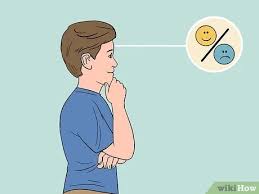
Positibe mindset
Even if we can't change a circumstance, we still have the power to choose how we feel about it, and that can make all the difference. That is the power of attitude, and it is far more important than you may realize. It's critical to analyze how we feel about ourselves and how we might improve our outlook. The transformations that can occur as a result of this can be incredible.
A positive mindset has the power to transform your life.
In life, we all face challenges. There are many things that can cause us to be stressed. We can deal with these problems much better, stay healthier, and be happy, if we modify our mentality. People who have a positive outlook on life can not only live better, but also live longer!
Even if we have been pessimistic for a long time, it is never too late to change our ways. Our attitude is a collection of habits that we can alter in order to adopt a new perspective.
Learn how to turn setbacks into advantages.
The first step in improving our attitude toward life is to look at things from a different perspective. Instead of focusing solely on the negative, we should look for opportunities. Sure, my spouse dumped me, but now I get to see myself for who I truly am. It hurts to be fired, but at least now I can apply for that other job that looks so good.
Small, everyday annoyances and life-changing occurrences can transform into possibilities that propel us to new heights. Make it a habit to look for the opportunity in every unpleasant scenario.
Adopt a logical mindset.
We are sometimes so afraid of the possibility that we avoid even thinking about it. Taking a reasonable perspective, on the other hand, can help us see it for what it is. Will it truly be so horrible if this individual rejects me? Sure, it'll hurt, but I'll be fine after that. What are the ramifications if I don't pass this test? I'll have to take it again.
By objectively assessing a problem, we can see that it isn't as horrible as it appears and adopt a more positive attitude toward it.
Even if it's not expected, give it your all.
Seeing the impact we can have on a situation might help us maintain a happy mindset. We can feel good about ourselves and the world when we are content with our efforts, regardless of the outcome. This means that you should try to deliver your best work even if no one expects you to do well or if the situation is low-stakes. This will help you feel in control and good about yourself.
Your negative beliefs should be challenged.
Don't believe anything your mind tells you! It's simple to imagine calamity and catastrophe, but it's more beneficial to establish a habit of questioning these assumptions. Why not combat your brain's proclivity for concocting worst-case situations with best-case possibilities?
Take pleasure in the small things.
It's incredibly easy to notice everything that's wrong in your environment. But it's equally critical to focus on the positive aspects of life.
Every day, ask yourself, "What can I be grateful for right now?" What treasures do I have in my life? What small pleasures may I savor today? It's worthwhile to pay attention to your delectable cuisine, entertaining television shows, and other small pleasures that make life worthwhile.
Making an effort to focus on the positive might go a long way toward improving your mood.
Find and learn from positive people.
It's difficult not to be pessimistic when you're constantly surrounded by complainers. Seek for folks who are upbeat, enthusiastic, and full of joy.
Examine how they communicate and what they do to remain so cheerful, and try to emulate them. Our social circle has a significant impact on our outlook on life, so make an effort to surround yourself with individuals that inspire you to be more optimistic.
Be Fearless
The ability to remain calm, collected, and fearless under duress is not a personality feature or an innate trait, believe it or not. It's a skill that can be honed through time. When we are under duress or worried, it is all too simple to think about all of the terrible consequences and adopt a doomed mindset.
How often do you come out of a scenario when you were under a lot of stress and realize, "Oh, this wasn't that bad?"
Learning how to regain control of the situation is the key to remaining courageous under pressure. After all, most of the anxiety arises from a lack of control over the situation. Here are a few things you can do right now to start learning to be courageous under pressure.
**Recognize the circumstance**
The most common source of anxiety is not knowing what lies on the other side of a task, a challenge, or a difficult situation. When we don't know what to expect, our minds fill in the blanks, which can lead to nightmares and pessimism for some. Taking the initiative to comprehend the circumstance is one of the most effective methods to overcome this mental process.
Rather than approaching it with a sense of apprehension and worry, see what you can learn about the circumstance. This will allow you to gradually regain control of the issue, giving you the confidence to face it.
**Every unpleasant day will pass; focus on the positive.**
When you're in the midst of a scenario that puts you under a lot of stress, it's difficult to look past the problems you're dealing with right now. The nice thing about bad days, though, is that they only last a day — not a year, a decade, or a lifetime.
You can get perspective and recognize that you don't have to squander your energy or concerns in a temporary scenario by telling yourself, "Today will be rough; tomorrow will be better."
**You can do it if you believe in yourself.**
We often don't believe we are strong enough to be fearless, or we don't believe it is something that can be learnt because we don't have a naturally outspoken nature. That could not be further from the truth. You may not be able to control every scenario you encounter, but you do have influence over how you respond to it.
You have the option of responding to a great deal of stress with a fearless attitude and a determination to take charge and do what you need to do to get out of the weeds. All you have to do now is trust that you are capable of overcoming the obstacle.
**Consider a more tranquil scene.**
If you're feeling particularly anxious or as if you're under an impossible amount of pressure, try to take a few seconds to relax. Close your eyes and imagine yourself somewhere else.
You can float on top of the waves in a tranquil, crystal-clear tropical ocean or inhale the fresh, revitalizing air of a silent, snow-covered mountain peak.
You will be able to regain control and respond to the situation efficiently after you can slow down your pulse rate and calm down your body.
**Have a backup plan in place.**
It's never a bad idea to have backup plans A through Z in your back pocket. Preparing for a problem and thinking about how you'll react if something goes wrong offers you a sense of control and allows you to approach stressful circumstances with confidence.
You know that if something goes wrong, you'll be ready to handle it; this will improve your confidence immediately.
You're also accepting that your world won't end if something doesn't work out if you have a backup plan. Because you've previously planned for it, you have a future beyond the task at hand!

Cultibating Self Discipline
Many people equate the word discipline with negative connotations. Discipline, on the other hand, might become the ideal option if we realize and embrace its benefits.
It makes no difference what you aim to achieve. To do that, you'll need some self-discipline. Only by attempting, practicing, and being consistent can we learn. Whether you want to write a book, become an artist, or advance in your career, you must make work a habit.
Things appear simple from the outside. We can only learn the true effort required for a goal through work, and there is no actual shortcut.
You must tackle the difficult questions when you accept a discipline, whether it be a job routine or something else. What is your motivation for doing this? What exactly are you up to? Is it really worth it?
Being able to answer these questions is valuable in and of itself, but it can also help you reconnect with your genuine motives and aspirations on a regular basis.
In life, there are few guarantees. One thing is certain, though. You will not succeed if you do not attempt. But if you put up the effort, you will undoubtedly improve. You'll almost certainly succeed to some extent.
In life, there are few guarantees. One thing is certain, though. You will not succeed if you do not attempt. But if you put up the effort, you will undoubtedly improve. You'll almost certainly succeed to some extent.
There is no way to achieve a goal without putting in the effort. Whether you want money, popularity, good relationships, or a successful profession, you must work hard to achieve your goals.
The best practice is discipline. Whatever you desire, you will be able to have it with sufficient effort and by doing everything in your power.
Consistency will assist you in seeing outcomes. It is insufficient to accomplish something every now and again. Consistent effort, on the other hand, will always pay off in some form.
You'll need discipline to reach any goal you've set for yourself. Discipline is based on your decision and the habits you choose to form. The nice thing about it, though, is that anyone can learn to be disciplined.
Begin practicing discipline right now. The end effect will undoubtedly satisfy you.

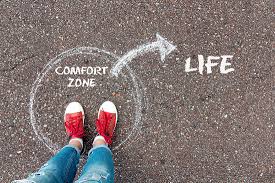
Step out on your comfort zone
It's easy to relax when you're in your comfort zone. Although it is frequently nice and always simple, your comfort zone may be impeding your growth and development, as well as having a detrimental long-term impact on your life. It could be time to move on, and here are six reasons why.
**1. You will not find your actual calling**.
You might get good at anything if you stay in your comfort zone, but will it be your actual passion? Most of the time, it won't be. True passion frequently necessitates taking a chance and gambling on the thing that counts. However, your comfort zone will often keep you from discovering what that thing is.
You may spend a long period without a sense of meaning or purpose, focused just on comfort, and many individuals discover that this is insufficient to be happy and content.
**2. It is detrimental to your career.**
The second reason is that your comfort zone is preventing you from progressing. Maybe you haven't taken any promotions or haven't been offered anything. Even though you know you could perform better, you may have stayed in the same area and in the same position.
When you're in your comfort zone, you're fearful of moving forward and progressing, so you'll want to stay put. This means you'll never be able to earn more pay, and if you're not careful, you can find yourself out of employment. Growth and lateral adjustments are essential for a successful career, while staying in one's comfort zone leads to stagnation.
**3. It inhibits your ability to be creative.**
The more ingrained a behavior develops, the more difficult it is to break. Spending a lot of time doing the same thing over and over might stifle your creativity since non-creative labor becomes a habit.
Furthermore, creativity is a skill, and when a skill is not practiced for an extended period of time, it becomes rusty. Your creativity is eroded by your comfort zone, and it may take some time to restore it.
**4. It erodes your self-assurance.**
When you stop taking on new challenges, you lose faith in your own talents. You may believe that even if new chances present themselves, you are incapable of seizing them.
Challenges demonstrate our abilities while also exposing our flaws, allowing us to figure out how to improve and go on to the next challenge. If it takes too long, we may lose confidence in our ability to take chances and let even something we desire pass us by.
**5. It establishes a reputation for you.**
Other people learn to see us in a specific light, whether we like it or not. The reputation we establish may have an impact on how we are seen and the opportunities that others present to us.
When you stay in your comfort zone all of the time, others begin to perceive you as someone who doesn't take risks, and you may be overlooked when considering a new project or opportunity. It may close doors in the short and long term, as you will no longer be seen as someone who is constantly growing and improving.
**6. It causes you to lose interest in your life.**
The longer you stay in your familiar surroundings, the less present, attentive, and involved you will be. Things settle into a comfortable rhythm, and time begins to fly by. Before you realize it, far too much time has passed for your liking.
In the absence of novelty, our brains go into autopilot mode and stop paying attention. This implies that you might simply monitor your life without genuinely enjoying it or being there for much of it. The scenario is sneaky, and you won't always be aware of it.
The comfort zone has the potential to wreck your life in a variety of ways. The good news is that now that you're more conscious, you may take actions to continue to stretch yourself and grow. Discover new things and seek out new adventures.
Are you stable?
Many individuals claim to seek stability in their lives, yet we all define it differently. For some, stability entails having a lot of money, while for others, it is having a job, but when we talk about stability, we must also consider emotional stability.
This form of stability implies that you are content with your life, that you have a goal, and that the process of living your life every day is beneficial to you.
Do you have a sense of fulfillment in your life? Do you feel at ease in your daily routines, at work, and in your relationships?
Stability entails being content with what you have. You may desire more, but you consider your existing condition to be adequate, workable, and sufficient to give you with comfort and happiness. It gives you satisfaction.
Think on the most important aspects of your life: your job, your relationships, and your current circumstance. You do not have stability if you are in a relationship that is harming you or is full of conflict.
You do not have stability if you are continuously anxious and irritated at work.
A continual state of stress is unsustainable. When this occurs, we may need to take a step back and consider our options.
Quitting is sometimes the best option. We can't reach any form of stability if we're constantly under fire, stress, and pressure. Even if the circumstance offers us money, it is frequently insufficient. We must also seek contentment and tranquility.
Being content with what you have does not imply that you will never seek more. Instead, it enables us to more effectively pursue our objectives. It implies that we are not just thinking about future, but also about today. You must love the process of living; else, what is the point?
You only have one life, and each moment will not be repeated. You won't find more happiness in the future unless you learn to find it now.
Make sure your day-to-day is working for you and providing you with the resources you require to claim that you are living a happy life.
Consider this: What will make you happy? What will provide you with true security? Has there ever been a time when you felt stable, or are you looking for it now?
Consider that you can always try to achieve it - all you have to do is make sure you're aiming for the proper things. Also, consider this: are your current ambitions in line with the stability you desire in your life?

Color Psychology
Do you become nervous when you're in a yellow room? Do you find the color blue to be soothing and relaxing? Color has long been thought to have a powerful impact on moods, sentiments, and emotions by artists and interior designers. "Colors, like features, follow the variations in emotions," Pablo Picasso famously said.
Color can be used to convey action, alter emotion, and even impact physiological responses. Higher blood pressure, increased metabolism, and eyestrain have all been linked to certain hues. So, how does color function? What role does color have in mood and behavior?
Color psychology
Sir Isaac Newton, an English scientist, discovered in 1666 that pure white light splits into all of the visible hues as it passes through a prism. Newton also discovered that each color is made up of a single wavelength that cannot be divided into other colors.
Experiments showed that light could be blended to create other colors. When red and yellow light are combined, the result is orange. When certain colors, such as green and magenta, are blended, they cancel each other out, resulting in white light.
If you've ever painted, you've probably seen how different colors may be blended to make new ones.
According to scholars Andrew Elliot and Markus Maier, "given the abundance of color, one would anticipate color psychology to be a well-developed area." "Surprisingly, little theoretical or empirical study on color's effects on psychological functioning has been done to date, and the work that has been done has been driven mostly by practical considerations, rather than scientific rigor."
Despite the paucity of study in this field, color psychology has become a popular issue in marketing, art, and design, among other fields. Although much of the data in this developing field is anecdotal at best, academics and specialists have produced a few key discoveries and observations on color psychology and its impact on moods, feelings, and actions.
Color's Psychological Effects
Why does color have such a strong influence on our lives? What kind of impact will it have on our bodies and minds? While color perceptions are sometimes subjective, some color effects have universal significance.
Warm colors are those in the red part of the color spectrum, such as red, orange, and yellow. Warm colors inspire a wide range of emotions, from sensations of comfort and warmth to sentiments of rage and hatred.
Cool colors are those that are on the blue end of the spectrum, such as blue, purple, and green. These hues are typically described as soothing, yet they can also evoke feelings of despair or apathy.
The Use of Color Psychology in Therapy
Chromotherapy, or the use of colors to heal, was practiced by several ancient cultures, including the Egyptians and the Chinese. Light treatment or colorology are alternate terms for chromotherapy.
Colorology is still utilized as a complementary or alternative therapy today.
This treatment entails:
Red is utilized to enhance circulation and excite the body and mind.
Yellow is supposed to detoxify the body and stimulate the nerves.
Orange is utilized to help the lungs mend and give you more energy.
Blue is thought to be a soothing and pain-relieving color.
indigo hues are supposed to help with skin issues.
Color Psychology in the Modern Era
Most psychologists are skeptical of color therapy, pointing out that the reported benefits of color are frequently overstated. Colors have distinct connotations in many civilizations.
In many circumstances, research has shown that color's mood-altering effects are only transient. A blue environment may induce emotions of serenity at first, but this impact fades after a short time.
Existing study, on the other hand, has discovered that color has a surprising impact on people:
In one study, warm-colored placebo tablets were found to be more effective than cool-colored placebo pills. According to anecdotal evidence, blue-colored streetlights help lower crime.
According to researchers, red leads people to react with increased speed and force, which could be advantageous during sporting activity.
Penalties are more likely to be given to black uniforms. According to a study that looked at historical data on sports teams and how they were outfitted, pupils were more inclined to identify negative attributes with a player wearing a black outfit.
Color Has an Impact on Performance
Certain colors have also been demonstrated to have an effect on performance in studies. Although no one enjoys seeing a graded test splashed in red ink, a study indicated that viewing the color red before taking an exam actually decreased test performance.
Many prior studies on the influence of the color red have been generally inconclusive, despite the fact that the color red is frequently described as frightening, arousing, or thrilling. However, the study discovered that exposing pupils to the color red before an exam had a negative impact on test performance.

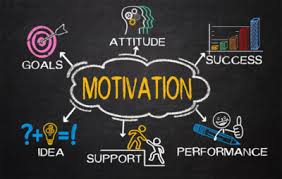
Motivation
What is Motivation?
The process of initiating, guiding, and maintaining goal-oriented behaviors is known as motivation. It's what motivates you to take action, whether it's drinking a drink of water to quench your thirst or reading a book to learn something new.
The biological, emotional, social, and cognitive variables that trigger behavior are all part of motivation. The term "motivation" is widely used in common speech to express why someone does something. It is the force that propels human behavior.
Motivation encompasses not only the elements that activate behaviors, but also those that direct and maintain these goal-directed activities (though such motives are rarely directly observable). As a result, we frequently have to infer the motives for people's actions based on observed behaviors.1
What exactly is the source of our actions' motivations?
Motivational Styles
Extrinsic and intrinsic motivations are widely used to explain different types of motivation:
**Extrinsic motivations** are ones that come from outside of the individual and often include awards, money, social recognition, or praise as a motivator.
**Intrinsic motivations** are those that come from within an individual, such as finishing a difficult crossword puzzle only for the pleasure of solving a problem.
Motivation has a wide range of applications. It acts as a compass for all human conduct, but understanding how it works and the elements that influence it is useful in a variety of ways.
**Understanding motivation allows you to:**
As people strive toward their objectives, you can assist them in becoming more efficient.
Encourage people to engage in health-promoting habits by assisting them in taking action.
Assist people in avoiding risky or maladaptive habits like gambling and addiction.
Assist folks in feeling more in charge of their lives.
Enhance your general happiness and well-being.
Motivational Tips
People's drive and willpower fluctuate for a variety of reasons. You may feel energized and motivated to attain your objectives at times, but you may also feel listless or unsure of what you want or how to get it.
Even if you aren't feeling very motivated, there are steps you may take to keep moving forward. Among the things you can accomplish are:
Adjust your objectives to focus on the things that are most important to you.
If you're working on something that's too vast or intimidating, break it down into smaller chunks and focus on taking the initial step toward progress.
Boost your self-assurance
Remind yourself of your accomplishments in the past and your areas of strength.
If you have any areas where you are insecure, work on improving those areas so that you feel more skilled and capable.
Pitfalls to Avoid
There are a few things to keep an eye out for that could derail your drive. These are some of them:
All-or-nothing thinking or quick fixes It's easy to lose motivation if you can't solve anything right away or get everything at once. Remind yourself that achieving your objectives will take time.
Ignoring the fact that one size does not fit everyone. It does not follow that a strategy or method that works for someone else will work for you. Look for items that will work better for you if something isn't helping you attain your goals or makes you feel unmotivated.
You can move on
When a relationship ends abruptly or you lose someone that you love, how do you transition from a place of pain to a place of healing?
Acknowledge your feeling, don’t run from them
Maybe you feel wronged or misled by someone you trusted or you’ve suffered some injustice at the hands of a total stranger. Identify your feelings and give yourself permission to feel them. Get mad if you’re mad. Allow yourself to be heard if you’re feeling vulnerable. Embrace your suffering and don’t try to reason your way through its causes or fixes.
Let it out!
Bottled emotions are no good for anybody and now that you’ve identified your anguish, release it! Try venting to a close friend or scribble in your well-cast journal to flush yourself of negative energy. Express your positive emotions too. If your friend are moving away, take a moment how much you’ll miss them. This cathartic exercise will provide you with least a little sense of relief and it will help you get perspective.
Give yourself time and space
Be patient with yourself. Recognize that just like with a physical wound, emotional healing is a gradual process. Do other things you love rather than just focusing on what’s lost. Spend time with other people in your life positive. These people will help you back up.
Forgive actively
You might never receive that apology that you so deserve but you got to release that burden that’s weighing you down. Start by envisioning that you’ve let go of the tension that this situation caused. Then, tie an action to your forgiveness whether it’s donating painful objects and pictures or writing a private blog post about what happened. Give the situation the formal resolution it never got.
**Practice this tips and you are surely getting a few steps closer to closure. And always remember, you can heal and move on and be stronger**.

Conquer your fears
It's not easy to overcome your fears. We are unable to live because of our fear. It convinces us that we will never achieve our goals, and it tells us to be quiet and away from the people we care about. It has the power to limit what we are willing to do in order to stop us in our tracks and force us to live a limited life.
Fear isn't necessarily a negative emotion. It exists for our protection as an early warning signal, but there is a significant difference between a healthy one that advises us to back away from a cliff's edge and one that hinders us from living our lives. The issue arises when most people cling to their worries since they are a part of themselves. You will almost certainly never be able to overcome your fears if you are not prepared to face them.
Overcoming Fears
**KNOW WHEN YOUR FEARS ARE IRRATIONAL AND WHEN THEY ARE NOT.**
We acquire fear as a survival mechanism to help us escape danger. This type of terror is better described as "caution," which is definitely required for a healthy dose.
Irrational worries, on the other hand, are those that prevent us from doing things that are relatively risk-free. You must learn to distinguish between the two. When confronted with a new situation, we tend to focus on the worst-case scenarios, believing that avoiding the “risk” is the only way to prevent failure. Instead, concentrate on the positive aspects of your situation and devote all of your efforts to achieving your goals.
So, the best thing to do is assess the causes for your anxieties, determine whether they are rational or irrational, and focus on the positive.
**FORM A STRUCTURE**
If you're worried about a new circumstance, include structure into your schedule to provide safety. Structure offers us a sense of security since it lets us know what to expect and makes us feel safe in a familiar environment. So, if you control what you can, you'll have a decent foundation from which to confront the things you can't.
**REMEMBER TO BE PREPARED AT ALL TIMES.**
When it comes to overcoming fear, another crucial method is to prepare yourself. One of the reasons we are hesitant to do things is that we are unsure of what to expect. Learn to prepare since attempting a challenge without appropriate preparation triggers our worries, making us more likely to fail. A thorough preparation can provide you with the assurance you need to achieve your objectives.
It's vital to remember, though, that you can never be completely prepared for anything. But don't let this be an excuse for failing to try.
**GET IN TOUCH WITH OTHERS**
When we face our worries alone, they get worse, no matter how great or tiny they are. Find a good friend or a family member with whom you can communicate your anxieties. Someone you can trust and who can help you see your fears in a different light. Someone who will support you and encourage you while you confront your worries.
**FACE YOUR FEAR**
Finally, confronting your concerns is the final stage. Allow yourself to let go of the fear of appearing ignorant, feeling embarrassed, being ignored, or facing failure or rejection. Accept failure as an inevitable part of life and move on.

The Don'ts on Crypto Trading
Cryptocurrency trading is a difficult job. It is true that it may take some time for newcomers to become successful in this market while trading digital assets. However, there are a few pointers you can use to improve your trading.
Don't take too many risks
If you're a novice looking to make money trading cryptocurrencies, try to manage the risk as effectively as possible. That is, instead of starting with high leverage or margin, invest a small portion of your funds and try to build a balanced portfolio. Risky assets such as virtual currencies are prone to high volatility, which should be carefully controlled. To maximize your earnings, get some low-interest, secure investments before dealing with digital assets. Avoid investing in small-cap digital assets or virtual currencies that have only recently been introduced to the market or aren't well-known.
Avoid Investing in Cryptocurrencies That Aren't Liquid
A large number of digital currencies are available on the cryptocurrency sector. Indeed, some sites claim that there are more than 2,000 virtual currencies available for users to exchange around the world. Many of these digital assets are not liquid as a result of this, which can lead to greater market swings and increased volatility. If we buy a lot of these properties, it will be more difficult to sell them when we want to get out of the business. Furthermore, buying large sums would undoubtedly be more difficult, since you will be consuming a portion of the liquidity of the same trading pair in a small exchange.
Avoid using platforms or exchanges that aren't well-known.
Another thing that seems self-evident is to stop using unknown sites or small crypto exchanges. Although there are hundreds of exchanges around the world where you can trade digital assets, it is always best to trade on the most stable, well-known, and common platforms. For seasoned and inexperienced traders, exchanges like Binance, Coinbase, and BitMex are typically the best choices. These exchanges have more liquidity, are more reliable than smaller sites, and have been around for a long time. They've also taken a number of steps to reduce the chances of being targeted or hacked to a bare minimum.
Avoid Bringing Your Emotions Into Your Trading
Many traders trade with their emotions as one of their strategies. This is one of the things you should avoid while trading, but particularly when it comes to cryptocurrencies. It is not a good idea to fall in love with one or more projects because there are several that attract a large number of users and enthusiasts. Make sure you're not throwing your feelings into the charts. The most important items to look at while trading are the charts, not our emotions. When trading, you'll get better returns if you don't let your emotions get in the way. It is important to use simple stop and restrict commands if you do not want your emotions to work against you.
Avoid being too excited or concerned too soon.
Finally, you must stop being too enthusiastic too soon. Don't get too excited or concerned whether you're losing or winning money on your trade. Instead, when trading virtual currencies, use stop-loss orders to help you manage your risk. If you close your place or become overly concerned, you risk losing more money. This is why it is important to trade with simple stop-loss orders and a policy that meets all of your business requirements.

Credit cards: To swipe or not to swipe
Swiper, no swiping or yes to swiping?
My wife usually loves to go on shopping mall and swipe our credit cards to pay the bill. Even when eating outside, she uses credit cards to pay for our meal. How convenient but sometimes it can wreck your finances.
Yes. Credit cards can wreck your finances because they can put you in debt. But there are still reasons why you need to have one.
I knew that some people have fear on credit cards. Why?
1. In 2020, credit card debt has reached an average of 1 trillion dollars.
2. Based on worldometers.info, this 1 trillion debt is almost the gross domestic product of each country who falls below the top 15 country. http://worldometers.info/
3. The average debt of individual American family is 2700 dollars
4. An individual family pays around 14 percent apr on that debt
So these are the reason why credit card can wreck your finances. BUT.. there are still numbers of benefits a credit card can give if you use it wisely.
1. As long as you pay your credit card on time, the 14 percent apr will not be an issue depending of the credit card you have. It as simple as pay on time and you don’t get the interest charge
2. Starting to build credit early helps you out of better credit score. You will have the lowest interest rate when you buy a house or a car.
3. Cash backs – it will depend on the credit card you have and the policies of the credit company. Some companies will give you minus points and other will give you a fixed certain amount on all your purchases.
4. Zero fraud liability – unlike with printed money, if someone steal your credit card and as long you report it in a timely manner, you will not be liable for fraudulent purchases. Again, this depends on the policy of your credit company.
5. Extended warranties and purchase protection – if you buy something on your credit card and it has a manufacturer’s warranty, it will add an additional one on top of that or if you buy a purchase and within a certain amount of days, something happened to it like it was stolen, you can receive protection from that purchase
6. Insurance – when you buy something using your credit cards like a car and it gets wreck or you got hurt because of it, you will receive compensation from it as long as something you buy with credit cards cause you any harm.
Final words
There are lot of risk of credit cards and lots of benefits. You can compare it to a fire, it can keep you warm but can burn you down too. The best strategy of having a credit card is to use it and control it wisely. Never let your credit card controls you.
Only get a credit card if you knew you can pay off or you only buy what you can pay off. And always review your credit cards policy, not all benefits above mentioned are the same. It will always depend on your credit company.
Happy swiping!
Sources
https://www.valuepenguin.com/average-credit-card-debt#:~:text=Our%20researchers%20found%20the%20median,almost%20506%20million%20card%20accounts.
https://www.worldometers.info/gdp/gdp-by-country/
https://www.investopedia.com/credit-card-debt-continues-its-plunge-during-the-pandemic-5095237

Make Money even on Bear Market
Even when the crypto market is on the decline, there are a few strategies you can employ to generate money. Naturally, there is a tradeoff between risk and reward, and it is up to each of us to discover our own particular balance.
If you don't want to take any chances, keep in mind that you can always receive free crypto, even if the market price is low.
Shorting
What is the definition of shorting? Shorting, also known as a short sale, is the opposite of buying a coin with the expectation of it rising in value.
When you end your short position, you must acquire the exact same amount of coins at the current price in order to return the exact same amount of coins to the exchange.
As a result, in a rapid sale, the best scenario is one in which you start the short position at a high cost and close it at a low cost, thereby selling high and purchasing low. This strategy is typically used to hedge money and reduce risk, but it could be useful in the event of a prolonged market collapse.
Swing trading
What is swing trading, and how does it work? Instead of focusing at the enormous macro trend, swing trading takes advantage of the short-term cost swings in a coin's graph.
Within a proven up or downward price movement condition, there will be little peaks and valleys in the price as it moves in that general direction. As a result, experienced traders can profit from their micro-trends by buying the lows and selling the highs in a bear market. Market volatility during crashes is the ideal condition in this circumstances since it provides the graph's most relevant local optima.
To be able to trade, you must learn about many types of technical analysis, such as pattern formation and indicators like the RSI. This is only recommended for people with a high risk tolerance and a lot of experience using technical analysis to look at short-term movements.
Passive income coins
If you have a low risk tolerance and don't need to use more advanced trading techniques, the next best thing is to keep onto coins that earn passive income regardless of market conditions.
There are various cryptocurrencies that can be used to generate passive income. Staking coins and trading coins, on the other hand, are the two most common types.
Staking coins provide additional coins for each coin utilized in the staking procedure in exchange for regulating the community. In the majority of currencies, staking should generate a consistent 5 percent to 10% annual yield.
Some proof-of-stake variants have better payouts than other staking variants. Exchange coins provide a variety of benefits on exchanges, including lower pricing and, in certain cases, profit-sharing in the form of a percentage of trade prices returned to coin holders.
The % return on such coins is directly proportional to the quantity, which may vary.
Staking coins are more consistent and comparable to volatility, whereas trading coins are still risky because they rely on the success of a single exchange.
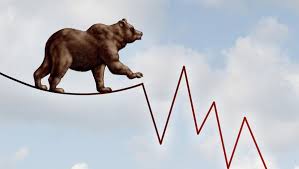
The Secret Behind Being Lucky
Is it possible to increase luck without visiting the Shaman?
Destiny are based on chance.
If we are in control of our destiny then we could simply lie in our couch waiting for our reward.
Luck certainly plays an important role in this grand puzzle of life. But let's forget about all superstitions and qdmit that luck was just named poorly. It id not a magical power mercy of the Gods or the spell of forest folk but rather quite measurable return on a set of predictable events.
Chance, accidents, and the bustling chaos of reality are almost impossible to predict or tamed. But luck is something fundamentally different.
Richard Wiseman, the English Professor of psychology from Hartford Sheykh University, believes that both luck and misfortune are the results of conscious manipulation of random events by humans. It just so happens that some people get it better than others.
He conducted a fascinating experiment through an advertisement on the newspaper. He asked those who considers themselves to be comolete losers or the lucky ones to contact him. Hundreds got in touch and each of them was assigned with a task. He gave them a newspaper and asked to ciunt all the photos on it. And you know what's the most interesting is, it took around 2 minutes for the group of losers to finish counting while the lucky ones needed only a few seconds.
How do you think? Why?
It is simple. He posted huge announcement on the second page that read "stop counting, there are 43 photographs in this newspaper". It was hard not to notice. The title took half a page. It literally screams on the face of the readers and the amazing thing is that the professor posted another one announcement in the middle of the newspaper just for laughs saying "stop counting, tell the experimenter you have seen this and win two hundred fifty dollars." It turned out that the so called losers missed even the second anmouncement and spent all their time deeply focused on counting pictures on strictly fulfilling the task without looking around.
Wiseman says that what we call luck is actually just a pattern of actions that combine the way of perceiving events and interacting with people. He noticed that unlucky people have to narrow a focus of attention. They are anxious and obsessed with security. Instead of joining an effortless dance of random choice, they are fixated in the control of reality lookinh for something specific. As a result, they waste numerous opportunities that are sailing pass them. They go to a party to look for a perfect partner ane miss the opportunity to make good friends. They look only at one type of job overlooking new opportunities for self development.
On the contrary, the lucky ones are constantly changing the course of their usual action and looking for something new. Wiseman noted people who considered themselves successful were simply more likely to find themselves in situations in which anything could happen thus they increased the chance of success whole the losers did not. The lucky ones tried more, made more mistakes but if they failed they would quickly get up, brush themselves off and try again. And in the end everything worked out for them.
Wiseman compared this behavior to harvesting apples in the garden. If you imagine that these two type of persons were given a basket and asked to collect as many apples as possible, then the losers will go over the same tree over and over and as a result collecting less and less. While the lucky ones would never return to the same spot and their basket will always be full

Goodnight everyone. Belated Happy mothers day to all the mom here.
A dream career with doing what you love
If you're feeling exhausted or uninspired in your job, or if you're tired of dreading going to work every day this might be the one for you. We all have the right to wake up happy and ready to succeed in a job we enjoy because:
Career fulfillment has a huge effect on our physical and emotional well-being.
That is to say, spending our days at a job we dislike is not really "good."
Building a rewarding career isn't always easy or straightforward, and it's certainly not something that can be accomplished overnight. It may necessitate a lot of effort, preparation, and perseverance. Alternatively, it could take years of trial and error to figure out what works best for you.
But, whatever it takes, finding a job you enjoy is well worth the effort, since a rewarding and satisfying job can pay off in terms of your better health and well-being over time.
How our wellbeing is influenced by our job satisfaction
When we wake up happy every day, you guessed it: that happiness contributes to overall happiness. We'll be more energized and capable of dealing with whatever comes our way. We also have a higher chance of having stronger immunity, a healthy weight, and a lower risk of chronic disease.
But what if we don't like how we spend our days? It has the potential to have a significant impact on our wellbeing.
Being unhappy at work will, of course, have a huge negative impact on our mental health. We may feel nervous, depressed, or have difficulty sleeping. And, since getting enough sleep is one of the most important things we can do for our health, not getting enough can lead to issues such as weight gain, diabetes risk, and a weakened immune system.
We may see the stress from job frustration show itself over time in the form of chronic back pain (many of us bear our anxiety in our backs), lowered immunity and getting sick more often, and even heart disease. Yes, becoming dissatisfied at work is related to an increased risk of inflammatory diseases such as heart disease, diabetes, and stroke.
Most of these health issues are linked to stress and our natural fight-or-flight reaction, according to scientists. We've previously discussed how chronic stress activates this built-in survival mechanism, which, when activated too often or for too long, wrecks havoc on our physical and mental health.
Stress may also be beneficial and aid in the development of resilience. But when job stress becomes persistent and has a negative impact on our health, it's time to take action! In this situation, that means finding a career that you enjoy.
Signs that you may be dissatisfied with your job
There's a difference between hating your job and having a rough day or week at work. Being pressed for time or assigned to a project you dislike will make you miserable for a short period of time.
However, if we are genuinely unhappy in our employment, we will find the following symptoms on a regular basis:
We are constantly concerned about jobs, even on our days off!
Our friends and family are sick of hearing us complain about our jobs.
Even if we try to follow occupational fitness tips, our physical health is deteriorating.
While at work, everything irritates us, from colleagues to customers to the repetitive whirring of the printer.
Most significantly, we believe our work is meaningless, a waste of time, or that we aren't making a difference.
Many people mistakenly believe that everybody despises their work and that this is natural. But this is clearly not the case—many people enjoy their jobs and are eager to get to work each day.
Building a career of your dreams
Are you ready to focus on yourself? It takes some forethought and reflection to build the career of your dreams. A rewarding career, on the other hand, will really make your life easier and healthier if you get it right.
To get started on a career path you'll love, try the following steps:
1. Consider what you love doing.
2. Consider your perfect working day.
3. Consider professions that allow you to pursue your passions.
4. Take into account potential roadblocks.
5. Enlist the support of those in the field
6. Make a timeline that can be followed
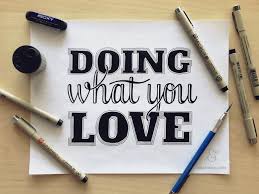
Happy Trading Everyone!
Crypto trading isn't a modern or difficult phenomenon. In reality, getting your feet wet in this important field of business is beneficial for both investors and traders.
When trading cryptocurrency, you'll make mistakes and have bad days where you miss out on an opportunity or lose money. These blunders, on the other hand, make you see things more clearly.
But, in order to not miss a beat in the game, you must first learn the rules and, for the most part, keep your eyes open:
Keep an eye out for con artists.
When you first start trading, make sure you understand everything there is to know about the business and the types of scams that can occur. Wherever money is needed, there are often scams involved at both consecutive levels of beginners and seasonal players.
And the internet is infamous for having no control over scammers and attacks. As a result, you must be cautious and rule out red flags at all times. Avoid using shady wallets and brokers.
Invest in well-known companies to buy and sell your money. Stop malware by scanning for up-to-date security measures. Keep an eye out for shady currency trading schemes.
Select Proficient Trading Strategy
Trading has a variety of styles and techniques for all types of currencies around the world that can help you improve your daily exchange results.
If you're a trader who doesn't have a lot of free time but wants to take advantage of the best trading opportunities, you'll need to use some useful applications and Crypto Exchange sites to help you out.
Similarly, the following are some popular types of traders and strategies that can help you trade more effectively:
Swing trading entails gaining a thorough understanding of the bitcoin market through technical research.
Passive Trader: Long-term holding of a position in exchange for larger payouts.
Day trading entails making short-term trades over a 24-hour period.
Make a Limitation
Trading can be tricky, and it's easy to get carried away with greed when prices are that. As a result, you must establish clear boundaries and custom limits in order to avoid making too many poor decisions and to control losses.
As a result, before opening a position and trading at various prices, you must set a profit target price and a stop loss. If you want to stay in the game and get the best results as rates rise and fall, you must be responsible for your spending and saving in order to reduce losses constructively.
Set aside some money A good rule of thumb in trading is to save some and sell the rest. When you put all of your eggs in one basket or use up all of your savings, trading bitcoins can quickly become risky.
Since the trading industry is notorious for its ups and downs, you should still have some cash on hand in case things go wrong.
It will also allow you to trade more comfortably and avoid having to take drastic steps to turn the tables in your favor when you are about to lose.
Happy trading everyone!

Thabks you miss @bheng620 for the upvote
Facing Adversities Head On
We all face difficulties at some stage in our lives, regardless of who we are. Only when things go wrong and you are thrown off balance by some adversity or loss that hits you like a truck coming out of an alley do you find out who you really are.
Since your outward attitudes are true representations of who you are on the inside, the only way to know what you really have inside you is to watch how you react when things go wrong.
Adversity
As define by merriam-webster dictionary, adversity is a state or instance of serious or continued difficulty or misfortune.
Adversity refers to a period of difficulty, difficulty, or misfortune in one's life. There are six different forms of adversity that a person can face, and adversity can either break or make a person. It could lead to one person improving their life and seeking ways to overcome their obstacles, or it could lead to another person turning to drugs or alcohol to cope with the psychological effects of their difficulties.
Type of adversities
**Physical adversity**
Physical adversity includes things like physical impairment. A professional athlete, for example, can face physical adversity as a result of a career-ending injury, which alters their life's trajectory dramatically. Furthermore, being blind, deaf, obese, or in chronic pain, and having to deal with the difficulties that come with those conditions, could cause someone to fight for a normal life.
**Mental adversity**
Someone's mental health can be hampered by a mental disorder or disease. When coping with mental illness, seeking support from a doctor, psychologist, or therapist will make a huge difference in one's life. The aims of pursuing care are to improve one's well-being and return to a normal life.
**Emotional adversity**
Emotional intelligence enables one to maintain a positive mindset when dealing with life's challenges. Self-worth is important to cultivate because anger and depression will cause difficulties in everyday life. We must master our feelings so that they do not master us.
**Social adversity**
Human life depends on social contact. A person's lack of social skills will make it difficult for them to find work, make friends, or sustain a family unit. These abilities can make a huge difference in one's life.
**Spiritual adversity**
Trust in a higher power does not have to be a God, but it is a significant benefit in life. It is easier to cope with everyday life when one has hope, compassion, and respect for oneself and others.
**Financial adversity**
This may be the most visible adversity confronting our culture and the rest of the world. Being unable to afford basic needs makes it difficult to live a happy life and can lead to envy and resentment.
**Overcoming adversity**
Although overcoming adversity isn't simple, there are steps you can take to make even the most difficult challenges more manageable.
**Practice Self-compassion**
At some point in our lives, we all face difficulties. That is a normal part of life. When we are in pain, we don't have empathy for ourselves.
Do you ever feel like it's easy to be compassionate toward others but difficult to be compassionate toward yourself? This comes as no surprise, given our proclivity for being harsh on ourselves.
Being more self-compassionate is the best way to start if you want to tackle hardship quicker. You will boost your mental well-being and give yourself the courage to rise and move forward as a result of doing so.
**Learn to Control Your Emotions**
Your ability to resolve a challenge is determined by how you react to a challenge. People get into trouble when they let their moods be dictated by external factors.
Instead of being constructive, they respond to situations. If you don't control your feelings, they can control you.
Starting to feel your feelings on a physical level is the perfect way to become an emotional master.
Observe what happens when you are activated by something or someone, and make a mental note of the feelings that arise. Then become intrigued by the message that the emotions are conveying to you.
**Use humour to your advantage.**
Finding humor in the face of adversity has been shown to be highly beneficial to the mind, body, and soul. It's not about dismissing your suffering. It's all about summoning good feelings when you need them the most.
Studies show that keeping a good outlook in the face of challenges makes you become more versatile in your thought and problem-solving abilities.
**Keep a positive attitude.**
It's quick to be pessimistic and play the "why me" game when bad things happen. This mentality, on the other hand, often leads to failure.
People who stay hopeful in the face of adversity, on the other hand, recover more quickly. Optimism is a valuable asset in the face of adversity.
Optimists, according to research, develop more optimistic ways of explaining disappointing experiences and are more likely to be able to reframe them.
When you choose to find courage and joy during the hardest of times, you can be shocked by how much calmer you feel in the face of adversity.
**Have faith in yourself.**
If you don't have unwavering faith in yourself and the method, none of the previous pieces of advice on this page can help. The secret to coming back from something is self-confidence in your ability to overcome adversity.
The trick is to learn to identify when your self-talk is working against you and reframe it as easily as possible. Replacing the phrase "I can't" with "I will" is a good way to start. Believe in yourself and know that it is too difficult for you.
Conclusion
People who are successful do not have no problems in their lives. They are people who respond to their problems in a timely and constructive manner. They see them ahead of time; they expect them. When they can't, they use the four-step approach to solve whatever problem they're dealing with. They clearly define the problem. They specify the worst-case scenario that may occur as a result of the issue. They make the decision to consider the worst case scenario if it occurs. Then they focus all of their efforts on preventing the worst-case scenario from occurring.
“This, too, shall pass,” is probably one of the most significant motivating affirmations to note while coping with adversity. Say to yourself, “This, too, shall pass.” Whatever it is, however challenging it can appear.
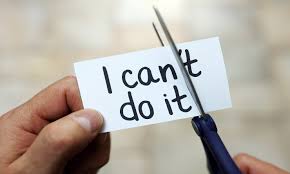
Understanding Bullying
In this time, bullying can be seen everywhere. In the school, workplace, in the internet space and even at your home. So what is bullying? How can you stop from being bullied? And how can you to stop bullying?
Bullying
As defined by merriam-webster dictionary, bullying is an abuse and mistreatment of someone vulnerable by someone stronger, more powerful, etc. https://www.merriam-webster.com/dictionary/bullying
Bullying can be physical, verbal, or emotional. As long as the ill intent is there towards the person, it will be considered as bullying.
Why People Bully others
There are lots of studies on why people bully others. The main reason is to mask what they actually feel.
**Stress and trauma**
One study shows that those who bully others have experienced traumatic events. It becomes a respond to their stress. A coping mechanism that in the long term make them worse.
**Low self-esteem**
People who bully others have low self-esteem. It is a way to deflect the focus negative attention towards them.
**They been bullied too**
People who bully others have experienced bullying before. They think that they can be immuned to bullying when they start to bully others.
**Relationships**
With perks around you, being pressured, some people intend to do something bad towards others just to impress their friends.
***Bullying becomes a way for others to vent out their anger, stress, or disappointment.***
Types of Bullying
As mentioned above, bullying comes into many types.
**Physical bullying** - it is physically done towards the people beibg bullied. Examples are pinching, kicking, punching
**Verbal bullying** - also known as verbal abuse. This includes racist remarks, insults, teasing, or intimidation
**Social bullying** - this type of bullying is hard to recognise and can be carried out behind the bullied person’s back. It is designed to harm someone’s social reputation and / or cause humiliation. Examples of this is spreading rumors
**Cyber bullying** - this is done using digital technologies like social media, text messaging, or on online platforms. This includes sending someone abusive text, spreading rumors via online sites
How to Stop Bullying
**Assist children in comprehending bullying.** Discuss what bullying is and how to safely confront it. Tell your children that bullying is not appropriate. Ascertain that children are aware of how to seek assistance.
**Maintain open lines of communication**. Keep in touch with your children on a regular basis. Pay attention to what they're doing. Know their friends, inquire about school, and empathize with their worries.
**Encourage your children to pursue their passions.** Special interests, hobbies, and sports can help children gain trust, make friends, and protect them from bullying.
**Demonstrate how to treat people with dignity and compassion.**
This isn't just applicable to childrens but also in adults. But to easily stop bullying is to guide the younger ones the better understading of bullying
Final words
I, myself have experienced from bullying when I was in grade school until high school. They always made fun of my big flat nose. My self confidence becomes low because of this. And I almost dropped out from school. That is when my father told me that we are not perfect individuals, all we need to do is accept and embraced what God gave us.