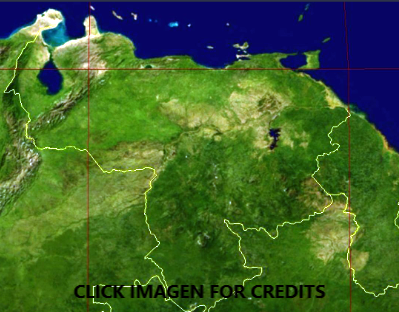
Turning a Graveyard into White Powder Happy day dear Read.cash community, I hope you are well, you have had a good week despite the weather changes we are feeling. As some know I have been absent due to a request they made me, to participate as a collaborator to do an environmental sanitation job, I am an Engineer by profession with a master's degree in Environmental Management and a specialist in spatial geo-referencing, it is too long a name for what I really earn in the institution, with the last salary increase reached approximately $85 / month, 2 months ago it was $16/month, haha (begging that inflation won't eat us again). **These are my wonderful sponsors, they have very interesting articles, I am sure you will like them, be sure to visit them.** I must clarify that this work I do out of passion and friendship, I am not charging for it, but if the project is accepted, there is the possibility of gaining something additional. As the title says, we are going to "**turn a cemetery into white powder**". I will not reveal names to protect those interested in the project, although it has already been made public and the regional authorities are aware of what is intended to be done, the respective permits are being mobilized. The north of Venezuela is the Caribbean Sea, therefore it is a source of seafood all along the coast from the East starting on the eastern coasts of Sucre state, to the West ending on the western coasts of Zulia state, measuring 4,209 km of marine coast, according to Wikipedia.
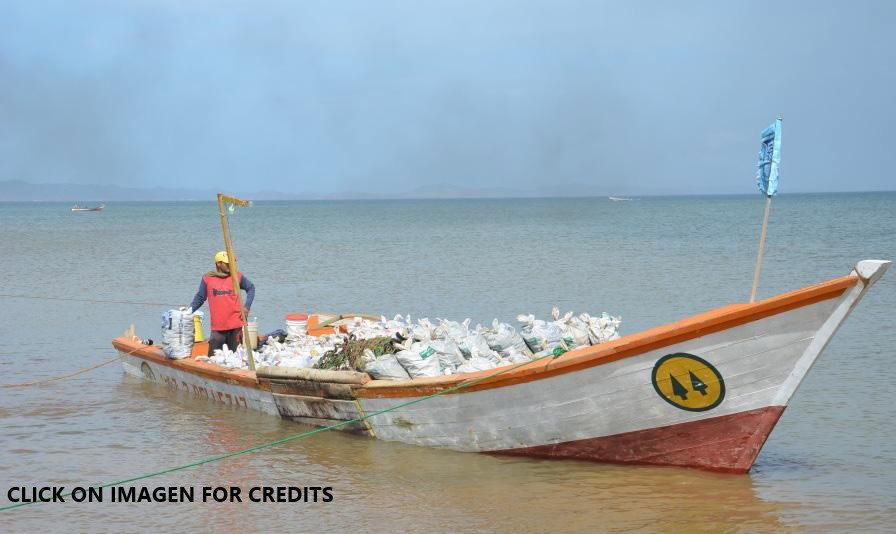
https://www.bing.com/images/search?view=detailv2&iss=sbi&form=SBIIDP&sbisrc=ImgDropper&q=imgurl:https%3A%2F%2Fth.bing.com%2Fth%2Fid%2FR.41c67c907b4f5209c923ae2ea6bbd84c%3Frik%3D2QxC3AzDNP0hEQ%26riu%3Dhttp%253a%252f%252fblogdidactico.com%252fwp-content%252fuploads%252f2019%252f05%252fmapa-satelital-de-venezuela-1.jpg%26ehk%3DndslZOd3w1omB%252bv6vd1XDW8Iezv6XhXQ%252fzR6Jfq9kIw%253d%26risl%3D%26pid%3DImgRaw%26r%3D0&idpbck=1&selectedindex=0&id=https%3A%2F%2Fth.bing.com%2Fth%2Fid%2FR.41c67c907b4f5209c923ae2ea6bbd84c%3Frik%3D2QxC3AzDNP0hEQ%26amp%3Briu%3Dhttp%253a%252f%252fblogdidactico.com%252fwp-content%252fuploads%252f2019%252f05%252fmapa-satelital-de-venezuela-1.jpg%26amp%3Behk%3DndslZOd3w1omB%252bv6vd1XDW8Iezv6XhXQ%252fzR6Jfq9kIw%253d%26amp%3Brisl%3D%26amp%3Bpid%3DImgRaw%26amp%3Br%3D0&ccid=QcZ8kHtP&mediaurl=https%3A%2F%2Fth.bing.com%2Fth%2Fid%2FR.41c67c907b4f5209c923ae2ea6bbd84c%3Frik%3D2QxC3AzDNP0hEQ%26riu%3Dhttp%253a%252f%252fblogdidactico.com%252fwp-content%252fuploads%252f2019%252f05%252fmapa-satelital-de-venezuela-1.jpg%26ehk%3DndslZOd3w1omB%252bv6vd1XDW8Iezv6XhXQ%252fzR6Jfq9kIw%253d%26risl%3D%26pid%3DImgRaw%26r%3D0&exph=855&expw=1368&vt=2&sim=11 The extraction of molluscs dates from the colony, with the exploitation of sea pearls in the year 1.498, mainly pearls, occurring the largest extraction of the century in the year 1.943 (1.300 Kg of pearls). From the 60s begins the extraction as food, for this time also began the extraction of other mollusks such as pepitonas and mussels, for the extraction a rudimentary raking is used, manufactured by fishermen and using boats known as "**peñeros"**, characteristic of artisanal fishing, this structure is thrown into the sea and dragged by boats, then they fill the boat.
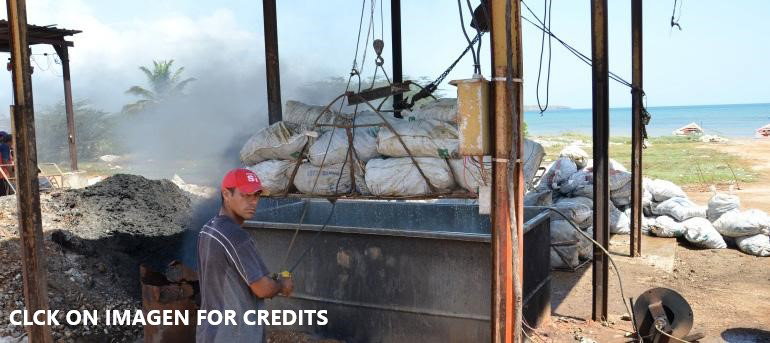
https://issuu.com/fundatun/docs/2013_01_rev_cofa/s/10315978 Once extracted the mollusks are stored in bags, then they are subjected to cooking inside the bags in metal containers with sea water, then these bags are distributed in trucks among the population, where all the members of the family participate, for their "**desbulle**" (extraction of the meat), then the truckers collect the meat to be stored under refrigeration, it should be noted that this whole process is carried out with little asepsis.
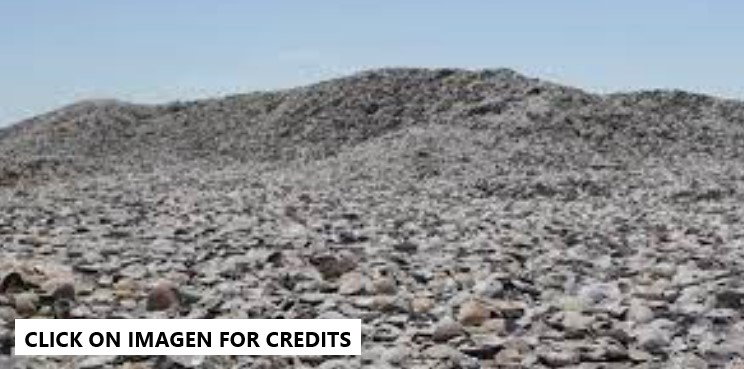
https://issuu.com/fundatun/docs/2013_01_rev_cofa/s/10315978 Now, **what is done with that amount of seashells**?, at first they were thrown into the sea, where they decomposed in addition to damaging the ecosystem, because they covered the other species that were in formation, other people threw the shells anywhere, giving a bad appearance, in addition to the proliferation of flies, from there the government made several landfills for later deposit, but these landfills collapsed, the trucks began to fill the landfills with the shells of mollusks, but they had many inconveniences, there were always the trucks under repair, being one of the main causes the rubbers damaged by the shells, due to lack of follow-up of the authorities, the trucks were leaving their load on the sides of the landfills, until blocking the entrance, so these landfills have become "**Cemeteries of Seashells**".
https://www.google.com/imgres?imgurl=https%3A%2F%2Fderesiduos.s3.amazonaws.com%2Fuploads%2Fnews%2Fimage%2F17075%2Flarge_australia_recicla_conchas.jpg&imgrefurl=https%3A%2F%2Fgestoresderesiduos.org%2Fnoticias%2Flas-conchas-marinas-una-nueva-fuente-de-biomateriales-sostenibles&tbnid=fz0F4yThT6wQkM&vet=12ahUKEwjUzfTOrKH3AhWDGN8KHbSOA3UQMygNegQIARBN..i&docid=_HX_CsAW_Zo_8M&w=800&h=534&q=BASURERO%20DE%20CONCHAS%20MARINAS&ved=2ahUKEwjUzfTOrKH3AhWDGN8KHbSOA3UQMygNegQIARBN#imgrc=IAUCcZOfyB949M&imgdii=TW6DaZ2H8HSi9M Thanks for getting here, I hope you liked this article, although it is not finished. I did not expect this article to be so extensive, a thousand apologies, for the next article I will show part of what is being planned to do with these remains of seashells, although you already know that it is "**White Powder**", LOL. But, I will tell you about my experience on the tour and part of the work that corresponds to me.

All content is original The information obtained from the Web is indicated Thanks for visiting me, you can leave a comment and remember to Like and Follow me. **April 19, 2022**
**REFERENCES:** **PHOTO COVER:** Carbonato de Calcio (vecafo.com) https://vecafo.com/producto/carbonato-de-calcio (PDF) Actividad extractiva y potencial del cultivo de moluscos en Venezuela. | Jose Javier Alio - Academia.edu https://www.academia.edu/2242726/Actividad_extractiva_y_potencial_del_cultivo_de_moluscos_en_Venezuela LA CAPTURA INCIDENTAL DE ESPECIES AMENAZADAS EN LA PESCA ARTESANAL DE LA PEPITONA ARCA ZEBRA (BIVALVIA: ARCIDAE) EN EL ORIENTE DE VENEZUELA, CON ÉNFASIS PARTICULAR EN EL CARACOL VOLUTA MUSICA - Issuu https://issuu.com/fundatun/docs/2013_01_rev_cofa/s/10315978



2 comments
Excellent father, I wish you much success in your project, I know very well everything you are doing, all the effort and time it takes to make a project like that, I hope you do well.
Oh so you're an engineer. Well yeah we've all become quite busy lately. Haha. It's terrible what we people do sometimes. Some people just don't know how to care for the environment where we all get our food and livelihood from. Ah humanity. Looking forward to the next article. :)