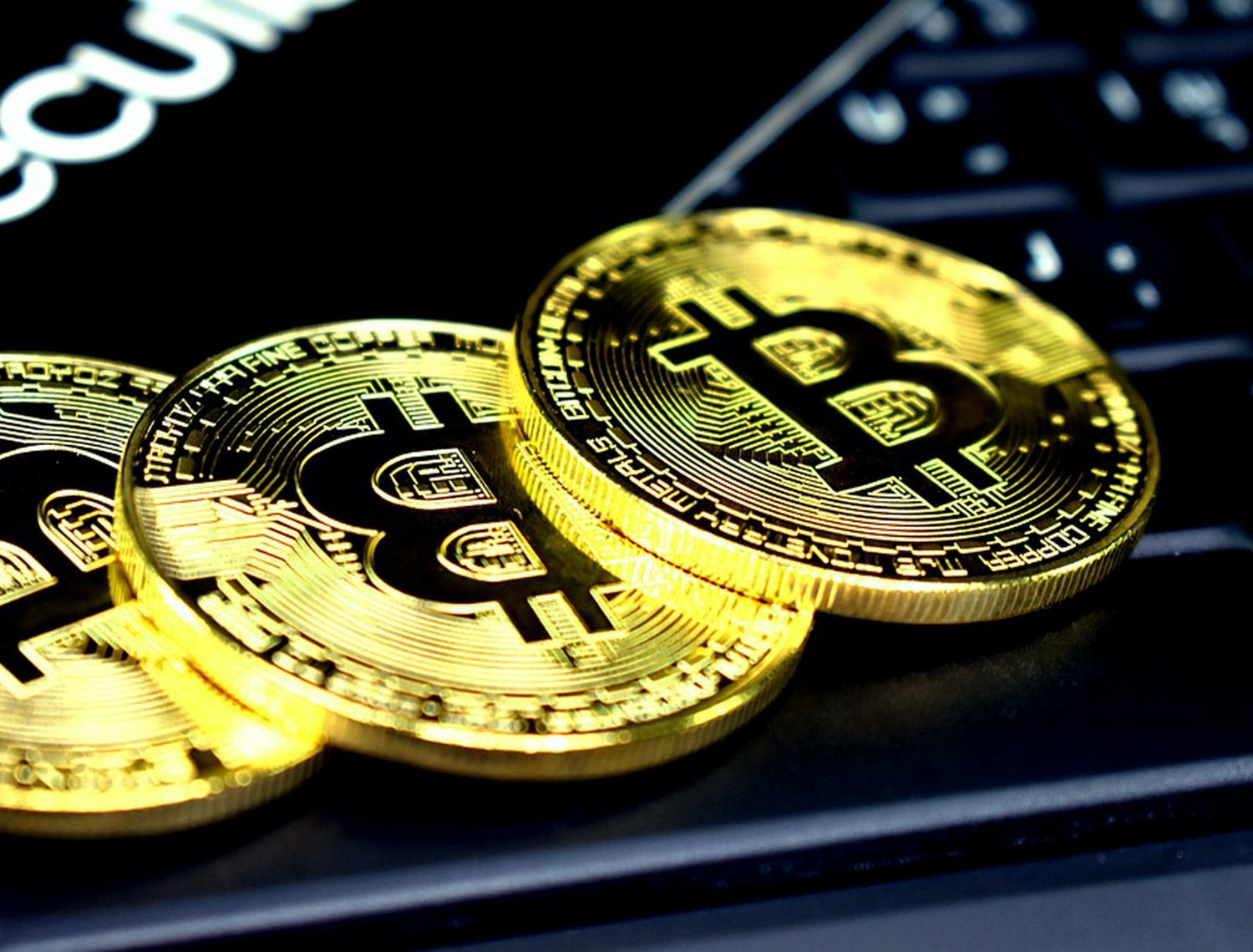
Is money real?
Money is a concept that has played a central role in human society for centuries. It serves as a medium of exchange, allowing people to buy and sell goods and services, and is seen as a crucial component of modern economies. However, the question of whether money is "real" is a complex one, and there are many factors to consider when examining this issue.
One aspect of the question of whether money is real relates to the nature of currency itself. There are two main types of currency: fiat currency and cryptocurrency. Fiat currency is currency that is issued and backed by a government, such as the US dollar or the Euro. Cryptocurrency, on the other hand, is a digital asset that uses cryptography for security and is not backed by a central authority.
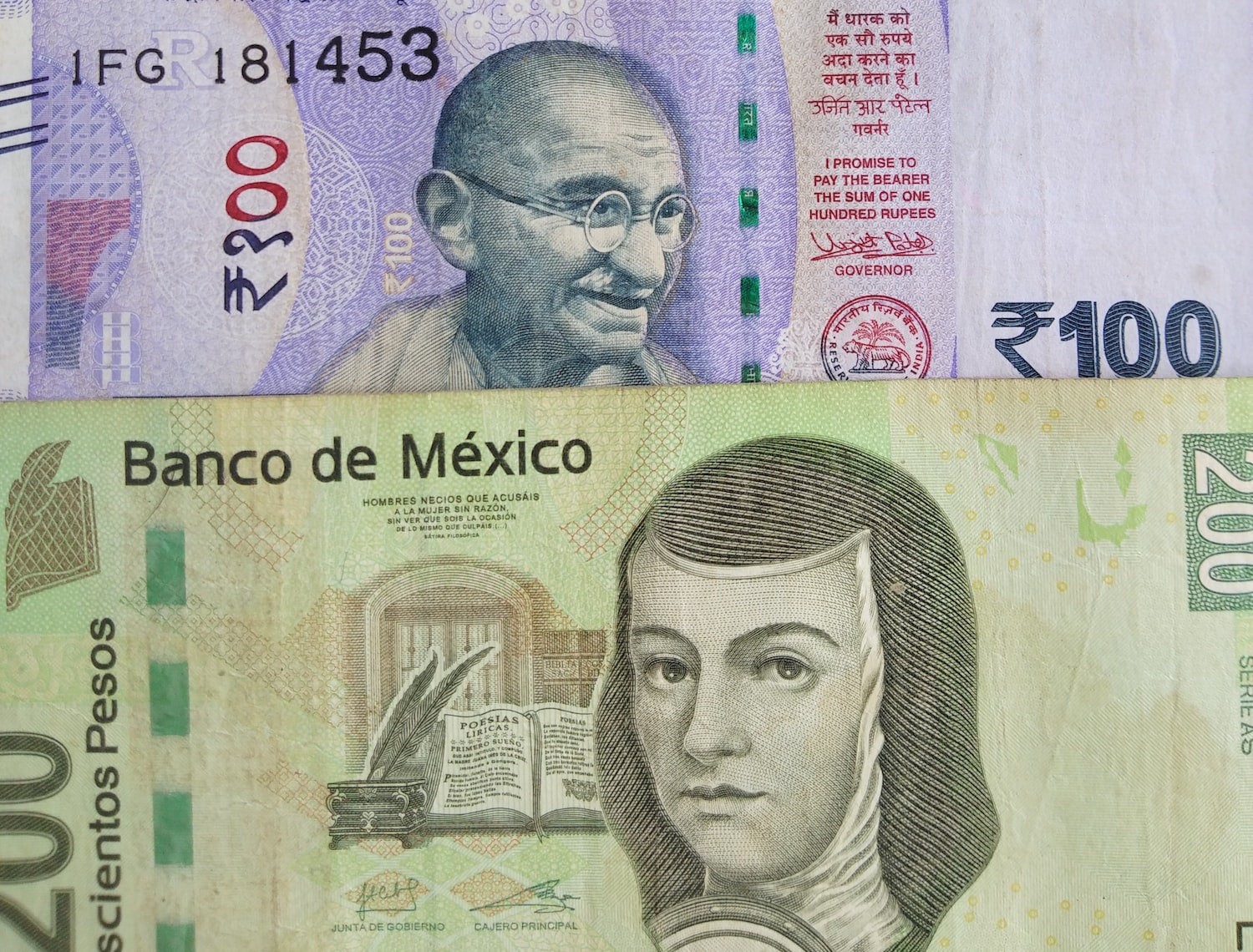
Fiat currency is often considered "real" because it is issued and backed by a government, and it is generally accepted as a medium of exchange within a given country. However, it is worth noting that the value of fiat currency is not based on any tangible asset, but rather on the faith and credit of the issuing government. This means that the value of fiat currency can fluctuate over time and is subject to factors such as inflation and economic stability.
Cryptocurrency, on the other hand, is often seen as less "real" because it is not backed by a central authority and is not widely accepted as a medium of exchange. However, cryptocurrency has gained popularity in recent years as a form of investment, and some people view it as a hedge against inflation and economic uncertainty.
Trading and investing can also play a role in the question of whether money is real. When people invest in stocks, bonds, or other financial instruments, they are essentially buying a piece of ownership in a company or an asset. The value of these investments is based on a variety of factors, such as the performance of the company or the asset, as well as market conditions and investor sentiment. In this sense, money invested in the stock market or other financial instruments is "real" in that it represents a tangible ownership stake in something.
In conclusion, the question of whether money is "real" is a complex one that depends on the nature of the currency and the context in which it is used. While fiat currency is generally considered "real" because it is issued and backed by a government, the value of this currency is not based on any tangible asset. Cryptocurrency, on the other hand, is not widely accepted as a medium of exchange but has gained popularity as an investment. Trading and investing in financial instruments can also give money a sense of "realness" because it represents a stake in a company or asset. Ultimately, the concept of money is a complex and multifaceted one, and its "realness" depends on the context in which it is used and the values and beliefs of those who use it.
Current State of Cryptocurrency
Cryptocurrency has gained significant attention and popularity in recent years, and many people view it as a promising alternative to traditional fiat currencies. In this revised article, we'll explore some of the key arguments in favor of cryptocurrency and consider why it may be a more "real" form of money than fiat currency.
One key argument in favor of cryptocurrency is that it is decentralized and not controlled by any central authority. This means that it is not subject to the same political and economic influences that can affect fiat currency, such as inflation and economic instability. This decentralization can provide a sense of security and stability for cryptocurrency holders, as the value of their investments is not tied to the performance of any particular government or economy.
Another advantage of cryptocurrency is that it is highly secure and resistant to fraud. Transactions made using cryptocurrency are recorded on a decentralized ledger called the blockchain, which makes it difficult for anyone to manipulate or alter the record. This level of security can provide peace of mind for cryptocurrency holders, as it minimizes the risk of financial fraud or theft.
Cryptocurrency is also highly portable and convenient to use. It can be easily transferred and stored electronically, making it an ideal form of currency for people who travel or do business internationally. In addition, cryptocurrency can be used to make transactions anonymously, which can be a benefit for people who value privacy.
While cryptocurrency is not yet widely accepted as a medium of exchange, it has gained significant traction as an investment asset. Many people view it as a hedge against inflation and economic uncertainty, and it has the potential to generate significant returns for investors. In this sense, cryptocurrency is "real" in that it represents a tangible investment in something with the potential for value appreciation.
In conclusion, cryptocurrency offers several advantages over fiat currency that make it a more "real" form of money. Its decentralization and security make it an attractive alternative to traditional currencies, and it has gained significant popularity as an investment asset. While it is not yet widely accepted as a medium of exchange, the potential for cryptocurrency to disrupt traditional financial systems and offer a more stable and secure form of currency makes it a promising option for the future.
Improving Democracy
Democracy is a cornerstone of modern society, providing a system of government in which the will of the people is expressed through the electoral process. However, democracy is not without its flaws, and there have been numerous efforts to improve the way it functions in order to better serve the needs of citizens. In this article, we'll explore some ideas for improving democracy and consider the thoughts of celebrated writer E.M. Forster on this important subject.
One way to improve democracy is to increase access to the electoral process. This can be achieved through measures such as making voting more convenient, expanding the use of mail-in ballots, and ensuring that polling stations are accessible to all citizens. It's also important to ensure that all citizens have the opportunity to learn about the candidates and issues on the ballot, through the use of unbiased media and educational resources.
Another way to improve democracy is to reduce the influence of money in politics. The role of campaign contributions in shaping political decisions has long been a source of concern, and efforts to limit the amount of money that can be donated to political campaigns can help to level the playing field and ensure that all voices are heard.
E.M. Forster was a British writer and social critic who is best known for his novels and short stories. In his work, Forster often explored the theme of democracy and the importance of individual rights. In his essay "What I Believe," Forster wrote that "democracy is the only form of government we have, and I believe it the best, the most civilized, the least cruel." However, he also acknowledged that democracy is not perfect and that there is always room for improvement.
Forster believed that one of the key challenges facing democracy is the need to balance the interests of the individual with those of the community as a whole. In his view, the best way to achieve this balance is through a system of government that is both representative and participatory, in which citizens have the opportunity to have their voices heard and to hold their leaders accountable.
In conclusion, democracy is a vital form of government that has the potential to bring about positive change and improve the lives of citizens. However, there are always opportunities to improve the way democracy functions, and it's important to consider ideas such as increasing access to the electoral process and reducing the influence of money in politics. The thoughts of E.M. Forster on democracy serve as a reminder that while democracy is a flawed but necessary system, there is always room for improvement.
Virtual Vs Physical
When it comes to hobbies and leisure activities, video games and golf may seem like they have little in common. However, upon closer examination, it becomes apparent that there are several similarities between the two. In this article, we'll take a closer look at Dota 2 and golf, and explore how the learning process and the rewards of success in each activity can be compared. We'll also throw in a pro poker player for good measure, as all three activities share some commonalities in terms of strategy and decision-making.
Learning process:
Dota 2 is a complex, team-based strategy game that involves a high degree of skill and strategy. Players must master a wide range of abilities and techniques in order to excel at the game, and this requires a significant investment of time and effort. The learning process in Dota 2 is ongoing, as players must constantly adapt to changing strategies and tactics in order to stay competitive.
Golf, on the other hand, is a sport that requires a high degree of precision and technique. Like Dota 2, the learning process in golf is ongoing, as players must constantly refine their skills and adapt to different courses and conditions. Golfers must also be able to maintain their focus and mental clarity under pressure, as even a small mistake can have significant consequences on the course.
Pro poker players also face a steep learning curve as they strive to become proficient at the game. In addition to mastering the basic rules and strategies of poker, successful poker players must also be able to read their opponents and make calculated risks in order to emerge victorious. Like Dota 2 and golf, the learning process in poker is ongoing, as players must constantly adapt to changing strategies and styles of play.
How would you define success:
Success in Dota 2 can take many forms, from winning tournaments and earning prize money to simply enjoying the satisfaction of defeating skilled opponents. For professional players, success in Dota 2 can lead to lucrative contracts, sponsorship deals, and other opportunities to make a living from the game.
For amateur golfers, success may come in the form of personal satisfaction and a sense of accomplishment. Golfers who excel at the sport may also have the opportunity to compete in tournaments and earn prize money.
Success in poker can be measured in terms of tournament wins and earning potential, but it's also about developing a reputation as a skilled and respected player. Successful poker players are often able to use their skills to make a living, either through tournament winnings or by offering coaching and consulting services.
Success in Dota 2, golf, and poker can be defined in a variety of ways, depending on the individual's goals and priorities. Some people may define success in terms of financial reward, while others may focus on personal satisfaction or the enjoyment of the game itself. Regardless of how success is defined, all three activities offer a range of benefits to those who excel at them.
In Dota 2, success can bring a sense of pride and accomplishment, as well as the opportunity to make a living from the game. Golfers who achieve success may experience a sense of personal fulfillment and may also have the opportunity to compete at higher levels and earn prize money. Poker players who achieve success may enjoy the thrill of competition, as well as the opportunity to make a living from the game.
In conclusion, Dota 2, golf, and poker may seem like very different activities, but they share some commonalities in terms of the learning process and the rewards of success. Whether you're an avid gamer, a golf enthusiast, or a poker pro, these activities all offer the opportunity to develop skills, challenge yourself, and experience the thrill of competition.

Dota 2 or not Dota 2
I have recently begun to explore the incredibly vast world of Dota 2. It's massive.
Learning curve
So huge in fact, that's it's making me wonder whether it wouldn't be more constructive to get a university degree.
You might think I am being frivolous with my comparison, but the depth of knowledge required to even get beyond being a beginner is just mind-blowing.
Getting started?
Sure, it's fun to start learning about last kills and denies, but what comes next, and after that..? The view from the bottom of the hill is so daunting that I wonder whether it's worth beginning this epic journey.
So it got me thinking, I read about a guy who has played 6000 hours and still considers himself a beginner. I don't know, maybe he is just being humble, but that's nearly a year in playing time. That doesn't even take into account all the guides, tutorials and videos he would have had to consume to get to this point. And he is still a beginner... https://devon-wells.medium.com/what-i-learned-in-6000-hours-of-dota-2-7b9038c6a563
Will I become an addict?
And then there is the addiction. There are three recommended guides on the steam platform to get you started, and coincidentally, each is a joke about getting addicted and warns against ever starting to learn. Tongue in cheek of course. Maybe? https://store.steampowered.com/
There is a theory that 10 000 hours of practicing anything, will make you an expert in whatever it is that you are doing. https://www.bbc.co.uk/news/magazine-26384712
So that begs the question, should I become a professional in some other arena that will take me further. Golfer or Pro poker player? 🃏♣️ At least there is the possibility of making some money... or losing it all...
When you finally reach a reasonable level, then you begin to compare yourself to these young school kids who play 12 hours a day professionally and I guess it's like being a little bit good at golf. You begin to wonder whether you couldn't be a pro golfer. Maybe you could if you put in the hours. But what about the opportunity cost you have lost. What skills do you take with you when you decide that the competition is just too great or your wrist gives in? Can you use those skills in another field?
Pros
So the question for me is, "What will I get out of learning Dota 2?". Would it be more useful to do something more beneficial?
I probably will never be a professional, but I might get the satisfaction of playing a good game with a team of people that think like me. Doing something well has its appeal.
Improved hand-eye coordination? Not sure that that's a life skill to base all this time on by itself.
Compared to something like golf. Real people, real physical skill. There is also the same problem with golf where the elite professionals are so much more skilled than even the best amateurs, that the argument becomes similar. Trying to become a professional in any discipline is extremely hard.
But Dota 2 also requires real skill, just in a different arena, and a seriously quick set of reflexes and really in-depth thought and knowledge in order to play well.
Cons
Versus, "What would I lose by learning Dota 2?"
Time.
Addiction
Relationship strain.
Conclusion
I think the real question is about becoming a professional at anything. Writing, programming, anything. Perhaps it's about the margin for people to make money. Where it becomes a job. Otherwise, its wizard marketing on behalf of the elite out there making us all want to be paid for doing something we love.
Perhaps the best idea is just to play the game and have fun learning it. I do enjoy Dota 2. I will let you know how I am getting on soon.
Covid Cough AI
Mobile phone recorded cough diagnosis
Recently, I read about an MIT AI (Artificial Intelligence) Algorithm that can identify your COVID-19 status with a great deal of accuracy, (they claim more than 98%) by just listening to the sound of you coughing, even if you are asymptomatic. How cool is that!
My question is, why isn't this everywhere?
Amazingly this cell phone recorded cough diagnosis also works for people who are asymptomatic. Humans can't infer the differences in the sounds of the coughs, but artificial intelligence can.
Barriers
One reason that this software is not already on each of our mobile phones, is that the developers are required to get regulatory approval before they would be allowed to develop this technology into an app. Surely those results speak for themselves? Let's hope we see that app in the play store really soon.
Accuracy and Results
The team trained their AI model on many thousands of samples of coughs, and also on spoken words. The results were staggeringly accurate.
Positive impact
Surely this would re-open travel corridors, free up test and trace facilities and allow medical staff to get on top of their current workload? Not to mention the costs and invasive nature of the procedure and the physical testing items themselves. I still don't really want to lose a part of my memory to a 12-inch swab test.
A report published in the IEEE Journal of Engineering in Medicine and Biology said: "Practical use cases could be for daily screening of students, workers and public, as schools, jobs, and transport reopen, or for pool testing to quickly alert of outbreaks in groups,". https://www.embs.org/ojemb/articles/covid-19-artificial-intelligence-diagnosis-using-only-cough-recordings/
Environmental impact
Another thing close to my heart is the environmental and ecological impact that all these discarded items have on the natural world. Although I realise that most humans just can't be bothered, it still irks me.
Current projects
Cambridge University, Carnegie Mellon University and a company called Novoic are reportedly working on similar projects.
What can we do
I submitted my cough to the site in the hope that I could help in some small way. Perhaps you could support them too? https://opensigma.mit.edu/
BBC MIT https://www.bbc.co.uk/news/technology-54780460 https://news.mit.edu/2020/covid-19-cough-cellphone-detection-1029
Thanks.

Arguments for Cryptocurrency
Historically, governments have generated their income via an equal split between taxes and inflation. The inflation can take the form of quantitative easing whereby a central bank buys assets so that they can inject money into the economy in order to expand economic activity. The end result is that your money becomes worth less over time.
People from lower-income groups generally have less time to evaluate investment strategies, so as a result, they simply save by depositing money into a bank account. The only outcome of this cash sitting in these low interest-bearing accounts is that it is eaten by inflation. It is very difficult for some people to invest in real estate as it requires a lot of cash, management and time.
Higher-income groups tend to have less money invested in cash, so as a result, they are invested in real estate, businesses, gold or cryptocurrencies. These things have more chance of keeping pace with the current value of the currency.
Money should save your energy - but it doesn't.
Cryptocurrencies can't be inflated away, so the value is maintained in this sense. The flip side to this is that there is currently increased price volatility during its adoption phase. This is not to say that the volatility will be there forever because as it becomes more widely used, it will be harder to move the price.
Traditional money and asset ownership. Fiat is not really owned and it can be removed at the stroke of a pen by any person in the chain above you with enough power or inclination.
In the past, Banks have done a great job of turning the wild west into a civilised and organised system where you can't just rob the stagecoach anymore. Unfortunately, the banks have got top heavy and become involved in too many diverse operations that justify the employee excess. Banking and transaction fees have become bloated and unaffordable for the majority of today's banked.
In our previous economic climate, interest payments used to be a form of investment, but now they are rock bottom in many countries and even negative in some cases. These low interest rates are no match for the automated coin staking instruments that now exist across a large number of cryptocurrency platforms. They are used instead of proof of work algorithms and are another great reason to invest in cryptocurrencies.
Safety - afforded by the blockchain where irregular transactions can be identified, tracked and seized. This is possibly a double edged sword or conumdrum as many people claim that another favourable benefit is the fact that cryptocurrency allows a degree of anonimity?
In short, my vote is for cryptocurrencies. Let's make it easier to use them. Which one though? Now there is an article.