There's only little space in a coffin/casket, so why get bothered about people who don't vibe with you, in whatever you choose to do, always put yourself first. But when a situation presents itself, urging you to choose between yourself and your family. Does that mean you abandoned them by choosing yourself?
@Cisca-el-Drida
Joined 29 July 2026 · 2 posts
Consistency Pays
120 KT
0 KT received · 0 KT given
Posts
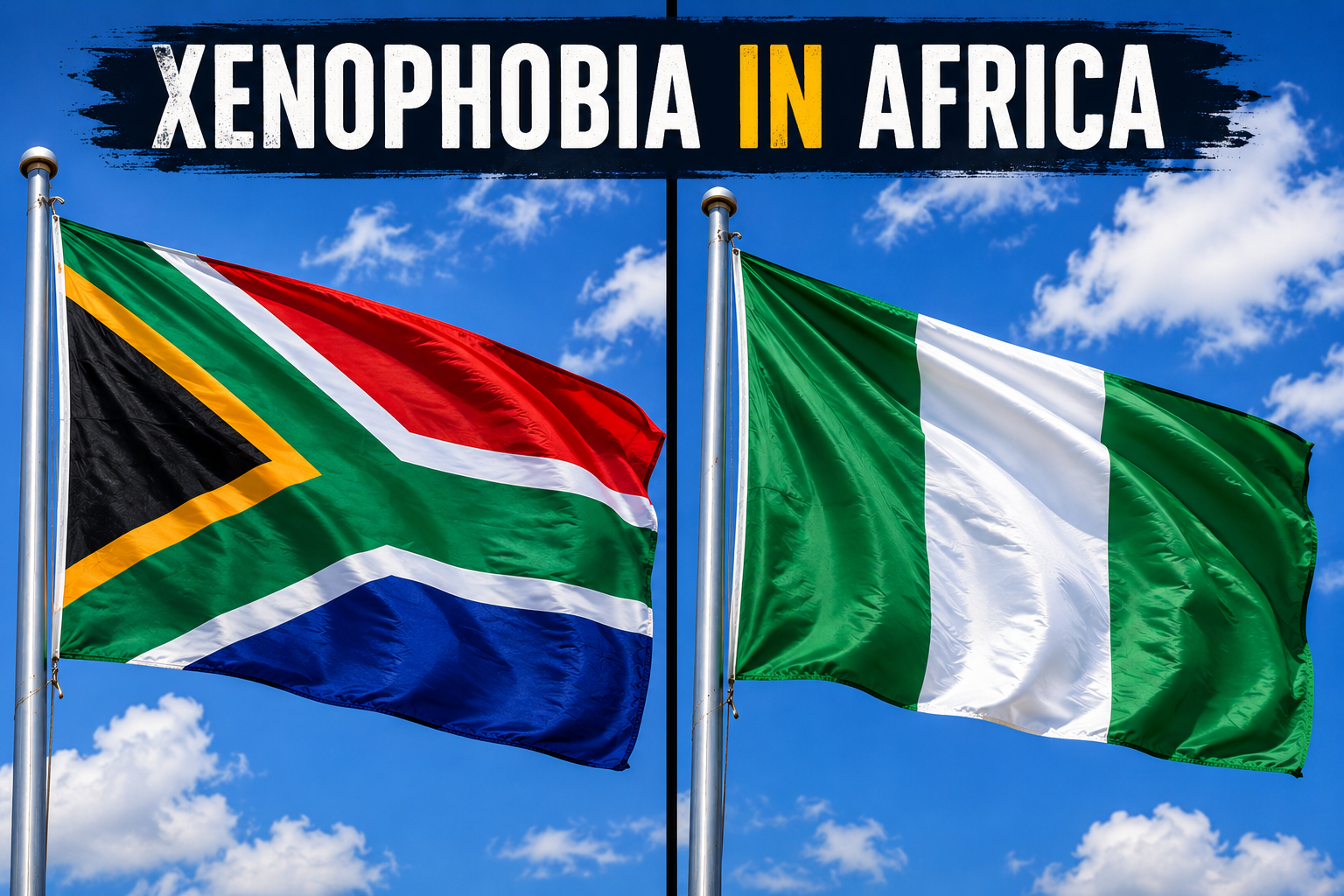
When History Refuses to Heal: Why Many Nigerians Are Rejecting Tyla's Lagos Concert The announcement of South African singer Tyla's tour has sparked mixed reactions online, especially after Lagos appeared on the list of proposed tour stops. While many music lovers are excited, others have expressed strong opposition, with some urging Nigerian authorities not to grant a visa or allow the concert to take place. But this isn't really about Tyla. For many Nigerians, it is about memory. Over the years, xenophobic attacks in South Africa have left painful scars. Nigerian-owned businesses were looted, people were assaulted, and lives were lost. Although the violence was carried out by groups of individuals rather than every South African, many Nigerians still feel that justice was never fully served and that the fear and trauma have not disappeared. That history explains why some people are now saying they will not buy tickets if the concert happens in Lagos. To them, supporting the event feels difficult while the wounds of the past remain fresh. A popular Nigerian actor and reality TV star “Pere Egbai” made a post on July 28 2026 "Nigerian @nigimmigration we are collectively imploring you to intentionally deny Tyla and her team visas as well. They can't do this to our own and we welcome their own. Madness must match madness.” At the same time, others argue that artists should not be held responsible for political or social problems they did not create. They believe music has the power to unite people across borders rather than deepen existing divisions. The conversation raises an important question: Can entertainment move forward when unresolved pain still exists? Whether one agrees with the boycott or not, one thing is clear: the discussion is bigger than a concert. It is about justice, accountability, healing, and the hope that Africans can one day stand together without fear or prejudice. What do you think? Should music rise above politics and past conflicts, or should history influence how we support i nternational events?