 @ChrissCrypto
edited
@ChrissCrypto
edited
History of Currency - Part 1/2
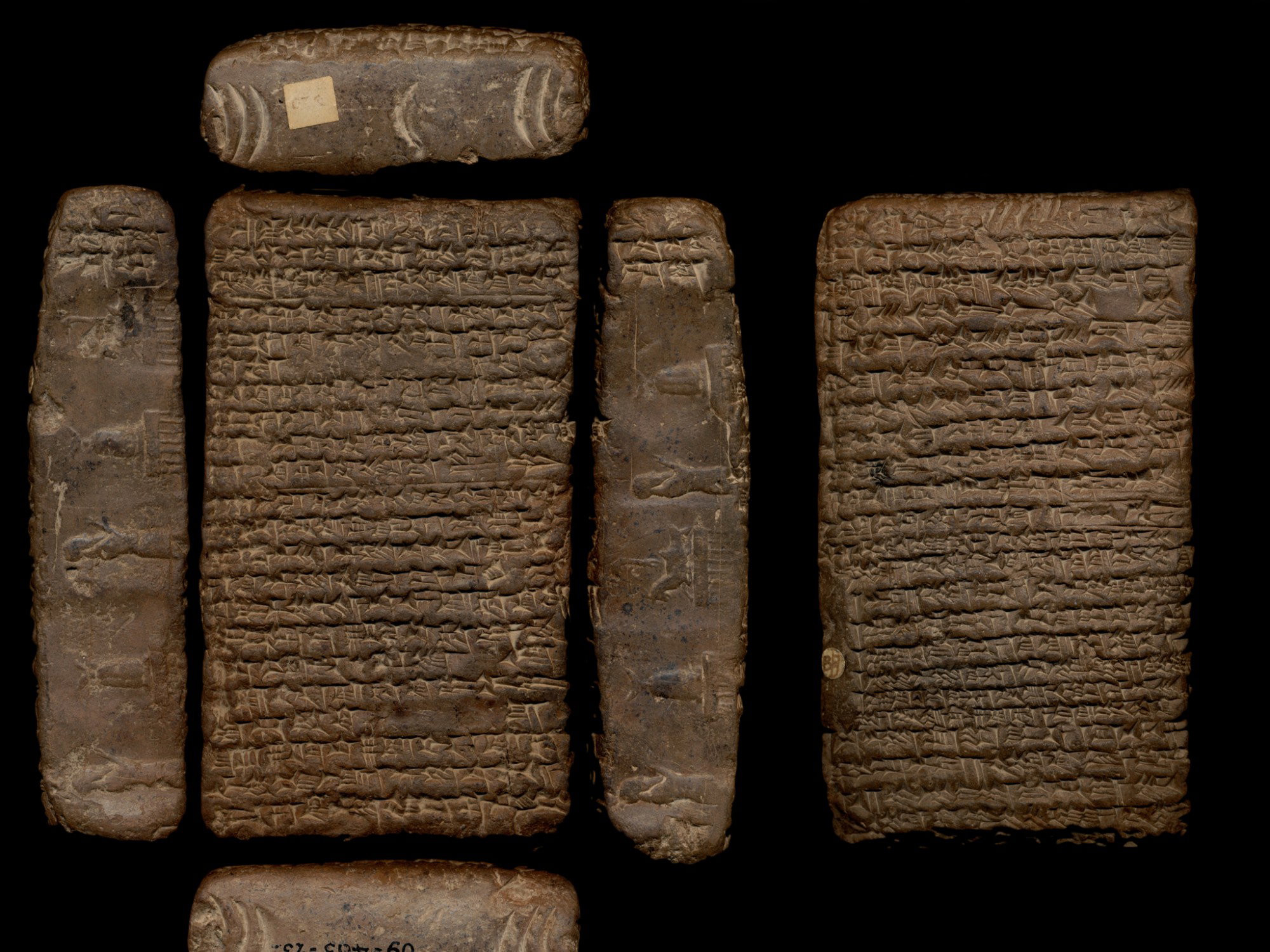
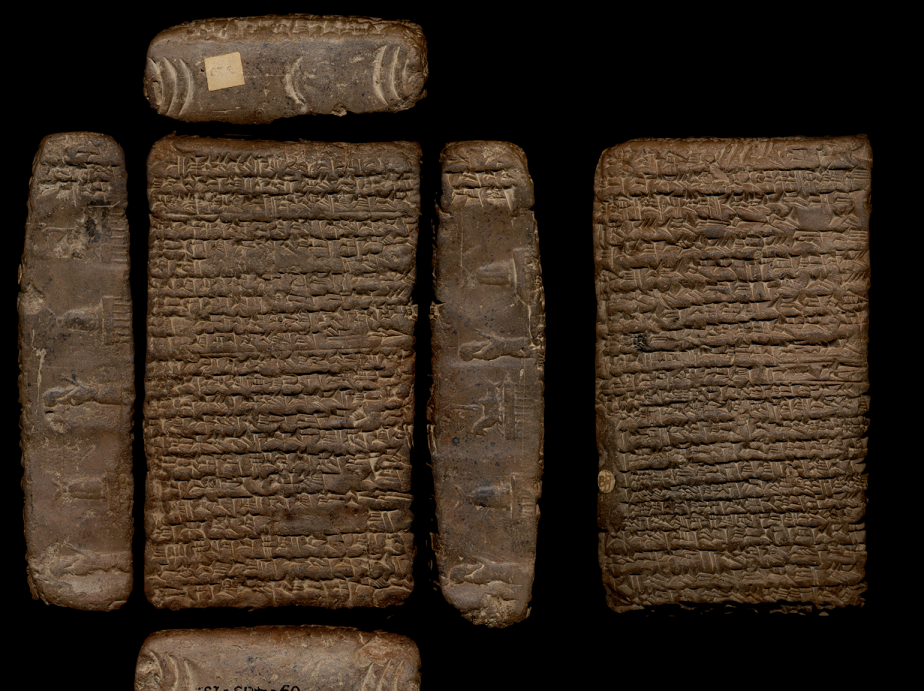
**History of Currency - Part 1/2** Find the Introduction **HERE** https://read.cash/@ChrissCrypto/history-of-currency-intro-e0c9cbe0 The very **first form of exchange was Barter**: When we go back to the very **beginning of this history**, the majority of **exchanges were made with Livestock** (*a great sign of wealth at the time*). It is also from this time that we find some words that we still use today: "**Pecus**": which means '***Herd***' in Latin, which is probably the **etymology of the word "Pecuniary"**. ***Herd in Sanskrit is called 'Ropa'*** which gives us ***the word "Rupee"***. "**Caput**": which means '***Head***' in Latin, which would be the **origin of the word "Capital"**. But quickly this **method of Barter poses various problems**. How to conclude an exchange when the **Livestock cannot be split or fractionated**? Or if one of the two parties were not interested or dissatisfied with the objects of the exchange. Therefore, **transactions require long negotiations**, **as each party had to agree on the value of his property**. An '**Intermediary**' had to be set up. *It will be necessary to wait a few thousand years to use Precious and Rare Metals as Currency*. The basis of **the Barter is the exchange of Goods and Services**, here is what could be used for the Barter (according to the periods or the regions of the Old World): **Natural Materials** ***Stones (more or less precious)*** ***Salt (Origin of the word 'Salary', Salt was paid to the Roman legionaries as remuneration)*** ***Amber, Jade .*** ***Small metal ingots (more or less precious)*** **Products of Agriculture, Harvest and Breeding** ***Livestock (mainly Beef, as this animal was the first form of wealth)*** ***Seeds (wheat, cocoa, pepper, rice, tea, fur ...)*** **Products from the craft industry** ***Pagne*** ***Glasswork*** ***Knives, axes, choppers ...*** ***Shells (Cauri → One of the longest used means of exchange and payment in terms of 'Currency', Cauris will be used until the 20th Century).*** ***Fabric Blends*** ***Rings*** ***Hammered Iron …*** **The origin of the Currency remains inseparable from Social and Ritual Exchanges.** Let's look back *over the first 7,000 years*: ***- 8500***: **Appearance of Agriculture and Breeding**. ***- 3500***: **Invention of the Wheel**, accompanied by the development of means of transport of Goods, but **also discovery of the centrifugal force** for the craft industry and especially the Mills. ***- 3300***: **Appearance of Credit and Writing** (account entry), destined for accounting. **Agriculture and Breeding create surplus**, which **must be stored and can then be exchanged for other economic actors**. It is also at this time that **the first Centralized Political Institutions appear**. ***- 3000***: Appearance of **the first large Cities**, accelerating **sedentarization**, the **development of land cultivation** and the **improvement of agricultural techniques**. These cities generally had **50,000 inhabitants**. They allowed the **division of labor**: ***Handicrafts in the cities*** and ***Agriculture outside***. This was *the first great upheaval in economic, social and political relations*.
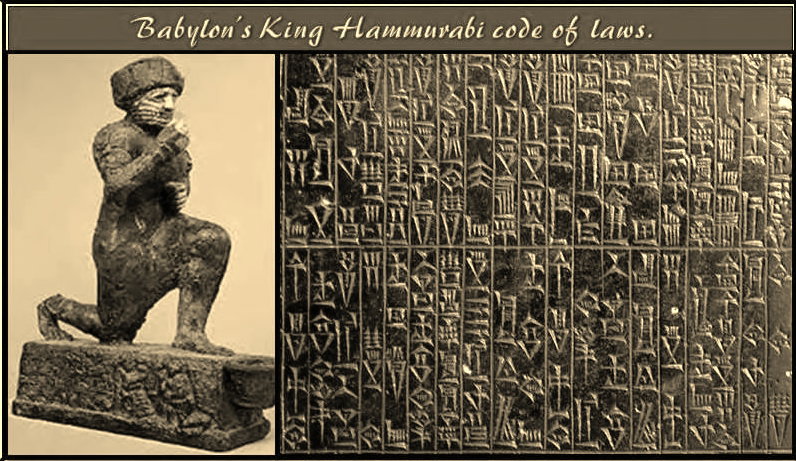
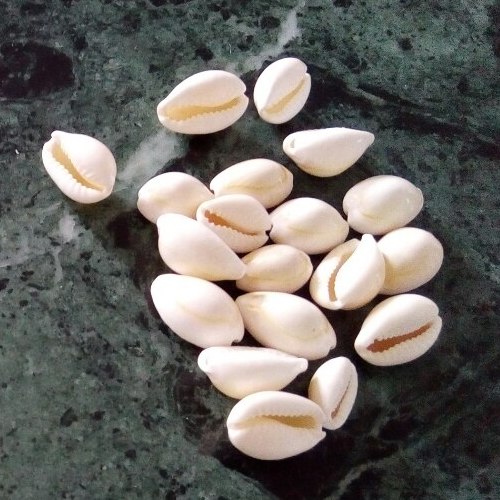
- 1700: The **King of Babylon**, **Hammurabi** establishes **282 Laws**: which gives rise to the first "***Civil and Commercial Rights***". Applicable only in Babylon and were adapted to the way of life of the Babylonians. *These Laws then served as a model for the Scribes*, *and were copied for nearly 1000 years*. **Babylon had also managed to develop a relatively sophisticated banking system**, similar to our present banks, but without having a monopoly. It is also they who are at the origin of the **creation of Compound Interest (2000 - 1600 BC)**, ***Interest on Interest***: The interest of each period (Days, Weeks, Months, Years) is added to the Capital base to increase it gradually, this will bring a new interest. This is the opposite of Simple Interest, where the interest is not reinvested. *Compound Interest is a long-term perspective*. This form of Interest is ***still used 4000 years later*** and is especially applied to ***Cryptocurrencies***. **In 1300 B.C.**, the **first form of Currency appeared**, **suitable for a large number of people and merchants**. The '**Cauri**', this **small shell** has the fundamental characteristics of a Currency: ***Solidity*** ***Manoeuvrability*** ***Severability.*** **Cauri is a tangible sign of prosperity and growth**. Because of its manoeuvrability, it is **easy to transport**. It quickly becomes a reliable alternative to the means of barter used in the same period: ***Food is perishable*** ***Feathers can be attacked by Vermin*** The **'Cauris' kept their status of 'Currency' until the 20th Century**.
**In the 7th - 5th Century B.C.**, the **first Private Banks**, the ***House of*** ***Egibi*** and the **House of** ***Murashu*** (two **Babylonian families** with considerable fortunes), make their appearance. ***These lent loans at interest to all people whose needs were justified***. **This first period in the History of the Currency** sets up the **principle of Barter**, **exchanges**, allows the **development of cities**, **social activities**, **Politics** and **Banks**. **The following period** accentuates the development of the **Currency and the Minting** of it. The first **Crises**, **Wars**, **Corruptions**, **Monetary Manipulations**, but also **new innovations** which open the door to **exchanges between countries and continents**. It's the **birth of Globalization**. ***The success of the Currency lies in the confidence that people have in this system and in the economy.*** To be continued... See you soon **Christophe WILHELM** **Bitcoin Meister** https://bitcoinmeister.eu/ **© Bitcoin Meister** Source pics : **Google** http://www.google.com/ Cover Pics : **Archive from House of Egibi** https://cdli.ucla.edu/cdlitablet/showcase
No comments yet