 @BettyBoop
Happy Happy Happy **May success knock on your door this year** **May all your joys multiply** **May you find joy and love and light** **In this new year 2021** https://www.youtube.com/watch?v=IfvtqCb08iU


Joined 5 August 2020 · 377 posts
You are always in your best years if you know how to live them.
120 KT
0 KT · $2.07 received · 0 KT · 21¢ given
@BettyBoop
Happy Happy Happy **May success knock on your door this year** **May all your joys multiply** **May you find joy and love and light** **In this new year 2021** https://www.youtube.com/watch?v=IfvtqCb08iU
@BettyBoop
Living is good, good living is even better. Life is like a piano ... White keys are for happy moments, and black are for sad ones. But remember all the keys together are needed to make the music complete ... │▌▌▌│▌▌│▌▌▌│▌▌│▌▌▌│▌▌│▌▌▌│▌▌│▌▌▌│▌▌│▌▌▌│▌▌│▌ https://www.youtube.com/watch?v=GVbCrWTpB80&list=RDsd50Qk-oSCU&index=14
 @BettyBoop
Keep going - better, stronger and smarter. Will 2021 be better? Or will it be a sequel to 2020? I do not know. But this year we’ve really learned that there are things we can’t possibly predict or influence. So it would be foolish to plan and make New Year’s resolutions. But… I think 2020 was a good opportunity for one big reset, a return to factory settings. I think we got a really good opportunity to start over and turn the page. The world has stopped and will start again sooner or later, and when that happens… We have the opportunity to decide for ourselves which direction to take. And while we wait for that moment, we can prepare new foundations, write a new script, choose a new mantra. We can decide to accept more. Both others and myself. Especially myself. So I'm sorry. You don’t have to hang out or keep in touch with people who have hurt you, but forgive me. Be a better man and move on with an easier step. **Keep going - better, stronger and smarter.** **And remember the following:** **It will pass.** **And the crown.** **And earthquakes.** **And this impossible year.** N.H


 @BettyBoop
How chewing gum is made. Several thousand years ago, people chewed chewing gum in its natural form. Today, chewing gum is unavoidable at all times, most often for the sake of refreshing the breath. The chewing gum variation has been used by ancient civilizations and cultures around the world. It is believed that the earliest evidence of chewing from the mosque dates back to the Neolithic period. People have used it for pleasure, healing properties or to fight hunger, thirst and bad breath, as evidenced by various documents. Thus, for example, the ancient Greeks enjoyed chewing resin from a reed tree, the Aztecs in chicory (milk resin of the evergreen tree sapodile) which is still used today in making chewing gum and other products, while various other civilizations used substances made from different types of plants and resins. In addition to the ancient Greeks and Mayans, chewing gum can be traced to various civilizations around the world, including Eskimos, South Americans, Chinese, and Indians from South Asia. The modernization and commercialization of this product mainly took place in the United States. American Indians chewed resins made from spruce juice. In 1848, American John B. Curtis picked up this practice and made and sold the first commercial rubber tire called the State of Maine Pure Spruce Gum. https://www.youtube.com/watch?v=wmup_9IXpP0 Two years later, Curtis began selling flavored paraffin gums, which became more popular than spruce gum. Although John B. Curtis is reputed to be the modern inventor of chewing gum, after him, Thomas Adams realized that chewing gum, made from natural latex, lasts longer and tastes better. Adams improved Curtis' invention and in 1871 patented a machine for producing chewing gum. By 1888, Adams' chewing gum, known as Tutti Frutti, had become the first chewing gum to be sold in vending machines. Since then, many types and flavors of chewing gum have changed. The first chewing gum, for making bubbles, was introduced in 1933. The first sugar-free chewing gum appeared in the 1940s and today, this type of chewing gum makes up 10 percent of total sales. https://www.youtube.com/watch?v=Fd5N9JUffxM Chewing gums are produced from gum bases, sweeteners, softeners and thickeners, flavorings, colorants and preservatives. The chewing gum production process begins with melting and purifying the gum base. The molten base is poured into a stirrer, and all the ingredients are mixed slowly. The resulting mass has the shape of a "large loaf", which then passes through rollers that roll the mass into thin, wide strips. After each rolling, the mass becomes thinner. After rolling, the chewing gums are cut into the shape provided for each chewing gum. The sliced chewing gum is transferred to the space where it is cooled. When they cool, the chewing gums break into pieces. The pieces are sent to the dryer, where a crunchy wrapper forms around the center of the chewing gum. Pieces of chewing gum bounce in the drum, in which they are sprayed with a mixture of filtered water syrup, sweetener and colorant. With this combination of throwing and spraying, a crust is created around the soft part of the chewing gum.



+2 more
@BettyBoop
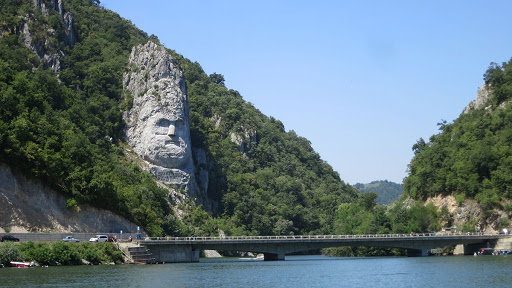
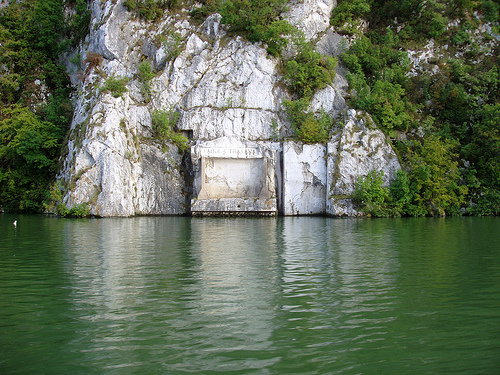
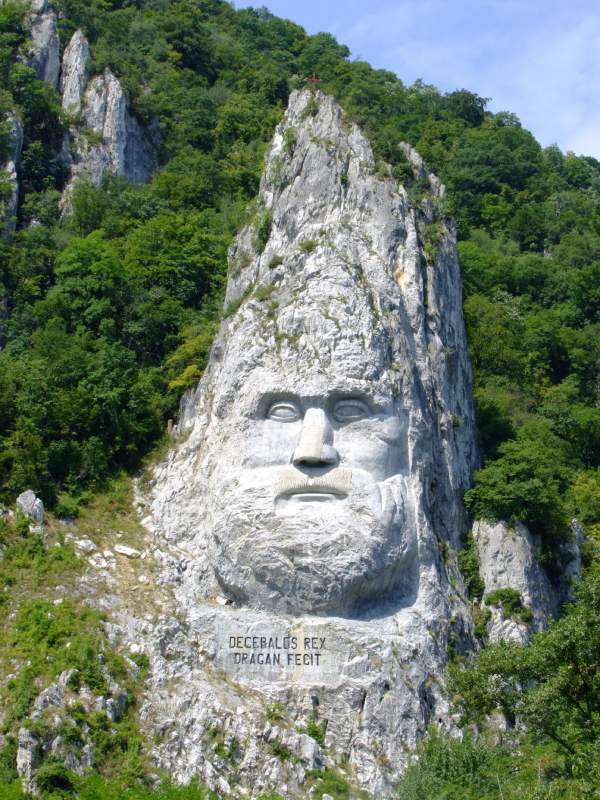
King Decebal: Guardian of the Iron Gate of the Danube Decebal was the last Dacian king to be surrounded by Trajan's troops in his capital, Sarmizegetusi, where he committed suicide in 106. It was also the end of Trajan's great Roman campaign on Dacia, which was prepared for a long time by building a complete infrastructure on the Serbian, right bank of the Danube (road, bridge, fortifications). Decebal or Diurfaneus, whose name translates as "the power of the Dacians", ruled Dacia from 87 to 106. He managed to unite the conflicting tribes and the scattered people across the expanses of today's Romania. To the Romans, Dacia was most interesting because of the gold mines. https://www.youtube.com/watch?v=aRP0fh1IrPw An order was supposedly found in the nearby locality of Diana, with which Trajan supposedly decorated General Maximus when he brought him Decebalus' head and right hand as proof that Dacia had been conquered. Maximus kicked his head down the stairs and triumphantly exclaimed that this was how the enemies of Rome passed. Due to his long-lasting fight against the enemy, Decebal gained the status of a hero among today's inhabitants of Romania. His figure was symbolically carved just across from Trajan's board on the Serbian side, in order to defy this Roman emperor forever. "The Danube is like the sea that the gods created for themselves", "We have the most beautiful kilometers of the Danube in Serbia", are just some of the statements with which everyone who is fascinated by this landscape agrees. Of particular interest is the flow of the Danube through our largest national park, the Djerdap Geopark, which covers an area of 1,330 square kilometers, encompassing extraordinary sites and phenomena of a geological nature. https://www.youtube.com/watch?v=_TiHfYWhDmo Near Trajan's tablet, on the Romanian side of the Danube, a huge stone sculpture 40 meters high rises above Djerdap: The face of the king Decebalus carved into the rock. Many, less informed passers-by, would at first think that the sculpture dates back to ancient times, and in fact it was completed in 2004, after 10 years of work by 12 stonemason-climbers. First, a high cliff had to be cleared of trees, which can only be reached by boat. The workers lived on the ship and worked in two shifts, with the help of pneumatic hammers and a lot of dynamite. It is believed that a million and a half dollars were invested in the statue. https://www.youtube.com/watch?v=jQgepd-jpd0 Decebal's sculpture is the largest carved sculpture in Europe. Decebal's eye is 4.3 meters long, and his nose is seven meters long and four meters wide. It is only 6 m lower than the New York Statue of Liberty. Welcome to Serbia
 @BettyBoop
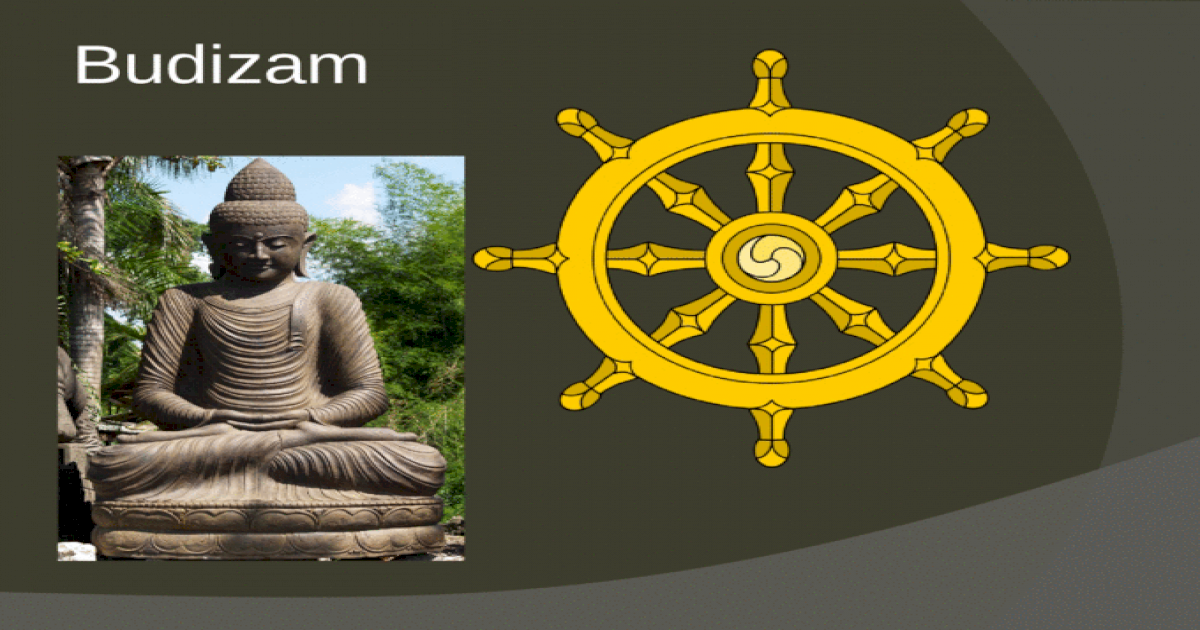
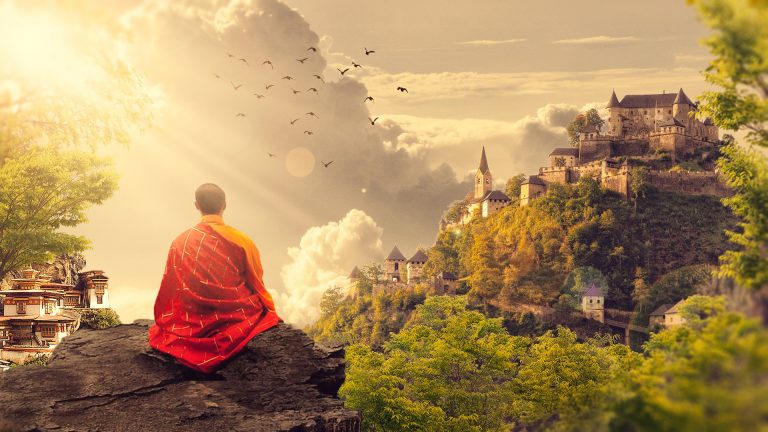
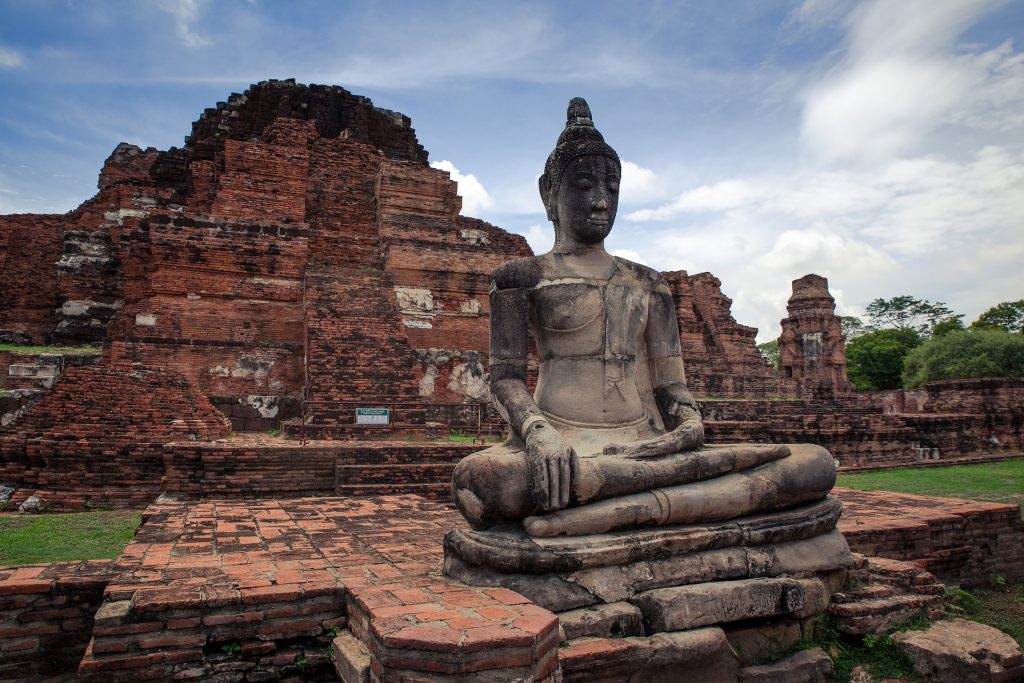
Buddhism - the religion of sense. First and foremost, Buddhism is not exactly a religion in the true sense of the word, nor does it have a God or gods in which it believes. Unlike all other religions that place man at the center on the surface of God and essentially put man, Buddhism openly puts man at the center. Buddhism (Buddha Śãsana - Buddha's teaching) is a philosophy and non-theistic religion that originated in northern India in the 6th century BC. n. e. The founder of Buddhism is Gatama Buddha (560-480 BC). The term "Buddha" means "enlightened." https://www.youtube.com/watch?v=bJpmBMFn6ao&feature=emb_logo Sidarata Gautama was, according to tradition, a prince, born in the north of India 2500 years ago. He lived carefree and discovered late that there was suffering. He turned his back on the palace and devoted himself to asceticism. But even that did not help to overcome the suffering. He found a middle way to reconcile mind and body. After enlightenment, he had many students who, after his death, orally spread the teachings. Written testimonies were written only hundreds of years later. The teachings of Gautama Buddha spread from Asia from the middle of the first millennium BC onwards, and due to its specific nature it often integrated with other religions, as happened in China with the local folk religion or in Japan with Shinto. Today, Buddhists live in all countries of the world. Buddhism is a religion born of Indian soil, but today it covers very much a small part of India. However, Buddhism is a very developed religion in: Indochina, Tibet, Mongolia, China, Korea and Japan. https://www.youtube.com/watch?v=zerG3watL0k&feature=emb_logo The main content of the teaching consists of the "four noble truths" about suffering, the origin of suffering, the cessation of suffering and liberation from suffering. Life is suffering, the cause of suffering is desire and ignorance, which with constant restlessness, as the principle of causality, determine the destiny of every human being and create an uninterrupted circle of birth and death, that is, reincarnations, which are again suffering. One can get rid of it by attaining nirvāṇa, i.e. by distraction from everything that binds to life. Such a state is achieved by following the noble "Eightfold Path" which consists of correct understanding, correct intention, speech, action, living, endeavor (correct direction of energy, awareness (meditation) and concentration (focus). According to the Buddhist understanding, meditation represents activity in which man seeks to transcend discursive thinking, to destroy or prevent unfavorable mental states, and conceive or establish favorable mental states. The essence of Buddhist meditation is in the concentration of attention and awareness, attentiveness and observation. In Buddhism, compassion and wisdom go hand in hand. Regular meditation helps Buddhists get rid of bad thoughts and open their minds. Compassion is one of the most important qualities because it helps a person to better understand others and to help them. Because if we do good to others and get rid of all the disturbing emotions like anger, jealousy and pride, the good will come back to us as well. *****Uvod u budizam Geše Kelsang Gjatso https://sr.wikipedia.org https://sr.wikipedia.org/wiki/%D0%91%D1%83%D0%B4%D0%B8%D0%B7%D0%B0%D0%BC
+2 more
@BettyBoop
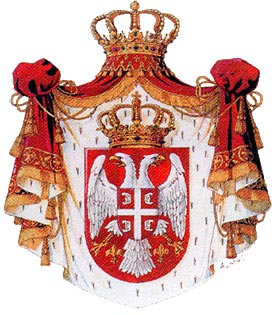
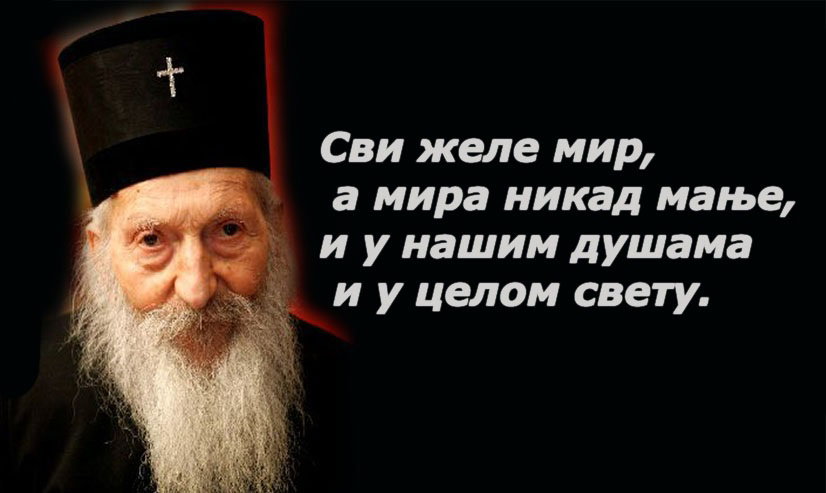
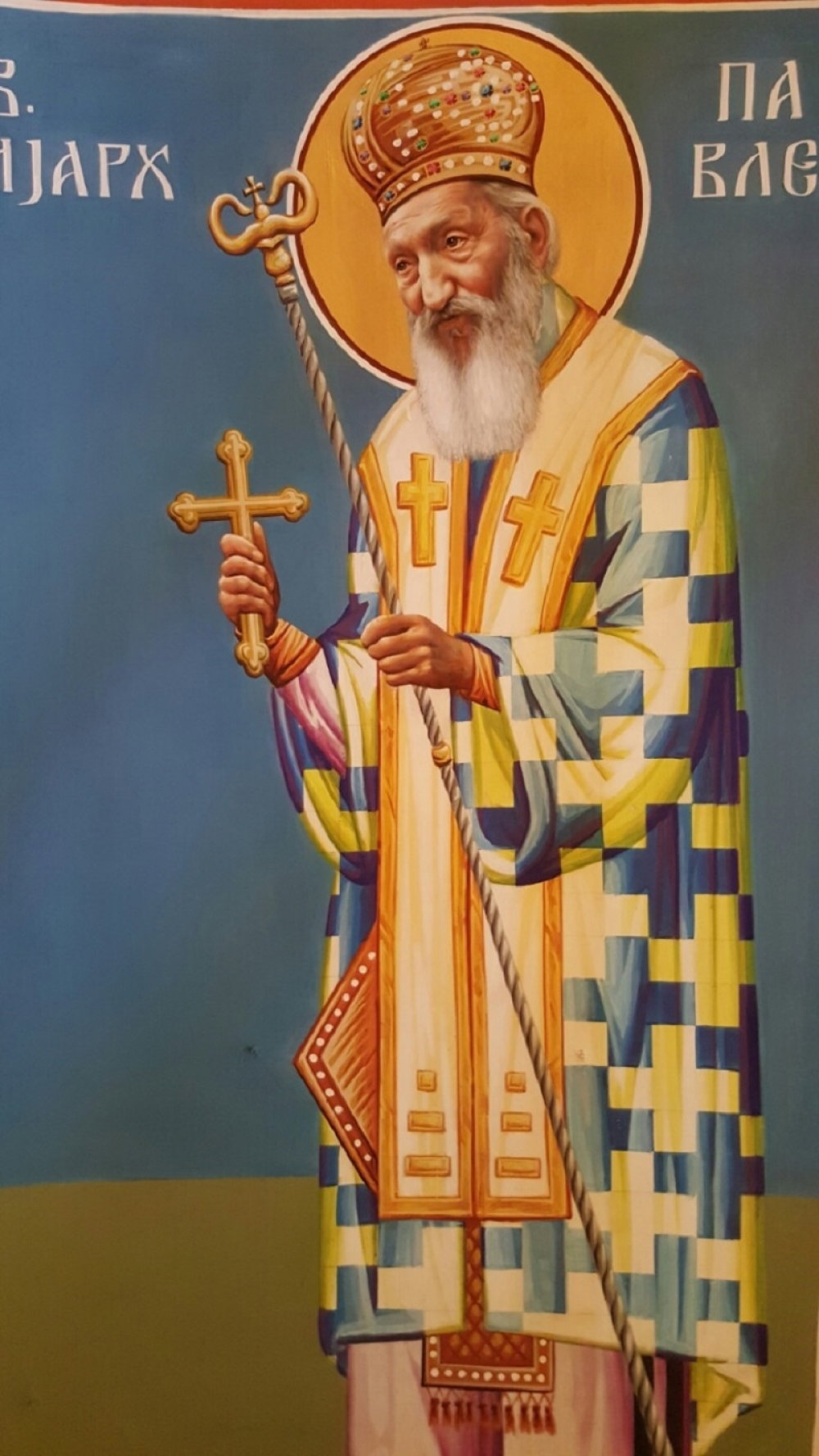
"There is no man without sin, and without good works." Patriarch Pavle. Gojko Stojčević, in the monastery of Pavle, the later Serbian patriarch, was born in Kućanci, a village near Donji Miholjac in Slavonia, on September 11, 1914, at the height of the First World War, in which the people to whom he belonged were attacked by the country in which he was born ( Austro-Hungary). He lost his parents early. Already at the age of three, his aunt took care of him and his brother, who was three years younger. His father contracted tuberculosis at work in America, returned home and died soon after, and Gojko's mother died shortly afterwards. He also lost his brother in World War II. `Everyone wants peace, and peace never less, both in our souls and in the whole world.` He finished high school in Belgrade, the sixth grade seminary in Sarajevo, and the Faculty of Theology in Belgrade. He was first in the monastery of the Holy Trinity in Ovčar, and then a religious teacher for refugee children in Banja Koviljača. At that time, he became seriously ill "in the lungs" and the doctors believed that he had tuberculosis, predicting another three months of life. He spent some time in the monastery of Vujan, where he was healed and as a sign of gratitude he carved and donated a wooden cross to the monastery. He was elected patriarch of the Serbian Orthodox Church on December 1, 1990. The next day, December 2, he was enthroned in the Cathedral Church in Belgrade. The ceremony was performed by 12 bishops, 12 priests and 13 deacons. The election was made during the lifetime of the previous patriarch, German, due to his long-term serious illness at the suggestion of the Medical Council of the Military Medical Academy, which was confirmed by expert findings. Pavle name was on the list of candidates in the ninth round of voting. Bishop Sava of Šumadija and Bishop Stefan of Žička received a sufficient number of votes to enter the list of candidates in the first round, and only in the ninth round did Bishop Pavle of Raska and Prizren pass the "census". After that, according to the apostolic way of choosing, the envelopes with the names of the three candidates were placed on the Gospel, the Archimandrite of Tronoška Antonija Đurđević shuffled them and then pulled out the envelope with the name of the patriarch. The oldest dignitary present,Metropolitan Vladislav of Sarajevo, opened the envelope and read the name. Metropolitan Vladislav was the patriarch's school friend from the seminary in Sarajevo, and Archimandrite Antonija, together with him, was a brother of the Rača monastery. The new 44th Patriarch of the Serbian Orthodox Church then said: **"My strength is weak, you all know that. I do not hope in them. I hope for your help, I say and repeat, for the help of God with which He has kept me so far. May it be to God's glory and for the benefit of His church and to our afflicted people in these difficult times. We have no program of patriarchal activity, our program is the Gospel of Christ. "** Every morning, unless he went to another church, he served the liturgy in the Patriarchate and received communion, and every evening he was at the evening service in the Cathedral together with the other priests at the choir. He always carried the Holy Scriptures and a prayer book with him. He went around Belgrade by public transport or on foot. He lived an ascetic life, sewed and mended clothes and shoes himself, and performed other master jobs in the Patriarchate. On Savindan in 1997, he led a procession in Belgrade that passed through the police cordon in Kolarčeva Street. That was during the demonstrations after the local elections in November 1996. While he was a patriarch, he did not receive a patriarchal salary, but only a pension from the period when he was the bishop of Raska and Prizren. From November 13, 2007, Patriarch Pavle was treated at the Military Medical Academy in Belgrade, and on October 8, 2008, he submitted a request to the Holy Synod of Bishops of the Serbian Orthodox Church to allow him to retire from active service "due to health reasons and incapacity." The request of Patriarch Pavle at the SOC Parliament on November 11, 2008 was not adopted. He spoke Greek, Russian and German. Serbian Patriarch Mr. Pavle passed away in Belgrade at the Military Medical Academy after a long illness, on Sunday, November 15, 2009, around 10:45 AM. Early that morning, he was given communion by the hieromonk Methodius, and the patriarch later died in his sleep. https://www.youtube.com/watch?v=ghpYT0Q8RJk Many called Patriarch Pavle a "living saint", especially in the last 20 years since he was on the throne of Serbian patriarchs. He received this epithet because of his way of life, but perhaps more than that, because at the end of the 20th and the beginning of the 21st century, he was one of the rare consolations to the Serbian people. **Patriarch Pavle was and remains a modest HERO of Serbia.** "You, my children, do not know what hunger means and how many children around the world are hungry, and we throw bread at the table and in containers. To some, they represent life and hope, and we give them up so easily. Remember every time hungry children all over Africa and the world when you see crumbs by the table." "If everyone clung to love, this country would be a paradise. But if everyone adhered to at least what is a little less than love - because love is the bond of perfection - if only they adhered to the principle “what you want for yourself, do for others; what you don't want for yourself, you don't do for others ", then the earth, if it didn't become a paradise, would be close to paradise." Patriarch Pavle Literature and sources: Orthodoxy, Newspaper of the Serbian Patriarchate, Belgrade, 2007. No. 962 sr. wikipedia.org/Patrijarh Pavle Jovan Janjić, Budimo ljudi - reč Patrijarha Pavla, Zograf, Niš, 2007. Website of the Serbian Orthodox Church
+4 more
@BettyBoop
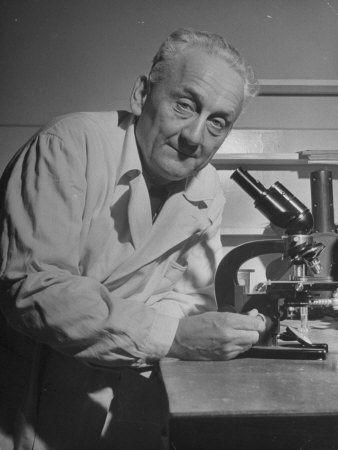
The Hungarian who discovered vitamin C "I have been studying mercury for more than sixty years systems and that convinced me, that our body is a lot more perfect than it imposes on us an endless list of diseases ... Problems that arise in the body originate to a much lesser extent than congenital anomalies, and more due to abuse of the organism itself. ” Albert Szent-Györgyi Albert Szent-Györgyi, a Hungarian physiologist and biochemist, is responsible for the discovery of vitamin C and its isolation. Born in Budapest on September 16, 1893. He began his education in his hometown, where he enrolled in medical studies, and graduated in 1917. He continued his education and training in Bratislava, and then in Prague, Berlin, Gonningen and Leiden, and finally received his doctorate in chemistry at Cambridge. A disease caused by an insufficient amount of vitamins C, in the body is called scurvy - one of the longest known diseases. It is caused by a lack of vitamin C in the diet, and it has been described since the 16th century. This disease was very dangerous (fatal) during wars and famines, especially in the ranks of sailors. There have been sailors who have noticed that on long voyages by sea, a diet that also contains fruit helps prevent the formation of scurvy. His research lasted as long as 20 years, and finally in 1927 he managed to isolate ascorbic acid. He found it, among other things, in peppers, which are rich in this vitamin, and are very popular as food in his native Hungary. The great discovery was followed by knowledge about many positive aspects of this molecule, especially about the role of vitamin C in collagen synthesis and the function of the immune system, and about its antioxidant activity. Strengthening the immune system is the most common reason for vitamin C supplementation. Vitamin C can increase the body's resistance to many diseases by supporting and stimulating the number and function of the immune defense system, white blood cells. That is why even as small children we know that when we get sick, we have to take vitamin C. The effect of vitamin C on the health of blood vessels is also known. Vitamin C is necessary for healthy blood vessels, because in its absence, the body's production of collagen is not enough. Collagen is important for the elasticity and resilience of vascular walls. In the absence of vitamin C, blood vessels become fragile and cause bleeding. Spontaneous bleeding gums is a typical syndrome. In 1937, he received the Nobel Prize in Medicine for his research on vitamin C. For the last two decades of his life, he has been researching cancerous diseases. He died at the age of 93 in Woodshoul.

+3 more
@BettyBoop
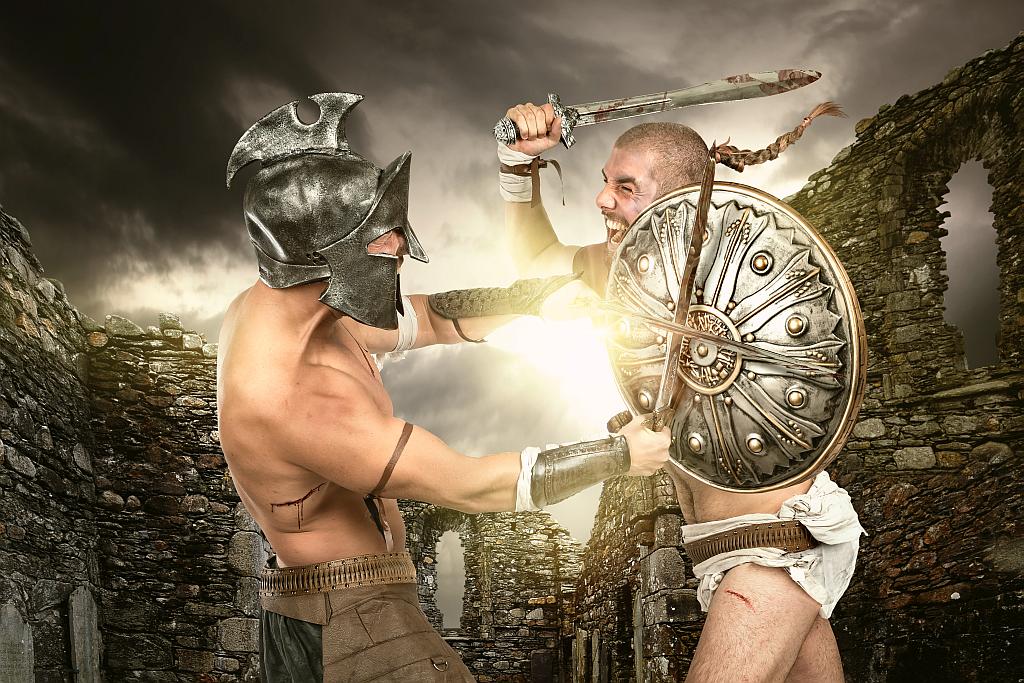
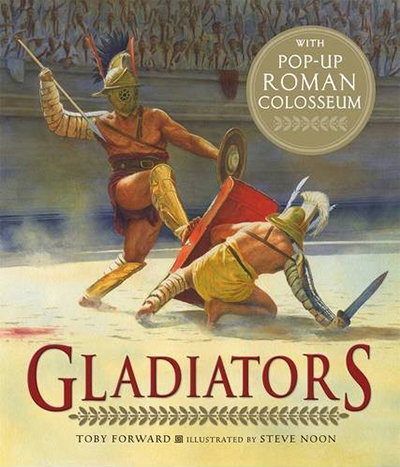
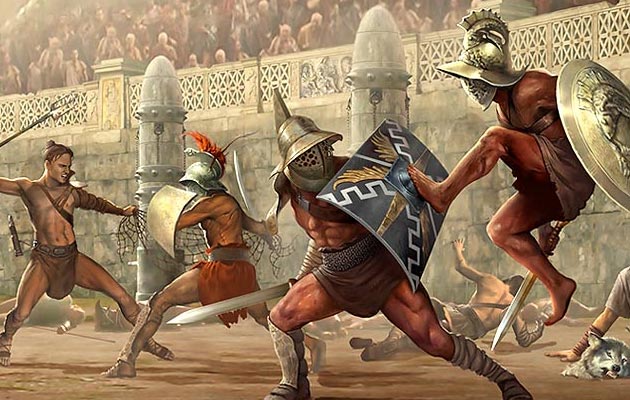
Gladiators in ancient Rome Rome, slave, amphitheater, Colosseum, arena, old age, wild animals, fighter, fight, weapons, imperial age, entertainment, custom. Of course, common to all this is the Gladiator. Gladiators were fighters in ancient Rome, and the word itself comes from the Latin "gladius" which meant a short Roman sword. Gladiator fights were introduced in Rome in the 3rd century BC as part of funeral ceremonies: when an aristocrat died, his family organized fights of slaves who fought to the death. Such "games" were a kind of substitute for human sacrifice, because it was believed that human blood cleansed the soul of the deceased. Roman emperors began to entertain the people with gladiator fights, first in the Forum and later in amphitheaters. The most famous is certainly the Roman Colosseum. Gladiators were in most cases slaves bought and prepared exclusively for gladiatorial fights When buying, great attention was paid to their strength, beauty and height (mostly chose men over 170 cm) Newly purchased slaves were brought in chains and under strict supervision to a gladiatorial school and had to take an oath pronouncing “Uri, vinciri, uerberari, ferroque, necari” (To be burned, bound, beaten and die of steel) Often successful gladiators served as lovers to wealthy Roman men and women Education took place in four imperial schools: Ludus Magnus, Gallicus, Dacias and Matutius (school for venatores - fighters against animals) Schools had dormitories, kitchens, and dining rooms as the most important part of the training arena It was trained using blunt weapons to avoid injury Teachers showed with wooden swords how to inflict an injury that will effectively incapacitate the enemy while entertaining the audience. For the best fighters, there were special trainers and even masseurs to keep them in top condition. Among the gladiator readers were doctores, ie former gladiators who could best show how to use certain weapons or armor. Most gladiators were originally slaves who committed grave crimes. However, from the 1st century BC. e. the struggles attracted free people as well, because they promised them money and fame. Among them were former soldiers, but also nobles eager for excitement. Even a few Roman emperors took part in gladiatorial battles, in strictly controlled conditions and with blunt knives, and the most famous among them is the infamous Caligula. https://www.youtube.com/watch?v=LW0Yw_y3iLM Throughout the Roman Empire, gladiators did not always fight to the death, more precisely, gladiatorial games evolved. In the beginning, it was such fights, and later some kind of sports competition and public spectacle. At a time when there were even gladiatorial schools, a lot of money was invested in each warrior in order to surrender to death in the amphitheater. The rules were clear and strict - the opponent should have been wounded, but not killed. If the fight was long and exhausting, the fighters could even surrender. And if the inflamed audience wanted the death of the gladiator in those cases, the organizers of the fights usually spared the death of the gladiator because, otherwise, they would pay compensation to the owners of the gladiator schools, to which the gladiators belonged. The gladiatorial games were abolished in 404 by Emperor Honorius, who closed all ludus, ie schools for training gladiators.
+3 more
@BettyBoop
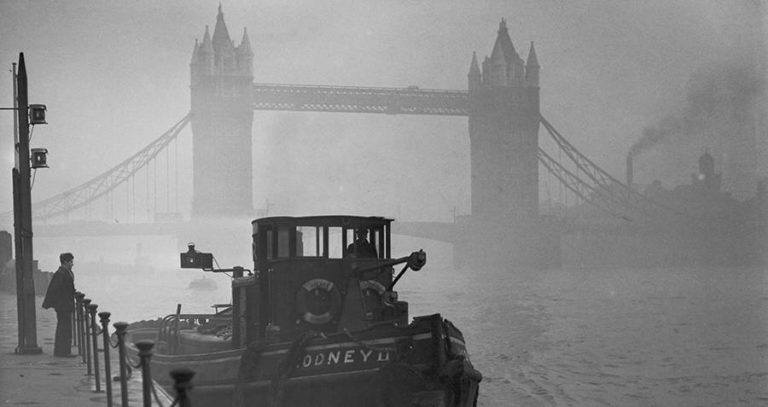
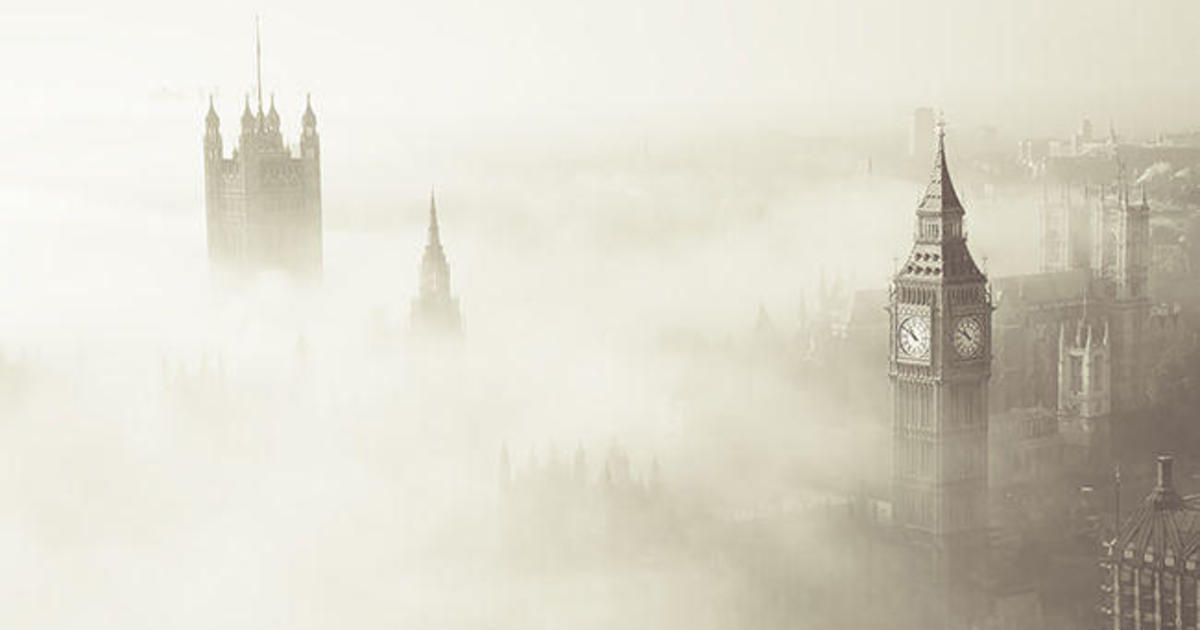
London’s Deadly Acid Smog Crisis of 1952 The "big smoke" killed 4,000 people in five days, and 150,000 residents had seriously endangered health and had to visit a doctor due to a respiratory tract infection. In the long run, 12,000 people died from the deadly fog, as did thousands of animals. https://www.youtube.com/watch?v=hN4GhEqtUJ0&feature=emb_logo In the proverbial foggy London, the situation that you often do not see "a finger in front of your eye", let alone something further, is a common occurrence. As a result, few were excited when a thick, opaque blanket landed on the British capital in 1952. The panic started only when people started dying from this phenomenon! It was December 5 when the fog quietly crept into the streets of London. The conditions - icy weather, anticyclone and practically no wind, were perfect for a thick and opaque envelope to cover the entire city. In early December 1952, London was hit by unusually cold weather and people became increasingly hot by burning large amounts of coal. Post-war coal, used in the UK, was of low quality and full of sulfur (similar to lignite), while higher quality coal (like anthracite) was usually exported to pay off World War II debts. Thus, by heating, the British created smoke with a large amount of sulfur dioxide. In addition, there was pollution and smoke from vehicles - especially from steam locomotives and diesel buses, which replaced the recently abandoned electric tram system. Other industrial and commercial sources have also contributed to air pollution. https://www.youtube.com/watch?v=Vkx-2mT1-q4 The fog lasted for four days. Although the London Underground continued to operate (because it travels underground), all other public transport, including ambulances, stopped. Concerts, film screenings and public gatherings were canceled, and smog entered the houses. Eyewitnesses later said that the fog was so thick that you could see only a meter in front of you and nothing more! As it came, so did the fog, on December 9, 1952. Sulphates were a key component in the London fog, which made the fog thick, unpleasant smelling and poisonous. It has always been assumed that the London fog was caused by sulfur dioxide emitted from low-quality coal from chimneys, industrial plants and power plants. Another key aspect of the conversion of sulfur dioxide to sulfate is the production of acid particles. The natural fog that descended contained larger particles of several tens of micrometers, while the acid that was formed was sufficiently diluted, so that the evaporation of these parts of the fog, and then the rest of the acidic parts of the fog, covered the city. But the English had never seen this kind of smog before, and then the worst followed. The most vulnerable residents - children, the elderly and the chronically ill, quickly became ill and died. Then they realized that the smog was toxic, but it was only later that the size of the smog was determined, which was also called the "big pea soup" because of its color, and it turned out that it contained poisonous sulfuric acid. **Well, now… If air pollution could have killed 12,000 people 67 years ago, imagine what it can do today!**
 @BettyBoop
Is There A Possibility That Telepathy Is Our Sixth Sense? It has happened to everyone at least once in their life that we think of someone and have a premonition that we will either meet that person or that they will contact us in one way or another, and when they call us, we hear that they were thinking about us. Or the famous feeling that we know when the message arrived from us without even looking at the phone. It can often happen that a certain person comes to our mind during the day, and that we are overwhelmed by some feeling related to that person at that moment, be it care, happiness, or something else. These emotions often come suddenly, and generally do not match our current state of mood. Those who do not believe in such phenomena will say that our brain is just playing with us, however, those who believe that we are closely connected with people from our environment believe that the transfer of thoughts and feelings is a possible phenomenon. The telepathic connection between two people is nothing short of a miracle. If the human brain is capable of doing such a thing, then imagine what could be achieved if people realized their powers and ignited their mental abilities for the greater good. The word telepathy comes from the Greek word tele = distance, distance; and pathe = feeling, and was introduced towards the end of the 19th century when a society for psychic research was founded at the English University of Cambridge. Telepathy is most simply described as receiving / sending thoughts or feelings from one person to another, without using one of the five senses; sight, sound, touch, taste or smell. It is more likely to happen between people who have an existing close relationship. Everyone is born with a telepathic gift, however, learning how to use this gift prevents many people from communicating in this way. Lack of awareness, skepticism and general social views are often the main factors that make people lock in this particular intuitive ability. In the end, even though telepathy is a possible and valid phenomenon, science currently cannot prove it with certainty, but there is certainly progress in this area. If we still rely on our inner feeling and believe that telepathy is possible and that we have experienced it, then it is certain that it exists. The concept of telepathy is currently on a par with other abilities known in parapsychology, such as: the ability to communicate with ghosts, reading thoughts, clairvoyance, etc.



+2 more
@BettyBoop
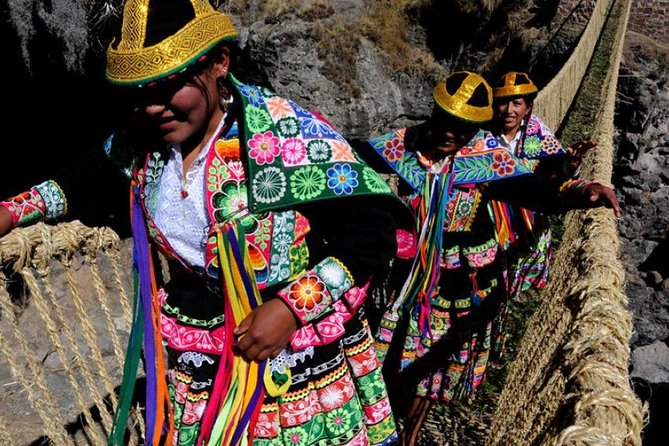
Bridge made of grass and built by hand at Q’eswachaka in Peru... In Inca times, there was a large network of roads called the "Royal Road" that connected their empire. However, due to its inaccessibility, a large number of places were connected by suspension bridges, made of plant fibers. "Q´eswachaka" is the only bridge that is being renovated from generation to generation to this day. This bridge is the only remaining example of a hand-woven bridge that has survived for centuries! It is called Q'eswachaka, and in translation it means Knitted Bridge ("Q'eswa" knitting, "Chaka" bridge). The Apurimak River is one of the tributaries of the mighty Amazon, and it springs on the Nevado Misimi mountain at an altitude of as much as 5,597 meters. It is about 690 kilometers long and breaks through the extremely steep cliffs of the Andes mountain range. And in one part of it, the Apurimak River is bridged by a fantastic suspension bridge, built with the traditional weaving technique used by the Inca civilization. This technique has been preserved by being passed down from generation to generation, and today there is only one village that still preserves this traditional technique! https://www.youtube.com/watch?v=eUiCZFzIDNM&feature=emb_logo Every year, residents of the surrounding villages of Cusco province gather to rebuild this bridge. They weave it from a type of grass called “Q'oya” and it grows in the environment, but it is not abundant. This activity lasts for a full 3 to 4 days and both young and old actively participate in it. Since the bridge is made of natural materials that decay over time, the tradition of knitting is repeated every year, so as not to collapse. On the first day, people from the communities go in search of a solid straw of natural fiber, which is called iću in the Quechua language. When they collected a sufficient amount of ichu, the women would weave straw to create ropes for the bridge, and the men would tie the ropes from one end to the other and fasten them. On the second day, the structure of the old bridge is removed, the stone wedges that hold the bridge are removed and four ropes are placed, which form the basis of the structure of the old bridge. On the third day, the villagers finish assembling the handrails and the surface of the bridge, where the villages will be connected. The communities are working together to connect the ropes from both ends. The builders leave the bridge in the old place, until they stretch new ropes along the gorges of Apurimak, then cut it and let it fall into the water. After the main ropes, which support the new bridge and form the floor, are fixed, and after the handrails are made, the main masters work on both ends of the bridge to weave it. A braided tread on the tread every few meters helps prevent the bridge from warping. https://www.youtube.com/watch?v=Yis-IdUnDv4 **This tradition was recognized by UNESCO a couple of years ago, and was placed under protection as intangible heritage.**


+3 more
@BettyBoop
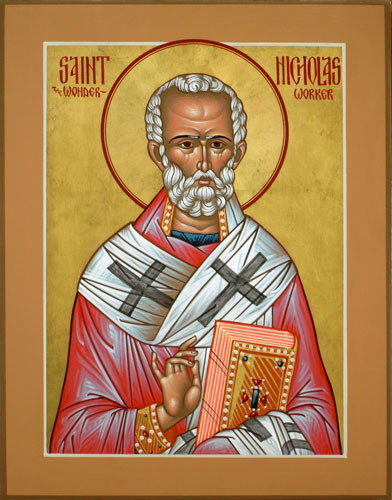
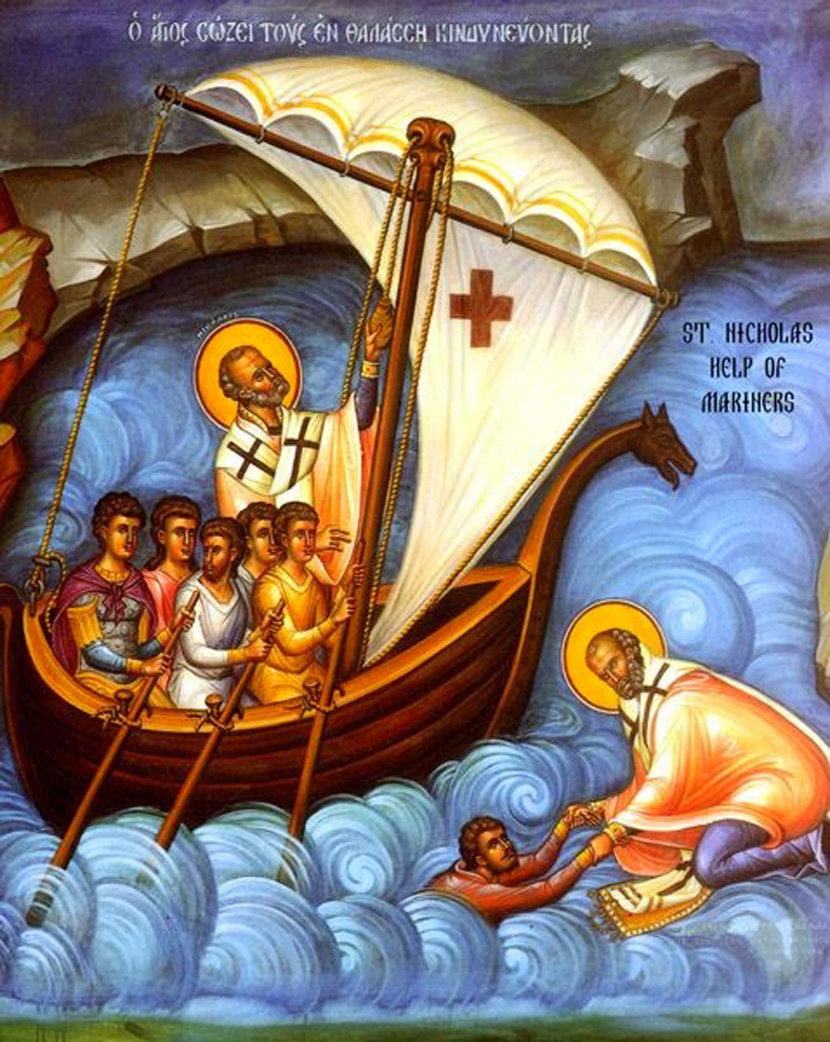
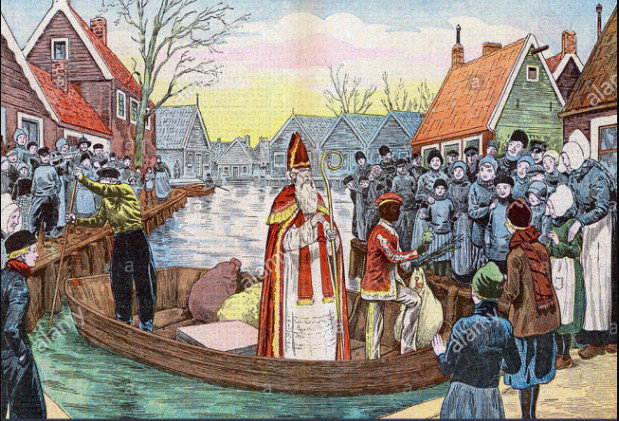
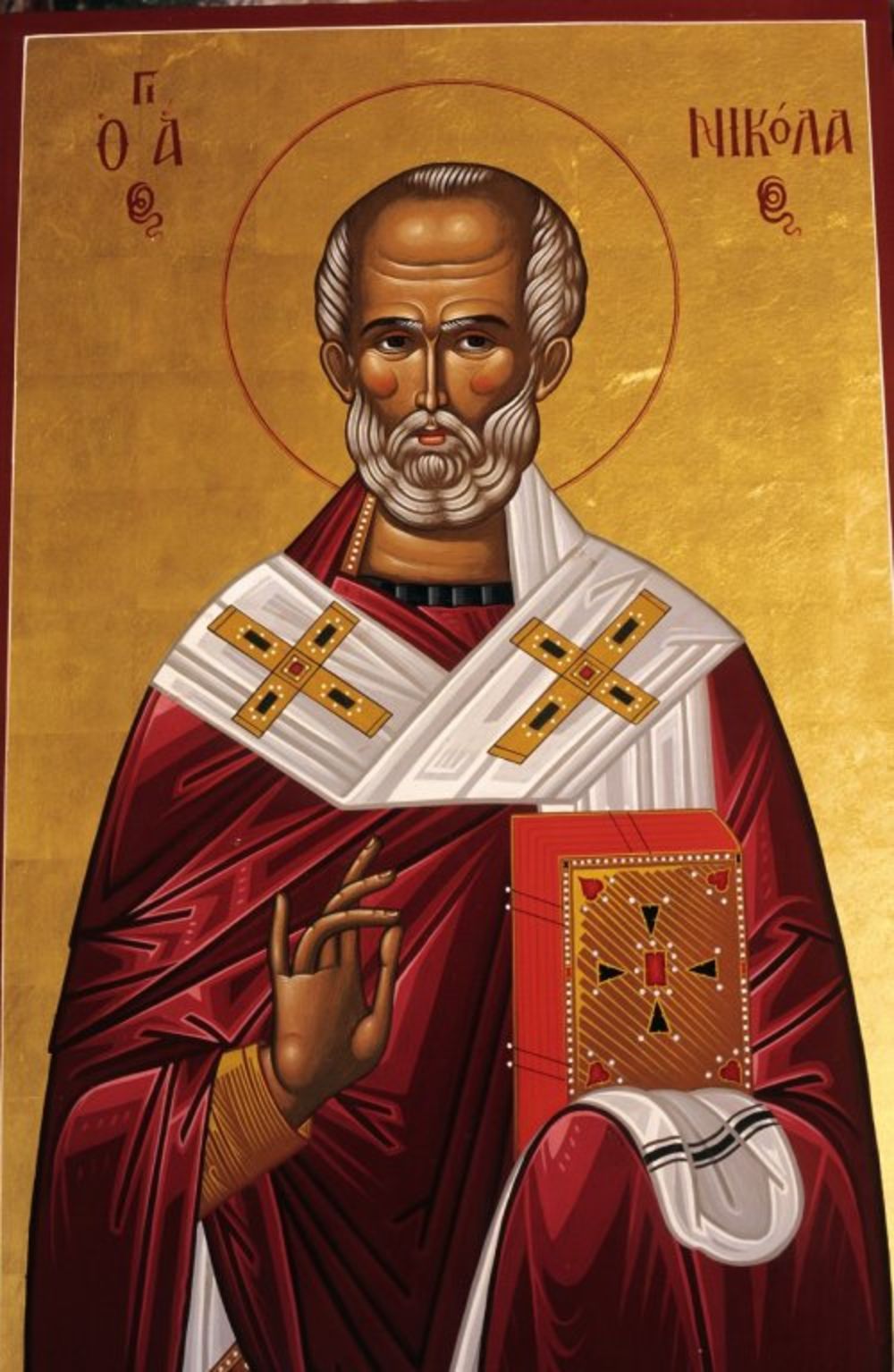
Saint Nicholas is most often celebrated by the Serbian people. In the tradition of the Serbian people, there are about 80 feasts, more precisely baptismal names, which are celebrated as baptismal feasts. Almost half of the Orthodox Serbs celebrate Saint Nicholas the Wonderworker - St. Nicholas. Saint Nicholas, a miracle worker, protector of the poor and sailors, children and students, is one of the most beloved Christian saints, and not only among Orthodox peoples. The Catholics celebrate this saint on December 6 (Nikolo), and the Orthodox celebrate it on December 19, which is celebrated by a large number of families every year, and which is the greatest celebration in the Serbian people. https://www.youtube.com/watch?v=3jLO6A2NpPU Saint Nicholas is a universal saint, which means that he is equally respected by the western and eastern worlds. Numerous temples in Greece, Bulgaria and Russia are dedicated to him, and great attention is paid to him in Britain, Italy, Germany, Spain and other countries. Born in the Asia Minor city of Patara, a port on the Mediterranean coast of today's Turkey, Saint Nicholas lived in the 4th century, long before the division of the Church into Orthodox and Catholic, in 1054. The rich Greeks, Theophanes and Nona had a son, Nicholas, during the reign of the Roman emperor Valerian (253-260), in a very unstable environment. After his parents died in a great epidemic, Nikola distributed the inherited wealth to the poor. Wanting to remain anonymous, he did not give money to people, but put it in their pockets, so that they would be surprised when they found it. Based on his numerous benefactions, the legend of Santa Claus, that is, Santa Claus, who leaves presents in children's socks on the eve of Christmas, was probably created. Today's Santa Claus, as an alleged copy of Saint Nicholas, has nothing to do with that saint, but his children are still happy (and even more so with sweets in socks). Saint Nicholas falls during the great Christmas fast, so the believers prepare exclusively fish and other fasting food. The reason for so much "popularity" of Saint Nicholas among Serbs can be much more down-to-earth and "earthly". Old Serbia was a country of peasants in which the largest part of the population worked in the fields throughout the year. Winter was the only period when there was time for a break, so Saint Nicholas, which is celebrated on December 6 according to the old calendar, or December 19 according to the new calendar, was ideal. Apart from this, some ethnologists point out that the proverbial poverty of our people is also responsible for the spread of the cult of Saint Nicholas among Serbs. As Saint Nicholas falls during Christmas fasting, it is always possible to prepare such a feast - you only need a little bread, potatoes and brandy, so that guests can be entertained and the saint is "respected", if a little fish is found… then it is a real feast, Serbian, baptismal feast, a family holiday dedicated to the saint, which originated in the Middle Ages, was officially introduced in 2014 in the representative list of intangible cultural heritage of mankind by UNESCO, which was the first appearance of Serbia on this list. It is probable that each of these reasons contributed to a certain extent to the current popularity of Saint Nicholas among Serbs. In any case, to all who celebrate, as well as to those who go to glory, we want to spend this day in peace and harmony. P.S **Saint Nicholas is my family baptismal feast.** https://www.stnicholasny.org https://www.stnicholasny.org/ https://sh.wikipedia.org https://sh.wikipedia.org/
+4 more
@BettyBoop
Christmas wheat brings happiness and prosperity The festive Christmas mood and anticipation of the happiest Christian holiday among Orthodox people begins with Saint Nicholas. It is customary to sow the obligatory decoration on the Christmas table on that big day - young wheat, which symbolizes the fertile year. Christmas is celebrated in memory of the birthday of Jesus Christ, the Son of God. As it is a holiday of the birth of a new life, it is imbued with the most beautiful religious customs and rituals in our country. In addition to Christmas Eve, the garlic that breaks and the lamp that burns until the Epiphany, there will be Christmas wheat on the table. Many sources mention two dates as suitable for sowing Christmas wheat - one is the feast of St. Nicholas, December 19, and the other is the day of St. Barbara (Varvara) - December 17. For Catholics, on December 13, Christmas wheat is sown on St. Lucia's Day. https://www.youtube.com/watch?v=x9VNA2yB0J8 The sowing of wheat on the day of St. Barbara (Varvara) is connected with the custom of cooking "varice" from various cereals, on that day, dishes that are eaten the next day. Corn, wheat, beans, peas are cooked in "varica" - mostly grains, which are cooked over low heat. The dish is also called "savica", because it is eaten the next day, on the feast of the Venerable Sava the Consecrated. Christmas wheat should be green and lush, because the crops will be the same during the year, says the old belief. According to popular belief, the meaning of this custom is to pray to God to preserve and increase the family and property of the host, with a prayer toast on Christmas day: - Give, God, health and joy in this home, let healthy children be born to us, let wheat and vines be born to us, let our property in the field, barn and barn be increased - the family will say.
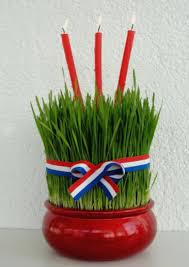

+2 more
@BettyBoop
Zeus... Greek God of the Sky and Thunder Mythology originated in ancient times as a consequence of the human need to explain the causes of various unexplained phenomena such as lightning, thunder, drought, earthquakes, storms, rain, disease… Thus, in various cultures of the world, many deities, mythical personalities, heroes of superhuman strength were created, to whom great powers were attributed. The man prayed, praised and adored them, hoping that in that way he would provide himself with a better and more peaceful life. Because otherwise he could not fight the troubles that he did not understand and could not rationally explain. Greek mythology consists of a large number of stories in which the main characters are their gods, heroes and nature, and much can be learned from them about the way of life of the ancient Greeks, their customs and culture. The eldest son of Crohn and Ray, the supreme deity, lord of gods and people, who resides on the bright mountain peaks and from there sends storms, snow and rain to the earth. With his wisdom, experience and strength, Zeus surpasses all gods; with a terrible thunderbolt he could throw each of them into the dark Tartarus, and therefore they did not dare to defy him either. He also masters human destinies: in his courts there are two barrels, one with evil and one with good gifts, which he distributes to mortals at will. https://www.youtube.com/watch?v=SdIVEG7UeBg According to a later legend, Zeus is the youngest son of Crohn's and Ray. Kron swallowed all the children that Raya bore him, because he was prophesied that his son would overthrow him from the throne. Before the birth of the youngest child, Raya turned to Uranus and Gaia to advise her on how to save him. According to their instructions, she went to Crete, and as soon as she gave birth to Zeus, she took him to the wooded mountain Egeon and hid him in a cave. The next day, Reja wrapped a large stone in diapers, and then handed it to Krona, who, convinced that he was receiving his son, immediately swallowed it. Zeus grew rapidly and strengthened. In order to gain allies to fight the Crown, he decided to save his brothers and sisters. Gaia or Metida helped him in this endeavor. The wise Metis gave Crohn some means that forced him to vomit the stone first, followed by his children - Hestia, Demeter, Hera, Poseidon and Hades. The stone, which Crohn expelled from the womb, was placed by Zeus on the slopes of Parnassus, in Delphi, so that people would always remember that event. When he removed his father from power, Zeus divided the world with his two brothers - Hades and Poseidon. Zeus chose to rule the sky, Hades took over the underworld, and Poseidon took over the sea. The land and Mount Olympus, which was the home of the gods, were considered common territory. Zeus was the supreme and absolute ruler, yet his power was not limitless, and thus he differed from the gods of other religions. Although Zeus' influence was felt everywhere, he did not control fate itself. Instead, he was a god who oversaw destiny to fulfill its given course. Zeus resides on Olympus and sovereignly rules in the circle of the family of the Olympian gods - Poseidon, Hephaestus, Hermes, Ares, Apollo, Hera, Athena, Artemis, Hestia, Aphrodite and Demeter. There are also Helios, Selena, Leto, Dionysus, Dionysus, Themis and Eos, as well as lower deities, who serve or amuse the Olympians. Zeus sees everything, knows everything and can do everything ... Zeus was regularly portrayed as a mature man, with luxuriant hair and a beard. The most famous representation of Zeus is a monumental chryselephantine statue sculpted by Phidias for the temple at Olympia (around 430 AD). This sculpture was a model for all artists of later epochs. The main seat of Zeus was the top of Olympus in Thessaly, a peak that disappeared among the clouds and touched only the sky. At the very top was his palace, which Hephaestus had built for him of pure gold. Besides Olympus, Zeus liked to stay in all other places, and he often went down among people, only then he took another form, either to turn himself into an animal, a natural phenomenon or a human being.

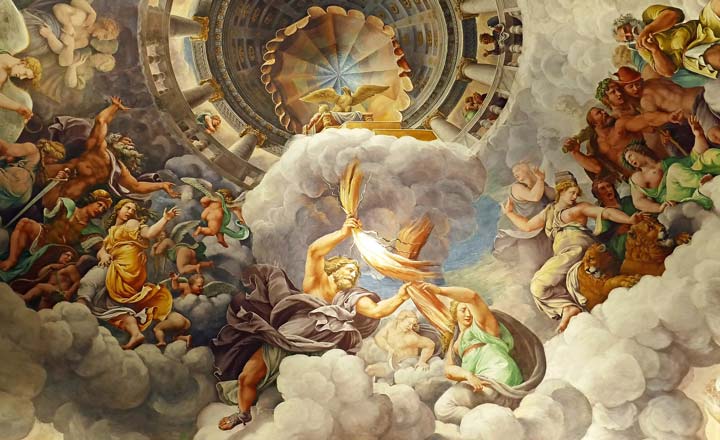
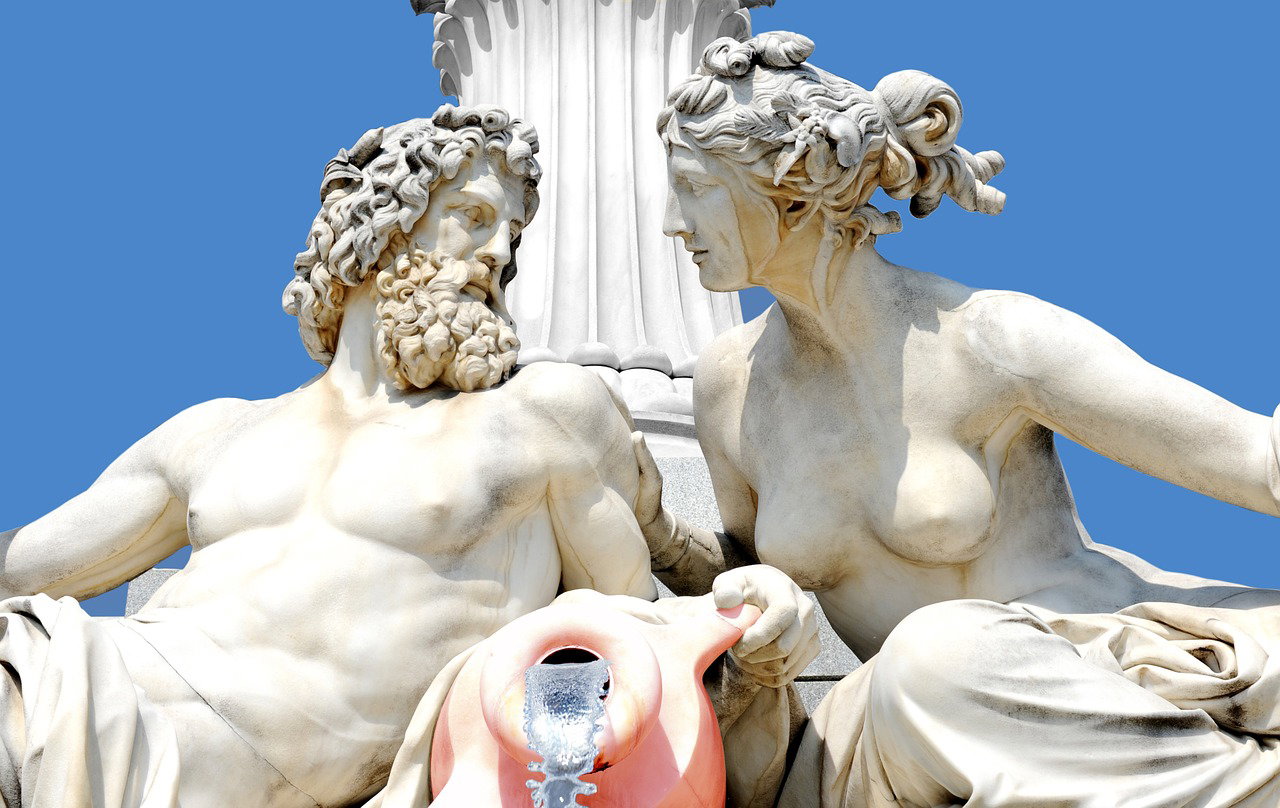
+3 more
@BettyBoop
"Far away" Magnificent animation in the sand of a Russian artist "This story on the sand tells about the life of a great country which, as the greatest shrine, preserves its faith, respects its ancestors and is able to rejoice and sing despite difficulties and troubles," Kseniya wrote in the description of her video. This winner of the TV competition "Ukraine has talent" in 2009 recently visited Serbia and, inspired by our country, decided to pay tribute to Serbia with her art. The animation "Far away" that she prepared made many people cry, not only in Serbia. The song "Tamo daleko" brings with it a large amount of sadness and melancholy. When we add drawings with the help of sand to all that, on which the cities and monasteries of Serbia are, we get a complete atmosphere from which you can only get chills. https://www.youtube.com/watch?v=KZwjbjntfaU&feature=emb_title Kseniya was born on April 22, 1985 in the Crimea. He speaks Russian and Ukrainian. She inherited her love for art from her mother. She was educated at the Art School of Yevpatoria and studied at the School of Fine Arts. And while studying at Tavrida National V.I. Vernadsky University, where she graduated with honors in psychophysiology in 2007 - enrolled in the Ukrainian Academy of Printing and studied graphic design, graduating in 2008. Kseniya is married to theater director Igor Paskar, with whom she shares two sons. She wanted to pursue a new kind of art, for which she needed neither pencils nor paints. Due to lack of funds, she had to shut down the magazine she started with her husband Igor. Then she discovered the art of drawing on sand. It was very difficult for her at first. She was looking for suitable sand for work - first sea sand, then river sand, until one evening Igor found volcanic sand on the Internet. He sold almost all the material used for the magazine to provide her with three kilograms of volcanic sand. Ksenija pointed out several times that during the day she was an ordinary mother who takes care of her child and family. She used the night to practice and draw sand. The moment when she won the reality show Ukraine has talent in 2009 changed her life. She fascinated the audience with her quick hand movements, with the help of which she creates images. Her sand animations are based on constant transformations of images, which tell stories. The whole performance is accompanied by music, which gives Kseniya's work an additional emotional note. https://www.youtube.com/watch?v=SvAES2vQzOs He is engaged in humanitarian work and helps children who have cancer, arthritis and other diseases. She helps orphanages and was one of the members of the rally "Ukraine without abortion" (2011). She has won numerous awards in Ukraine, Russia and Crimea. THANK YOU. wiki.com



+2 more
@BettyBoop
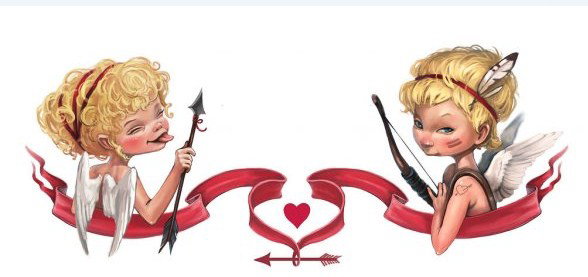
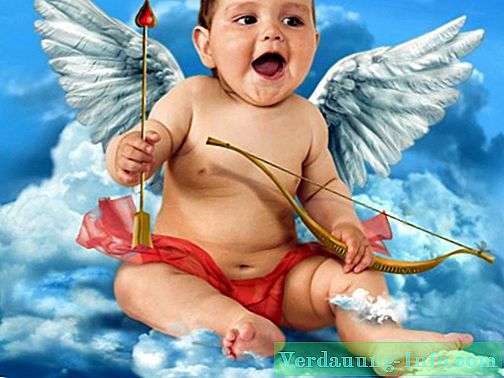
Cupid - the god of sensual love among the ancient Romans, Cupid is the Roman god of love and the son of the goddess of love Venus. He is depicted as a beautiful figure of a boy armed with a bow and arrow (often with a quiver and spare arrows!). Those arrows are "love wishes", something, really, imaginative and creatively conceived in mythology. Everyone, something, stings a little, even today, us, mortals, because he knows what can happen to him if he is Cupid's target. This restless boy is, as mythology says, a companion of Venus, the goddess of love and fertility. He is considered the son of Mercury and Venus, or Mercury and Diana, and perhaps Venus of Mars. Before the Romans adopted and renamed him, Cupid was known to the Greeks as Eros, the god of love. In ancient Rome, beauty and love were represented by Venus. Cupid was her son and helper in love affairs. He always carried arrows with him. At his mother's request, he shot at girls and young men, igniting passion in them. Sometimes, out of banter, he did not shoot at those his mother pointed out to him. The earthly girl Psyche and Cupid fell in love with each other. That was unacceptable. The son of a goddess and an earthly girl of unearthly beauty together. https://www.youtube.com/watch?v=Gjj_-CPxjCM Their mother forbade them to meet. But, violating the will of his mother, Cupid married Psyche. The earthly girl could not look at the gods. She couldn't even look at her husband. Once, unable to withstand the ban, Psyche looked at Cupid. She paid for it with her love. She was thrown out of the sky. But there was no happiness on earth for her without thyme. In search of lost love, she wandered into the temple of Venus. Venus gave her various tasks. Psyche did everything. Venus did not calm down. https://www.youtube.com/watch?v=N1fukh-5p40 She was jealous of the girl and came up with the most difficult task. After instructing Psyche to visit the underworld, she wanted her unloved daughter-in-law to take away the beauty of Proserpine. Beauty was to be put in a box. There was one condition. It was impossible to look in the box. Curiosity is a bad feeling. It also ruined the beautiful girl. Violating Venus' ban, the girl died. Cupid or Eros - it doesn't matter who helped your love. If only he were alive! Love is the best thing that can happen to you one day and, God forbid, forever!
+1 more
@BettyBoop
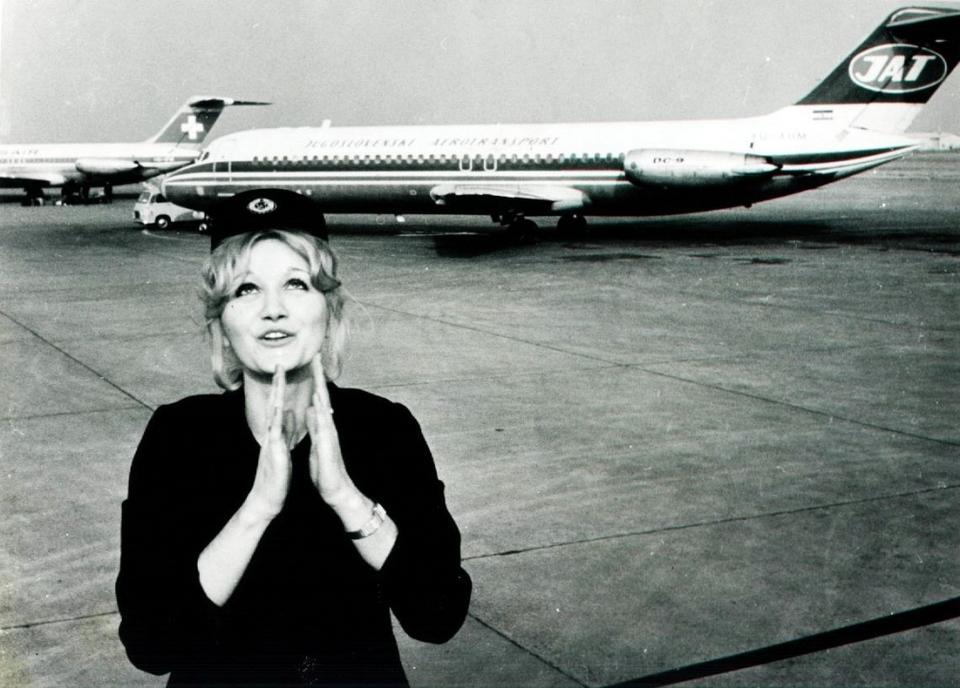
Born under a lucky star or how to "survive the impossible" **Wednesday, January 26, 1972**. Yugoslav Air Transport (JAT) planes landed at Copenhagen Airport from Stockholm. There was a change of crew in Copenhagen for the next flight, the destination is Zagreb. There was a "mistake", the one to call it administrative, which happens every day in ordinary life, the change of name. Vesna replaced Vesna. Twenty-two-year-old Vesna Vulović, a flight attendant with eight months of experience, was told that she should fly instead of her colleague of the same name. https://www.youtube.com/watch?v=TvFrunp4tis That "mistake" changed her life by 180 degrees (and fortunately, it didn't end it). That fateful 1972 on the flight Copenhagen - Zagreb, no passenger was left alive, but as they later called her, the happiest woman, Vesna Vulović survived the fall from 10,000 meters. Vesna Vulović survived because she was tied to her seat in the back part (tail) of the plane, which, after the explosion, remained connected to the toilets and fell on the mountain. Among the injuries she sustained were a skull fracture, both broken legs and three broken vertebrae, one of which was crushed, leaving her temporarily paralyzed from the waist down. She walked after a few months, after several consecutive surgeries. https://www.youtube.com/watch?v=z8gm_sQUFHY&feature=emb_logo Vesna Vulović received the title for the Guinness World Record from Paul McCartney. She later became a national hero in Yugoslavia during the 1970s. Our superhero, Vesna Vulović (66), passed away in December 2016, in a small apartment of about thirty square meters, which she received from JAT, and where she modestly spent the rest of her life after retiring in the early 1990s. Every January, she celebrated her birthday twice: on January 3 and the other, by chance, on January 26, because she believed that Saint Sava had saved her.
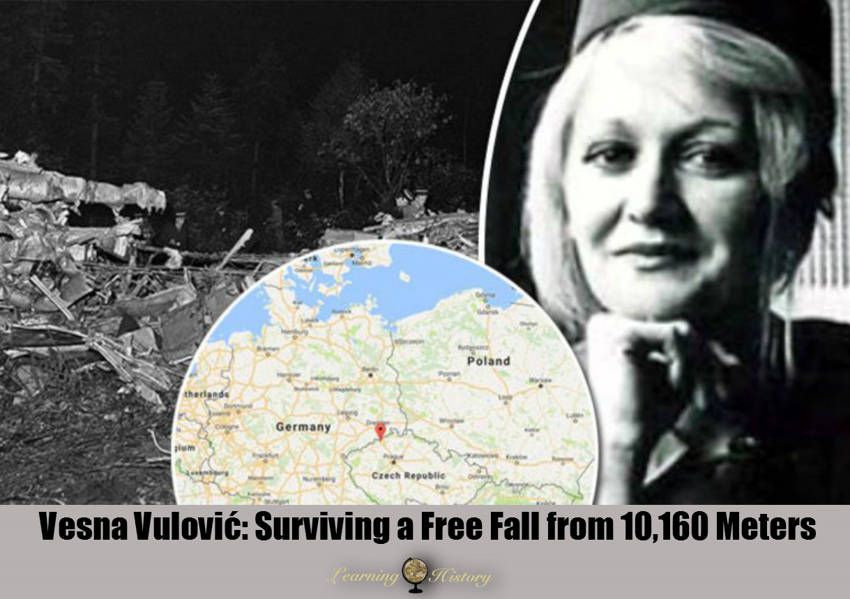
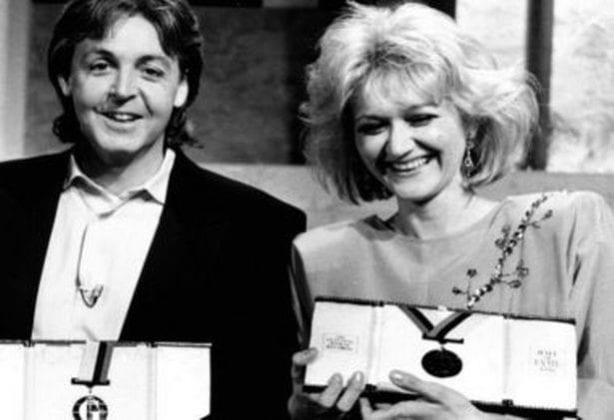 @BettyBoop
Amedeo Modigliani - a bohemian story with a sad ending Today, his works are worth millions and passionate collectors are fighting for them at rare auctions. All this is a bit ironic because, during his lifetime, Amadeo Modigliani tasted only a part of this glory, only to die in complete misery and poverty. A tuberculous alcoholic, addicted to women, hashish and ether, unrecognized, poor and dead as early as thirty-six, with the last painting dried on an easel: Amedeo Modigliani, born July 12, 1884, was a romantic exception in the increasingly abstract art of the 20th century. He is considered one of the most important Italian painters of the 20th century. His style is recognizable by the eroticism and portraits of women with elongated faces and figures. Unshaven, thick, black, messy hair, in a dirty jacket and with nails yellowed by nicotine and oil paints, he was the epitome of a Parisian artist who could barely make ends meet. Modigliani was born in 1884 in Livorno, to a Jewish family. His painting talent was recognized when he was a child, but as the father opposed his son becoming a painter, he probably would never have developed his gift if it were not for the mother who supported him and the fact that he was very ill. In 1898, Modigliani fell ill with typhus. After his recovery, he was allowed to leave school and attend drawing and painting classes at the Livorno Academy of Arts. https://www.youtube.com/watch?v=n1MoBohEzqE In the "city of light", Modigliani began to associate with other painters, poor poets, vagrants and vagabonds, and soon he himself adopted such a way of life, beginning to despise the Parisian gentlemen and the "false splendor" of the bourgeoisie. Until the First World War, Modigliani mainly made stone sculptures inspired by African art. Sometime around 1914, he stopped sculpting and started painting in an expressionist style - his face and neck are elongated, the lines are finely bent, the pupils of the eyes are often not visible, the lips are small ... In 1916, he began a large series of extremely erotic acts, by which he will become the most recognizable. He often gave them as gifts in exchange for food. He preferred to stay in bars and taverns in the bohemian district of Montparnasse, where he drank his favorite drink, absinthe, until he spent all his money. https://www.youtube.com/watch?v=f-GMYDoTfI0 After that, he squandered his talent in order to earn a few more glasses of drink, which dragged him into addiction. Sometime around this time, the painter probably had the first traces of tuberculosis, but he covered it up with alcohol, opiates and drugs, so he attributes the increasingly frequent attacks of coughing and exhaustion to his vicious life, not illness. He drank absinthe the most, and of the narcotics he adored hashish. He knew how to spend several weeks in a row in the fog created by these two substances. In his world of alcoholics, unrecognized and poor artists and street people, he was called the "prince of vagabond". In 1917, the painter met the nineteen-year-old artist Jean Ebutern, with whom he began to live and who became one of his main models. He painted it more than 25 times. Mutual love erupted almost immediately and she became the most painted model. However, Jean Ebutren's parents strongly opposed this connection. As exemplary Catholics, they could not come to terms with the fact that their daughter's chosen one was a Jew. Despite their opposition, she decides to move in with her chosen one. https://www.youtube.com/watch?v=iCftyg6QvxU&feature=emb_logo On December 3 of 1917 year, Modigliani had a solo exhibition for the first and last time in his life. He exhibited his series of nudes in the Bert Vale gallery in Paris, and the scene was so shocking that the police intervened and ordered the canvases to be removed. https://www.youtube.com/watch?v=MF2MtppjhMg He died without money, but he left an eternal and precious legacy of extraordinary paintings that later founded him as one of the greatest artists of the 20th century. He lost the fight against tuberculosis in 1920 at the age of 35. In addition to the phenomenal pictures, he also left his beautiful fiancée Jean Ebutern, who immediately committed suicide when she heard about his death. She jumped from the window of the apartment located on the 5th floor, killing herself and the child she was carrying in her womb. https://sh.wikipedia.org/wiki/Amedeo_Modigliani

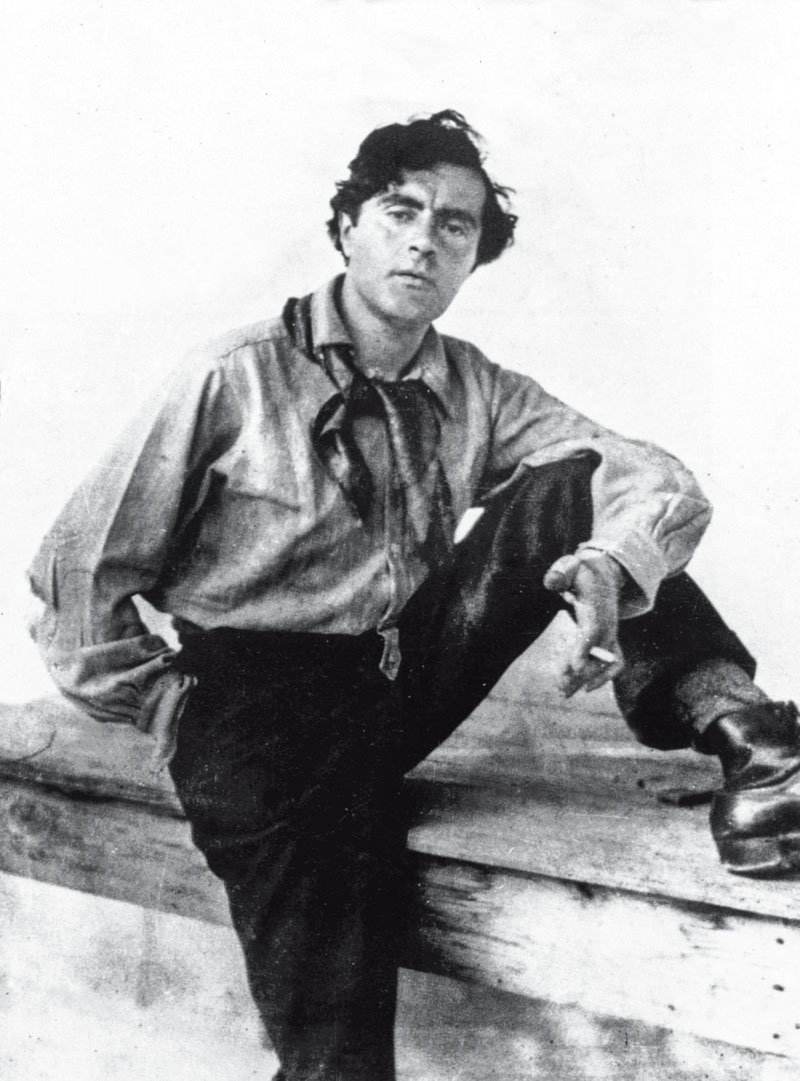
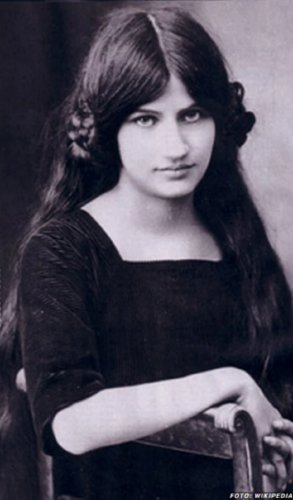 @BettyBoop
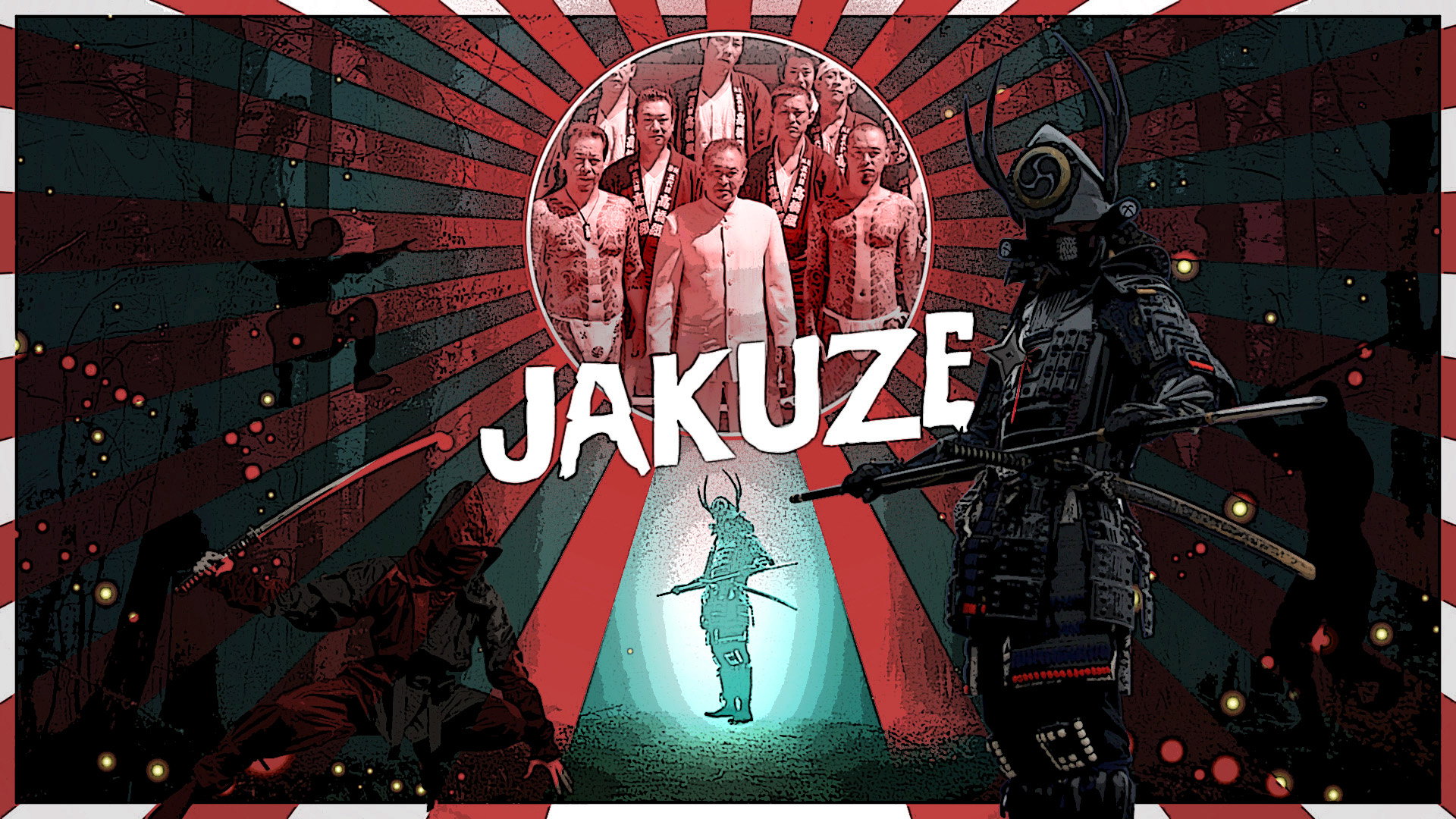
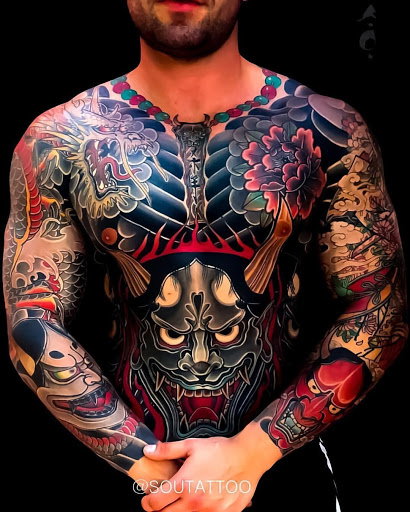
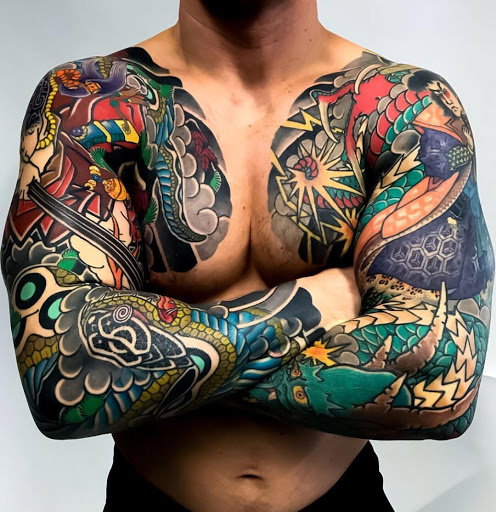
8.9.3..Yakuza-Masters of crime with a humane face The Yakuza are members of a criminal organization, a traditional organized crime union, and are known as violent groups. They got their name from the popular game of hanafud cards, ie the worst combination that a player can draw eight (I), nine (ku) and three (sa), which literally means insignificant, so call them in 893. The origin of the yakuza lies in the bandits of the so-called ronin, ie samurai without masters who wandered and plundered Japan. The first real yakuza organizations were created about 300 years ago. If in Japan you meet a man with short hair, a torso tattooed with colorful tattoos and a cut off little finger, you come across a yakuza, a member of the traditional Japanese mafia. But, unlike his European 'relatives', you are not in danger from him because the Yakuza consider themselves 'knights protectors of the weak'. The Yakuza Code of Honor (ninkyo) values justice and duty above all else and explicitly defends that any human being suffers, which explains their involvement in the 1995 and 2011 earthquakes and tsunamis in Japan. Gang conflicts are resolved peacefully, but if the code is violated, revenge follows. Yakuza Code. It is forbidden to use any type of drug, or to trade in it. Theft, robbery, rape or any activity that is not noble is prohibited It is forbidden to see any member who has been expelled from the group All unnecessary contact with the police is prohibited Whoever violates these rules will suffer the consequences determined by the council Young members must respect the elders, the elders must respect the younger ones and teach them. Everyone must agree, for the sake of common prosperity Put these rules in your heart and follow the noble path https://www.youtube.com/watch?v=UDjTzCVnAKA Unlike other mafia groups, the Yakuza is not a secret society and the government does not ban them. Racketeering, prostitution, smuggling, narcotics, but also casinos, cybercrime, are all "branches of industry" in which this group has involved its fingers. However, of these three, the yakuza are particularly interesting, as this criminal group, which has over 100,000 members worldwide, has "adapted" to the modern way of life, while preserving the original structure of its organization, which dates back to the seventeenth century. Due to strong ties with many politicians, the Japanese mafia does its daily "business" without much fear of the law. What makes them different is the publicity and style. The Yakuza are one of the most open criminal organizations. They have their official headquarters, offices and business cards. Famous for supo expensive suits, very distinctive tiger tattoos.
 @BettyBoop
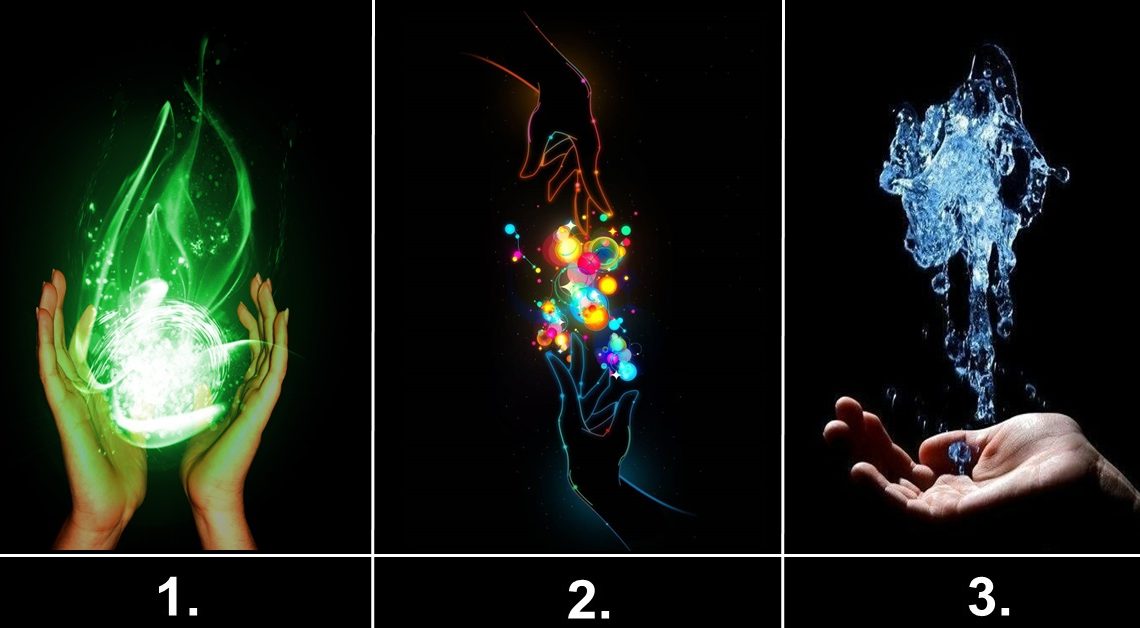
What are you most afraid of? Fear is the primary emotion that arises from perceiving or expecting a real or imagined danger, or a serious threat. It is an innate, genetically programmed response to a threatening or painful stimulus. Every day we come across some tests in the media. Believe it or not, most of us do. If nothing else out of curiosity and fun. Here's one. Of course, first choose the image that appeals to you the most. This psycho-test reveals our biggest fears… 1. One of your biggest fears is the fear of loneliness.Love has great significance in your life. You do not want love only in the sense of love. In love, you seek friendship as well as support. Someone with whom you will be able to have pleasant conversations, who will complete your days, comfort you when you are having a hard time, hold your hand. Many at the very mention of the word love focus only on love relationships and intimacy, but not you. You see a lot in love and you ask for a lot. You are afraid of loneliness, lonely days and that no one will be by your side when you need it. But it’s not just that fear of loneliness related to love and partner. Your fear is generally related to the fear of loneliness. 2. Your biggest fear is the loss of the people you love and who have great significance in your life. However, most people are not burdened with this to the extent that it interferes with their daily management in life and days. Likewise, most people view loss as life. They don’t burden themselves with things they absolutely can’t affect in the slightest. They believe that the last act is also a natural course that awaits each of us and that no one will be able to avoid. But that is not the case with you. You are obsessed with it in a way and often think about the pain and sadness that could befall you when you lose someone you love. Your care is huge and you take care of someone or something every day. Your concern is excessive. In this way you destroy yourself. Deep down you know you can’t influence it, but you can’t help yourself. You are such a person and that fear will always be present in you to a greater extent than normal. 3. Your greatest fear is that last act of life after which the morning will no longer dawn. Your days go by too fast, only days than years. Not just the years, but when you look back, you don’t realize how much of life is already behind you. You know that with each new morning you are deprived of one day of life. Realistically, most people have that kind of fear. But you do not control your fear. That has already become an obsession for you. There’s almost not a day that you don’t think about it. That realization that the moment will come when life will end brings you a lot of pain and sadness. Although you do not have an easy life and struggle with many problems and worries, you love to live and love life. If they could, they would live forever even if they struggled that eternity with countless worries and problems. **Whether they guessed or not I don’t know, but at least we had fun.** https://www.sasava-ja.com https://www.sasava-ja.com/

 @BettyBoop
Who are the Anonymous? If we mention the term hacker to someone, one of the first things that comes to mind are Anonymous. They are recognizable by their specific mask. But Anonymous is much more than a mask. The mask of Anonymous today represents one of the most famous symbols of rebellion and resistance against the system, as well as against unjust regimes. But the story of it is actually a story about the injustice that Catholics in Great Britain suffered at the beginning of the 16th century, as well as the fight against it. https://www.youtube.com/watch?v=v0zlMSmUXc4 One of them is Guy Fawkes, a young man from Yorkshire who decided to become a Catholic at the age of 16. He joined the army he had served for years and where he gained higher ranks and learned to handle explosives. In early 1604, Guy began meeting with a small group of English Catholics led by Robert Catesby. The majority believed that the persecution of Catholics came from the Protestant King James and that everything would be solved by his death. That is how the plan was forged today, known as the "Gunpowder Conspiracy", in which Fox and his fellow associates placed a huge amount of gunpowder under the parliament building with the intention of killing the ruler. However, the conspiracy plan was revealed to the authorities at the last minute in an anonymous letter. During a search of the House of Lords around midnight on November 4, 1605, Guy Fawkes was discovered guarding 36 barrels of gunpowder. Most of the conspirators fled London after this. Eight detainees, including Fawkes, were found guilty and sentenced to death by hanging, dragging and slashing, which was considered a particularly cruel way to carry out the death penalty. Guy Fawkes was killed on January 31, 1606. His face is depicted as the famous "Anonymous" mask. This happened thanks to the comic book writer Alen Moore, who in the eighties published the graphic novel "V for Vendetta" - a story about the future in which Britain is under totalitarian rule. Anonymous represents a group of individuals and a global movement that emerged as an internet phenomenon. This informal and decentralized community is gathered around the ideas of freedom of speech on the Internet, the fight against censorship and anti-piracy campaigns. The group often tries to achieve its goals by hacking and hacking sites as a sign of protest. Thanks to these activities, they have become planetarily recognizable. Although they consider themselves freedom fighters, and they see what they are doing as a form of protest, they were also called a terrorist organization, although they deny it. "None of us is as powerful as we are all together. United as One, divided by zero. We are Anonymous."


 @BettyBoop
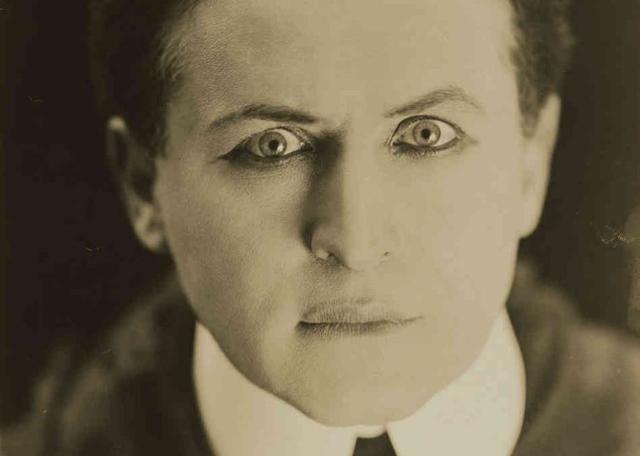
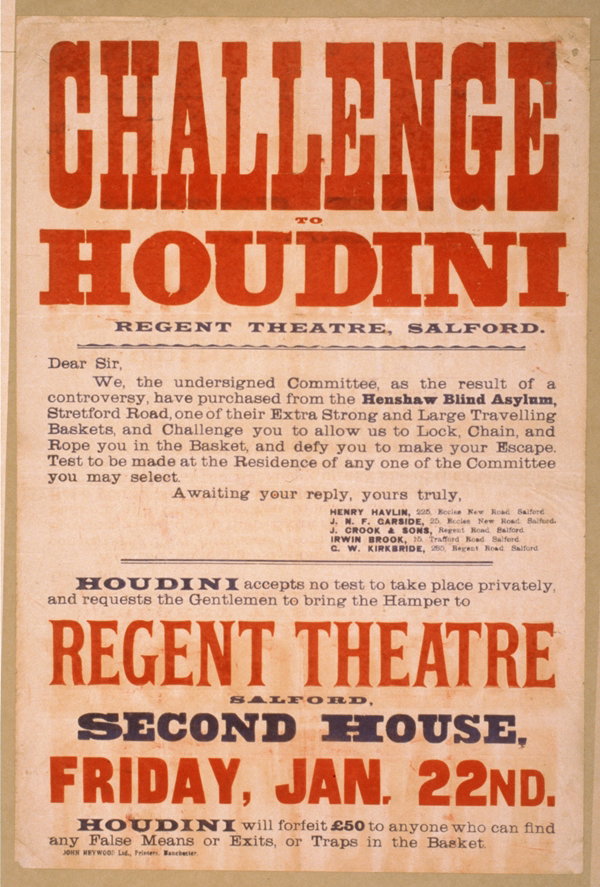
Harry Houdini - the greatest magician in history... The famous American illusionist Harry Houdini was born on March 24, 1874 in Budapest, under the name Eric Weiss. His parents, Hungarian Jews, emigrated to America on July 3, 1878, when Erik was four years old. The arrival of a circus in the city changed the usual boyhood days in Appleton, Wisconsin. Amazed by the strange world he saw, Harry wanted to be a part of it. At the age of nine, at the table, he introduced himself to the audience for the first time as "Prince of the Air". While for some they meant prison, for Houdini handcuffs meant glory. The future "fox king" tried to help his family by doing various small chores, but, thanks to one of them, he came across a completely different solution. The place of the locksmith's apprentice and the first unlocked handcuffs led him to applause and the desire to repeat the story. Harry was obsessed with magic, especially the work of the then very famous French magician Jean-Eugene Robert-Houdin. When he himself began his magic career in the 1990s, he paid tribute to his hero by adding an "i" to his last name to create the stage name "Harry Houdini". https://www.youtube.com/watch?v=3r8qr-p9z5g&feature=emb_logo Success was getting closer. In addition to the numerous minor tricks he practiced, the idea of developing the "art of escape" kept his attention the most. Collecting all the types of foxes that were produced at that time and studying their mechanism, Houdini found a way to free himself from any shackles in a few minutes at most. Chained, he was thrown into cold water while a mob of open mouths awaited the outcome, equally ready for applause and tears. Minutes passed, but Houdini successfully escaped, with the famous sentence: “Ladies and gentlemen… I am not dead! ” The drama of his performances attracted incredible attention and soon it was not questioned who was the most respected and greatest magician. After one performance, Harry meets the beautiful Wilhelmina Beatrice Rahner and soon their relationship becomes the most real magic of Houdini's life. Houdini was only 19 years old when he got married, he was still making a career, and Bes helped him, not only as a wife but also as a partner on stage. Their marriage was unbreakable, even though they had no children. "I use muscle strength, horsehair and miniature keys to unlock the locks. While they would chain me. I would spread my shoulders as much as possible and move my arms slightly away from my body, which would help me release," he wrote in the book "Handcuff Secrets". Houdini died on October 31, 1926. After freeing himself from the chains and coming out of the suitcase with the water in which he was locked, Houdini knelt and then fainted. After the doctors regained consciousness, they warned him that he needed to go to surgery urgently, but Houdini decided to continue performing tricks. Although he performed magic tricks with less pain, he was by no means ready for the surprising blow to the stomach prepared for him by a 1926 McGill University student. just before his performance in Montreal. After he was taken to the hospital, it was determined that Harry Houdini died during the appendix removal operation, although it is still suspected to this day whether strong blows to the abdomen caused appendicitis. **I'm tired of fighting**- was his last words. He was buried in Makpelah Jewish Cemetery in New York https://www.youtube.com/watch?v=IiZj4xZTL-Y **His steely will made him famous, and his genius legendary, and whether he cheated on his tricks or not, one thing is for sure - Harry Houdini was and is the greatest magician this world has ever seen.**

+2 more
@BettyBoop
Geisha tradition, ancient art of Japan. Geishas are mentioned in the Japanese tradition as early as the beginning of the seventh century, but during the 18th century this profession experienced a new expansion. Geishas still exist today, but they have adapted to the modern world in many ways. The word geisha comes from the Japanese nouns of the word ‘gei’ meaning ‘art’ and ‘sha’ meaning ‘person’ or ‘executor’. The closest translation for a geisha would be ‘artist’, ‘performer’ or ‘master’. Another name for a geisha is geiko and is usually used to denote the geisha of western Japan. Geishas originate in a traditional Japanese society that did not allow open communication between men and women. In Japan, a woman had her own small empire, her own household, which she had to take care of, and children whose upbringing was entrusted to her completely. The man was looking for sensual enjoyment and fun outside the house. The position of the woman in Japan was not at all favorable because she did not possess personal freedom. As an ordinary woman, she was voluntarily locked in a house and completely dependent on her husband, and as a geisha, she could get an education, study, socialize with men. Geishas were not prostitutes and that is one of the misconceptions brought about by the penetration of Western culture into Japan and the spread of knowledge about the hitherto mysterious East. The Japanese gentlemen of that time, had a more refined taste than others and different conceptions of enjoyment, and were great admirers of beauty and tradition. The roots of the geisha profession date back to the Edo period (1603-1867), when geishas entertained men on their way to the Red Light District in Yoshiwara, Tokyo. Prostitution was legal at the time, but the geisha profession was clearly different from prostitution. In the past, geishas were often sold and thus the family got money and the girl education. Their girls were sent to special schools for geishas, and today they attend public schools. https://www.youtube.com/watch?v=TCwRtFxrTFg Geisha training itself is very difficult. At the head of the okiya is okami or okasan, which in Japanese means mother, and it is a woman who pays for their training and takes care of them. The training itself lasts about six years during which the girls are trained in art, music, dance, tea drinking ceremonies, hostess and language. During those six years, part of the geisha's time lives in okiya and spends so much time there that okiya represents another family for her. In addition to playing various instruments, the geisha is taught calligraphy and ikebana. A geisha usually specializes in only one art, such as singing or dancing, but he has to master everything in order to successfully complete the training, which is supposedly extremely difficult, and only a small number of girls successfully complete it. They teach a geisha etiquette and grace, but also how to flatter a shy, disinterested or arrogant man with equal success. During the training, the geisha is called maiko, which means trainee, and during that time she must have a disabled - older sister or mentor who instructs her in everything. Maiko and onesan team up in a ceremony in which they both take three sips of sake, and maiko takes on the name she will use as a geisha, derived from the name of her onesan. Onesan, as a mentor, takes care of her training, and takes her with him to parties where she entertains, and Maiko just stands aside and learns how to do it. After years of training when the maiko has perfected the secrets of the craft, an eriage is performed - a ceremony in which the maiko symbolically replaces her red collar with white and officially becomes a geisha. Maiko and the geisha dress differently. Geisha’s kimono reveals her neck which according to Japanese culture is the most sensual part of a woman. The price of one such kimono reaches several thousand dollars. A kimono that is not a maiko has extremely long sleeves and is extremely colorful. She also wears high wooden clogs to keep her kimono from dragging on the floor. https://www.youtube.com/watch?v=_j_ltjIcWdw The geisha applies white paint on his face, which in the past was lead-based and poisonous, but today is completely harmless. According to tradition, oil is first applied to the face, then wax and only then white powder, so that the face is perfectly smooth. Maiko applies red lipstick only on her lower lip, which is a sign that she is a beginner. Her hair must be long when she becomes an intern, and it is shaped into different hairstyles. Before becoming a geisha maiko change five different hairstyles. The last hairstyle is called ofuku, which maiko in the past began to wear after the first sexual experience, and today it is usually after the age of 18. After the maiko becomes a geisha, she gets a simpler and lighter kimono, and after a few years of work, she gets the right to wear lighter makeup.


+1 more
@BettyBoop
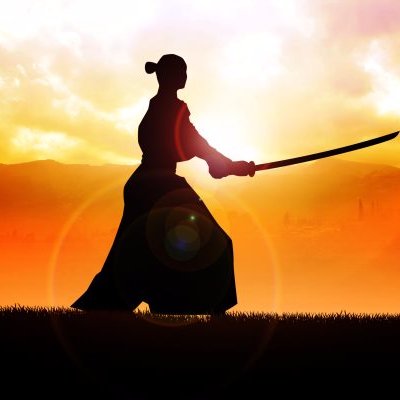
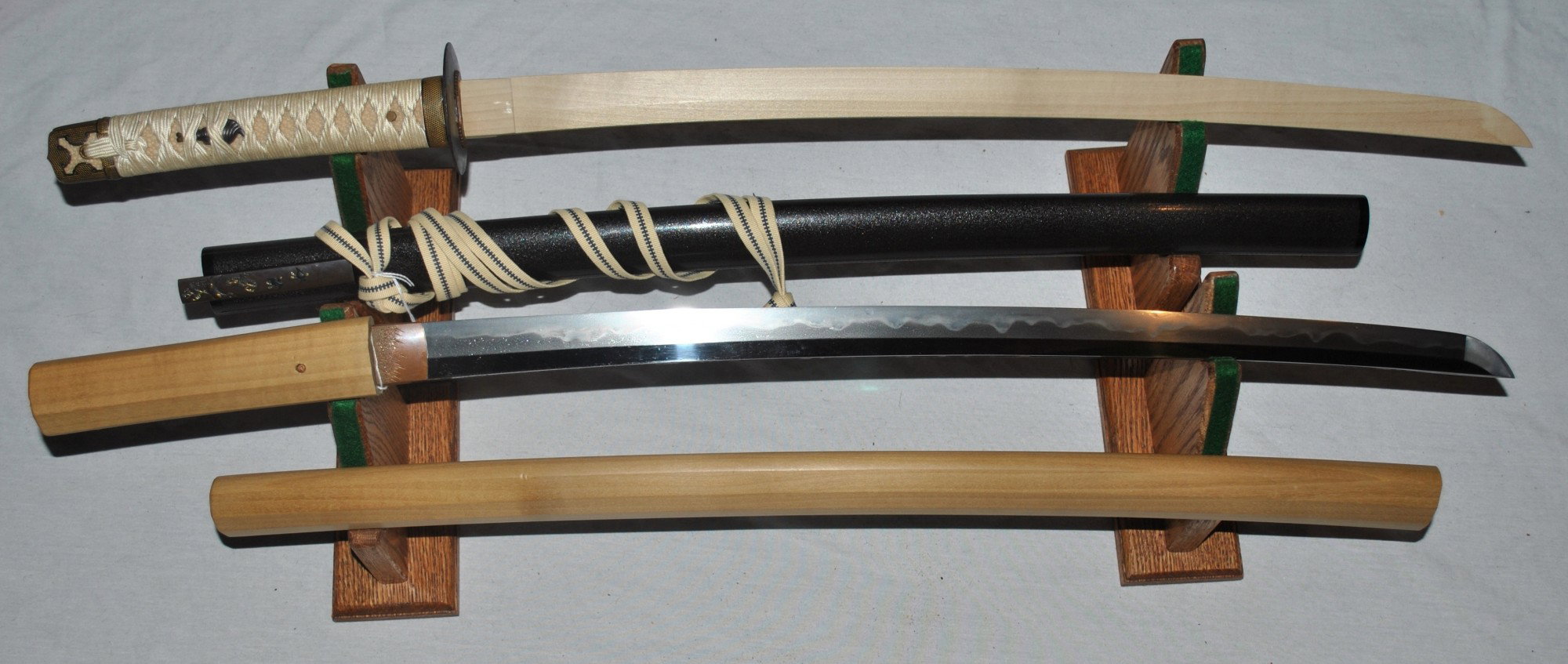
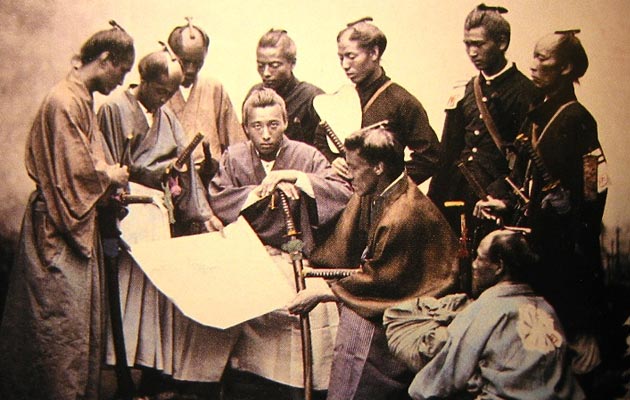
Samurai - Soldiers from birth. Feudal Japan is known as the age of the samurai. Like the knights of feudal Europe, they were an expensively equipped warrior aristocracy. However, they were only one of several different types of warriors in this specific period. A horde of ancient warriors who were not afraid of death, warriors who always put honor before their lives. With a katana in hand, guided by a strict code known as the Bushido ("warrior's path"), the samurai were an incredibly disciplined army, the fear and trembling of all the enemies of Japan.. Samurai have served many functions in Japan, however, their most famous role is that of a warrior. But what set them apart from other warriors around the world was not just a different armor and sword. They were an educated, politically active elite class. Although he often owned huge land, a large income from property and lived in a very comfortable environment at that time, the Japanese feudal lord of the early Middle Ages was primarily a warrior. In addition to constant training in the fight with swords and other weapons, maintaining physical fitness, samurai have paid a lot of attention to education from an early age. At a time when very few Europeans could read, the level of literacy in Japan was very high. In addition, knowledge of Chinese literary classics, Chinese philosophers, as well as the work of strategists and theorists of military tactics, was considered mandatory for every good samurai. A bow and arrow, a spear and two swords, were the basic weapons of the samurai and their skillful use was as important as life itself. Particular attention was paid to the training of sword fighting, because fencing was considered the basis of all warrior skills. And not just warrior skills. And women were warriors, side by side with men. The Onna-bugeisha belonged to the samurai class, and the same Bushido (code of conduct) applied to them as to men. The only difference between male and female warriors was the weapon of choice: While men always went to war with their legendary katanas, women mostly fought with a slanted, spear with a rounded sword on top. The best Japanese fighter of all time, samurai Musashi Miyamoto who lived between the 16th and 17th centuries. Very much appreciated and respected. Master of all arts. Such versatility should come as no surprise given that true samurai sought to develop their artistic side in addition to being warlike. So many of them were also masters of painting, calligraphy, tea ceremonies and other Zen-inspired arts. Musashi himself says about that: "It is said that the Way of the Warrior is twofold: the Way of the Sword and the Way of the Kitsch, and the rule is to practice both. "Even if there are no natural inclinations for those paths, warriors are expected to show their abilities in various other skills and arts." https://www.youtube.com/watch?v=688y9sCCV50&t=1483s He showed this by his own example: he created masterpieces of calligraphy and sumi-e painting, some of which are considered national treasures, and at the same time a symbol of the samurai spirit, the one who dedicated himself to realization on the Path of the Sword, so in Japan he is called kinsey or "Saint of the sword." http://www.japanorama.rs/
+3 more
@BettyBoop
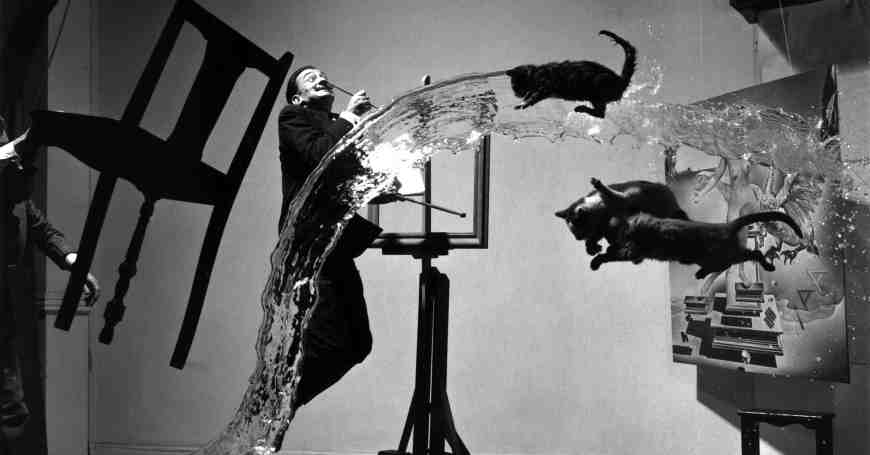
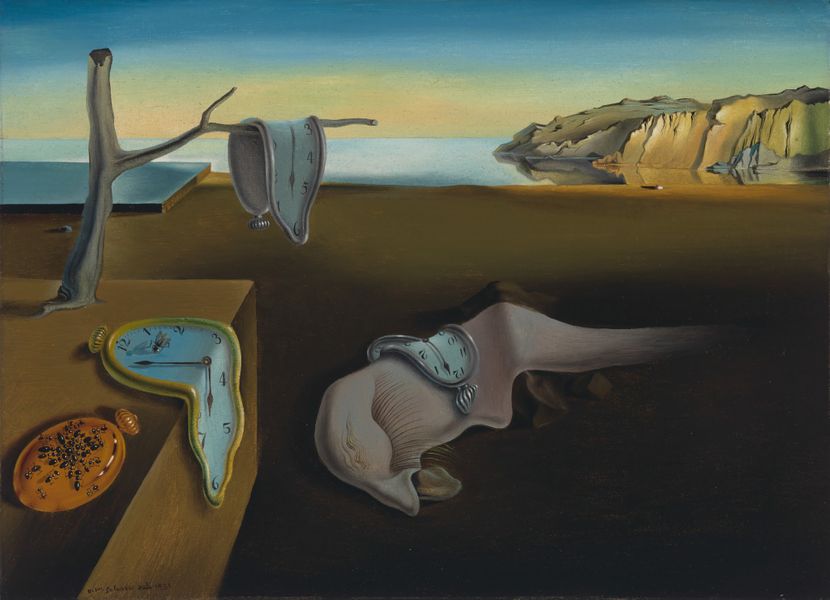
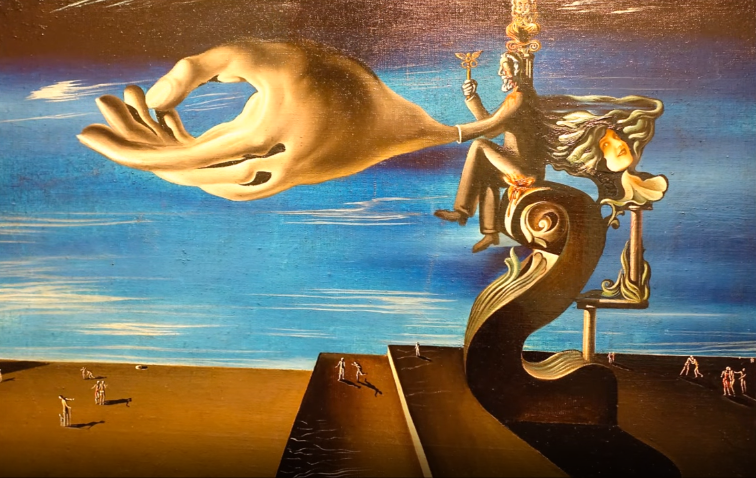
Salvador Dali, art icon He was born on May 11, 1904, as Eugenio Salvador Felipe Jacinto Dali, in Figueres, Catalonia. https://www.youtube.com/watch?v=1N91Z8EKpn8 Salvador Dali, a Spanish painter, eccentric and one of the most important surrealists of the 20th century, who pushed the boundaries of art. He is one of the most creative painters of all time. `"Persistence of Memory" (1931) This is probably one of the best examples of surrealism, although at the time Dali painted it he was not part of the movement.` At the age of ten, El Salvador started attending painting classes, when his talent also began to manifest, and later he enrolled at the Academy of Painting in Madrid. He quickly attracted attention with his strange appearance and eccentric behavior. He did not finish the academy because of his rebellious character and because his school never went well. He often disrupted classes and protested, and was eventually expelled from school. Salvador Dali was only 16 years old when he wrote in his diary: "I will be a genius and the whole world will admire me. I may be underestimated and misunderstood, but I will be a great genius, I am sure of that." He held his first public exhibition in 1919 at the theater in Figuerac, and had his first solo exhibition in Barcelona in 1925. Paris 1926, Pablo Picasso. Picasso had a strong influence on his works, and over time Dali developed his own style. Then he painted the work "Venus and Cupid", which belongs to Cubism. In addition to cubism, he also experimented with impressionism, pointillism, and futurism. In August 1929, he met a Russian immigrant, Elena Dmitrievna Diakonova, ten years older than him. She was his muse, inexhaustible inspiration and support, and he stayed with her for the rest of his life. According to him, only she fully understood him. Salvador and Gala were married in 1934 at a civil wedding, and twenty-four years later they did the same in the Catholic Church. He never left her company. She was the center of the world for him. Dalí's wife Gala died in her sleep in 1982. What he feared most happened was that she would leave before him and be left alone. El Salvador fell into a deep depression and twice tried to take his own life. During his favorite play "Tristen and Isolde", on January 2, 1989, Dali died, and after his death he left all his works and wealth to Spain. All his life he believed he was special. Many consider him the greatest genius, while for some he was a disturbed egocentric whose deeds are worthless. He left behind many masterpieces that still have great cultural and financial value.
+3 more
@BettyBoop
Mystery of the Knights Templars Many phenomena from the past are surrounded by mystery, but none ignites as much imagination as the Knights Templar. The First Military Order, the Order of the Poor Knights of Christ and the Temple of Solomon, better known as the Knights Templar, was founded in 1118 as a result of the First Crusade. The Order was founded by Hugo de Payens. According to a letter sent by the Bishop of Chartres to the Count of Champagne in 1114, where he wrote that he had heard that the Count wanted to join Christ's militia in the Holy Land as the Templars were called at the time, knowing that the founders of the order did not received new members, it is more likely that the order was founded in 1111. Their name alludes to their historic headquarters in the Omar Mosque on the Temple Mount in Jerusalem, which the knights renamed Templum Domini. Except in Palestine, the order fought in Spain and in the reconquest of Portugal. https://www.youtube.com/watch?v=T9ACF4I4q0k After the bloody end of the First Crusade, Christians took control of the Holy Land. After the news spread in Europe, thousands of pilgrims and passengers set off for Jerusalem. However, the road from the interior to the ports on the coast was dangerous and robbers robbed and killed many innocent passengers. The French knight Ig de Payen believed that the solution to this great problem could be the creation of a monastic military order that would protect travelers on their way to the Holy Land. King Baldwin II of Jerusalem supported the idea, and the new order was named the "Order of the Poor Knights of Christ and the Temple of Solomon." Initially, there were only nine knights in the line who relied on donations from the church and nobles. On their coat of arms were depicted two knights on one horse fighting in the name of Christ. Over the next few years, the order progressed so much financially and numerically that some members decided to establish some of the first European banks. In addition to great wealth, the support of the Church was also important. In 1139, the then pope declared the institution of the Knights Templar more powerful than the law, so that the members could move freely across the borders of the states and carry out their will. It also meant that they became a great political force, which was completely contrary to their original purpose. Most members of the upper class had at least some debt to the Templars, and one of the greatest debtors was King Philip IV of France, known by the nickname "Beautiful." The wars with England brought him into great debt, as well as efforts to overthrow the then pope. Having no way to repay the debt, he turned against the Order and in 1300 accused them of heresy and blasphemy and ordered the death penalty for key representatives. Pope Clement V of Avignon ordered the arrest of all the Templars in November 1307, but the church council in 1311 was by a majority vote against the dissolution and destruction of the Templar Order, so that in all other European countries (except France) they were acquitted and declared innocent. However, due to the pressure of Philip IV, Clement V ordered the dissolution of the order on March 22, 1312, and gave the Templar property throughout Europe to the Knights of Malta. Officially, the last master of this order - Jacques de Molay, was burned by King Philip IV as a heretic in 1314. In that way, he was spared the repayment of debts to those he was most reluctant to, while he donated all the Templar's real estate to the order of St. John.It was said that de Mole cursed Philip IV the Beautiful and the pope to die during the next year. Regardless of whether de Mole really cursed the king and the pope, the people really believed in that, since the pope died in agony a month later, while Philip IV the Beautiful passed away in November of the same year. However, some believe that things did not go exactly like that and that the power of the Knights Templar after these events was even greater than before the fall in France. Various written traces testify that a fleet of 18 Templar ships anchored in La Rochelle was used to escape. Of course, some members of the French failed to capture and their fate is the subject of various debates and research. The Templars became surrounded by legends containing secrets and mysteries. Perhaps the most famous are those that speak of the Holy Grail, the Ark of the Covenant, and the secrets of construction. Some sources say that the Templars found the Holy Grail and took it to Scotland in 1307. Other sources claim that they found the Ark of the Covenant, a chest containing sacred objects of ancient Israel, including Aaron's staff (Aaron is Moses' cousin and the first priest of Israel) and the stone tablets on which Moses received the Ten Commandments of God. There are also stories that the Templars were associated with the Priory of Zion, an organization tasked with guarding the sarcophagus in which Mary Magdalene was buried, so these secrets gave them the power to manipulate the Catholic Church and become very powerful in Europe. **The Templars are still the subject of numerous historical controversies and an inexhaustible source of inspiration for conspiracy theorists.**
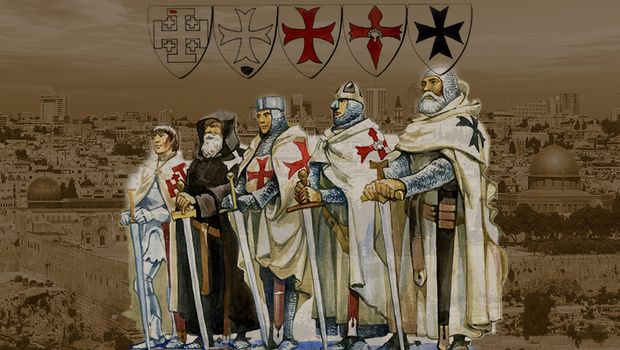
+1 more
@BettyBoop
Beautiful balls of fire and color. Fireworks are so old that no one knows who first invented rockets and when! The credit for inventing pyrotechnics or rocket-making skills is usually attributed to the Chinese, because they made fireworks hundreds of years before Europeans. According to some assumptions, the first fireworks were created quite by accident, in ancient China, so it is precisely this invention that is almost 2,000 years old, and the Chinese are responsible for it. https://www.youtube.com/watch?v=hUxPwnYh8vY During the early 9th century, alchemy was very popular in China. The goal of alchemy was to create a substance that would prolong life or even deceive death. Alchemy never discovered this substance, but it did make an explosion that changed the way holidays are celebrated all over the world. An explosion requires only three components: some kind of fuel, something that will break the chemical bonds in the fuel, and temperature. Not knowing exactly what would happen, the creator of the first fireworks mixed coal with potassium nitrate, which was then often used to store food. With a little heat, the powder he created exploded. https://www.youtube.com/watch?v=n1ixjhzwr_E Records of that experiment revealed that during this explosion, the house in which the experiment took place burned down, as well as the hands and face of the alchemist who made the first fireworks .. Monk Li Tian is credited with creating the firecrackers. He lived during the Song Dynasty (960 - 1279), near the city of Liu Yang, in Hunan Province. He made them from a young bamboo stalk filled with gunpowder. They burned them at the beginning of the year, right after the reception, and the role of the explosion was to drive away evil spirits and bring happiness. Thanks to him, the creation of fireworks is associated with the creation of gunpowder. https://www.youtube.com/watch?v=CqX9bRta3cU Today's rockets as we know them began to be used only after the invention of gunpowder and the improvement of chemistry as a science. The basic materials used in making rockets are potassium nitrate, sulfur and charcoal. All this is ground together into a fine powder. Then, in order to achieve a spectacular effect, other substances are added to the mixture, for example lead nitrates, barium and aluminum. In fireworks, colors, which mean so much in terms of beauty and final effect, are obtained by adding various metal salts, such as red stornium, green barium, sodium yellow and copper blue. The use of iron shavings achieves splashes of sparks that burst in height. The main ingredient that gives color to (today's) fireworks is a pyrotechnic star. It consists of 5 main components: fuel, which allows it to burn, oxidant, which provides the oxygen needed for combustion, paint-producing chemicals, a binder and a chlorine donor that enhances the color of the flame. https://www.youtube.com/watch?v=CWYKpwlVGso During the Renaissance, pyrotechnics schools were established in which you could improve your skills as a so-called fireworks artist. Schools were spread all over Europe, but most of them were in Italy. Italy has become famous thanks to its fireworks creations in various colors. In 1830, the Italians first mixed several types of metals and other ingredients. Thanks to that move, other light effects in color were created later, as we see with today's fireworks. Many types of varomet are still made in a very similar way as a few hundred years ago. Of course, there are a lot of changes. The development of technology has given us the opportunity for modern fireworks - fireworks today exist in various colors, have the ability to release air under pressure, etc., which at the time could not even be imagined. In the English tradition, there is the name Bonfire Night, which was created in a very interesting way. Namely, in 1605, Guy Guido Fox participated in the so-called A gunpowder conspiracy in an attempt to assassinate King James I of England. However, the plan failed, and instead of a gunpowder attack, that event was remembered for the beautiful fireworks that were accidentally caused in this accident. **The celebration of the New Year, children's birthdays and celebrations is unavoidable without fireworks.**

 @BettyBoop
Grigory Rasputin - Saint or deceiver? Some considered Grigorije Jefimović Raspućin a holy man, and others a fraud. This monk had an almost supernatural power to influence the mind and will of many people, which he used to influence the Russian court and the family of the last Russian tsar. From the 17th century until the outbreak of the October Revolution in 1917, religious circumstances in Russia were marked by numerous mystical and fanatical sects whose teachings were outside the framework of the Orthodox Church. Sorcerers, saints, fanatics and opportunists sprang up on all sides, spreading their ideas equally among the poor and needy people and among the nobility and landowners who treated the people tyrannically. `listverse.com` Raspucin was born in 1871 in the village of Pokrovski in a poor peasant family. If those who knew him at the time are to be believed, from his earliest childhood he was prone to meditation and introversion. When he was 12, he and his brother accidentally fell into the river. The brother drowned, and he was saved. In a daze, as he recovered, he uttered one name. He accused that person of being responsible for numerous thefts of horses, which later proved to be true. From then on, the word about his psychic powers began to spread, and that voice followed him until his death. Gregory He lived a debauched life from an early age, until he felt a "divine call" and joined a religious community. Because of his fiery words, fanatical look and special physical strength, he became known as the "old man", the holy man. Word of him spread widely throughout the empire when this illiterate monk came to St. Petersburg in 1903, where he succeeded in being admitted to the seminary. He soon fascinated those who heard him speak, so, not without certain intrigues, he managed to come to Bishop Hermogenes and the preacher Heliodorus, whom the monk subjugated to his will, so they introduced him to the city's aristocratic circles. Raspucin reached the peak of his power very quickly. The emperor and empress, who had already heard about his healing powers, and probably also about the political tasks he performed in the name of preserving the absolutist autocracy, invited him to come to the court. The reason was the heir to the throne, Alexei, who is otherwise ill with hemophilia. Due to his worsening condition, he was bedridden. Nicholas II and the Empress ask Raspucin to cure their son, which, with the help of several magical rituals, he succeeds in doing. Influencing Nicholas II, he quickly managed to distance a large number of former court advisers and dignitaries from the throne, and thus from the power and benefits they had enjoyed until then. In addition, Rasputin and his noblewomen continue to apply the 'loving way of atonement and purification'. of the wicked monk '. The military leaders also joined the plan, which Raspucin also seriously resented because he interfered in promotions, appointments and much more. Rasputin's opponents began to influence the emperor to remove Rasputin. At the same time, they started spreading numerous rumors about him, all with the aim of compromising him as much as possible. At first, the emperor and empress objected to this, but later agreed to tell Rasputin that it would be good for him to "leave the court for a while", which he refused with the following words: "I will not leave, because it is written that you will when I am no longer with you to lose both the crown and life ". It is claimed that the emperor and empress, frightened by this, and asked Raspucin for forgiveness and returned all the positions of advisers to him, with a request that he continue to stay with them at court'. From that moment on, his power and authority became practically unlimited. And he will stay until his murder. https://www.youtube.com/watch?v=IFOopa4kSpY&feature=emb_logo On December 16, 1916, Prince Felix Yusupov invited Raspucin to dinner. His killers were stunned when he had none of the cakes poisoned with a higher dose of cyanide. Yusupov then poured more poison into his glass, but none of that worked for him either. Raspucin continued to act surprisingly calm, laughing, eating and drinking, as if his body was resistant to the deadly effects of any poison. The prince must have thought the same when he pulled out a gun and fired. Raspucin fell wounded, which the conspirators, thinking he was dead, took him to the basement. However, Rasputin somehow got up and tried to strangle the prince, with a terrible scream when the conspirators trembled with fear. At that moment, the door opened and Rasputin fled. Ambassador Puriškiewicz ran after him and fired four bullets before knocking him into the snow. But Rasputin was not dead yet, so they started hitting him with sticks until they broke his head. Then they threw him into the Neva. When Raspucin's body was found floating on the river, something unusual was noticed. Death did not come from poisons and bullets, nor from blows to the head, but from strangulation ?! **The lives of some people have enigmatic, incredible and controversial features, which have been remembered as special, unusual personalities.**

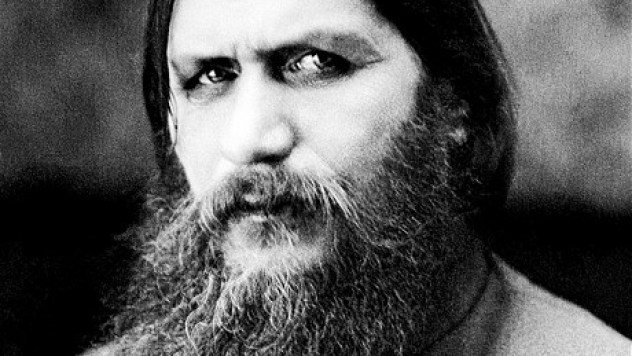
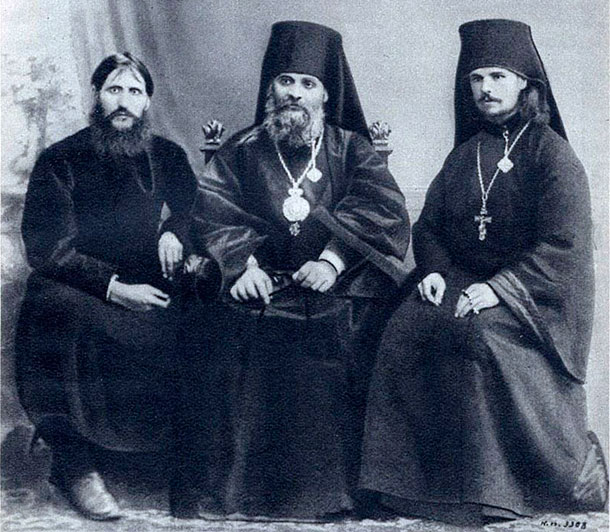
+2 more
@BettyBoop
Savant syndrome- "Rain Man" Few people have not watched the phenomenal film 'Rain Man' with Dustin Hoffman in the role of Raymond Babbitt, who suffers from autism and, at the same time, has the ability to perform complex arithmetic calculations with incredible speed, while not being able to go shopping or cross the street alone. This film stimulated interest in savants - people who, despite developmental disabilities, where in half of cases it is autism, manage to excel in one or more areas. https://www.youtube.com/watch?v=5oyZJDBUzWc Savantism, often called savant syndrome, is a congenital or acquired mental disorder in the development of the brain, from which a person with this disorder - savannah (after which this term is named), develops an "unattainable" level of mental abilities or talents in one or more areas. https://www.youtube.com/watch?v=vi6t03MRv0Y This phenomenon is extremely rare. Currently, there are no more than 50 people in the world with this syndrome, which is most often manifested through phenomenal memory, a unique talent for mathematics, fine arts or music. These people can multiply seven-digit numbers "in their heads" without error, memorize several volumes of the encyclopedia, repeat a two-hour lecture from words or say "like a rifle" on which day of the week, say, New 2070 will come. *** Kim Pick is probably the most famous savant in the world and he was the inspiration for 'The Rain Man'. He was born on November 11, 1951 in Salt Lake City, USA. He didn't walk until the age of four, and even today he can't unbutton the button by himself, while his IQ is only 73. However, he started reading at the age of 16 months and remembers as much as 98 percent of what he read forever! His technique is interesting: he reads the left side with his left eye and the right - with his right, so that he 'crosses' the two sides at the same time, which lasts only 8-10 seconds. Pick is a so-called megasavant, because his ingenious abilities are expressed in many areas: from history, literature and geography, to numbers, music and sports, and he is not autistic, but was born with a brain anomaly. **** According to the American researcher Darold Treffert from the University of Wisconsin, who dedicated three decades to savants, this condition can be genetic or acquired, caused by brain injuries or disease. As Darold Trefert says - "not all autistic people have savant syndrome, nor do all savants have autistic disorder." **** Perhaps the most exposed savant at the moment is the British Daniel Tammet, also known as Brainman (Man-brain). He was born on January 31, 1979, as the first of nine children in a working class family in London. As a child, he suffered from epilepsy, as well as a milder form of autism. He is known for being able to calculate the day of the week for each date given to him, and to instantly "throw out" the result of multiplying seven-digit numbers. In him, synesthesia (union of the senses), which is a consequence of epilepsy, helps to intuitively "hit" the product. In his mind, each integer up to 10,000 has its own unique shape, color, texture and "feel". That is why Daniel intuitively, without mental effort, "sees" the results of the calculation as synesthetic "landscapes", and can "feel" whether the number is simple or complex. This means that for him, multiplying two large numbers in the head is a merging of two multicolored forms into one. How can the phenomenon of genius autistics be explained? The mechanism of savant syndrome is still unexplained to us, admits Dr. James McGuach, but it is known that in autistic people with supermemory, some parts of the brain are larger than in ordinary people. The already mentioned Dr. Darold Trefert emphasizes that savants show the world "the fragility of the brain and its beauty". But, unfortunately, he believes, although the structure of the brain has been completely studied and divided into its constituent parts, the system as a whole is still a secret. https://www.youtube.com/watch?v=WZsJ6BtOh60 A possible explanation is offered by a psychologist from Munich, Ludmila Lotvina: **A healthy brain has a mechanism of "storage", ie the formation of millions of "boxes" of information. The brain knows how to move into the appropriate "box" what is necessary in the present moment and nothing more. There is probably no such mechanism in savanta. They live in the storehouse of their memories, in the environment of their "treasures", be it numbers, mathematical structures, images, sounds or words**. Scientists hope to unravel the secret of "rainy people", because that way they might be able to increase the intellectual abilities of those "ordinary" http://www.treceoko.novosti.rs http://www.treceoko.novosti.rs/
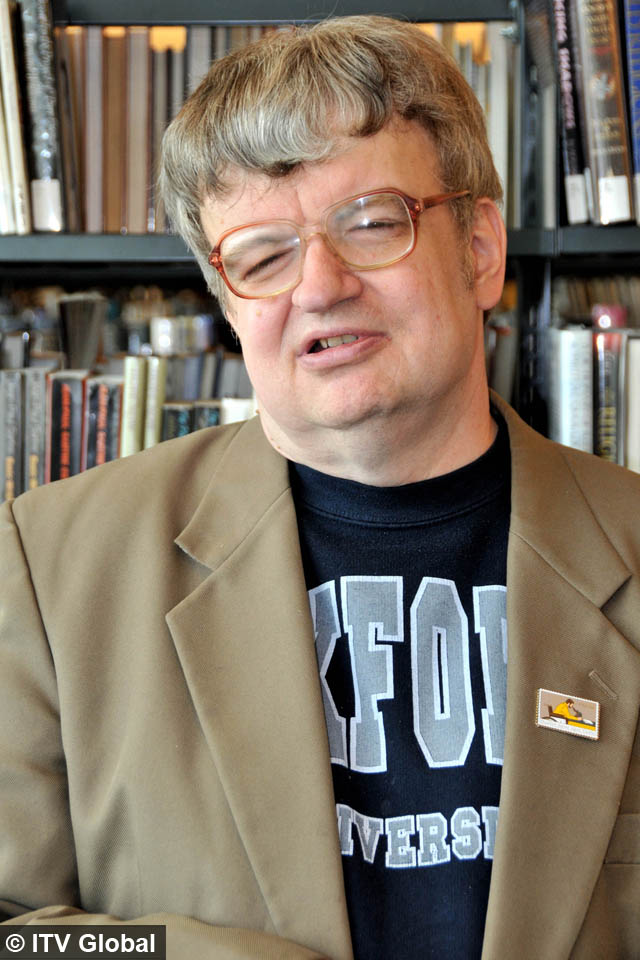

+2 more