Interesting facts about concrete.
Concrete is all around us. It is found in every city, most houses and apartment buildings, roads, paths, bridges and other buildings are made of concrete. But how much do we actually know about concrete?
Imagine a world without concrete. Without it, we would not be able to build solid houses or buildings, and we would probably still use straw or other lightweight materials to build our homes. In addition, we would not have the safe and flat roads we know and use today.
Modern concrete, which is used today, is an innovation of Joseph Aspdin, from the first half of the 19th century. Although Aspdin is not the first to see the usefulness of concrete in construction, he is credited with beginning to use concrete as a material used today around the world. Joseph Aspdin, a British industrialist and cement producer, patented Portland cement in Leeds in 1824, the most commonly used type of cement ever, from which most concrete is made worldwide and which is still in use today.
However, the beginning of the use of materials that had an almost identical composition as today's concrete and which can actually be called its predecessor, goes much deeper into the past. Even the ancient Egyptians used a mineral binder that was very similar to concrete in everything. It was the main material during the construction of the famous pyramids, the grandiose tombs of the Egyptian pharaohs, which are today one of the biggest tourist attractions not only in Egypt, but also in the world.
A concrete-like agent was also used by the Romans. Their builders mixed lime, water and volcanic ash that they exploited from Vesuvius, which was called pozzolan (lat. Puzzolana), in a place near Vesuvius. Vitruvius, an ancient Roman builder, architect and writer, wrote that four types of pozzolans were used - gray, black, red and white. The Romans recognized the waterproof qualities of this material and used it to build the port of Cosa, the remains of which were discovered in 1951 and today represent the only proof of the technical achievements of the old world.
The Pantheon, one of the greatest landmarks of modern Rome, was erected in 126 AD during the reign of Emperor Hadrian, and still represents the largest dome in the world made of unreinforced concrete. Although construction, architecture, technique and technology have advanced greatly since then, nothing like the Pantheon has been built in the world. If you ever visit Italy and Rome, be sure to visit the Pantheon and see for yourself how well it still holds.
The largest concrete structure is located in China
185 meters high and 2,309 meters long, the Three Gorges Dam on Asia’s largest river, the Yangtze River, is the largest concrete structure in the world. The dam with a hydroelectric power plant was built from 1994 to 2006, and can produce an incredible 22,500 MW of power. Its water intake contains as much water as in the Upper Lake in the USA and Canada, otherwise the second largest lake on the planet. More than 1.3 million people were evicted due to the construction of this concrete giant.
https://www.youtube.com/watch?v=yephs7bYQ5A&feature=emb_title
Life did not deal him good cards.
Superman is a fictional character who is considered to be the most famous and popular superhero of all time. Its creators are Canadian cartoonist Joseph Schuster and American screenwriter Jerome Siegel. Superman was created in 1932, while they were growing up in Cleveland, Ohio, and they sold the rights to the character to the comic book publisher Detective Comics Inc., better known as DC. Superman first appeared in Action Comics # 1 in June 1938, and soon after reached radio, television, film, and newspapers.
Superman was born on the planet Krypton as Kal-El. As a baby, his father, scientist Jor-El, sent him to Earth by rocket, a few minutes before the destruction of the planet. The rocket that landed on Earth and the baby in it was found by a middle-aged Kent couple.
Growing up in the Kent family, Superman realized that he possessed powers that far exceeded the capabilities of ordinary people and decided to use them to help others. In order to hide his identity, until he fights evil, he hid behind the character of the benevolent clark Clark Kent, a journalist for the Daily Star (later changed to the Daily Planet). Clark worked with journalist Lois Lane, with whom he was in love and whom he would later marry.
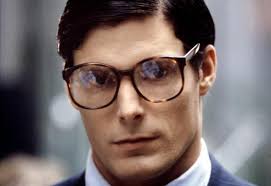
Actor Christopher Reeve, who is remembered by the vast majority for the role of journalist Clark Kent who turns into a superhero Superman, had no luck in real life. His destiny is a shocking, but at the same time inspiring story of will, strength and courage. The famous actor had a terrible accident in 1995, when he fell from his horse and suffered a severe head injury, as a result of which he was paralyzed from the neck down. His wife spent all her time next to her injured husband, helping him recover which was arduous and uncertain.
In addition to the fact that he ended up in a wheelchair and with numerous accompanying health complications, the famous actor did not give up on life. On the contrary, he achieved incredible health progress, which doctors could not have foreseen even in the craziest scenario, he was actively engaged in public speaking and counseling, and his motivational speeches became known all over the planet. He appeared everywhere smiling and full of enthusiasm, and his beloved wife never left him.
However, his complex condition had associated complications, so a few years later, due to an infection that developed, he received an antibiotic because he fell into a coma, and shortly afterwards, he died of heart failure in March 2004.
The news of the death of the famous actor and great fighter shook the whole world, but the tragedy does not end there - his wife Dana, only a year after Christopher's death, was diagnosed with an incurable form of lung cancer and she passed away in March 2006.
Christopher Reeve and his wife, during his lifetime, founded a foundation named after him, which is dedicated to innovative research and solutions for the treatment of spinal cord injuries, as well as improving the living conditions of people with this type of injury. His engagement and humanitarian work will be remembered for a long time among the friends and admirers of this great man.
**Christopher Reeve will be remembered, not for the tragic accident that befell him and his wife, but for the struggle, enthusiasm and strength of spirit that did not leave him until his last breath. And, of course, as the undisputed Superman - a man of steel!**
If you are not happy where you are, move, you are not a tree, you have no roots.
Good morning everyone. A gloomy rainy day again. Coffee is already on the table and many thoughts are running through my head. Why have we made our lives a routine, become slaves to our emotions.In life we are often satisfied with what we think is right and safe. We are afraid of change.
We are afraid to step out of our comfort zone and face the world, without the things we are used to.
We are afraid to go further because we cannot leave behind the people and places we know.
That’s how we look at ourselves and our happiness and lose our lives in the wrong place, when we actually need to move on.
If you are not happy where you are now, move on! You are not a tree. You don't have to stay in one place forever.
If the people around you don't make you happy, leave them behind. If every time you meet them you feel that something is wrong, stay away from them.
Don't allow yourself to waste time on them. Don't let them steal your energy.
This does not mean that you have to completely eliminate them from your life. Instead, decide not to spend time with people who cause you stress. Stop being satisfied with such connections and conversations.
If your job makes you unhappy, leave. If you can no longer study and mature in the workplace, move forward and find another job.
Spending time on a job that makes you feel sad and exhausted is just toxic to you. Regardless of the salary, you should not spend a large part of the day feeling dissatisfied.
Your happiness is what defines your success. If you are not happy, you will never be successful.
You may be successful in the professional field, but you will not feel fulfilled in yourself.
If you are not happy in the city where you live, move. Don't stay in one place just because you're comfortable and comfortable.
If you stay here just because you are afraid, you should think carefully about your decisions.
Because, when you are most afraid to do something, that's when you should do it. Otherwise, you will be trapped in one place for the rest of your life.
Your home is a place where you feel happy, not safe.
If you are dissatisfied with love, change something. Your partner is not the last person on Earth. Your relationship should fulfill you and make you happy. In a relationship, you need to grow and mature, not be sad.
Therefore, do not put up with such a relationship.
If you are not satisfied with your life situation, change it. Whether it's your career or college, if you realize you've made the wrong choice, stop and change your course.
Don't waste time, money and effort on something that doesn't make you happy. Even if it means losing a year or having to start over.Do it every time you are not satisfied with your life. Do it again and choose wisely next time.
If your life makes you sad, change your perspective. Look at life from a different angle.Stop focusing on things you can't control. Focus on yourself and what you can do for yourself.Replace pessimism with optimism and you will notice that things are starting to change for the better.
Peacock feather, here is what this symbol actually attracts to your home.
Many people have a peacock figure, a picture of a peacock or a peacock feather in their home - this is the energy that such an object brings to our home!
The peacock symbolizes the bird of wisdom, immortality, pride and beauty. In the Hindu religion, the peacock is considered a sacred royal bird. The peacock's tail is identified with the Judge, the firmament and the universal symbol of beauty.
It is believed that peacock feathers provide protection from negative energy, attract happiness, joy and career success. If placed as an amulet in the northern or southern sector, it will bring reputation and prosperity. Except in feng shui, peacock feathers serve as a talisman of material prosperity. The peacock's tail has 7 basic colors.
Due to its characteristic colors and proud gait, the peacock is associated with glory and victory. In many cultures, it represents astral symbols, the Moon, the Sun and the stars, but also a manifestation of a cheerful spirit.
In India, this bird is highly valued, and the peacock feather, which is depicted as an ornament in the crown of the god Krishna, is a symbol of divine love and selflessness.
In Christianity, the peacock represents renewal and transformation. It is believed that the flesh of peacocks as a symbol of immortality does not rot even when it is on earth for three days. In the Muslim tradition, the "eyes" shown on the tail symbolize the universe.
But in some countries, the peacock feather is associated with spells, bad luck and pain. One of the superstitions in England indicates that a family that has a peacock feather at home will have a lot of trouble.
From the angle of esotericism, the peacock feather will bring happiness and prosperity to the family, only if it happens to be near the home. It is believed that if a person sees a peacock feather on the street, a period of happiness and joy awaits him.
Spicy plants that you can grow in your home.
Here, a rainy autumn has arrived, followed by a long cold winter. For culinary lovers, including myself, the lack of fresh spices is a big problem. Yes, there is a large selection of dried herbs but it is not an adequate substitute for fresh. There is a solution for that as well. Every kitchen is much more beautiful if there are pots with herbs and spices in it. Always fresh and at your fingertips, to help us create a real magic of taste and smell.
For potted herbs that you plan to grow in the apartment, the choice of a well-lit place is crucial. So find a perfectly sunny window, a closed room terrace, whatever seems practical to you. It is necessary for the room temperature to be between 19 and 22 degrees Celsius. Also, in addition to sunshine, ventilation must be good. Most plants need only 5-6 hours of daylight to succeed.
The good side of growing plants in jars is that there are no weeds like in the garden, and for their growth it is enough to provide them with sunlight.
To ensure success, it is better to start with healthy plants than with seeds. Formed plants give you a multi-month advantage (sometimes even a year), compared to plants that are started from seed, plus you get a wider range of options when you grow them inside.
Chives
With a delicate onion flavor and beautiful purple flowers, chives are our favorite "herald of spring". Fortunately, they can grow anywhere. When you want to plant it, cut the base and do not take more than 1/3 of the leaves.
Mint
Mint can be the easiest plant to care for on this list, because you can plant it in jardinieres, gardens, and even in pots. It is great as an addition to lemonade, but also in other dishes.
Basil
Nothing compares to the smell of fresh basil, right? Scientists say that it has a therapeutic effect, which is more of a reason to plant it near you. You should know that the more you cut it, the more bushy and lush it will be.
Parsley
No, this plant is not just for decoration! It reproduces easily and grows quickly when it receives enough sunlight and water. The type with flat leaves is the best for cooking.
Rosemary
Rosemary is great for warm, dry and sunny places. Prune it to take on the shape of a tree, to fall like a waterfall or as a ground cover and your yard will resemble French hills.
Thyme
It is enough to provide it with enough light and permeable soil and you will have a great spice in your collection.
Oregano
This Mediterranean herb is very common in cooking, but can also be found in many backyards. For better taste, place it in a bright place, where the soil has good drainage.
Certainly the most unusual way to bring the taste of the Mediterranean into the kitchen during the winter is to put chopped fresh spices in ice molds and pour extra virgin olive oil. When you take out these cubes, you will have an ideal addition to dishes. Rosemary, sage, thyme, oregano and primrose, which can be cooked together with food, are ideal for this method of storage, and mint and basil should be avoided, because their taste changes.
Embark on a creative adventure of growing plants and your efforts will be rewarded with delicious and healthy organic spices that will complement the taste of your dishes throughout the year.
Healthy food combinations.
Our parents always told us, don't eat salty and sweet, don't drink water while eating, etc., etc.
But! There is always that "BUT".
Certain food ingredients work best in pairs and thus help the body fight disease. Here are some examples.
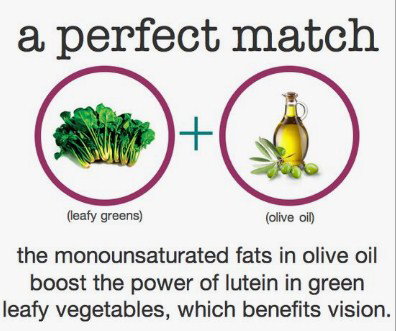
**Green leafy vegetables + olive oil against inflammation**
The combination of vegetables and healthy fats stimulates the absorption of antioxidants, such as lutein and beta carotene. Lutein from green leafy vegetables relieves inflammation in the eyes and thus helps prevent neurodegenerative disorders such as macular degeneration, which most often occurs in old age. Beta carotene, which is an antioxidant, generally reduces inflammation in adults.
**Lens + lemon against anemia**
Iron deficiency anemia (too few healthy red blood cells due to too little iron), which often affects premenopausal women, is caused by an inflammatory response and can limit the amount of iron available to the rest of the body. Consuming foods rich in iron, such as lentils and beans, along with citrus fruits (such as lemon), which are rich in ascorbic acid and carotenoids, significantly increases the amount of iron absorbed.
**Sweet potato + chili for vitamin A absorption**
Sprinkle with roasted sweet potatoes, rich in beta carotene, with a little ground hot cayenne pepper or chili powder, to increase the absorption of vitamin A. Vitamin A is useful in the prevention and treatment of inflammatory skin conditions such as acne and bronchopulmonary dysplasia.
**Raspberries + grapes against inflammation**
Both raspberries and grapes are rich in antioxidants. Raspberries contain ellagic acid, which is known to increase the action of quercetin, which is rich in grapes. In combination, raspberries and grapes effectively fight inflammation, reduce the risk of cardiovascular disease, osteoporosis and lung cancer.
**Almonds + kefir for "happy" intestines**
Kefir, like yogurt, has a probiotic effect. To increase the number of friendly bacteria in the intestines, eat almonds with kefir. Research shows that almond skin fibers act as prebiotics that feed on kefir probiotics, which creates a favorable environment for good bacteria in the intestines that fight chronic intestinal inflammation (Crohn's disease, ulcerative colitis, etc.).
Mansa Musa - African king and richest man of all time
Here is a little interesting about the richest man of all time. No no, it's not me, but it's Musa.
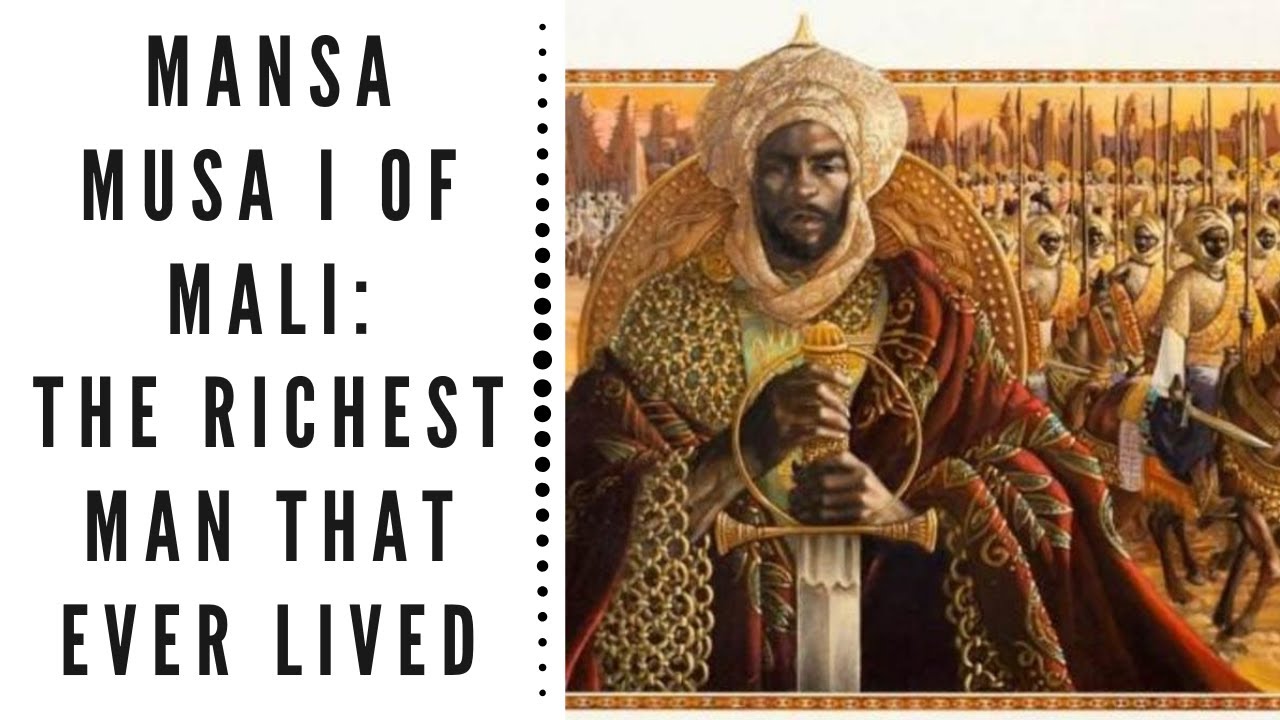
With a personal fortune that would be worth 400 billion dollars today, Musa I is officially the richest man of all time.
Musa I, also known as Kankan Musa, was the 10th Mansa, which means "King of all kings", in the once extremely rich Malian kingdom.
https://www.youtube.com/watch?v=MJaUwytc8kA
Mansa Musa ruled West Africa (Malian Empire) in the early 13th century, and he gained wealth by digging and selling gold. During his reign, more than half of the world's gold came from the Republic of Mali.
He built mosques, universities, encouraged the development of science, especially mathematics and astronomy, but Europe nevertheless became aware of its existence only in 1324.
Namely, Musa went on a pilgrimage to Mecca, and his procession consisted of 60,000 men and 12,000 slaves, each of whom carried one gold bar weighing about 2 kilograms. There were also about 500 newspapers in silk clothes in the procession, which carried sticks made of dry gold. Along the way, he donated to the poor and paid for the construction of a mosque every Friday. He bought a large number of various souvenirs and was such a consumer that his good deeds in Cairo caused severe gold inflation and rising food prices.
It took the city a decade to recover from inflation, despite Mansa Musa, seeing on his return that everything turned out differently than he had planned, buying gold back at high interest rates.
It was the first and only time that a single man in the Mediterranean caused such a financial turmoil in the gold markets. Such generous deeds left a great impact on the people that Mansa Musa would meet on his travels, which is why Mali very quickly appeared on maps throughout the Middle East and Europe. For the first time in history, sub-Saharan Africa became known north of the Sahara Desert.
Yet, only a few generations after his death, all his wealth completely disappeared in several civil wars. The pilgrimages of the West African rulers of Mecca took place before and after Musa, but none of them left such a lasting impression.
Let's protect children from pedophilia on the Internet !!!!
With the advent of the Internet and the ever-faster way of exchanging multimedia content, the material created by the exploitation of minors for pornographic purposes is available to the general public, i.e. the whole world in just a few seconds. Behind such content, there are often criminal groups that try to make money in this way, using the "demand" for such material, and if it turns out that they can make money by committing these crimes, the circle of minors who become victims is expanding. As images created in this way appear on the Internet, they quickly become available on other Internet sites that advertise such content within minutes. Unfortunately, children experience the same traumas in this way with the appearance of such shots every time they appear, and even many years after they grow up.
In addition to the emergence of Internet sites where the material was created by exploiting minors for pornographic purposes, harassment of children is becoming more and more known as online grooming (harassment via SMS, phone or Internet service) because the perpetrator often hides behind a false identity. child and with false information).
In such cases, the perpetrators, within the communication through the Internet service or through social services such as (Facebook, Twitter, etc.) present themselves as persons who are similar to the profile that the child is looking for, enter into communication with him, try to gain trust. in various ways and then to exchange photos with pornographic content, e.g. that the child paints himself, all the way to extreme situations in which they seek concrete contact with the child when the perpetrators schedule meetings, and it is not uncommon for serious crimes to be committed against sexual freedoms and against the life and body of minors.
There are also services on the Internet where there is a possibility of audio-visual communication, such as. MSN or SKYPE, which provide a "more intimate atmosphere" to the perpetrators of these crimes in order to make it easier to meet potential victims and obtain illegal content by falsely presenting themselves.
The use of Internet cameras can be a potential danger because often the perpetrators of these crimes, as well as video material created during the use of cameras (if they ask a person to take a picture naked, in explicit poses ...) are stored on their computers and then posted on forums. or sites that contain material created by the exploitation of minors for pornographic purposes, etc.
One of the new forms of committing these crimes is the creation of images and audio-visual material using mobile phones and then the exchange via MMS service.
Photographs of minors taken for the purpose of modeling often end up on Internet sites that contain material created by exploiting minors for pornographic purposes, as well as on various forums where the said content is exchanged.
There is a large dark number of these crimes, ie there is a large number of unreported crimes.
The dominant reasons for not reporting are the patriarchal environment, fear of parents, fear of threats from perpetrators of criminal acts ...
For Serbia....
UKOLIKO IMATE INFORMACIJE O SEKSUALNOJ ZLOUPOTREBI MALOLETNIH LICA U PORNOGRAFSKE SVRHE NA INTERNETU UPUTITE ELEKTRONSKU PORUKU NA ELEKTRONSKU ADRESU ODELJENJA ZA BORBU PROTIV VISOKOTEHNOLOŠKOG KRIMINALA:
**prijavipedofiliju@mup.gov.rs**
PRIJAVE NA BROJ TELEFONA: 011/3540-231
U PERIODU OD 07:30 ČASOVA DO 15:30 ČASOVA
A NAKON TOG VREMENA NA BROJ TELEFONA 192
POMOZITE NAM DA ZAŠTITIMO DECU I OMOGUĆIMO IM DETINJSTVO KAKVO ZASLUŽUJU POŠTO SU ONA NAŠA BUDUĆNOST.
IF YOU HAVE INFORMATION ABOUT THE SEXUAL ABUSE OF MINORS FOR PORNOGRAPHIC PURPOSES ON THE INTERNET, PUT AN EMAIL TO WHICH IT CAN BE REPORTED IN YOUR COUNTRY.

Only for extremely wealthy food lovers.
There is no doubt that a large number of people enjoy food and do not save on it. But certain foods as well as drinks are intended exclusively for those with too deep a pocket.
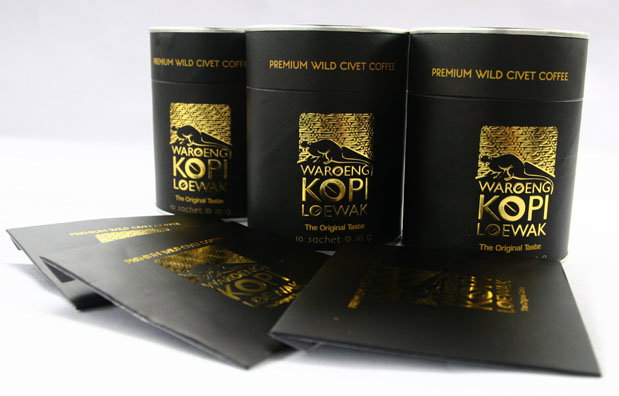
**Kopi luwak (Civet coffee) coffee: $ 100 per cup**
This is also the most expensive coffee in the world, and its price is around 100 dollars per cup. Perhaps the most interesting fact about it is that it is made from animal feces. Namely, this coffee comes from the beans that are collected from the feces of the Asian animal civet, which most resembles our cats (actually it is related to mongooses). Apparently, their digestive tract gives coffee a sweet aroma and a delicate, clear taste. The annual production of this most expensive coffee in the world is around 450 kilograms and it is mostly sold in Japan and the USA.
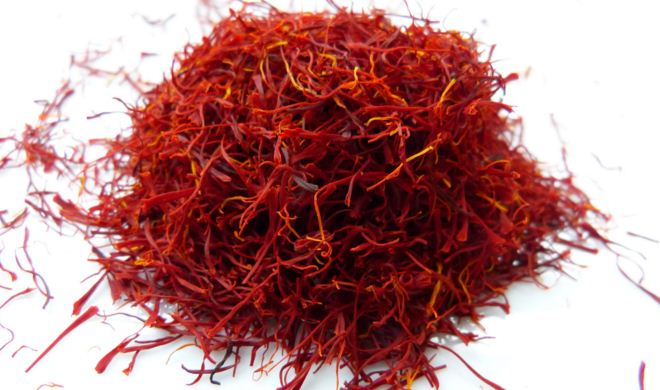
**Saffron spice: $ 1,500 for about 450 grams**
Saffron is the most expensive spice in the world made from the plant of the same name. Each flower brings three parts that are carefully picked and then dried. The amount of the price is mostly contributed by the manual work necessary for collecting and drying. This spice is guaranteed to give a special taste to a dish, but it will rarely be found on someone's daily list of foods that are needed to prepare a meal.
**Almas Caviar: $ 25,000,the most expensive caviar**
This caviar from Iran is considered the most expensive that can be purchased. At the same time, it is not so easy to get it at all, and whoever succeeds will arrive packed in a metal box with 24 carat gold. It is often said that it is intended for emperors and kings. The price certainly follows that saying, considering that it is around 25,000 dollars.
**Donkey's milk cheese: $ 1,000 per kilogram**
**donkey cheese from Zasavica ( Serbia)**
This cheese actually comes from Serbia. It is made from the milk of a donkey from a farm in Zasavica, 50 kilometers from Belgrade, according to a traditional recipe. Since donkeys produce relatively little milk, the procedure is repeated three times a day, and it is estimated that more than 15 donkeys are needed to collect about four liters. This cheese from our country is praised all over the world and many claim that it is worth every dollar, and even that its weight should be measured in gold.
A natural juice that works wonders for our body.
Now let's talk a little about health, specifically, about a very healthy juice.
Celery stalks are full of nutrients and are among the healthiest liquids you could take into your body. Because it is very alkaline, it balances the pH of the organism, which is often acidified due to industrially processed food.
Celery leaves are rich in vitamin A, while the stalks are an excellent source of vitamins B1, B2, B6 and C, they are full of potassium, folic acid, calcium, magnesium, iron, phosphorus, sodium and essential amino acids. There are also plant hormones and very valuable essential oils that give celery a specific scent. These oils have a particularly good effect on the nervous system and soothe.
Interestingly, celery is rich in sodium which is different from the salt we usually use in the kitchen. Namely, kitchen salt is composed of insoluble inorganic compounds that lead to the development of varicose veins, arterial damage and other diseases. On the other hand, celery sodium is soluble in water, so the body can make better use of it and at the same time maintain cell hydration.
**The juice is good against cancer**
Celery is known to contain at least eight types of anticancer ingredients. Research at Rutgers University in New Jersey found that celery contains a number of ingredients that prevent the spread of cancer, such as acetylene and phonic acid. Coumarins are another phytochemical that prevents the harmful effects of free radicals and thus serves to prevent the development of colon and stomach cancer.
**Lowers cholesterol**
Laboratory studies show that butyl phthalide, a chemical compound from celery, can help reduce LDL (bad) cholesterol. According to researchers from the University of Chicago, celery lowers cholesterol levels by as much as seven times, if you eat only two stalks a day. Celery also helps increase the excretion of bile acids, which remove cholesterol from the body.
**Help with digestion**
Special nutrients from celery fiber help bowel motility. This makes celery a natural laxative that helps get rid of constipation. It also helps relax nerves depleted by pharmaceutical laxatives.
**Diuretic**
Potassium and sodium in celery juice are powerful regulators that stimulate urine production and thus help the body get rid of excess fluid.
**Anti-inflammatory action**
The polyacetylene in celery is an amazing remedy for relieving inflammation, including rheumatoid arthritis, osteoarthritis, gout, asthma and bronchitis. A study published by the American Academy of Sciences showed that another powerful phytochemical from celery, luteolin, prevents the activation of pathways that enable the creation of inflammation in the brain. Luteolin also inhibits excess production of TNF-alpha, a direct cause of inflammation. You can drink as much celery juice as you want, without fear of overdose (just make sure it is from organic farming so that it does not contain harmful pesticides).
**It lowers blood pressure**
Celery helps reduce high blood pressure. Research shows that drinking celery juice daily for one week can significantly help lower blood pressure. Compounds called phthalides help relax the muscles around blood vessels, dilating them and allowing for easier blood flow. Phthalides also reduce the level of stress hormones, which, among other things, cause constriction of blood vessels.
https://www.youtube.com/watch?v=Kk59ItewcWw
**Elimination and prevention of stone formation**
Celery juice is an amazing eliminator of toxins from the body, so it helps break down and expel urinary and gallstones.
These are the foods that are needed to make a very powerful celery juice. ( mix everything in a blender)
2 handfuls of spinach (good for the brain)
half a cucumber (hydrates, cleanses the body and soothes)
1/4 celery tree (good for bones)
1 sprig of parsley (good for circulation and heart)
4 leaves of fresh mint (great taste, and soothes and relaxes)
3 carrots (good for skin, eyes)
2 green apples, peeled (apple like an apple, good for everyone)
1/4 orange (good for metabolism)
1/4 lime (clean, against kidney stones)
1/4 lemon (good for everyone, cleanses, soothes, refreshes, protects against viruses)
150 g pineapple (for digestion, full of vitamins, sweet health)
ginger, root, thumb size, chopped (good for whole body)
We recommend that you drink this juice several times during the day and be sure to include it in your morning routine. Don't forget to always have a bottle of this juice with you in your bag, so that it can be your first aid when you run out of energy.
Uisge beatha...Whiskey
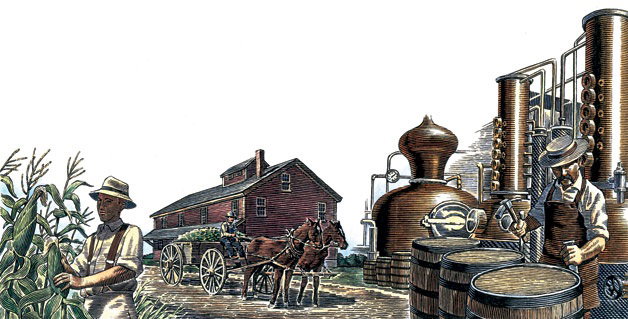
Whiskey is one of the most popular drinks today. The word itself comes from the Celtic word "usque", which means water, and its ancient name was "usque beatha" which means water of life. Whiskey is a category of spirits, which are produced by distilling cereals, and which are stored exclusively in barrels or barrels made exclusively of oak wood. Depending on the type of grain used, the types of whiskey differ. The cereals from which the largest number of whiskeys is made are barley, rye, oats, corn, wheat. The best and most popular whiskey bottles come from the United States, Scotland and Ireland.
Historical data on the origin of whiskey date back to 800 BC. It is believed that the drink that was then called "arak" is the forerunner of today's whiskey, and the origin of that drink was ancient India. We still have unofficial data on whiskey in the 4th century BC in Aristotle's distillery records. St. Patrick's trip to Shkodra is also connected to the creation of this "fire water". It is believed that St. In addition to the story of Christianity, Patrick told about the ways and purposes of distillation. The first significant and written trace of whiskey comes from Skoda, from 1494, when King Jace IV ruled. He ordered that 25 barrels of "water of life" be made. The eternal war about who invented whiskey is still relevant today. The Irish do not accept this historical fact, but refer to the sermons and the diary of an ancient Irishman, in which it is written how the "triple fire water" is prepared. That is why the Irish can rightly say that they invented whiskey.
The way whiskey is prepared and stored is crucial to the aroma that will accompany it. It does not mature in the bottle and the quality expected of it must be achieved in the period between distillation and packaging. This is the main reason that bottled whiskey can have the status of a rarity after many years, but it does not necessarily have to be better than the whiskey that can be bought in the first store.
https://www.youtube.com/watch?v=ZNe4ZRFx9oY
Phase 1. Preparation of cereals. Barley is picked, dried and germinated for 7-15 days. Then they are dried again (hot smoke). Peat, charcoal and beech chips are burned due to smoke. This treatment additionally gives the alcohol the aroma of "smoked". Peat smells different in each area. It can be the smell of algae and iodine, honey and ester. Therefore, every Scottish scotch is unique.
Phase 2. Preparation of flour. The malt obtained after drying is crushed and, pouring boiling water, insist 12 hours. Next - combine with the yeast and let it ferment.
3 stages. Distillation. Barley porridge is distilled mainly three times, obtaining 20, 70 and 95% alcohol. The product of the last distillation (more precisely, its "heart") is diluted with water to obtain 50-65% alcohol.
4th degree. Excerpt. Scotch gets flavor, color and aroma in oak barrels. They do not seal too much and alcohol has the ability to absorb not only the wood shades, but also the odors that surround the barrel. The time that the distillate will spend in barrels usually made of American or French oak (and not in bottles) determines the age of the whiskey.
A special bottle of Scottish Macallan was sold last year at a price of 628,000 dollars at an auction in Hong Kong, and it will, for sure, hold the record for a long time to come.
In addition to Macallan, it is well known that in cold Scotland, people also warm themselves with the help of Chivas Regal, Ballantines, Johnnie Walker and many others. There are about twenty million barrels of whiskey in this country - about four barrels per person who lives there.
They say, if you have a cold, drink mulled wine.
Mulled wine is a well-known remedy for colds. It is prepared in many ways, it is delicious and most importantly: hello!
Here, I will now tell you what its benefits are and how it is prepared!
If you are a wine lover, then you will simply adore it prepared this way. Hot drinks are something that is recommended when the season of viruses and colds starts. These can be various teas, and in our country, "they" are often brewed with a certain dose of alcohol.
While hot chocolate and cocoa are highly valued somewhere as a hot beverage, hot brandy (sometimes known as Šumadija tea) and mulled wine are valued in our country.
Believe it or not, this is not nonsense and mulled wine can really have its advantages.
This drink, they say, can improve the state of your memory. Of course only if you use it in moderation. In exaggeration, it will probably contribute to not remembering what you did the day before and suffering from a hangover.
Red wine contains resveratrol, a substance found in red grapes, dark chocolate and raspberries. This substance, according to some research, has the property of reducing the ability of harmful molecules to damage brain tissue, that is, to infiltrate inside it. In this way, mulled wine preserves memory, but we cannot say that it really improves it. Either way, it does no harm and is thought to prevent the development of Alzheimer's disease.
Ok, you know this for sure and you know it's good to have a glass of red wine at lunch. This advantage of mulled wine is due to polyphenols that prevent platelets from sticking together and blood clots from forming, and maintain the elasticity and flexibility of blood vessels. Also, some types of red wine can reduce bad cholesterol, and thus affect high blood pressure, and here are great alternatives for a healthy heart in a glass of mulled wine!
Once a week, prepare well-cooked wine when the cold season starts and you are well on your way to preventing a runny nose, cough, and sore throat. This is a great drink for immunity, because it contains antioxidants that fight infections and free radicals.
How is mulled wine made?
The wine does not need to be boiled, but needs to be heated to a certain temperature. It is about 75 degrees because at that temperature the alcohol starts to evaporate. You can first heat only a little wine with spices because alcohol will "extract" aromas from the spices much more than when the dish is cooked, and then add the rest of the wine.
Ingredients needed:
Red wine 1 l
Water 250 ml
Crystal sugar 4 tbsp
Clove, cinnamon, pepper, nutmeg or spice to taste
Orange, tangerine, apple, lemon or any other fruit you like
https://www.youtube.com/watch?v=GK4W3HXNKlk
Preparation:
Melt three tablespoons of sugar over low heat. When it turns yellow, pour water over it, increase the temperature of the hob and let the water boil. Make sure that your hob is not too strong so that the sugar does not burn.
Then add another tablespoon of sugar, stir well to combine everything and add the wine. When the foam starts, remove the pot in which you cook it all from the stove, because your drink must not boil. Add spices, mix well and pour into a thicker glass, which has a handle.
Now we come to the part where you can change the taste of mulled wine with various spices. Our suggestions are cinnamon and cloves. They are standardly used for mulled wine. If you like to experiment with flavors and aromas, try pepper and nutmeg. Pepper enhances the taste and circulation and expels excess water, and the nut gives a special aroma. If you are a fan of milder flavors, you can add one bar of vanilla. You can also buy an already prepared mixture of spices for mulled wine, but our choice and recommendation would certainly be fresh spices and the possibility to dose them yourself and create new flavors.
You can also enrich the taste by adding fruit to it. Our recommendations are orange, pear, apple, lemon, tangerine. Wash the fruit well, cut it into strips and put it in the wine with the peel. If you don't want to put whole fruit, a grated orange or lemon peel will be enough for a little taste.
Serve the wine prepared in this way and taste it while it is still warm. Nothing is warmer on cold days than delicious mulled wine. And be careful not to overdo it, it's still about alcohol.
Cheers!
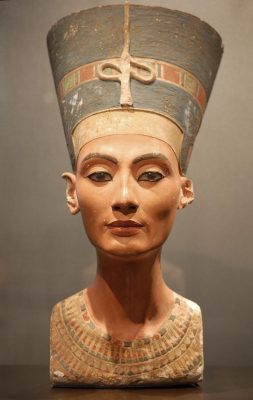
Nefertiti - the queen under the veil of secrecy.
"Beauty has arrived" or otherwise Nefertiti.
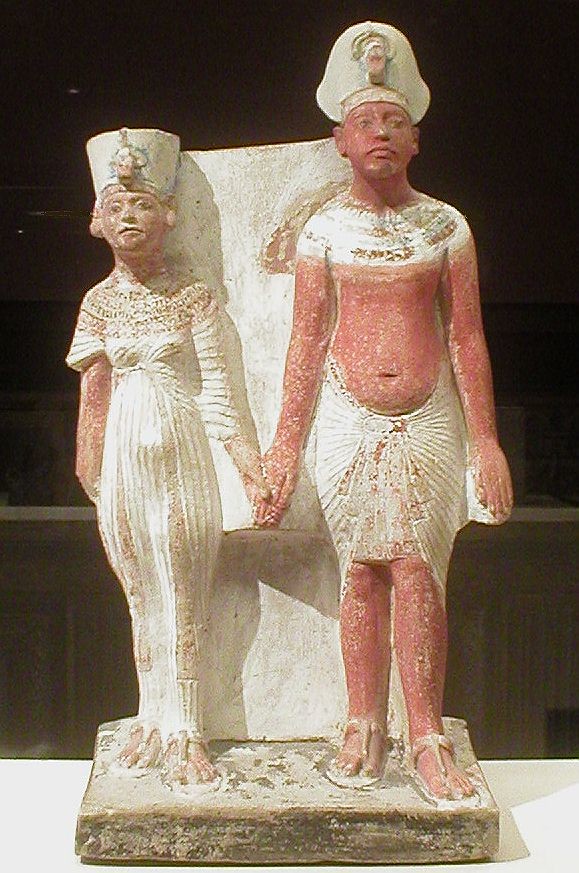
Nefertitis or Nofretete was the Egyptian queen, the wife of Pharaoh Akhenaten, during the reign of the 18th dynasty. She lived from 1370 p.n.e. to 1333 BC
In many ways, she placed herself on the pedestal of a perfect royal personality, and beauty is by no means all that adorned that special woman. Nefertiti is one of the most amazing female figures in the history of Egypt.
There were many important queens, but among all of them, Nefertiti really stands out as someone very special. They say that no one surpassed Nefertiti's power.
Nefertiti was very young when she married Pharaoh Akhenaten. She was related to his mother Thea. She gave birth to six daughters, Meritaton, Maketaton, Anhesenpaaton, Neferneferuaton, Neferneferure and Setepenre, who were painted together with their parents on numerous reliefs. At the same time, Nefertiti is shown in the position of co-ruler, which was almost unthinkable until then. The couple was often depicted kissing, holding their daughters in their arms or mourning the death of one of their daughters.
She grew up in a harem, married a pharaoh, gave birth to six children, and carried out a revolution that changed Egypt forever. With her husband, she took the people out of the old capital and built a stunning city in the heart of the desert. For some, she was a religious fanatic, a conspirator, a traitor. Others saw in her the heroine who made the greatest sacrifice to save her country. She was the queen of riddles, the queen of magic, the queen of love, the queen of jealousy, the queen of revenge.
The empire danced on the verge of collapse. To save Egypt, Nefertiti turned her back on everything she loved, even her god. Nefertiti inherited the empire in the process of disintegration and soon took the lead. He protects himself first, then his dynasty. So she married her daughter Ankesenamon to Tutankhamun's stepson.
Events after that go unnoticed ...
Nefertiti led a special life. Girl-bride, queen, goddess on earth, pharaoh, heretic. A revolutionary who tried to transform Egypt, but failed, but threw her country into a whirlpool that may have led to her death. Amarna was dismantled stone by stone after her death. All the temples she built were reduced to dust.
Nefertiti still remains a great enigma of Egypt's past, because someone made a good effort to erase every trace of its existence and rule.
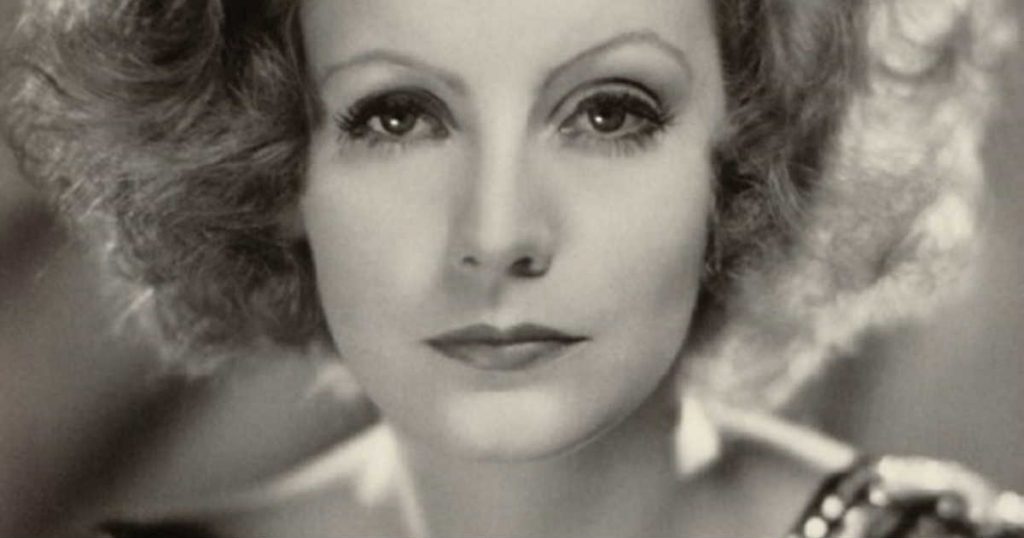
The mystical glamor of the most beautiful woman of the century....Greta Garbo
The Hollywood star of extraordinary beauty and legendary acting talent was realized through notable roles in the films Anna Christie, Grand Hotel, Anna Karenina, Lady with Camellias, Ninochka and many others, creating a kind of myth about herself.
I don't want to be a stupid seductress. I don't see the point of dressing nicely and seducing men, doing nothing but that, said the actress with a recognizable acting style, Greta Garbo, based on a combination of restraint and artificiality with which she evoked a systematic, rich, but contradictory emotional life for unattainable women.
https://www.youtube.com/watch?v=tbgHkTNeWR4
This European who enchanted Hollywood, born in 1905 in Stockholm, was an American actress of Swedish origin and one of the greatest actresses of the 1930s. She was born into a poor provincial family, and from an early age Greta and her sister and brother were accustomed to a modest and difficult life. After she turned fourteen, she lost her father and remained living with her mother and sister, who continued to take care of her younger brother and her. Greta was prone to daydreaming, so as a child she dreamed of one day becoming an actress.
Since she did not have the funds to continue her education, she worked as a saleswoman and hat designer. Her employer recognized her beauty and creativity and promoted her to a model. She acted in a commercial for women's clothing, and then tried her hand as an extra in the film Wandering Peter, after which she enrolled in acting at the Royal School of Dramatic Arts in Stockholm. In 1925, she got her first role in the film Street Without Joy, after which everyone was fascinated by her, so she continued her acting career in Hollywood without any problems. Having made over eight silent films, she became one of the most sought-after Hollywood actresses. In most of them, she was in a relationship with John Gilbert, with whom she was in an emotional relationship in private.
Despite her great popularity in silent films, the producers decided to give her a role in a sound film, because of her Swedish accent, and accordingly she was given the role of a port prostitute in the film Anna Christie, for which she won the Oscar for Best Leading Actress.
This was followed by another Oscar for the role in the film Romance, after which Greta Garbo's reputation grew, so the next films Mata Hari and Grand Hotel became blockbusters, and Greta Garbo was at the peak of popularity. In 1936, Garbo was nominated for the third Oscar for her role in the film The Lady with the Camellias, while the role of the French courtesan became her trademark.
Soon, after only three years, she was nominated for the fourth Oscar for her role in the film Ninočka. The last film she made, which was considered a failure by critics, was the comedy Woman with Two Faces, and Greta Garbo called this film her grave and decided to retire.
The non-communicative, mysterious Greta Garbo, called a Swedish sphinx and a mysterious stranger, was often the subject of gossip caused by her unexplained love life. It is known that her greatest love was a man, but numerous relationships with women cannot be ignored. Much can be learned about her affair with women from McLellan's The Girls, which contains information about many public and undercover lesbians of the time, including Isidora Duncan, Hattie McDaniel, Patsy Kelly, Elizabeth Scott, and the infamous heartthrob, Marlin Dietrich. .
https://www.youtube.com/watch?v=jCh2f0COt7I
This intriguing and divine film diva died in New York in 1990, and her urn was transferred to her native Stockholm. After her death, Greta Garbo's admiration did not stop and does not stop, and this is evidenced by the interesting fact that her cigarette butt reached a price of 352 dollars at a Hollywood auction.
Audrey Hepburn - the notion of femininity.
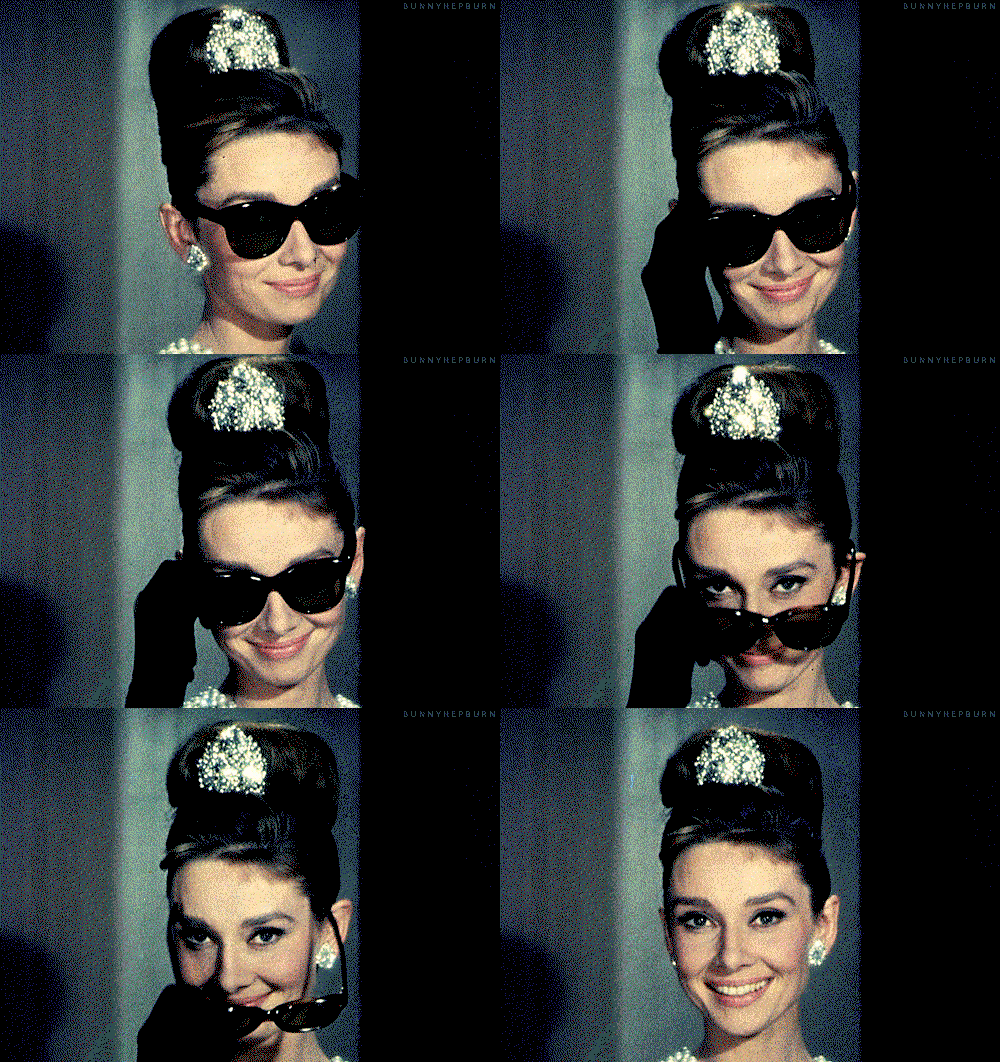
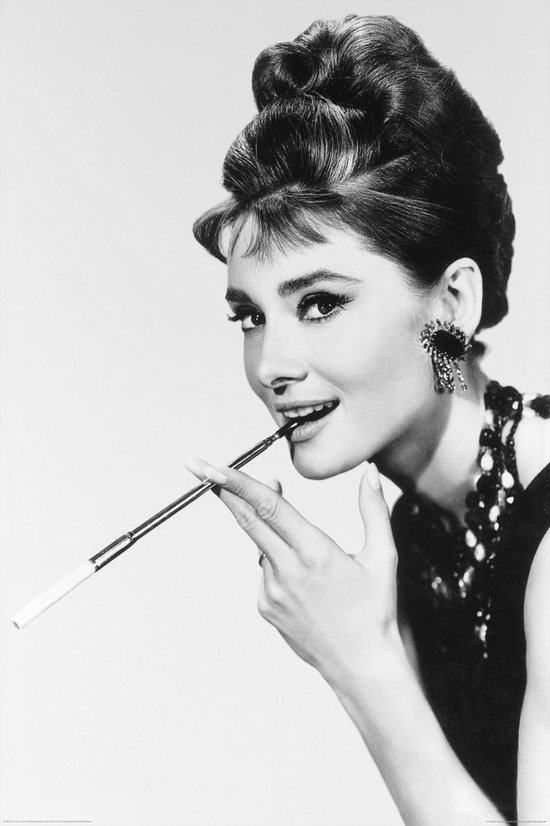
Audrey Hepburn, a Hollywood star who conquered the world with the film Breakfast at Tiffany's, then with films such as The Holiday in Rome and Sabrina, was unique in many ways and caused not only admiration but also respect.
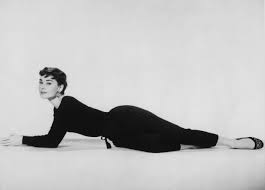
The style icon of the modern age was much more than both an actress and a fashion arbiter. Slender, with an incredible waist of 50 centimeters and always elegant in the creations of her favorite designer Givenchy, she was the embodiment of the ideal of femininity.
She possessed an irresistible charm, kindness, a big heart, and above all, a rare lady's elegance and sophistication with which she rose above the Hollywood everyday life of scandals and sensations.
She was born in 1929 in Brussels, and at the age of five, her Dutch mother, a member of the Dutch aristocracy, and her father, an Irish banker, sent her to a boarding school in England, where she began to study ballet. After the outbreak of World War II, her parents divorced and she went to the Netherlands with her mother, hoping that it would be safer there.
The gloomy war years during which she continued to study ballet and organize ball performances in order to survive led to her malnutrition, so she often did not have the strength to dance. Due to the complete lack of food, people ate tulip bulbs, because there was no other food, and there are the roots of the eating disorder she struggled with all her life, torn between the desire to eat, a sensitive stomach and the imperative of a slim line.
It was the figure of her body that determined her future.
Although her dreams of a ballet career were over, she found herself on stage, in the musical Monte Carlo Baby, and then in front of the film cameras. The French writer Colette recognized her as an exceptional actress for the heroine of her novel Žiži.
The lovely actress was soon noticed by famous Hollywood producers, and that is how her film career began, thanks to which she gained her popularity.
The holiday in Rome brought her a lasting friendship with Gregory Peck, with whom she was not in a love affair, although it was rumored. The cult film Breakfast at Tiffany's was shot in very unpleasant circumstances and to the general dissatisfaction of everyone present on the set.
Despite all that, this film confirmed her as a style icon, because it was in the role of Holly that Audrey defined that recognizable look with the help of Givenchy. The film also promoted Ray Ban Wayfarer sunglasses, a scarf around the neck that falls down the back, shoes with a cat heel, a classic beige raincoat, but most importantly, a classic little black dress that is combined with white pearls and large jewelry.
Becoming a big Hollywood star, she had the opportunity to play with famous actors such as: Fred Aster (Funny Face), Humphrey Bogart and Gary Cooper (Love In The Afternoon), George Pepard (Breakfast at Tiffany's), Carrie Grant (Charade), Rex Harrison (My Pretty Miss), Peter O'Toole (How to Steal a Million) and Sean Connery (Robin and Marian). Many of these actors became her friends, Rex Harrison called Audrey his favorite lead actor. Carrie Grant once said "all I want for Christmas is to make another film with Audrey"
She spent the happiest years of her life with actor Robert Walders, with whom she lived in love until her death, in 1993, after she was diagnosed with a rare type of bowel cancer. Her old friend Gregory Peck said goodbye to her, reading the verses of the song Immortal Love by Rabindranath Tagore at her funeral.
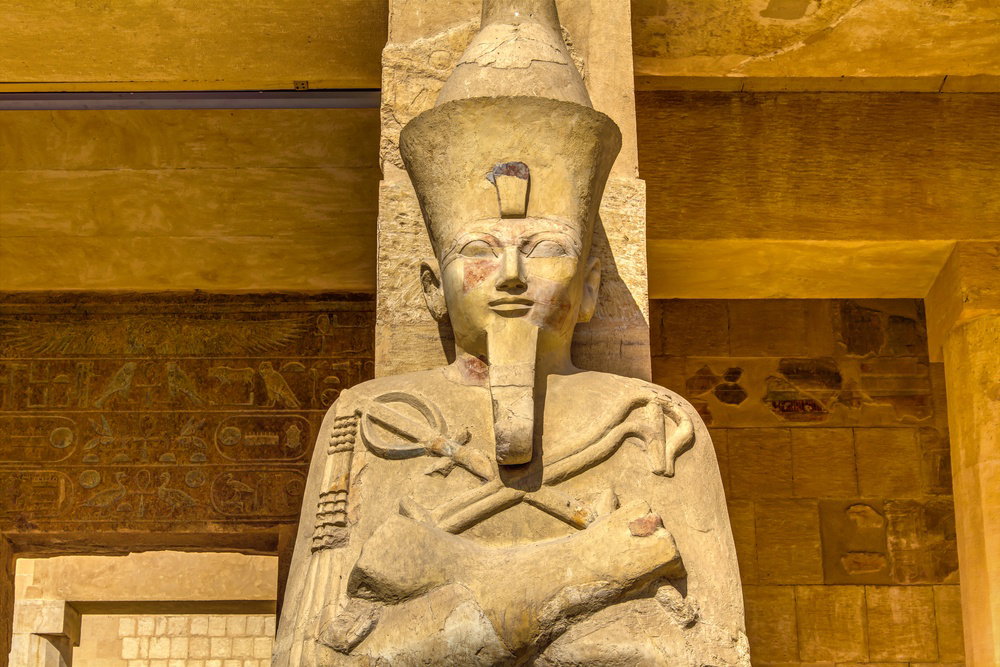
Her Majesty Pharaoh.
The Iron Lady of her time ruled Egypt in such a way that this pearl from the Nile experienced a comprehensive flowering. The first woman to have the honor of bearing the title of pharaoh. She was crowned and honored as a king, not as a queen, and she was also given all five traditional names worn by the pharaohs. This was a precedent, because no woman after her succeeded. In many ways special, powerful, and wise, Hatshepsut, the king's wife.
Hatshepsut, which meant “Most Prominent of Noble Ladies” in the ancient language of Egypt.
The daughter of the pharaoh, who then had the title of "wife of God", then, the wife of the pharaoh and finally, the pharaoh-queen. A queen who ruled sovereignly in the world of men, who ennobled the lineage of the eighteenth dynasty.
It is certain that a woman needed much more than a noble family and blue blood, in order to reach divine honors and heights at that time. How and how she fought for her position is in any case an interesting story, which comes to us from a land of pyramids, mysteries and secrets. In that person was a blend of female wisdom and male strength and determination. Two natures in one person.
Although she was not the first example of a woman who had great powers, she is still a very interesting person. But that is why she is one of the few women in Egyptian history, who remained on the throne for a long period of time. During that period, with her policy, she provided Egypt with what every person values and wants the most - peace. This queen was remembered in history for portraying herself as a man, wearing a ceremonial, pharaonic beard and taking on all the signs of royal dignity.
She rejected the female sequel to her name. By doing so, she wanted to confirm herself in the world of men, rejecting everything that was unnecessary and taking over everything that was necessary for a ruler and for which her ancestors, divine pharaohs, were known.
She was born in 1508 BC as the daughter of Pharaoh Thutmose I and his wife Ahmes. Allegedly, there was a prophecy from the temple of Amon, according to which Hatshepsut was destined to become a pharaoh. An interesting way is how the propaganda of that time, through legends and stories, convinced the society that Hatshepsut's destiny was to become the mistress of Egypt. Who would dare to deny the will of the god Amon and do harm to his favorite - the queen?
Her full name was Hatshepsut Ma'at-ka-Ra, which means "the noblest woman of all who carries truth, order, peace and spirit."
In accordance with tradition, she married her half-brother, the new pharaoh Thutmose II, who did not enjoy the blessings of one ruler for long, as he passed away very soon after ascending the throne. From that marriage, Princess Neferure was born. With his second wife, Thutmose II had a son, the heir to the throne, the future Thutmose III. Since the Crown Prince was a minor, Hatshepsut took over the function of queen-mother. She was the prince's aunt and stepmother. She held supreme power for a full two decades, until her death in 1458. n. e. It is interesting how one woman managed to break through to the top of power, and even more interesting how she managed to hold power in her hands until her death. Her cousin and stepfather, Prince Thutmose, remained in her shadow throughout her reign.
The funerary temple of Queen Hatshepsut, which was built around 1485 BC. n. e. in Deir-el-Bahri near Thebes by a stone cliff and next to some other gods it is dedicated to the god Amon. This temple is as monumental as the temples of the Old Kingdom but does not repeat their shapes and architecture. His atrium is famous for its extraordinary reliefs that glorify Queen Hatshepsut and explain her divine origin. The light effects are designed perfectly and the contrasts of light and shadow evoke a deep mystery. This remarkable building is the work of the most skilful architect of that time, Senenmut. This temple is known in Egypt as Jesser-Jesser and in our country as the funeral temple of Queen Hatshepsut.
Why Swimming Is So Good For You .....
No matter how old you are, there is one universal "secret" to good physical and mental health - swimming.
Swimming is one of those forms of recreation that are real fun, and at the same time it is good for losing weight and tightening the whole body. In addition, like any form of physical activity, it has its health benefits.
This activity not only provides you with training for the whole body, but can also help you fight depression, since swimming releases endorphins, a hormone responsible for positive thoughts and feelings.
Regular swimming is a great way to strengthen your lungs. This is a result of the fact that swimming increases the elasticity of the muscles in the lungs and chest.
https://www.youtube.com/watch?v=nNZcXuzMgcY
While swimming, you do not feel as much as 90% of your weight, so this exercise is ideal for people who suffer from joint pain caused, for example, by arthritis. This further means that regular swimming will help reduce the risk of worsening the disease because the muscles will have regular exercise, including those around the joints, and will become stronger.
If you suffer from chronic back pain, swimming will help because it builds back muscles
Swimming three times a week is a great way to burn even more calories while strengthening your muscles. During a 30-minute swim, you will burn as many as 500 calories, which is twice as many as the number of calories burned during a walk.
And so, take a swimsuit, a towel and head to the pool ... Do good to your body.
"God cannot be everywhere, so he created mothers" - a Jewish proverb.
Thanks to her, the heart of each of us beats. Maybe that's why she is the only person in this world who always knows unmistakably what we meant, even if we didn't say that out loud. When she speaks, her words know how to caress like the softest silk.
Her arms hug like the warmest sweater. No one gives advice like her, she is like a wise owl, she has a solution to every problem, just like a good fairy. Even in the best pastry shop in the world, the autumn cake with pumpkin and cinnamon does not smell like the one that mom makes on Saturday afternoons. Mum. Mother. The beginning, the guiding star, the pillar of support, the most valuable friend when life can give us. For every mother in the world, because they deserve it and much more, because the love they give us is a real realm of happiness and security.
I guess nature has determined so, and maybe it is a human bad habit, that when he has something beautiful or enjoys something, he gets used to it very quickly, and to underestimate and forget the very meaning of that moment, person, thing, or circumstances. It often happens that we take family, friends, a good job, a loved one, a pet or beautiful things for granted and adapt to them as if it is completely normal to have them and they happen to us. As part of this, we can say that the mother is often the person we are used to taking care of both small things and big things and that we think she does it easily and without problems, and in fact we forget, or do not even know that every mother is worth her child. as 10 different people. Here’s what I mean, when we say that every mom is actually a super mom.
In memory of my mother.
Did you invent lenses too, Leonardo ?!
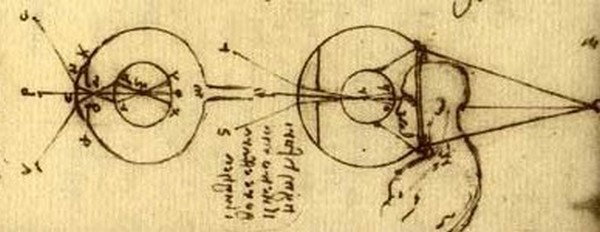
Believe it or not, the concept of contact lenses appeared as an idea as early as 1508, and the father of that idea was no less and no more than Leonardo da Vinci.
Da Vinci once described a method in which the power of vision would be improved by immersing the head under water or by carrying some kind of glass hemisphere filled with water. However, this proved to be an extremely impractical idea, like many of Da Vinci's inventions (say, the helicopter) because of the age in which he lived, when such an invention could not even be imagined, let alone realized.
Over the years, many have tried to make contact lenses, until 1887. In Germany, the glassblower F. E. Muller made the first eye wrap, through which em could be seen, em blinked! A year later, in 1888, Adolf Fick, a German ophthalmologist who worked on Muller's inventions, made the first contact lens from blown glass. He is actually considered the inventor of contact lenses because he was the first to patent this invention - under his own name. Although uncomfortable to the eye, and adapted for short-term wear of only a few hours because it covered the whole eye, including the whites of the eyes, it was considered a revolutionary discovery.
In 1930, when Plexiglas was discovered, Louis Gerard Heine, a professor of ophthalmology at the Texas School of Medicine, advanced the invention by making the lens lighter and more comfortable to wear and contributing to the development of contact lenses as we wear them today.
Watch what you want, maybe it will come true.
She wandered around the world trying to meet everyone's expectations. She turned into beautiful girls and men of perfect appearance. In money, rain, long-awaited baby, medicine, reward, alms ...
Yes, that was her, the wish.
She did not complain that people quickly forgot about gratitude, nor about their greed or insidiousness. She was transformed not only into good wishes, but also into evil, sick and perverted ones. It was created to fulfill everything, whatever it was.
However, she soon realized that she could not achieve everything. There were too many people, dreams, unspoken longings, hidden whispers, secret thoughts ... She worked twice as hard, but she didn't succeed. Many people were left with wishes to which they had dedicated their whole lives, and which were never fulfilled. A lot of those who failed to get what they liked, so they were forced to love what they got.
Then the Desire began to change. She began to complain, to slack off, to spend time fulfilling her own whims, and not satisfying others. Was that a response to the reaction of the people she encountered when she did not fulfill what they wanted? Or was it a response to the despair that was suffocating her and forcing her to become vicious? She didn't know either. She just felt like she was changing. But not for the better.
Happiness depended on Desire, and she seemed to love that game of power. As if she liked to watch her opponent crumble, fall at her feet, overwhelm her with false promises. As if she loved playing that game where she was always the winner.
It was not clear to her why they were hiding themselves, why they were so afraid of their qualities. They thought the problem was in Desire, and she thought the problem was in them. It was dangerous, and poisonous to some. The saying soon came up: Watch what you want, maybe it will come true.
A few interesting things about the umbrella that you didn't or didn't know.
Here we have a rainy autumn and a time when an umbrella is often used.
And have you heard of these interesting things related to this miraculous object?
Although there is no exact information, it is believed that the umbrella in its original form is about 5 millennia old.
Its homeland is China, and the first specimens were made of silk.
In the old societies of the Far East, Africa and Europe, the umbrella was a symbol of power and belonging to the nobility.
Today, umbrellas are made of different materials, wax paper, cotton, silk, plastic foil, nylon.
The original purpose of the umbrella was protection from the sun and it was made of paper or silk
The word "umbrella" (parasol / umbrella) comes from the Latin word "umbra", which means shade or shade.
The Chinese were the first to make their umbrellas waterproof and used them as protection from the rain. To make them impermeable, they coated them with wax.
In the 16th century, when it arrived in Europe, it was considered a subject suitable only for women, but in the meantime the travel writer Jonas Henway popularized it in England and among men.
The first umbrellas in Europe were made of wood or whalebone, covered with alpaca leather or oiled cloth.
The first umbrella store was called "James Smiths and Sons." The store opened in 1830 and is still located on Oxford Street, London.
The first folding umbrella appeared in England, in 1850, thanks to the invention of Henry Holland, who introduced steel wires, and Samuel Fox, who modified the invention.
According to the number of superstitions, the umbrella is in front of the black cat and the mirror. The main one is that the umbrella should never be opened in the house, because that will bring misfortune to everyone who lives in it.
A group of Chinese engineers and designers made an umbrella that protects from precipitation not with a stretched canvas but with air. The top of the umbrella blows out an air shield that not only protects from the rain, but also allows an unobstructed view of the environment
The umbrella first appeared on the victorious monument to Saragon, Emperor Akkad, from around 2400 BC. Saragon is shown riding in front of his army with a servant carrying an umbrella behind him.
World Umbrella Day is celebrated on February 10
Edson Arantes do Nasimento.... Pele
When you say this name and surname, they will tell you that you have no idea who it is: Edson Arantes do Nascimento.
That is the legend of Brazilian and world football ... Mr. Pele.
Brazilian football player, born on October 23, 1940 as Edson Arantes do Nascimento in the Brazilian town of Tres Coracoes in the state of Minas Gerais to mother Celeste and father Joao Ramos.
The family called him Dico, and his football friends called him Pele. Pele himself no longer remembers how that word came about.
Shortly afterwards, his family moved to Baure, Sao Paulo. As a boy, he played football, from a ball made of old socks. His father, Joao Ramos, was a professional player at the Brazilian football club Fluminense. But he had to end his career due to injury. As a result of his own experience, Joao Ramos encouraged his son’s interest in sports. The result of such support was that, when Pele was nine years old, he left school to realize his dream - to become a professional football player. He earned money as a carpenter's apprentice while his father trained him.
https://www.youtube.com/watch?v=XBrfxHOXsDE
As a teenager, he started playing football for lower-class clubs (Baquinho, Sete Setembro and Ameriquinha) where he regularly “warmed up the bench”. He remained in the Ameriquinha team for four years (1950-1954), and during his last season he became the most famous player of that team. His talent was noticed by the famous Brazilian player Waldemar de Brito. De Brito brought Pele to Sao Paulo and told the management of the Santos football club:
This boy will be the greatest football player in the world.
In 1956, thanks to de Britt's influence, Pele became a member of the Santos football club, where he played in the junior national team at the age of 15. He played his first game for the new team on May 7, 1956, when he entered the game as a replacement for striker Del Vecchi. After entering the game he scored six of the seven goals scored in the game (the final score was 7: 1)
The 16-year-old sensation in the form of Pele entered the world stage on July 7, 1957, in the game of Brazil against Argentina, when he scored one goal, but Brazil still lost 2: 1. A little later, the London Times will write about him: How do you spell Pele? G - O - D.
https://www.youtube.com/watch?v=L5FyEk-cFnM&feature=emb_logo
Pele's fame and reputation were so great that when he became a world-famous and recognized player, he managed to stop the civil war in Nigeria. Namely, both warring parties declared a truce lasting 48 hours so that in 1967 Pele could play an exhibition match in the capital of Nigeria - Lagos. Of course, the same passion for football was nurtured (and is cultivated) by the Brazilians themselves. To illustrate - a little earlier, in 1962, when in Chile, led by Pele, Brazil won the title of world champion in Rio de Janeiro, everything stopped for two days - Brazil's victory was celebrated for so long.
His talent delighted people. So Brazilian journalist Armando Nogueira said of Pele:
If Pele had not been born as a man, he would have been born as a ball.
https://www.youtube.com/watch?v=WXg8P0u9W9I
In 1978, Pele completely withdrew from football and ended his career with an impressive 1282 goals and 1362 games played.
Can one-night stands grow into something more?
There are first and second women in the lives of some men. A woman who returns to the safety of her own home and a woman who gives him excitement and to whom there are no obligations. Over the centuries, people have tended to engage in long-term sexual relationships, and monogamy has been encouraged over a long period of time for a number of practical and social reasons. The man and the woman committed themselves to their marriage in order to raise a family together. In other words, we have always been taught and it seemed that human nature is monogamous, that is. that only one partner is meant for us for the rest of our lives.
Many people, however, often engage in short-term sexual relations, especially in recent decades, when sexual freedoms have been promoted and previous taboos about relationships and marriages have been broken. Even in societies and environments where extramarital activities are severely punishable, the temptation to cheat may be too great to resist. Moreover, people who are otherwise faithful to their partners, still feel the need to "try" other sexual partners in sex. The question arises: if true human nature were monogamous, we probably would not be tempted to try with other partners?
https://www.youtube.com/watch?v=M2b-trXzuSk
You ruined the script
for a film about us,
and you should have known
to be a happy ending
no tears, no drama.
And when I knew you were with her
I kept quiet about it,
as neither seen nor heard.
She forgave you every evil,
happiness multiplied by a hundred
but zero, left zero.
Chorus
What was I to you?
Who was I to you?
What was this called between us?
The one who gives everything,
who can't say no,
woman for one night,
but for years and so for years.
You ruined the script
for a film about us,
and you should have known
to be a happy ending
no tears, no drama.
I knew you loved her,
but I was there again
everything you want and need.
Like in a half-sleep
was somewhere in between
of this earth and this heaven.
Chorus
What was I to you?
Who was I to you?
What was this called between us?
The one who gives everything,
who can't say no,
woman for one night,
but for years and so for years.

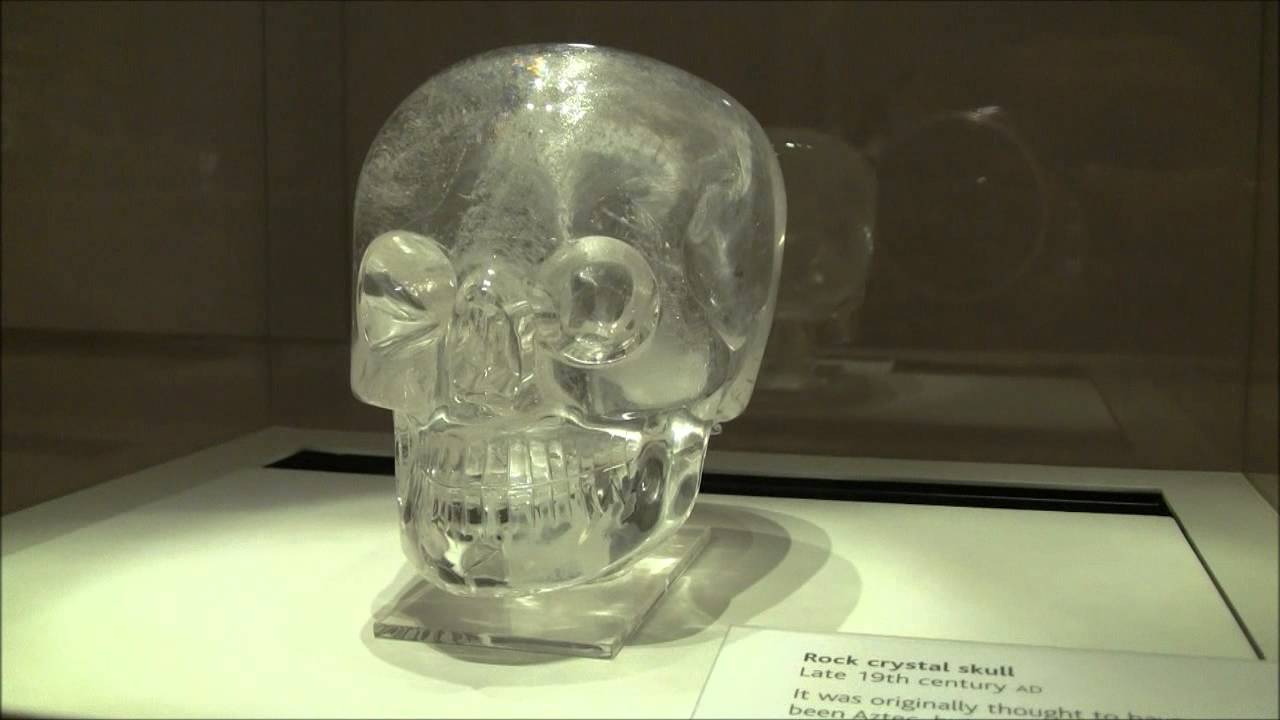
The most mystical objects on Earth - Crystal Skulls
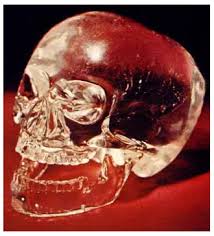
It is claimed to be the most mysterious object in the world. A miracle made of quartz crystal, polished so perfectly that it completely resembles a life-size human skull. The value of the crystal skull is invaluable. Then who did something like this and why, who did it serve ?! Rumors are circulating that she has unusual powers, people who have been around her have noticed strange changes in themselves. What mysterious power does the Crystal Skull possess? Can it heal or transform the human psyche?
The Crystal Skull is known as Mitchell-Hedges' Skull because it was found by Anna, the adopted daughter of F.A. Mitchell-Hedges. It was found in Lubaantun (City of Fallen Stones) in British Honduras in 1924 during archeological excavations. And only its discovery is shrouded in mystery and intrigue. Since the age of a quartz crystal cannot be determined by dating using the radioactive isotope carbon, we cannot determine the exact age of the Crystal Skull. It is assumed that its age is 12,000 years, although many move that limit to a fantastic few million years. The correct answer could be obtained only by breaking the Skull in order to determine the age of the water content in it, but its invaluable value does not allow it. Although even in that case, they would only get the geological period in which the crystal was formed, and not the time when the Skull was made. The question is also why the Skull is made of quartz crystal, when it is an extremely hard material that is difficult to process. It is believed that it took 300 years of patient processing, where sand and water were used to smooth every part of the rock, and then incredibly precise details were made by grinding. The Crystal Skull is said to have miraculous healing properties and to contain telepathic information about the origin of the human race. It is believed to have been made or used in the mythological Atlantis.
Based on the fact that the Crystal Skull was found in Central America, and also because the motif of a corpse's head occupied an important place in the Mayan and Aztec cults, some suggested that this could be a cult object used in religious rites and worship among these peoples.
https://www.youtube.com/watch?v=VM1CRdFBKc4
Other found crystal skulls also come from various archeological sites in the area of the former Mayan culture, and most of them are preserved around the world by the descendants of the indigenous population. So far, four types of ancient crystal skulls are known:
■ made of pure quartz - completely transparent
■ amethyst - purple
■ rose quartz
■ smoked quartz - gray to black
The city of Maya where the Crystal Skull was found, Lubaantun, is one of the last great centers of the Maya, built in the eighth or ninth century AD. The whole area is overgrown with dense vegetation. It appears to have been a trading center for the poop. The most spectacular part of the city is the amphitheater, one of the largest discovered in the missing world of the Maya. The remains of Lubaantun seem to cover a period of only one and a half centuries before the city was inexplicably abandoned, sometime in the ninth century AD.
https://www.youtube.com/watch?v=2ggyfFmNqyY
The villages of the Maya, where these people lived in the seventh century BC, were found in Guatemala. But their civilization reached its zenith between 300-900. years after Christ. Then, for reasons not yet determined, this unique civilization disintegrated, and the people mysteriously disappeared or moved away.
Because of its invaluable value, the Skull is kept in the safe of a bank in Mill Valley, California. According to the Mayan calendar, the world was created on August 13, 3114 BC, and will be completely destroyed on December 21, 2012. years. The scribes of this ancient people, who are believed to have known astronomy very well, left many texts with prophecies, especially those related to solar eclipses. One of the legends that has survived to this day says that since the time when humans inhabited twelve planets, there have been thirteen crystal skulls. All the crystal skulls were entrusted to the people who inhabited the Earth, who were called Atlanta. The Atlanteans then left these crystal skulls to Miami. If people could gather all these skulls in one place, they could provide us with information about our origin and tell us how to avoid the coming catastrophe.
https://www.youtube.com/watch?v=FK2dDAsL6bI
According to the legend, our ancestors were able to make crystal skulls speak, and their jaws would even move. Whatever you think about the Crystal Skull and its unsolvable mystery, know that psychologists do not recommend bringing yourself into altered states of consciousness. But who can resist the Secrets of the Crystal Skull.
Nikola Tesla was a man ahead of his time.
Nikola Tesla, between being born into a modest Serbian family in the Austrian Empire, and even more modestly, a lonely death in a hotel room in New York, became one of the greatest inventors of the modern age, a genius and the originator of a new era - the AC era.
https://www.youtube.com/watch?v=e4U-23TOKms
When Tesla arrived in America in 1884, ready to show the world his ideas and find financiers for his projects, he became Edison's assistant. After proving to be an exceptional expert and after successfully solving many problems in which the company found itself, Tesla received a very tempting offer from Edison.
Namely, Edison offered him $ 50,000, which is the equivalent of today's million, for the complete reconstruction and redesign of the DC generator.
Such a generous offer did arouse a certain skepticism, having in mind that Edison's company was known for stinginess, but Tesla still accepted.
A year later, after a successful job that brought prosperity to the company, Tesla asked for the promised money. Edison replied, "Tesla, you don't understand the American sense of humor." As an alternative, he offered him a weekly salary increase of $ 10. Tesla immediately resigned.
https://www.youtube.com/watch?v=3n4mnRszNhw
"Electricity War" has started
The quarrel between the two currents was further intensified in public when Edison presented Tesla's alternating current as dangerous and used it to kill animals in front of the media. In response, Tesla connected to the AC circuit, which caused the filament of the electric light bulb to glow, and thus dispelled prejudices about the harmfulness of AC.
Nikola Tesla was what today's stereotypes would describe as a "crazy scientist". Tesla's inventions were as ingenious as Edison's ambition, and what finally doomed his legacy to commercial failure was the fact that Tesla's vision went too far ahead of the time in which he lived, the technology at his disposal, and the evolution of society's consciousness. which surrounded him. Tesla's greatest achievement is certainly alternating current, which he perfected and commercialized.
In addition to the AC motor, he is the father of many other inventions, such as the induction motor, wireless transmission of electricity, radio, lightning rods, rotating magnetic field. Although he himself was a very famous and respected scientist, his popularity was based on spectacular performances in which, through the experiments he performed, he tried to demonstrate the inventiveness and impressiveness of his discoveries.
https://www.youtube.com/watch?v=Ok8JDXSYw1U
He died poor and alone in a hotel room in New York, USA, on January 7, 1943.
The Conquest of Paradise....
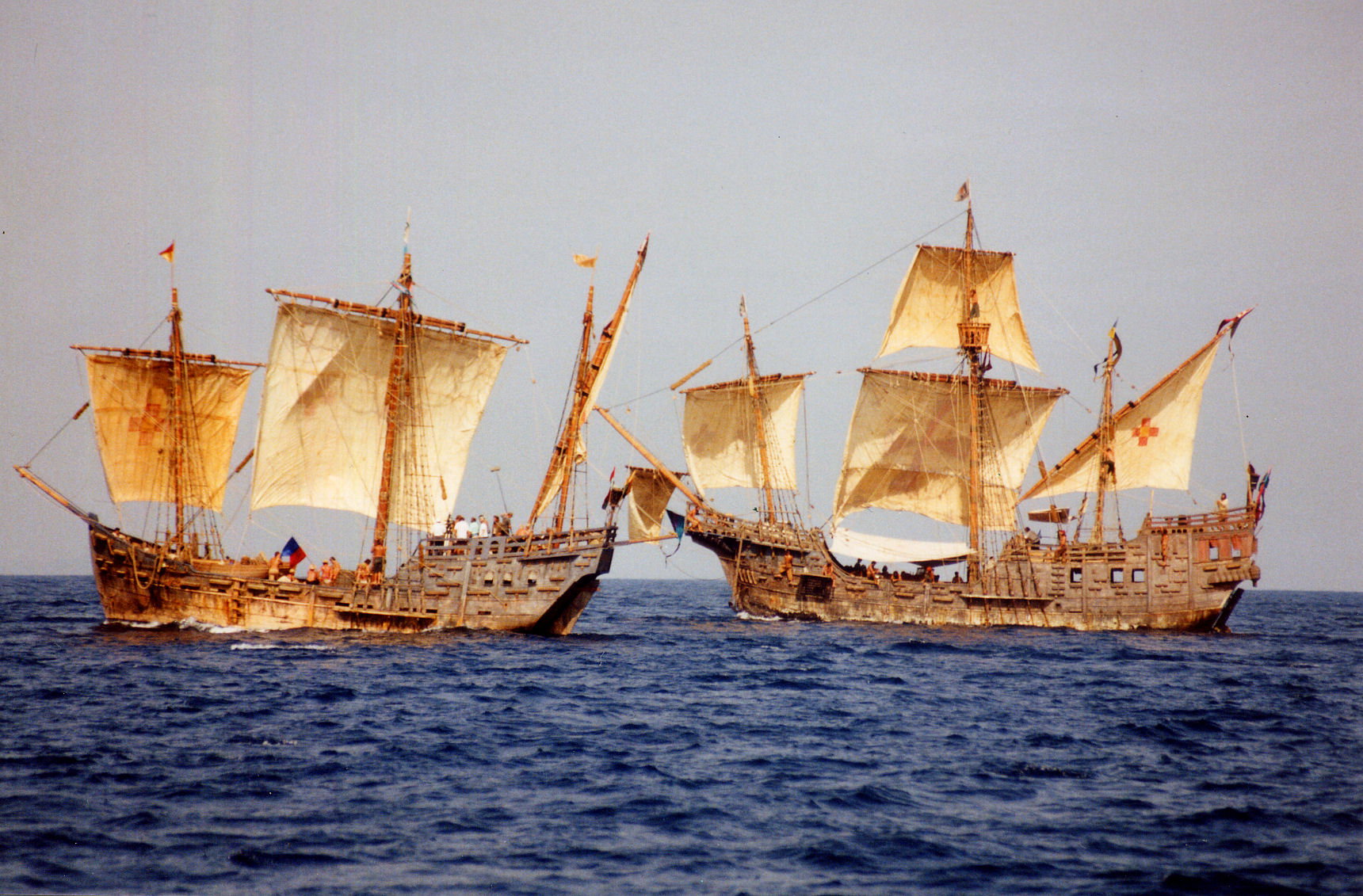
1492: The Conquest of Paradise is a 1992 French-Spanish epic historical drama film directed and produced by Ridley Scott, starring Gerard Depardieu, Armand Assante and Sigourney Weaver. It shows a fictional version of the journey to the New World by Italian researcher Christopher Columbus and the effect it had on indigenous peoples.
https://www.youtube.com/watch?v=p96pdqxxu_4
Spain in the late 15th century. Only recently united under a common crown, the country suffers the tyranny of inquisitors who deal with every form of free thought by organizing the burning of witches.
In such circumstances, the sailor Christopher Columbus (G. Depardieu) decides to propose to Queen Isabella (S. Weaver) and her treasurer Sanchez (A. Assante) trade with Asia, by finding a western sea route to India. Believing that in this way he will deal with prejudices, Columbus set sail for India with three sailing ships, not even imagining that he is not awaited by Asian wealth at the destination, but by a completely new world ...
The film did not go well at the box office, some commented that this is a mediocre Ridley Scott film, but overall, I liked the music the most. 1492: Conquest of Paradise is a 1992 music score to the film of the same name by Greek electronic composer and artist Vangelis. Due to the soundtrack's success, Vangelis won an Echo Award as "International Artist Of The Year", and the RTL Golden Lion Award for the "Best Title Theme for a TV Film or a Series" in 1996. The album was nominated for "Best Original Score - Motion Picture "at the 50th Golden Globe Awards in 1993.
https://www.youtube.com/watch?v=DH6IjDEAxaA&list=PL2lJj6T4lm24IHE4uDu0KBOBWkirjPT41
I don't know about the film, but the music that accompanies the film is phenomenal. Enjoy.
Japanese healthy diet.
People in Japan are known for their very long lifespan, in part because the Japanese diet consists of fresh food. The Japanese also have a different attitude towards food than the modern Western population.
The culinary tradition of Japan is based primarily on respect for nature, so it is extremely healthy, and the Japanese diet is based on this principle. The inhabitants of this country are considered to be one of the healthiest and longest-lived peoples and rarely suffer from modern diseases. In this culinary tradition, there is no stewing and simmering, heavy smells and harsh attacks on the stomach. Japanese cuisine is light and uses only the freshest ingredients, among which vegetables, soy, fish, rice, tofu cheese, seaweed and other seafood predominate.
Because of all the above, many residents do not need a 14-day Japanese diet, and we Westerners have to adapt to this diet if we want to be slim and healthy. The Japanese especially appreciate dishes "on a spoon", e.g. miso soup, which is made from vegetables with the addition of miso paste (soy in the form of paste) and is eaten at any time of the day, even for breakfast. Sushi is the national specialty of this country, and for years it has been one of the world's most popular dishes, it is made from raw fish, rice, seaweed, soy sauce and numerous spices.
The Japanese simply adore vegetables: red peppers, zucchini, peas, eggplant, green peppers, onions, tomatoes, carrots, spinach, bamboo shoots, beets, sweet potatoes, beets, burdock (Japanese root vegetables rich in fiber), shiitake… common are part of their diet. Vegetables are served cooked in a spicy soup or steamed, or baked in a small amount of oil, which enables maximum preservation of useful ingredients.
For the rest of us, if we start adhering to the Japanese way of cooking, there is a high probability that we will lose weight, cleanse the body of various toxins, increase immunity. Here is a list of foods that are used for 14 days (2 cycles of 7 days).
**First day (eighth day)**
Breakfast: black coffee or tea
Lunch: two hard-boiled eggs, boiled cabbage a little seasoned with olive oil, one fresh tomato (optional glass of tomato juice without salt)
Dinner: 200g boiled fish, fresh cabbage salad
**Second day (ninth day)**
Breakfast: black coffee and toast (maybe a slice of black bread)
Lunch: boiled or grilled fish, fresh cabbage salad with olive oil
Dinner: 200g boiled beef, a glass of yogurt
**Third day (tenth day)**
Breakfast: black coffee
Lunch: one hard-boiled egg, three large boiled carrots with olive oil and lemon salad dressing
Dinner: a couple of fresh apples
**Fourth day (eleventh day)**
Breakfast: black coffee
Lunch: one large boiled or fried parsnip or primrose root, apple
Dinner: two boiled eggs, 200g of boiled beef, fresh cabbage salad
**Fifth day (twelfth day)** - Japanese diet
Breakfast: fresh carrot salad with lemon juice
Lunch: 400g boiled fish, a glass of tomato juice (optionally one fresh tomato)
Dinner: 200g boiled fish, fresh cabbage salad
**Sixth day (thirteenth day)**
Breakfast: black coffee
Lunch: 500g boiled chicken, carrot salad or fresh cabbage
Dinner: two hard-boiled eggs, fresh cabbage salad
**Seventh day (fourteenth day)**
Breakfast: green or black tea
Lunch: 200g boiled beef, fruit of your choice
Dinner: any of the above recipes from the Japanese diet for dinner, except the third day
While the Japanese diet lasts, physical activity of, for example, 30 minutes of daily walking, or some similar activities, is also recommended. Keep in mind that this is a low-calorie diet, so it is best to check with your doctor to see if it suits your body.
Do you know where you drink the most coffee?
Good morning my dears, with a cup of coffee ...
And when it comes to coffee, do you know who drinks the most coffee ... Names first came to mind Brazilians, but .... that famous but ... While drinking the morning cafe, I search the internet and find some information about who drinks the most coffee ...
We love all types of coffee, and judging by the number of people who sit in cafes in our country every day and consume this hot beverage, we are not the only ones.
The same habit is present in most of the world, but still nowhere else in Europe. This is confirmed by the ranking list of countries where coffee is most consumed (countries are ranked on this list by the number of kilograms of coffee consumed per capita).
As we have already mentioned, most coffee is drunk in European countries, but not in the ones that first come to mind. Italy and France, for example, rank only thirteenth and eighteenth, although they are reportedly known for their coffee-drinking culture.
Brazil, a country where as much as a third of the world's coffee is produced, occupies a not very high fifteenth place, while Serbia is not even among the top twenty.
Believe it or not, coffee is mostly drunk in the Nordic and Benelux countries. Finland ranks first on the list, followed by other countries in these regions.
Finland - 12 (kg coffee per capita per year)
Norway - 9.9
Iceland - 9
Denmark - 8.7
The Netherlands - 8.4
Sweden - 8.2
Switzerland - 7.9
Belgium - 6.8
Luxembourg - 6.5
Canada - 6.2
Bosnia and Herzegovina - 6.1
Austria - 5.9
Italy - 5.8
Slovenia - 5.8
Brazil - 5.5
Germany - 5.5
We’re not even in our top 20. We love coffee but we don’t drink it that much.
Chinese terracotta warriors.
In 1974, a group of Chinese peasants had the opportunity to discover something incredible: the tomb of the first ruler of the Qin dynasty. A team of seven people was digging a well near the city of Xi'an when one of the ashes hit the head of a buried statue. People originally thought they had discovered a bronze statue of Buddha, but when archaeologists continued excavations, they found about 8,000 life-size terracotta warriors, as well as horses and carriages made in the third century BC. to keep ruler Qin Shi Huang in the afterlife.
The tomb and the soldiers, each of whom has a unique character, are today one of the most important archaeological discoveries in all of China.
https://www.youtube.com/watch?v=4c_ADqshdSA
In ancient China, the afterlife was believed 3,000 years ago, so nobles and kings were buried with human sacrifices. Yet people have begun to criticize human sacrifice, so it is believed that terracotta warriors are in fact a substitute for human sacrifice. And if they are brown now, it is believed that they were colored.
The bright colors in question are red, blue, yellow, green. And while the colors were mostly natural, from minerals or from plants, impurities of purple color, which was formed by a chemical reaction, were also noticed. So, it is an artificial color. This chemical reaction was found only in China.
A phenomenon called Milunka Savić, the woman with the most war decorations.
Milunka Savić was a Serbian heroine of the Balkan Wars and the First World War. She was wounded nine times, and because of her immeasurable courage, the French called her the Serbian Jovanka Orleanka. She is remembered as the woman with the most decorations in the history of war.
Milunka Savić was born on Vidovdan, June 28, 1890 (or 1892) in the village of Koprivnica near Novi Pazar. After the Decree on mobilization was published in October 1912, Milunka decided to come to the aid of the homeland. As the army did not accept women, he resolutely went to Belgrade with his hair cut and his breasts tied and reported under the name Milun Savić. She fought for almost a year disguised as a man, and her gender was discovered by paramedics when she was wounded in the Battle of Bregalnica.
In 1914, Austria-Hungary declared war on Serbia and Milunka volunteered to serve her homeland. In the Great War, she stood out as a part of the famous Iron Regiment. In the Battle of Kolubara, she showed exceptional ability as a bomber, and there she received Karadjordj's star with swords for multiple heroism. In the fall of 1915, she was severely wounded in the head in Macedonia, and thus injured, she retreated across Albania, only to return to the Thessaloniki front after a few months of recovery and take part in the battles for freedom. A particularly interesting fact is that in the battle on the Black River, she managed to capture 23 Bulgarian soldiers on her own. For her bravery, Milunka was awarded the highest decorations, among which are two French orders of the Legion of Parts and the Miloš Obilić medal. She is the only woman in history who was awarded the French Order of the Cross of War with a golden palm tree.
After the war, her life took her to Bosnia, where she worked as a cook, nurse and controller in a military equipment factory. In addition to her daughter, she raised three other girls whom she adopted. Milunka moved with her children to Stepanovićevo near Novi Sad, where she received property from the state and built a house. Knowing that it would be difficult to educate children in such a small environment, she went to Belgrade, where on the initiative of her comrades in 1929, she got a job as a cleaner at the Mortgage Bank, where she spent most of her working life. In addition to her children, she managed to educate thirty poor children from her native Koprivnica with a small salary. Although she did not spend the Second World War at the front, Milunka Savić founded a small hospital in Voždovac where she treated the wounded. It is said that she was in the camp in Banjica because of that hospital, but her grandson claims that it is a fabrication. After the war, in 1945, she retired.
Unlike the country she was fighting for, France did not forget this heroine, so she was offered to move there and receive a military pension, but she refused. She spent her old age in a small, dilapidated house in Voždovac, and was occasionally visited by war veterans, both domestic and French. She passed away on October 5, 1973, after three possible strokes. Milunka Savić was buried in the family tomb, and only in 2013, on the initiative of the History Museum of Serbia, her remains were transferred to the Alley of the Greats at the New Cemetery.
 @BettyBoop