 @Ayukyukyu2
edited
@Ayukyukyu2
edited
Grammar : Tenses 2 After in the previous article Grammar_Tenses_1 I explained about Simple present and present continuous tense Day which is a sentence that tells daily events or that becomes a habit (simple present) and tells of ongoing events (Present Continuous) https://read.cash/@Ayukyukyu2/grammar-tenses-1-be185618 Simple past tense The simple past is the opposite of the simple present. The simple present is a sentence that tells about everyday events, while the simple past is a sentence that tells the events that have happened. The verb used is the 2nd verb. Likewise, the adverbs of time used in these two tenses are also different. If the simple present tense uses every day, usually, always, seldom, often, etc. For simple past time, we use yesterday, two days ago, a year ago etc. For example I ***went*** to market with my mom ***two days ago*** She ***wrote*** an English article ***yesterday*** The example sentences above are in the positive form. Went is the 1st verb of Go. Wrote is the 1st verb of write This is example of a simple past sentences in the interrogative and negative form. Here, we use the auxiliary verb ***DID*** and the verb returns to verb 1. If, in the ***simple present tense*** we use ***Do and Does.*** ***Did*** Reinald ***go*** to market with his mom ***two days ago ?*** ( ? ) Reyna ***didn't ( did not )*** ***write*** an English article ***yesterday*** ( - ) When speaking, some of us don't really pay attention to this verb change. But when writing, we must know all the changes of all verbs from the 1st verb to the 2nd verb Future tense
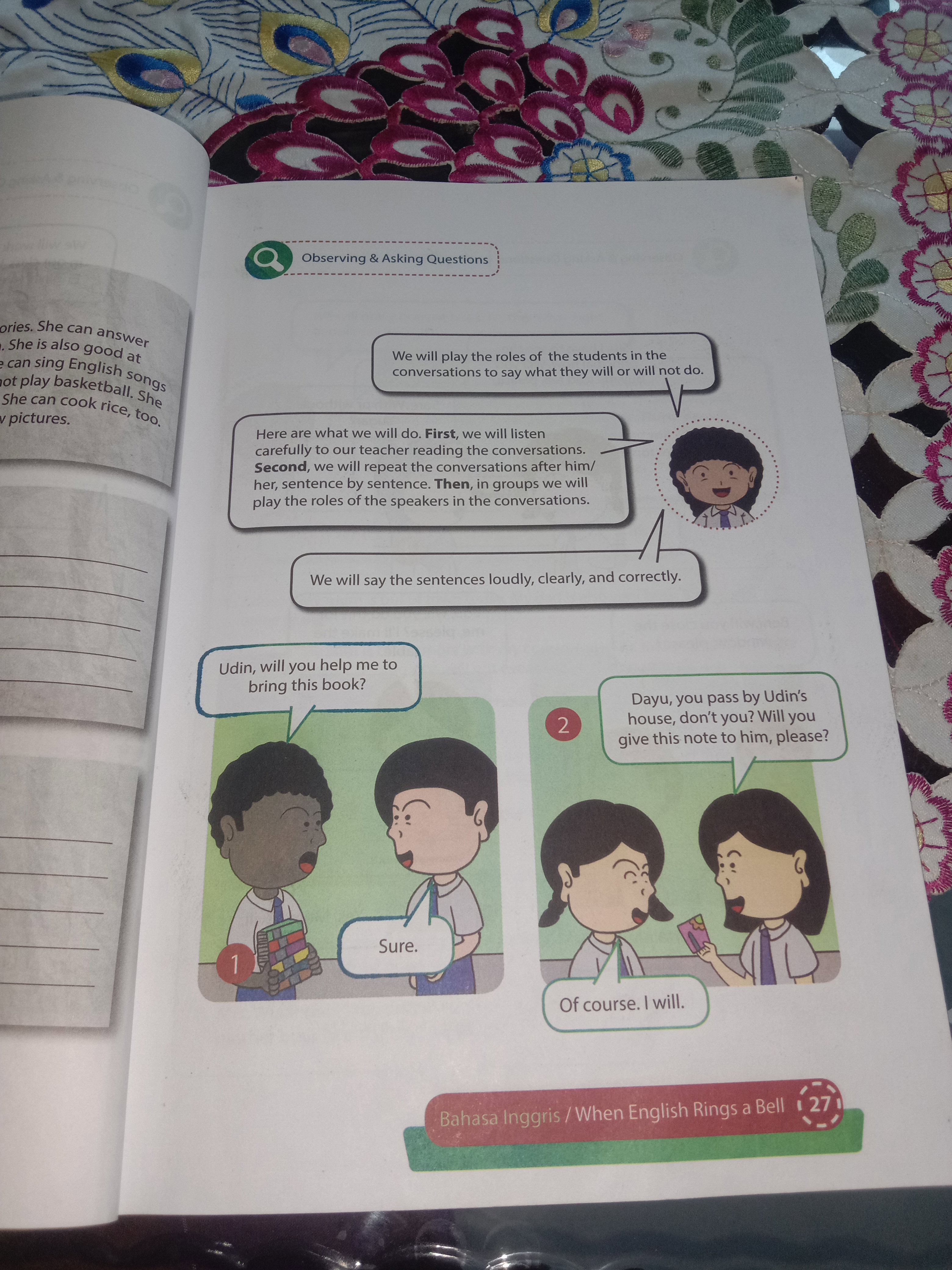
From the name, we can already guess that "future" is something that will happen in the future or tomorrow. It could also be, this fame explains about events that we have not done. Here there are several types of writing this future tense. Namely using ***will/Shall and Be going to*** **The difference between will/shall and be going to** ***Shall*** *i*s used for the subject ***I*** and ***We*** in formal situations, while ***Will*** is for the subject ***She, He, They, You, It***. But generally the writing of ***Will*** and ***Shall*** is often shortened to ***II*** ***( We'll, They'll, She'll)*** For the use of Will/Shall, it's usually used for activities that will be carried out and are usually spontaneous or unplanned ***Be going to*** is also used for activities that will be carried out. The difference is that this action has been carefully planned. when using going to we have to use to be ***( is, am, are )*** that's why it's called be going to. But what is often used is ***"Will"*** Examples of future tense sentences in positive, interrogative and negative forms using Will/Shall ***We'll*** go to your house tomorrow ( + ) ***We'll*** not go to your house ( - ) ***Shall we*** go to your house tomorrow ( ? ) The use of Will/Shall can also be used for certain conditions, for example: **1. Promise** ***I'll*** try my best to make your proud **2. Treat** If you keep bothering me, ***I will*** tell your father about your secrets. **3. Invitation** ***Will you*** go to my party ?, Etc.
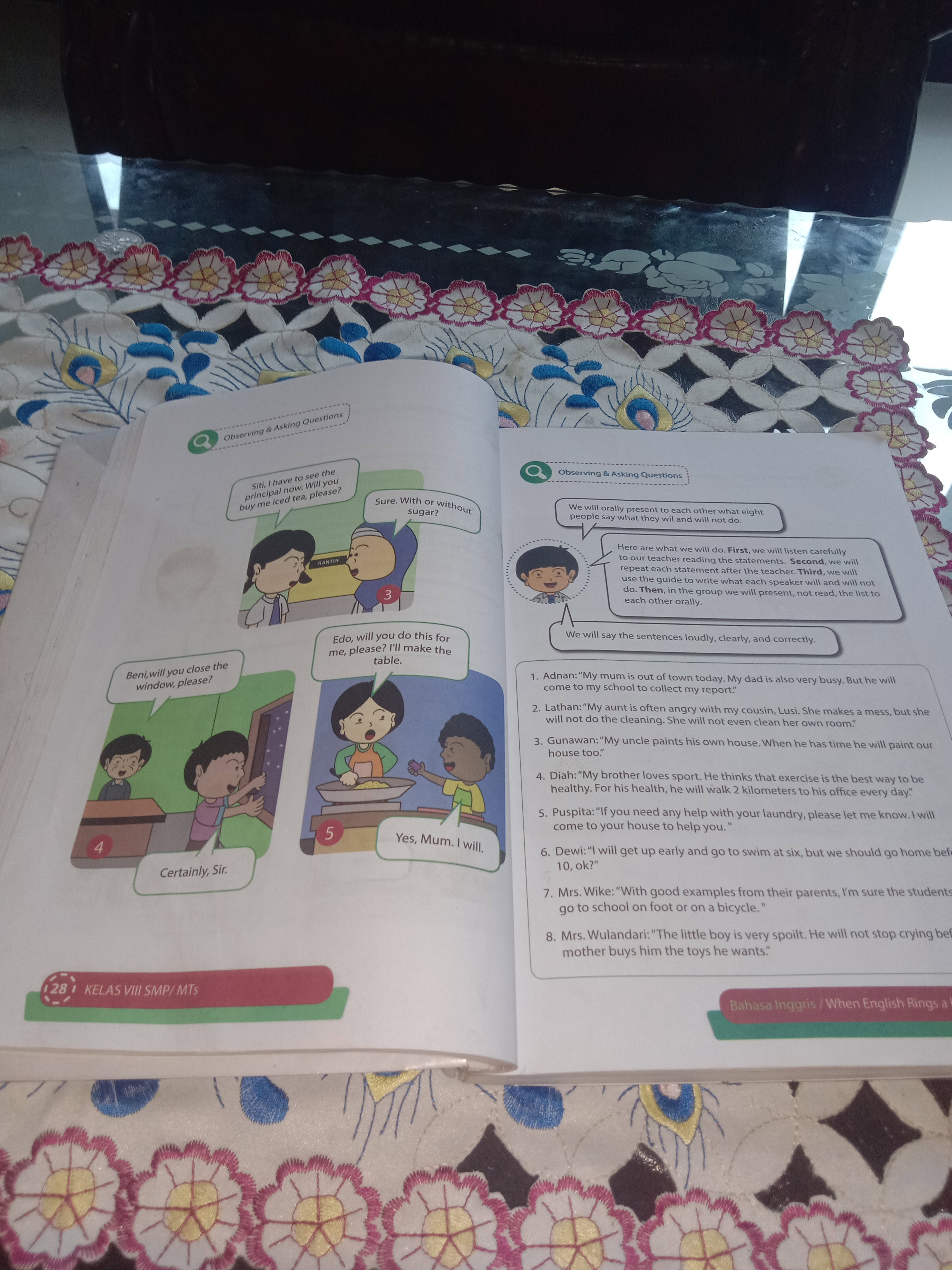
Example sentences using Be Going To She ***is going to*** have a holiday ( + ) ***Is*** She ***going to*** have a holiday( ? ) She ***is not going to*** have a holiday ( - ) The weather is cloudy, it ***is going to*** rain the night. ( + ) These are the 4 tenses that I summarized in my article. Of the 16 tenses, the reason I explain these 4 tenses? Because these tenses is often used in everyday speech and writing. And there is one more tense that is also often used, namely the ***Present perfect tense*** which tells of events that have occurred but are still ongoing until now. The verb used is the 3rd verb
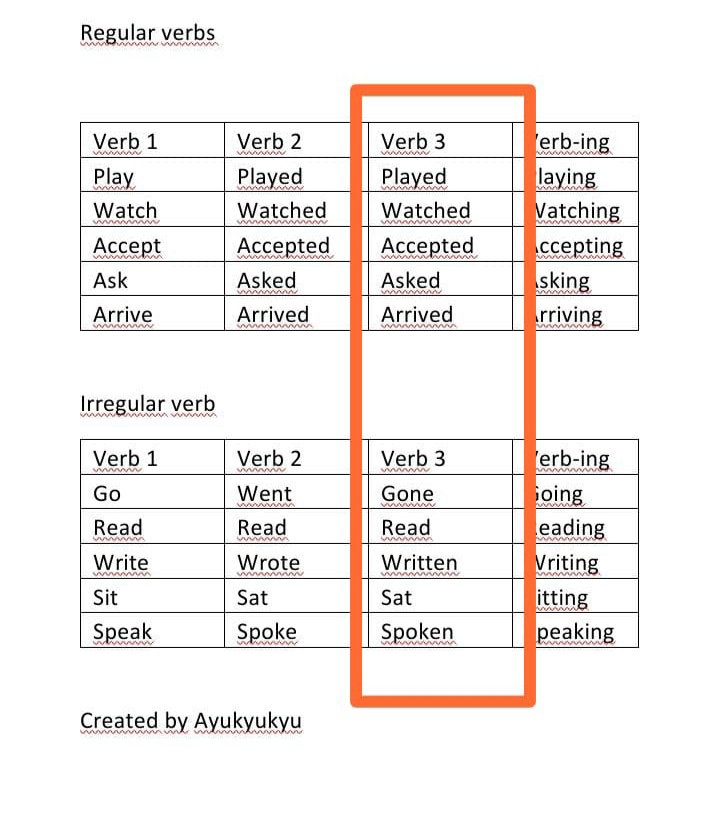
***For example*** I have ***studied*** here since 2020 She has ***taught*** in this school for 5 years This is my article this time which discusses one of the grammars, namely tenses. What you may have studied when you were in school or did you teach English material about grammar, especially tenses. Now learning English is very easy, it can be through books, internet, youtube videos, articles or using google translater, but don't forget the essence of using good and correct grammar, we shouldn't ignore it. Hope it helps and see you in my next article

Regards AYU







6 comments
the sentence is indeed simple, but not as simple as we imagine.hehe It's just my thoughts bu.
I hope it doesn't bother you to see my article.😅😅🤕🤕 If discussing tenses spend 5 episodes maybe. So, I summarize as concisely as briefly😁
I'd be confused if I was told to remember lessons like this, I'd better use a translation from Google. lol
It's okay to keep checking after typing because some of the meanings don't come out like we meant.👍👍💪💪
In my student life I read tense. first sentence was I eat rice hahahaha .
Hahaha, so simple sentence.. Really really simple.. But its good.. 😁😁