Never Give Up on Someone You Love
You don't give up on someone you love no matter what. That, in my opinion, is exactly what true love entails.
Even if they try to make you give up on them, you don't give up on someone you care about.
You can find this irrational, but nothing about love is logical or rational; love defies rationality.
You have no idea why you adore anyone.
Of course, you can list all of their characteristics, but you have no idea why you adore them. That, in reality, is what true love is all about.
There are definitely a lot of other guys in your area who are more attractive, intelligent, and funny. You, on the other hand, are unconcerned.
This individual is all you require and desire.
You don't know how to describe it to yourself or anyone, but it's as if you can't breathe without him, and you can't imagine your life without him.
You don't give up on him, even though he tells you to, and you keep fighting for him because his love is the most valuable prize you will ever get.
There are several reasons to not give up on someone you care for, but only one is sufficient: love is worth fighting for.
People nowadays seem to give up on love easily and without a contest. People flee if the tiniest problem arises.
They are unable to cope with each other's attitudes and problems.
Nobody is the same, but it seems that people are so self-centered that they can't imagine putting anyone else's needs ahead of their own for even a second.
Love, on the other hand, is so much more; or at least, it should be.
When you love somebody, you make a commitment to them and should stick by them through good and bad times, thick and thin.
If you love anybody, you can't run away from problems at first sight. When you love someone, you will never abandon them.
Life throws us a lot of curveballs, and loving someone isn't always easy.
Problems arise that make us feel like fighting for that love is too much effort, so we give up and move on to someone else.
The issue is that that individual will not be flawless either.
There will be problems again, and if you keep leaving once they arise, you will never succeed.
What's worse, you'll never experience true love.
Love isn't always straightforward. It's frequently difficult, emotionally taxing, burdensome, and exhausting. You're always tired and feel as though you can't bear it any longer.
However, when you consider how different your life would be if that person were not in it, you know it was all worth it.
You don't give a damn what other people think, you don't give a damn if you seem desperate; all you care about is him.
People tell you that you are deserving of more and better things, but no one knows how you really feel.
Nobody can see through your mind, and no one can know the depths of your feelings.
They will tell you that it isn't worth it, but you know that it is, because you will do anything for the person you love.
You'd do anything for them, even if it hurts you... in truth, even if they hurt you.
When you give your heart to another, you're letting them do whatever they want with it, and all you can hope for is that they'll keep it safe.
Even if the person you love hurts you, maybe even knowingly, you will continue to love them.
You'll make excuses for them and convince yourself that they didn't want to do what they did.
All you want is to keep loving them, and you don't give up when you love someone.
Even if you can't think of any other excuses not to give up on anyone you care for, the fact that you care about them is enough.
When you love a guy, he is more important to you than anything else.
To you, his happiness is everything, and you will go to any length to see him happy.
When it comes to him, you sense a power you didn't realize you had.
You're never tired, never afraid, and you'd do everything in your power to protect him and everything you own.
The greatest evidence that you care for others is that you never consider abandoning them. You'll always be there for him, no matter what he does. You've always made excuses for him, even though he's hurt you.
You're realistic; you're well aware of his faults and imperfections, but you nevertheless stand by his side.
Really, you love him because of his shortcomings, not in spite of them.
He irritates and irritates you at times, but when you think about it, you wouldn't change a thing about him if you could, because you love him for who he is.
He wouldn't be the same guy you fell in love with in the first place if he changed something.
You want to see him change and develop, but you still want him to remain true to himself.
You've always believed in him, even though he'd given up hope, and you're always there for him to encourage him and catch him if he falls, because that's what love is all about.
When it comes to true love, you are more than mere lovers and romantic partners; you are best friends and family.
And no matter what, you don't abandon your best mate.
You stick by his side no matter what happens and assist him in dealing with his issues because you can deal with anything if you do it together.
If you really love him, don't give up on him because love necessitates effort.
You wouldn't give up on anyone you care about just because loving them is difficult, so don't let something or anything keep you from being with the person you care about.
Don't be discouraged by anyone. When someone else's life is on the line, most people around us enjoy giving advice and acting smart.
Allow no one to convince you that your love or friendship isn't worthwhile.
Nobody should ever tell you that true love doesn't exist or that you shouldn't fight for it.
You are the only one that has power over your life, and you must live with the consequences of your choices.
So, if you've discovered someone worth fighting for, go for it and never give up.
You don't give up on anyone you care for because it's just not a choice.
Both couples struggle and have difficulties in their marriages, but if they love each other, giving up should never be a choice.
As long as you love each other, there isn't a problem you can't solve. All you have to do is be able to put in the effort to improve your relationship.
We also use phrases like "I couldn't picture my life without you," "I can't survive without you," and "I can't stop loving you" while we're in love.
Even if you had to, you couldn't give up on the person you love if you really meant what you said when you said those phrases.
They are similar to the air you breathe, and you cannot live without it. It's easy to give up, but when you're in love, you don't do what's easy; you do what's correct.
Relationships aren't straightforward, and they require sacrifices and compromises in order to succeed.
Either you go through it hand-in-hand, or you don't initiate the relationship at all.
Relationships are made up of tears, drama, rage, and battles, as well as cozy evenings, embraces, sunshine, and carefree mornings.
78% of Institutions have no interest in cryptocurrencies
Institutional interest in crypto-assets has risen as a result of the crypto market bull run. However, according to a new survey conducted by American bank JPMorgan, the latest boom in institutional lending is not as widespread as previously believed.
In a report published on Wednesday, the US news outlet business insider revealed this growth. JPMorgan surveyed over 3,4000 investors from over 1,500 institutions around the world, according to the study.
According to the report, 89 percent of respondents said their company does not trade or invest in cryptocurrencies. Simultaneously, 11% of respondents said their company has major cryptocurrency trades or investments.
Companies that do not exchange crypto-assets are unlikely to invest or trade in the future, according to 78 percent of investors. In comparison, 22% of respondents said their companies would consider it in the future.
The survey also disclosed institutional investors' attitudes toward cryptocurrencies. When asked about cryptocurrencies, 58 percent of investors believe they are here to stay, while 21% believe they are a passing fad. Just 7% of respondents believe it is a valuable commodity, while 14% believe it is one to avoid.
In addition, almost all investors (98 percent) who took part in the survey claim that the crypto industry is rife with fraud. This demonstrates that conventional financial institutions continue to view the crypto industry with scepticism.
The JPMorgan survey follows another study released by the analytical firm Blind, which revealed an interesting trend. According to the report, which polled 1,800 tech professionals, 57 percent of them now own crypto properties. Employees from JPMorgan and other top companies such as Amazon, Twitter, and Tesla were among the respondents.
Despite the findings of the JPMorgan study, recent events indicate that organisations are becoming more interested in cryptocurrencies. Several Wall Street firms and hedge funds have expressed interest in incorporating cryptocurrencies into their investment portfolios.
Customers who have been drawn to bitcoin's that price in recent months are being courted by financial institutions. Banks are not left behind, with America's oldest bank, BNY Mellon, announcing plans to launch a crypto custodial service in February.

Cutting oneself
Yesterday, I saw my friend with lots of cuts on her wrist. I asked her what happened and she just gave me a smile in return. So why did she do it? I don't know so I've tried to search for answers and this is what I found out.
Self-harm
A way of coping with intense depression and emotional pain may be self-harm. It can assist you to convey emotions that you are unable to put into words, distract you from your life, or relieve emotional pain. You will probably feel fine afterwards, at least for a little bit. But then the bad feelings come back, and you get the desire to get hurt again.
Self-harm requires whatever you do to hurt yourself deliberately. Some of the more widespread approaches include:
Cutting the skin or seriously scratching it
Burning or scalding yourself
Banging your head or hurting yourself
Punching things or tossing your body against heavy surfaces and walls
Sticking your skin with artifacts
Intentionally stopping healing wounds
Swallowing hazardous substances or unsuitable objects
Less apparent ways to hurt yourself or put yourself at risk, such as driving recklessly, drinking binge, taking too many drugs, or having risky sex, may also be included in self-harm.
**Why do individuals self-harm?**
Sometimes, hurting yourself is the only way you know how to:
Tackle emotions such as sorrow, self-loathing, emptiness, remorse, and rage
You can't put your emotions into words or release the pain and tension you feel inside.
Feel under charge, reduce remorse, or punish yourself
Distract yourself from overwhelming thoughts or unpleasant situations in life
Make you feel alive or, instead of feeling numb, just feel something
Whatever the reasons for self-harming, it's important to know that if you want to quit, there is support available. Without trying to hurt yourself, you will learn other ways to deal with all that's going on inside.
Cutting and self-harm consequences
The relief resulting from cutting or self-harming is only temporary and produces far more issues than it addresses.
Relief from cutting or self-harming is short-lived, and other emotions such as remorse and guilt are soon followed. Meanwhile, it prevents you from studying techniques that are more effective for feeling better.
It is hard and lonely to preserve the secret of self-harm. You might feel embarrassed, or you might just think nobody's going to understand. But it's a heavy responsibility to mask who you are and what you feel. Ultimately, your relationships with friends and family members and how you feel about yourself are affected by secrecy and remorse.
Even if you don't mean to, you can hurt yourself badly. It’s easy to end up with an infected wound or misjudge the depth of a cut, especially if you’re also using drugs or alcohol.
You are in danger of getting bigger problems down the road. You lift the risk of major depression, drug and alcohol abuse, and suicide if you don't learn other ways to cope with emotional pain.
It may become addicted to self-harm. It can begin as an impulse or something you do to feel more in control, but it soon feels like you are dominated by cutting or self-harming. It also transforms into a behavior of obsession that seems difficult to avoid.
Bottom line
The bottom line is that with the problems that made you want to injure yourself in the first place, cutting and self-harm won't help you. There are several other, more powerful ways to solve the underlying problems that drive your self-harm, no matter how sad, useless, or trapped you might be feeling right now.

Body Language
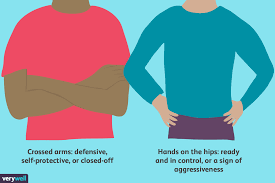
Although the ability to communicate well is the secret to success in both personal and professional relationships, it is not the words you use but the nonverbal signals or "body language" that talk the loudest. The use of physical behavior, phrases, and mannerisms to communicate nonverbally is body language, often performed unconsciously instead of consciously.
If you are conscious of it or not, you are constantly giving and receiving wordless messages as you communicate with others. The gestures you make, your stance, your tone of voice, how much eye contact you make, all of your nonverbal actions send clear signals. They can put people at ease, create trust and attract others to you, or they can annoy, confuse, and weaken what you are trying to express. When you stop speaking, these messages do not stop either. And when you're quiet, you still have nonverbal contact.
In certain cases, two completely different things might be what comes out of your mouth and what you express with your body language. If you say one thing, then something else is said in your body language, your listener will possibly believe that you are being dishonest. No, for instance, if you say "yes" while shaking your head. The listener has to choose whether to believe your verbal or nonverbal message when faced with such mixed signals. Since body language is a normal, unconscious language that transmits your true feelings and intentions, the nonverbal message will probably be chosen.
However, you can communicate what you really think, interact more with others, and develop deeper, more fulfilling relationships by enhancing how you interpret and use nonverbal communication.
Body language’s importance
The way you listen, look, move, and respond, your nonverbal communication signals tell the person you communicate with whether you care or not, if you are truthful, and how well you listen. They improve confidence, clarity, and partnership when the nonverbal signals match up with the words you're saying. They can create stress, distrust, and uncertainty when they don't.
It's necessary not only to become more receptive to the body language and nonverbal signs of others, but also to your own, if you want to become a better communicator.
Types of body language
Facial expressions. The human face is incredibly expressive, willing, without saying a sound, to communicate countless emotions. And facial expressions are universal, unlike some types of nonverbal communication. Across cultures, the facial expressions of happiness, sorrow, rage, surprise, fear, and disgust are the same.
Movement and posture of the body. Consider how the way you sit, walk, stand, or keep your head affects the views of individuals. A wealth of knowledge is transmitted to the world by the way you walk and handle yourself. Your posture, bearing, stance, and the subtle gestures you make comprise this form of nonverbal communication.
Gestures. Gestures are woven into the texture of our everyday lives. When arguing or speaking animatedly, you can wave, point, beckon, or use your hands, sometimes expressing yourself with gestures without thinking. The sense of certain gestures may, however, be very distinct across cultures. Although, for example, the "OK" sign made by hand typically conveys a positive message in English-speaking countries, in countries such as Germany, Russia, and Brazil, it is considered offensive. So, to prevent misinterpretation, it's important to be cautious about how you use gestures.
Eye contact. Since for most people the visual sense is dominant, eye contact is a particularly important form of nonverbal communication. Many things, like interest, love, animosity, or attraction, can be conveyed by the way you look at others. Eye contact is also important in maintaining the conversation flow and in assessing the engagement and reaction of the other person.
Touch. Via touch, we communicate a lot. For example, think about the very distinct signals provided by a weak handshake, a warm bear hug, a patronizing pat on the head, or a controlling grip on the arm.
Space. During a conversation, did you ever feel awkward because the other person was standing too close and invading your space? We all need physical space, but, depending on the community, the situation, and the closeness of the relationship, the need varies. To transmit several distinct nonverbal messages, including signs of intimacy and affection, hostility or domination, you may use physical space.
Speech. It's not only what you're doing, but how you're doing it. When you talk, in addition to listening to your words, other people "read" your voice. Things they pay attention to include your pacing and rhythm, how loud you speak, your tone and inflection, and sounds that express comprehension, such as "ahh" and "uh-huh." Think about how sarcasm, indignation, love, or trust can be indicated by your tone of voice.
How people see you, how much they like and value you, and whether or not they trust you, is influenced by what you convey by your body language and nonverbal signals. Unfortunately, without even understanding it, many individuals send ambiguous or negative nonverbal messages. Both communication and trust in relationships are weakened when this occurs.
It's important to learn how to use and interpret body language and develop your nonverbal communication skills if you want to communicate effectively, avoid misunderstandings, and enjoy strong, trusting relationships both socially and professionally.
Improving body language
Nonverbal communication is a back-and-forth mechanism that is rapidly flowing and requires the full attention on the experience from moment to moment. If you plan what you're going to say next, check your phone, or think of anything else, you're almost assured that you're going to skip nonverbal signs and not completely grasp the subtleties of what's being conveyed. As well as being completely present, by learning to handle stress and improving your emotional sensitivity, you can strengthen how you interact nonverbally.
Manage stress
Your ability to connect is impaired by stress. You're more likely to misread other individuals when you're stressed out, give confounding or off-putting nonverbal messages, and slip into inappropriate behavioral knee-jerk patterns. And remember: it's infectious with feelings. It is also likely to make others unhappy if you are upset, thereby making a bad situation worse.
Take a time out if you're feeling stressed by stress. Before you jump back into the debate, take a moment to calm down. You'll feel better able to cope with the situation in a constructive way once you have regained your mental equilibrium.
Whatever you see, hear, smell, taste, and touch, or by a calming movement, the quickest and easiest way to relax yourself and control stress at the moment is to use your senses. You can easily relax and refocus by seeing a picture of your child or pet, enjoying a favorite perfume, listening to a certain piece of music, or squeezing a stress ball, for example. Because everyone reacts differently, to find the sensory experience that works best for you, you may need to experiment.
Develop self-awareness
You need to be conscious of your feelings and how they affect you in order to submit correct nonverbal cues. You will need to be able to understand others' emotions and the true feelings behind the signals they send. This is where knowledge of feelings comes in.
Many of us, especially strong emotions such as rage, sadness, fear, are disconnected from our emotions because we have been conditioned to try to shut our feelings off. But while you can deny your emotions or numb them, you can not remove them. They're still there and your behavior is still influenced by them. However, by cultivating your emotional sensitivity and communicating with even negative feelings, you can gain greater control over how you think and behave.
Uncertainties
Uncertainty is all around us, never more so than it is now. The current COVID-19 pandemic has raised confusion about the economy, employment, budgets, relationships, and physical and mental health, of course. Yet, we crave protection as human beings. We want to feel safe and have a sense of control and well-being over our lives. You will feel depressed, nervous, and helpless over the direction of your life with fear and uncertainty. In a downward spiral of endless "what-ifs" and worst-case scenarios about what tomorrow can bring, it can rob you emotionally and trap you.
We are all different from each other in how much vulnerability we can handle in life. Some individuals seem to love taking chances and living unforeseeable lives, while others find life's randomness extremely distressing. But we all have a limit. If you feel overwhelmed by confusion and anxiety, it's important to realize that you're not alone; at this moment, many of us are in the same boat. It's also important to remember that you can take measures to better cope with uncontrollable situations, relieve your fear, and face the unknown with more confidence, no matter how powerless and hopeless you feel.
Learning to manage uncertainty
While we may not want to accept it, confusion is a natural and unavoidable part of existence. Very little is constant or absolutely certain about our lives, and while we have power over many aspects, we cannot control everything that happens to us. Life can change very rapidly and very unpredictably, as the coronavirus outbreak has shown. You may have gotten sick unexpectedly, lost your work, or struggled to put food on the table or keep your family healthy. You may be concerned about when the pandemic is going to end or whether life will ever return to normal.
Many of us use worry as a tactic to try and predict the future and prevent nasty surprises to cope with all this confusion. Worrying will make it seem that you have some power over unpredictable situations. You may think it will help you figure out a solution to your problems or brace you for the worst. Maybe you'll find a solution and be able to monitor the result if you just agonize about a dilemma long enough, just think about every option, or read every opinion online.
Take action on problems that you can manage
At the moment, everything about life is unpredictable, and many things remain beyond your control. But although you can't monitor the spread of a virus, the stabilization of the economy, or if next week you're going to have a paycheck, you're not fully powerless. Instead of thinking about the uncontrollable, try to refocus your attention on taking action on the elements that are under your power, whatever your worries or personal circumstances.
For example, during this tough period, whether you've lost your job or income, you still have control of how much energy you put into looking for work online, sending out resumes, or networking with your contacts. Similarly, you should take precautions by frequently washing your hands, cleaning surfaces, avoiding crowds, and watching out for vulnerable friends and neighbors if you are concerned about your health in the midst of the coronavirus pandemic.
You can turn from futile worrying and ruminating into constructive problem-solving by concentrating on the aspects of a problem that you can manage in this way. Of course, all conditions are different and you can find that all you can control in certain circumstances is your attitude and emotional reaction.
**Deal with your emotions**
It's easy to become overwhelmed by fear and negative feelings when things are out of your control. You may assume that the best result would be bottling up how you feel, trying to put on a brave face, or pushing yourself to be optimistic. But it will only raise stress and anxiety to ignore or suppress your feelings and make you more vulnerable to depression or burnout.
You should also consciously face up to your feelings, even the most pessimistic and fearful ones, if you can do nothing else about a situation. It will help you minimize tension, better cope with your situations, and find a sense of calm as you deal with difficulties by enabling yourself to encounter uncertainty in this way.
Challenging the need for certainty
While confusion and change are inescapable aspects of life, habits are often adopted to try and cope with the stress they can bring. Apart from thinking about any imaginable situation, you can:
Seek reassurance from others excessively. In an attempt to eliminate doubt from your life, you repeatedly ask friends or loved ones if you are making the right decision, actively study information online, or seek expert advice.
Micromanage people. You refuse to assign duties, either at work or at home, to anyone. You can also try to compel people around you to adjust, to make you more predictable about their actions.
Procrastinate. Packaging. You expect to escape the confusion that eventually follows, by not making choices. In an attempt to prevent negative stuff from happening, you can find ways to pause or postpone acting, or even avoid such circumstances all together.
Check things repetitively. To make sure they're safe, you call or text your family, friends, or kids again and again. Before sending, you review and re-check emails, texts or forms, double-check lists to ensure that you have not skipped something that may have an effect on the future's predictability.
**Challenging this behaviors**
By asking yourself the following questions, you will challenge the habits you have adopted to reduce the anxiety of uncertainty:
What are the benefits of certainty? What drawbacks are there?
Life can change in a moment and it's full of surprises and unpredictable occurrences, but that's not necessarily a bad thing. There are also positive things that come out of the blue with any bad surprise, such as a car accident or serious medical diagnosis, a dream work offer, a surprise pay raise, or an unexpected phone call from an old friend. Opportunity also comes from the unexpected and you can also learn to adapt, resolve obstacles, and improve your resilience by having to face uncertainty in life. It will help you evolve as a human being.
How much in life can you be completely certain about?
Does anyone have a lifetime employment, a promise of good health, or utter assurance of what tomorrow will bring? The illusion of having some influence over a situation is provided by behaviors such as worrying, micromanaging, and procrastinating, but what do they affect in reality? The reality is that life will find a way to surprise you, no matter how hard you try to plan and prepare for any possible outcome. All that really does aspire for certainty is fuel concern and anxiety.
Do you think bad things are going to happen only because there is an uncertain outcome? What is the chance that they will?
It's easy to overestimate the risk of something negative happening when you're faced with uncertainty, and underestimate your capacity to cope if it does. But even at this precarious moment, given that the risk of something bad happening is tiny, is it possible to live with the slight chance and concentrate on the more likely results instead? In particular cases, ask your friends and family how they deal with confusion. Are you willing to do the same?
Learn to embrace uncertainty
The reality is that you already embrace a lot of ambiguity every day, no matter how much you try to eradicate doubt and instability from your life. You embrace a degree of ambiguity anytime you cross a street, get behind the wheel of a car, or eat takeout or restaurant food. You trust that the traffic will stop, that you're not going to have an accident, and that anything you eat is healthy. In these situations, the chances of something bad happening are minimal, so you accept the risk and move on without needing trust. If you are religious, as part of your religion, you are also likely to accept some skepticism and confusion.
It can be difficult to think critically and correctly weigh up the likelihood of something negative happening when unreasonable fears and worries take root. The following steps will help to help you become more tolerant and to consider uncertainty:
Identify the causes of your uncertainty. A lot of confusion, through unnecessary concern or a negative outlook, for instance, appears to be self-generated. Some uncertainty can, however, be created by external sources, especially at times like this. It can all fuel your own worries and doubts to read media stories that concentrate on worst-case scenarios, spend time on social media amid speculation and half-truths, or simply connect with nervous friends. That's why so many people are currently panic-buying toilet paper, watching others do it, and it feeds their own fears. You may take steps to prevent or decrease your sensitivity to them by knowing your causes.
Recognize the need for certainty as you feel. Note when you start feeling nervous and frightened about a situation, start thinking about what-ifs, or feel like a situation is much worse than it really is. Check for physical signs that you feel nervous about. The tension in your neck or shoulders, shortness of breath, headache, or an empty feeling in your stomach can be apparent. Take a moment to pause and realize why you crave reassurance or a promise.
Give yourself the uncertainty to experience. Let yourself feel the pain of confusion instead of engaging in vain attempts to maintain control over the uncontrollable. Like all feelings, they will ultimately pass if you allow yourself to feel fear and uncertainty. Focus on the present moment and your breathing and encourage yourself to experience the confusion you are feeling clearly and observe it. To keep you grounded in the moment, take some long, deep breaths or try meditation.
Let go. By remembering that you're not a fortune teller, react to the what-ifs running through your head; you don't know what's going to happen. All you can do is let go and, as part of life, embrace confusion.
Let your focus move. Focus on solvable issues, take action on those parts of an issue you can tackle, or just go back to what you were doing. Refocus your attention on the present moment and your own breathing when your mind wanders back to worrying, or the feelings of confusion return.
Concentrate on the present
Uncertainty is also based on fears about the future and all the negative stuff that you might expect to happen. In the days ahead, it can leave you feeling helpless and frustrated, exaggerate the seriousness of the issues you face, and even paralyze you from taking steps to solve a problem.
Focusing on the moment is one of the surest ways to stop thinking about the future. Turn your focus to what's happening right now, instead of trying to guess what could happen. You will disrupt the pessimistic assumptions and tragic predictions going through your mind by being completely linked to the moment.
Through mindfulness, you will learn to consciously concentrate your focus on the moment. With daily practice, mindfulness will help transform your concern about potential issues to a greater appreciation of the present moment, as well as help relax your mind, alleviate tension, and improve your overall mood.
By following an audio meditation or integrating it into an exercise routine, such as walking, you may begin a mindfulness exercise. It may take perseverance to use mindfulness to remain focused on the moment. You can initially find that your mind begins to drift back to your future fears and concerns, but keep it up. You are reinforcing a new mental habit that will help you break free of confusion every time you concentrate your attention on the present.
Managing anxiety and stress
It will help you stop the downward spiral of depressive feelings, find inner peace, and better cope with the turmoil in your life by taking action to reduce your overall stress and anxiety levels.
Get going. Exercise is a stress-reliever and anti-anxiety therapy that is natural and effective. Try incorporating an element of mindfulness and reflecting on how your body feels when you walk. Pay attention, for example, to the sensation of your feet touching the ground as you walk, run, or dance, or the sound of your breathing, or the feeling of your skin being sunny or windy.
Allow time to rest. For daily practice, pick a relaxation technique such as meditation, yoga, or deep breathing exercises and try to set aside time each day.
Get plenty of sleep. Excessive worry and uncertainty will interrupt your sleep, just as anxiety and stress can be fuelled by a lack of quality sleep. You can help to sleep better at night by changing your daytime habits and taking time to relax and unwind before bed.
Eat a balanced diet. Eating nutritious meals can help to maintain your levels of energy and avoid mood swings. Stop sugar and refined foods and aim to add more salmon, walnuts, soybeans, and flaxseed omega-3 fats to give a boost to your overall mood.

Financial stress
You aren't alone if you're worried about money. At this tough moment, all of us, from all over the world and from all walks of life, have to cope with financial stress and confusion. If your issues stem from a job loss, growing debt, unforeseen expenses, or a combination of factors, one of the most common stressors in modern life is financial worry. A research by the American Psychological Association (APA) found that 72 percent of Americans felt worried about money at least some of the time, long before the global coronavirus pandemic and the resulting economic fallout. Recent economic challenges mean that even more of us are now facing economic hardships and difficulties.
Economic issues can take a tremendous toll on your mental and physical health, your relationships, and your overall quality of life, like any cause of overwhelming stress. Feeling beaten down by money issues can have a detrimental effect on your levels of sleep, self-esteem, and energy. It can leave you feeling furious, embarrassed, or afraid, fuel stress and arguments with those closest to you, worsen pain and mood swings, and even increase your risk of anxiety and depression. To try to avoid your problems, you can resort to unhealthy coping strategies, such as drinking, abusing drugs, or gambling. Financial stress can also cause suicidal thoughts or acts in the worst circumstances. But no matter how bleak the scenario seems, there is assistance available. You will find a way through the financial quagmire, relieve your stress levels, and regain control of your finances and your life by tackling your money issues head on.
Financial stress on health
Although we all know deep down that there are much more important things in life than money, anxiety and stress may take over your world when you're struggling financially. It can hurt your self-esteem, make you feel incomplete, and fill you with a sense of despair. Your mind, body, and social life will pay a heavy price when financial stress becomes overwhelming.
**Stress can lead to:**
Difficulty sleeping - Other than thinking about unpaid bills or a lack of income, nothing can keep you tossing and turning at night.
Weight gain (or loss) - Stress will interfere with your appetite, causing you to overeat anxiously or miss meals to save money.
Depression - Living under the shadow of money issues will leave someone feeling down, helpless, and unable to focus or make choices.
Anxiety - Money can be a safety net; you could feel insecure and nervous without it. And all the concerns about unpaid bills or income loss can cause signs of anxiety such as pounding pulse, sweating, trembling, or even panic attacks.
Difficulties in interactions - As the most popular thing couples fight over, money is frequently cited. Left unchecked, you can get angry and irritable with financial stress, cause a lack of interest in women, and wear away at the foundations of even the strongest relationships.
Social withdrawal - Financial issues can clip your wings and cause you to withdraw from friends, minimize your social life, and retreat into your shell, which would only intensify your stress.
Physical ailments - Headaches, stomach issues, diabetes, high blood pressure, and heart failure. Money issues may also cause you to postpone or miss seeing a doctor in countries without free healthcare, for fear of incurring extra expenses.
Unhealthy coping method - such as too much alcohol, misuse of prescription or illicit medications, gambling, or overeating. Worries over money can also lead to self-harm or suicidal thoughts.
Dealing with financial stress
**Talk to someone**
There's often a strong temptation to bottle everything up and try to go it alone when you're facing money issues. Many of us even consider money a taboo topic, one that is not to be discussed with others. You may feel uncomfortable disclosing the amount you earn or spend, feel ashamed of any financial mistakes you have made, or ashamed of not being able to provide for your family. But bottling stuff up is only going to make your financial stress worse. In the current economy, where many individuals are struggling without any fault of their own, you will probably find that others are far more aware of your problems.
Not only is it a proven means of stress relief to speak face-to-face with a trusted friend or loved one, but talking openly about your financial problems can also help you put things in perspective. Keeping yourself worried about money only amplifies them until they appear insurmountable. It can make them appear much less daunting by the simple act of voicing your issues to somebody you trust.
**Audit your finances**
If you're struggling to make ends meet, you might think that by leaving bills unopened, avoiding creditors' phone calls, or ignoring bank and credit card statements, you may relieve your tension. But ignoring the truth of your situation, in the long run, can only make things worse. The first step to devising a strategy to fix your money issues is to outline your wages, debt, and spending over the course of at least one month.
Through collecting receipts and reviewing bank and credit card statements, a range of websites and mobile applications can help you keep track of your finances going forward or you can work backwards. Obviously, some money issues are easier to solve than others, but you'll have a much better picture of where you stand after taking stock of your finances. And monitoring your finances in detail, as overwhelming or painful as the process can sound, may also allow you to regain a much-needed sense of control over your situation.
**Make a plan and stick with it**
Just as a wide range of different money issues can cause financial stress, so there is an equally wide range of potential solutions. Living within a tighter budget, lowering the interest rate on your credit card debt, curbing your online spending, pursuing government benefits, declaring bankruptcy, or finding a new career or alternative source of income may be the plan to tackle your particular problem.
There are basically three options available to you if you have taken inventory of your financial condition, reduced discretionary and impulse spending, and your outgoings still surpass your revenue: boost your income, lower your spending, or both. How you accomplish any of those objectives would take a strategy to be made and followed through.
The more you can make your strategy comprehensive, the less powerless you can feel about your financial situation.
**Create a monthly budget**
Whatever your strategy, setting and implementing a monthly budget to mitigate your financial issues will help keep you on track and regain your sense of control.
**Manage your overall stress**
The resolution of financial problems tends to involve small steps which, over time, reap rewards. It's unlikely the financial problems will vanish immediately in the current economic climate. But that doesn't mean you can't take action to relieve the stress levels right away and find the motivation and peace of mind to cope with long-term problems better.

Building Resilience
At any time, regardless of your age, context, or circumstances, you can build and enhance qualities of resilience. With more confidence, the following tips will help you face challenges, cope better with these tumultuous times, and make it through to the lighter, more optimistic days ahead.
Acceptance
While we all react in various ways to stressful events, many of us try to shield ourselves by refusing to acknowledge the fact of what's happening. After all, you can kid yourself that you still have a sense of control over what are usually uncontrollable circumstances by denying that you are even experiencing a crisis.
While denial can have some beneficial functions, for example, it may give you an opportunity to cope with the shock of a traumatic incident, it will only prolong the pain over time. Staying in denial will stop you from adapting to your current conditions, discourage you from finding solutions or taking action, and stifle the healing process.
**Accept the situation**
Change is an unavoidable part of life, and outside of the individual control are many facets of the evolving environment. For example, you can't monitor the spread of a virus, the speed of social change or how the economy is going to recover. Although acknowledging it can be challenging, railing about events or situations outside your control will only drain energy from you and leave you feeling anxious and hopeless. On the other hand, acknowledging your condition will free you up to devote your attention to the things you have power over.
Focus on things under your control.
Create a list of all the things that you can't manage and authorize yourself to quit thinking about them. Rely now on the steps you should take. If you are unemployed, you can not monitor whether the ideal position appears in the advertising you want or whether you will be offered an interview by an employer. But you can monitor how much time and effort you put on your abilities in looking for work or brushing up. Similarly, if a loved one experiences a life-threatening illness, you will have to relinquish medical professionals' influence, but you can still concentrate on giving as much emotional support as possible to your loved one.
Embrace improvement by looking at your past.
Looking back at examples of confusion and transition that you've coped with before will help you embrace your current situation. Maybe you suffered a traumatic breakup in the past and were able to move on with your life eventually, or did you lose a job and end up finding a new one? You can also see beyond the current crisis and obtain some confidence that you will be able to pull through again by reviewing your previous achievements.
Accepting your feelings
It's easy to believe that suppressing negative feelings and "putting on a brave face" is the only way to get through hard times. But negative feelings do exist, whether or not you want to accept them. It will only fuel your tension, postpone acceptance of your new situation, and stop you from moving on by attempting to keep your emotions from surfacing.
You will find that even the most severe, stressful feelings will pass, the pain of these difficult times will begin to fade, and you will be able to find a way forward by allowing yourself to feel your emotions. Speak to someone you trust to reconnect with your emotions on what you are experiencing.
**Reach out ot others**
One of the reasons that many of us were struck so hard by the coronavirus pandemic is that lockdown and quarantine separated us from other individuals, sometimes causing us to bottle up how we felt. When you're going through difficult times, interacting with friends and family will help relieve tension, improve your mood, and make sense of all the change and chaos. You will draw strength and create resilience from getting someone to rely on, instead of feeling like you're facing your problems alone.
The people you reach out to may not need to have solutions to the issues you face; without judging, they only need to be able to listen to you. As a matter of fact, what you're talking about or the phrases used are always unimportant. It's the human touch that can make all the difference about how you feel, from eye contact, a smile, or a hug.
Prioritize relationships, even in times of social distance.
Nothing has the same health advantages as engaging face-to-face with someone who is caring and compassionate. It's not always easy to see friends and loved ones in person these days, though. If quarantine, social distance, or travel constraints hold you apart, reach out to others via phone, video chat, or social media.
In hard times, don't quit.
When you're facing problems in your life, you can be inclined to withdraw into your shell. You may worry that friends and loved ones will be a burden or you may feel too drained to reach out. But even though you do not feel like it, try to keep up with social events. They're more likely to feel flattered that you trust them enough to trust them. Good friends will not consider you a burden.
Try to avoid people who are negative.
Some friends are nice, kind and empathetic listeners. Others tend to only fuel adverse feelings, making you feeling far more nervous, anxious, or panicky. Try to stop someone that magnifies, criticises, or makes you feel judged about your issues.
Get your social network expanded.
While relationships are important for good mental health, building resilience, and getting through difficult times, in times of need, many of us feel we don't have someone to turn to. But there are plenty of ways to create new friendships and reinforce your network of support. Be the one to take the initiative to reach out if you encounter others who are lonely or alone.
Commit yourself in self-care
It can be both emotionally and physically exhausting to live through difficult times. Being continuously in an elevated state of stress can lead to serious health issues, affect the immune and digestive systems, increase the risk of heart attack and stroke, and lead to burnout, emotional, physical and mental fatigue.
As the body and mind are so closely connected, it is a vital part of building strength and getting through periods of great stress to engage in self-care. If your body feels powerful and safe, so will your mind, too. Although some of your normal healthy behaviors can be limited by circumstances, there are still plenty of ways to care for yourself.
Get enough exercise.
You typically bear it somewhere in your body while you are struggling with chronic stress. You may have tense muscles, pain in the back or neck, constant headaches, insomnia, heartburn, or an upset stomach? To boost the mood, having daily exercise not only activates powerful endorphins in the brain, but it can also help alleviate pain in the body and counteract the physical effects of stress. There are successful ways of staying healthy at home, even if you can't go to a gym or exercise in public.
Practice a calming technique for "mind and body."
In order to help you alleviate tension and get your nervous system back into equilibrium, techniques such as yoga, tai chi, and meditation incorporate deep breathing and body awareness.
Enhance your sleep.
Nothing wears down your endurance when you're facing adversity, like losing out on a good night's sleep. Sometimes, it will help you sleep better at night by changing your daytime habits and taking the time to relax and unwind before bed.
Eat well.
There are no unique foods that can help to create resilience in difficult times and weather. Instead, it's your general dietary pattern that's necessary. Eating tons of processed food and taking it out can affect your brain and mood, reduce your energy, and weaken your immune system. On the other hand, a balanced diet, one that is low in sugar and high in healthy fats, will give you the energy and concentration to overcome the challenges you face.
Look for significance and intention
It's quick to get distracted by scary headlines or absorbed by the crisis you're facing. But it doesn't have to define you as a human, whatever your circumstances. Your crisis isn't you. You will keep your concerns in perspective, prevent them from crippling you, and preserve your identity by undertaking things that add value and meaning to your life.
Everyone is different, so we all have distinct ways of interpreting meaning and significance. Don't restrict yourself to the standards of others; follow things that are important to you and provide your life with fulfillment.
Give others help.
It is normal to feel weak and helpless when you're in the middle of a crisis. You will recover a sense of control as well as find meaning in your life by proactively assisting others. In fact, it can be just as valuable to offer support as to receive support. Try to volunteer, support people in your neighborhood, give blood, donate to a hospital, or march for a cause you care about.
Pursue your passions and hobbies.
It's important not to set aside interests that nourish your spirit in tumultuous times. It's these things for many of us that identify us as individuals and add meaning to our lives. Continuing to derive enjoyment from your pastimes adds to the ability to cope with the difficulty of tough times, whether it is playing a sport, caring for a pet, a creative or musical endeavor, home improvement projects or spending time in nature.
Stay motivated
Fostering qualities of patience and endurance is an integral aspect of dealing with challenges and making it through difficult times. Tough times don't last forever, but they rarely end quickly because of their very existence. You need to find ways to remain inspired and persevere while you map a path through the darkness.
One step at a time, deal with your issues.
Try breaking things down into smaller, more manageable measures if a problem is too large to deal with all at once. You can still take steps by drawing up a list, learning more about the subject, or seeking the advice of a trusted friend or loved one if your problem seems to have no potential solution.
Celebrate small successes.
Take a moment to savour your little achievements in order to remain inspired and optimistic as you tackle stormy seas in life. For instance, if you're looking for jobs, getting an interview is not as important as landing a job, but it's a sign of progress, a step in the right direction. Taking note of these small victories will give you a welcome break from all the tension and negativity that you face and inspire you to keep going.
Try to hold an optimistic attitude.
Although remaining optimistic and constructive in the middle of a crisis is challenging, many of us prefer to blow our issues out of proportion and make them seem much more negative than they actually are. As an outsider, consider taking a step back and analyzing your situation. Are their rays of hope you can rely on? Instead of thinking about what you fear could happen, try instead to imagine what you would like to happen.
Show gratefulness.
It may sound trite, but even when you face awful times, you can typically find one thing that you can be thankful for, such as a pet's devotion, a gorgeous sunset, or a loving friend. It can provide relief from stress and really raise your morale by taking a moment to acknowledge your appreciation for such small things.
Be good to yourself.
At the moment, we're all going through a lot and everybody adapts differently to changes and upheavals. For any error you make, don't blame your coping ability or beat yourself up. A big part of building resilience is self-compassion, so go easy on yourself.
Resilience
Lately, from one disaster to another, the planet seems to be lurching. We have undergone a global pandemic, drastic shifts in the way we live our daily lives, economic instability, political and social chaos, and a number of natural disasters. Then there are personal traumas, such as the death of a loved one, deteriorating health, unemployment, divorce, violent crime, or traumatic events, that people often struggle with. This is a moment of unparalleled hardship and upheaval for a lot of us.
If a global emergency or a personal disaster is the cause of turmoil in your life or both, living through tough times will take a heavy toll on your mood, health, and outlook. It can leave you feeling powerless and overwhelmed with anxiety and stress. You may be desperately mourning everything that you have lost, flooded with a bunch of challenging, contradictory thoughts, or unsure of how to move on with your life. You can also feel like your life is completely out of control and that whatever may happen next, you are powerless to influence.
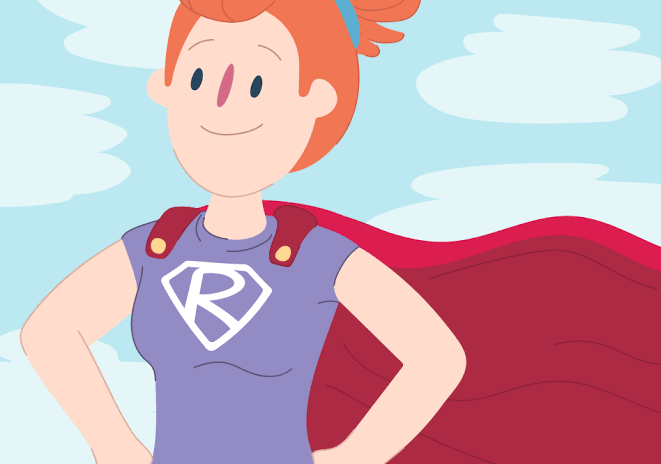
There are ways to help smooth the turbulent waters and recover a sense of control, but there is no way to escape grief, adversity, or suffering in life. Well before these uncommon times, resilience is the ability to cope with the loss, transition, and trauma that have become unavoidable parts of existence. Resilience building will help you respond better to life-changing circumstances, deal with turbulent times, and bounce back from adversity and tragedy.
Why do some individuals seem to be better able to cope than others in these troubling times? Although the situation of everyone is different, it is true that individuals with resilience seem to have a greater tolerance for the emotional distress caused by difficult times. The more resilient you are, the better you will handle the feelings of trauma and adversity that accompany tension, anxiety, and depression, and find a way to recover from setbacks.
We all go through hard times, we all experience disappointment, loss, and transition, and at different times in our lives, we all feel sad, anxious and stressed. But creating resilience will help you keep a positive attitude, face less fear in an unpredictable future, and get through even the toughest days.
Building Resilience
It's important not to think of it as some form of character defect if you're more susceptible to emotional distress and find it hard to cope with difficulty or adversity. Resilience is not a macho attribute and it is not fixed; it is an evolving process that takes commitment over time to create and sustain.
It's doubtful you've had the need or ability to build resilience unless you've encountered hardship throughout your life before. Drawing on previous experiences will help you deal with the problems that you face today. Even if you have struggled in the past to deal with adversity, you will at least be able to understand some of the ways that DON'T help cope, such as trying to dull your emotions with drugs or alcohol.
Although it is always hard to imagine something good coming from stressful events, creating strength will help you see some positive things about the challenges you have experienced. Surviving hardships will teach you valuable things about yourself and the world around you, improve your determination, deepen your empathy, and encourage you to develop as a human being and grow in time.

Hospice and Palliative Care
Hospice and Palliative Care
Hospice and palliative care provides a more dignified and comfortable alternative to spending the final months in the impersonal atmosphere of a hospital, far from family, friends, pets, and all you know and love, for many chronically ill patients. Palliative medication helps you relieve pain, while the hospice offers special treatment for both you as a patient and your family to improve the quality of life. In the last step of your life, finding hospice and palliative care is not about giving up hope or hastening death, but rather a way to get the most suitable and highest quality care.
For those whose life expectancy is six months or less, hospice is traditionally a choice and requires palliative treatment (pain and symptom relief) rather than continuous curative steps, allowing you to enjoy your last days to the fullest, with intent, dignity, grace, and encouragement. While some hospitals, nursing homes, and other health care facilities have on-site hospice care, it is delivered in the patient's own home in most cases. This helps you to spend your final days, surrounded by your loved ones and helped by hospice workers, in a familiar, supportive setting.
The word "palliative care" applies to any medication that relieves symptoms, which may be effective at any point of an illness, even though by some means there is still hope of a cure. It is an approach that focuses on pain management, symptoms, and mental stress induced by severe disease. In certain cases, palliative medications can be used to mitigate the side effects of curative treatment, such as chemotherapy-related nausea relief, which can help you tolerate more severe or longer-term therapy.
Talking about palliative care and hospice
Even though death is an inevitable part of life, many of us are understandably always terrified by the thought of dying. Death remains a taboo topic for many in Western culture. As a result, many patients and their families are hesitant to even consider hospice care or palliative care possibilities. Although most individuals would prefer to die in their own homes, it is still the norm for terminally ill patients to die in the hospital, receiving either unnecessary or inadequate care. Usually, their loved ones have only minimal access and sometimes skip sharing their last moments of life.
For the last few days of life, some families who choose hospice care sometimes do so only, and then regret not having enough time to say goodbye to their loved one. It's important for those with a life-limiting illness to learn what they can about hospice and palliative care and share their feelings with loved ones before a medical crisis strikes to ensure that your family understands your wishes. They are free to devote their resources to caring, kindness, and making the most of the time remaining when your loved ones are clear about your desires for treatment.
How it works in hospice and palliative care
As a patient, all facets of your life and well-being are the subject of hospice care: physical, social, mental, and spiritual. No age limit exists; everyone is eligible for care in the late stages of life. Although the facilities they offer are different from specific hospice programs around the world, most include a team that may include your specialist, a hospice doctor, case manager, registered nurses and licensed practical nurses, a psychiatrist, dietician, therapist, pharmacologist, social workers, a pastor, and various qualified volunteers.
The hospice team creates a pain management and symptom relief care plan customized to your specific needs, and offers all the palliative medications and treatments, medical supplies, and equipment needed. Hospice treatment is typically given in the comfort of your own home and a family member, supervised by trained medical personnel, serves as the primary caregiver.
In order to determine the needs and offer additional treatment and resources, such as speech and physical therapy, clinical massage, or nutritional assistance, hospice providers make daily visits. To assist with bathing and other personal care facilities, trained home health aides can also be deployed.
A hospice team offers emotional and spiritual support according to your needs, desires, and values, as well as providing staff on-call 24 hours a day, seven days a week. And your loved ones are also provided with emotional and spiritual care, including grief counselling.
The advantages of palliative care and hospice
Much as obstetricians and midwives provide help and expertise at the beginning of life, at the end of life, hospice care services provide advanced knowledge and support. Hospice will decrease anxiety for both you and your family when you are terminally ill by helping you make the most of the remaining time and reach some degree of acceptance. In reality, studies published in the Journal of Pain and Symptom Management showed that, on average, terminally ill patients who received hospice treatment lived 29 days longer than those who did not opt for hospice at the end of life.
As a terminally ill patient, sometimes already in a compromised physical and mental condition, it may help prevent the risks of over-treatment to make the decision to receive hospice care instead of continued curative treatment.
A hospice team's in-home treatment also ensures that you receive better monitoring than you would in a hospital.
Hospice treatment also focuses on the emotional needs and spiritual well-being of both you and your loved ones, in addition to concentrating on your physical wellbeing and comfort.
A guide to programs for hospice care
Services are usually organized according to you, the client, and your family's desires and wishes. Over time and during the three separate phases of treatment, these can change:
The final stages of a disease
The dying process
The time of bereavement
A hospice team can provide any combination of the following services, depending on your circumstances and stage of care:
**Support of Nursing.** Registered nurses monitor your prescription and symptoms and help inform both you and your family on what's going on. Also, the nurse is the connection between you, your family, and the doctor.
**Social services.** A social worker advises and advises you and your family and serves as your representative for the community, ensuring you have access to the services you need.
**Services of Doctors**. Your doctor approves the treatment plan and works with the team at the hospice. As a consultant and resource, a medical director is available to the attending physician, patient, and care team in a full hospice program.
**Spiritual Support and Counselling.** To visit you and provide spiritual counseling at home, clergy and other spiritual counselors are available. Spiritual treatment is a personal practice, which can include helping you to explore what death means to you, solving "unfinished business," saying goodbye to loved ones, and conducting a particular religious or ritual ceremony.
**Home Health Assistants and Services for Homemakers**. Personal treatment such as washing, shaving, and nail care is provided by home health aides. For light housekeeping and meal planning, homemakers may be available.
**Professional Help for Volunteers**. Caring volunteers have long been the hospice's backbone. They are available to listen, give compassionate assistance to you and your family, and help with daily activities such as shopping, babysitting, and carpooling.
**Physical, Career, and Speech Therapies**. These professionals may help you learn new ways to perform activities, such as walking, dressing, or feeding yourself, that may have become difficult due to illness.
**Care Respite**. Respite care gives your family a break from caregiving intensity. For example, a short inpatient stay in a hospice facility will provide both you and your family caregivers with a 'breather'.
**The Treatment of Inpatients.** There will be occasions when you may need to be admitted to a hospital, extended-care facility, or a hospice inpatient facility, even though you are cared for at home. To ease the dying process, medical intervention can often be recommended, requiring round-the-clock nursing care at a hospital. Your hospice team will plan and stay active in your recovery and with your family for all such inpatient care.
**Supporting Bereavement**. Bereavement is the time of grieving that we all undergo after a loved one's death. To support them during the healing process, the hospice care team will work with your remaining family members. Help can involve a counselor or qualified volunteer visiting your family during the first year at particular times, as well as phone calls, emails, and feedback from the support group. If applicable, the team can also refer your loved ones to medical or other skilled treatment.

Art Therapy
We all go through tough periods where we feel we can't cope with negative feelings or are overloaded with them; often these hard times can offer a beating to our mental equilibrium. When we fall and break a limb to go and seek medical treatment, we learn that; but what do we do when our mental state is broken? How does one go about it being remedied? There is no shame in being honest about mental illness; several forms of treatment are available; each functions differently to help patients feel better and change in the end.
One of them is art therapy; it is not really shocking to assume that art is used to cure and support, because it has been understood for a long time that art moves feelings. In order to understand life and find pleasure, people have always looked at art. Without the existence of art, human past is difficult to tell; it is an important part of humanity.
Recently, the availability of coloring books for adults has seen a boom. Many are advertised as a means of relief from stress and a way to be more aware; there is truth to that. In essence, art is therapeutic; it allows you to reach another aspect of yourself, and allows you to express yourself in a non-verbal manner.
This is basically what art therapy tries to accomplish; it helps people to convey their inner state through art. To express how you feel and what you think, you can paint, sculpt, doodle, colour, or draw. In the art they make, art therapists are trained to find out what colors, symbols, and textures might mean, and unravel the meanings. Art therapy allows individuals to explore their feelings, boost self-esteem, control addictions, alleviate stress, strengthen anxiety and depression symptoms, and deal with a disability or physical illness.
Often words fall short; we want to convey a concept or a feeling we have encountered, but we really don't know how to express when we come to articulate. Emotions and emotions are nuanced and lie outside the realm of verbal speech occasionally. Through examining what they make in an art therapy session, individuals may overcome interpersonal issues and become more self-aware with the assistance of their therapist.
In order to enjoy the advantages of art therapy, individuals do not have to be skilled in the arts; art therapy is about freedom of speech and its meaning, and not about creative abilities or talent. In combination with psychiatric methods, art therapists also use psychological, spiritual, and creative theories to obtain the desired therapeutic outcome. It will make it easier for them to access their own feelings and thoughts as patients create art, since the actual piece of art makes it more visible and easier to speak about their problems.
It is of a great help to art therapy. It expresses our inner lives and makes it possible for us to discover another part of who we are. Humans are complex; one can unravel unconscious problems that we have and psychological wounds that cause us pain through art therapy. We can then move on to recovery and rehabilitation by recognizing the concerns and problems we have. After all, art is cathartic and is a powerful means of change and development.

In or Out?
Although many children's books depict children's worlds as an endless adventure that leads them to discover new things, add extraordinary memories to their lives, and provide them with the means to be creative, reality hits us with a different tale about a generation confined to four walls, staring at screens for hours without even moving a muscle.
Unfortunately, even during summer, the season of free time that could be spent doing anything they want without activities to occupy their time has become the same. In addition, hanging out, social activities, and spending time outdoors have been restricted by the COVID-19 pandemic. Children now seem to be stranded though feeling secure with no option of having fresh air or sunshine.
You are in lockdown
With a brief look at what deprives you of spending so much time indoors, we find that it prevents you from having sunshine, which helps calibrate the circadian clock of your body, which is responsible for controlling the levels of appetite, sleep, mood, and energy. The circadian clock gets disturbed when not having enough sunlight, resulting in sleep instability, which is directly related to a decreased response of the immune system.
It is not only about not having enough sunshine, but it also extends to losing time in the natural world, which, as experiments demonstrate, helps increase your vitality by almost 40 percent. In addition, further evidence connects good mood, decreased pain sensation, and milder symptoms of children's attention-related disorders to spending time outside, which also plays a role in helping them concentrate and relax more.
Exposure to sunlight, in addition to the above benefits, promotes the development of vitamin D in the skin in response to UVB exposure, which is beneficial for strengthening our bones and teeth, and also has a major impact on our immune cells. Vitamin D also offers the first line of protection against respiratory diseases that directly destroy bacteria and viruses.
Engage with nature
Now, let's move on to nature and how you can take advantage of spending time there. Can you believe that spending time amongst trees can have a direct effect on your immune system? In Japan, scientists have indicated that the inhalation of substances called phytoncides released by trees may contribute to raising the number and activity of our immune cells that help detect and kill cancer cells and viruses.
In addition, natural involvement decreases heart rate and blood pressure and helps to minimize the risk of cardiovascular disease, type 2 diabetes, and early death.
A Cautious and Effective Way
Yeah, we have been forced to spend much of our time indoors by the pandemic; however, there are still some opportunities to go out and absorb all the advantages of sunshine and interact with nature. The virus spreads mainly through respiratory droplets released by coughing, sneezing, talking, or singing from the infected person, and that can not deprive you of the enjoyment of outdoor walking, running, biking, fishing, and fitness classes.
In order to get the outdoor benefits while staying healthy, here are the precautions you need:
Keep one meter away from other citizens at least;
Wear a face mask near others;
Box a hand sanitizer and wash your hands frequently;
Avoid busy hours and crowded setups.
In short, do not miss the opportunity to go outside and get the full package of those advantages. To feel the immediate improving results, just leave your mobile and get some fresh air.

My Thoughts on Bitcoin Cash
Today is my rest day. No work means lot of time to think of what to write.
One thing I have observed on this platform was many is writing about bitcoin cash. Maybe because read.cash is powered up by BCH. I did my own research about it to know much more of it.
Bitcoin Cash: The solution on bitcoin's scalability issue
I know that most of all users here on read.cash knew that BCH forks away from BTC. It is a solution that was recommended to solve the issue on BTC's scalability.
Bigger blocks means more transactions can be done. It also prevents the network being congested that makes BCH transaction fees much much lower compared to BTC.
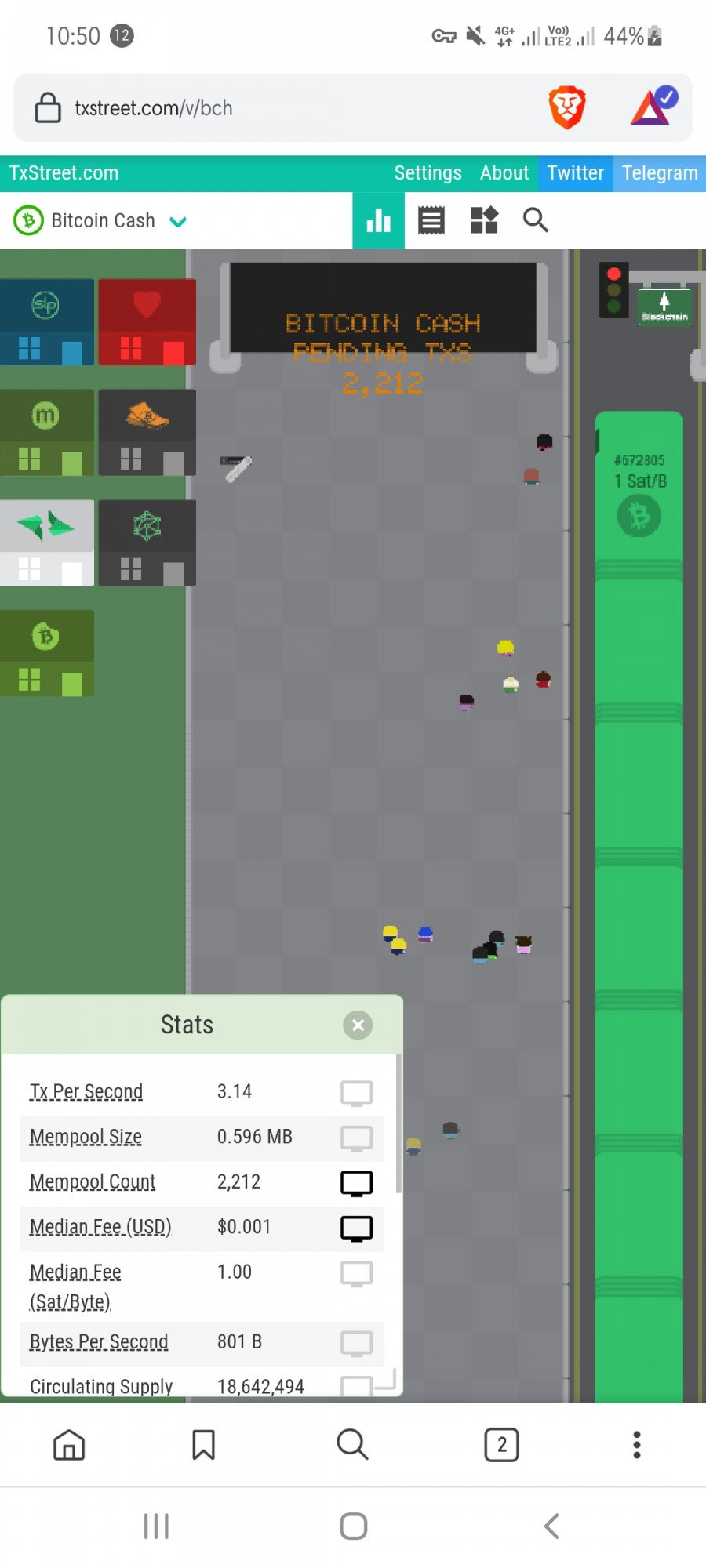
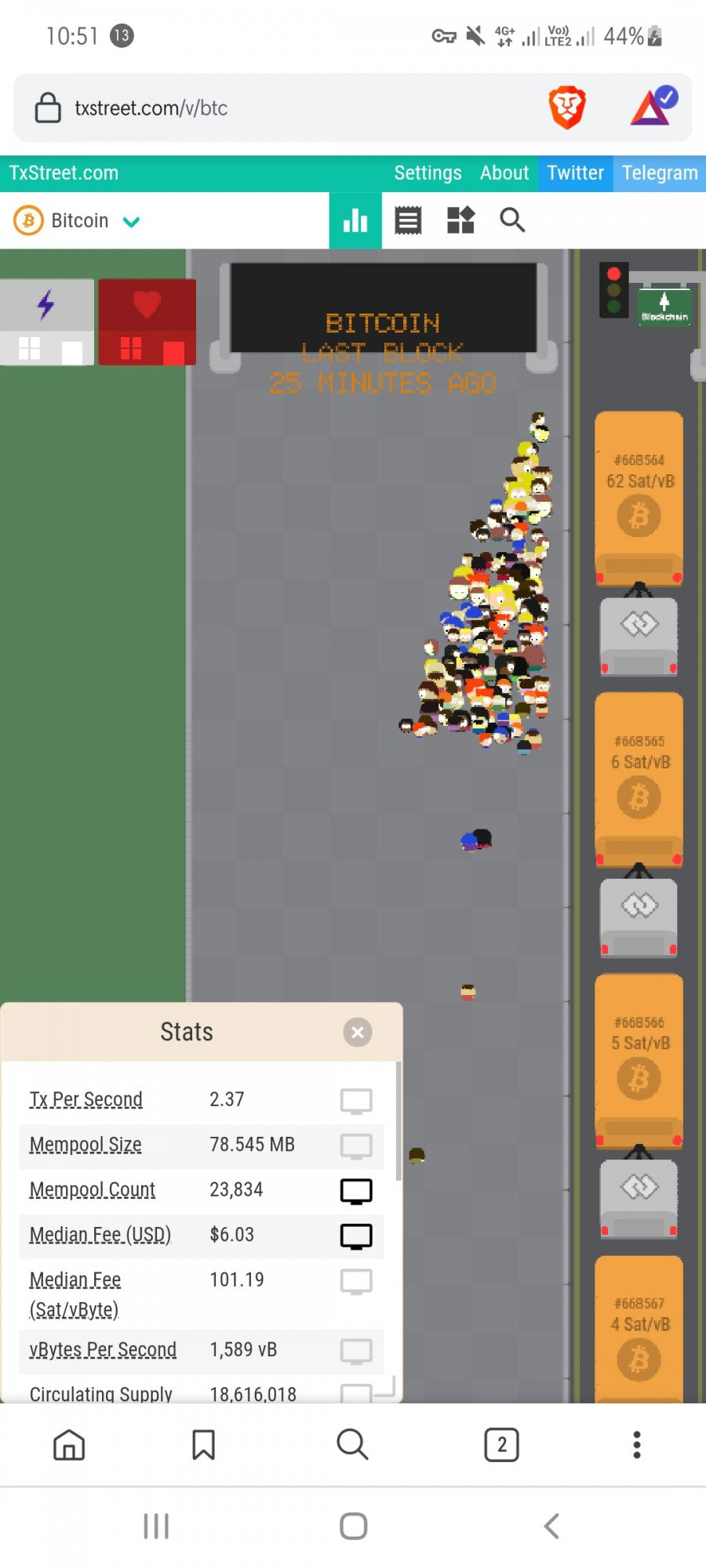
I personally checked the transactions of BTC and BCH on https://txstreet.com. Btw, whoever did developed this, you're such a genius letting us see in a visual way how transactions getting in on the blockchain. https://txstreet.com/v/bch
You can tell much tge difference between the two just by looking at the two pictures.
BTC is congested while BCH is free flowing. And when it coms to transaction fee, BCH has 0.001$ median fee while BTC has 6$. So which is better to use?
Bitcoin Cash: the good and the bad
This is just my pure opinion and no one is involve on this. I apologize if ever I made some mistakes on this. You can leave a comment and I will edit this post.
**The Good**
Bitcoin Cash has proven its capability to become the global peer-to-peer payment system. Secure/reliable, faster and lower fee transaction, and uncensorable.
Secure/reliable - there is nothing that I have search about an incident that the network has been hacked
Faster transaction - as I have seen on videos, transferring funds to others is super fast.
Lower fee transactions - unlike BTC, transfer fee on BCH is lower. We can prove it here on read.cash, because we can upvote other articles as low as 0.01$. Unlike on BTC, if ever you want to transfer a 20$ fund, the fee will cost you around 6$ or more depending on the network congestion.
Uncensorable - you don't have to worry about your BCH getting stolen, or being frozen. BCH is me, you, and everyone. No one is in control of it.
There are other good things about BCH. Like the numbers of merchants accepting it. The people who are supporting it from behind and the upcoming projects that will be launched later this year.
**The Bad**
There is just one thing that I have in mind that is bad on BCH. This prevents BCH from becoming the global peer-to-peer payment system.
The only problem that I think is the previous fork on BCH.
The first fork happened on November 2018. BCH and BSV is the result of the fork. The next fork happened last year, Nov. 15 to be exact, creating BCHA.
With this that is frequently happening on BCH, I conclude that big investors are a little hesitant to join the campaign of BCH on competing to become the global p2p payment system.
Think of this, developers are separated into two groups everytime a fork happens. So what do you think will happen to the network if this things continue?
Final thoughts
I think there is more good than the bad on Bitcoin Cash side making it more likely to be successful and promising to invest in.
The barrier to become p2p payment system can be overpassed as long as BCH can prove that their will be no upcoming forks in the succeeding years.
Happy for my First
Just got home from my 8 hours duty at the hospital. No classes for today so I can write something up.
Let me just write what happened to my read.cash account.
**My first upvote**
Last night, I posted an article about myself. A messy one. Hehe.
I'm thankful that @TheRandomRewarder have set an eye on my article and did receive an upvote from him. It was a huge boost of confidence on my side. Even though I know for myself that I'm not a good writer but still it got his attention.
For now, I'm planning to hold all my earnings. I've read about the #Club1BCH and it got me inspired. Hope that I can acheive a 1BCH or more here on read.cash.
**My first comment**
Thank you @TeddyR for leaving a comment on my article. I've noticed that you just also joined the platform a few days ago. So welcome to you too. Lets enjoy our stay here. Cheers!
**My first subscriber**
I noticed that, I also got my first subscriber. Sad to say that I can't see who is it. I can't tagged him/her to give my thanks for subscribing.
**My first achievement**
I also got this on my notification. My article have a total of more than 10 views. I don't know what do you call this kind of notification. I just though that it was some kind of achievement.
**My reaction on read.cash**
Read.cash is a legit earning site. It is easy to use and you can read different articles to broaden your knowledge. I strongly recommended this site if ever you love reading and into cryptocurrencies.
**My first joke (half meant)**
I explored the top articles here on read.cash and I've seen some article that gained $10k tip from the biggest funder on this platform. That's a lot. That amount of money can support my college until I can graduate. Hope that you can notice my articles too. 😁
God bless everyone!
Gambling
Anyone from any walk of life may have gambling issues. Your gambling goes from a casual, harmless diversion to an addiction with serious consequences that is unhealthy. A gambling addiction can strain your relationships, interfere with work, and lead to financial catastrophe, whether you bet on sports, scratch cards, roulette, poker, or slots at a casino, on the track, or online. You can also do stuff like running up big debts or even stealing money to gamble that you never thought you would.
An impulse-control disorder is gambling addiction, also referred to as pathological gambling, compulsive gambling or gambling disorder. You can't control the temptation to gamble if you're a compulsive gambler, even when it has detrimental repercussions for you or your loved ones. Even if you know that the odds are against you or you can't afford to lose, you will gamble whether you're up or down, broke or flush, and you will keep gambling regardless of the consequences.
Of course, without being totally out of control, you may still have a gambling addiction. Gambling is any gambling activity that interferes with your life. If, in spite of significant consequences in your life, you are obsessed with gambling, spending more and more time and money on it, chasing losses, or gambling, you have a gambling problem.
Sometimes, a gambling addiction or problem is linked with other mood problems or behavior. Many issue gamblers often suffer from drug addiction problems, unmanaged ADHD, stress, anxiety, depression, or bipolar disorder. You'll still need to fix these and any other root factors in order to solve your gambling issues.
Although it can seem like you're helpless to quit gambling, there are plenty of things you can do to solve the problem, fix your relationships and finances, and ultimately regain control of your life.
Signs of gambling addiction
Gambling addiction is often referred to as a "hidden disease" because there are no visible physical signs or symptoms such as addiction to narcotics or alcohol. Problem gamblers often usually, often to themselves, dispute or minimize the issue. You can, however, have a problem with gambling if you:
Feel the need to keep your gambling secretive. You could be gambling in secret or lying about how much you are gambling, believing that others are not going to understand or that you are going to impress them with a huge win.
Have trouble keeping your gambling under control. Will you walk away if you start gambling? Or are you forced to gamble until your last dollar has been expended, raising your bets in a bid to win back lost money?
Even when you don't have the money, gamble. You can gamble until you spend your last dollar, and then move on to money you don't have, money to pay your children's bills, credit cards, or things. You may feel tempted to borrow, sell, or even steal items for money-gambling.
Have your friends and family concerned about you. Denial keeps the gambling epidemic alive. Listen to them closely if friends and family are concerned. Asking for support is not a sign of weakness. If they have gambled away their inheritance, many older gamblers are hesitant to reach out to their adult children, but it's never too late to make changes for the better.

My First
This is the first time that I will write an article here since I joined minutes ago. Haha. Hope that this won't flops.
How I found out about Read.cash
I'm a fan of cryptocurrency. I always buy low cap cryptocurrency (i can't afford BTC, Eth, etc.), hodl it and hoping that it will become like Bitcoin in the future. I usually follows people on twitter who are in the crypyo space that is why I stumbled upon a post by one of the people I followed about this platform. The post said that I can earn free BCH here. I'm now excited while writing this.
About me
I'm Austin. My friends call me by the name Auss. I work as an assistant (minimum wage). I can't complain because I didn't graduate on college because of financial constraint.
I've been living with my only sister. Our parents died on an accident 5 years ago, so I'm the one who is taking care of her and who supports all the expenses for us two. This is the reason why I'm always willing to enter any kinds (only legal) of works that pays even if in little amounts.
I love to read. It's broaden my imagination and knowldge. I usually read books with successful stories and hoping that I can learn from them and applied them on me so I can become successful too someday.
What I know about the platform as of now
I have some ideas about how this platform works because of the welcome article that I have read after signing it up here. But I knew that I can get to know it more once I explore more about this.
My Promise
I will try as hard as I can to write creative content so that if ever you've stumbled upon my articles you won't get bored reading it.
That's all. Hope to meet new friends here.