 @Amz
@Amz
Postpartum Psychiatric Disorder
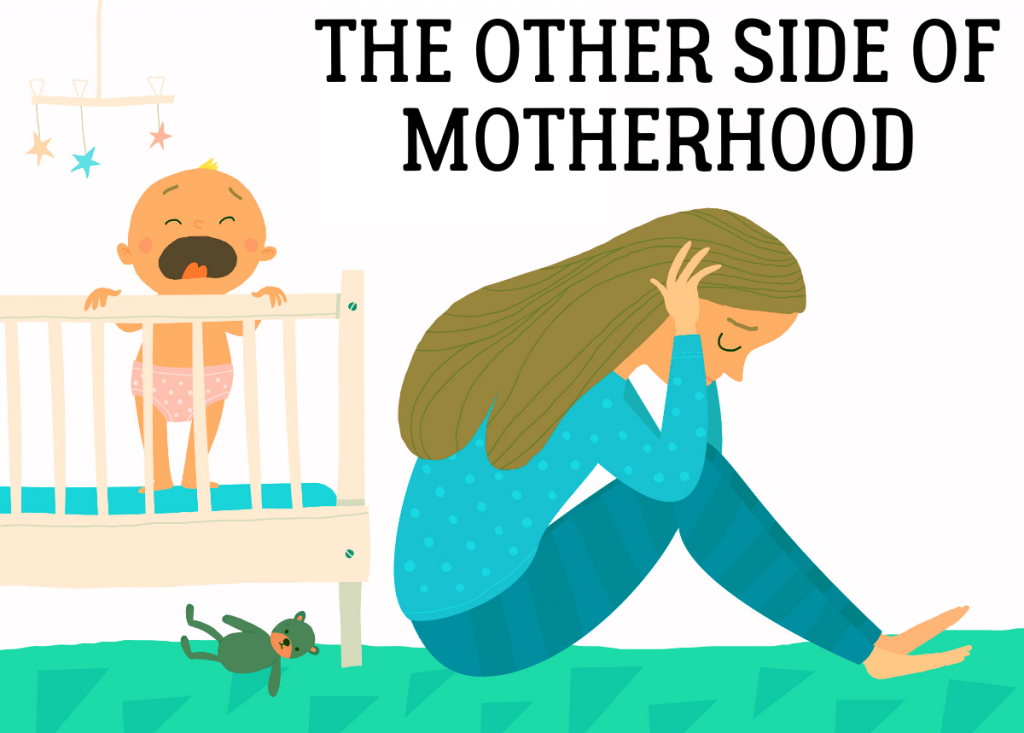
What is Postpartum? The postpartum period begins immediately after childbirth as the mother's body, including hormone levels and uterus size, returns to a non-pregnant state. The terms puerperium, puerperal period, or immediate postpartum period are commonly used to refer to the first six weeks following childbirth. There a lot of things we need give consideration for those mothers, all of them experience postpartum, you're lucky if your not experience any Postpartum complication, We need to be prepared emotionally because there are lot of problem emotionally after birth if were not prepared there are; Post partial Psychiatric Disorders Postpartum Blues >>It is characterized by mild mood swing that begin to develop after the patient arrives at home from the hospital and tends to be worse in primis( first labor) >>are defined as **low mood and mild depressive symptoms that are transient and self-limited**. >> The depressive symptoms include sadness, crying, exhaustion, irritability, anxiety, decreased sleep, decreased concentration, and labile mood. Causes; Hormonal changes after delivery Risk Factor; History of depression Pre-existing psycho social impairment Management; Postpartum blues is self limiting and has little effect on the woman ability to carry out her normal daily functions in majority of cases. Medication is not required Supportive care and education If symptoms do not disappear within 10 days or become increasingly severe refer for psychiatric evaluation and counseling. .Postpartum Depression; >> The cause is believed to be a combination of physical, emotional, genetic, and social factors. These may include factors such as hormonal changes and sleep deprivation. >>depression suffered by a mother following childbirth, typically arising from the combination of hormonal changes, psychological adjustment to motherhood, and fatigue >>More prolonged effective disorder that often occurs during the first month after delivery and last for weeks to months. >>Generally last for 3-6 month, with 25% of patients still affected at 1 year >>the signs and symptoms are similar to the major mood disorders. Risk Factor; Postpartum blues History of postpartum depression Marital dissatisfaction Depression during pregnancy Inadequate support from family and friends during pregnancy and labor Management; Group therapy Therapeutic communication Monitor for signs of suicidal tendencies. Postpartum Psychosis; >>The most significant risk factors for ***postpartum psychosis*** are a personal or family history of bipolar disorder, or a previous psychotic episode. >>Most severe and rarest postpartum psychiatric disorder >>Characterized by a group of severe and varied disorders with mania, depression and schizo defective dis order. Risk factor; previous postpartum psychosis Obsessive personality Family history of mood disorder Management; Removal of infant from the mother for safety considerations Medication Electroconvulsive therapy Reminders; Before we giving birth we must prepared our selves in all aspect in terms in; Physically Financially Emotionally all of these are important in our life specially during pregnancy and labor. thank you for your time to read

3 comments
Napagdaanan ko yan, sis! Hirap nyan pramis!
Nakakaakot pag ako pala mabuntis medyo hindi kasi maayos mental health ko e.
Nagpadaanan ko to at pinagdadaanan pa hanggang ngaun.. mahirap siya,pro hndi xia maiwasan akala ko dati hndi ko pagdadaanan kc matapang namn ako.,pro napagtanto ko may postpartum na pala ako,lagi nlang akong galit at napakasensitive ko, mahirap lalo na pag wlang gustong umunawa sau.