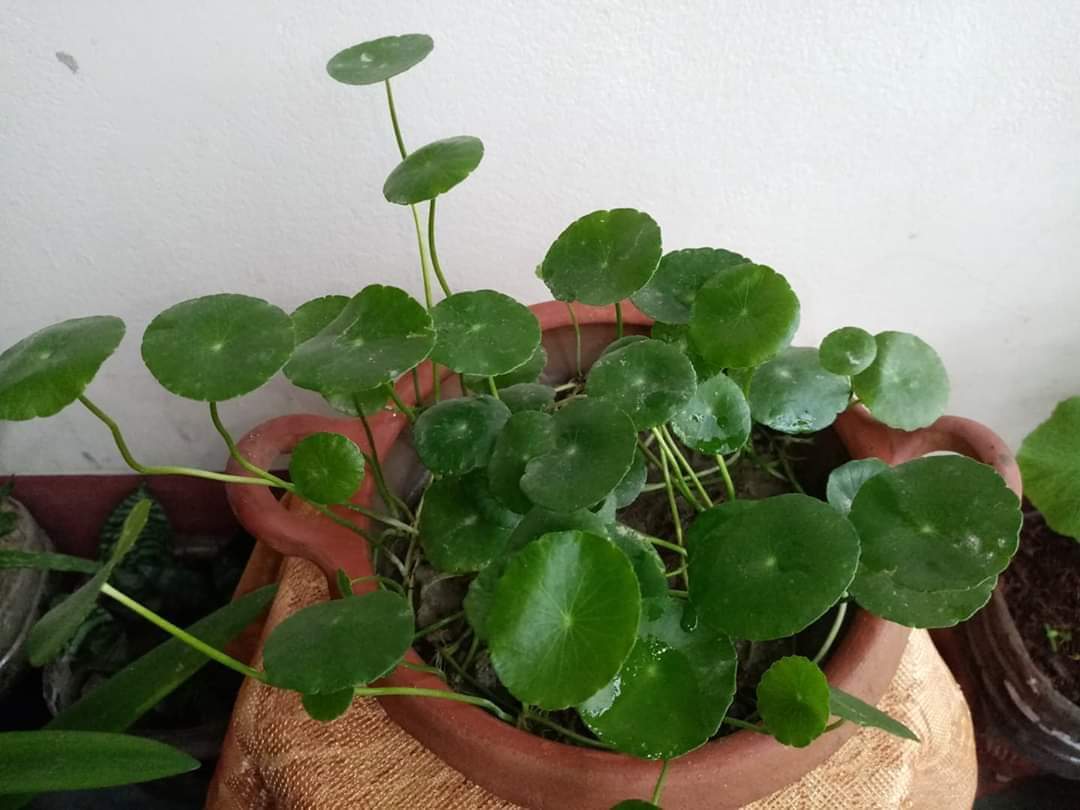
Coin plant.
The most trendiest houseplants, the Chinese money plant (also known as the pancake plant) is adored for its unique appearance. The round, coin-sized leaves are thick and glossy. Each leaf is attached to the crown of the plant by a leaf stem that connects directly to the leaf underside, giving it a very unique appearance. This houseplant’s tendency to create lots of small “daughter plants” that are easily separated from the parent plant means it’s a great houseplant for sharing with friends and family.
This plants love bright light and partial shade. I usually never keep them dry. I always water them before they get dried out. I keep my coin plants in my veranda once a week. Lead image given is my own coin plant.
Hydrangea
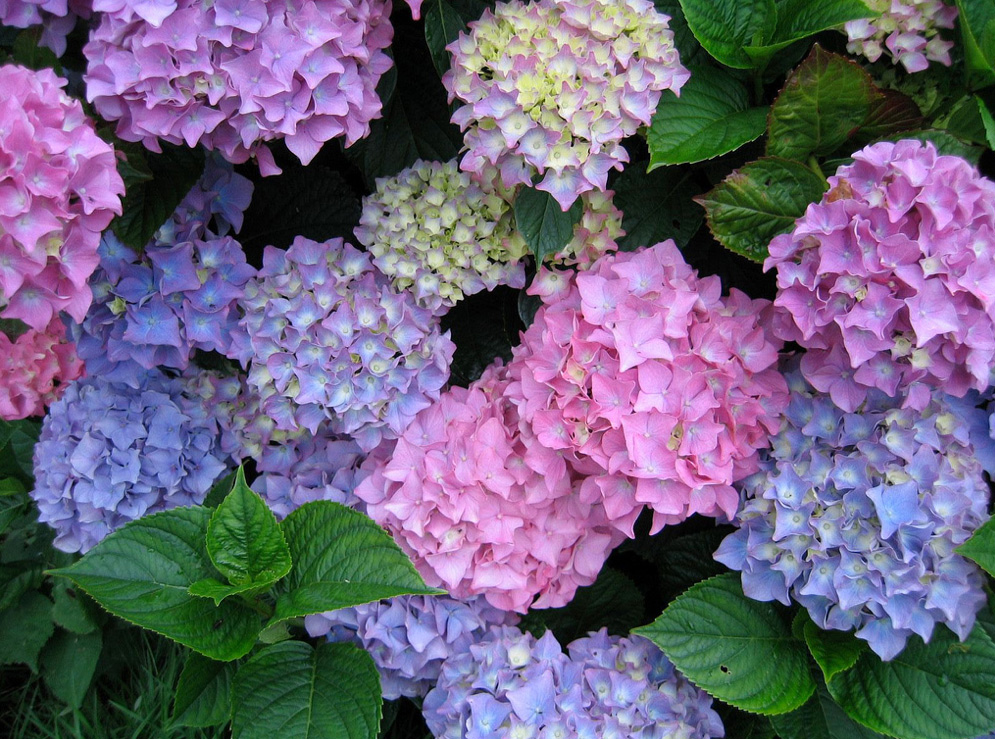
With immense flower heads, **hydrangeas** flaunt an old-fashioned charm that is hard to resist. Colors beguile with clear blue, vibrant pink, frosty white, lavender, and rose blossoms—sometimes all blooming on the same plant!
For the first year or two after planting and during any drought, be sure hydrangeas get plenty of water. Leaves will wilt if the soil is too dry, and flowering will be hampered by a lack of water.
If your soil is rich, you may not need to fertilize hydrangeas. If your soil is light or sandy, it’s best to feed the plants once a year in late winter or spring.
Hydrangeas love full sunlight at morning and partly shade during afternoon.
**Also note that it’s easier to change blue flowers to pink than pink to blue.**
It’s not every hydrangea that changes colour. cultivars change color based on the soil pH.
Acidic soils with a pH of less than 5.5 produce blue flowers; soils with a pH greater than 5.5 produce pink flowers. White flowers are not affected by pH.
Portulaca
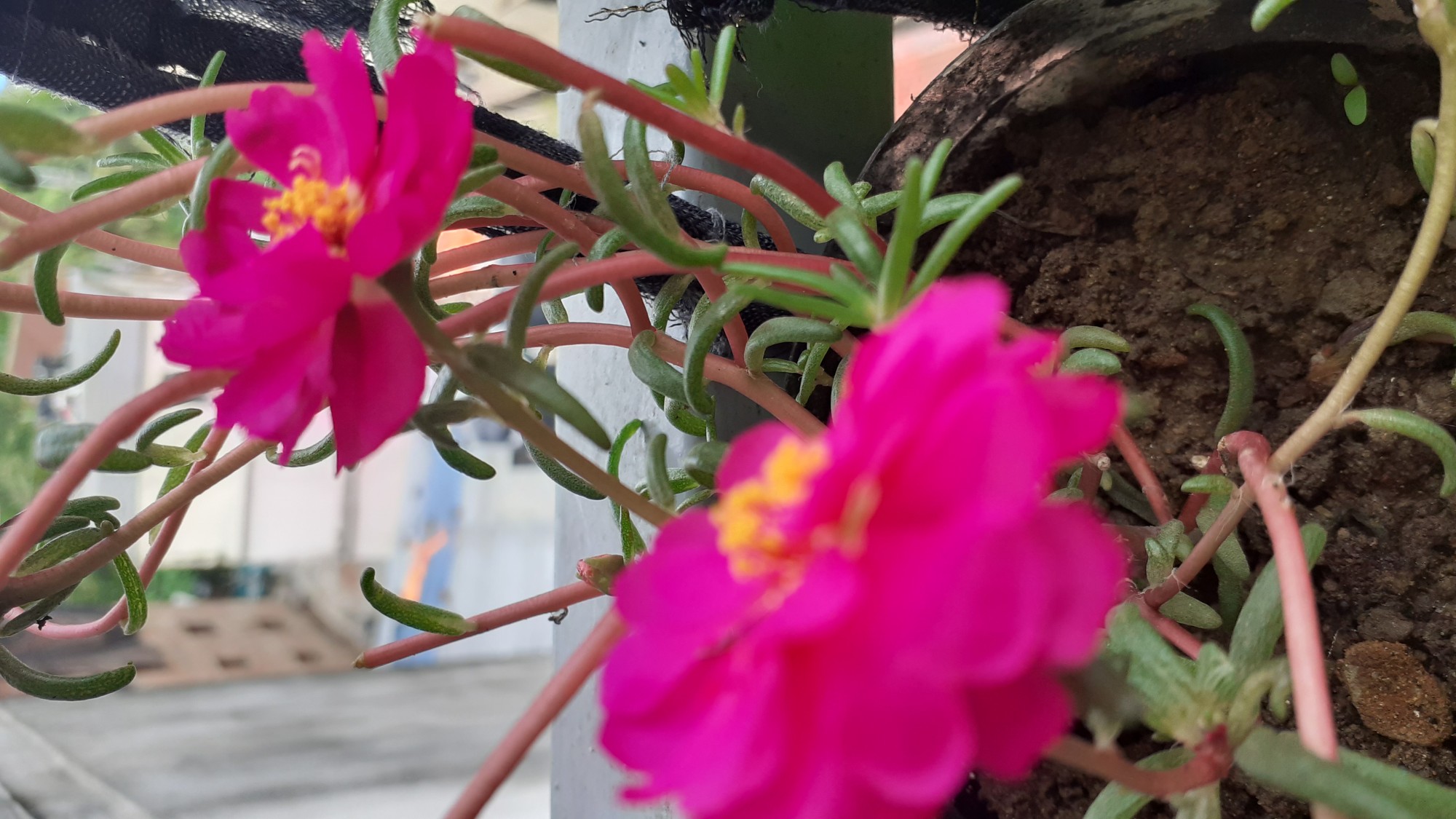
If you need to cover hot and sunny ground or you’re tired of watering your hanging baskets every day all summer, look no further than moss rose! Whether you call it moss rose, portulaca, or purslane, this plant is tough as nails and can stand up to almost anything. And with a trailing habit and nonstop bloom power.
Moss rose comes in many colors. The blossoms of moss rose generally come in bright, vibrant jewel tones, but there are mild pastel options as well. There are also flowers with "broken color," where a solid colored petal is randomly streaked through with a secondary color. There are also other forms of this broken color patterning where the outside of the petal is one color with a splash of a second color in the center—it's truly unique!
Blooms are typically single flowers with five petals and a pom-pom of yellow stamens in the center. You can also find semi-double blossoms that have a few extra rows of petals. Also, fully double flowers exist that are many petals together with no visible stamens in the center.
These plants are adapted to dry conditions, so they have very fleshy, succulent leaves and stems.
You can propagate this plant from stem cutting or from seeds.
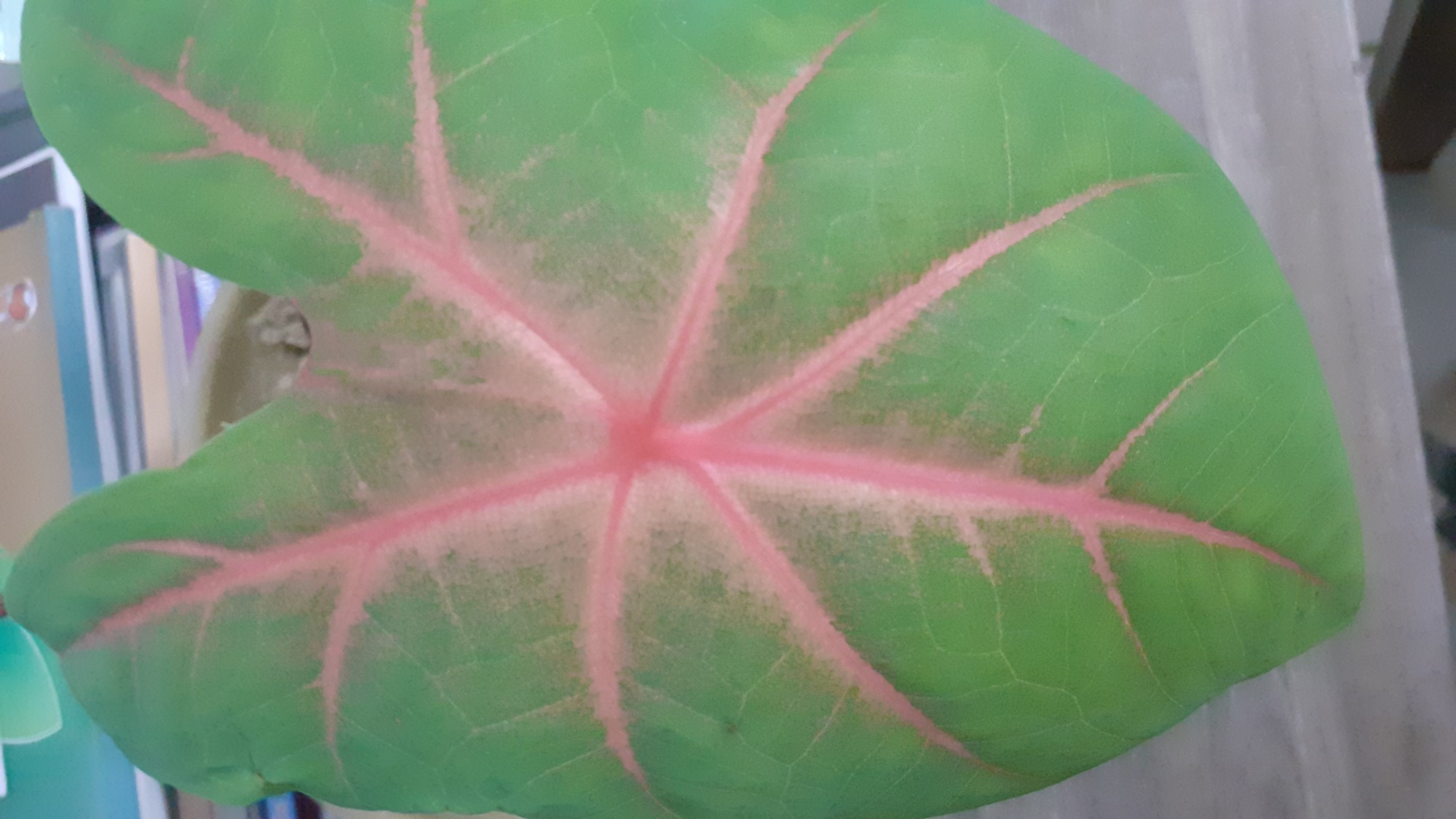
Caladium bicolour.
Growing caladiums is easy with proper caladium care. These tropical-like plants are commonly grown for their multi-colored foliage, which may be green, white, red, or pink. Caladiums can be grown in containers or clumped together within beds and borders. There are numerous varieties of caladiums found in either the fancy-leaved or the strap-leaved cultivar. All of which can make a dramatic statement in the landscape.
Planting caladium bulbs takes little effort. They can be planted directly in the garden during spring or started indoors four to six weeks before the average frost date. Soil temperature is an important consideration, as planting too early outdoors can cause tubers to rot. If you’re growing caladiums indoors, keep them in a warm room with plenty of light until outside temperatures are warm enough to transplant.
The most important factors in caladium care are moisture and feeding. Fertilizer will help strengthen the plants in order to produce adequate tubers for the following growing season. Caladiums need to be watered on a regular basis, especially during dry conditions. In fact, watering them on a weekly basis is recommended. Caladiums that are grown in containers should be checked daily and watered as needed. Applying mulch around caladium plants will help to conserve and maintain moisture, even in containers. Since caladiums are considered tender perennials, they must be dug up in the fall and stored indoors over winter in cold climates. Once their foliage yellows and begins falling over, caladiums can be carefully lifted from the ground. Place the plants in a warm, dry location for at least a couple weeks to dry out. Then cut off the foliage, place the tubers in a netted bag or box, and cover in dry peat moss. Store the tubers in a cool, dry location. Once spring returns, you can replant outdoors. If you are growing caladiums in containers, they can be overwintered indoors. Now that you know how to plant caladiums, you can add these pretty plants to your landscape. Planting caladium bulbs is easy and with proper caladium care they will last for years.
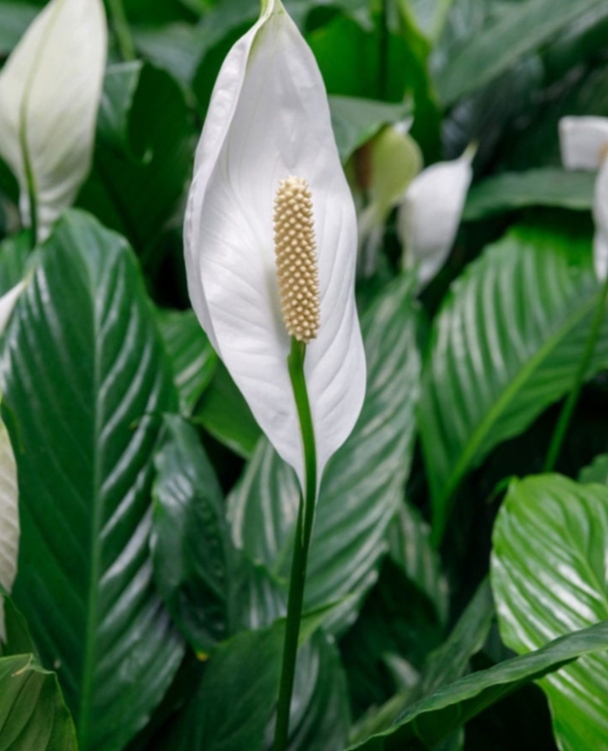
Peace lily
The white blooms of the peace lily generally appear in the spring as more of a modified leaf, a “bract,” than a multi-petaled flower. Very well cared for plants may bloom again in the fall as well. Blooms last for two months or more and after blooms fade, a period of non-blooming follows. Peace lilies manage just fine in darker quarters such as offices, bedrooms, and hospital rooms. Combine its ease of care with its aide in helping the cleanse the air we breathe, and you can see why the peace lily is such a popular houseplant.
lilies are listed by the ASPCA as one of the common houseplants that are poisonous to cats. They contain oxalates which can irritate an animal’s mouth and stomach. Because the irritation begins at first bite, however, the animal stops eating the plant pretty quickly, avoiding severe poisoning. Cats and dogs that ingest peace lily leaves begin to salivate profusely, shake their heads and paw at their mouths.
Lilies grow well in partly shade.
And water them when the leaves are drooping.
 @Alisha