 @zolabundance2
Problematic healthcare system
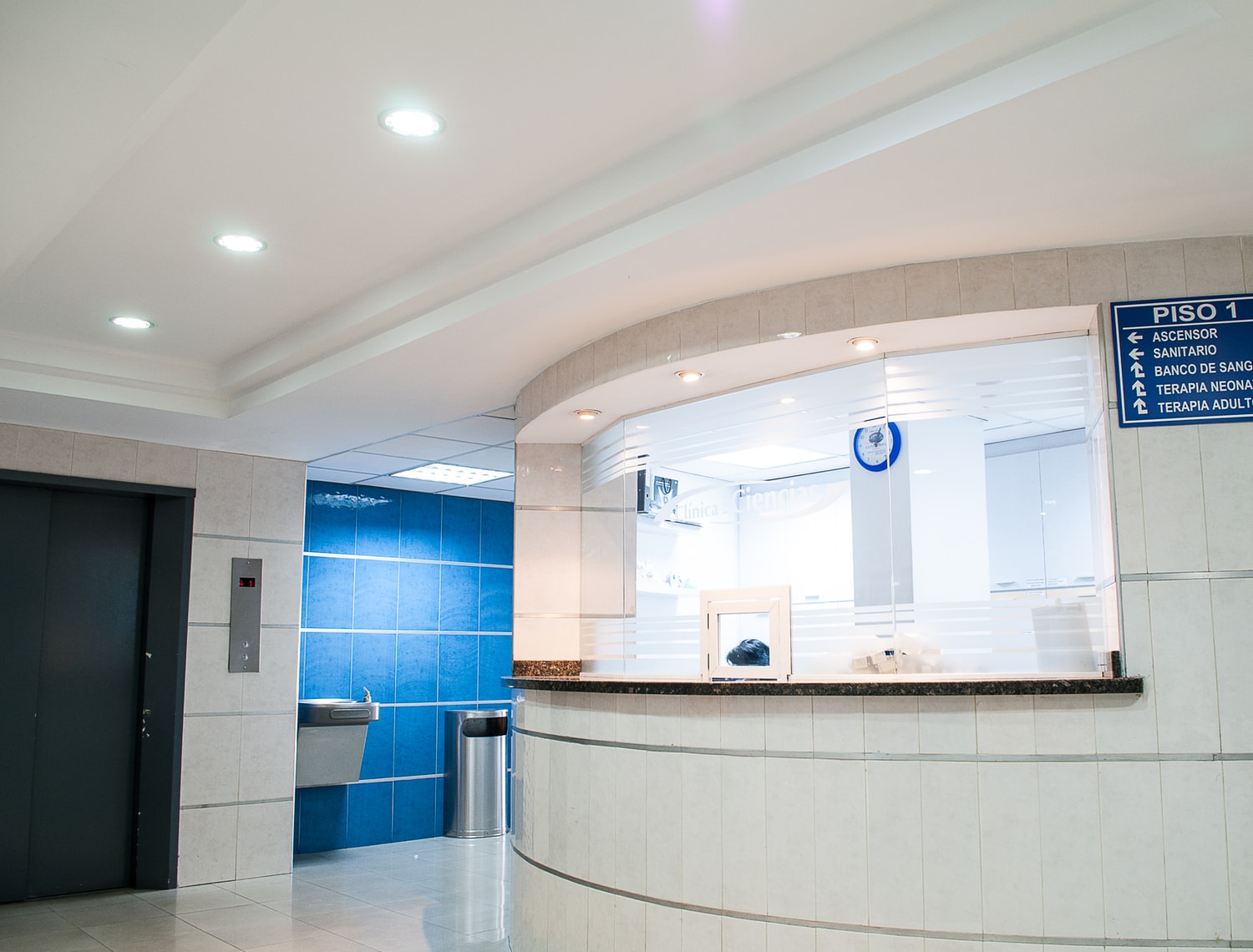
I am going to pick up where @Bjorn left off when he wrote about his experience at a public hospital. Instead of attending to his medical concern, he was made to wait for hours for a doctor, only to end up being told the expected procedure that would address his pain and discomfort would not be performed. With the pandemic far from over, it is understandable that changes have been necessary in terms of operations for medical or healthcare facilities. Doctors and nurses are overworked (*and likely underpaid)*, but attending to, and helping relieve patients of their health issues, should still be the primary objective of every facility. Notoriously late! Even before coronavirus shocked the world into a near standstill, PH doctors, unfortunately, were already notorious for being hours late. A one-hour wait is a miracle in many occasions. While clinic hours are posted or relayed by their secretaries, this has never been a guarantee that the medical consultant will make an appearance at the appointed time. The closest to a punctual medical appointment I've ever been to is with my late father's cardiologist. After each consult, patients are asked to schedule their next appointment with the secretary, both date and time, based on the doctor's orders when to return. Eventually, I wizened up and would always book the first hour for my dad's appointment. That meant 8:00 AM, or 8:30, at the latest. Even if the doctor arrived late, we would still be first in line. And chances are, he would only be 30 minutes delayed since it was his first clinic for the day. Why the delay? I soon realized that one factor contributing to the delayed arrival of medical consultants is that they hold clinic in two or three healthcare facilities that are usually nowhere near each other. Given the horrendous traffic at all hours of the day, it is no surprise why doctors are always running late. Sometimes, they also have to make rounds of admitted patients before attending to clinical consults, further delaying arrival at their offices. If your clinic of choice happens to be the second or third stop, then don't be annoyed or frustrated for having to wait forever till Doc arrives. We were fortunate because the hospital where Dad had his consults is less than 10 minutes away from the house. So, for afternoon schedules, I always call ahead to ask if the doctor has arrived and how many patients he's gone through from the day's list. But what if the patient lives three hours away? Aside from the long drive, they have to suffer for several hours more waiting for their turn to be seen. So going in for a medical consult is pretty much a whole day activity. Predicting how long the doctor will see each patient is a useless exercise. He can see one for as little as 10 minutes or as long as 30 to 40 minutes. On the average, it's typically a quarter of an hour. But some doctors can be quite thorough when it comes to updating patient history; on the flipside, certain patients have a million questions just to assure themselves they won't need hospitalization or have a relapse requiring more medication or therapies. I try to confine our consults to 15 minutes as courtesy to others awaiting their turn. But I also ask a lot of questions in behalf of my dad, and really want to understand what is happening to him, and how best to care for him. If seeing a doctor as an outpatient is an exhausting endeavor, getting admitted for confinement is an entirely different story. More waiting Assuming you go through the Emergency Department, there is often a minimum three-hour wait to get into a room. In the meantime, you join the multitude holed up in cubicles - if you're lucky - or slumped on wheelchairs or gurneys either parked in the hallway or squished in whatever available space there is in the ER. Admission is on triage, too, and this is also contingent on the kind of room you've requested and how fast they're vacated and readied for new occupants.

Waiting to be transferred is as agonizing as the medical condition needing treatment. The cacophony of sounds in the ER can be traumatizing or hilarious, depending on your perspective. It's not to make light of other people's misery because you're pretty much in the same boat. But when you hear moaning and groaning, screaming (in pain), shouting because of arguments, while nurses, doctors and aids are talking over each other, it can get pretty crazy in that confined space. Getting things done Resourcefulness and initiative are necessary to survive those several hours in the ER if you want to get things done. That means seeking out nurses or doctors to check in on your patient, or get them to write out prescription for medication that can't be provided in-house. If you're observant enough, you'll understand everything happening there, from oxygen cannula to blood extraction to x-rays and other laboratory exams. Yes, it can be a nightmare going to a hospital and I definitely understand the hesitation and fear of many to see a doctor *(unless there's no other choice)* or be admitted into a facility. Aside from the looming expenses, it is the inordinate amount of time wasted waiting for something to happen that is very stressful both for patients and their kin. I've had a run-in with nurses and doctors on a number of occasions, in the ER or while admitted. It's not for lack of sympathy for their work load and circumstances, but there've been medical professionals who've also been remiss in their duties or just plain sloppy that their attention needs to be called. Otherwise, I've always been very considerate and try to take on certain tasks to lessen the nurses' load yet still keep a close eye on the patient's progress. And when we get into a rhythm, most nurses appreciate what I do for them. For sure, COVID has changed the way things are run and done in hospitals. But given that sickness and disease are the same then and now, the delivery of health service should be the same if not more efficient. *Photos: Unsplash*


2 comments
You know I don't want to compare but it's sad sometimes when we hear stories that bringing patients to a private hospital will be taking cared of at least more faster that the public hospitals. Thank you for adding your insights on this kind of situation. Keep safe.
While true that when we pay more, we get better service, but that is not necessarily always the case. My experience is with tertiary government-owned hospitals so you expect better systems from them. I feel sad hearing the stories of staff about what they need but are not provided so service also suffers. I've also had experience with private hospitals, and while they may have better services, the care given by their staff can sometimes also be wanting.