 @shimanani
edited
@shimanani
edited
Gold, Money, and the Curse of the Spirit: An Ancestral Story to Reconnect with Nature
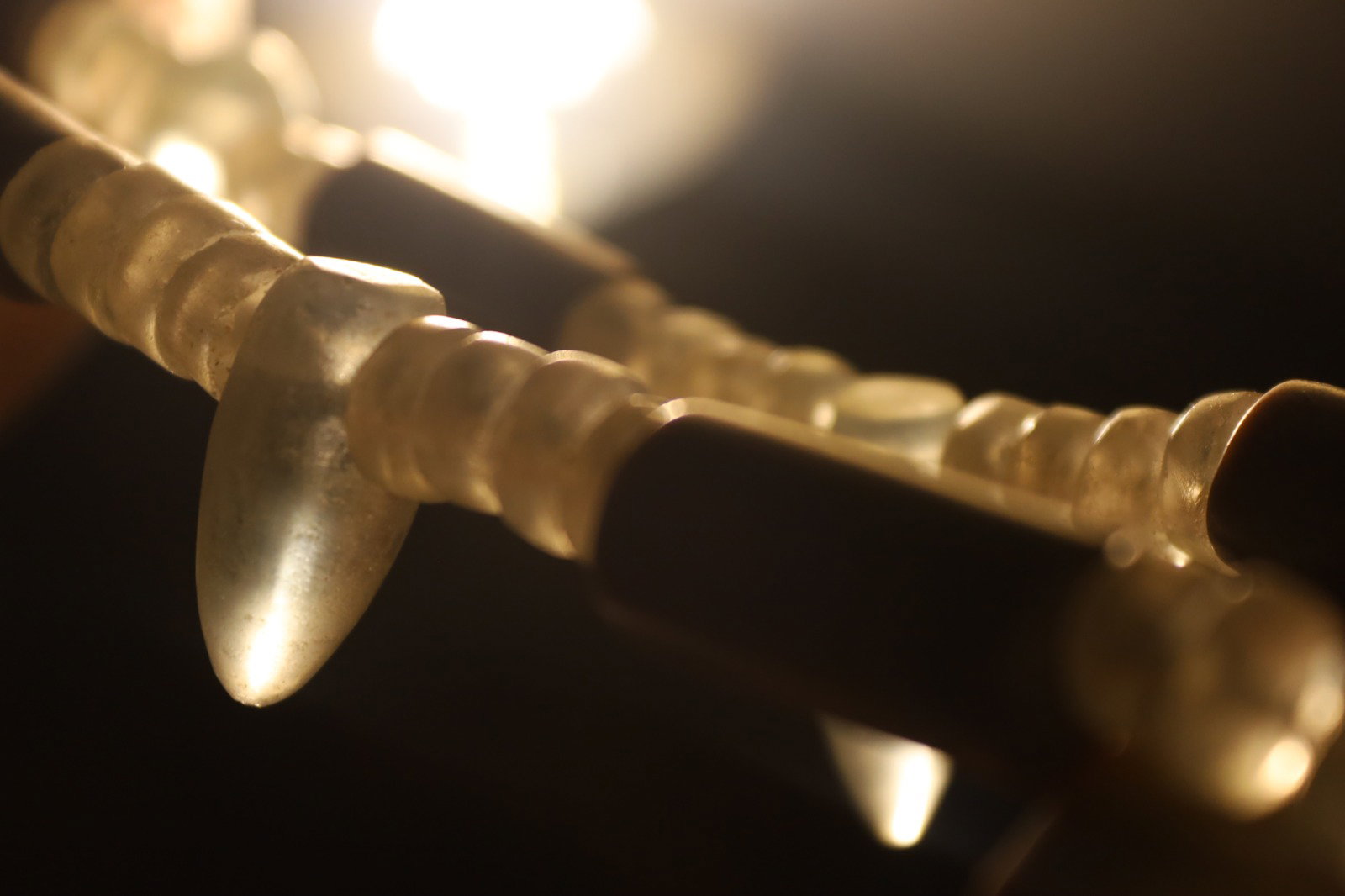
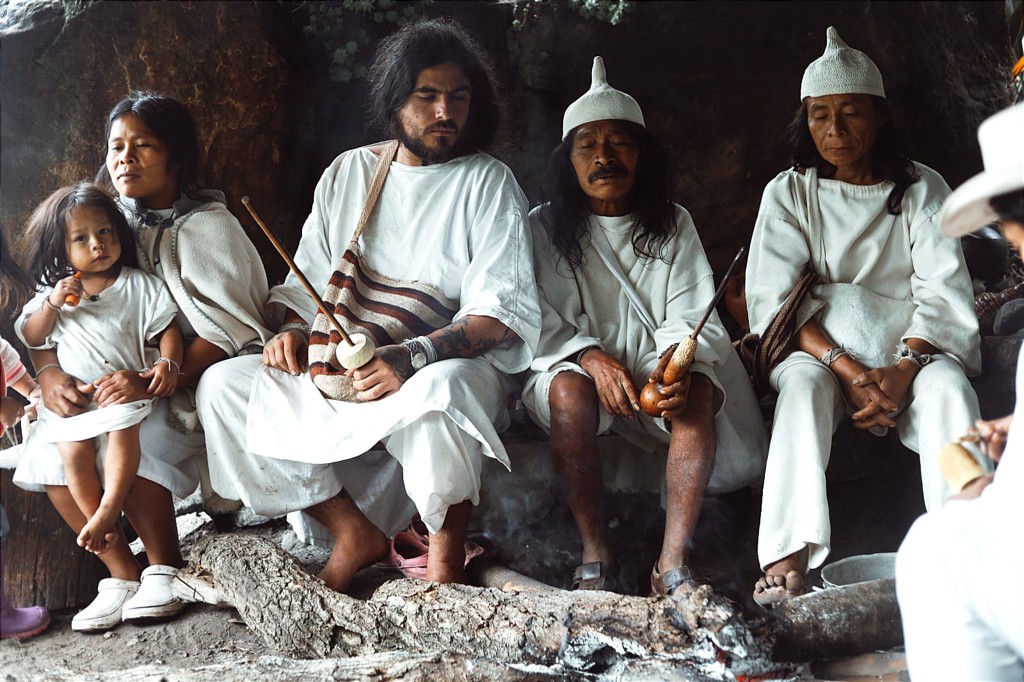
Today, money rules the world. Gold, which over time has turned into paper, has been given an almost divine value, despite being, in essence, just a tool. But why are we so obsessed with it? Why have we allowed money to become the center of our lives, leading to deaths, wars, and disasters, pulling us away from what truly matters—existence itself: nature and life? The elders of the Sierra Nevada de Santa Marta, the heart of the world, Gonawindua, once told me a story in the darkness that shed light on these questions. It is a story of origins, of gods, of the golden land, and of a curse that we still carry. Today, I want to share it—not only to understand our relationship with money but to remember that it is possible to reconcile with nature and with ourselves. Today, money is just paper, printed without restraint, creating an illusion that we take as truth. It no longer carries the weight of gold, silver, or copper, yet we continue to believe it is valuable. We chase it obsessively, hoard it as if it were wisdom, and in many cases, place it above life itself. But what if money is nothing more than an illusion, a curse that prevents us from seeing what truly matters? **The Story of the Gods and the Golden Land** The elders told me that before the world had dawned, everything was darkness. The gods were shaping life and assigning lands to each of their children. The youngest of them, Beje (the little brother), was a rebellious child who refused to accept the teachings and responsibilities of life. Concerned about his attitude, the wise ones decided to give him a distant land in the northern hemisphere, far from the golden land, where the sacred seeds of life lay: gold and quartz. The golden land was not just a place of material wealth; it was a sanctuary of divine energy. Gold and quartz were not mere stones but physical manifestations of the gods' wisdom and the seeds of all existence. The wise ones knew that Beje, without the protection of divine teachings, would not be able to withstand the sight of these sacred materials. For him, they would be a curse—he would become hypnotized, unable to see beyond their brilliance and comprehend the balance of the cosmos. Though they acknowledged his intelligence and foresaw that he would find a way to reach the golden land, they warned him never to seek it. They asked him to respect life and nature and to be content with what had been given to him. **The Curse of Gold and Quartz** Over time, the gods' children began exploring other lands. One of them, using his ingenuity, built ships and reached the southern lands, where he found the golden land. Upon seeing the gold and quartz, he fell under the curse. He failed to understand that these materials were sacred, that they were the seeds of life planted by the gods. Instead, he saw them as something valuable, something to be possessed. Thus began the obsession with gold and quartz—an obsession that turned into madness. His eyes and thoughts could never escape the glow. Today, we are still trapped in that curse. We see money as an end, not a tool. We hoard it, worship it, and in the process, we destroy nature and stray from our essence. But what if we remembered the wisdom of the elders? What if we understood that money, like gold, should serve life and not the other way around? The elders said: *"One day, gold will regain its weight, but not in the form of gold, silver, or shining stones. It will be in the consciousness of those who manage to see beyond the superficial, in those who look deep within themselves and discover the true value of things, in those who can see the smallest details."* Today, as I observe the coins of this modern world, I see the tiny, almost microscopic numbers that compose them. And in them, I find a powerful metaphor: gold has lost its material weight but has gained a new dimension—one that challenges us to assign value based on the intangible. This new hope does not lie in accumulation but in sharing; not in possession, but in understanding. The elders also said that, at some point, that child—the one who was once blinded by the shine of gold—would finally understand. He would realize that true value is not in what can be taken but in what can be given back. And so, he would seek the wise ones, not to ask for more riches, but to learn how to repair the damage, to heal the wounds he himself had caused. That child, who today is all of us, has the mission to restore balance—not just for himself but for all his brothers and sisters. Because wisdom is not a treasure to be hoarded, but a seed to be planted. And when that seed sprouts, it will not be in a single heart but in many. It will be in those who, though few, understand that the value of life is not measured in coins, but in actions. The elders knew: *"Gold will regain its weight, but not in our hands—rather, in our souls. And that day will come when, as humanity, we decide that true gold is not found in mines, but in nature; not in banks, but in life itself."* This is a message for the present and a guide for the future—with deep respect for all my brothers and sisters. The story of Beje and the golden land is a reflection on our relationship with money. It reminds us that true value is not in material wealth but in life, in nature, and in our connection with one another. Today, platforms like Read.cash and cryptocurrencies like Bitcoin Cash offer us a unique opportunity—to use money as a tool to build a better world, where technology and ancestral wisdom walk hand in hand. It is time to make peace with nature, to reconcile with our roots, and to remember that we are all part of the same sacred fabric. Money is nothing more than a seed, a tool. What is truly valuable is life itself.
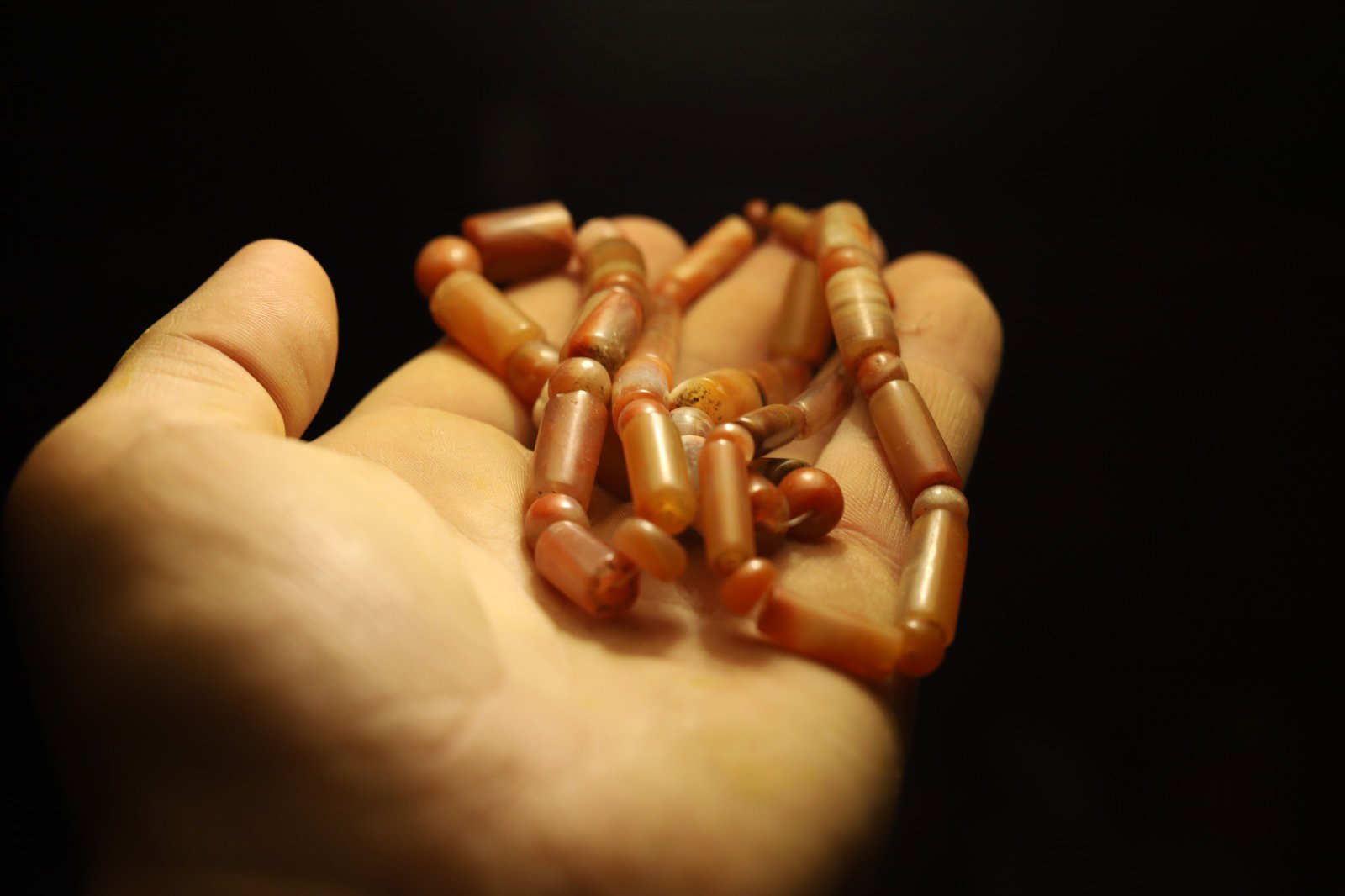
**Note with photo**: *This image, captured by me, documents a sacred moment: the act of returning to Mother Earth a fragment of quartz that we recovered through our quest for knowledge in the Sierra Nevada. This ritual of harmonization and payment to the cosmos is not just an act of gratitude but a reminder that everything we take must be returned with respect and love. Quartz, like gold, does not belong to us; it is a seed of life, a gift from the gods that we must honor and protect. Through these rituals,*
1 comment
This is a very insightful story and I think many people will learn wisdom from it.