 @sabrdikhr
more from that month
@sabrdikhr
more from that month
The Wealth of Nations in 2025
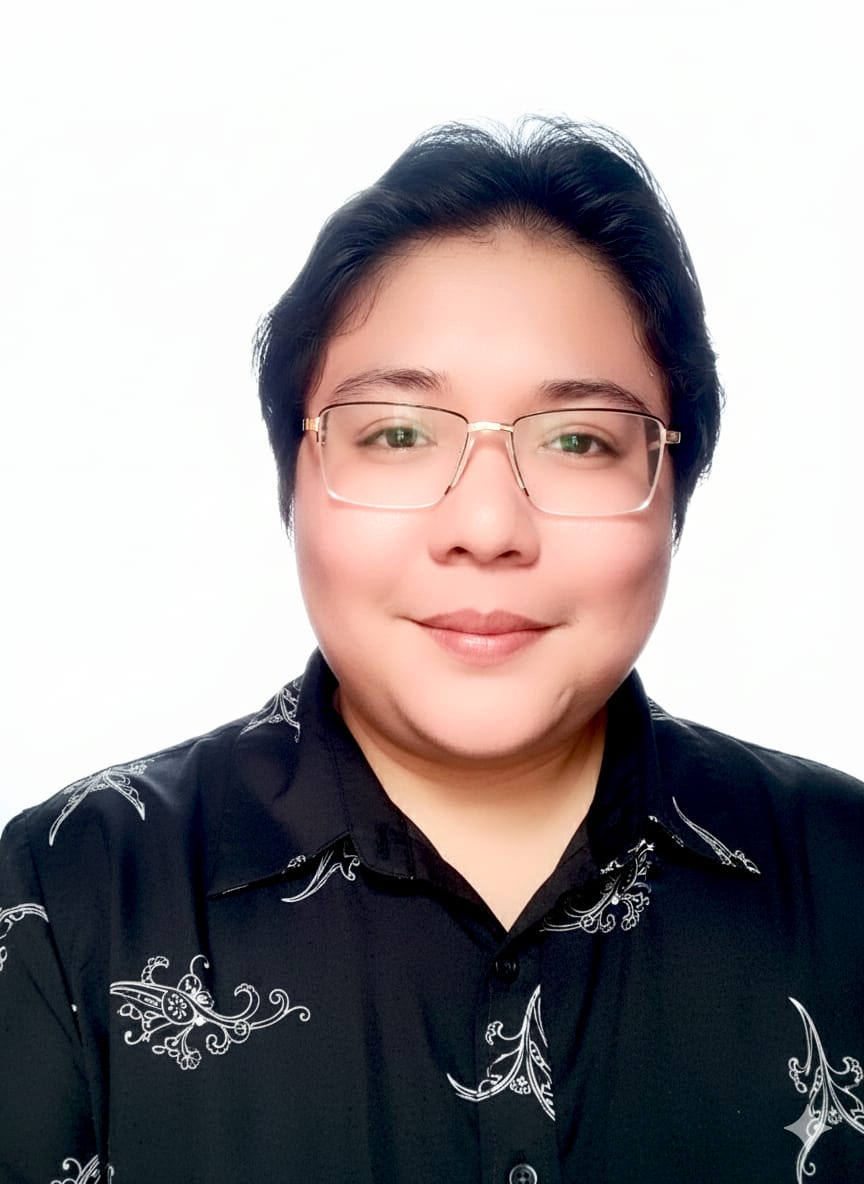
***These are just my thoughts on wealth as I try to make sense of the world around me, not expert advice. I'm also thinking about Web 4.0, which is a subject for another time, another discussion.*** The world has never been richer than it is today, at least if you measure wealth by numbers on a screen. Trillions move across the globe every day, traded, borrowed, lent, multiplied, and tallied. Nations boast about GDP growth. Markets rise and fall like tides. Banks record profits, and governments issue reports declaring stability. Yet beneath all of these figures, I keep asking myself the same question: **"what is the true wealth of nations in 2025?"** The world is changing rapidly, and countries like ours needs forward-thinking individuals and businesses who are willing to take bold steps to adapt, innovate, and lead the charge for economic transformation. As we face mounting challenges such as inflation, rising costs of living, and a volatile global economy, it’s more important than ever for Filipinos to look beyond traditional models and seek new opportunities that can drive sustainable growth. This means cultivating a mindset that embraces risk, challenges the status quo, and fosters creative solutions to problems that may seem insurmountable at first glance. And when that happens: when participation is no longer a privilege but a pattern, then the Philippine economy will no longer be described as “emerging.” It will simply be established. - **SabrDikhr (Khadijah)** Some time ago, money was tied to physical assets like gold and silver. A peso, a dollar, or a coin was backed by something real that you could touch and measure. If you held a gold coin, the value was in the gold itself. If you owned land, it was not just paper on a title, but soil you could plant on or build upon. That was wealth rooted in reality. **In 1971, everything changed when the United States ended the convertibility of the dollar to gold. From that point on, the world shifted into fiat money. Fiat means the value of money is no longer backed by physical assets but by government decree and public trust.** The dollar became the central reference point for global trade, partly because of America’s position after World War II and partly because of agreements with oil-rich countries like Saudi Arabia. Oil was priced in dollars, creating what came to be called the **petrodollar system**. That system still shapes the way money flows across the globe in 2025. Fiat currency allows flexibility. Governments can print money, central banks can adjust interest rates, and economies can be stimulated in ways that were not possible under the gold standard. But the trade-off is inflation. When more money is printed or created without a matching increase in real goods and services, each unit of currency buys less. This is why food, fuel, and daily essentials keep getting more expensive. On top of that is fractional reserve banking. When people deposit money in banks, most of it is lent out rather than kept in storage. That lending multiplies money in circulation, but it is money created out of debt. What moves around the system is not only real assets but promises to repay. This system fuels growth but also fuels inflation. When you think about it, much of the wealth in the world today is not truly wealth in the old sense of the word. Wealth is often described in simple terms as assets minus liabilities. Real assets are things that last, like land, gold, oil, wheat, or even a business that produces something of value. Liabilities are debts, obligations, and promises that depend on repayment. One person’s asset is another person’s liability. If I deposit money in a bank, it is my asset but the bank’s liability. If the bank lends it to someone else, it becomes their debt, and my balance remains on paper. The same peso is claimed by two people at once. This works as long as circulation continues, but it raises the question of how much money truly exists in usable form. That is where the system feels stretched. Governments carry massive debts. Households borrow for homes, cars, and education. Businesses rely on loans for growth. Circulation keeps everything alive, but it is fragile because so much of it rests on liabilities instead of physically backed assets. If confidence breaks or circulation slows, the system stumbles. In a country like the Philippines, the situation is even more delicate. We rely heavily on imports, especially fuel and food, which are priced in stronger currencies like the U.S. dollar. When the peso weakens, it takes more pesos to buy the same goods. Prices rise, and families feel the squeeze. For those with fixed or low incomes, inflation erodes purchasing power quickly. A weekly budget of P1,000 for a Filipino family does not go as far as it once did. It is easy to point fingers at governments, the rich, or the elite. But the bigger picture shows that the entire global system is designed this way. The Philippines is part of a network of trade, debt, and currency flows. Our constitution and free-market system give us opportunities, but they also tie us to the ups and downs of global finance. This is why I began exploring ideas outside of traditional systems, including cryptocurrency. Not because I believe crypto is a magic solution, and not because I want to gamble, but because it raises important questions about what money really is. Crypto is an attempt to create currency that is not controlled by governments or central banks. Some coins are tied to physical assets, while others float purely on supply, demand, and trust. It has its promise, but also its limits. Prices can be volatile. Adoption is uneven. And while it offers independence, it also carries risks that ordinary people cannot always afford to take. Still, the rise of crypto shows that people around the world are hungry for alternatives. They want money that means something, money that is not easily diluted, money that can be stored and trusted without relying on the same fragile system of debts and liabilities. For me, it is not about replacing the peso or the dollar, but about learning and keeping my eyes open. Global events also show how fragile things can be. When conflicts arise between large nations, smaller nations feel the impact quickly. Many of these smaller nations are exporters of petroleum and other critical resources. If transportation costs go up, everything else follows. From imported rice to jeepney fares, the increase in oil prices trickles down to daily life. Inflation is not just a statistic, it is a person adjusting their budget at the market, cutting back on meals, or deciding whether to commute or walk. So how much money is truly in circulation for everyone to have a fair chance at an equitable life? How many people can realistically meet their basic needs, keep emergency savings, and set aside liquidity funds for the future? When you strip away the layers of liabilities, the answer feels thinner than the numbers suggest. Trillions may exist on balance sheets, but in practice, wealth is concentrated, and most people are left stretching what little they have. For me, I keep things simple. I focus on the basics: food for the animals I look after, something to help my parents, some savings, and liquidity funds. These things matter more than chasing grand returns. I see the price of petroleum rising and I feel it in the cost of transportation, in market prices, in the rhythm of daily life. It becomes less about theory and more about practice, less about systems and more about survival. At the same time, I view it as a learning curve. A chance to understand how the system works and how it affects me, my family, and my community. Wealth, assets, liabilities, fiat currencies, crypto, petro dollars—these are not just abstract terms. They connect directly to the lives we live and the choices we make. I learn, I apply what I learn, and I share what I know. **I am not here to claim answers or to sell solutions. I write this more as a journal, a reflection. The wealth of nations in 2025 is complicated, concentrated, and at times fragile. But understanding it matters, because it helps us make sense of our place in the system. It helps us see why prices rise, why budgets tighten, why opportunities sometimes feel out of reach. And it also helps us imagine what might change, or what we might do differently.** The world is changing fast. Inflation, rising costs of living, volatile markets—these are not passing concerns but daily realities. Nations like ours need forward-thinking individuals and businesses willing to take bold steps to adapt and innovate. But on a personal level, it also comes down to priorities. To knowing the difference between assets and liabilities. To managing circulation wisely. To protecting what is real and tangible while also exploring what is new. **For me, this journey is not about wealth in the traditional sense. It is about responsibility, learning, and faith. It is about practicing what I know, whether in earning through small ways like selling items, or in sharing my life as a Da’i and as a Hafizah, and my reward is with Allah alone. It is about learning as I go while also staying open to the future.** I accept donations in both crypto and fiat to help me get by. The wealth of nations in 2025 may be measured in trillions, but on the ground it is measured in pesos at the market, in meals shared, in families cared for, in savings tucked away. It is both global and personal. It is both fragile and enduring. And for me, it is not about chasing more, but about making sense of what is, and finding ways to live with wisdom in the middle of it all.
No comments yet