 @rastamilophoto
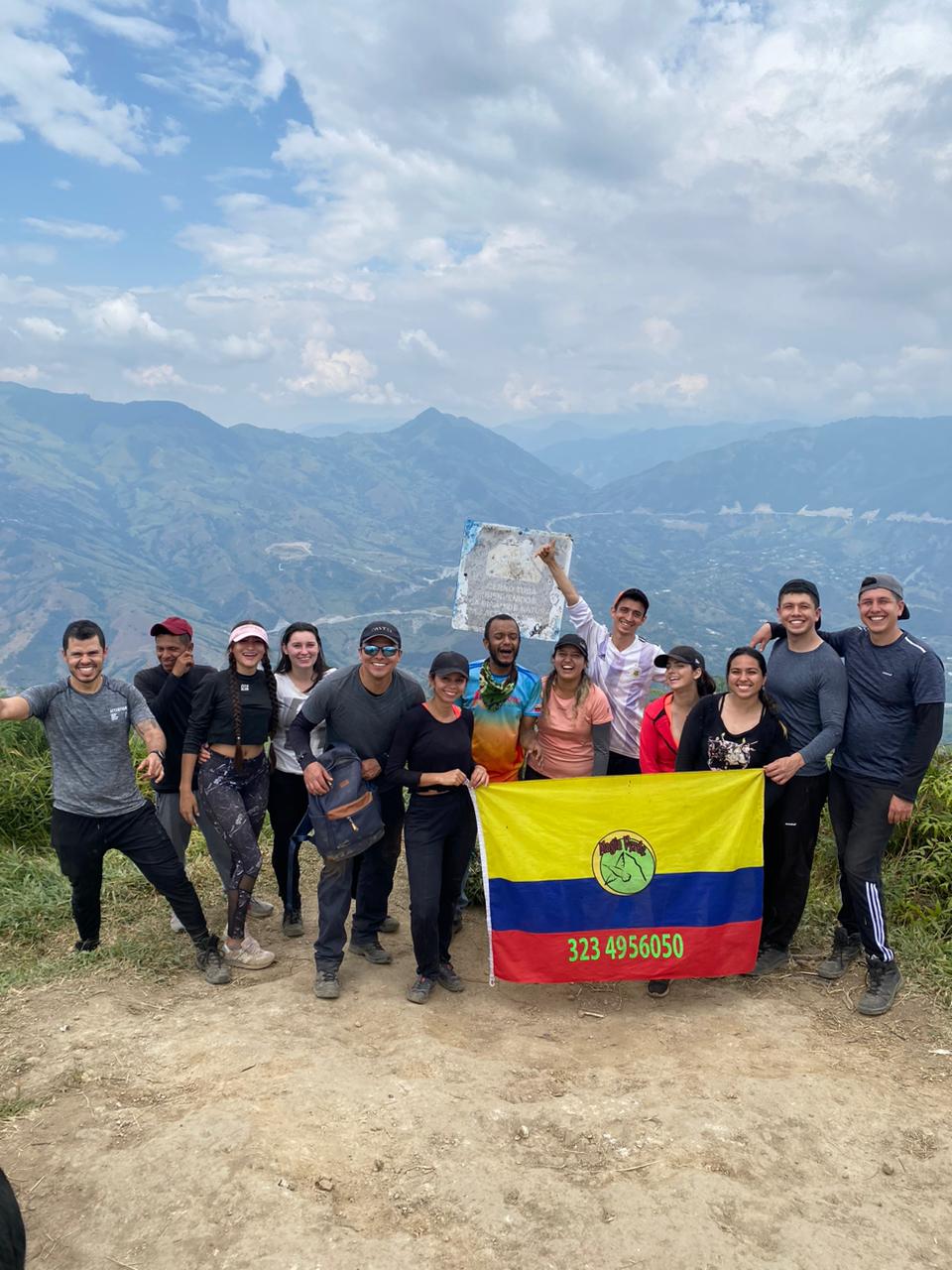
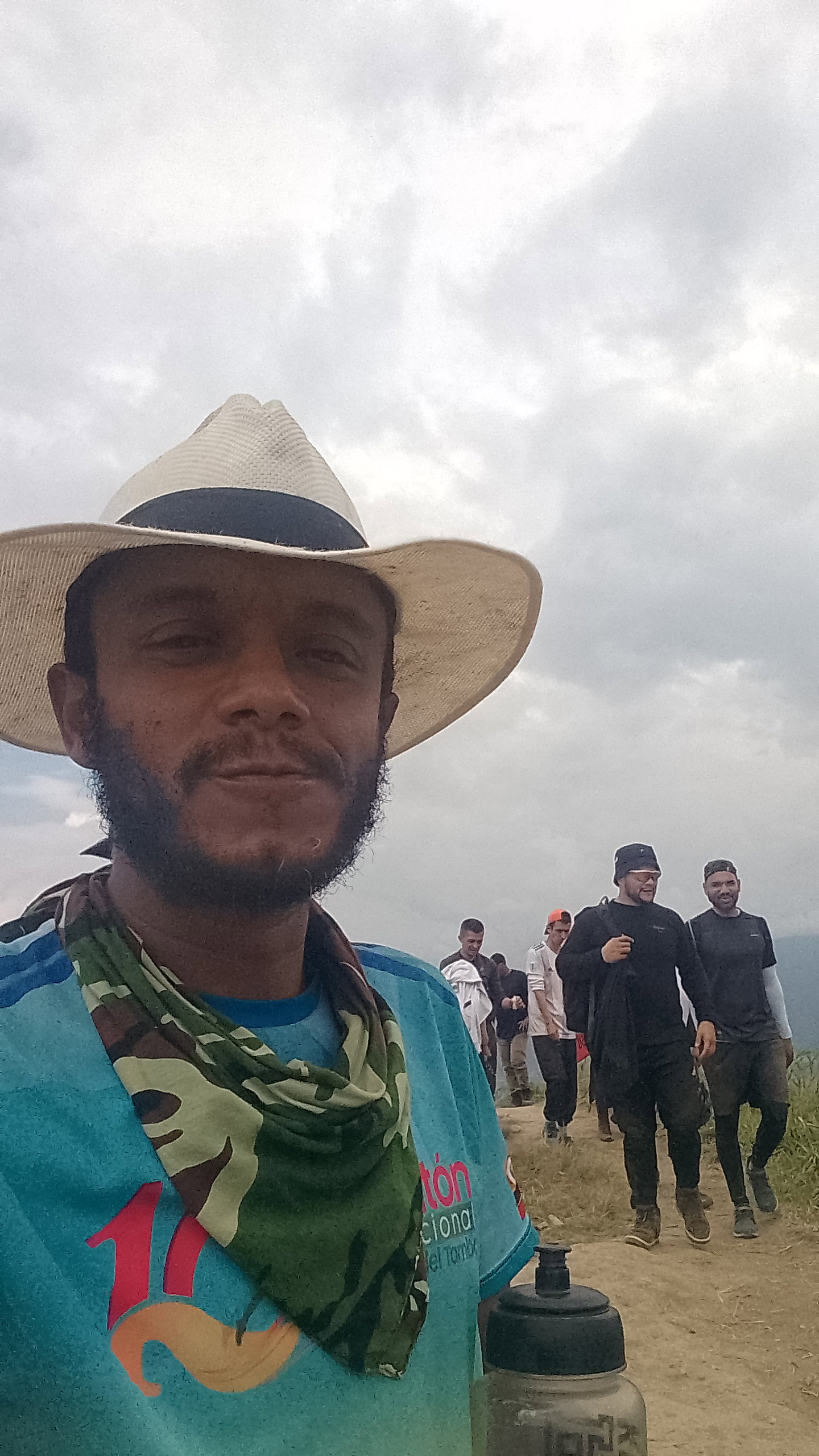
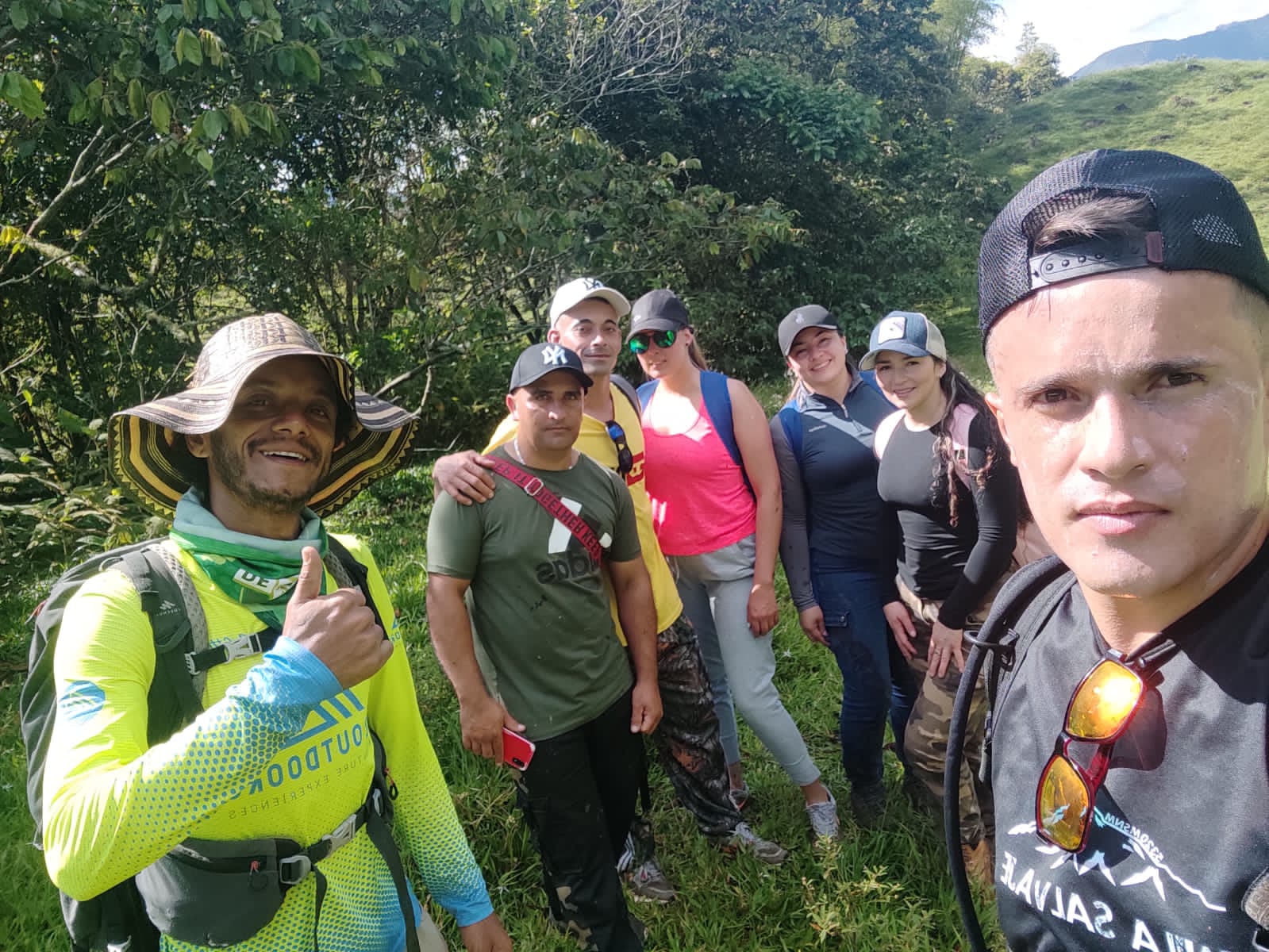
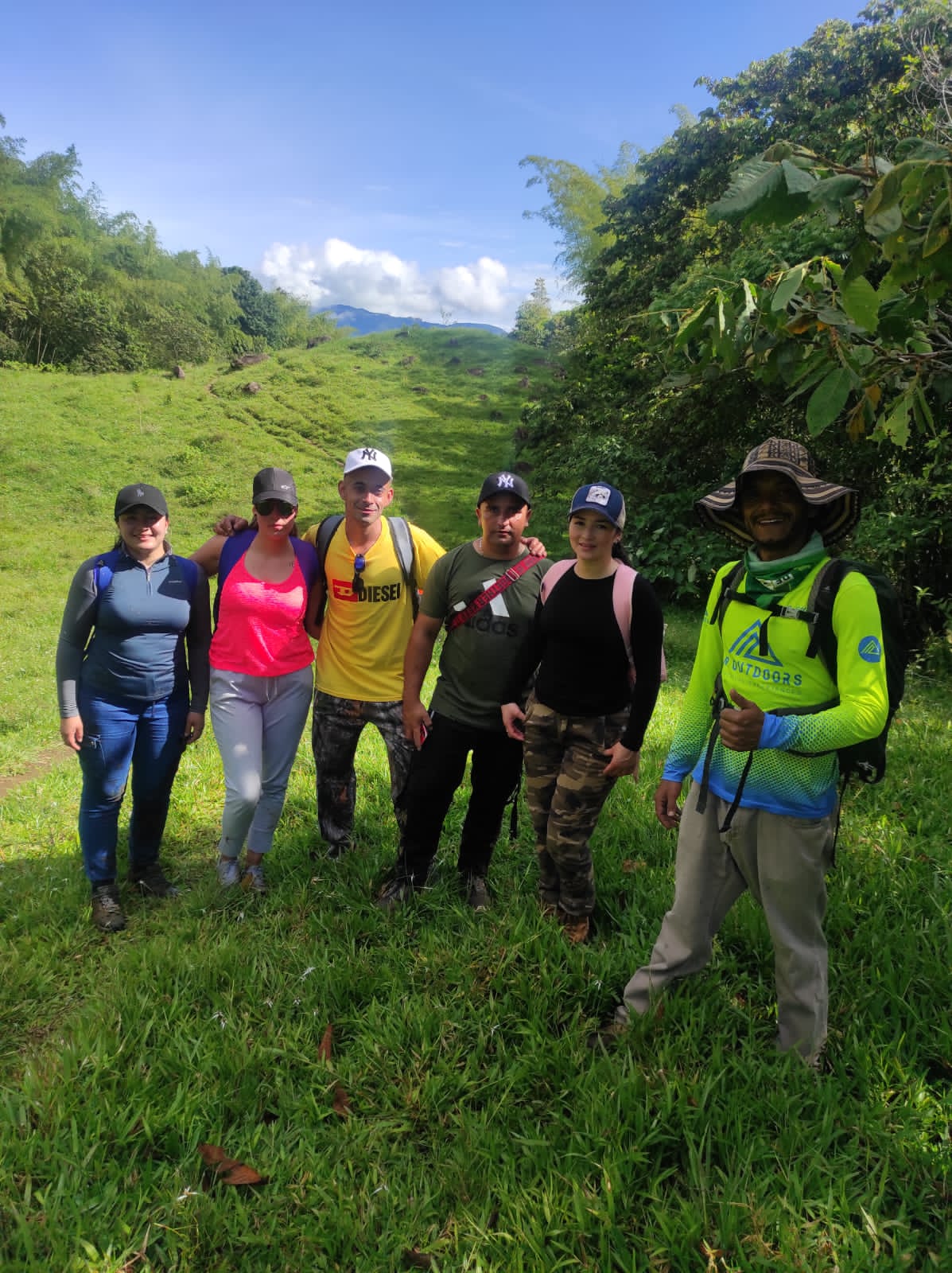
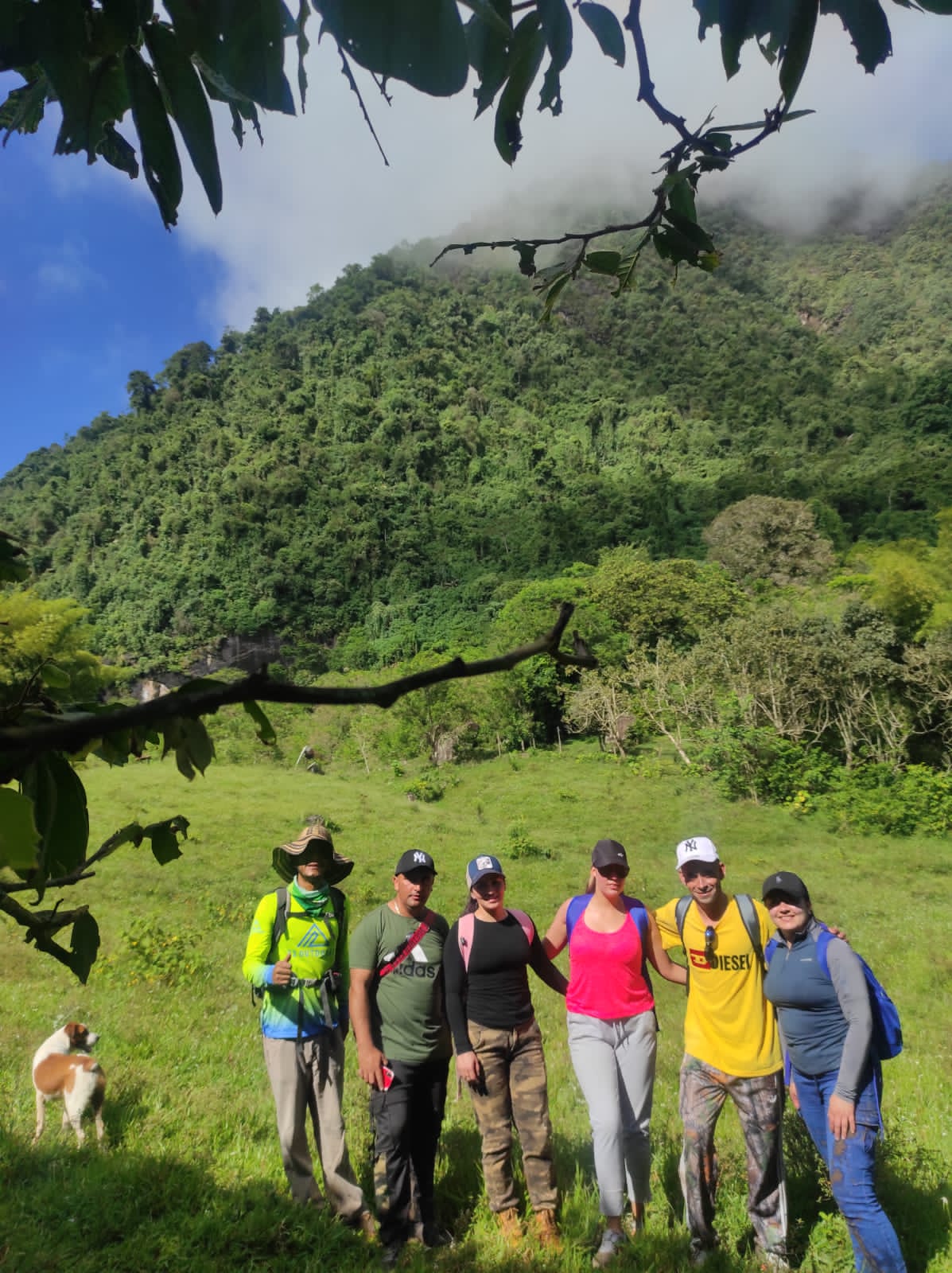
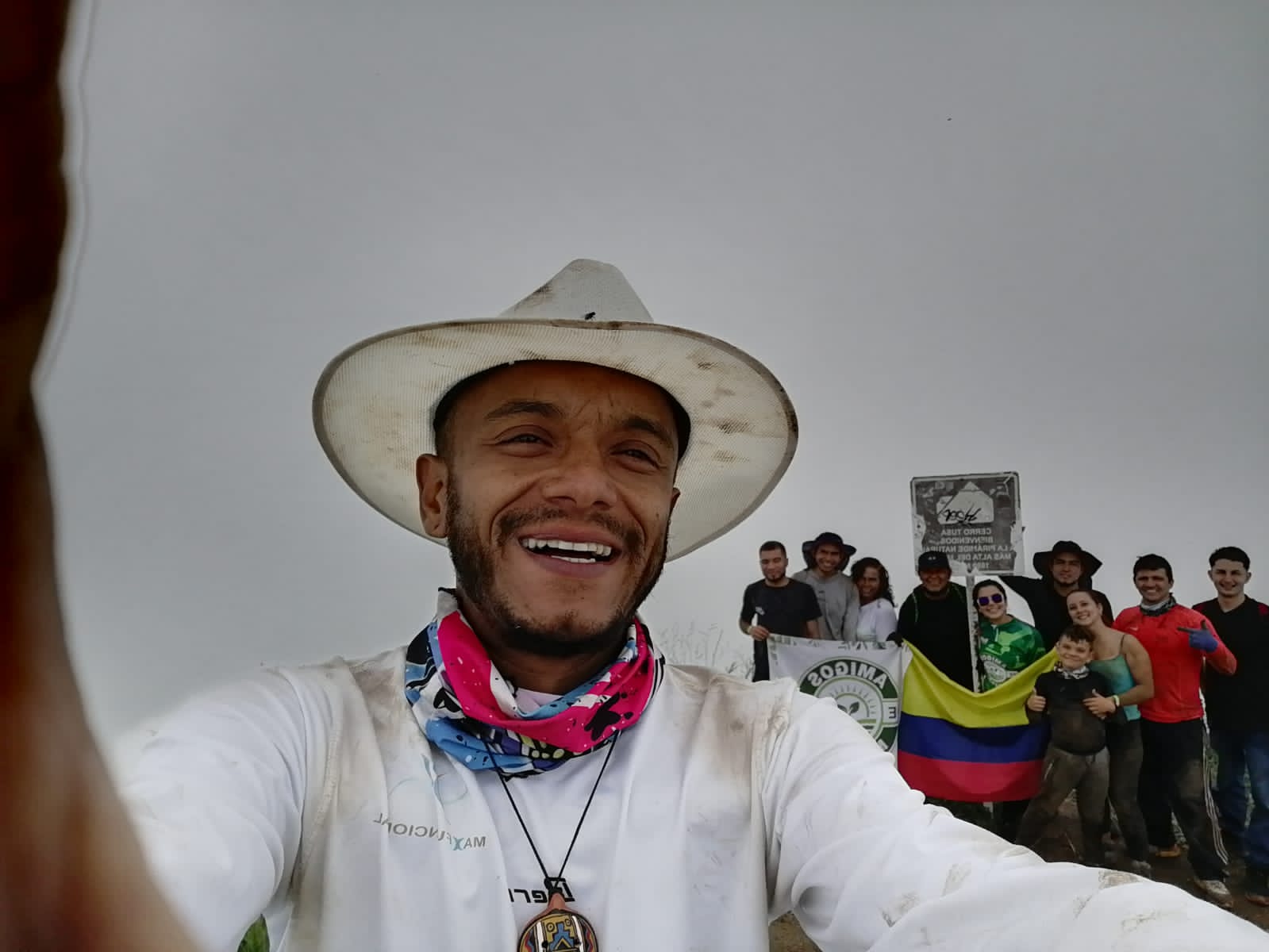
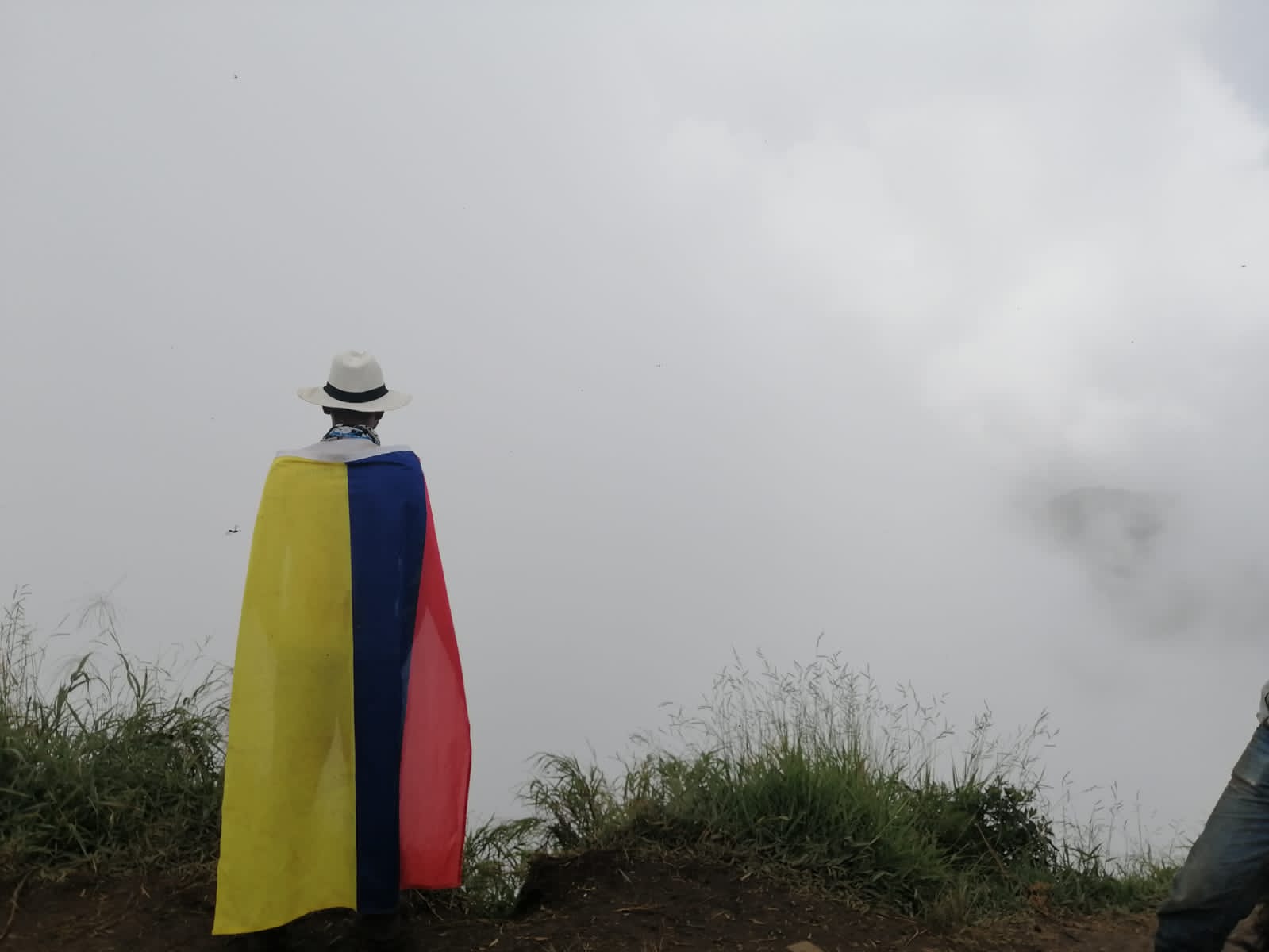
Un dia en cerro tusa Hoy vivimos una aventura mágica en #cerrotusa

+3 more
Joined 26 July 2020 · 107 posts
I am a passionate photographer and I want to show you my world through the lens. If you like my work, subscribe to my channel, like my articles and comment, so…
120 KT
0 KT · 20¢ received · 0 KT · 57¢ given
@rastamilophoto
Un dia en cerro tusa Hoy vivimos una aventura mágica en #cerrotusa
+3 more
@rastamilophoto
venecia
+3 more
@rastamilophoto
Colombia
+2 more
@rastamilophoto
Foticos de arte


+5 more
@rastamilophoto
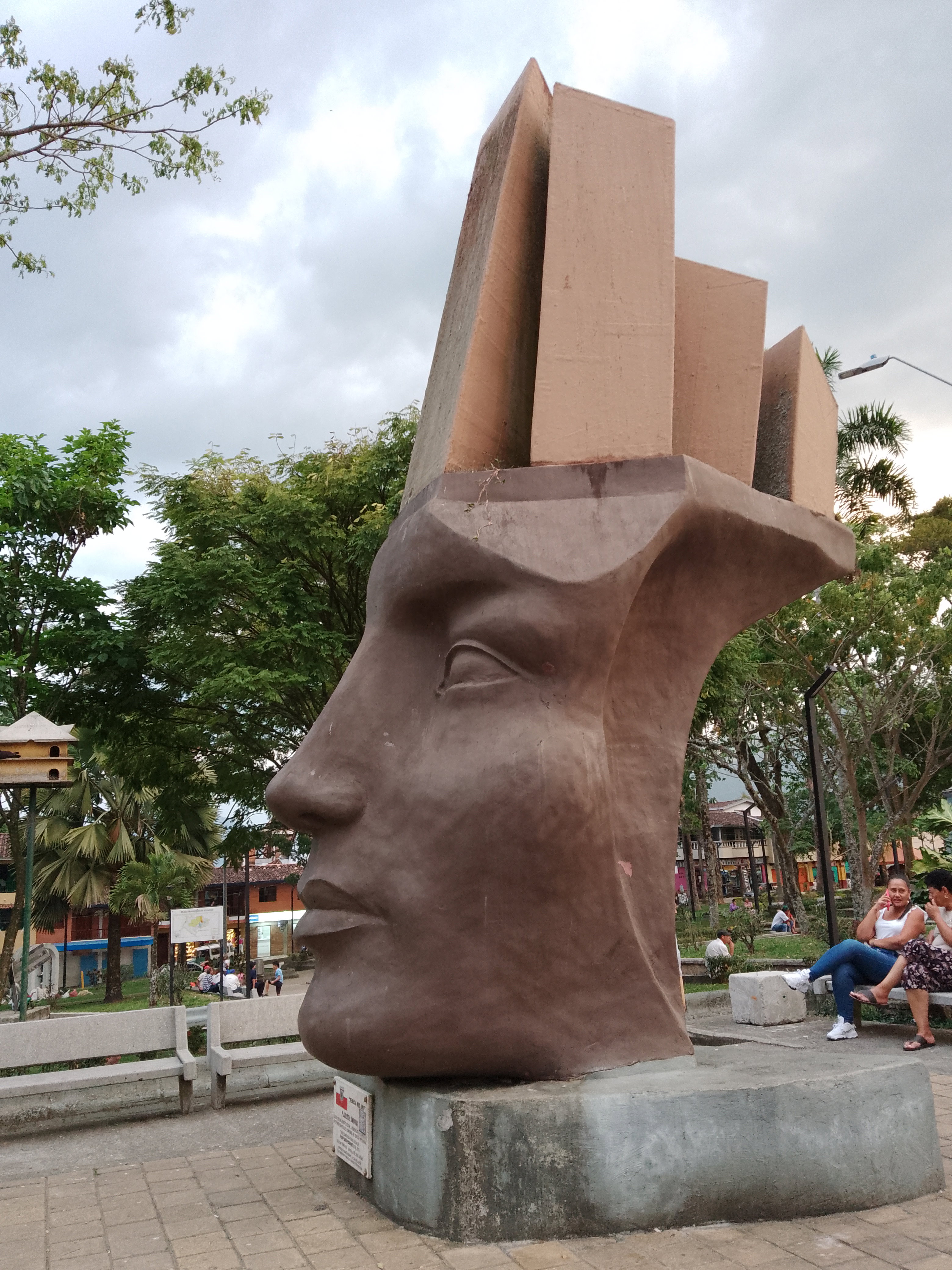
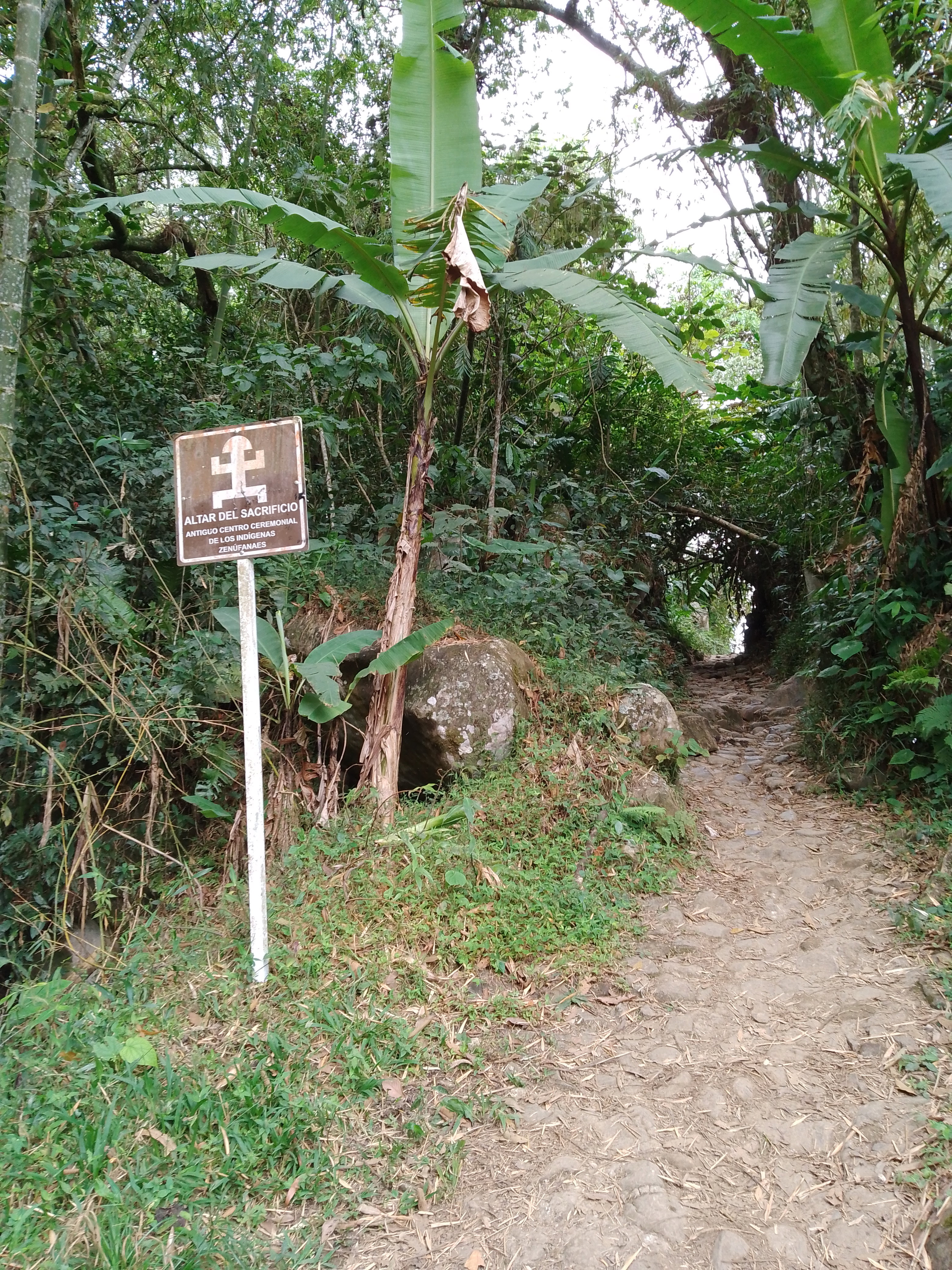
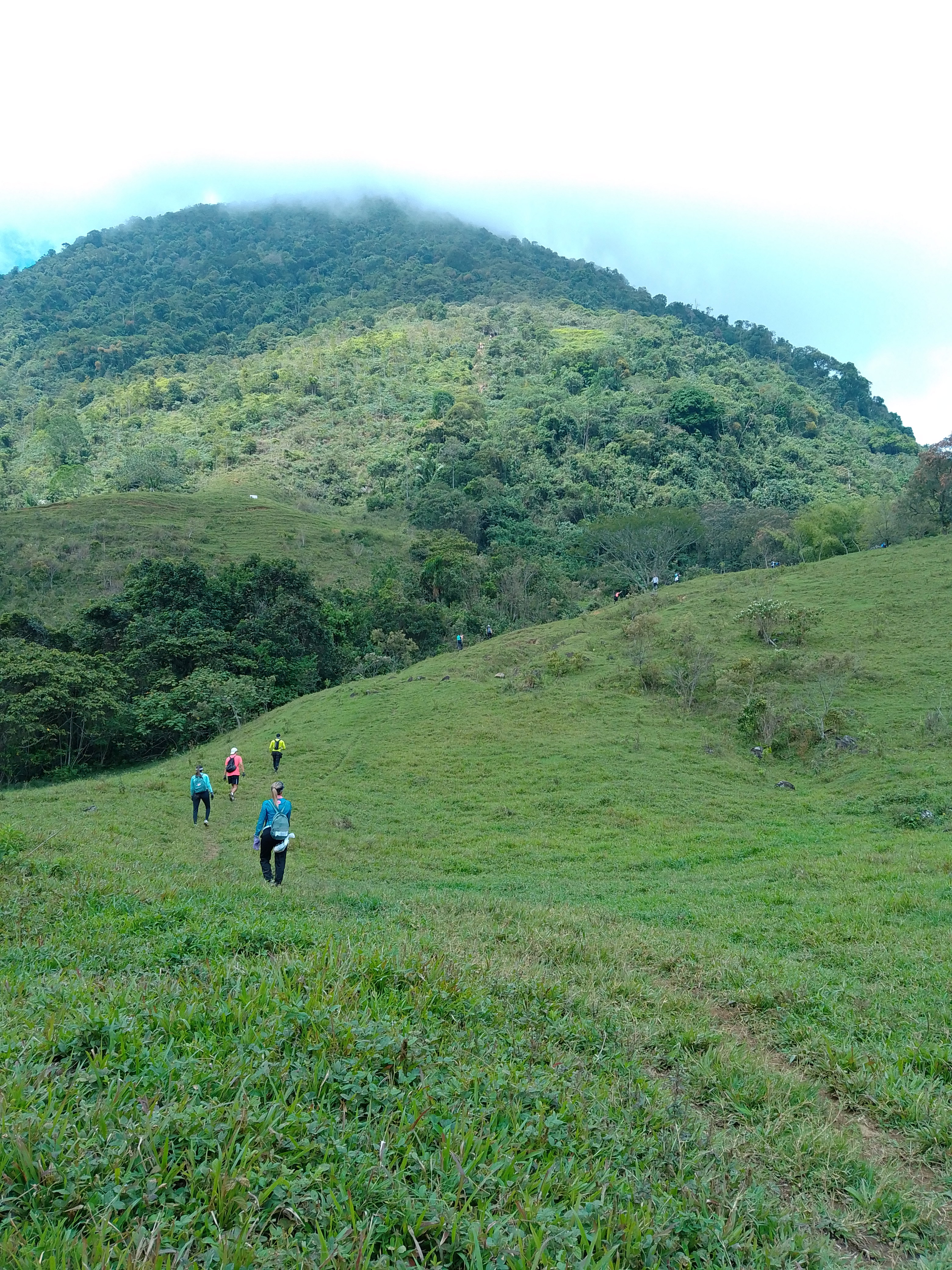
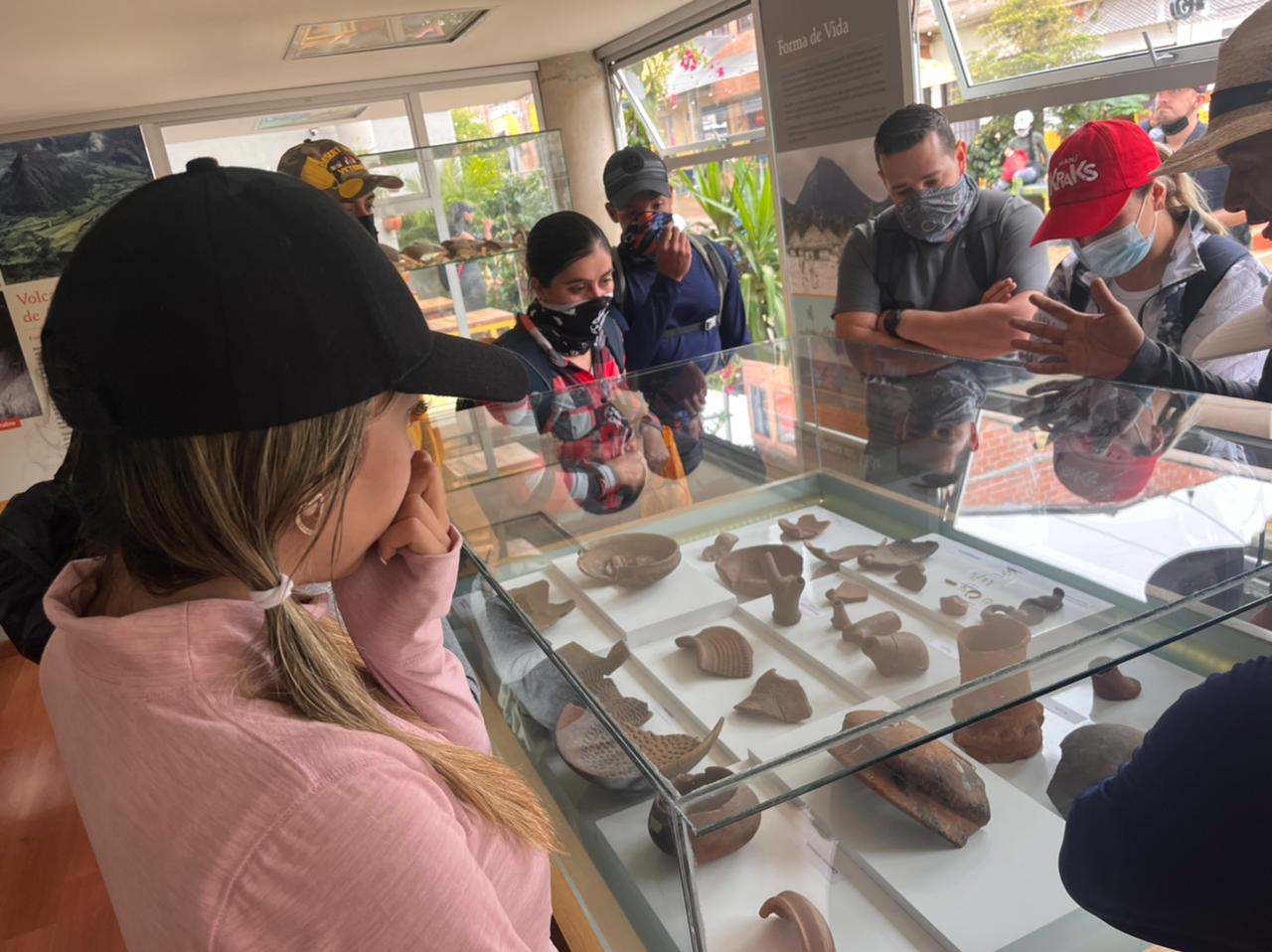
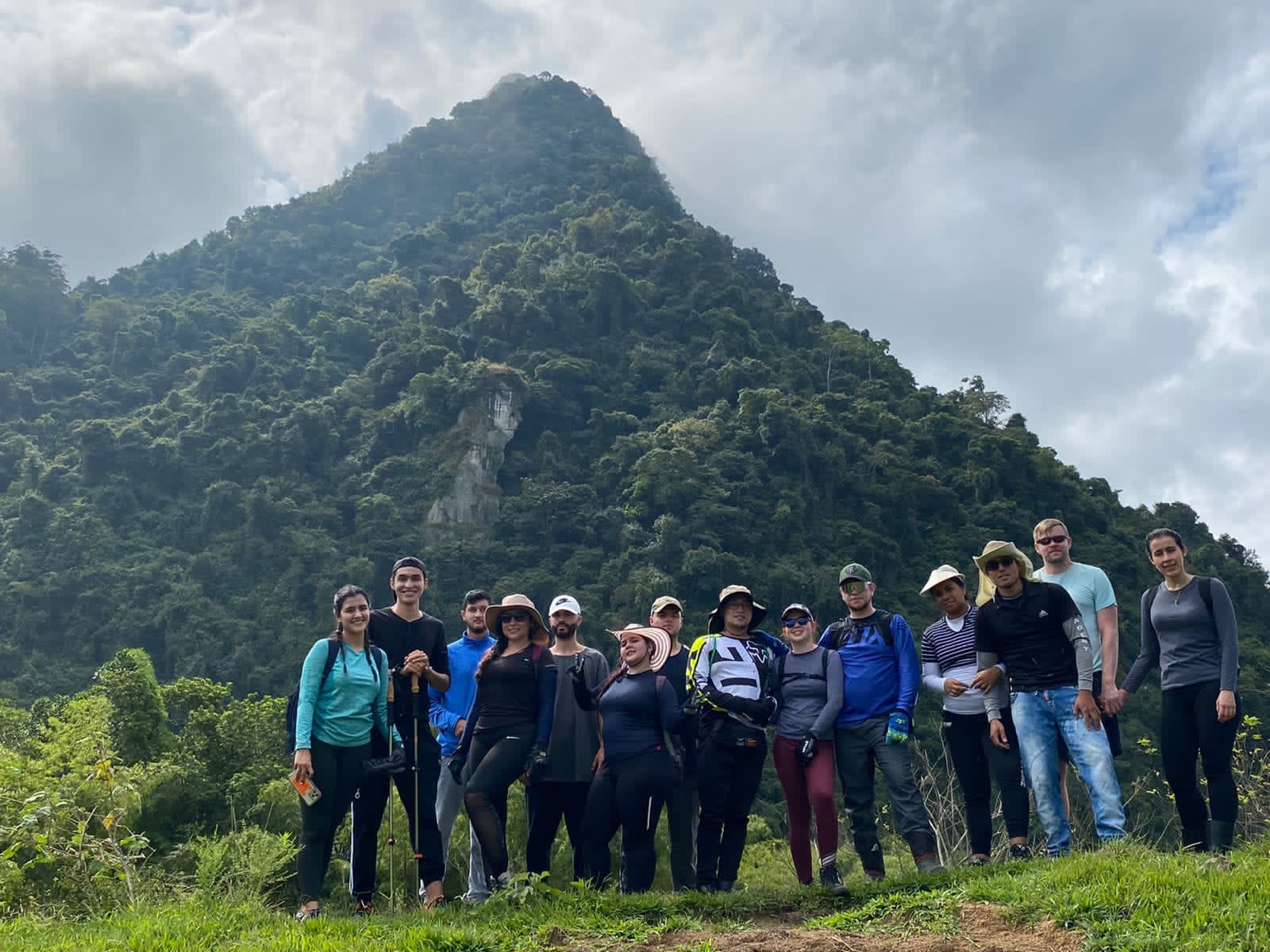
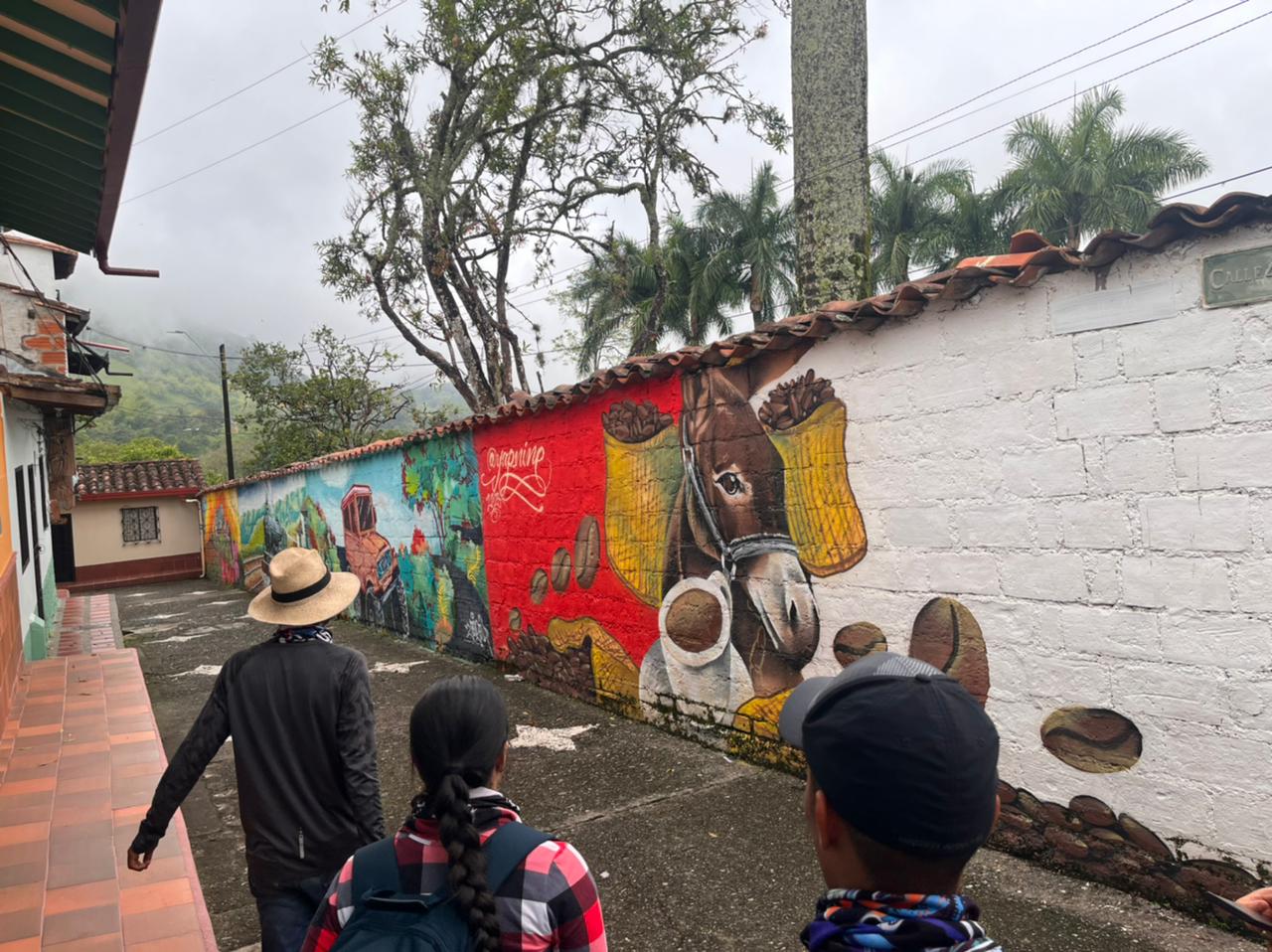
cerro tusa Son todos los sábados y domingos valor por persona $ 35.000 Bienvenida en el parque principal 8 am (Venecia). Recorrido urbano museo y calle de los murales Momento para desayunar y terminar de conseguir los implementos para la ruta. Desplazamiento altar de las ofrendas y cara de la Diosa. (No incluye transporte). Caminata hacia el campo base. Ascenso a la montaña. En cima un descanso. Descenso de la montaña a campo base. Recorrido campo base a el transporte. Incluye tarjeta de asistencia médica (colasistencia) Cuerda botiquín Y la cantidad de guias, de acuerdo a la norma. No incluyen transporte, ni alimentación. Recomendaciones https://youtu.be/Hf_ySIQYxvc Enlace de registro. https://magiaverdeturismo.blogspot.com/p/registro-ruta-cerro-tusa.html?m=1 Debes de llenar el formulario que está en el enlace y cancelar el 50% de la ruta. bancolombia Ahorros (ahorro a la mano) 03234956050 pelicula camilo esteban 3234956050 Paypal magiaverdevenecia@gmail.com Bitcoin bc1qp7qp4fvejmr6sk5t0lkvjayyshpckr0aklexl4 Aquí me envía el comprobante. Podemos encontrarnos en redes sociales como @magiaverdeturismo nuestro blog https://magiaverdeturismo.blogspot.com

+4 more
@rastamilophoto
venecianos guardianes del territorio venecianos guardianes del territorio Es un grupo de personas de Venecia Antioquia apasionados por nuestro territorio, Los cuales nos unidos para defender nuestro municipio de las diferentes amenazas que aparecen en los cuentos como la minería, la deforestación, el cuidado del agua, la fauna y la flora- Es una tarea ardua y peligrosa en un país como Colombia. Seguiremos delante por la defensa de nuestra tierra.
 @rastamilophoto
Grullas, cultura agricola y de conservacion La naturaleza y la agricultura están íntimamente relacionadas. La evidencia muestra que en esta época del año, las aves de los prados y las grullas del norte de Europa se alimentan del grano recién sembrado en las praderas del Canal en el centro de la península. Grúas agrícolas y de conservación. Cada año, por esta época, bandadas de grullas cruzan la Península Ibérica hasta la costa de África. En su ruta de senderismo, se encuentran un lugar para pasar el invierno en la laguna El Hito. “Las aves esteparias del norte de Europa y las grullas están muy relacionadas con la agricultura. Durante el día se alimentan en los campos de trigo y por la tarde, cuando se pone el sol, vuelven a dormir en las lagunas”, explica Eduardo de Miguel, director de la Fundación. . Naturaleza mundial. Los agricultores de la zona llevan tiempo pidiendo una compensación compatible con la grúa. Desde hace dos años, el proyecto LIFE El Hito se ha planteado prestar ayudas para compensar los daños causados por grullas y otras aves en los campos de cultivo de la Reserva de la Laguna de El Hito. Como comenta Eduardo de Miguel: “El anuncio de la Consejería de Agricultura de Castilla-La Mancha es una buena noticia para la laguna de El Hito, ya que permite continuar con las medidas agroambientales necesarias para proteger la zona y su ecosistema en el corto y mediano plazo.
 @rastamilophoto
Pensamientos naturales sobre la reaccion de la clorofila Pensamientos naturales sobre la reacción de la clorofilaLa civilización en el mundo occidental se basa en la separación de sociedad y naturaleza, proceso que se inició en el siglo XVII y se convirtió en uno de los temas centrales de la Ilustración, que por un impulso el desarrollo de la ciencia y la tecnología , y por otro Por otra parte, contribuyó a que Dominara, desarrollara y transformara en mercancías regidas por las leyes del mercado. Actualmente, la relación entre la sociedad y la naturaleza está cambiando a medida que se fundamentan consensos políticos y sociales sobre el cambio climático. Pero la pregunta que me hago, que es objeto de este artículo, es si la conciencia sobre el impacto de utilizar la naturaleza como vertedero de la civilización industrial ha influido o está alcanzado la fundación social y las políticas basadas en una relación más justa y racional entre la sociedad y la naturaleza Un nuevo concepto de la naturaleza y una relación responsable pueden evitar desastres imprevistos en el futuro, como los que nos surgen actualmente. En la época moderna, el concepto de "progreso" se asocia al concepto de naturaleza como un medio imperfecto y una fuerza hostil ante la cual "el hombre no está obligado a seguirla, sino a corregirla", como lo expresa Stuart Mill. mediados del siglo XIX, uno de los padres del liberalismo. Esta posición comenzó a ser cuestionada en los años 60/70. La crisis del petróleo, el informe del Club de Roma sobre los límites del crecimiento y, sobre todo, el surgimiento del pensamiento ecológico en torno a posturas pacifistas y antinucleares sacaron el debate ambiental de la academia a las calles. El ecologismo ha jugado un papel importante en la visibilización, la comunicación social y la defensa de una nueva concepción de la naturaleza basada en el concepto de "ecosistema", Las visiones actuales sobre la naturaleza combinan diferentes actitudes, desde verla como un entorno frágil hasta el miedo a un futuro incierto o la creencia de que la tecnología resolverá los problemas causados por el cambio climático. Todo esto es fragmentario y no ofrece nuevos contenidos ni nuevas posiciones que puedan acercar a la sociedad a una concepción de la naturaleza más acorde con las realidades ecológicas naturales. En cambio, llama la atención que se haya introducido el concepto de “ecosistema” en el lenguaje de las empresas de nuevas tecnologías, digitales e inteligencia artificial, un concepto cuyo fundamento y desarrollo es difícil sobre el todo y dentro de la relación emergente. mundo artificial: ¿no nos encontramos ante esta sustentada de que un "ecosistema" Gracias a su contribución a las emisiones de gases de efecto invernadero, las ciudades se sitúan en la vanguardia de la lucha contra el cambio climático, pero las medidas adoptadas para ello corresponden a una visión unilateral y simplista de la naturaleza, alejada de la realidad del empeoramiento del cambio climatico. . el entorno natural dominante Los procesos de producción y consumo y el impacto del discurso político suelen ser vacíos o repetitivos. El mismo concepto de "sostenibilidad" sigue siendo una representación simbólica de la naturaleza. Cabe destacar que ni la última Ley de Cambio Climático y Transición Energética ni los diecisiete Objetivos de Desarrollo Sostenible y la Agenda Urbana 2030 contienen la palabra “naturaleza”. Se introduce la idea de “naturalización urbana” como una forma de acercar la naturaleza al entorno urbano. Sin embargo, muchas veces estas iniciativas terminaron siendo acciones superficiales o cosméticas, no una verdadera estrategia de "domesticación", sino una encarnación de la "ideología de la clorofila" llevada a cabo hace muchos años por el sociólogo Mario Gaviria para diseñar las áreas verdes . La necesidad -el "verdor" urbano es nostalgia por la naturaleza perdida en las ciudades- es relevante para los intereses de las empresas inmobiliarias, que ponen a disposición nuevas áreas residenciales en la periferia de la ciudad, donde hay problemas de contaminación y falta de espacio libre. Se debe dar un nuevo significado a la plétora de políticas, agendas y programas relacionados con el cambio climático: alentar a las ciudades a tratar la naturaleza de manera visible y sensible como un todo unificado. Fragmentación, actitud relacionada con la creación de una nueva ciudadanía basada en la naturaleza y los ciudadanos más vulnerables.
@rastamilophoto
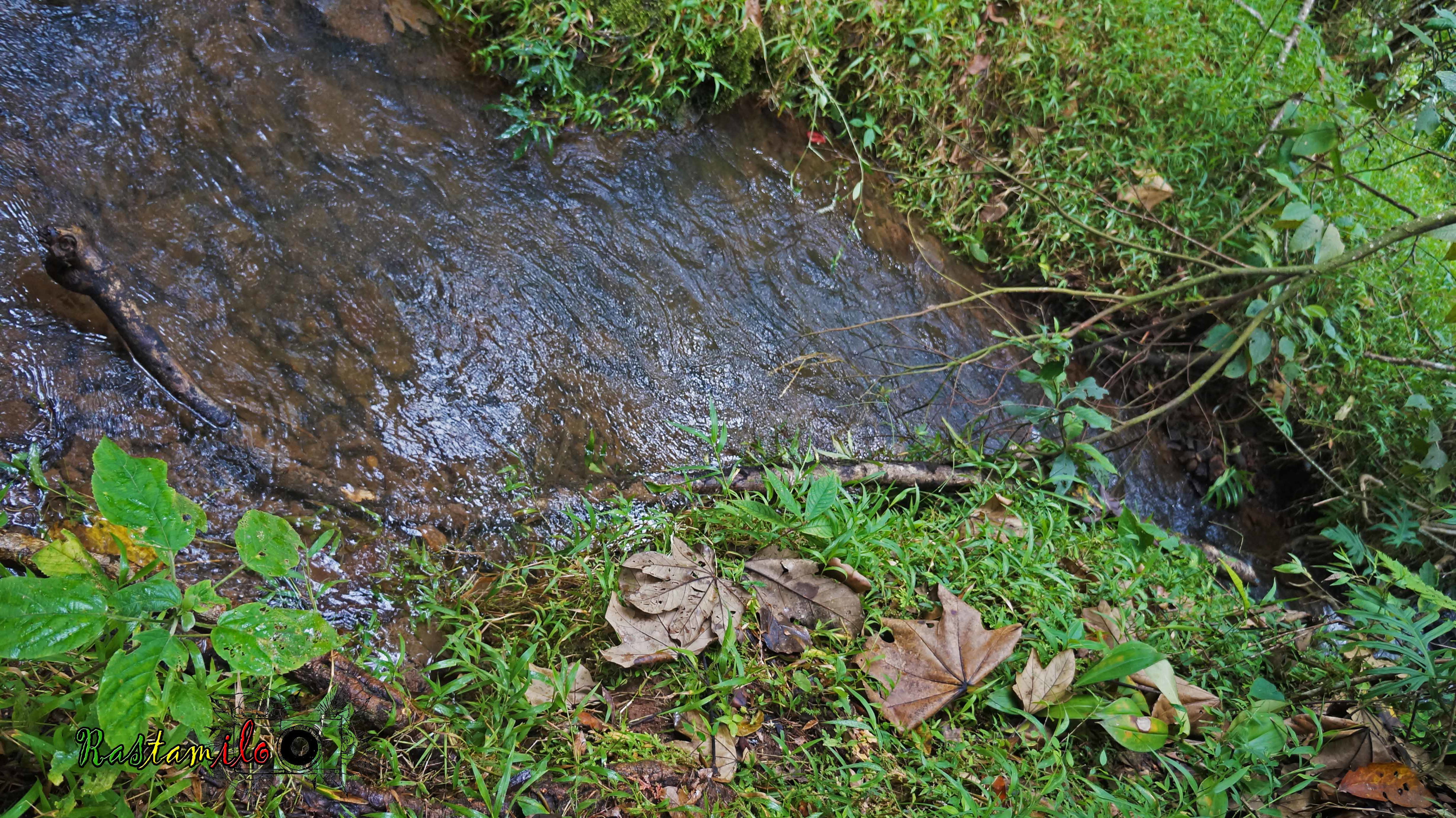
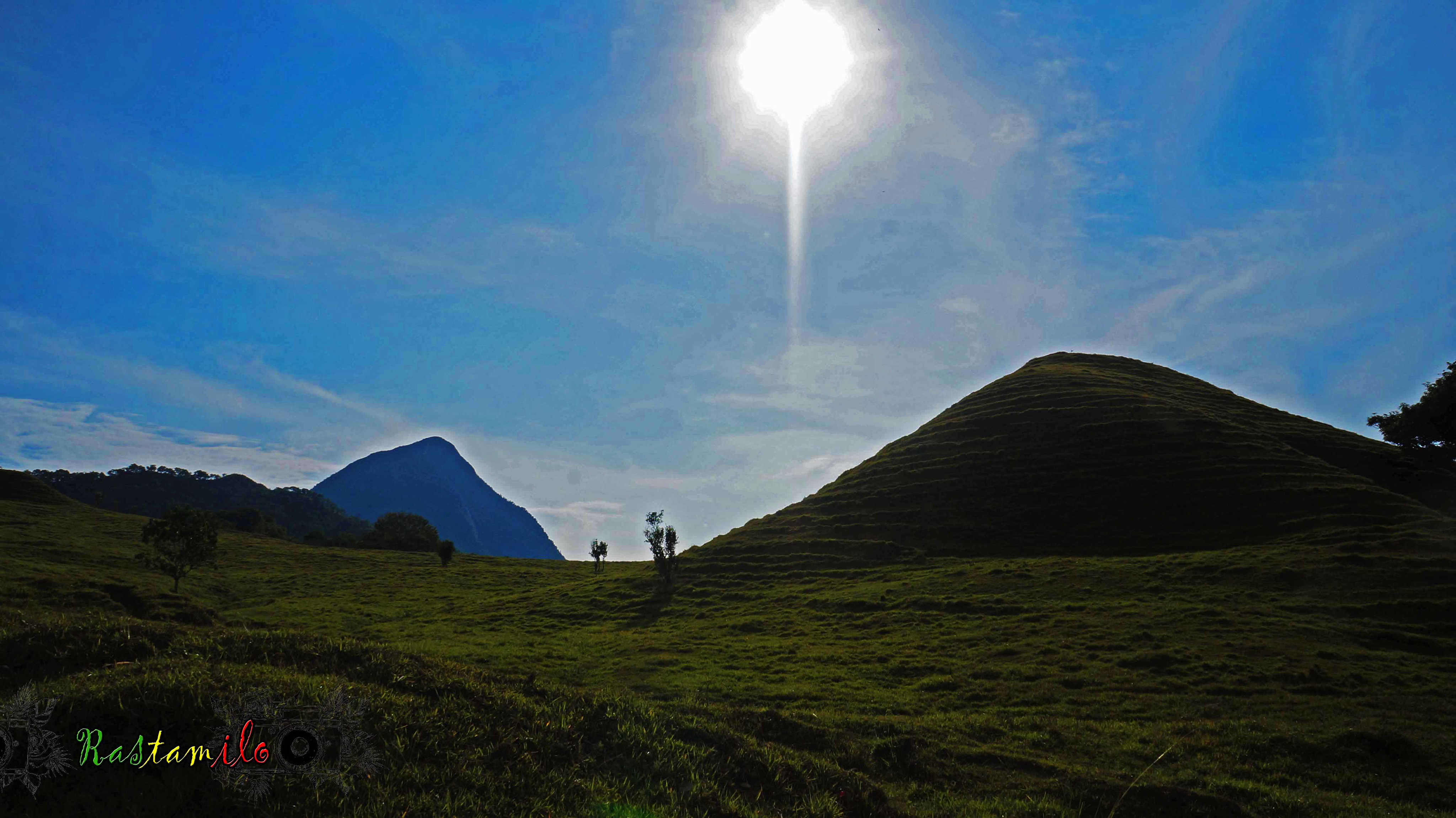
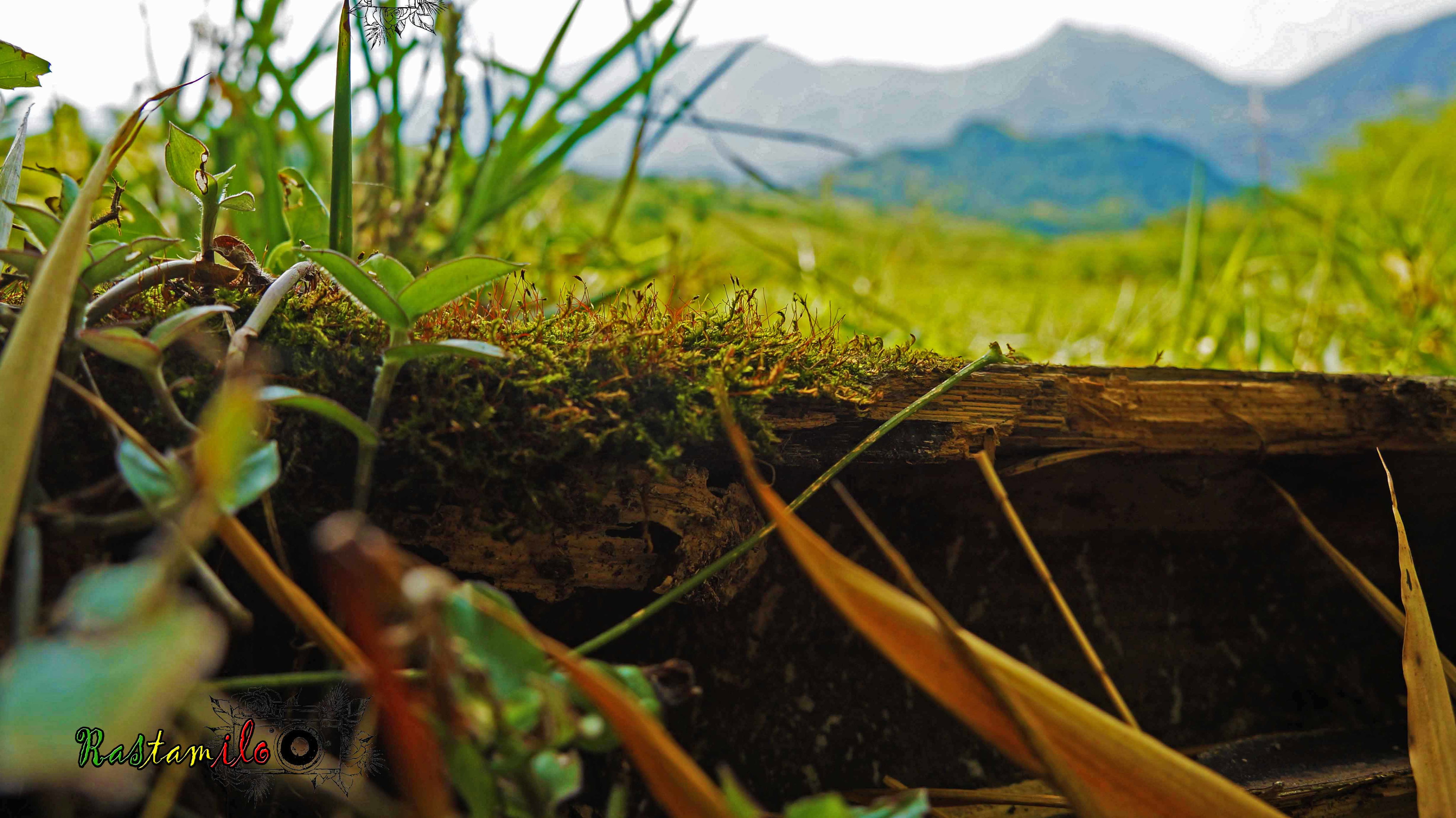
Living nature Living nature photos Thank you gor your sopport.
+4 more
@rastamilophoto
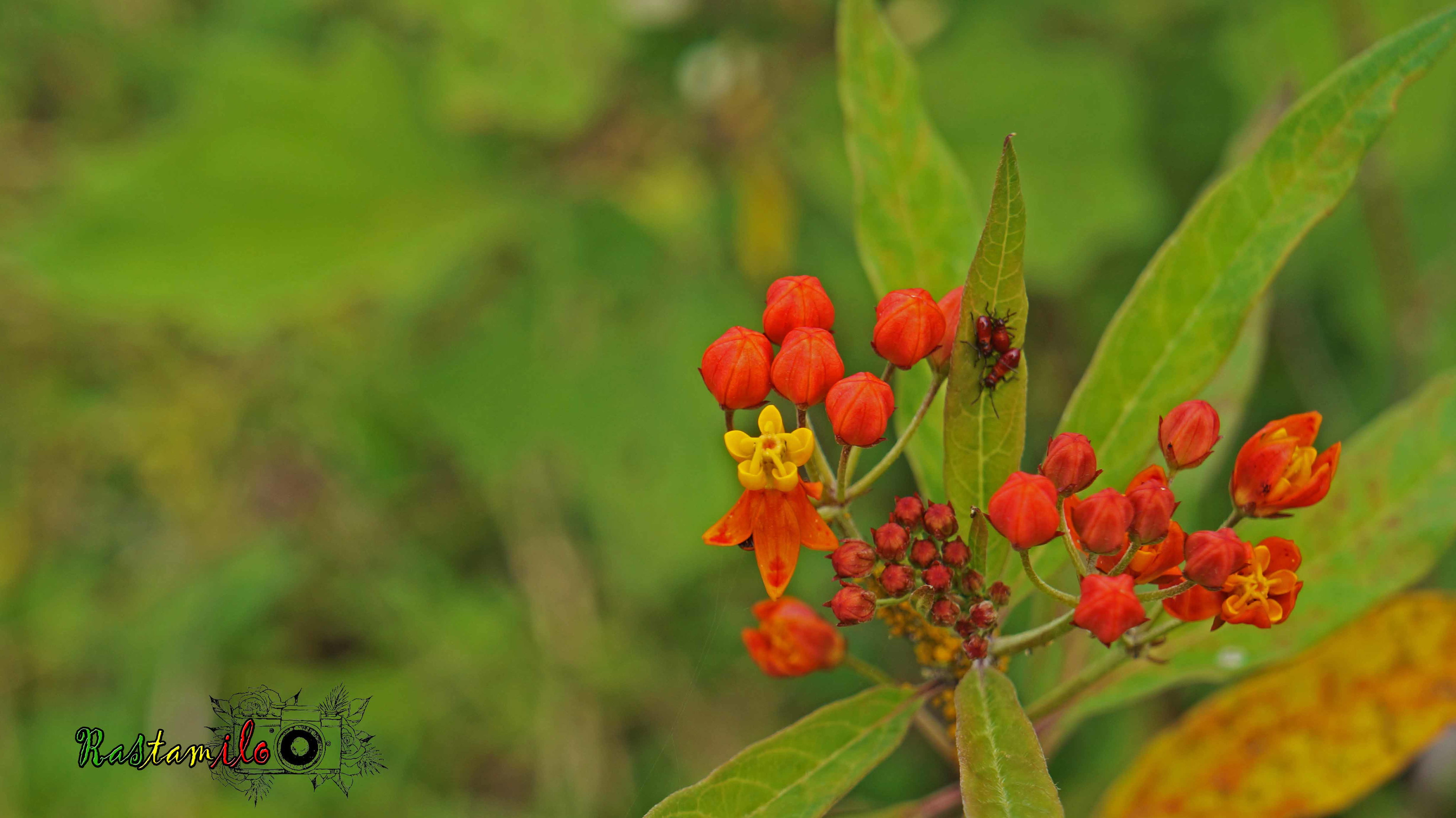
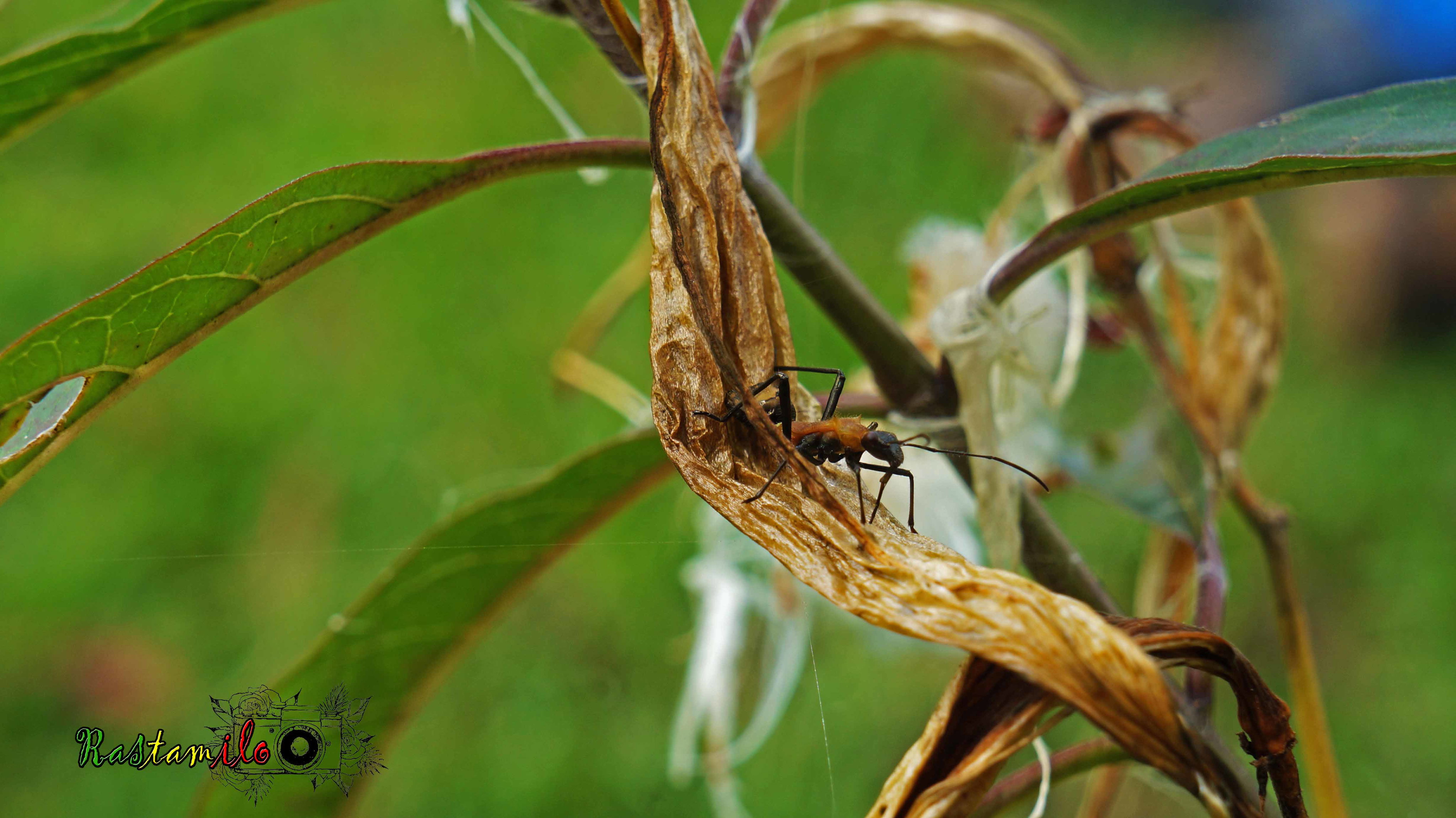
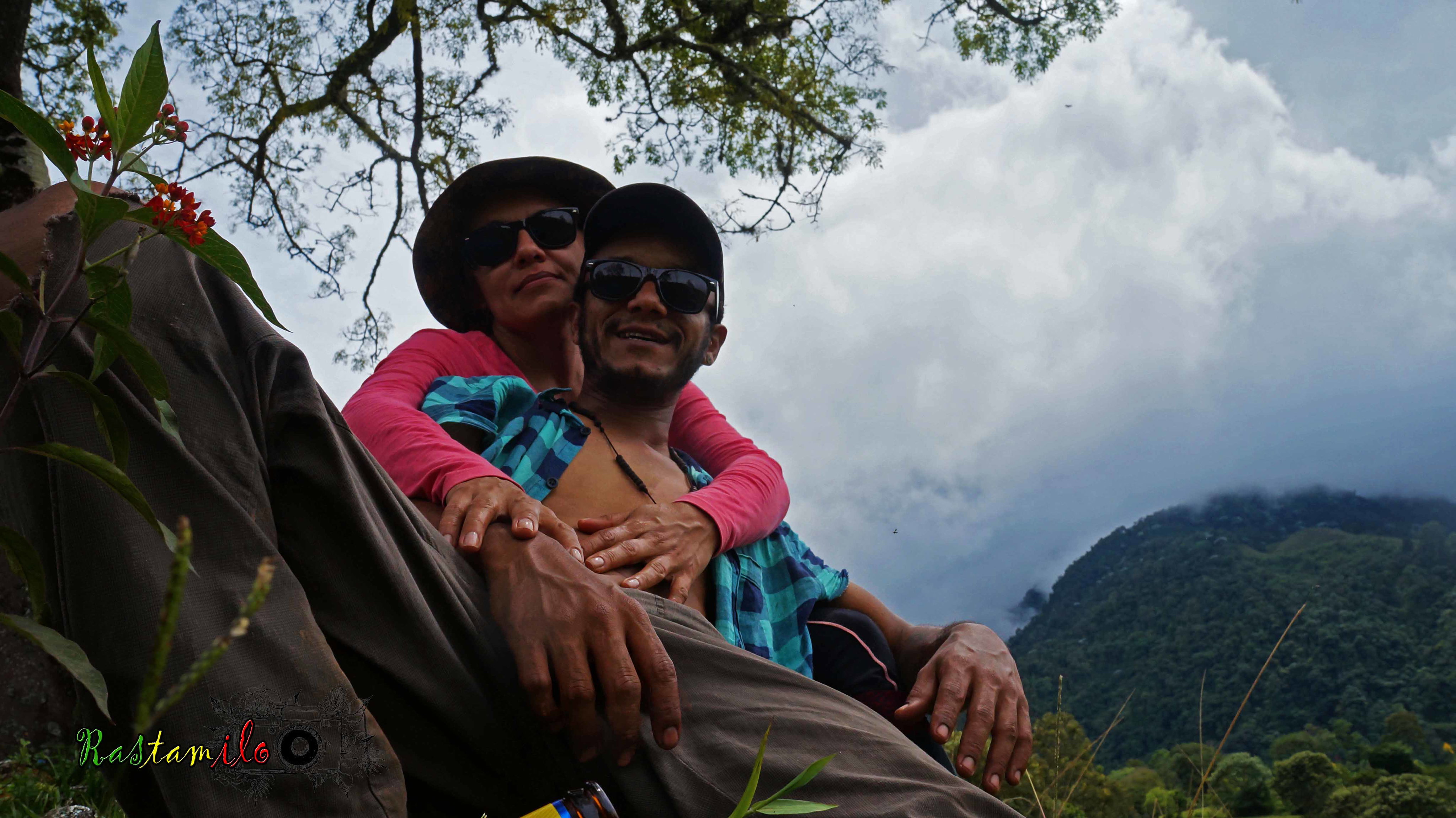
Photo Assorted photos
+3 more
@rastamilophoto
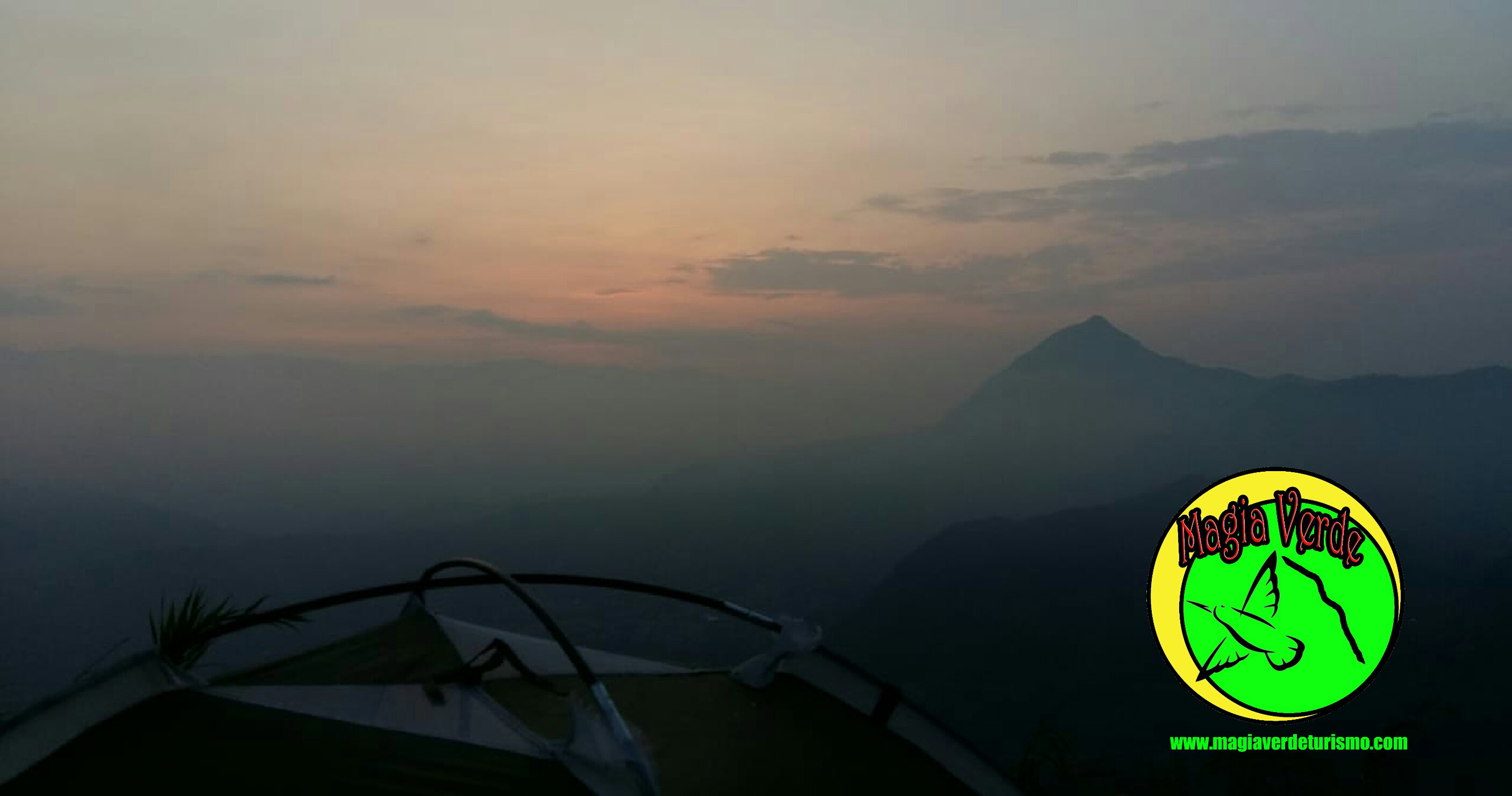
Venecia land paisa
+2 more
@rastamilophoto
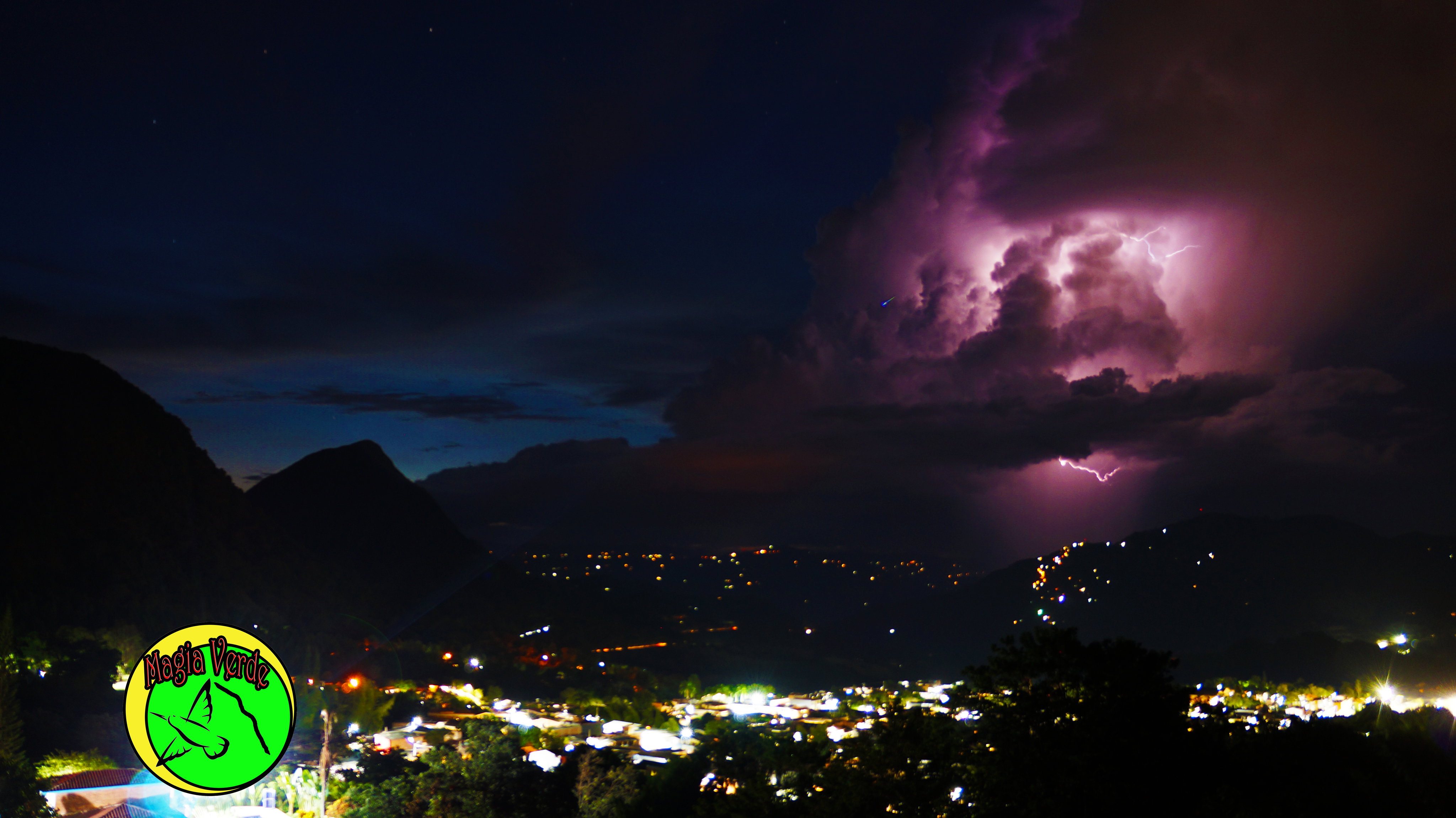
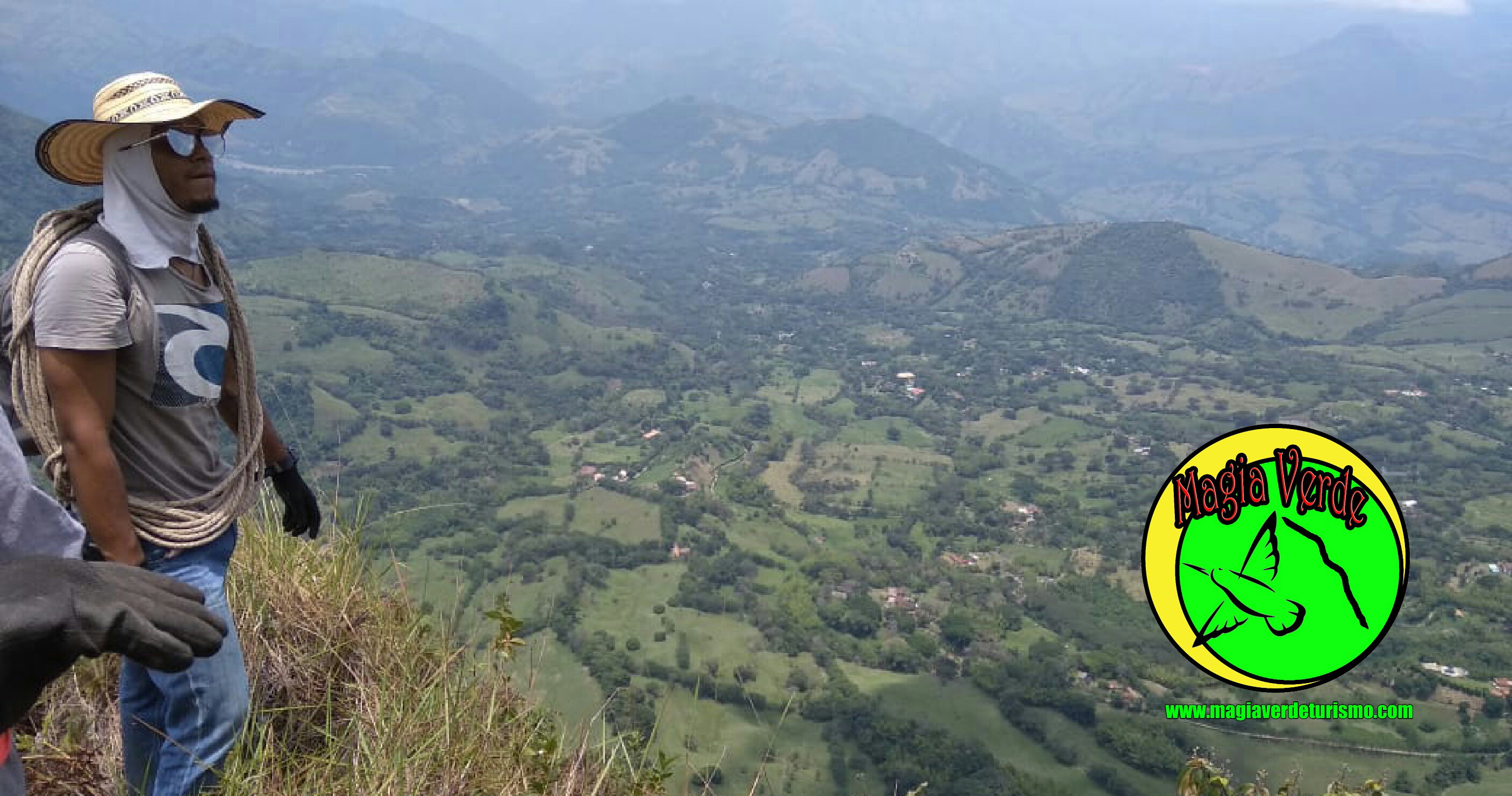
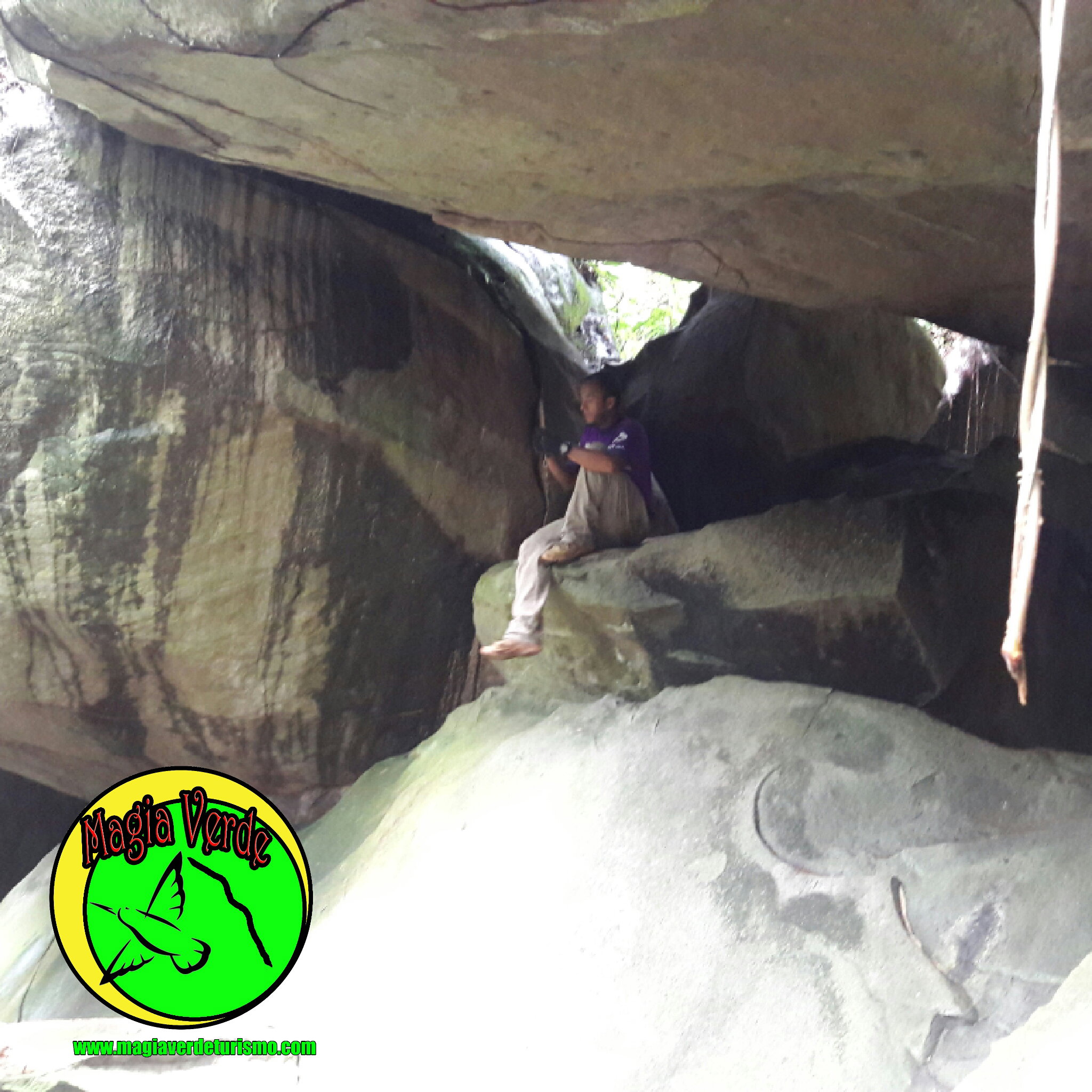
The look of my land, through a lens. The look of my land, through a lens. This is venecia Magical caves Cauca river and bolombolo in the background Support my work with your like.
+3 more
@rastamilophoto
Travel cerro tusa Travel Cerro Tusa
 @rastamilophoto
moments (poem) There are times for the pen to dance To the beat of my mind, bearing in mind that bambuco melody, Antioquian tradition, like a rip in a stocking Of this life spent walking and fighting There is a moment of i nfinite happiness, the kind that envy cannot bear, He smiled happily, I enjoy the moment... knowing how to exist, Witnessing the miracle. If it's leaking, tiny, a sunrise, the taste of home, The silence of the night, a kiss or the memory of yesterday. There are moments that I love every part of you, Moments that I hate you from the heart, Moments to run are not vast, Because the horizon devours the night and the day, Indomitable of its power, that end or a rebirth, The route is not straight, it is rather full of wrinkles, like my grandmother's skin, Like the sound, like a game of chance, There are moments to shout, to the echo, to the sun, to the moon, As if no one was going to listen to you, To express, to release, to resist, Or scream the truth that is just a whisper, a silence, Maybe we don't believe it or we don't want to accept it. There are moments of light There are times to be yourself There are moments to guide destiny, There are moments for a coffee in this my beloved town, There are ridiculously rare moments, And moments that were recorded in my mind. There are moments? If there are moments, unexpected, created, dreamed, lived, empty, deep, Warm, tired, tiresome, calm, country, anguish, comforting, love and pain. A moment is an instant, learn, Because you don't know when it will arrive your time
 @rastamilophoto
nature and me In the journey through my life, I have come to gain that personal love for nature, that ancestral connection, she that is full of colors of wonders and all the magic that creation has. nature fills my days with happiness fills my soul with joy seeing that wonderful expression of God. your magic hypnotizes me pleases me fills me up makes my days. nature makes my life happy
+1 more
@rastamilophoto
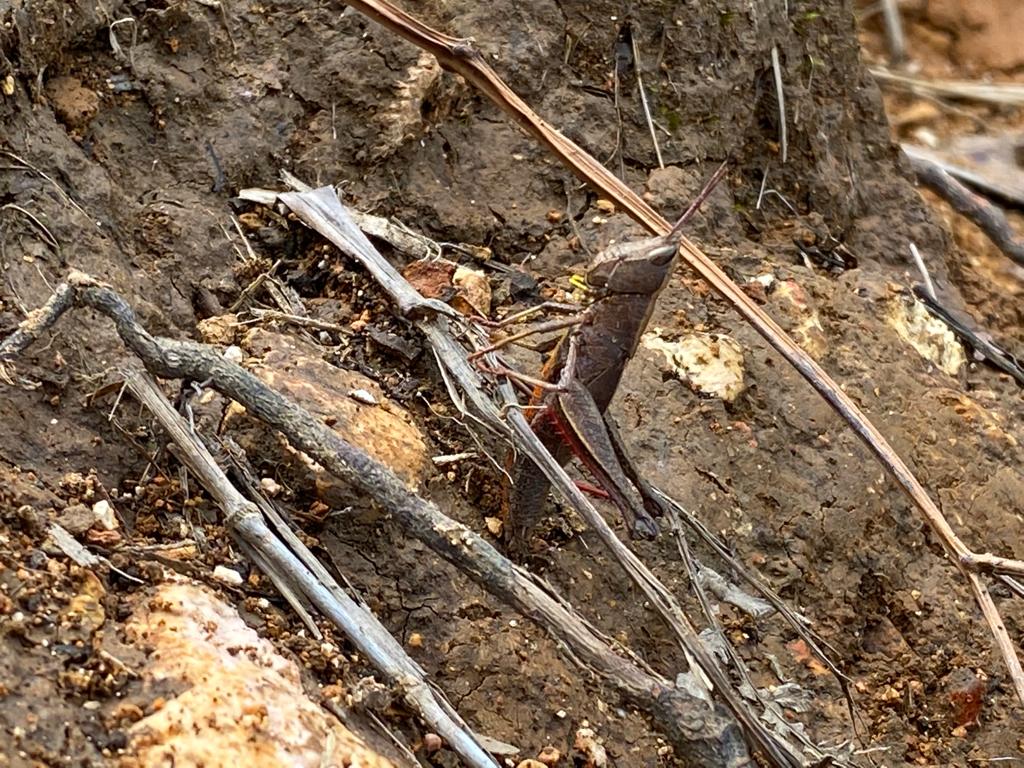
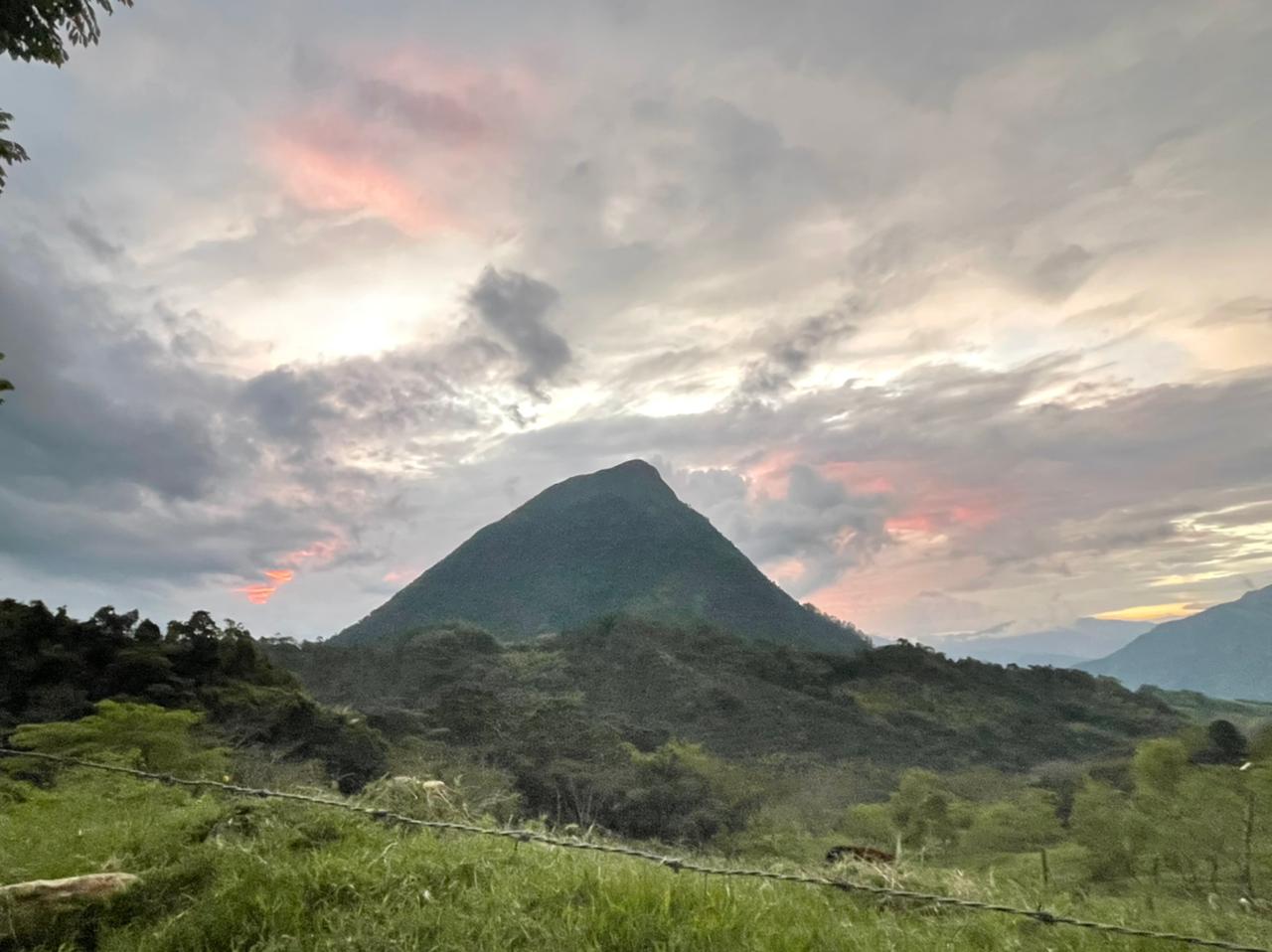
Scrambled Photos cricket multicolored afternoon homeland dress temple horizon rural streets natural rest
+4 more
@rastamilophoto
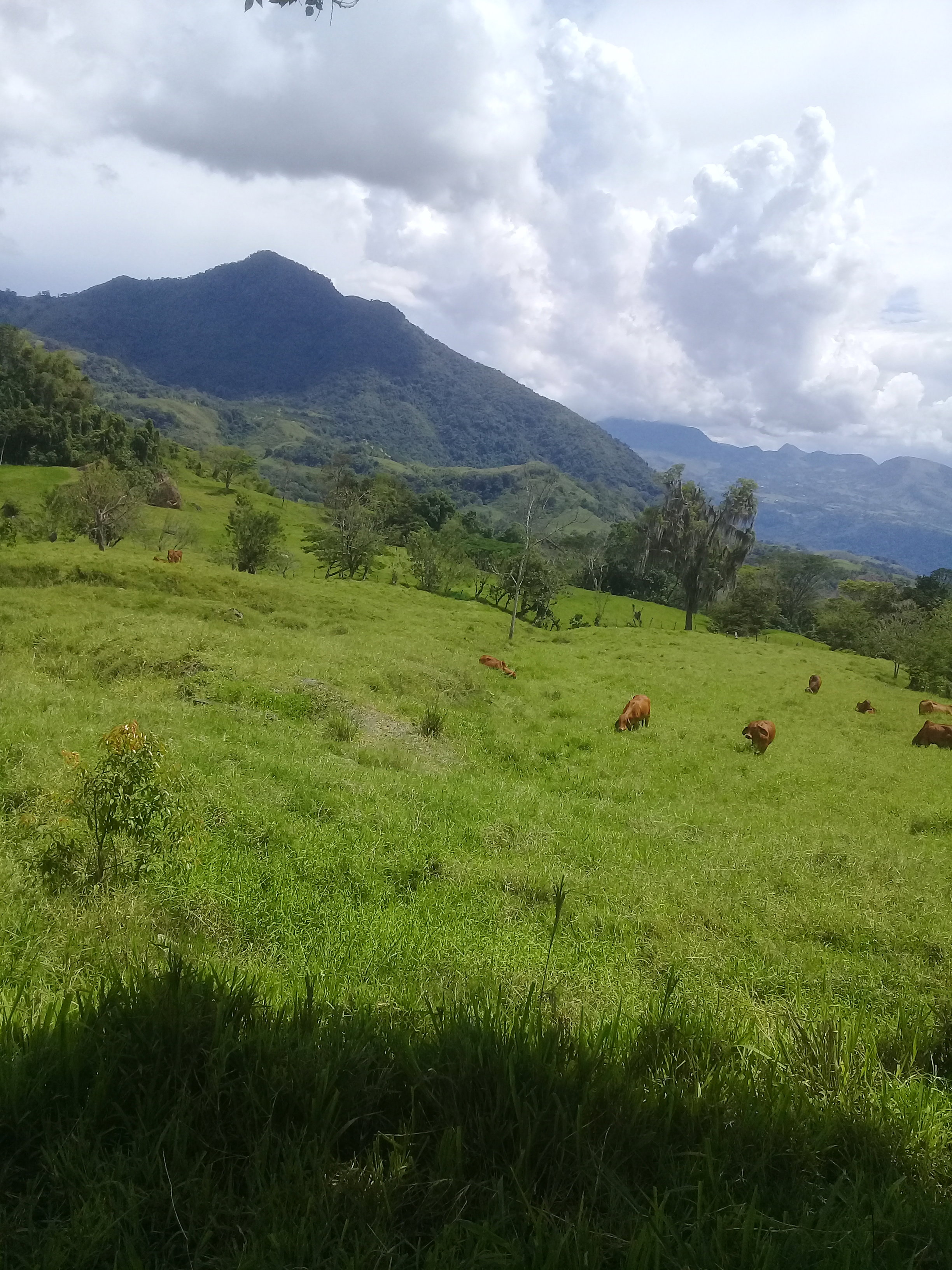
land of antioquia One hundred and fifty years ago, roads only existed in the first world. In Antioquia there were only royal roads, roads clogged with mud and swamp along which only four-legged vehicles with long ears traveled. Their drivers were "boar" men, as those strong individuals who colonized new lands and founded towns are called in this department. History has granted the muleteers a great importance for the development of this mountain region, although the new generations only see in them a paisa legend of hat, ruana, carriel and espadrilles. The progress arrived by mule On the back of a mule, progress arrived in Medellín, the distant province that at the end of the 19th century was barely wielding itself as a large town. The story goes that one of the most important roads was the one that from Puerto Nare, Magdalena Medio Antioquia, reached the capital. The merchandise brought from Barranquilla by the Magdalena River arrived there. From then on the adventure belonged to the muleteers. The trip took about three or four days. “The muleteers worked six or seven hour days. The mules were very strong, they carried a lot and the men were very enduring”, explains Álvaro Fernández Agudelo, an “arrierologist” born in Ciudad Bolívar, a town that stands out among the mountains of Southwest Antioquia, a region that can be crossed more easily by mule. than in a Mercedes Benz. But the trade is not exclusive to Antioquia, in Spain fish was transported from Galicia to Madrid by means of mules. And in Colombia and Antioquia it developed a lot because of the “curvy” terrain, because the topography demanded it, argues Fernández, author of the book “Historia de la arriería en Antioquia”, which he recently published with his own effort. The writer assures that the principle of the muleteer is found in the silletero, who carried merchandise and people on his back. But the work became tiresome and the oxen appeared, coming from Europe. They had their heyday to load in turegas, a system where several of these animals were used for heavy loads. This is how the bells, the altars of the churches and the engines to generate light in the towns were transported. “Oxen were very strong animals, but they were clumsy and many accidents happened. Sometimes they were very difficult to handle. That was when the mule appeared, a very docile, strong and even intelligent animal, with the peculiarity that it clings to any terrain. The mule was the one that started the muleteer”, adds the researcher. And if you investigate further, even the spirit of forming a company was forged between muleteers and muleteers. There were owners of mules like today owners of trucks. “There were business types who had 50, 80, 100 mules and more. There was the case of an English mining company based in Zaragoza that had a herd of more than 2,500 animals. And at the service of the company they had about a hundred muleteers, muleteers of the most boars...”, continues Fernández. What could not be missing With their bare feet they walked long hours together with their mules. They usually wore rolled-up pants up to the knee and covered with a short, thick canvas apron that they called “tapapinche”. A thin poncho, a cane hat and a carriel where he kept everything the road could ask for: soap, mirror and comb; a pair of dice, an image of the Virgen del Carmen, cigars and love letters that covered a lock of hair of the beloved woman, to sweeten the way. After a long and tiring journey, the muleteer unloaded at a tavern or inn, prepared food and then began to talk with other muleteers. He took the tiple, his faithful companion, and began to sing the verses that he invented at the time. History smiled at them for a long time, until the development that translated into roads and highways arrived. A current trade in the 21st century “The muleteer went into decline when the railway appeared, before the highways, at the beginning of the 20th century. Then the work of the muleteers was over, who dedicated themselves to carrying cargo from the stations to the farms. That was the end, the decline of the muleteer”, narrates Álvaro Fernández. However, he says that even today, in the 21st century, the trade continues in many parts of Antioquia because it is a mountainous region where there are areas that are not reached by roads. “The mule will always be needed”, declares the writer from Ciudad Bolívar, “currently several muleteers are hired to work in any part of the country”. And he presents the case of Miguel Ángel Arias, considered by many to be the best muleteer in Antioquia. "Man is so efficient that large companies hire him to transport power towers through the Turega system." "The activity of the muleteer was in the past responsible for what we are enjoying today, the development of Antioquia happened through the muleteers."
+3 more
@rastamilophoto
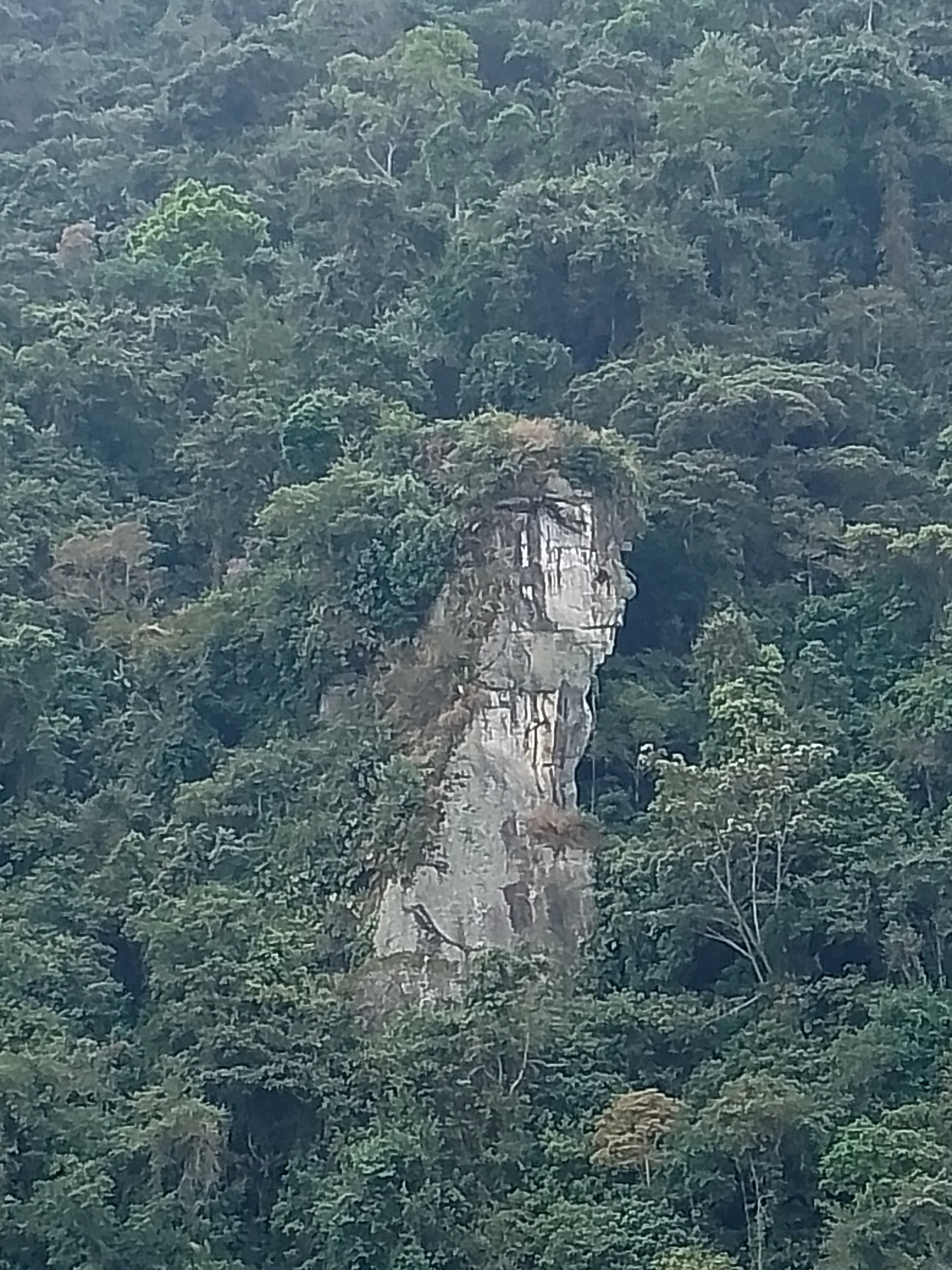
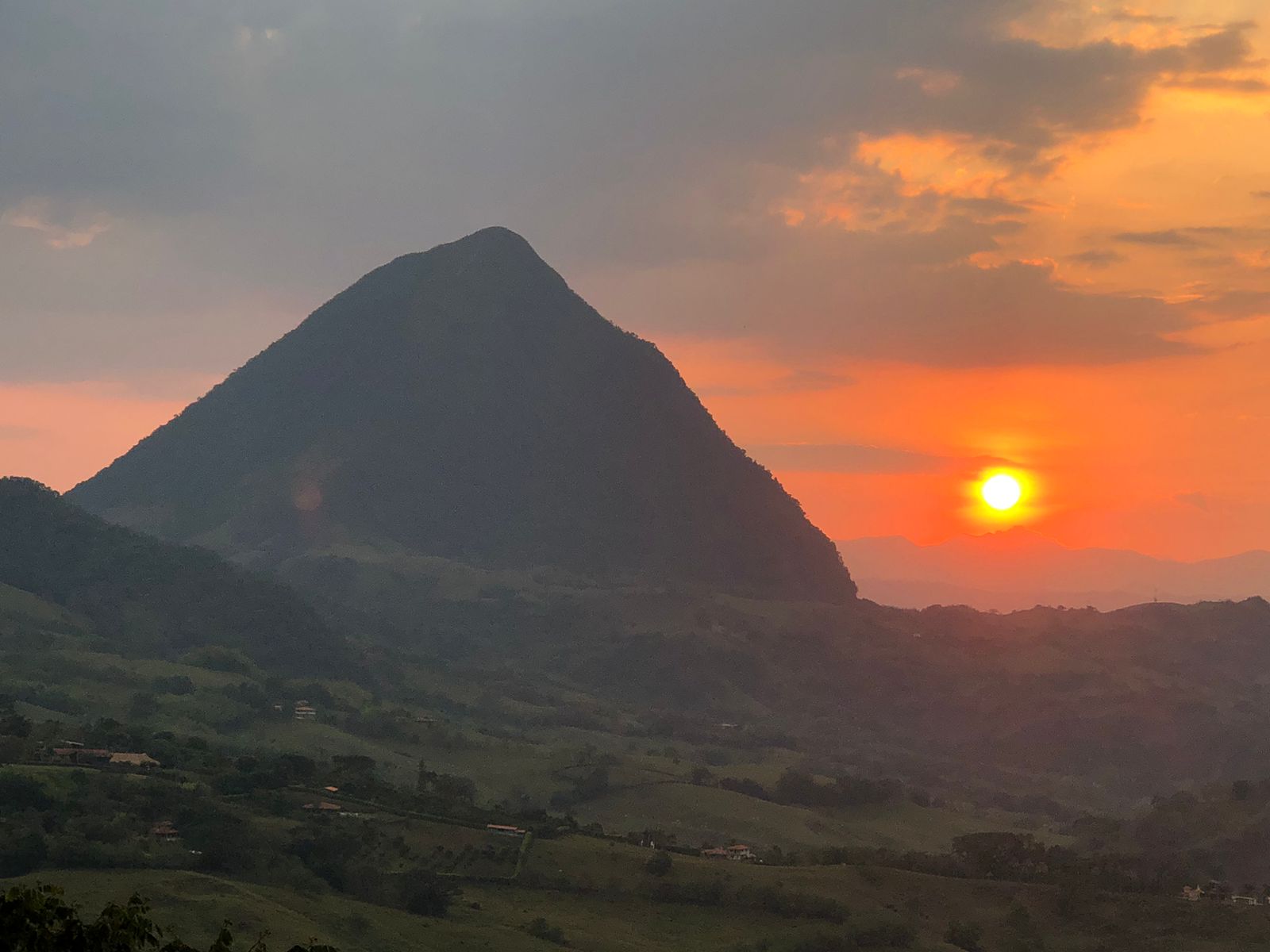
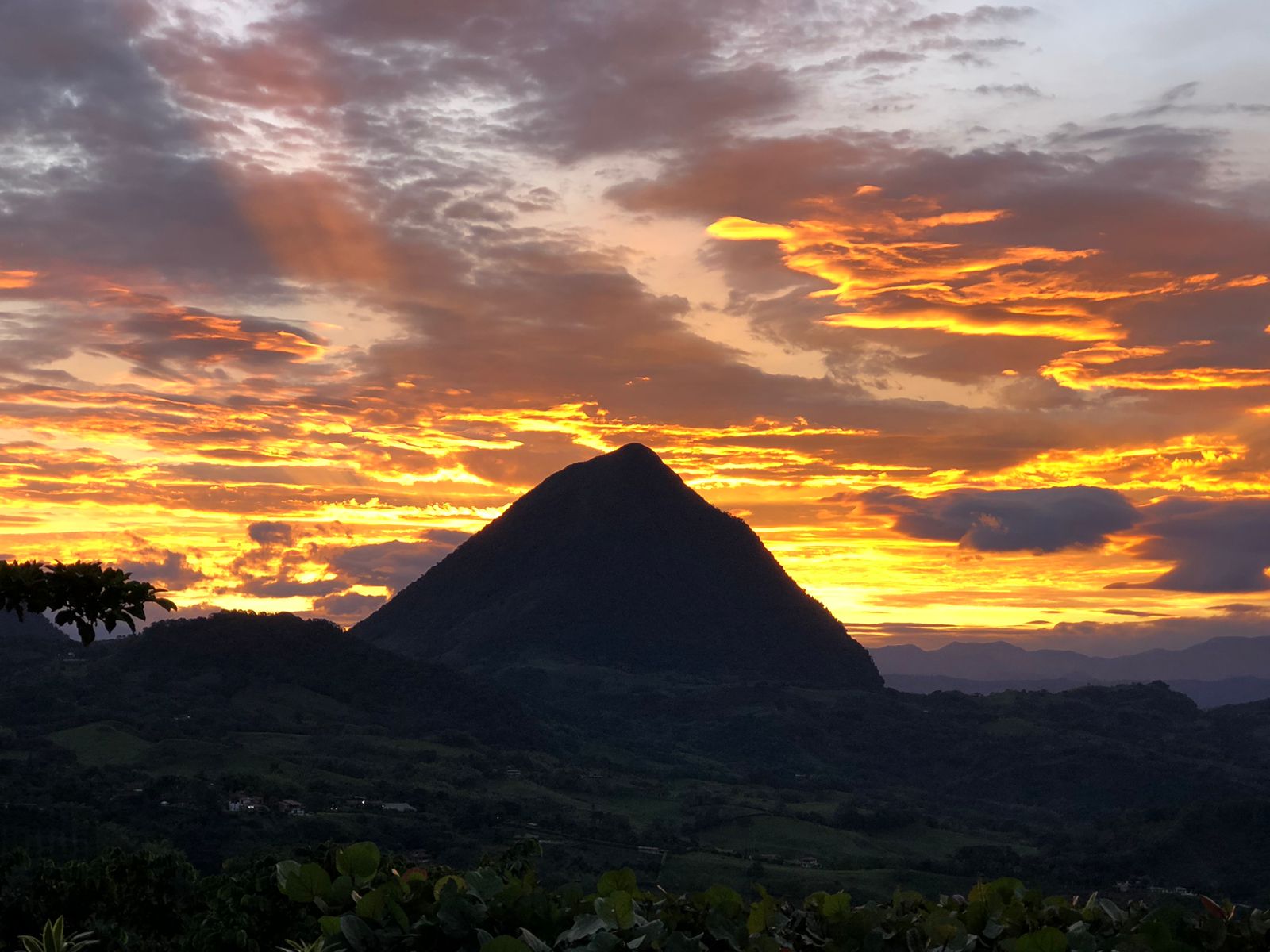
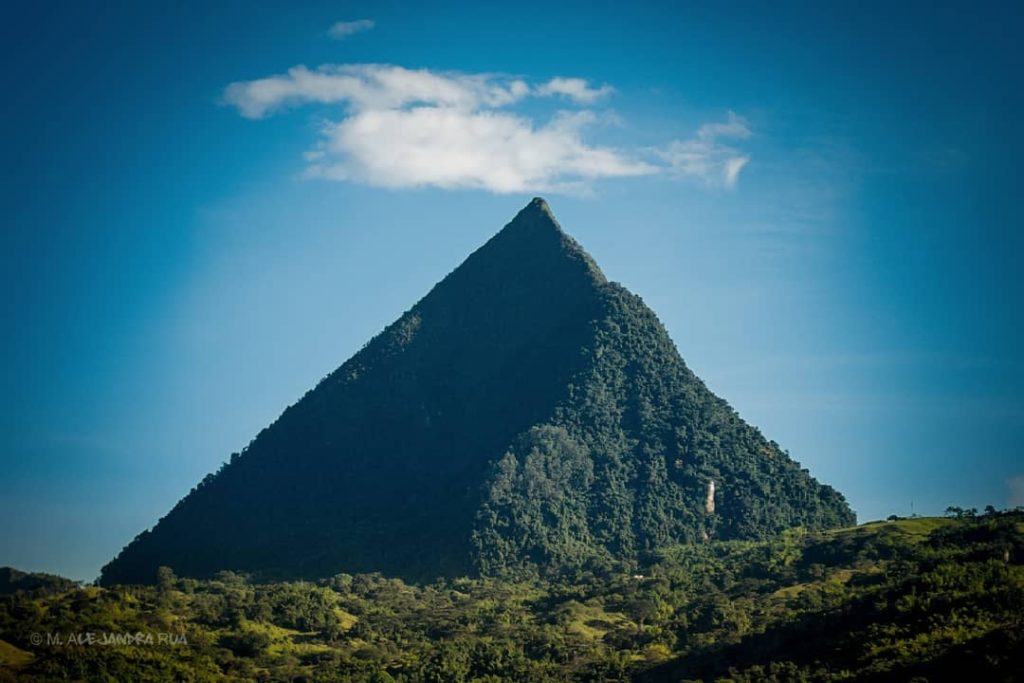
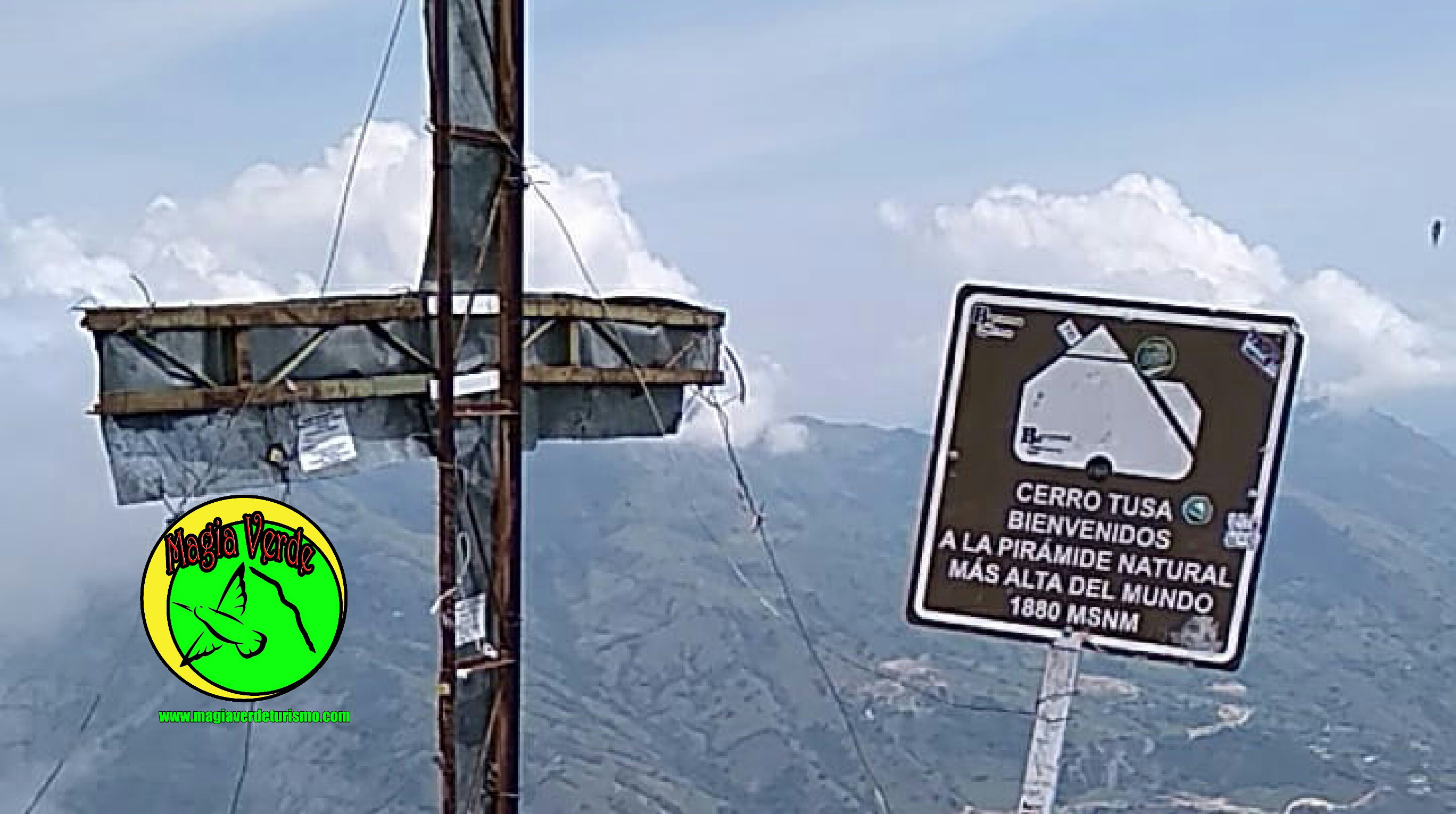
Cerro tusa The landscape of the municipality of Venecia headed by Cerro Tusa, a unique mountain in the world due to its pyramidal shape and its pre-Columbian history narrated through archaeological sites and remains, is full of interesting aspects such as the respectful relationship of human beings with the land and the sacralization of its imposing sites such as caves, hilltops and mountains of volcanic origin. Cerro Tusa is a hill located in southwest Antioquia, in the municipality of Venecia, department of Antioquia (Latitude: 5°57'53.04" North, Longitude: 75°46'14.42" West) on the central mountain range, with a height above sea level of 1,954 meters at its highest point. This hill consists of a volcanic formation which emerged from the earth in the Tertiary period, approximately 50 million years ago, forming together with Cerro Bravo what could have been the chimneys of a great volcano. The fertility and beauty of the lands located in its surroundings was used by the indigenous societies that inhabited this territory. Archaeological evidence of the habitual consumption of coca leaves by its ancient inhabitants has been discovered in several places in the municipality of Venecia, dating back to 2000 years before the present. Still today innumerable traces of the indigenous societies of the past of great archaeological, anthropological and tourist value remain in the municipality. Among them are the Cuevas de Santa Catalina, which was an important sanctuary and offering site, in addition to the Petroglyphs on the sidewalk in the La Amalia neighborhood and the petroglyph called "the frog god" in the Arabia neighborhood. Cerro Tusa constitutes the main pre-Columbian sanctuary of the territory comprised by the current territory of the department of Antioquia. Archaeological investigations carried out in the area around the hill during the last 20 years, corroborate that between the years 0-800 A.D. The inhabitants of the area, ancestors of the culture called Zenufaná, who were found by the Conquistadors in the 16th century AD, inhabited the basin of the Sinifaná ravine and made their offerings and payments in the Santa Catalina Caves, near the hill, where it was found. an abundant deposit of pre-Columbian offerings such as very fine pottery, stone tools, bone remains of animals and seeds. At the base of Cerro Tusa, on the north side, an important and mysterious sanctuary stands out. It is a stone with 9 steps, possibly carved, which ascend to a platform. This stone was used by the indigenous people as an offering, a place of worship and ceremonies, it is known in the oral tradition of the inhabitants of the region as the "Stone of sacrifices" or the "Altar of offerings". From this stone, when looking up, a megalith stands out from the forest that emerges from the mountain, where you can see an apparent human face known in oral tradition as "The Face of the Goddess" or the "The Face of India". ”. This set of altar and idol, could have constituted an important pre-Columbian sanctuary, to which different stone paths that converge in Cerro Tusa led, making possible the religious pilgrimages of the inhabitants of a vast region during pre-Hispanic times. An ancient stone road has also been registered and protected, located between the town center and the hill, which communicates with the caves and with the ceremonial site of Cerro Tusa. According to the Chronicles of the Spanish Conquest, which recount what happened during the second expedition of Captain Jorge Robledo in 1541, this territory located in the valleys of the Cauca River was known as the province of "Cenufaná" or "Zenufaná", from what testimony remained in the name of the Sinifaná creek. The accounts of the expedition say that this tribe, settled in the lowlands of the municipality, was a producer of different agricultural products, including marijuana.
+2 more
@rastamilophoto
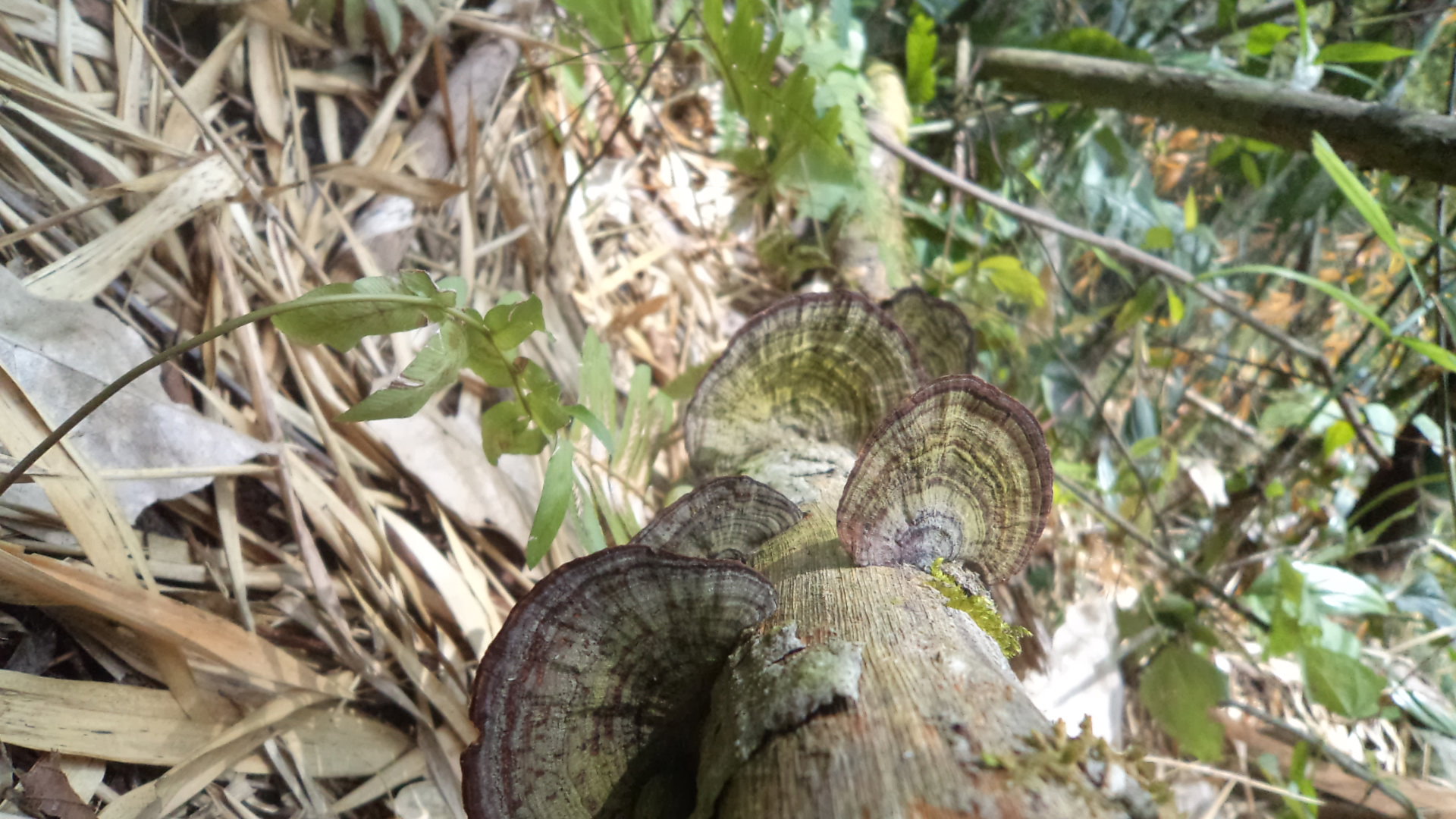
mushrooms Fungi are a defined class of microorganisms, most of which are free-living forms, that act as putrefactors in the energy cycle. Of the more than 90,000 known species, fewer than 200 have been reported to cause disease in humans. These disorders have unique clinical and microbiological characteristics and are increasing in immunosuppressed individuals. If you like my work, subscribe to my channel,like my articles and comment,so you will support my work to continue improving every day more. follow my community: https://read.cash/c/colombia-ff91
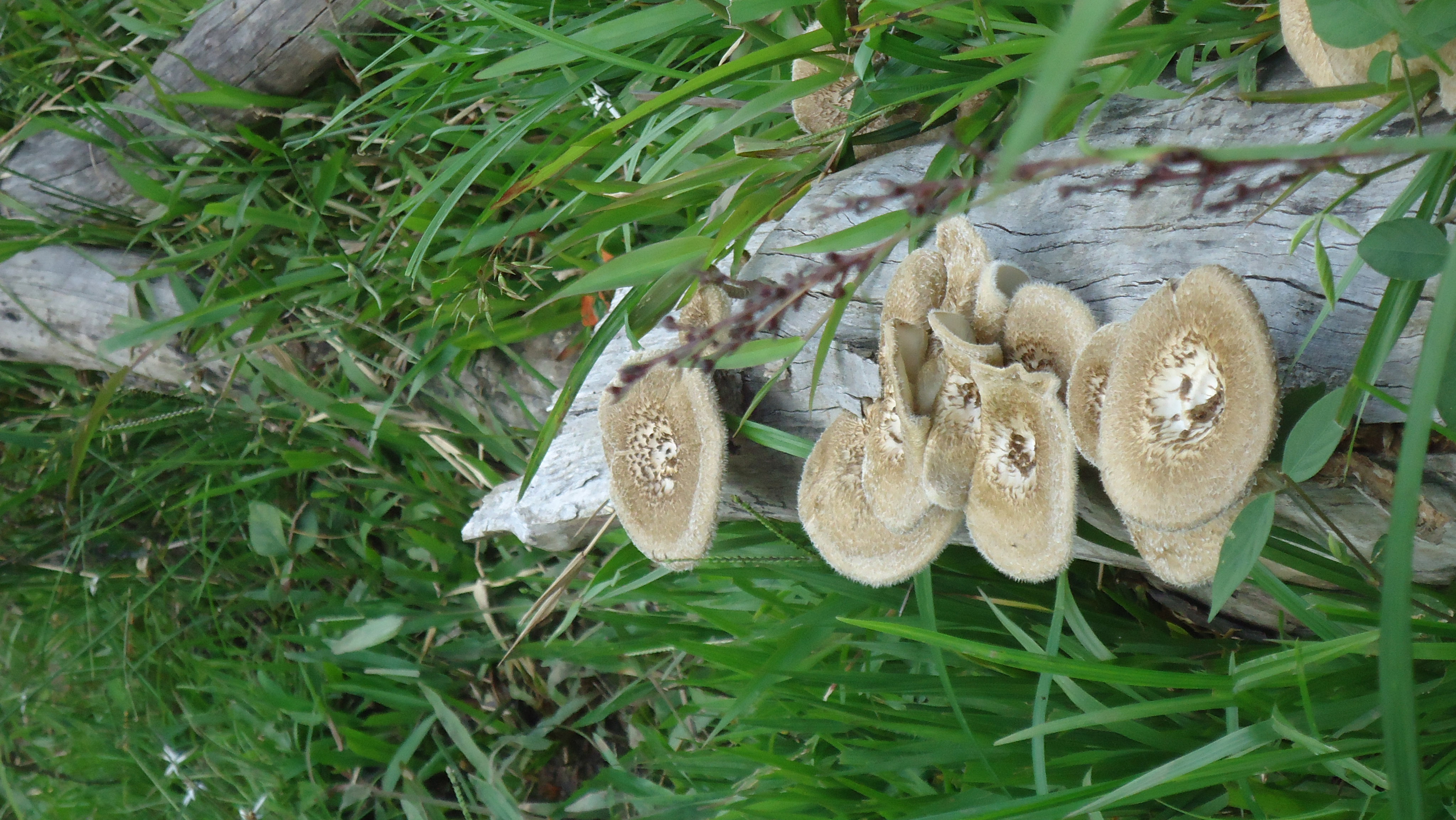
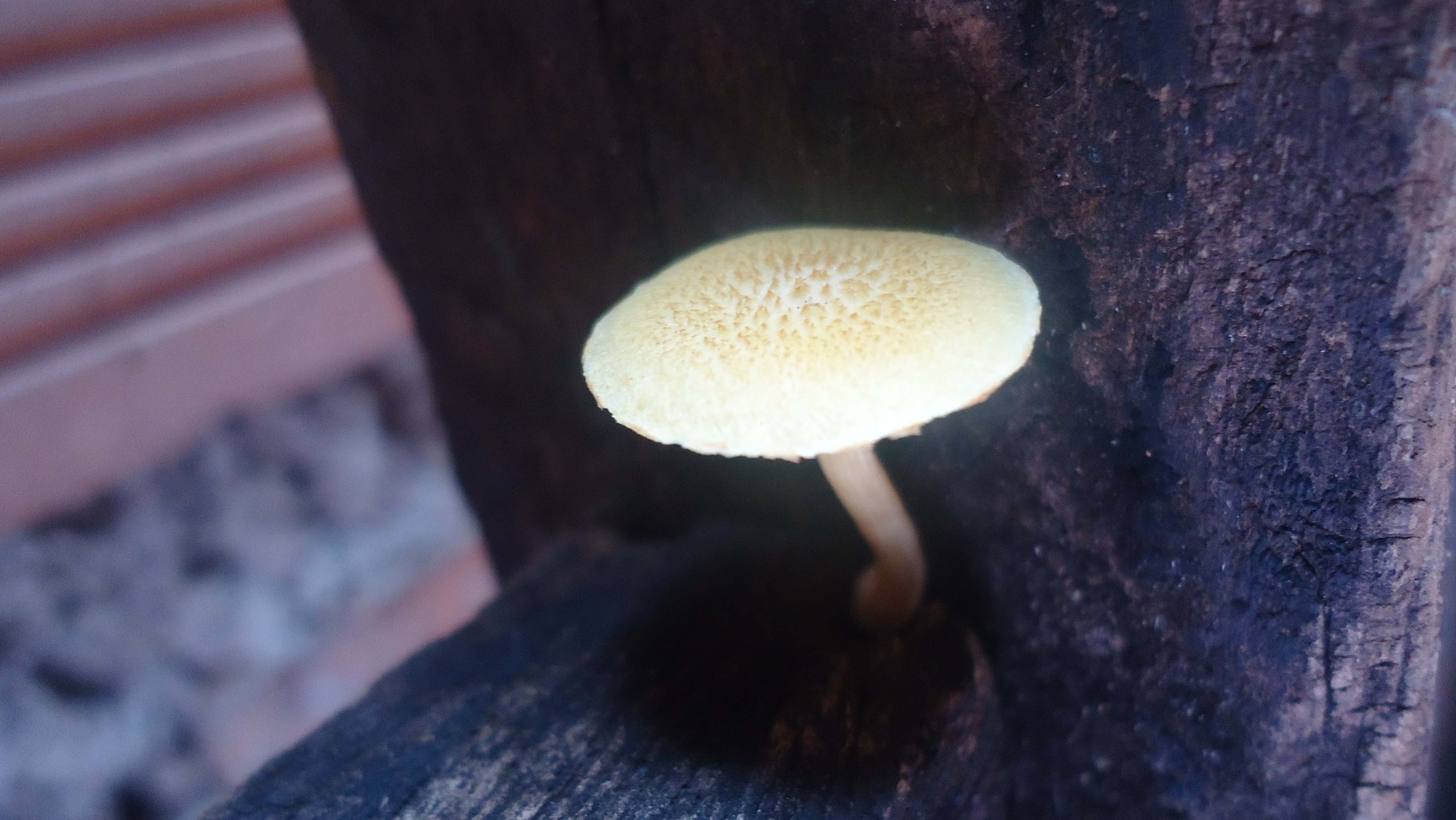
+3 more
@rastamilophoto
for you mother nature for you mother nature I You are a noble green lady, light of every being and thing, you are in the river, in the rose, in you sight is lost. II Your paths teach us about God and creation, and it is that you are song of all those who dream. III Go to meet you every day allows to expand knowledge, you are easy to love and you always bring joy. IV It's you, nature air, land, sea and sky, fire verse in which I fly, real root of wealth. V Don't give up, it always shines against the dirty I accompany you, I will take good care of you every year on the land and on the shore. If you like my work, subscribe to my channel,like my articles and comment,so you will support my work to continue improving every day more. follow my community: https://read.cash/c/colombia-ff91
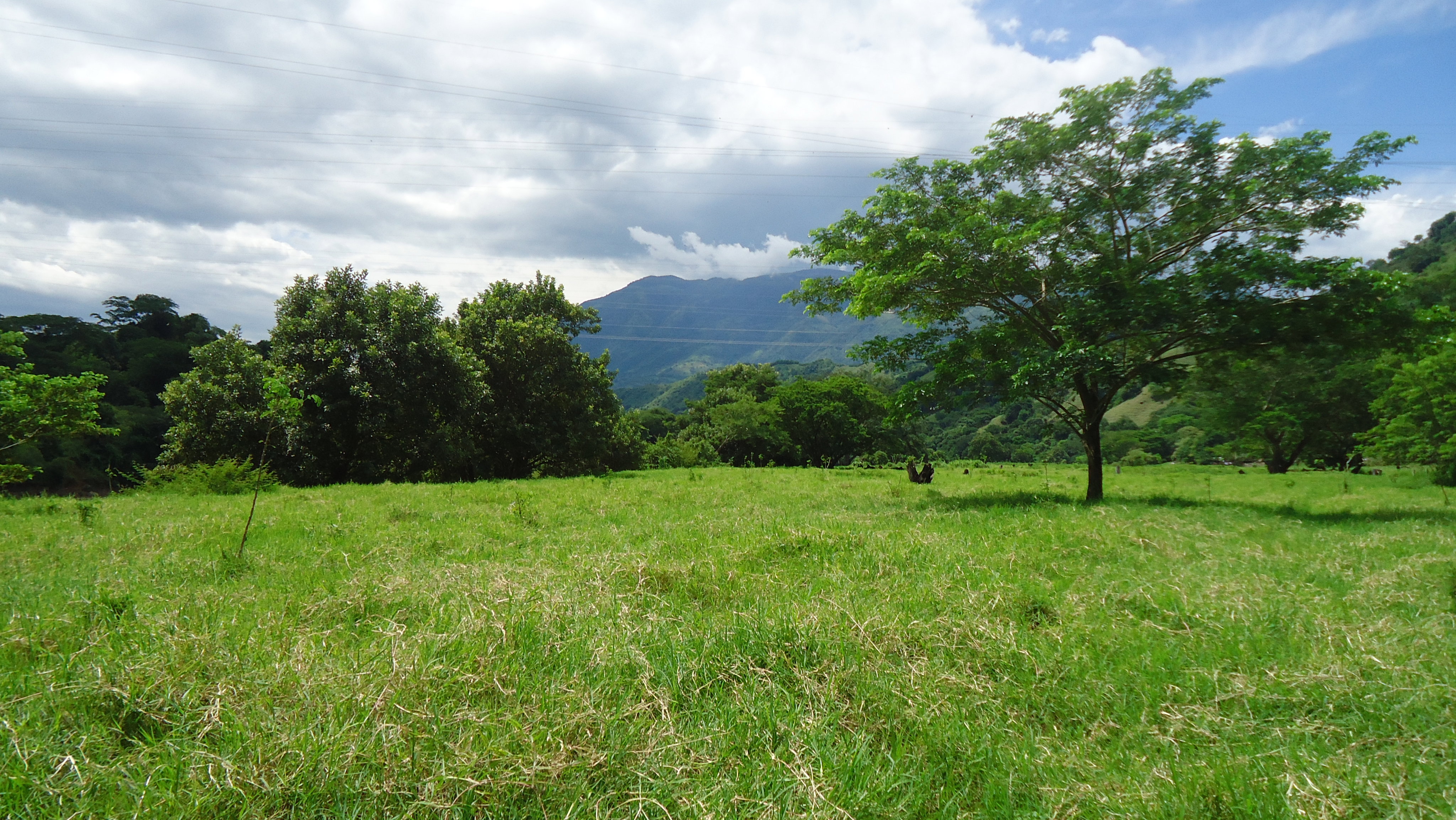
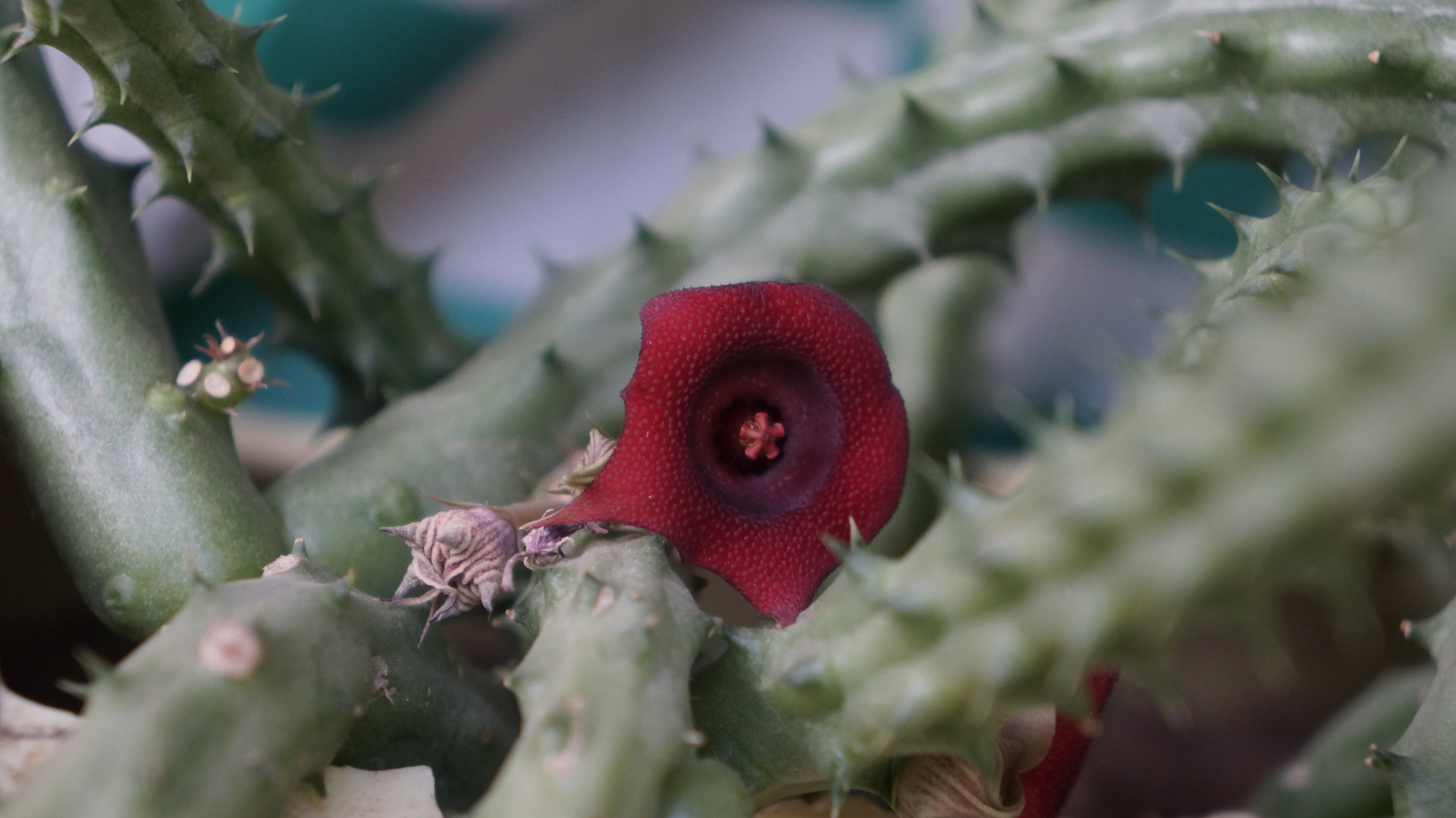
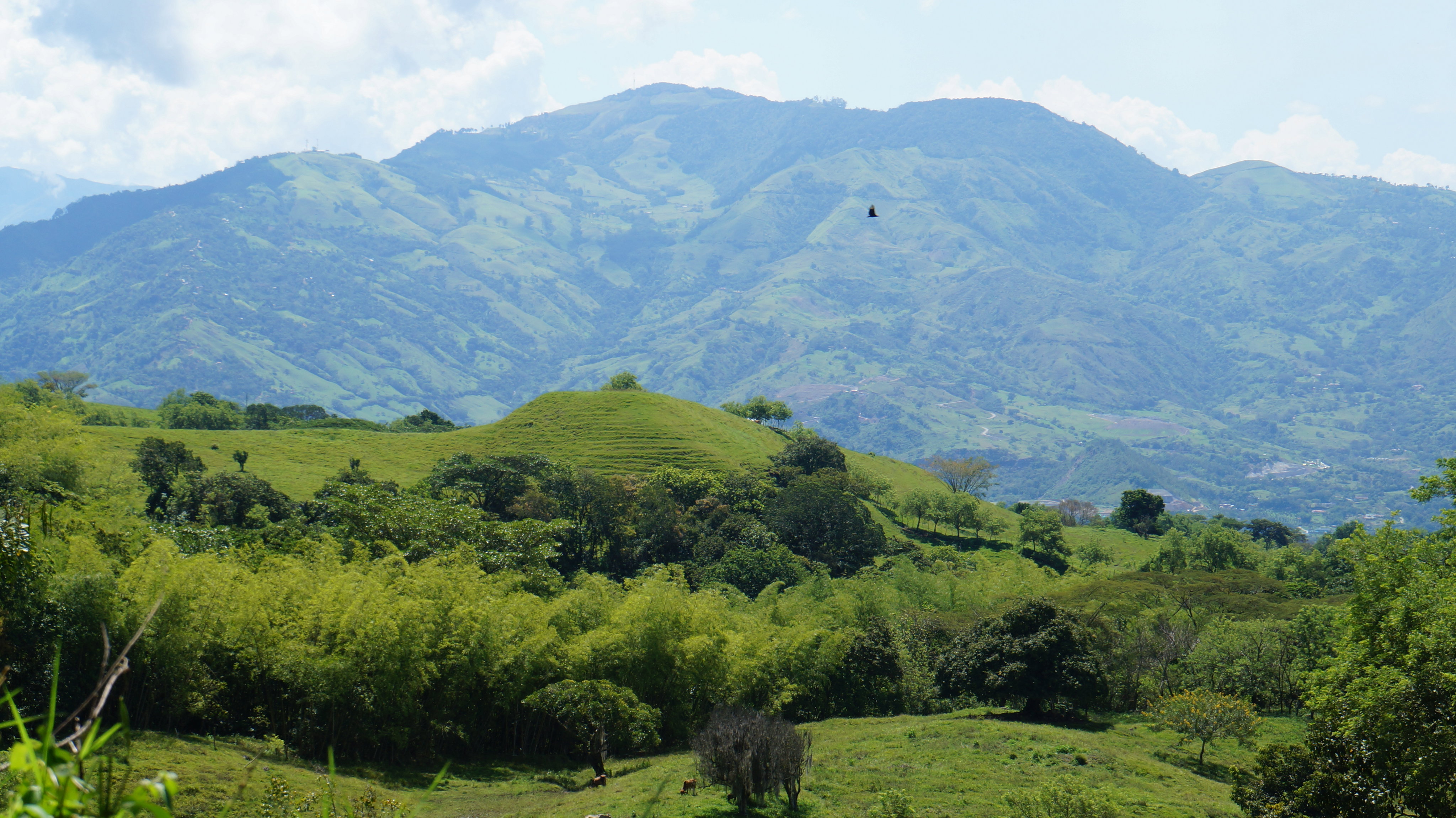
+3 more
@rastamilophoto
scenery If you like my work, subscribe to my channel,like my articles and comment,so you will support my work to continue improving every day more. follow my community: https://read.cash/c/colombia-ff91
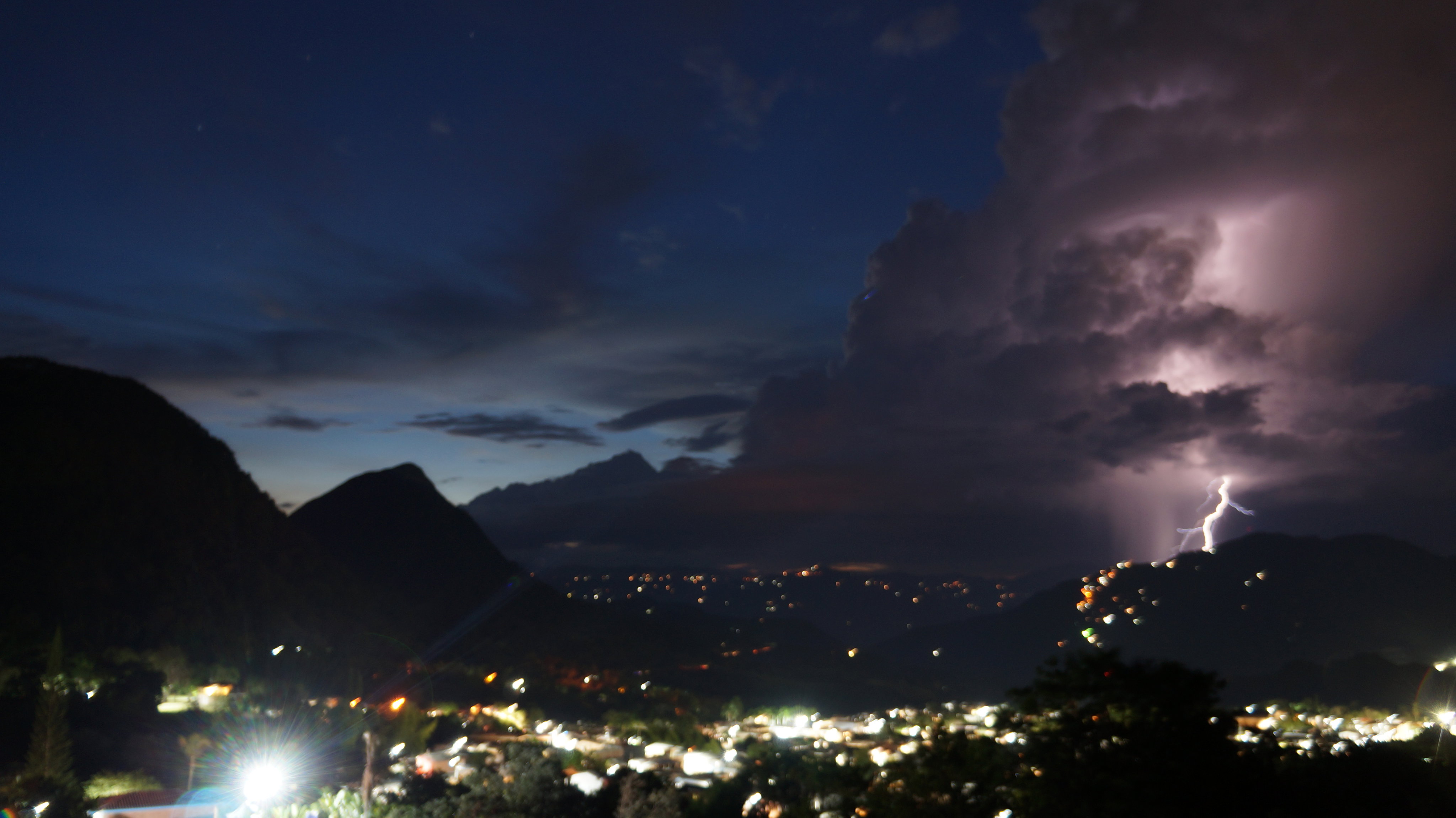
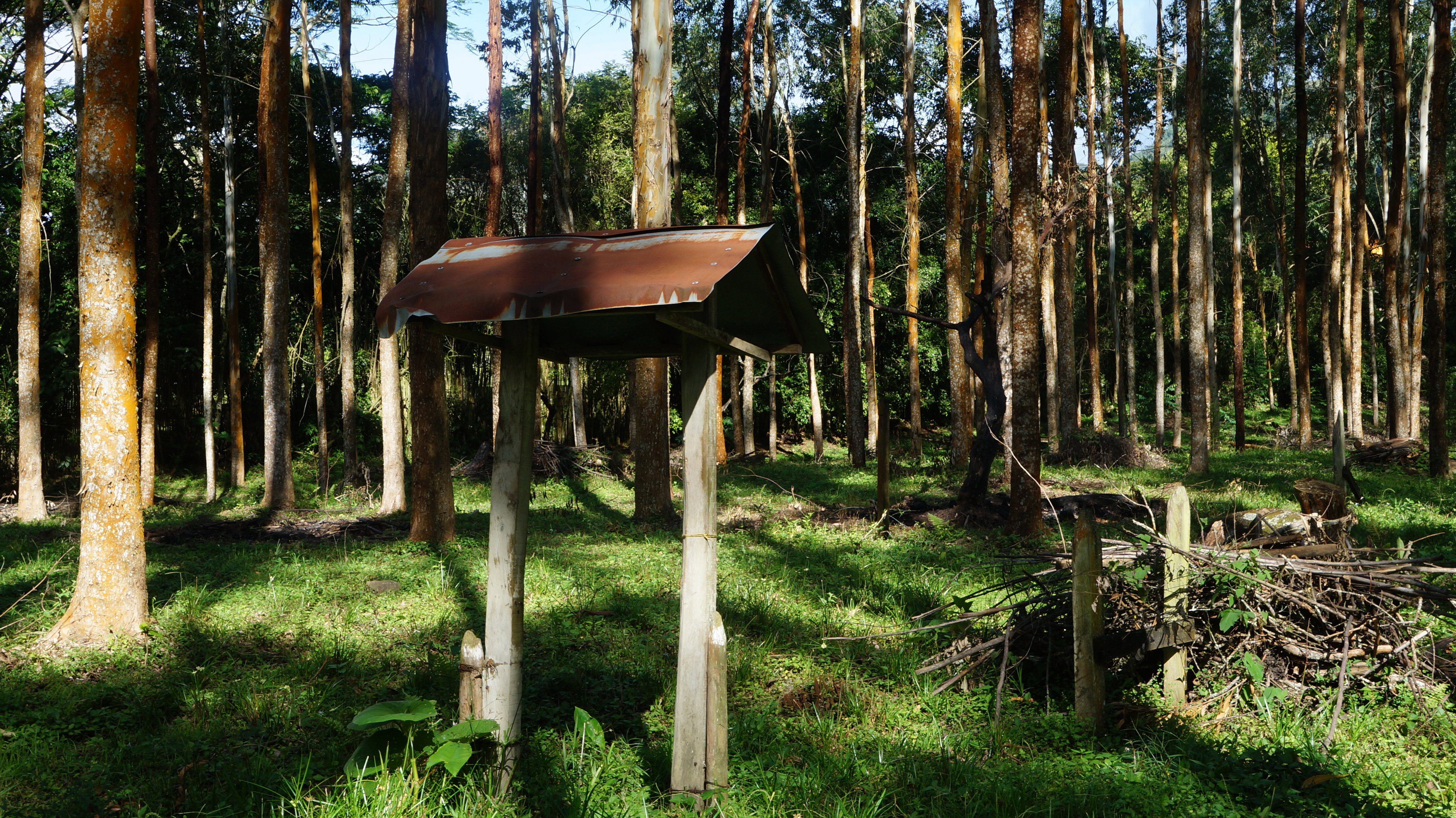
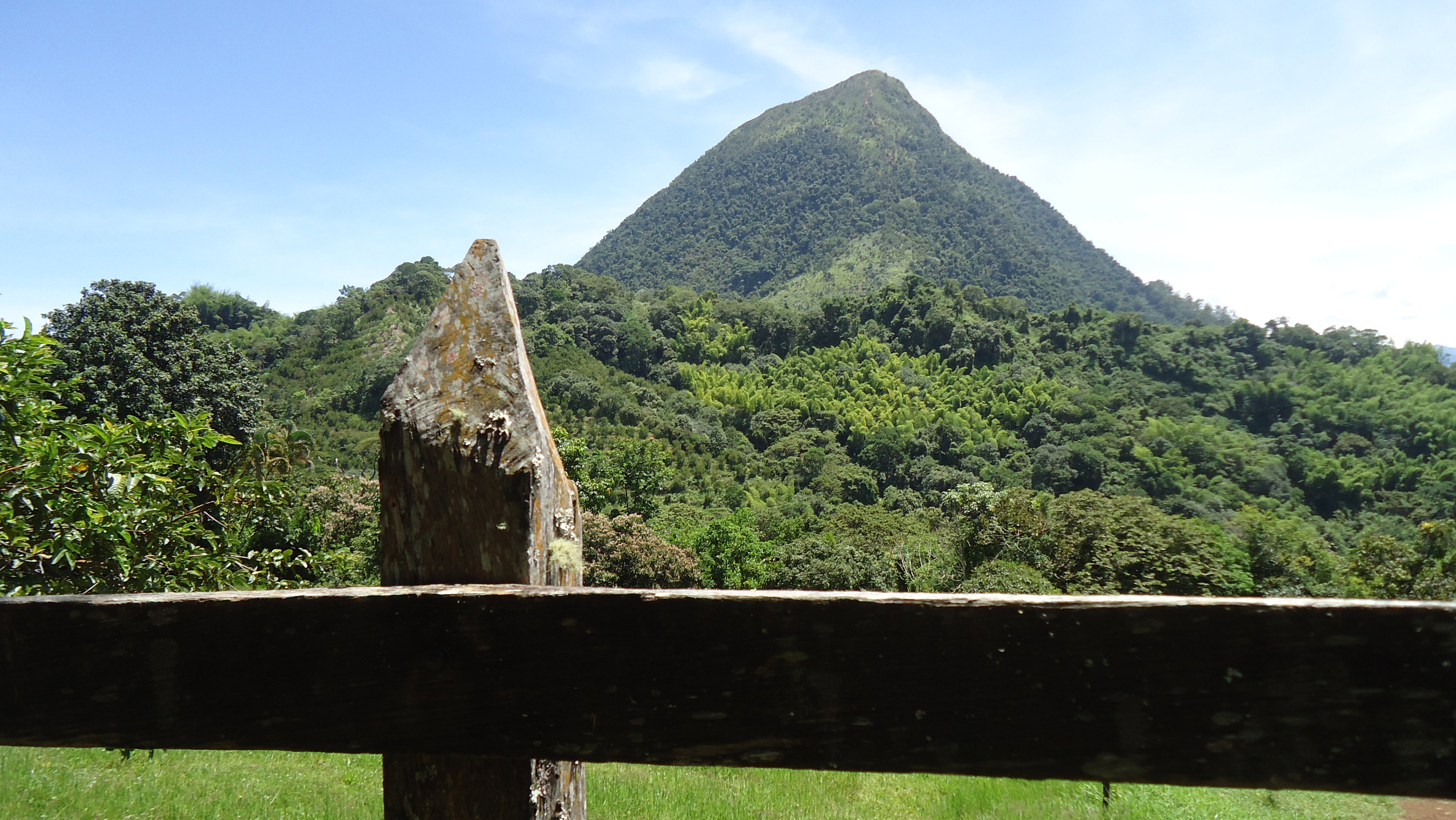
+5 more
@rastamilophoto
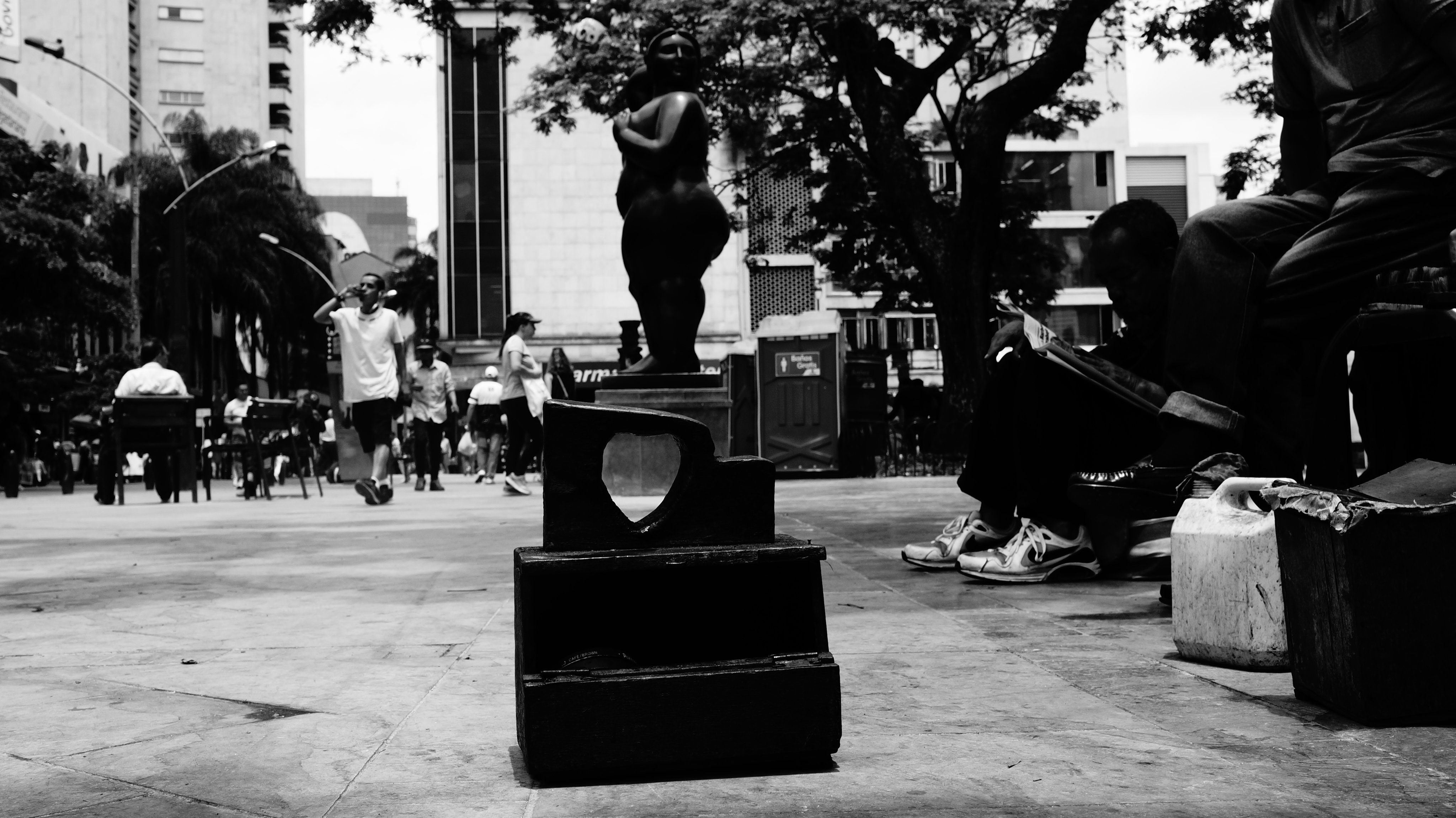
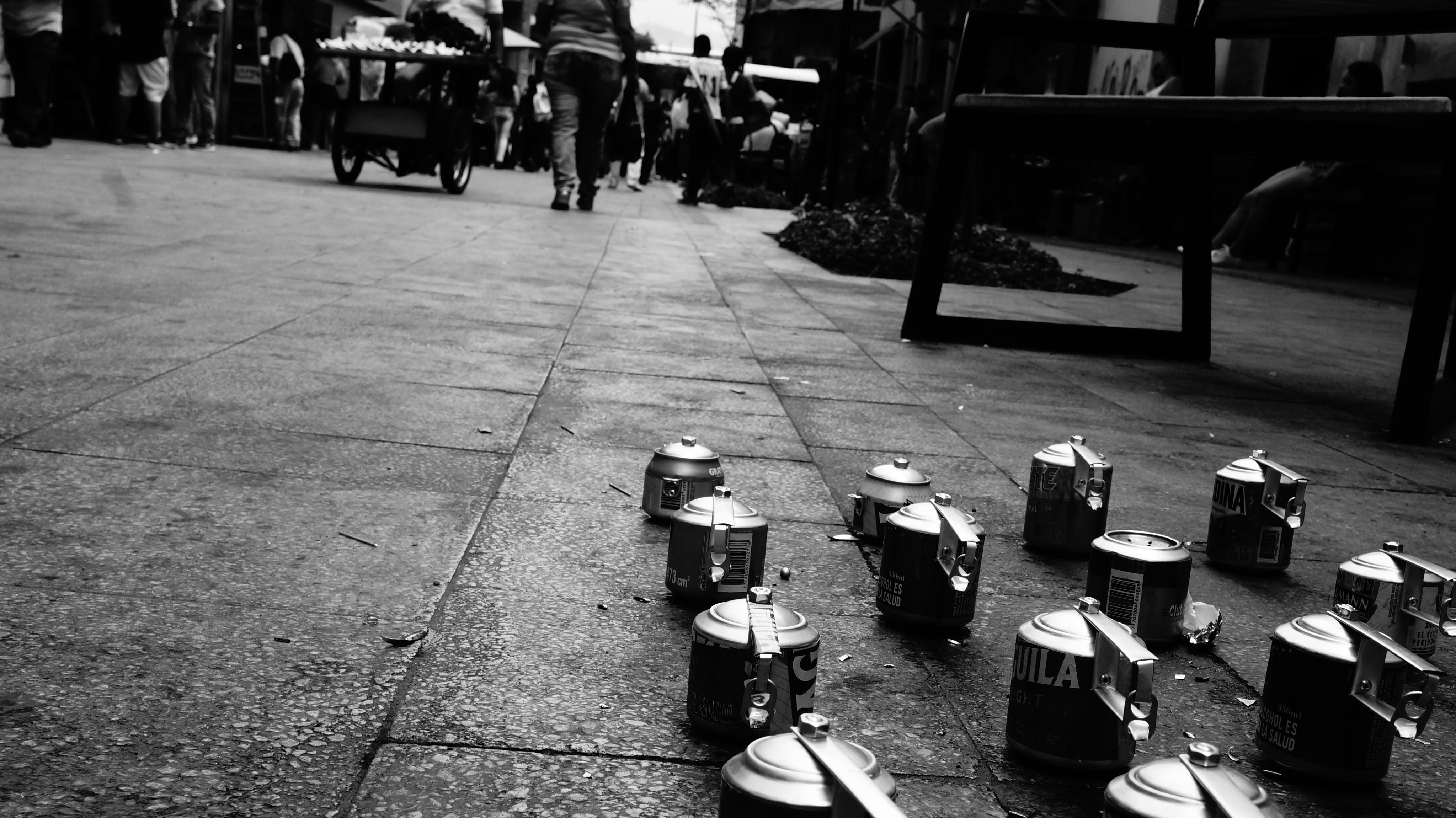
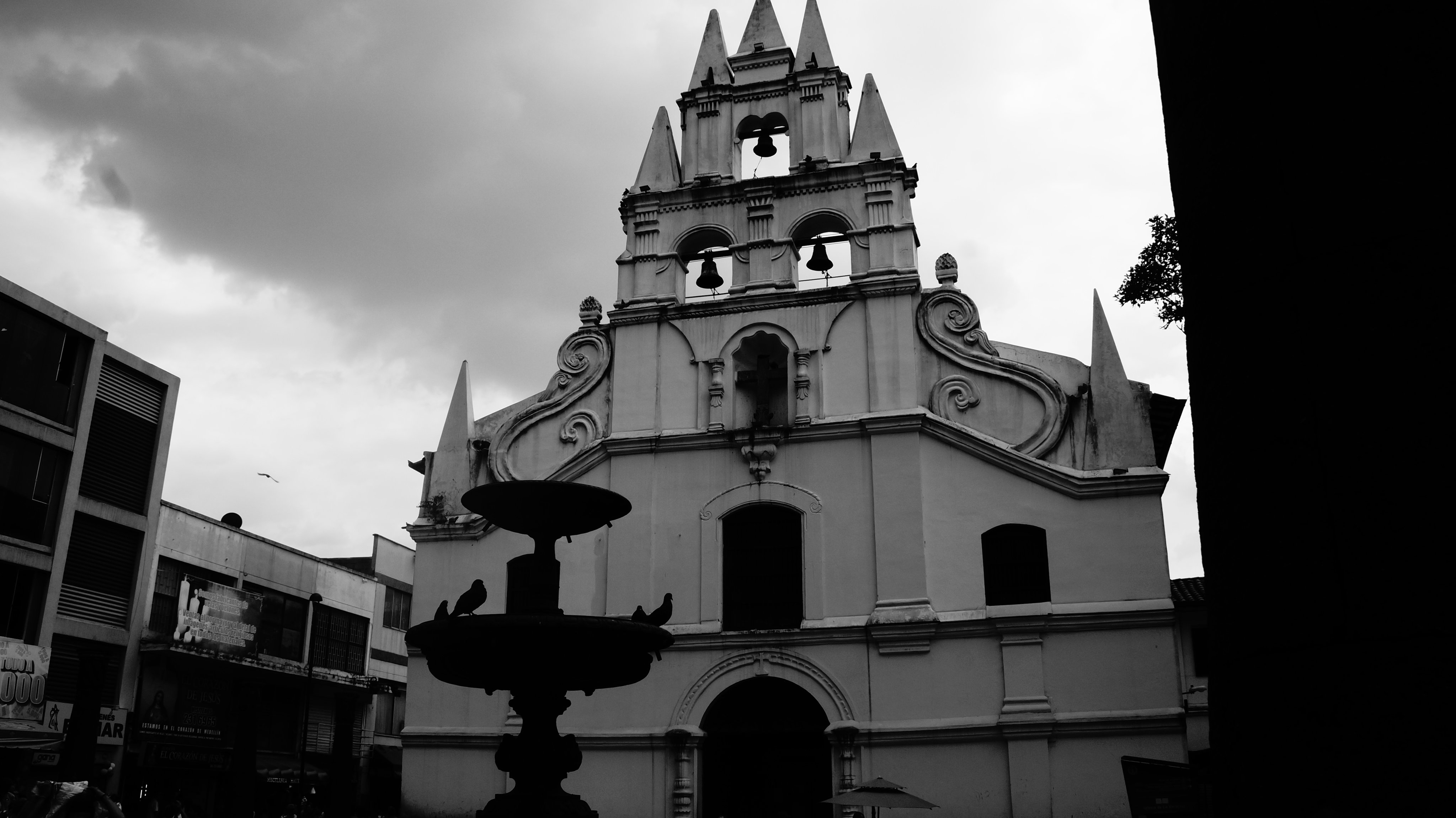
the reality of many human beings in Medellin, black and white. The images are taken in Medellin - Colombia, with them I want to show a human reality. I do not pretend to be populist, but rather realistic. of common life and the reality of many human beings. If you like my work, subscribe to my channel,like my articles and comment,so you will support my work to continue improving every day more. follow my community: https://read.cash/c/colombia-ff91
+4 more
@rastamilophoto
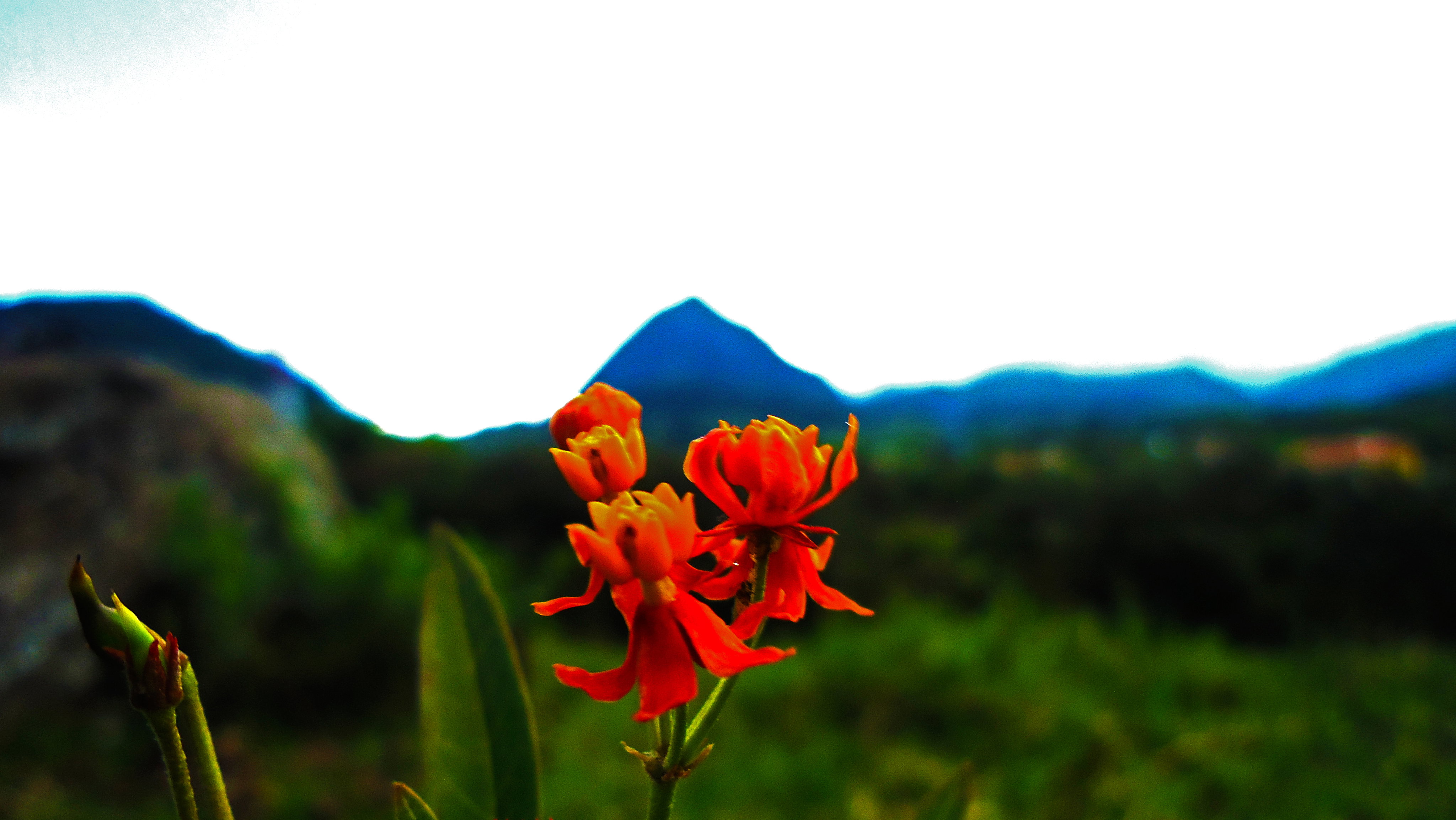
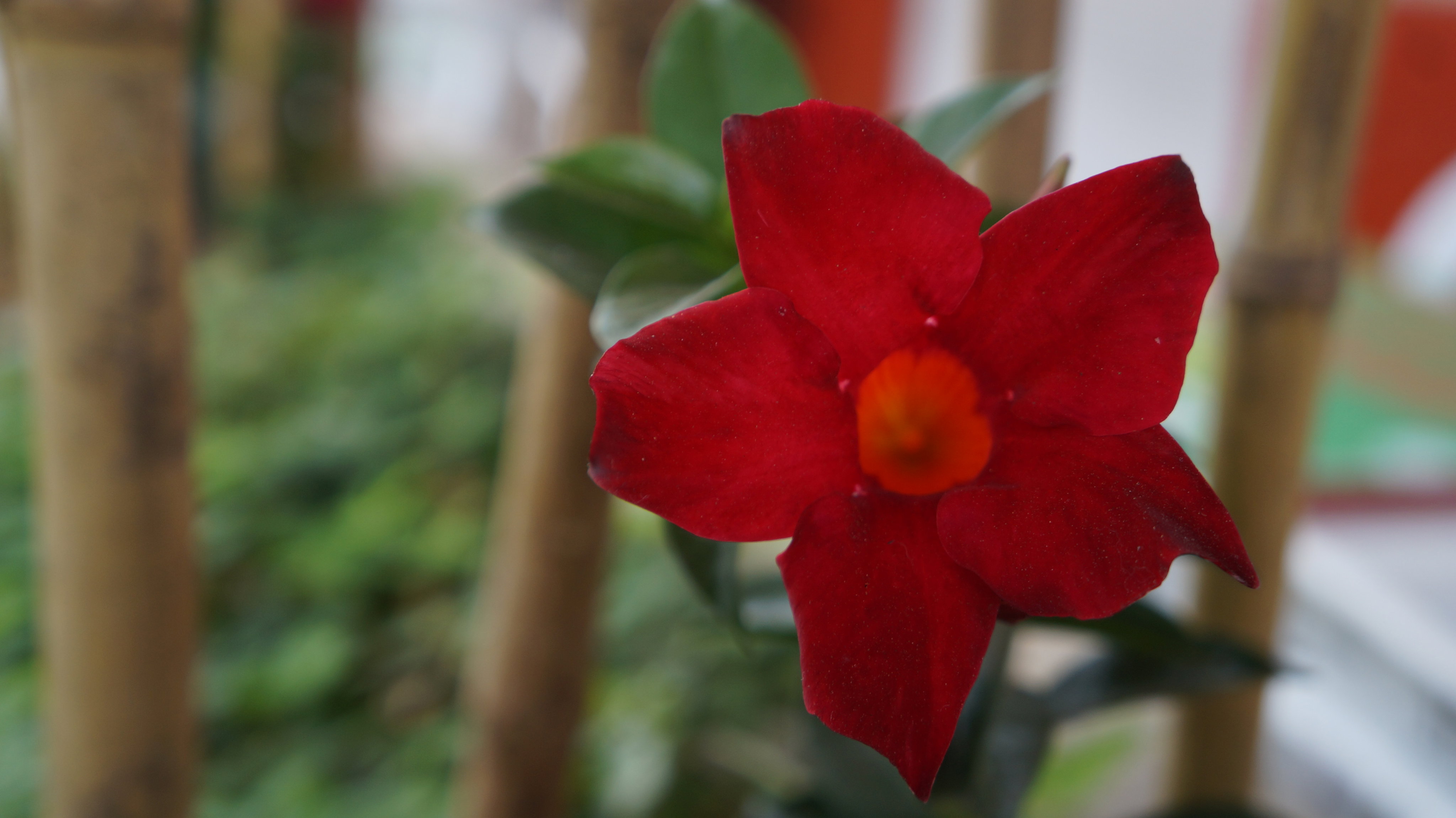
beautiful flowers beautiful flowers The flower is the characteristic reproductive structure of plants called spermatophytes or phanerogams. The function of a flower is to produce seeds through sexual reproduction. For plants, seeds are the next generation and serve as the main medium through which species perpetuate and propagate. If you like my work, subscribe to my channel,like my articles and comment,so you will support my work to continue improving every day more. give me like if you think my work is good.

+2 more
@rastamilophoto
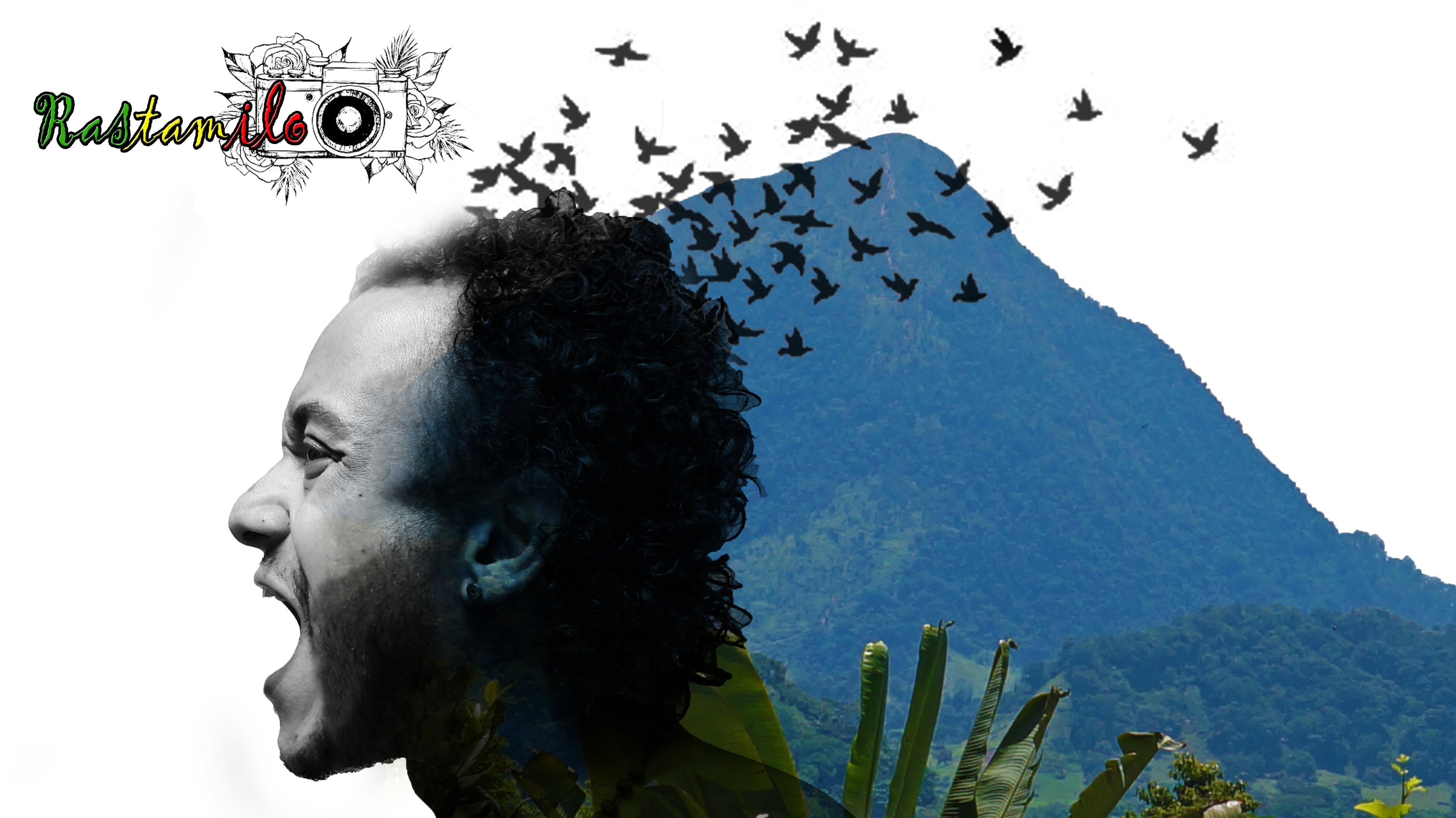
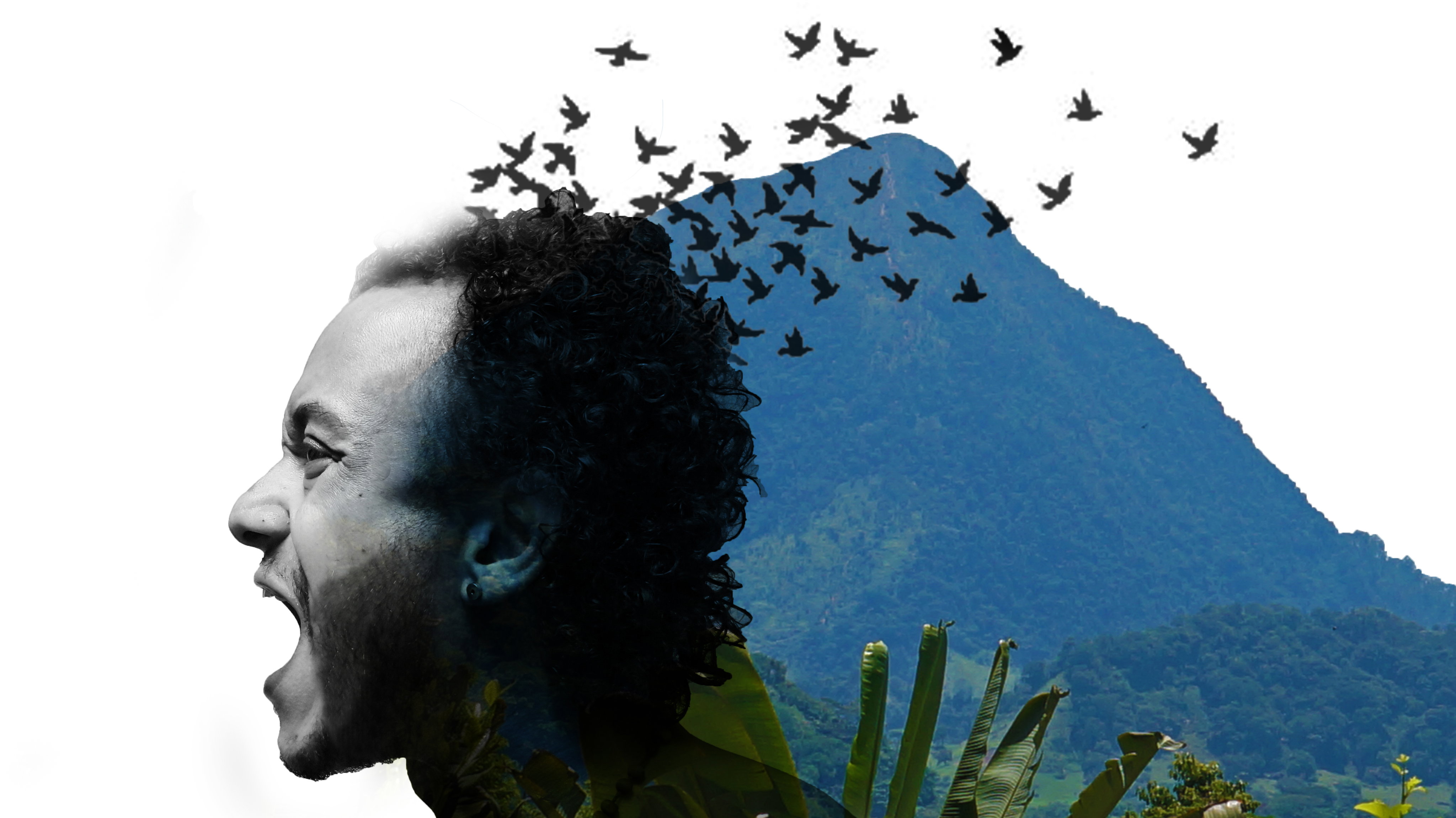
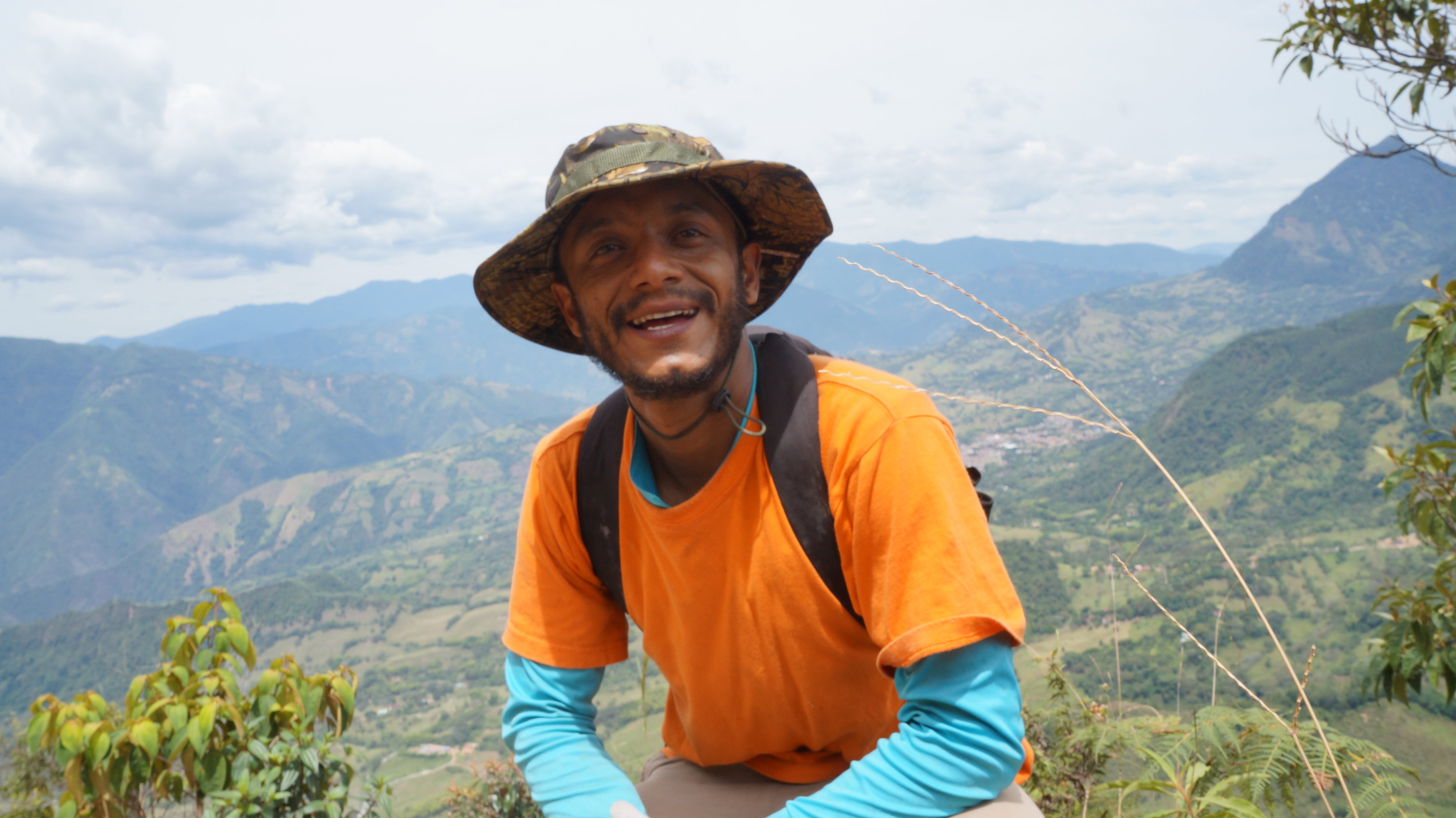
a little bit of me. a little bit of me. who I am? I am Camilo Maya, son of Venice, a loving and beautiful people. in love with nature, music, kisses and the moon. I enjoy being in the field surrounded by animals, flowers, sounds, which combine in concerts of peace and connection with mother earth. I work, as a local guide and creator of @magiaverdeturismo, a place where we can find routes through natural, archaeological trails and a connection with our ancestors, the indigenous Zenufana. Living surrounded by nature, fills my life with joy and I try to show you with my camera, the magical and diverse, which is the place where I live and love. If you like my work, subscribe to my channel,like my articles and comment,so you will support my work to continue improving every day more. paisa with a hardworking and gentle heart.
+5 more
@rastamilophoto
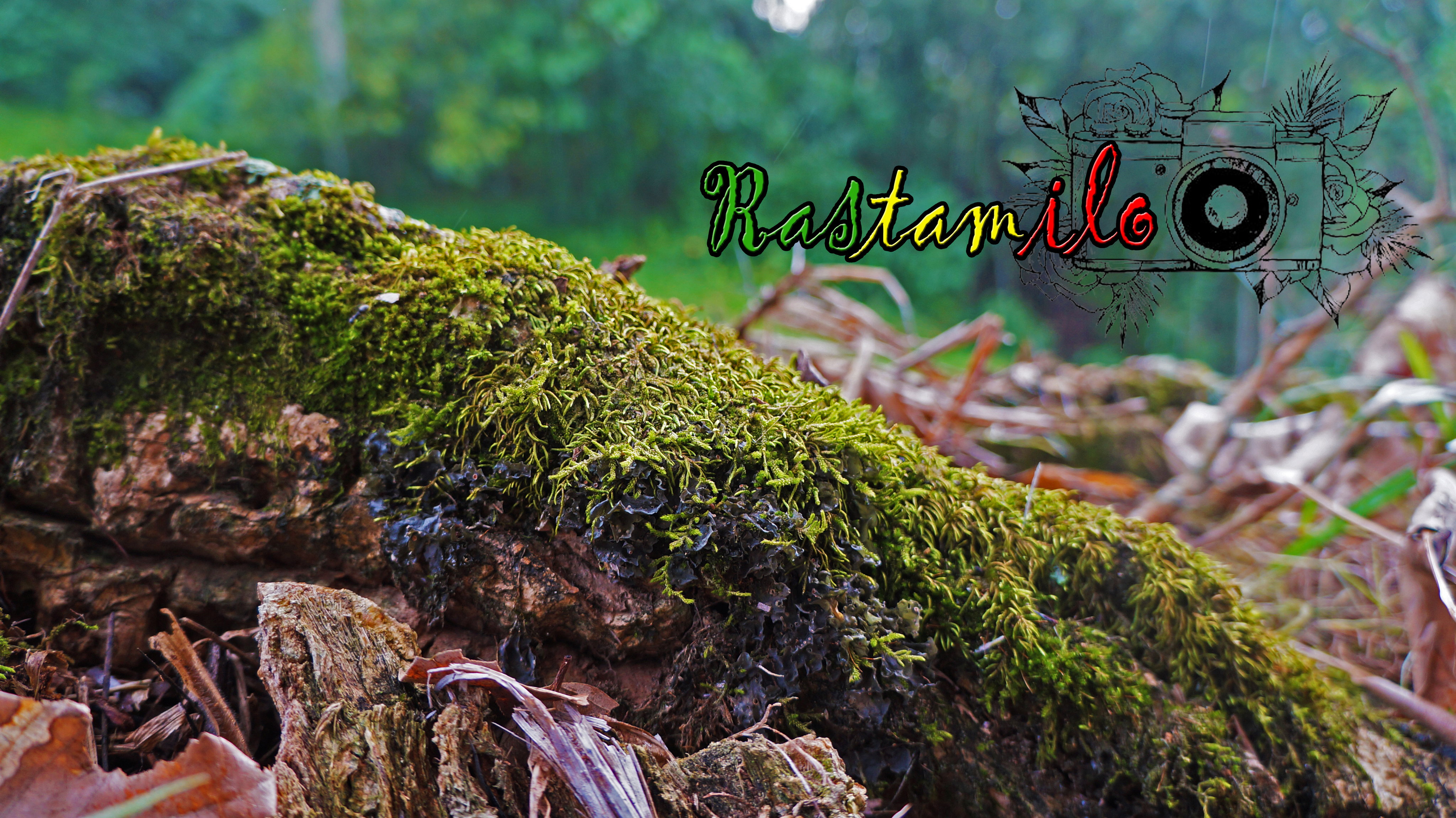
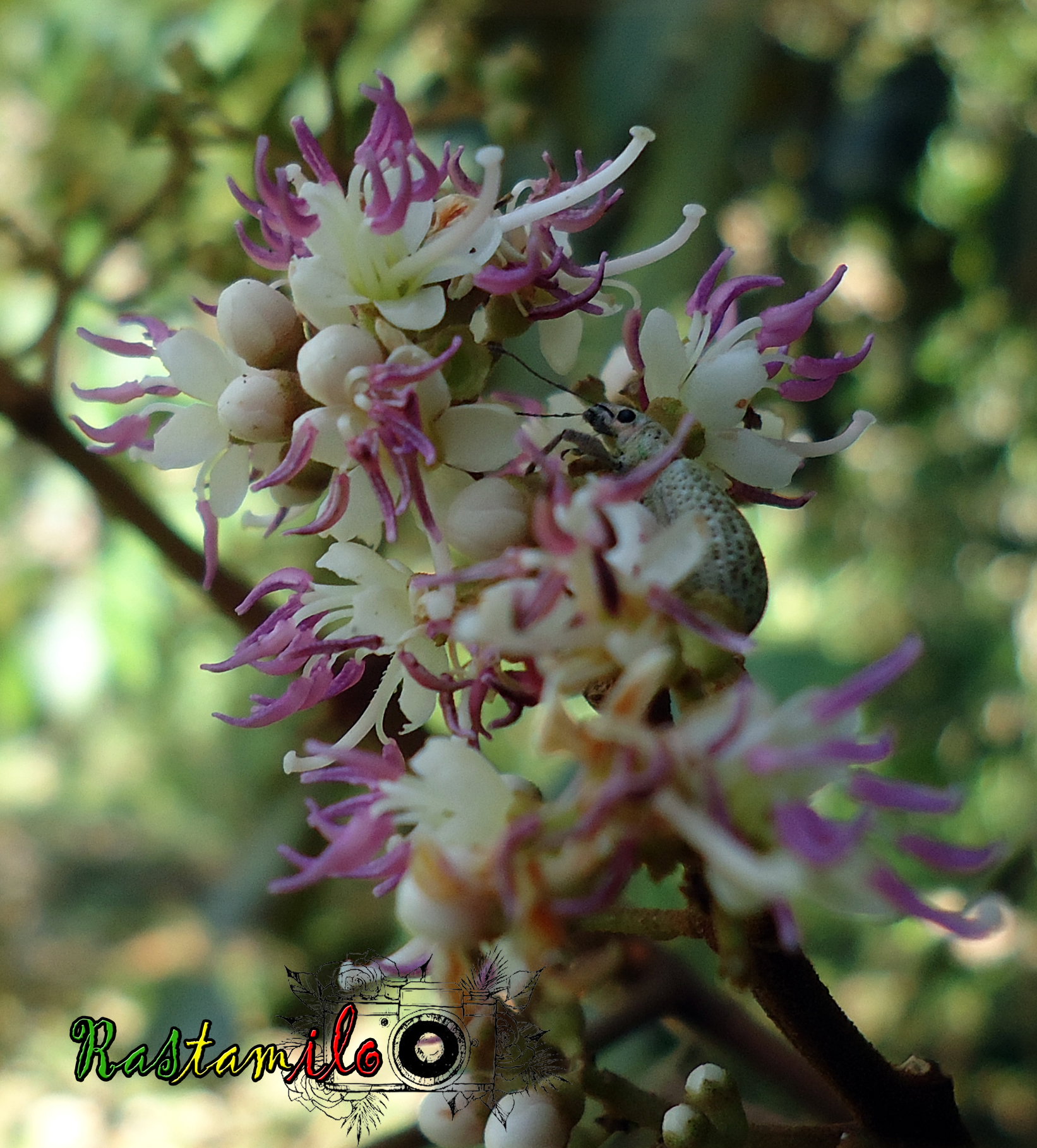
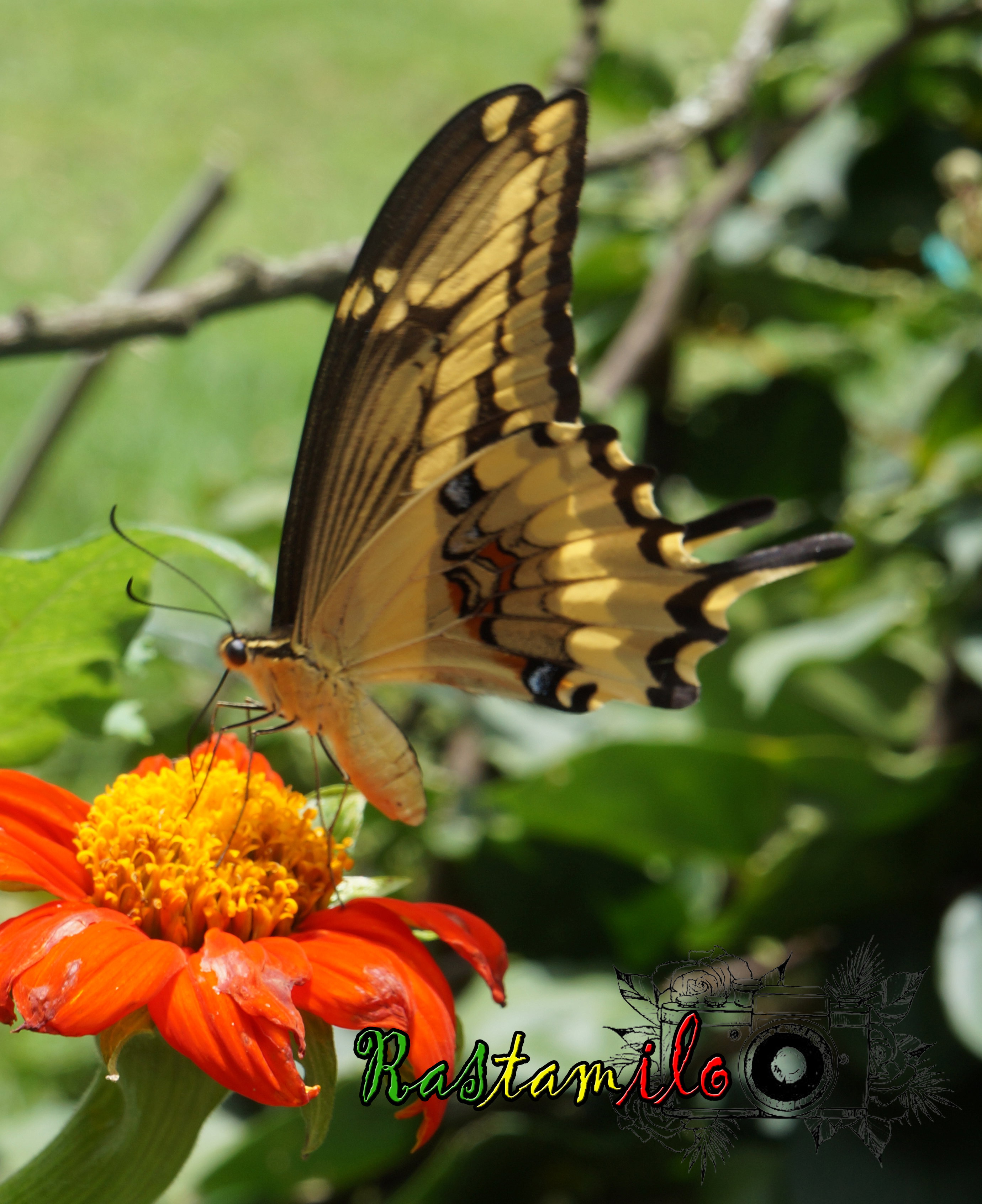
Rastamilo "Nature" ***it is a variety of my photos, a lot of nature.*** If you like my work, subscribe to my channel,like my articles and comment,so you will support my work to continue improving every day more.
+6 more
@rastamilophoto
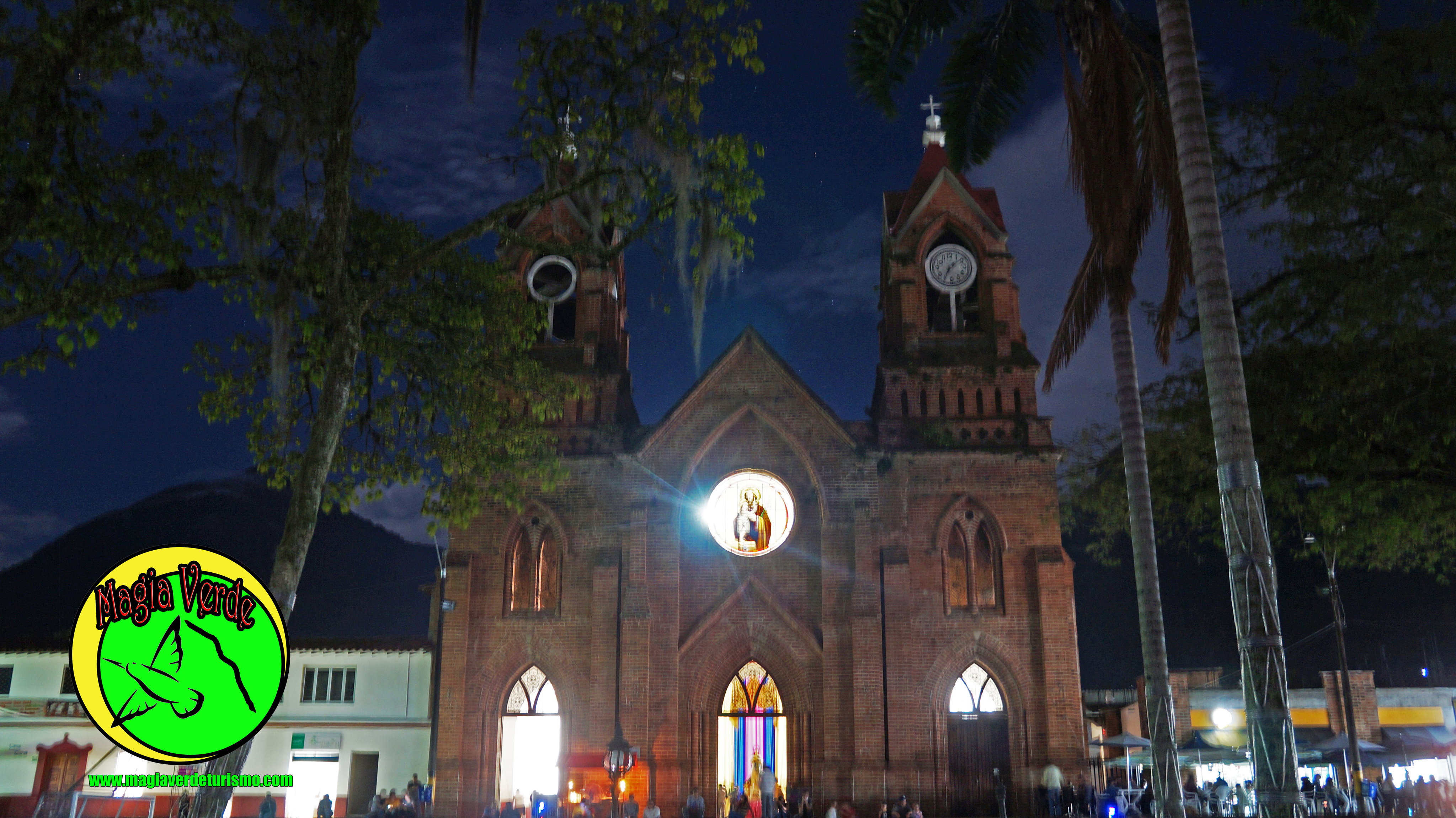
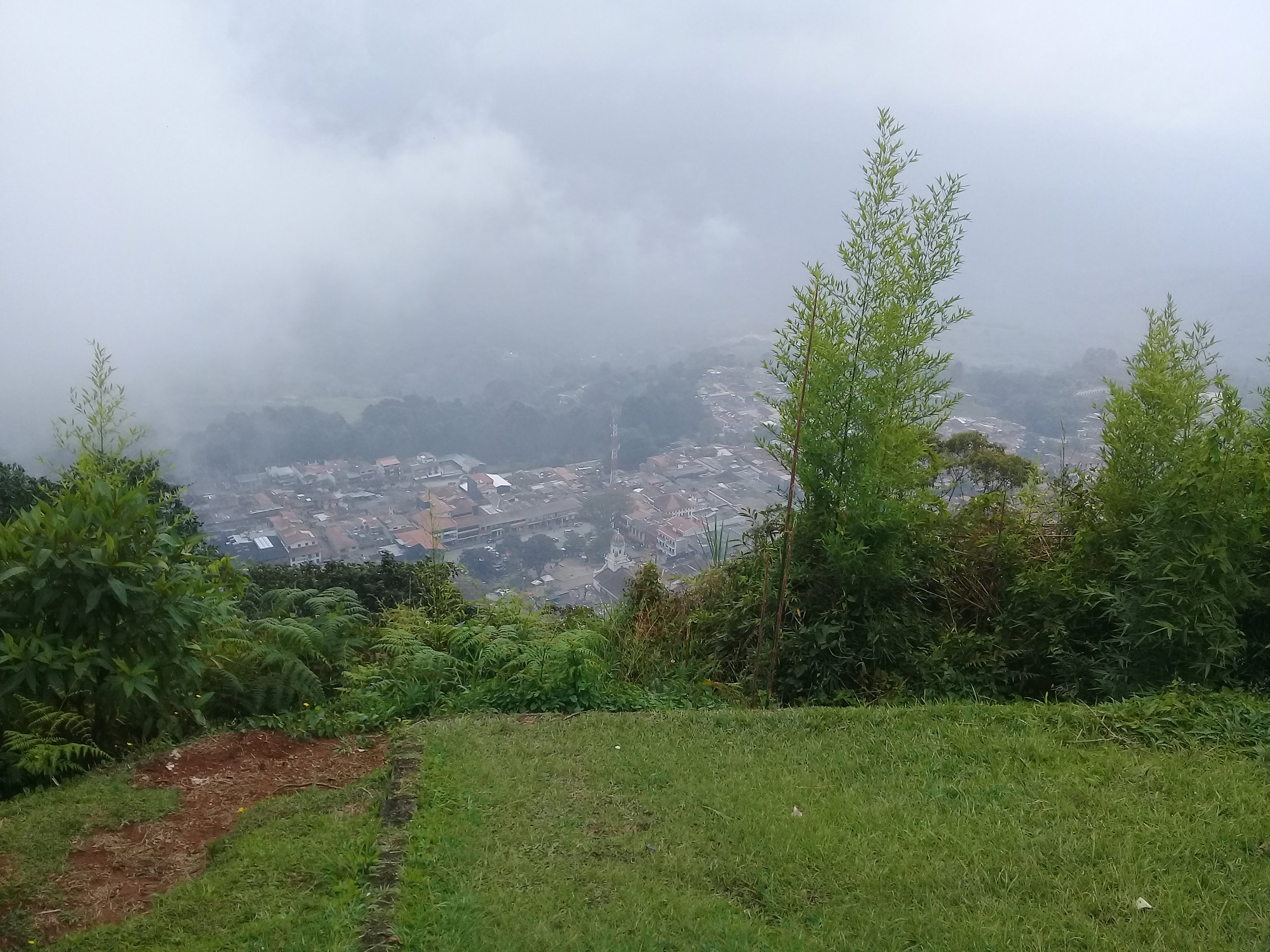
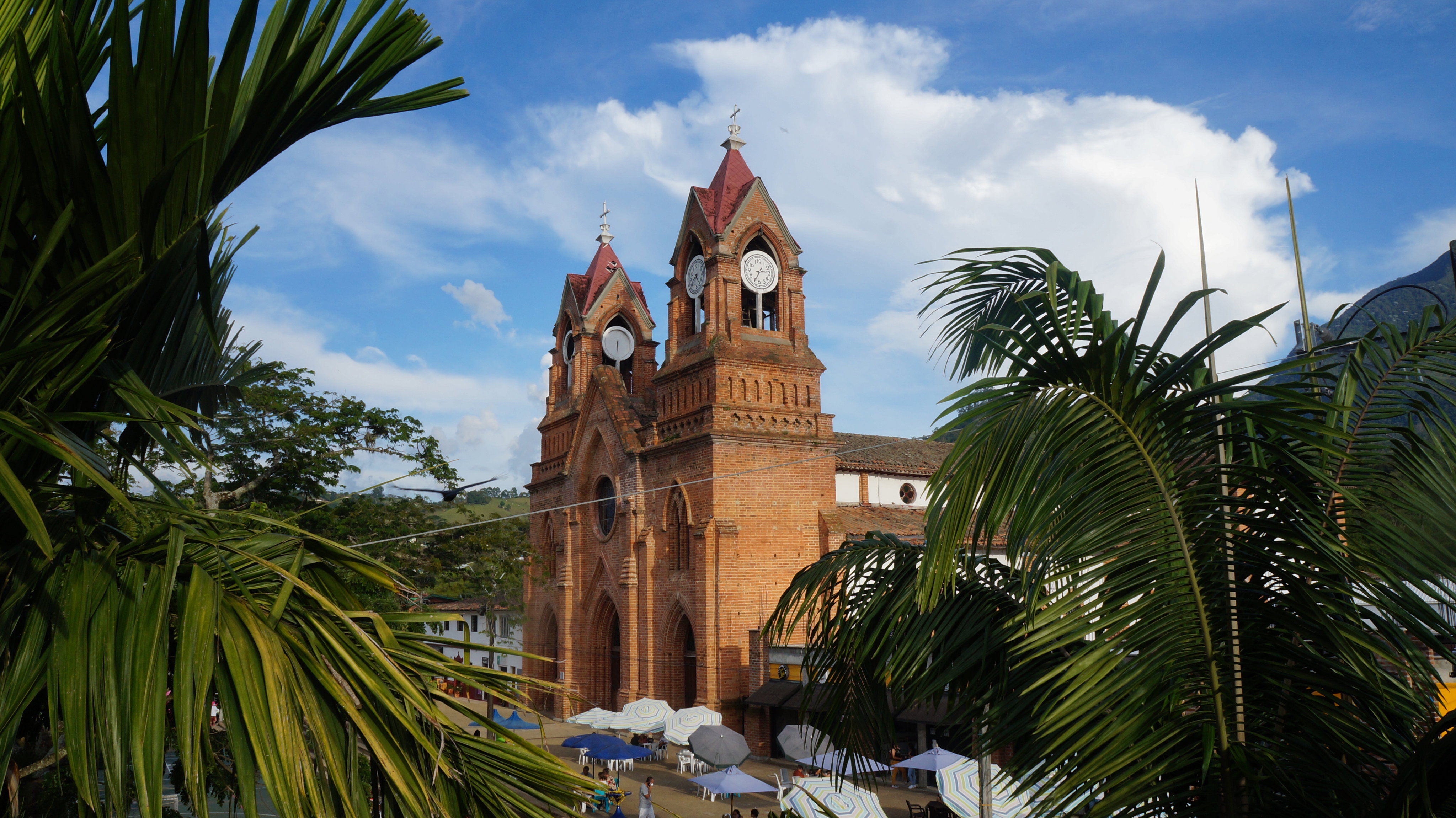
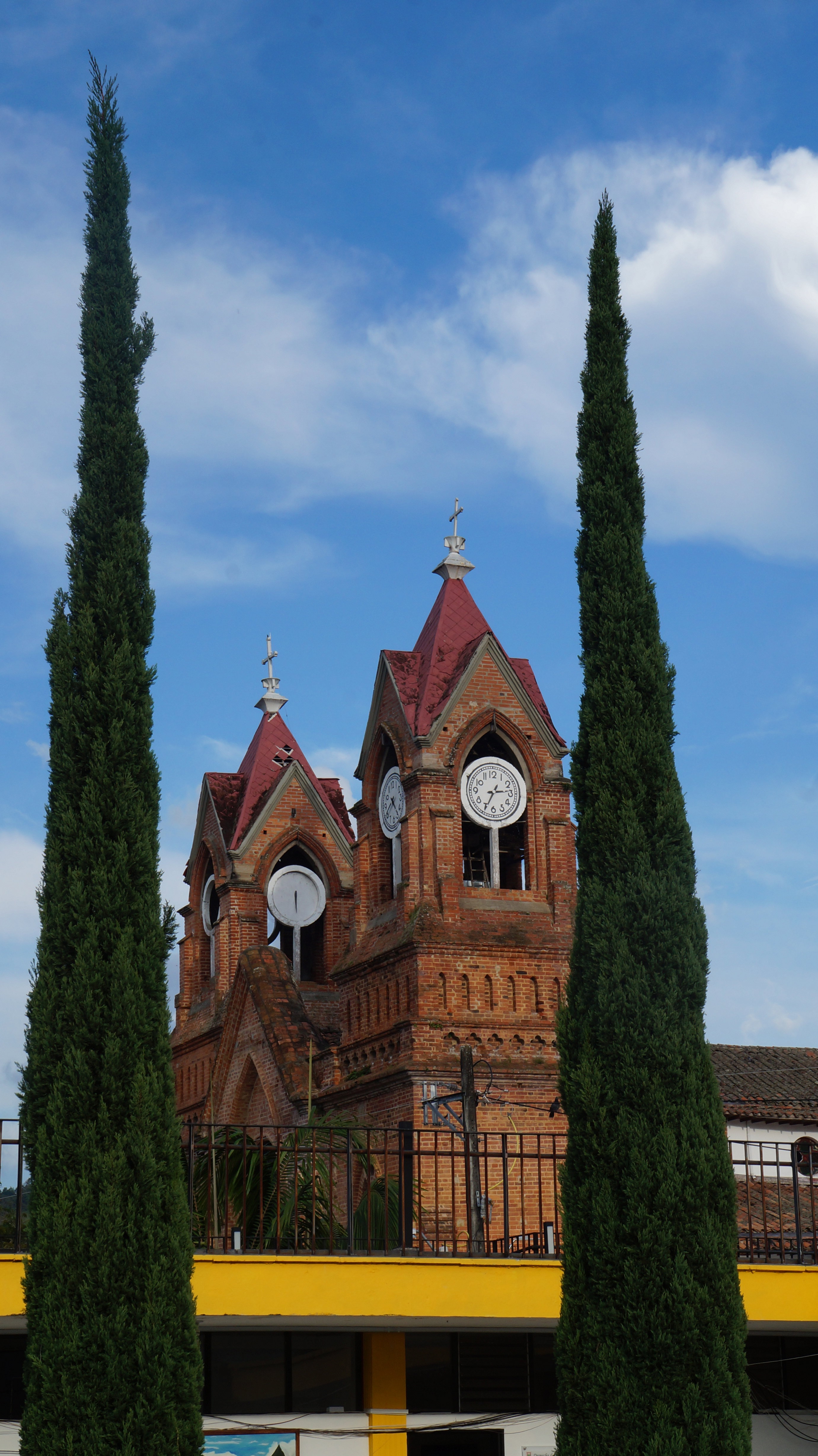
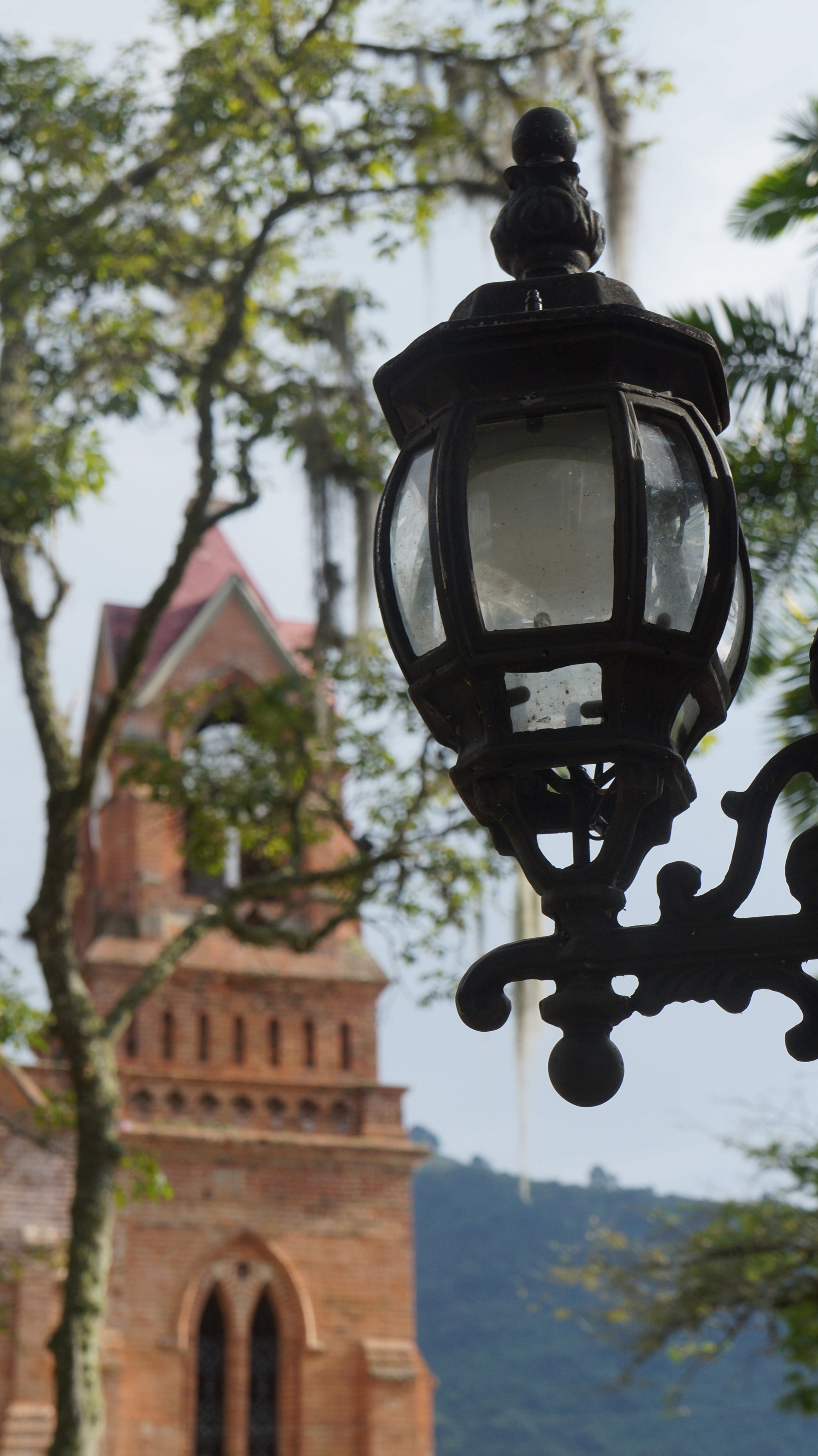
The Church of San José Venecia - Antioquia The Church of San José Venecia - Antioquia The Church of San José is a Colombian temple of Catholic worship under the invocation of San José, it is located in the main park of the municipality of Venecia (Antioquia), and belongs to the ecclesiastical jurisdiction of the Diocese of Caldas. It is about a neo-Gothic church, built in solid brick with an English lock, considered, after the Cathedral of Medellín, as the largest of this material in Antioquia. Its floor plan is a Latin cross, with three naves and two towers, as well as a facade with open rose windows. Among the interior ornaments, the main altar and the Via Crucis made of Italian marble stand out, as well as the stained glass windows with images of saints and biblical passages. The first Venetian church was a small chapel built between 1902 and 1906, it was consecrated to Our Lady of Solitude and it was located where the police command currently operates, on the north side of the park. On August 22, 1914, Fr. Jesús Antonio Duque Rivas obtained from the Archbishop of Medellín the change of the parish's name to that of San José de Venecia, which it currently has, leaving San José as patron. Due to the population increase of the municipality, it was necessary to have a new temple capable of housing the growing population, for which the construction of a new temple began, whose first stone was placed on March 19, 1918, located at the entrance to the sacristy, on one side of the right column; It was inaugurated twenty years later, on March 19, 1938. Its construction was directed by Salvador Ortiz, who participated in the construction of the Metropolitan Cathedral of Medellín. On December 24, 1963, the clock was installed in one of the towers of the temple, right in some circular forms that had been left for this purpose. Said clock had been ordered to be built in 1936 in the municipality of Bello by Father Ramírez and cost 2,500.00 pesos. In 1946, it turned out that the bells were not to the liking of the Levites, as they considered them not very powerful, which is why they were exchanged for larger ones, with a supposed greater sound capacity; When they were ready to function, the community gathered in front of the temple on the day of its inauguration, they recommended that they cover their ears because they could suffer from the powerful sound; But the surprise of the people was that the happy bells were not as powerful as they claimed, and that the ones they removed were much superior to the new ones. If you like my work, subscribe to my channel,like my articles and comment,so you will support my work to continue improving every day more.
+3 more
@rastamilophoto
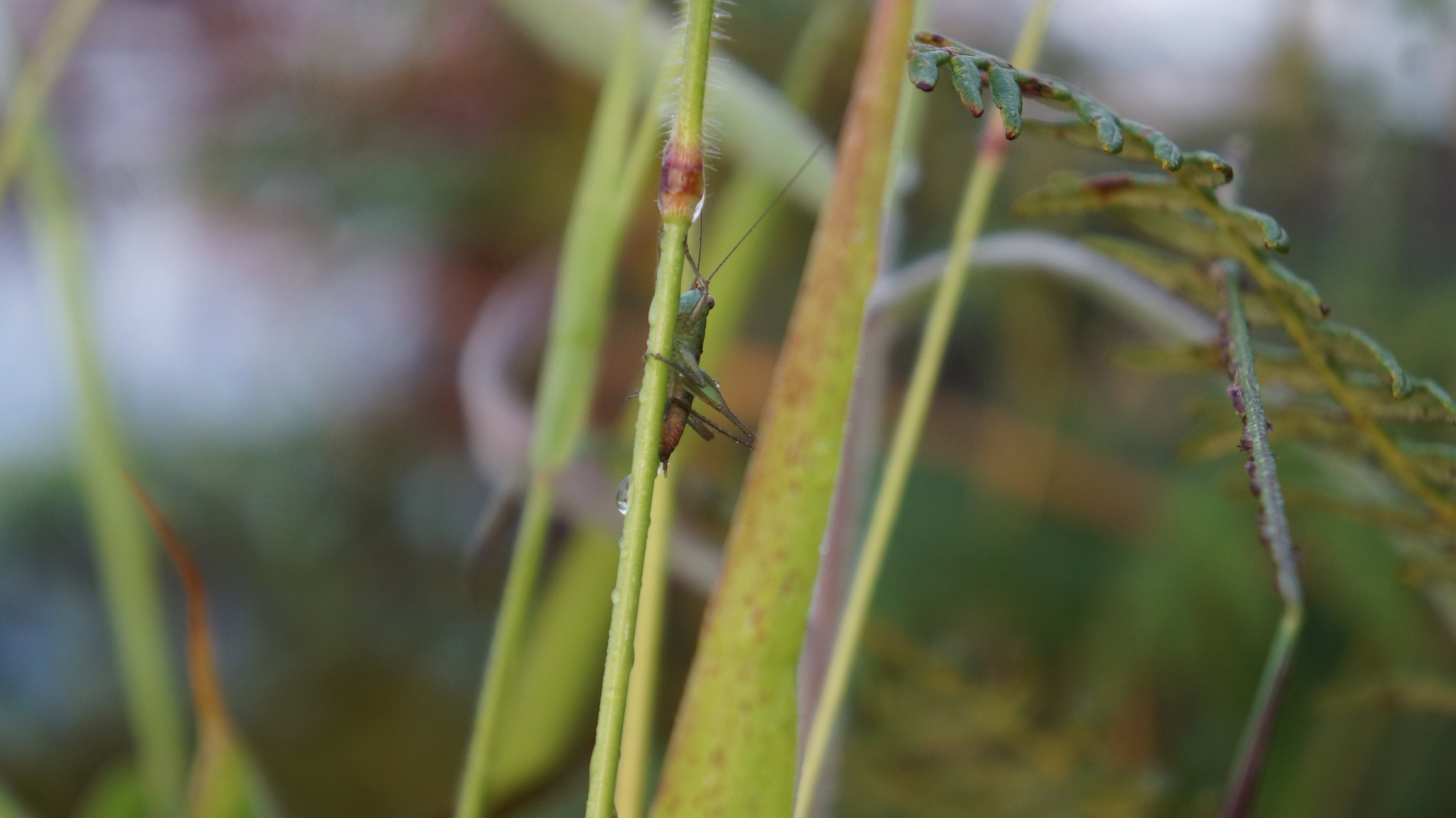
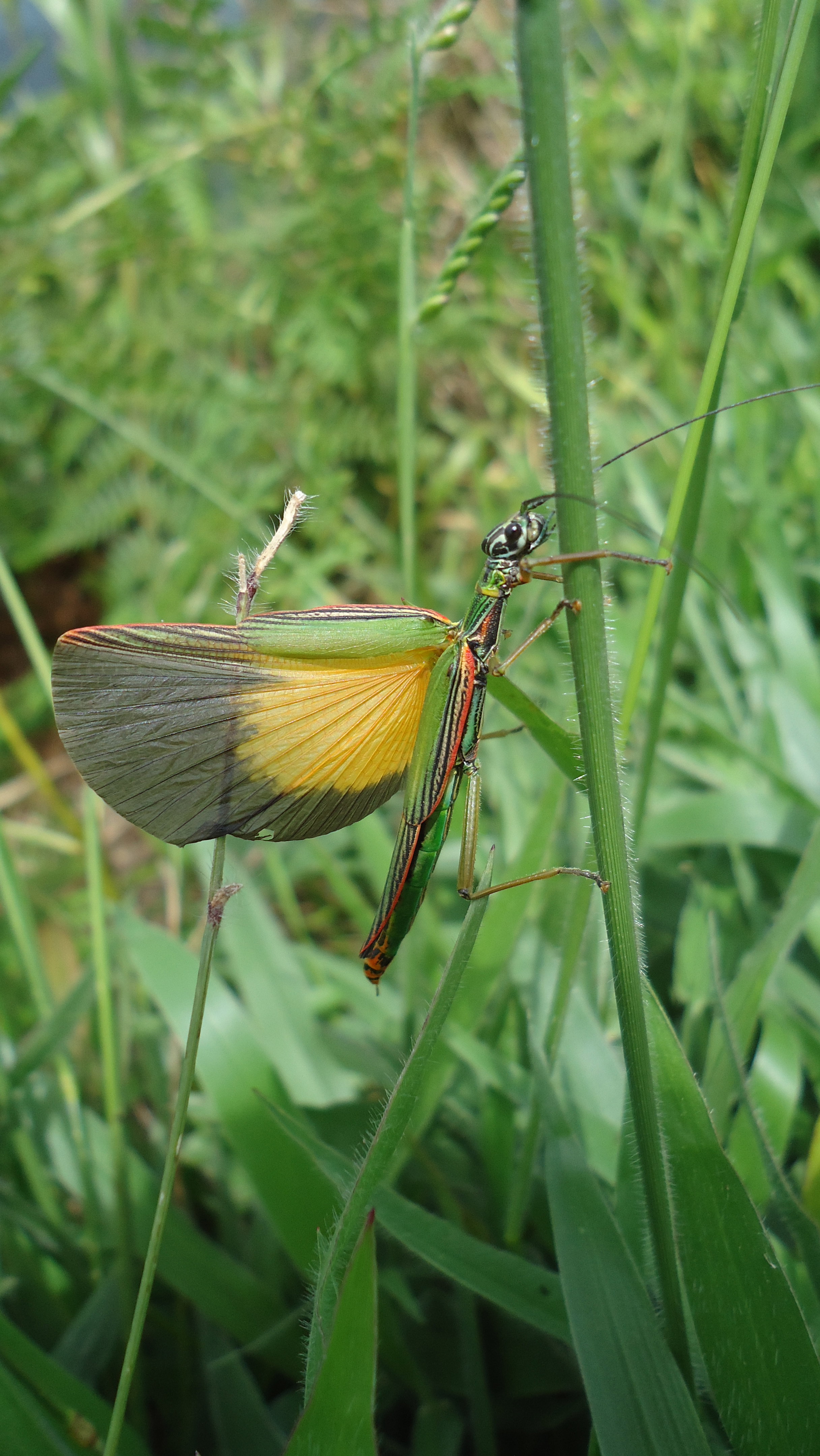
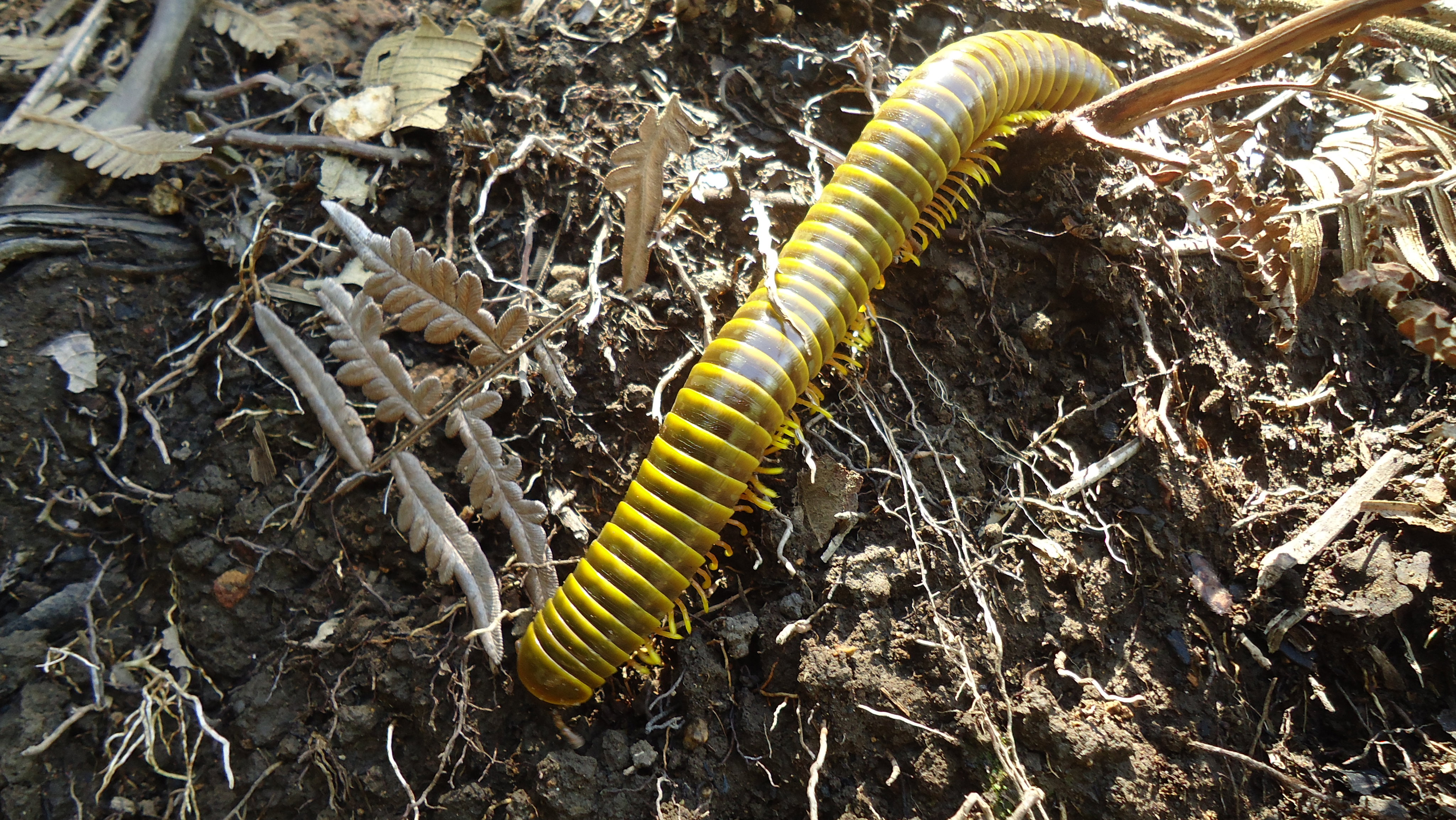
a day in nature. A day in nature a normal and everyday moment, but an example of the miracle and the different beauties that nature has. its shapes and colors are wonderful. If you like my work, subscribe to my channel,like my articles and comment,so you will support my work to continue improving every day more. comment, what do you think of these animals?
+2 more
@rastamilophoto
Do you think about the beauty of Colombian women?
@rastamilophoto
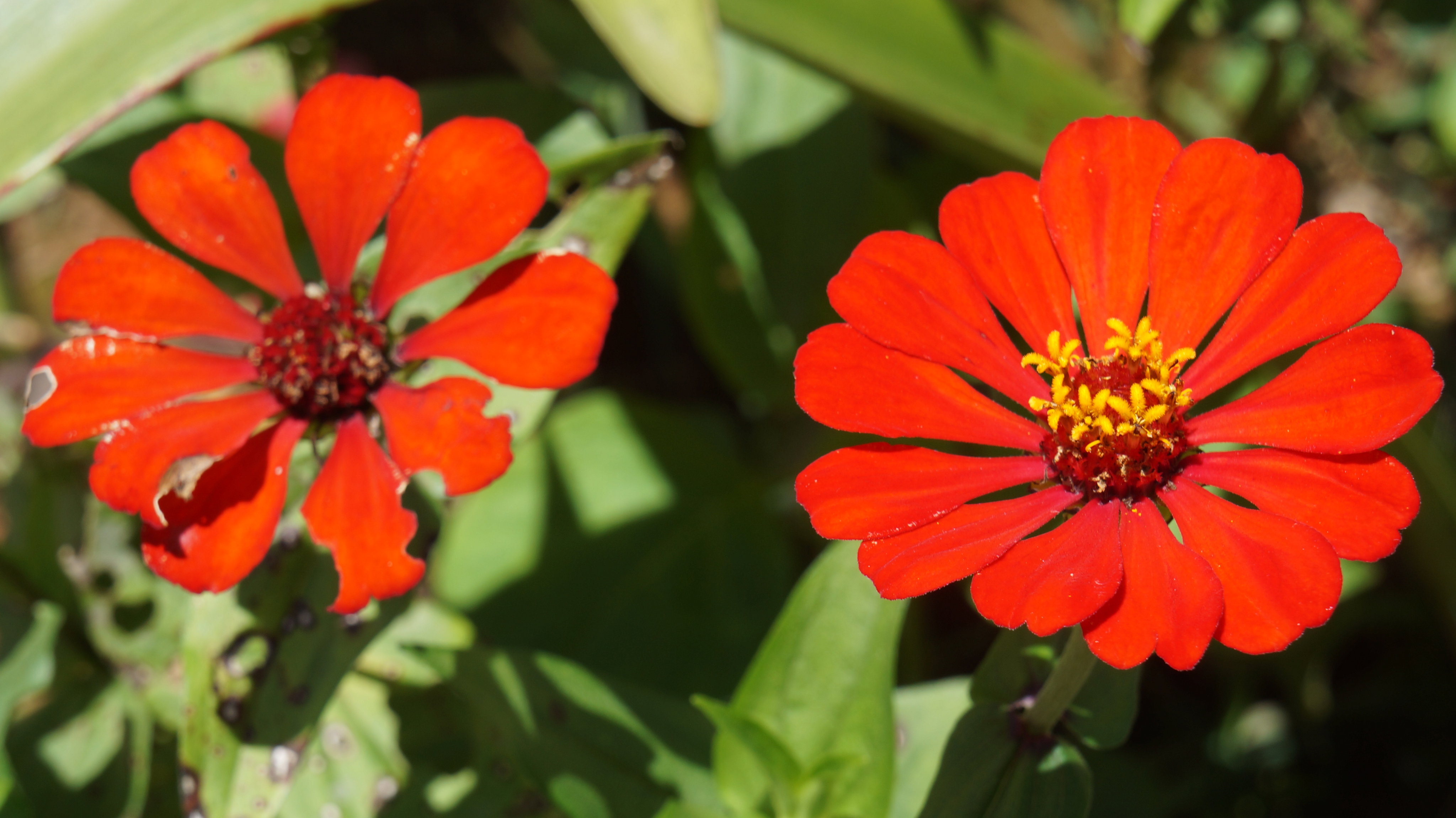
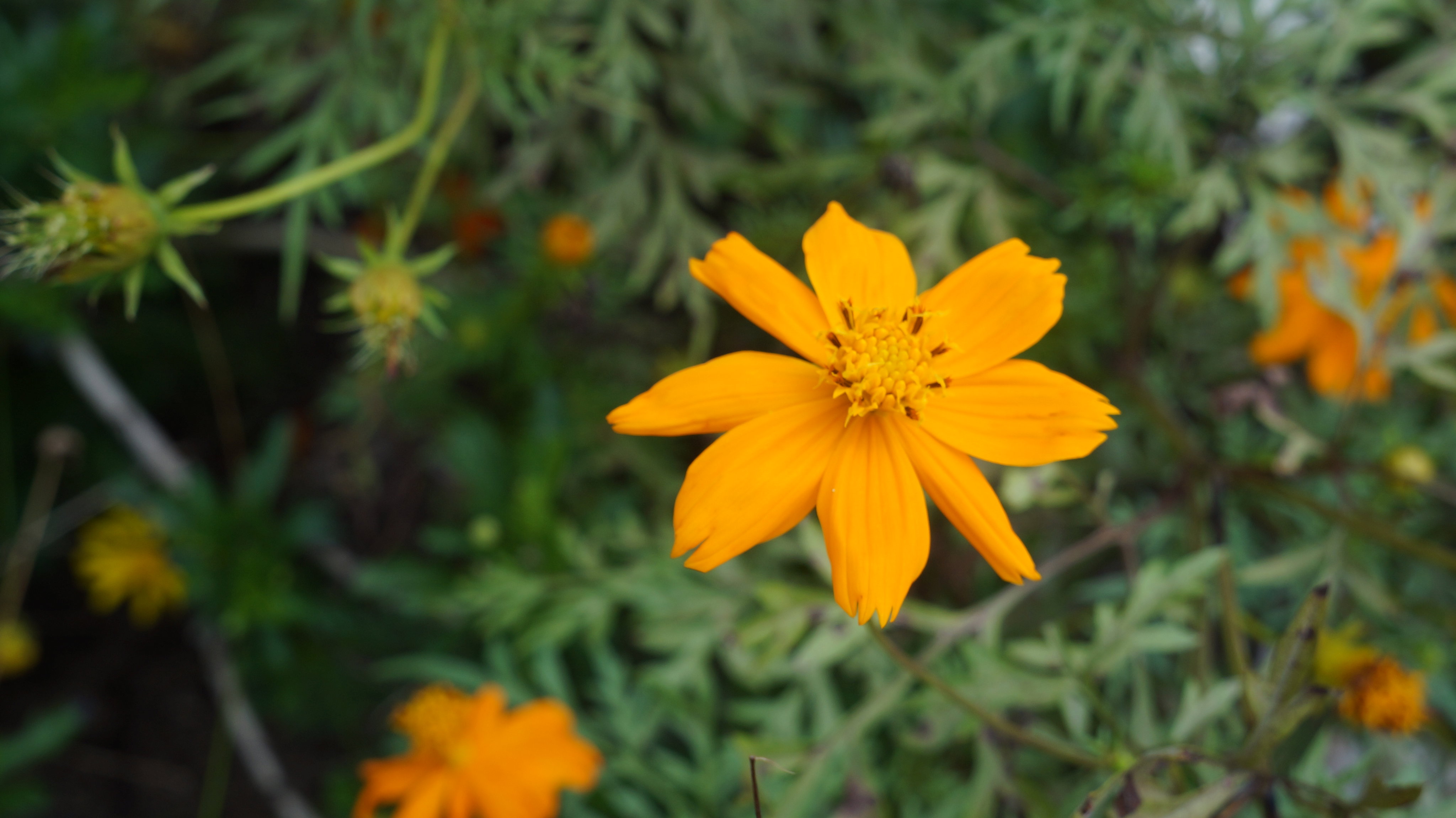
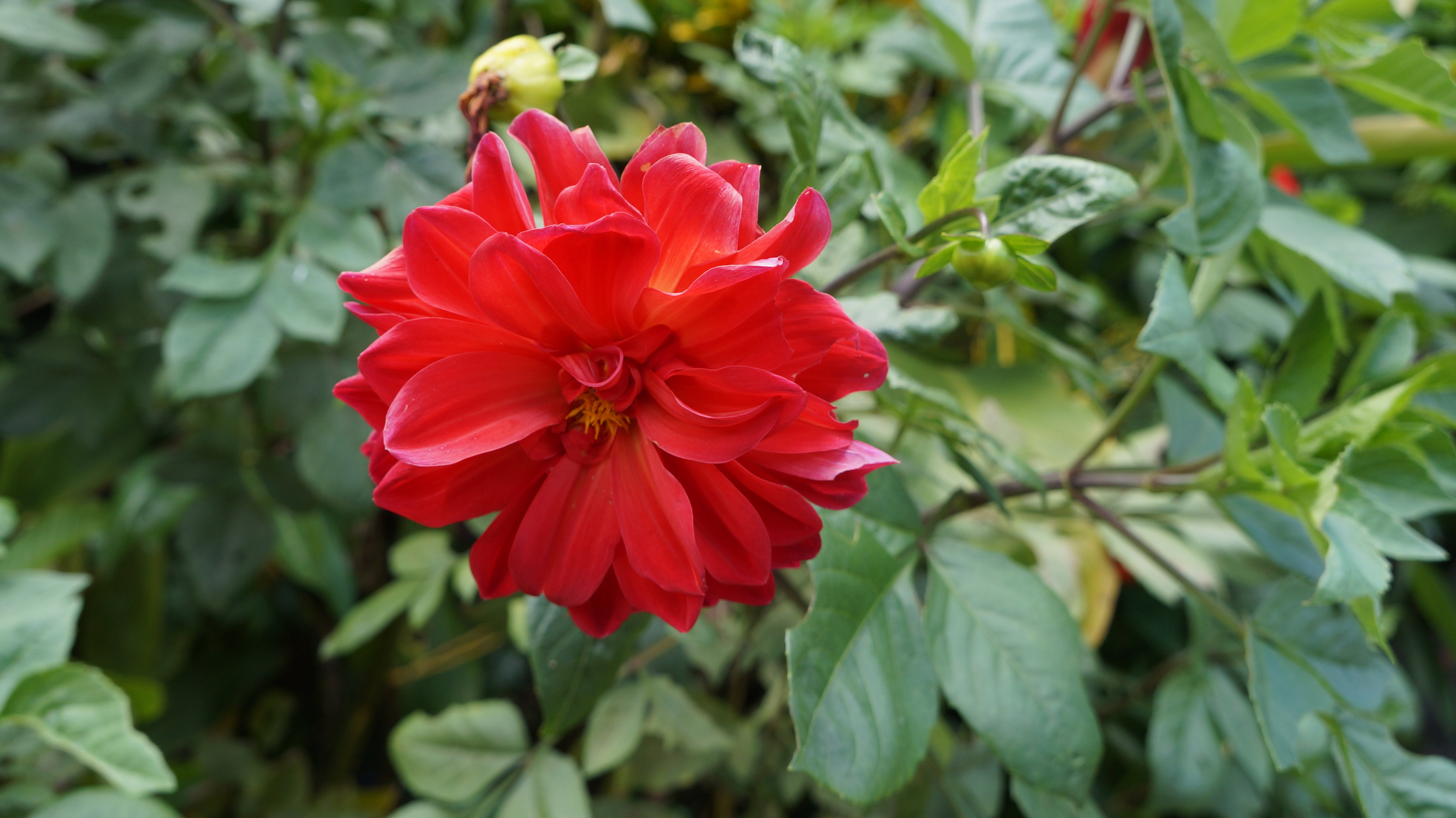
The colors of the flowers the colors of the flowers are wonderful, their tonalities are exotic and very varied. The colors of the flowers give life and a magical beauty to our days. the colors of the flowers paint the cement and turn it into landscapes, to brighten the eye. the colors of the flowers are the living rainbow. the colors of the flowers wonder. the colors of the flowers passion. the colors of the flowers paint my days gray. the colors of the flowers are miracle in a rose. the colors of the flowers the work of God. the colors of the magic flowers. the colors of the flowers comment how much you like them. the colors of flowers the love of nature. If you like my work, subscribe to my channel,like my articles and comment,so you will support my work to continue improving every day more.
+10 more
@rastamilophoto
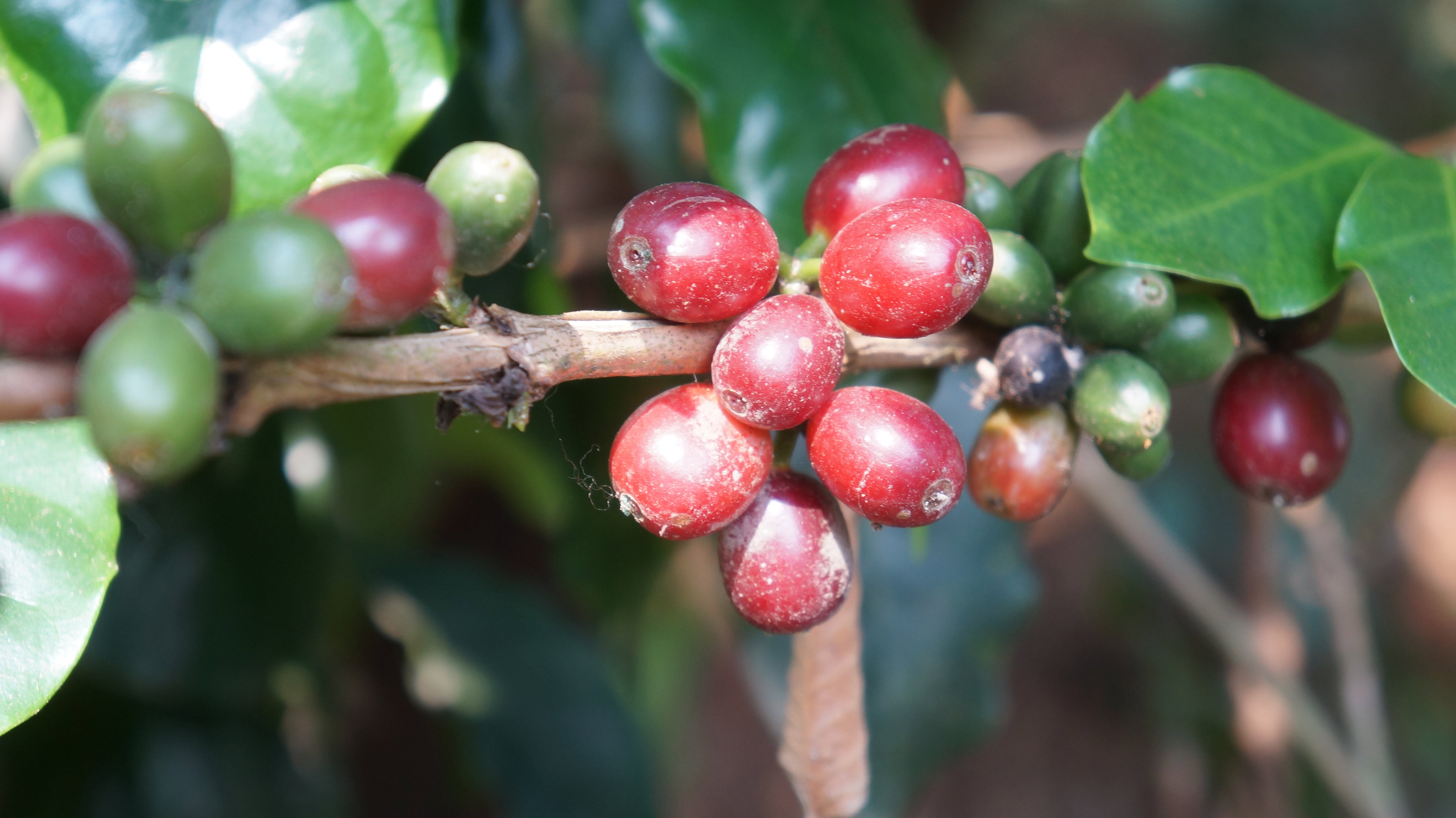
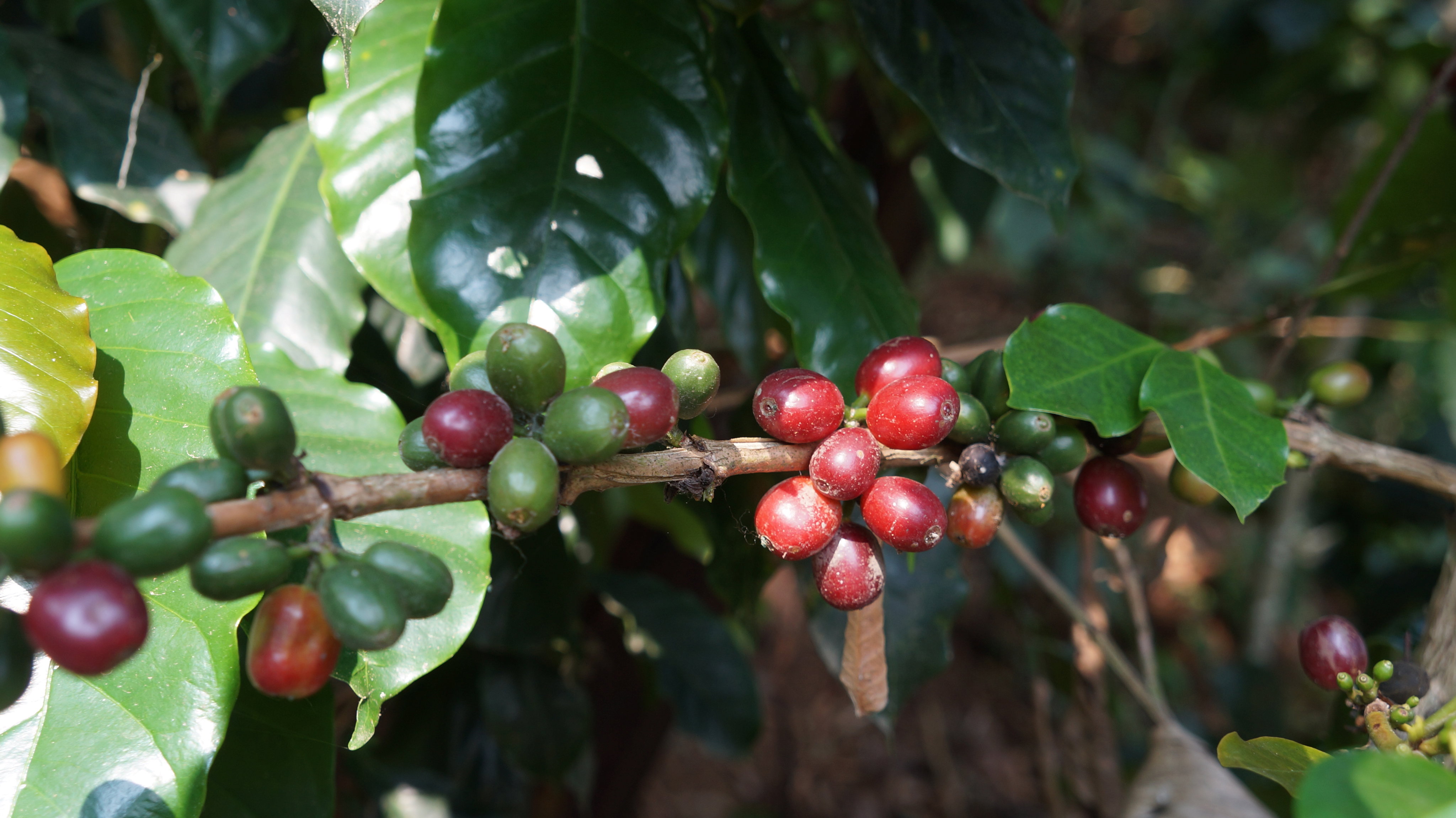
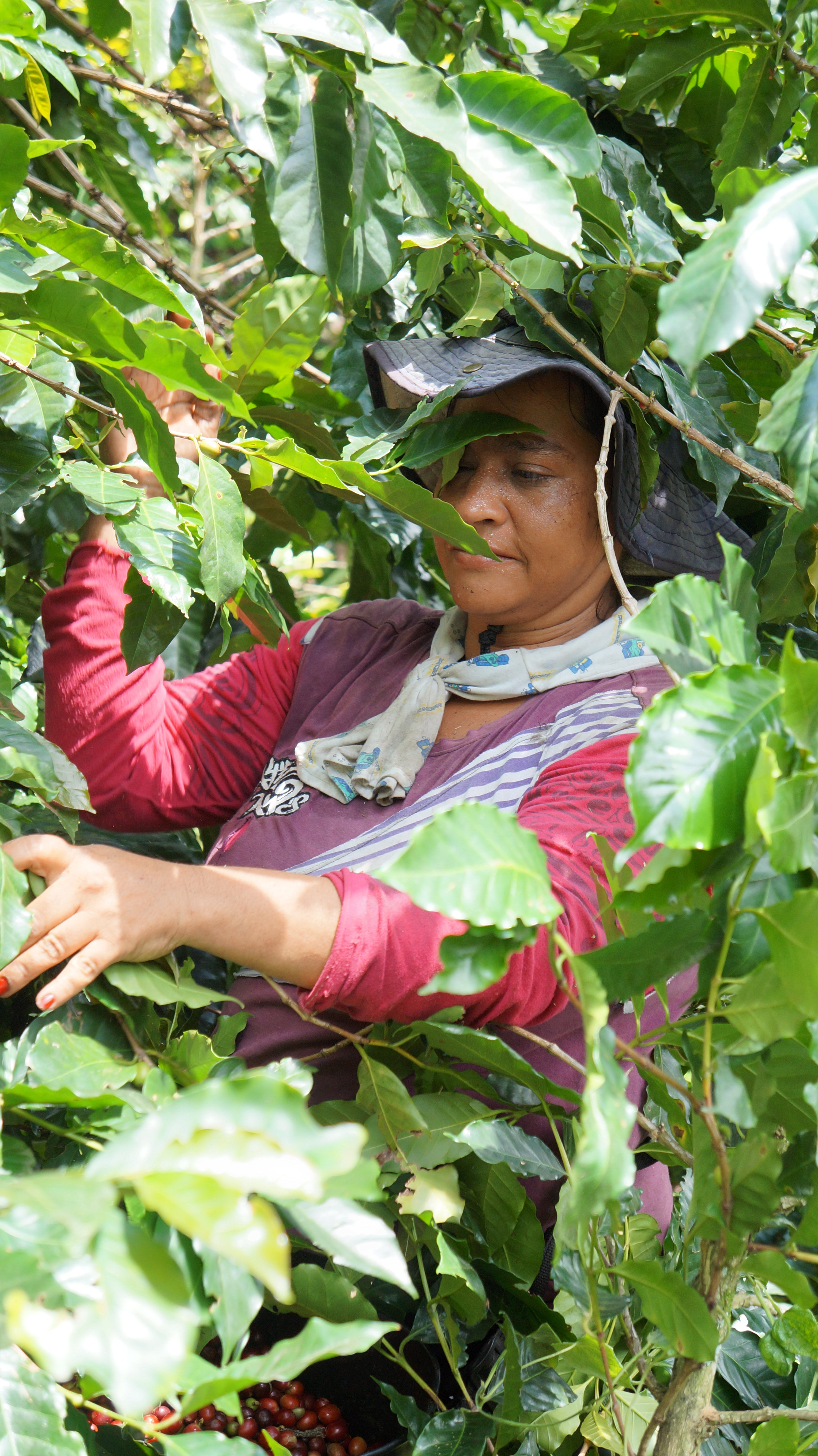
Coffee. Coffee is the drink that is obtained from the roasted and ground grains of the fruits of the coffee plant (coffee tree); it is highly stimulating due to its caffeine content, a psychoactive substance. This product is one of the most commercialized in the world and one of the three most consumed beverages in the world (along with water and tea). If you like my work, subscribe to my channel,like my articles and comment,so you will support my work to continue improving every day more. comment, do you like coffee? how delicious it is is coffee from colombia.
+2 more