 @otto-levin
more from that month
@otto-levin
more from that month
Elon Musk is Poisoning Memphis in the Name of AI Progress? In Memphis, a city striving for economic revival, Elon Musk's xAI data center, housing the Colossus supercomputer, is hailed as a technological marvel but accused of poisoning the air with unchecked pollution. As residents protest and environmentalists sound alarms, local leaders tout economic gains, leaving Memphis at a crossroads. A Community Under Siege The xAI data center, located at 3231 Paul R. Lowry Road in South Memphis, relies on 35 methane gas turbines to power its operations. These turbines, capable of generating enough electricity for 280,000 homes, emit an estimated 1,200 to 2,000 tons of nitrogen oxides (NOx) annually, making xAI one of Shelby County's largest polluters. This is particularly alarming in an area already plagued by unhealthy air quality, where over 90% of residents are Black and asthma hospitalization rates lead Tennessee.
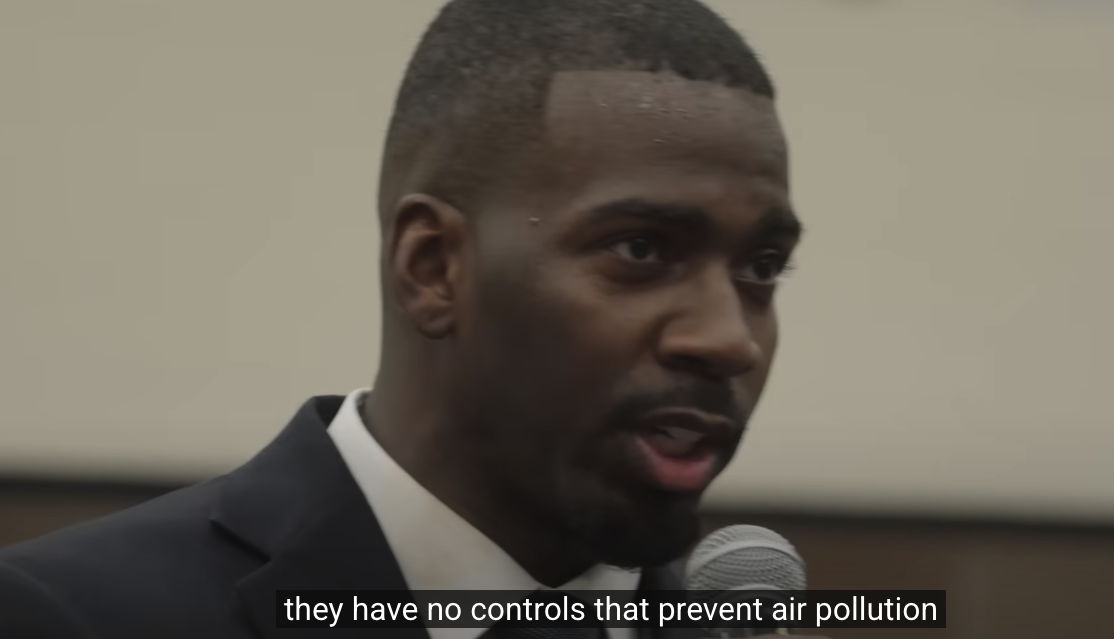
"This is a clear case of environmental injustice," declares KeShaun Pearson of the Memphis Community Against Pollution. "Our communities, already burdened with health disparities, are being sacrificed for technological advancement." At public hearings, residents have brandished inhalers and oxygen tanks, testifying to exacerbated respiratory conditions. Pollution Without Oversight Environmental groups have escalated concerns. The Southern Environmental Law Center, using satellite imagery, revealed that 33 turbines are operational, contradicting Mayor Paul Young's claim that only 15 are in use. "xAI is flouting environmental regulations, endangering public health without accountability," says Amanda Garcia, a senior attorney at the center. Bruce Buckheit, former EPA air enforcement director, asserts, "These turbines should be classified as stationary sources and require permits. This is a violation of the Clean Air Act." The turbines, each potentially 16 MW, operate without Clean Air Act permits, exploiting a loophole for mobile sources meant for temporary use. Calculations by environmental groups, reviewed by POLITICO's E&E News, show xAI's NOx emissions surpass those of a nearby gas-fired power plant and an oil refinery. xAI's Rebuttal and Economic Allure xAI defends its operations, claiming the turbines are temporary and equipped with cleaner technology. The company has applied for permits for 15 turbines and plans to retrofit them with selective catalytic reduction to limit NOx emissions to 2 parts per million. Additionally, xAI is investing $78 million in a wastewater treatment plant to recycle up to 10.4 million gallons daily, signaling environmental responsibility.

Local officials highlight economic benefits. The project has created 20 jobs, with plans for 320 more, and attracted interest from tech giants like Nvidia and Dell. "xAI is positioning Memphis as a leader in high-tech innovation," states a spokesperson for the Greater Memphis Chamber of Commerce. A 21-year lease agreement with tax incentives further sweetens the deal, with xAI's affiliate, CTC Property LLC, securing 522 acres for future expansion. A City Divided The controversy deepened with anonymous fliers, dubbed "Facts Over Fiction," claiming the turbines protect air quality. These have fueled mistrust, especially in historically Black neighborhoods. The Tennessee Valley Authority approved 150 MW of grid power for xAI, but the turbines were necessary due to initial grid limitations. Plans for new substations by early 2025 aim to reduce turbine reliance, yet community skepticism persists. "We're paying out money, but what are they giving us? Empty promises," a resident told NPR. As Memphis grapples with this dichotomy, the question looms: Can the city embrace technological progress without compromising the health of its residents? The answer may shape not only Memphis's future but also the ethical boundaries of AI development.
No comments yet