 @n00b
@n00b
A Tale of Two Cities (part 1)
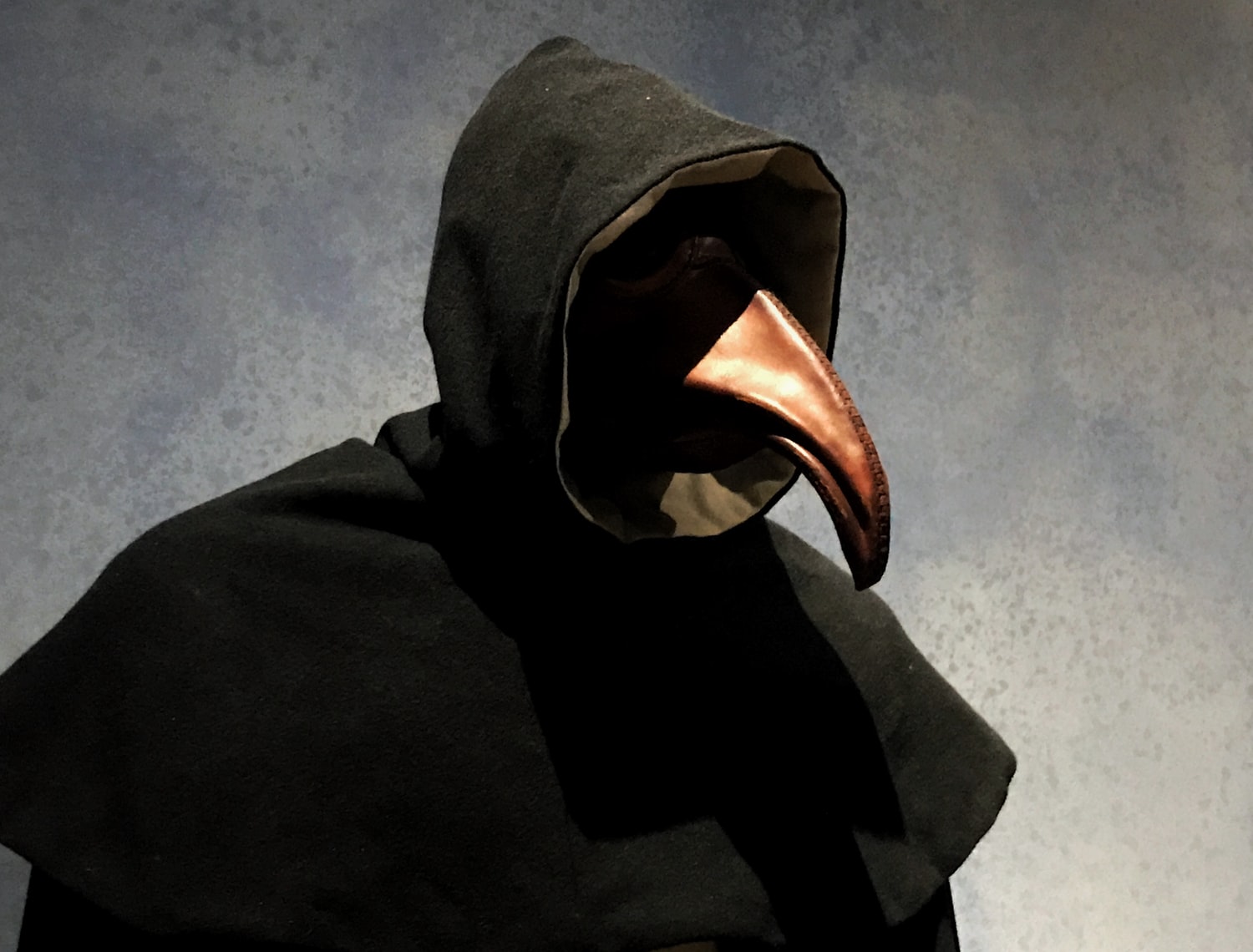
*Two cities, both alike in dignity, In fair Ancapistan, where we lay our scene, From ancient grudge break to new mutiny, Where civil blood makes civil hands unclean.* Vaxville The citizens of *Vaxville* pride themselves above all upon their *responsibility*. This is their highest virtue. Whither their actions, through either first or second order effects, lead to the misfortune, or gods forbid, *death* of a fellow *Vaxvillian* is of the highest concern to these noble citizens. They consider their statistical longevity to be testament to their enlightened values. Moshpitia While the *Moshpitians* are by no means to be considered irresponsible, they pride themselves instead upon their *freedom*. To impinge upon the *freedom* of another *Moshpitian* is an unthinkable act, from which can only result the greatest of shame. While this can sometimes lead to a slightly decreased lifespan compared to their neighbouring *Vaxvillians*, this is generally agreed to be a price well worth paying for their unrestricted lifestyles. Act 1 Despite their differing philosophies, the two cities have historically been at peace. Not only this, mutual trade has led to the prosperity of both. But alas, a great plague has risen in the land, infecting both citizens of *Vaxville* and *Moshpitia*. While neither city is in any doubt as to the virulence of the plague, their respective responses reflect the differing philosophies of our two cities. The *Vaxvillians* response was decisive. Lockdown was imposed to stop transmission of the plague. Citizens who needed to leave their abodes to seek sustenance were required to wear beak masks, which, according to *Vaxvillian* scholars may slightly decrease transmission of the plague. This, the responsible citizens of *Vaxvillia* proudly did. Some even double-beaked for added protection. While they were afraid, the *Vaxvillians* held out hope that soon *new medicines* would be developed to combat the plague. This thought gave the *Vaxvillians* comfort in the dark times. Meanwhile, in *Moshpitia*, the response was somewhat *different*. Well actually, compared to normal life in *Moshpitia*, it was *not* that different at all. Life, for the most part, carried on *as normal*. There were some casualties to the plague, mainly among the old and infirm, but once this was understood then it was mostly *only* these citizens that took precautions. For the majority, life in *Moshpitia* carried on. As time went by, the plague ebbed and flowed. Both *Moshpitia* and *Vaxvillians* mourned their dead, and looked forward to the end of the plague. It was however at this point that relations between the two cities began to sour. The *Vaxvillians* objected to what they saw as the *Moshpitians* ‘reckless’ behaviour. Infections in good *Vaxvillian* grandmothers could arguably be traced back to *un-beaked* Moshpitian merchants. What was worse, these *Moshpitians* seemed in no way inclined to take this fact seriously. They seemed to continue about their lives as if there was no plague at all! The *Moshpitians* had grievances too. Not only were the *Vaxvillians* on the point of suspending all trade between the two cities, there was even rumour of *Vaxvillian* conspiracies to put up a wall around these ’reckless plague-spreading *Moshpitians*’ to trap them in their city, or worse, force medicines upon them without consent (‘consent’ being sacred to the *Moshpitians*). Thus, generations of peace and prosperity were on the brink of ruin. Not because of the plague itself, but because of philosophical differences. To be continued…

No comments yet