Understanding the World of Bitcoin
Bitcoin is a digital currency which was first launched in January of 2009. It is based on ideas presented in a whitepaper by the enigmatic and pseudonymous Satoshi Nakamoto. The name of the individual or individuals who invented the invention is still unknown. Bitcoin, unlike government-issued currencies, offers smaller exchange costs than conventional online payment mechanisms.
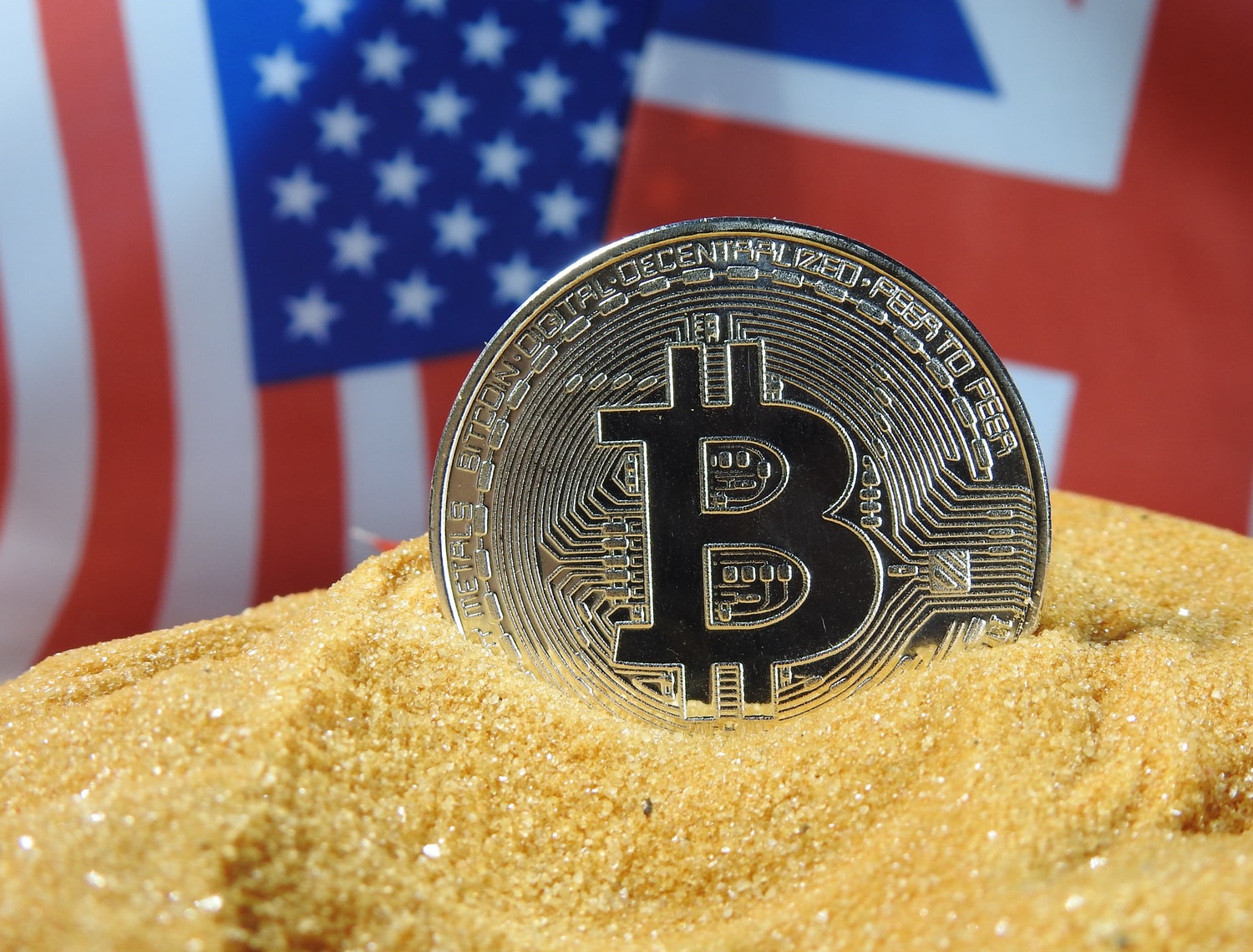
Cryptocurrencies, such as Bitcoin, are a form of digital money. There are no actual bitcoins; instead, balances are stored on a public ledger where anyone can see. A vast amount of computational power is used to verify all bitcoin transactions. Individual bitcoins are not useful as commodities since they are not distributed or guaranteed by any banks or governments. Despite the fact that it is not legal tender, Bitcoin is very famous. The bitcoin infrastructure consists of a network of computers (also known as "nodes" or "miners") that run bitcoin's code and store its blockchain. A blockchain can be thought of as a series of blocks metaphorically. Each block contains a set of transactions. No one can cheat the mechanism because all machines running the network have the same set of blocks and transactions and can see all new blocks being loaded with new bitcoin transactions transparently.
No comments yet