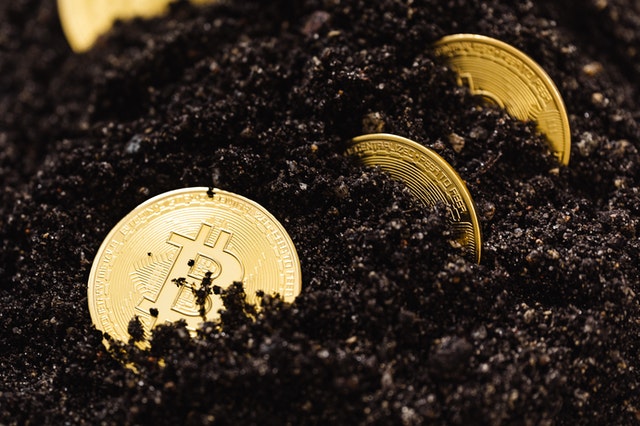
Double spending on BTC? Beware of FUD
BTC is having the steepest pullback since its dizzying rise from $10,000. This was triggered yesterday due to several factors that occurred on Wednesday, January 20, such as the transition of the U.S. presidency. However, already today it is clear that the trigger for this correction has been the news of alleged double spending on the BTC blockchain by the BitMex Research news. https://es.cointelegraph.com/news/bitcoin-double-spend-spotted-in-the-wild
Said information has already been denied, since, precisely the success of Bitcoin and the Blockchain has been that it has posed the most certain solution so far, to avoid double-spending in digital money. https://www.criptonoticias.com/comunidad/doble-gasto-detectado-bitcoin-andreas-antonopoulos-dice-no/
The reason for this is that the blockchain is a decentralized system, in which, in addition, there are rules and algorithms that make any type of fraudulent activity very difficult. What most likely happened with the news reported by BitMex is that it was a minor error in the blockchain software, which is also something that - for now - is one of the Achilles Heel of this new technology, but it is nothing serious.
From here it is easy to deduce that what has caused the news of BitMex has been a totally irresponsible act, which several analysts have already concluded that it has been with total intentionality to generate fear, uncertainty, and doubt (FUD) to those who have investments in BTC, sell their assets and then they have better opportunities to buy.
Proof of this is that smart money is still investing in Bitcoin: Greyscale, for example, bought back a good amount, Bitcoins are going out and not coming into the exchanges from the whales, etc.
Let this be a lesson to be careful with that news that wants to generate anxiety in the population, in order to have a clearer path to achieve their goals. And above all, an experience to reinforce what has repeated over and over again in the cryptographic world: do your own research.
Mi primer amor
Todos hemos tenido un primer amor en nuestras vidas, aún de pequeños ese hermoso sentimiento se despierta en nosotros de diversas maneras, ya sea con nuestras padres o con alguna otra persona. Lo cierto es que es una experiencia maravillosa e incluso esencial para el correcto e integral desarrollo del ser humano.
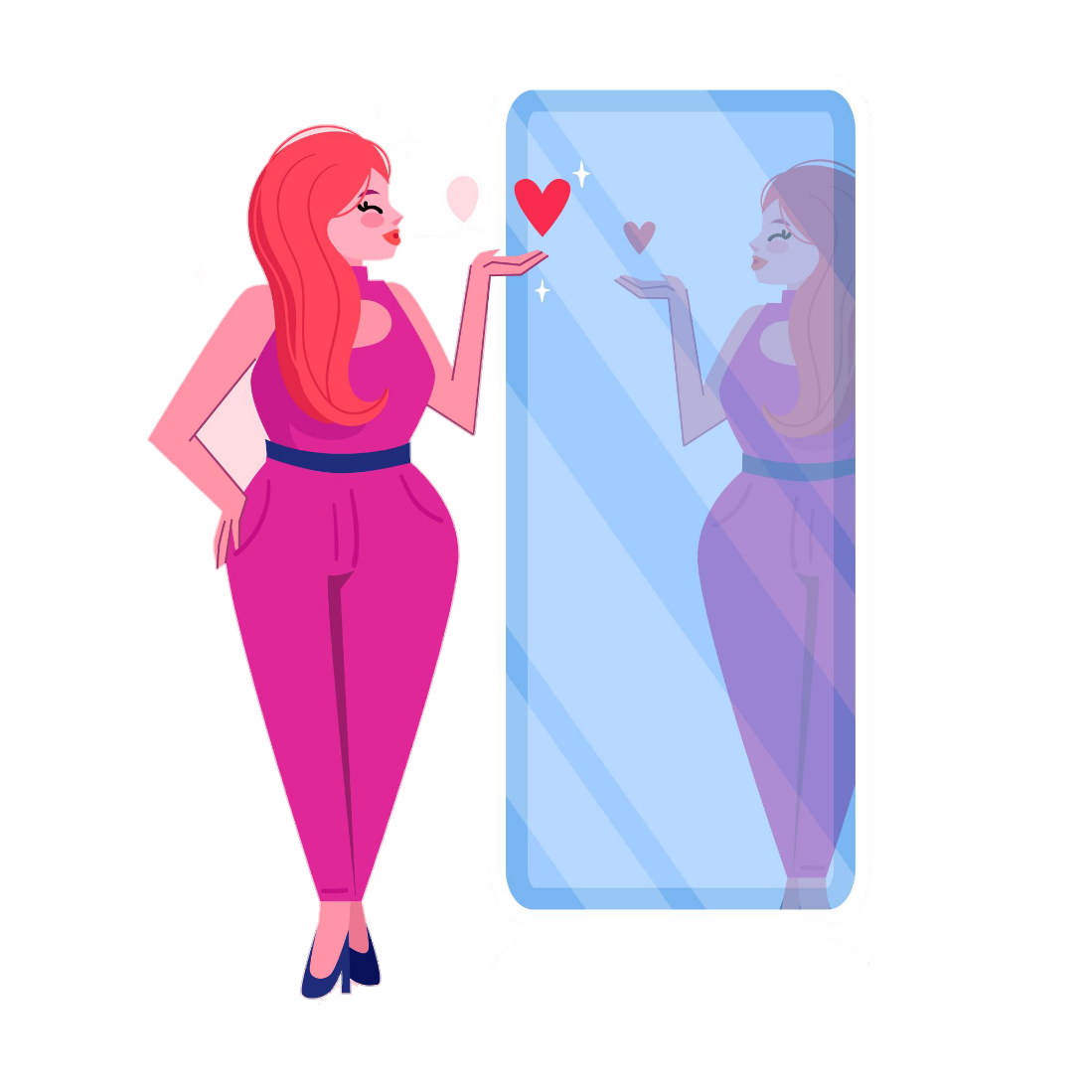
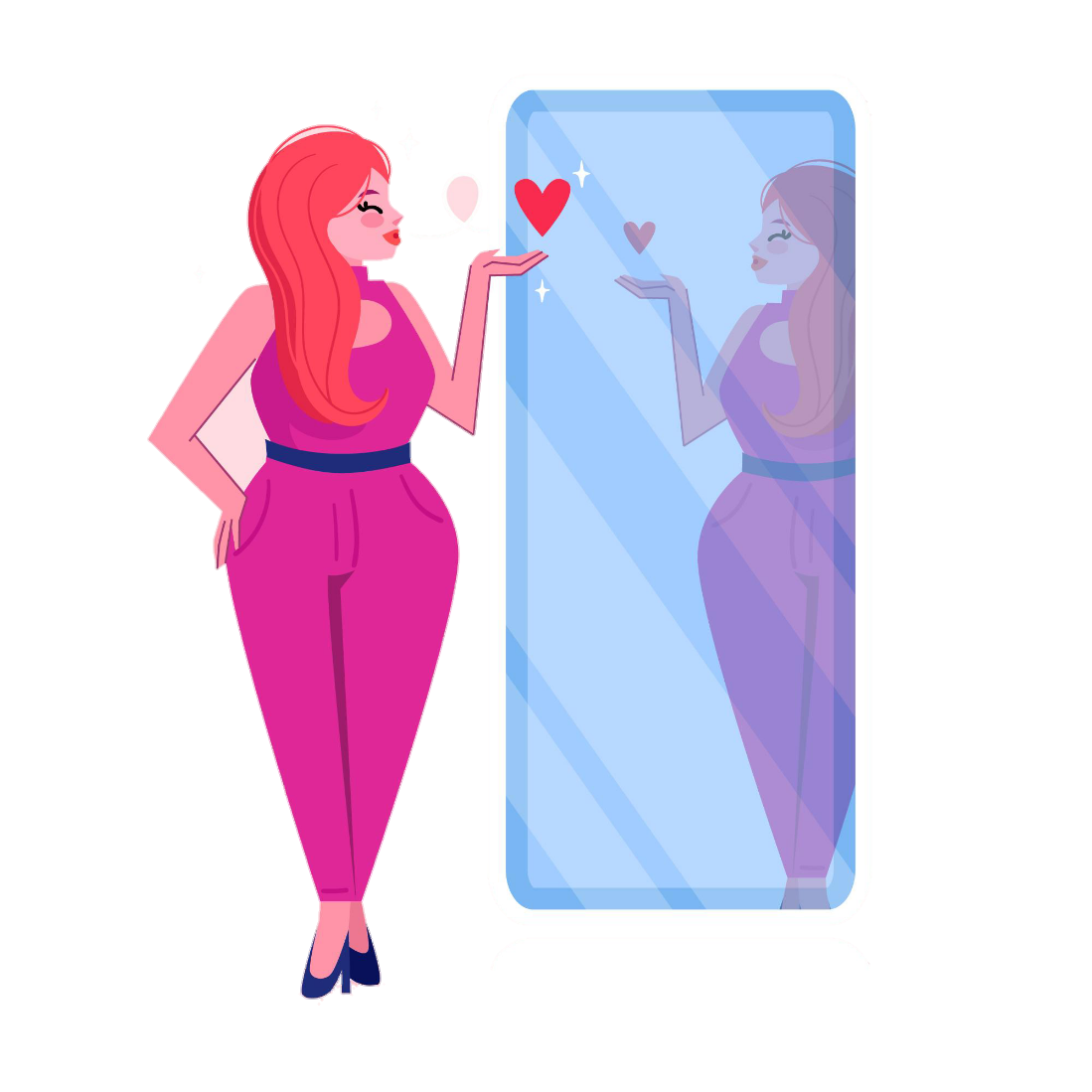
Precisamente por eso quiero tocar este tema, ahora bien desde una perspectiva más profunda, la cual es que el primer amor siempre deberíamos ser nosotros mismos, ya que si realmente buscamos un crecimiento personal, éste vendría a ser su base.
Por eso, es importante la educación recibida desde pequeños en este sentido. Que aprendamos a valorarnos, no por lo que tenemos sino por lo que somos. Que aprendamos que no somos perfectos pero sí somos una obra maestra de la creación. Que aprendamos a reconocer nuestros defectos pero también que resaltemos nuestras cualidades y talentos.
Como todo amor verdadero, cuya llama se busca mantener viva cada día, lo mismo y con más razón debemos hacerlo con nuestro primer amor. Así podremos tener siempre una buena autoestima y los grandes beneficios que de ella se derivan.
Además, este primer amor siempre debe estar fuerte en nosotros, pues, si nosotros no nos amamos, difícilmente podremos lograr conquistar algún otro amor. Más aún, he conocido personas que por no amarse a sí mismas, no aceptan ningúna muestra de cariño y afecto que venga de los demás.
De la mismas manera, debemos amarnos para poder amar, pues, si no es así no encontraremos nada en nosotros para poder compartir, lo consideramos siempre como algo que no tiene valor.

My first love
We have all had a first love in our lives, even when we were little that beautiful feeling awakens in us in different ways, either with our parents or with someone else. The truth is that it is a wonderful experience and even essential for the correct and integral development of the human being.
Precisely for this reason I want to touch this subject, now from a deeper perspective, which is that the first love should always be ourselves, because if we really seek personal growth, this would be its basis.
Therefore, it is important the education received from an early age in this sense. That we learn to value ourselves, not for what we have but for what we are. That we learn that we are not perfect but we are a masterpiece of creation. May we learn to recognize our defects but also to highlight our qualities and talents.
Like all true love, whose flame we try to keep alive every day, we should do the same and even more so with our first love. This way we can always have a good self-esteem and the great benefits that derive from it.
Besides, this first love must always be strong in us, because, if we do not love ourselves, we will hardly be able to conquer any other love. Moreover, I have known people who, because they do not love themselves, do not accept any token of affection and affection that comes from others.
In the same way, we must love ourselves to be able to love, otherwise we will not find anything in ourselves to share, we always consider it as something that has no value.

Millennials y futuro de las criptomonedas
La generación del Internet es conocida como generación millennials en cuanto somos todas aquellas personas que presenciamos los primeros pasos del nacimiento de esta grandiosa técnologia hasta llegar a las puertas del tercer milenio y preparando el camino para la generación Z o post-millennials.
Personalmente creo que el mayor auge de la criptomonedas será de provecho sobretodo para esta última generación a la cual he hecho referencia, incluso, a medida que pasen los años y vengan otras generaciones serán más evidentes y estarán más extendidos los beneficios de las mismas.
La razón de esto está en que todavía hoy, aún con el auge de las criptomonedas, las criptofinanzas son extrañas para muchos, aunado a esto toda la tecnología que subyace a esta nueva clase de dinero esta sólo en sus comienzos.
Esto quiere decir que será a medida que las nuevas generaciones vayan madurando y ocupando puestos importantes en la sociedad que su estilo de vida, marcado totalmente por lo digital, se vaya imponiendo.
Dentro de este mundo digital están las criptomonedas. Ahora bien, para su adopción va a ser también muy importante aquella generación que hemos experimentado el desarrollo y la evolución de estas nuevas tecnologías, pues, podemos convertirnos en ese puente que conecta lo antiguo con lo nuevo.
De allí, la importancia de educar a las generaciones actuales en el uso de las criptomonedas y apoyar a los que ya están inmersos en ella.


Millennials and the future of cryptocurrencies
The Internet generation is known as the millennials generation as we are all those people who witnessed the first steps of the birth of this great technology until reaching the gates of the third millennium and paving the way for generation Z or post-millennials.
I personally believe that the greatest boom of cryptocurrencies will be of benefit above all for this last generation to which I have made reference, even, as the years go by and other generations come, the benefits of cryptocurrencies will be more evident and widespread.
The reason for this is that even today, even with the rise of cryptocurrencies, cryptofinance is strange to many, and all the technology behind this new kind of money is still in its infancy.
This means that it will be as the new generations mature and occupy important positions in society that their lifestyle, marked entirely by the digital, will be imposed.
Cryptocurrencies are part of this digital world. However, the generation that has experienced the development and evolution of these new technologies will also be very important for their adoption, since we can become the bridge that connects the old with the new.
Hence, the importance of educating current generations in the use of cryptocurrencies and supporting those who are already immersed in it.


Religión, religiones y religiosos
A veces he escuchado que los temas de política y religión son muy controvertidos. Particularmente considero que no tiene que ser así. Me parece que lo primero que hace falta es una clarificación de términos, aquí me refiero al plano religioso.
En primer lugar, al hablar de religión nos referimos a esa relación que cada persona tiene con un Ser Superior, por eso, ésta es tan antigua como lo es el ser humano. Por otra parte, están las religiones, que son las diversas maneras en las cuáles el ser humano ha encontrado para vivir su religiosidad, por eso, todas se respetan en cuanto son decisiones, experiencias y caminos muy personales.
Ahora bien, tenemos un tercer término o categoría, los religiosos, que somos los seres humanos poniendo en práctica la religión que hemos elegido y es aquí donde pienso vienen los problemas, ya que hay personas que no son coherentes con las religiones que profesan.
Esto me parece muy importante porque generalmente cuando las personas no quieren nada con el acercamiento a una religión, o incluso a las religiones en general, es porque han tenido mala experiencia con los religiosos, como decía Ghandi, un gran hindú refiriéndose al cristianismo, "Admiro a Cristo, pero no me hago cristiano porque el testimonio de los cristianos que conozco no me convence".
Otro ejemplo es que cuando una religión te inculca como valor principal el amor a Dios, pero al final no amas ni sirves a tu prójimo. He allí cuando vienen las controversias. Es decir, en la mayor parte de los casos el problema no es con la religión sino con los religiosos que no practican lo que profesan.
Finalmente, este mundo es muy grande y hermoso para vivir en pugnas religiosas, ni en de ninguna clase, pues, al final lo más importante es la fraternidad que podamos crear por encima de cualquier diferencia, pues, tengo amigos muy religiosos y otros que, por "x" o "y", no lo son ni quieren saber nada de la religión, a ellos también los aprecio y de ellos también aprendo.

Religion, religions, religious
I have sometimes heard that the topics of politics and religion are very controversial. I particularly consider that it does not have to be this way. It seems to me that the first thing that is needed is a clarification of terms, here I am referring to the religious plane.
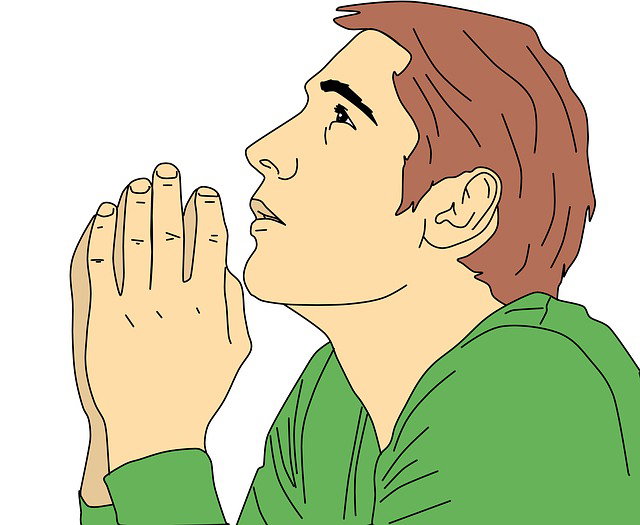
In the first place, when we speak of religion we are referring to the relationship that each person has with a Higher Being, which is why it is as old as human beings are. On the other hand, there are the religions, which are the different ways in which the human being has found to live his religiosity, therefore, all are respected as they are decisions, experiences and very personal ways.
Now, we have a third term or category, the religious, which are human beings putting into practice the religion we have chosen and it is here where I think the problems come, since there are people who are not consistent with the religions they profess.
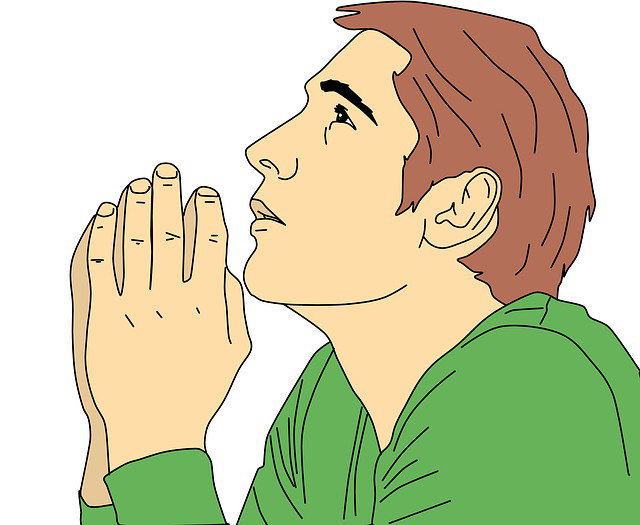
https://pixabay.com/images/id-1211709/
This seems very important to me because generally when people want nothing to do with approaching a religion, or even religions in general, it is because they have had a bad experience with the religious, as Ghandi, a great Hindu said referring to Christianity, "I admire Christ, but I do not become a Christian because the testimony of the Christians I know does not convince me".
Another example is when a religion instills in you the love of God as its main value, but in the end you do not love and serve your neighbor. That is when controversies arise. In other words, in most cases the problem is not with the religion but with the religious who do not practice what they profess.
Finally, this world is too big and beautiful to live in religious quarrels, nor in any kind, because, in the end, the most important thing is the fraternity that we can create above any difference, well, I have very religious friends and others who, for "x" or "y", are not and do not want to know anything about religion, I also appreciate them and I also learn from them.

¿Cuál es tu activo? ¿Cómo lo pones a producir?
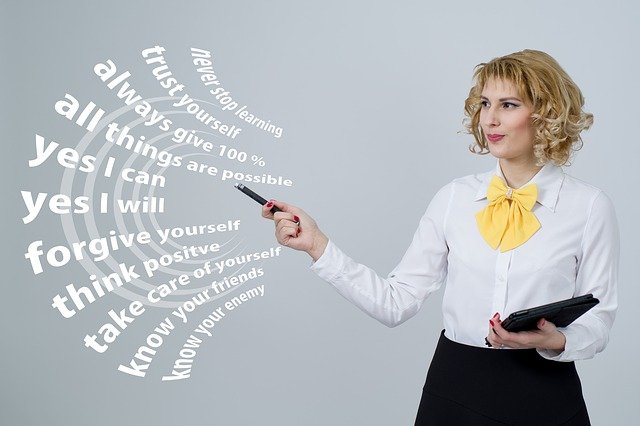
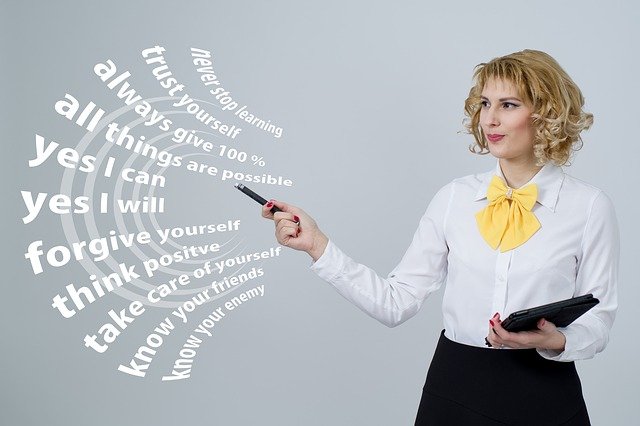
Las diversas cualidades y talentos que tenemos los seres humanos junto con nuestra imaginación, creatividad y motivación que podemos tener para salir adelante desde el punto de vista financiero me ha llevado a plantearme la siguiente reflexión sobre las posibilidad que podemos tener en nuestras manos para ser rentables en el tiempo.
La razón de esto es que cada uno de nosotros tiene una cualidad o más en la cual es muy bueno, y si no lo es así, se puede adquirir con educación y práctica. Por ejemplo: en la enseñanza, el comercio, el dibujo, la escritura, etc. El hecho es que deberíamos aprender a valernos de todo esto para aplicarlos a diversos campos, conexos entre sí.
Por ejemplo, un profesor puede dar clases en una institución pública pero además dar tutorías privadas. Otra persona puede tener muy buenas cualidades como dibujante y además de poner en venta sus cuadros también puede dedicarse a la enseñanza de artes plásticas.
Si unimos esto a la revolución de la Blockchain, las posibilidades se multiplican, ya que con ella se inaugura la web 3.0, donde se le reconoce valor a todo aquello que podamos compartir por internet: son los beneficios que obtenemos por interactuar en la blockchain y compartir información en ella.
Este tiempo de pandemia también ha sido muy beneficioso, pues, muchas personas - entre las que me incluyo - hemos visto más claro esta posibilidad. Así tenemos, por ejemplo, a los artistas que con el auge de los NFTs tienen la posibilidad de ampliar su radio de acción publicitaria en varios sitios Webs y monetizar al instante.
En mi caso, la cualidad o activo (como titulé este post, hablando en términos financieros) es mi escritura. Es algo que me encanta y saber que puedo monetizar por ella, además de la ayuda que puedo prestar, me mantiene motivado cada día.

What is your asset? How do you put it into production?
The diverse qualities and talents that we human beings have along with our imagination, creativity and motivation that we can have to get ahead from a financial point of view has led me to consider the following reflection on the possibilities that we can have in our hands to be profitable in time.
The reason for this is that each one of us has a quality or more in which we are very good, and if it is not so, it can be acquired with education and practice. For example: in teaching, commerce, drawing, writing, etc. The fact is that we should learn to use all of this to apply it to various fields, all of which are connected.
For example, a teacher can teach in a public institution but also give private tutoring. Another person can have very good qualities as a draftsman and besides selling his paintings he can also dedicate himself to teaching plastic arts.
If we add this to the revolution of the Blockchain, the possibilities are multiplied, since with it the web 3.0 is inaugurated, where we recognize the value of everything we can share on the internet: these are the benefits we obtain by interacting in the blockchain and sharing information in it.
This time of pandemic has also been very beneficial, as many people - including myself - have seen this possibility more clearly. We have, for example, artists who with the rise of NFTs have the possibility of expanding their advertising reach on various websites and instantly monetizing.
In my case, the quality or asset (as I titled this post, speaking in financial terms) is my writing. It's something I love and knowing that I can monetize through it, besides the help I can give, keeps me motivated every day.

Tiempo de florecer
Todo en la vida tiene su tiempo, la naturaleza misma así nos lo enseña, pues, el día le da su espacio a la noche y viceversa, lo mismo con las estaciones del año y con el desarrollo de todo ser vivo, no sólo el hombre, que sigue el proceso de nacer-vivir-morir.
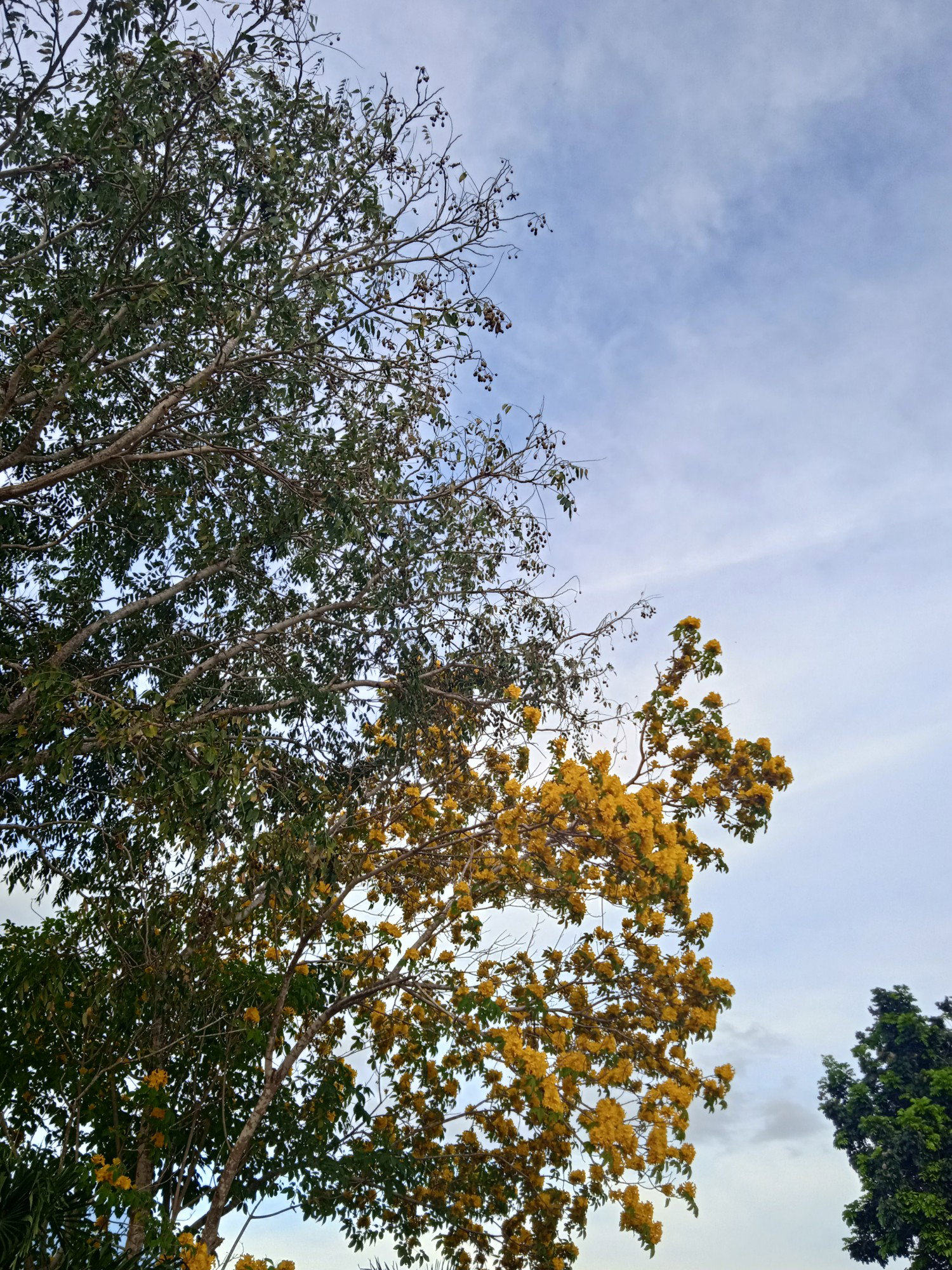
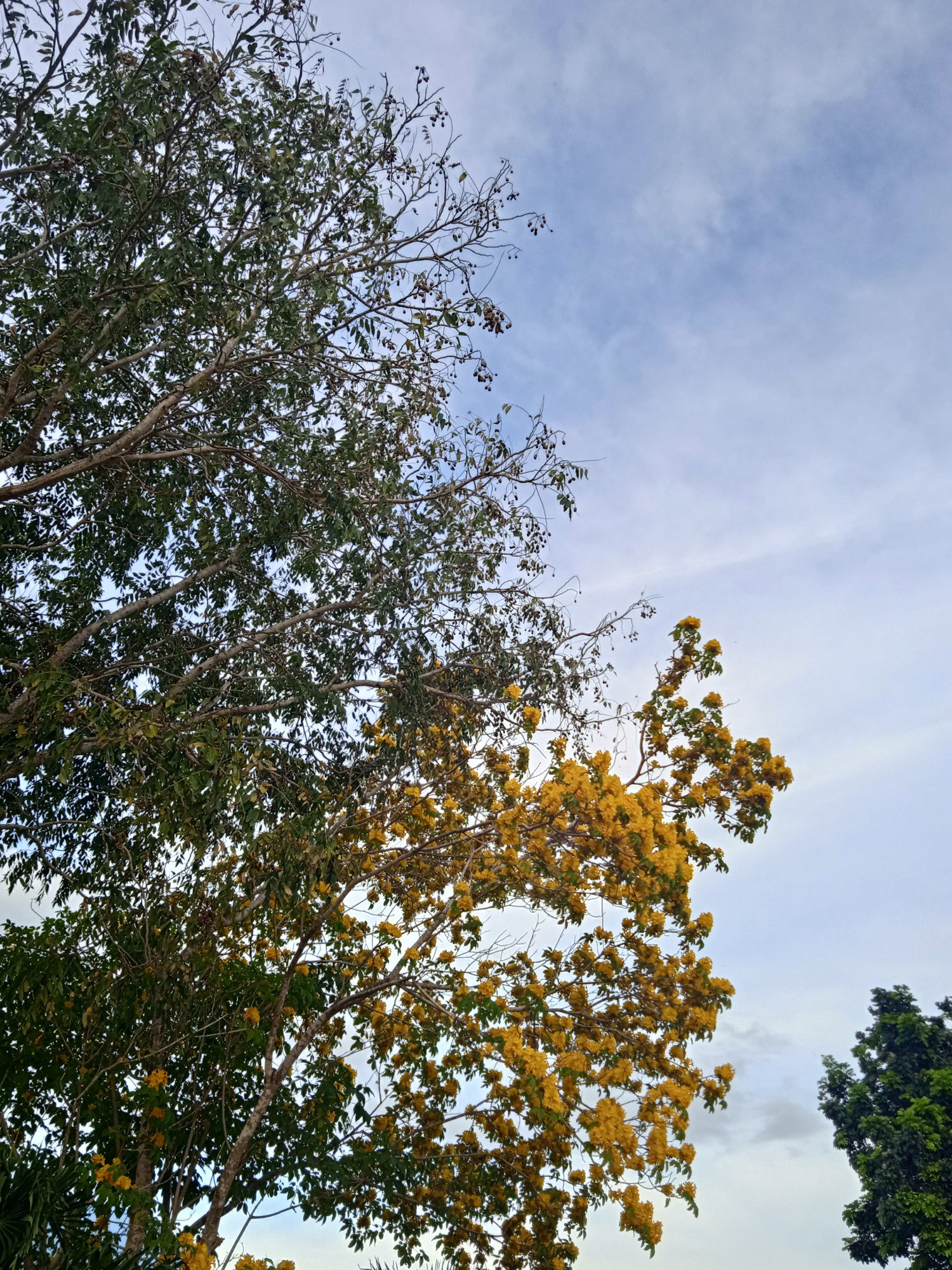
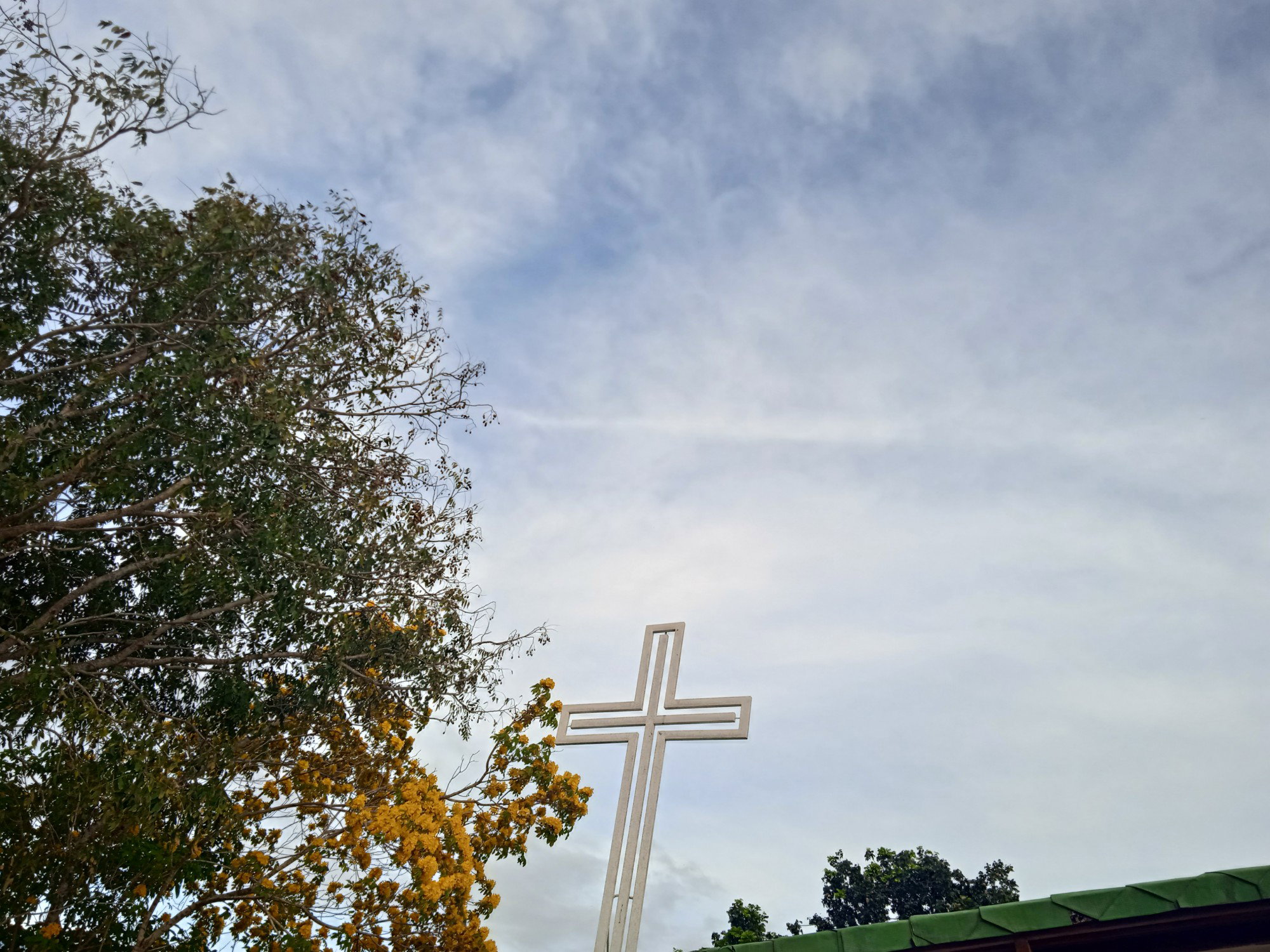
Al contemplar este hermoso árbol de araguaney, árbol nacional de Venezuela, pienso en que nuestra vida es así, pues, al tiempo de preparación, planificación, esfuerzo y lucha prosigue el de cosechar éxitos y alcanzar logros: es el tiempo de nuestro florecimiento.
De manera especial, este árbol me hace pensar en esto porque él es de apariencia humilde, pues, durante varios meses él se muestra con sus hojas verdes como los demás, pareciera no resaltar ni tener nada especial, pero de pronto, cuando están las condiciones, y ya está preparado, se muestra en todo su esplendor.
Así también es nuestra vida, nuestros comienzos son humildes, insignificantes para muchas personas, hasta nos pueden menospreciar o burlarse de nosotros. En esos momentos recordemos al Araguaney que luego de haber pasado un tiempo de aparente inercia, florece como uno de los árboles más hermosos de toda la creación.
Además, su color amarillo así nos lo hace comprender, ya que éste es un color que llama la atención, que transmite vida, alegría, dinamismo, entusiasmo. Es lo que sucede también con nosotros cuando logramos nuestras metas, también transmitimos cosas buenas y hermosas a los demás. A veces, sin darnos cuenta, sólo por ser como somos, al estilo del Araguaney.
Como una vez me dijo mi abuelo: “No importa donde estés, si brillas, tu luz llamará la atención y llegará hasta lugares que no te puedes imaginar” Por eso, enfoquémonos en nosotros mismos, en alcanzar nuestros sueños, pues, llegará el tiempo donde lo vamos a poder disfrutar, así como yo disfruté mucho del florecer de este Araguaney.
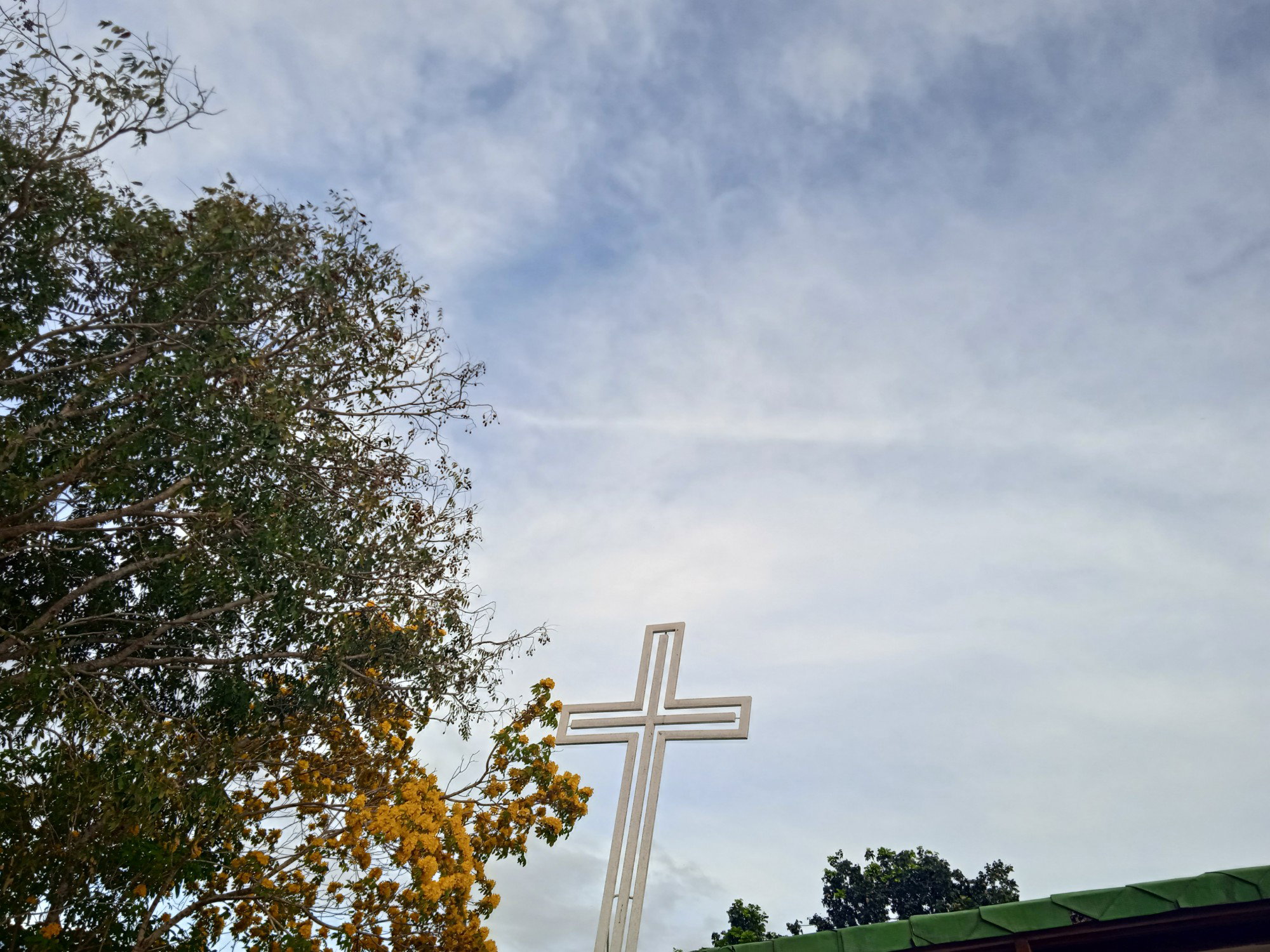
Time of bloom
Everything in life has its time, nature itself teaches us so, because the day gives its space to the night and vice versa, the same with the seasons of the year and with the development of every living being, not only man, who follows the process of birth-life-death.
When I contemplate this beautiful araguaney tree, the national tree of Venezuela, I think that our life is like that, because, at the time of preparation, planning, effort and struggle, it continues to reap successes and achieve achievements: it is the time of our flowering.
In a special way, this tree makes me think about this because he is of humble appearance, since, during several months he shows himself with his green leaves like the others, it seems not to stand out nor to have anything special, but suddenly, when the conditions are there, and he is already prepared, he shows himself in all his splendor.
This is also our life, our beginnings are humble, insignificant for many people, they can even look down on us or make fun of us. In those moments let us remember the Araguaney that after a time of apparent inertia, it flourishes as one of the most beautiful trees in all creation.
Besides, its yellow color makes us understand it, since this is a color that calls our attention, that transmits life, joy, dynamism, enthusiasm. This is what happens to us when we achieve our goals, we also transmit good and beautiful things to others. Sometimes, without realizing it, just for being as we are, in the style of Araguaney.
As my grandfather once told me: "It doesn't matter where you are, if you shine, your light will attract attention and will reach places that you cannot imagine". So, let's focus on ourselves, on reaching our dreams, because the time will come when we will be able to enjoy them, just as I enjoyed very much the blossoming of this Araguaney.
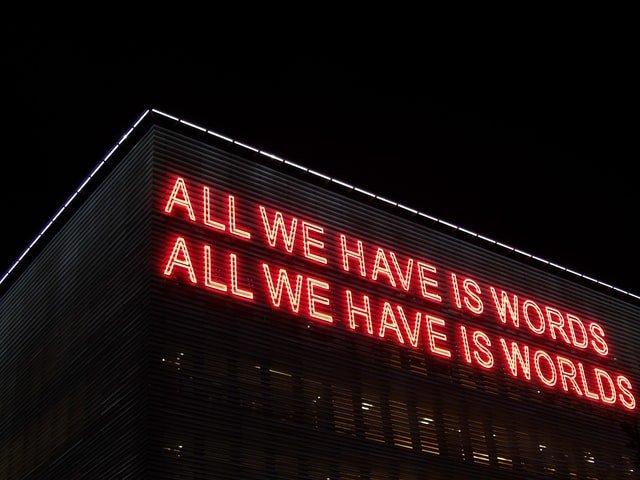
The power of words
One of the most interesting themes of philosophy is the different conceptions that have existed throughout history, referring to the human being.
In these definitions, one or another characteristic of our being has been highlighted. Among all of them, there is a relationship and they complement each other. Nevertheless, there is one that, in a certain way, encompasses them all, and it has to do with defining the human being as the being of language, the being that speaks, the being that expresses itself through words.
**APPROACH**
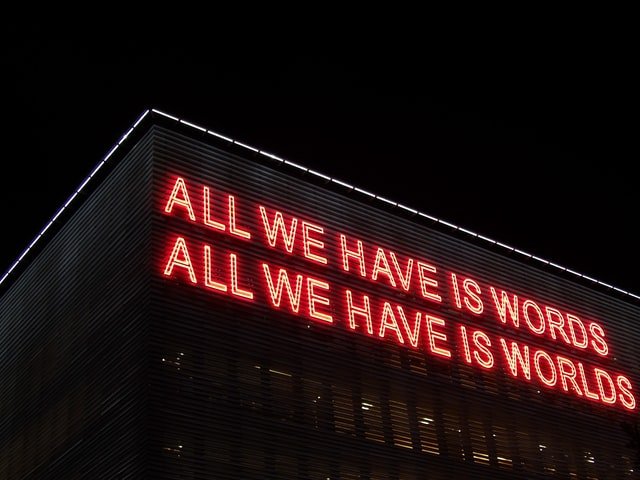
Here the approach would then be to highlight language as an essential note of the human being, which gives it a special power through the use of words.
I would even like to refer to the fact that we can also include those who cannot emit any word, for whatever reason, motive or circumstance, since we would be in the presence of the language of silence, whose words are sometimes stronger and more significant than any phonetic emission.
**ELEMENTS**
- Language is an essential characteristic of the human being. It allows us to relate both to the things around us (giving them a name, for example), and to others (expressing our emotions).
- The use of words. The power of language is manifested here in a special way since every word is said with some intention and has consequences.
- Different types of language. It is not limited to traditional phonetics, but there are various ways of expressing ourselves. Think, for example, of the language implicit in our body expressions, the "body words" or the ways the body speaks to us.
**APPLICATION**
- Every word that the human being emits, deserves a good reception, hence, it is very useful to do the exercise of listening, since many times with the fact of knowing how to listen (without prejudice or any other obstacle), many problems are solved.
- Passing through a filter the words we say, especially in our human relationships, can be recorded in someone, with the corresponding consequences.
- To value the various modes of language that exist, even when words are absent, since they are simply not necessary or are very limited, to express an emotion or a feeling, for example.
The interesting thing here is to notice that we are always transmitting or expressing something, even when we are not talking. Activating our sensitivity to capture this is something that revolutionizes our lives.
Header Image https://unsplash.com/photos/JYBBcCbRaFc

El poder de las palabras
Uno de los temas más interesantes de la filosofía, es sobre las diversas concepciones que han existido durante toda la historia, referentes al ser humano.
En dichas definiciones, se han resaltado una u otra característica de nuestro ser. Entre todas ellas, hay una relación y se complementan entre si. No obstante, existe una que, en cierta forma, las abarca a todas, y tiene que ver con definir al ser humano como el ser del lenguaje, el ser que habla, el ser que se expresa mediante palabras.
**PLANTEAMIENTO**
Aquí el planteamiento sería entonces resaltar el lenguaje como una nota esencial del ser humano, que le da un poder especial mediante el uso de las palabras.
Incluso, me gustaría hacer referencia a que también podemos abarcar a aquellos que no pueden emitir palabra alguna, por cualquier causa, motivo o circunstancia, ya que estaríamos ante la presencia del lenguaje del silencio, cuyas palabras a veces son más fuertes y significativas que cualquier emisión fonética.
**ELEMENTOS**
- El lenguaje como característica esencial del ser humano. Éste nos permite relacionarnos tanto con las cosas que nos rodea (dándoles un nombre, por ejemplo), como con los demás (expresándoles nuestras emociones).
- El uso de las palabras. El poder del lenguaje se manifiesta aquí de manera especial, ya que toda palabra es dicha con alguna intención y tiene consecuencias.
- Diversos tipos de lenguaje. No se limita a la fonética tradicional, sino que existen diversas maneras de expresarnos. Pensemos, por ejemplo, el lenguaje implícito en nuestras expresiones corporales, son las "palabras del cuerpo" o las maneras como el cuerpo nos habla.
**APLICACIÓN**
- Toda palabra que emite el ser humano, amerita una buena recepción, de allí, que es muy provechoso hacer el ejercicio de la escucha, ya que muchas veces con el hecho de saber escuchar (sin prejuicios ni ningún otro obstáculo), se resuelven muchos problemas.
- Pasar por un filtro las palabras que decimos, en especial, en nuestras relaciones humanas, pues, pueden quedar grabadas en alguien, con las consecuencias correspondientes.
- Valorar los diversos modos de lenguaje que existen, incluso cuando las palabras están ausentes, ya que simplemente éstas o no son necesarias o son muy limitadas, para poder expresar una emoción o un sentimiento, por ejemplo.
Lo interesante aquí es notar que siempre estamos transmitiendo o expresando algo, incluso cuando no estemos hablando. Activar nuestra sensibilidad para captar esto, es algo que revoluciona nuestras vidas.

La magia de la prevención
Ayer fui al odontólogo a verme una muela, de la cual no sentía dolor sino una leve molestia, quedé sorprendido que no sólo tenía problemas en esa muela sino también en la de al lado.
Esto me inspiró esta reflexión sobre la importancia de prevenir, no sólo cosas relacionadas con nuestra salud sino cualquier tipo de eventualidad en nuestras vidas. Ciertamente, no siempre se puede, pero podemos hacer lo posible por realizarlo, ya que como se dice por mis tierras: "Hombre prevenido, vale por dos".
Actualmente, estoy en tratamiento para reparar mis dos muelas pero imagínense que le hubiese dado largas al asunto, tal vez su daño hubiese sido más profundo o se hubiese extendido. No sé. Lo que quiero resaltar es que cuando se hacen las cosas a tiempo se pueden evitar consecuencias desagradables.
Esto es mágico, es decir, maravilloso porque puedes ahorrarte no sólo pasar por malas experiencias sino hasta dinero. Por ejemplo, en el caso de un carro, si le vamos haciendo los cuidados de mantenimiento a su debido tiempo, los gastos en general son más flexibles de hacer que si los dejamos acumular.
Cuando se planifica una actividad, por ejemplo, deportiva, también es importante la prevención, pues, si la cancha no es techada, qué podemos hacer si comienza a llover? Por eso, me gusta considerar siempre un plan A, B, C y todos los posibles.
Hay también otro dicho: "Guerra visada no mata soldado, y si lo hace es por descuidado", por eso, es importante además aprender de las experiencias de los demás para tomar las medidas correspondientes. Desde mi caso, por ejemplo, ya saben es importante visitar al odontólogo con frecuencia, 😁.


The magic of prevention
Yesterday I went to the dentist to see a tooth, of which I felt no pain but only a slight discomfort, I was surprised that I not only had problems in that tooth but also in the one next to it.
This inspired me to reflect on the importance of prevention, not only of things related to our health but also of any kind of eventuality in our lives. Of course, it is not always possible, but we can do our best to do it, because as they say in my country: "A man who is forewarned is forearmed".
I am currently undergoing treatment to repair both my teeth, but imagine if I had put off the treatment, perhaps the damage would have been deeper or more extensive. I don't know. What I want to emphasize is that when things are done on time, unpleasant consequences can be avoided.
This is magical, that is, wonderful because you can save yourself not only from going through bad experiences but even money. For example, in the case of a car, if we take care of its maintenance in due time, the expenses in general are more flexible than if we let them accumulate.
When planning an activity, for example, sports, prevention is also important, because if the field is not covered, what can we do if it starts raining? That's why I like to always consider a plan A, B, C and all the possible ones.
There is also another saying: "War with a visa does not kill soldiers, and if it does, it is because they are careless", so it is also important to learn from the experiences of others in order to take appropriate action. From my case, for example, you know it is important to visit the dentist often, 😁.


Qué mueve a la voluntad
Según la filosofía perenne, es decir, aquella que recoge los principios más universales y básicos, el objeto de la voluntad es el bien, a lo cual algunos añaden que también es lo bello. Aquí nosotros vamos a tomar estos dos elementos y los vamos a relacionar con esa capacidad volitiva en el ser humano.
Planteamiento
La voluntad del ser humano es atraída por las cosas buenas y bellas, de tal manera que mientras más bondad o belleza descubra en todo y todos los que le rodean más se dirigirá hacia ellos.
Esto objetivamente está bien planteado, el problema surge cuando consideramos las emociones del ser humano, y más concretamente aún su subjetividad y esto es cierto, la percepción de lo bueno y lo bello es relativa. Pero que sea relativa no quiere decir que no existan algunas cosas en las cuales nos podamos poner de acuerdo, sólo que esta percepción y aceptación va a depender de muchos factores personales, entre los que aquí resalto la educación y experiencias personales.
Si una persona no la educaron en aquellos valores más nobles que promueve el desarrollo del ser humano (amor, generosidad, honradez,etc) , se le va a ser difícil ponerlos en práctica.
De la misma manera, si la experiencia de una persona con respecto a algo que nosotros consideramos bello y bueno (por ejemplo, la religión) no fue agradable, difícilmente se va a sentir atraída por eso.
Aplicación
- No juzgar a las personas tan fácilmente, ya que hay varios factores que hay que tener en cuenta, por los cuáles éstas pueden rehusarse a actuar de buena manera (Educación, experiencias personales, etc.)
- Si queremos atraer hacia algo bueno y bello (realizar tal o cual acción) necesitamos presentarlo realmente así, "darle una buena publicidad", "montarle un buen marketing", por decirlo de alguna manera.
- Hacer lo que esté en nuestras manos para educar y hacer que las personas puedan tener experiencias placenteras sobre aquello que consideramos es bueno y bello: una obra de caridad, la congregación en una iglesia, el estudio, el trabajo, etc


What moves the will
According to the perennial philosophy, that is, the one that gathers the most universal and basic principles, the object of the will is the good, to which some add that it is also the beautiful. Here we are going to take these two elements and relate them to that volitional capacity in the human being.
Approach
The will of the human being is attracted to good and beautiful things, so that the more goodness or beauty he discovers in everything and everyone around him, the more he will turn to them.
This objectively is well posed, the problem arises when we consider the emotions of the human being, and more specifically his subjectivity and this is true, the perception of good and beautiful is relative. But the fact that it is relative does not mean that there are not some things on which we can agree, only that this perception and acceptance will depend on many personal factors, among which here I highlight education and personal experiences.
If a person has not been educated in those nobler values that promote the development of the human being (love, generosity, honesty, etc), it is going to be difficult to put them into practice.
In the same way, if a person's experience with respect to something that we consider beautiful and good (for example, religion) was not pleasant, it will be difficult for them to feel attracted to it.
Application
- Do not judge people so easily, as there are several factors to be taken into account, by which they may refuse to act in a good way (Education, personal experiences, etc.)
- If we want to attract people to something good and beautiful (perform this or that action) we need to present it really like that, "give it good publicity", "mount a good marketing", so to speak.
- Doing what is in our hands to educate and make people have pleasant experiences about what we consider good and beautiful: a work of charity, the congregation in a church, study, work, etc.


Homenaje a los educadores
Hoy es día del educador aquí en Venezuela y quiero dedicar un escrito a homenajear esta excelente y tan necesaria profesión, de la cual además dependen todas las demás: medicina, política, ingeniería, etc. En efecto, podremos tener ciertas habilidades y/o talentos para determinadas disciplinas, pero sin lugar a duda debemos recibir algún tipo de educación para poder dominarlas.
Dos elementos me gustan resaltar al pensar en el valor de la educación, ya que según su etimología puede hacer referencia tanto al hecho de “guiar” como al de “sacar”.
Todo educador es un guía, por eso, más que enfocarse sólo en el aspecto intelectual, los buenos profesores, maestros e instructores ayudan a un crecimiento personal integral de sus alumnos.
Hoy, por ejemplo, puedo decir que tuve la dicha de encontrarme con educadores de este tipo, que no sólo me enseñaron sobre los números, letras y las diversas disciplinas, sino también sobre la vida y cómo afrontarla, a través de sus valiosos consejos y la aplicación práctica de sus enseñanzas.
Por otra parte, un buen educador no da todo resuelto, su labor no es resolverles la vida a los demás. En realidad, esto no es deber ni derecho de nadie. Por eso, éste se enfoca en “sacar” lo mejor de cada persona, ayudarle a descubrir, como se dice mucho actualmente, “la mejor versión de sí mismo”.
Esto es una de las cosas que procuro hacer, por eso, evito decirles a la persona qué deben hacer cuando vienen y me preguntan ¿qué hago?, considero que es más productivo ayudarles a pensar y reflexionar los pros y contras de sus opciones y que sean ellas mismas las que decidan qué hacer.
En otras palabras, se trata de enseñar a las personas a hacerse cargo de su propia vida, hacerlas consciente que ellas lo pueden hacer, pues, nadie más calificado para dirigir su vida que uno mismo.
Por eso, hoy también doy gracias por aquellos educadores que sacaron lo mejor de mí, me enseñaron a asumir sus lecciones e integrarlas en mis coordenadas de vida. Aquellos que con sus exigencias me llevaron a esforzarme en las aulas de clases para así tener un carácter igual de fortalecido para desenvolverme en el aula magna del mundo y poder, a pesar de las dificultades, cursar y aprobar todas sus materias.
Finalmente, quiero felicitar a todos los educadores, tanto los que tienen título como aquellos que sin él educan cada día, pues, cada padre y madres de familia o cualquier persona que tiene algún tipo de responsabilidad sobre otra también es un educador.
Hello, my name is Jesus and I am from Venezuela. I am new in this platform, and I am learning about it. How do I to publish here?
Tribute to educators
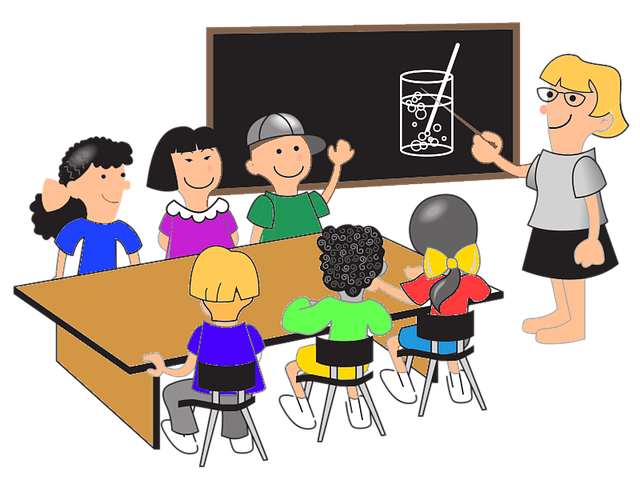
Today is the day of the educator here in Venezuela and I want to dedicate writing to honor this excellent and so necessary profession, on which all the others depend: medicine, politics, engineering, etc. Indeed, we may have certain skills and/or talents for certain disciplines, but without a doubt, we must receive some kind of education to master them.
Two elements I like to highlight when thinking about the value of education since according to its etymology it can refer to both "guiding" and "taking out".
Every educator is a guide that is why, more than focusing only on the intellectual aspect, good teachers and instructors help their students' integral personal growth.
Today, for example, I can say that I had the joy of meeting with educators of this type, who not only taught me about numbers, letters, and the various disciplines but also about life and how to face it, through their valuable advice and the practical application of their teachings.
On the other hand, a good educator does not give everything solved, his job is not to solve the life of others. In fact, this is neither a duty nor a right of anyone. That is why he focuses on "bringing out" the best in each person, helping them to discover, as they say, a lot these days, "the best version of themselves".
This is one of the things I try to do, so I avoid telling the person what to do when they come to me and ask what to do, I consider it more productive to help them think and reflect on the pros and cons of their options and let them decide what to do.
In other words, it's about teaching people to take charge of their own lives, making them aware that they can do it because no one is more qualified to run their lives than oneself.
That's why today I also give thanks to those educators who brought out the best in me, taught me to take on their lessons, and integrate them into my life coordinates. Those who, with their demands, led me to make an effort in the classrooms so that I would have an equally strong character to perform in the great classroom of the world and to be able, despite the difficulties, to study and pass all their subjects.
Finally, I would like to congratulate all the educators, both those who have a degree and those who, without it, educate every day, because every parent or anyone who has some kind of responsibility over another is also an educator.
 @jesusalejos