 @frenly88
more from that month
@frenly88
more from that month
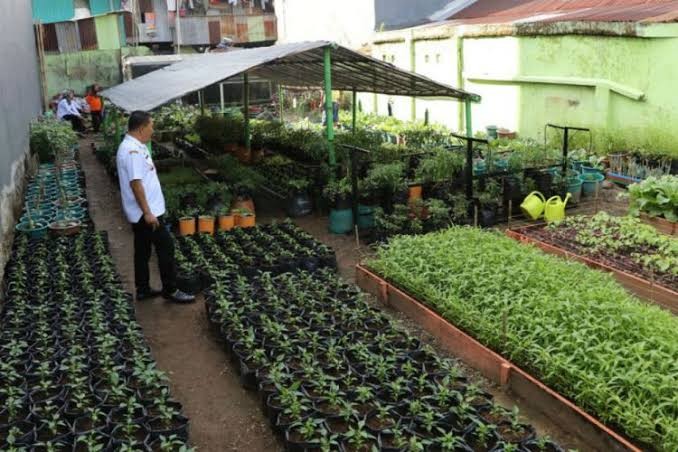
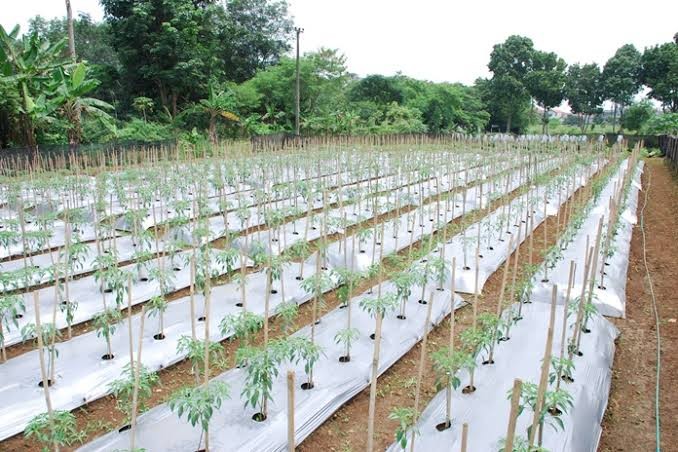
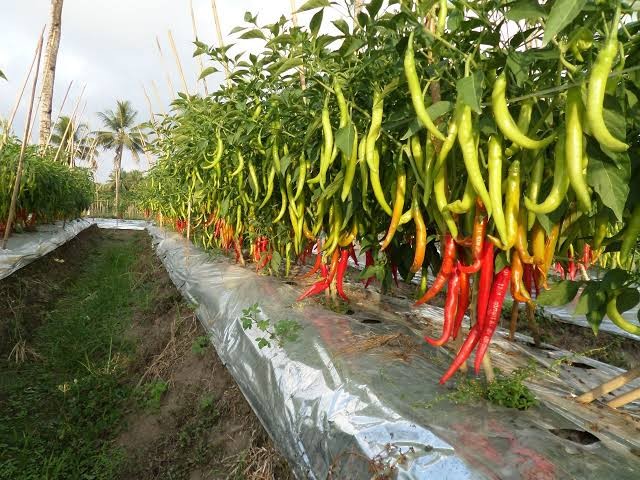
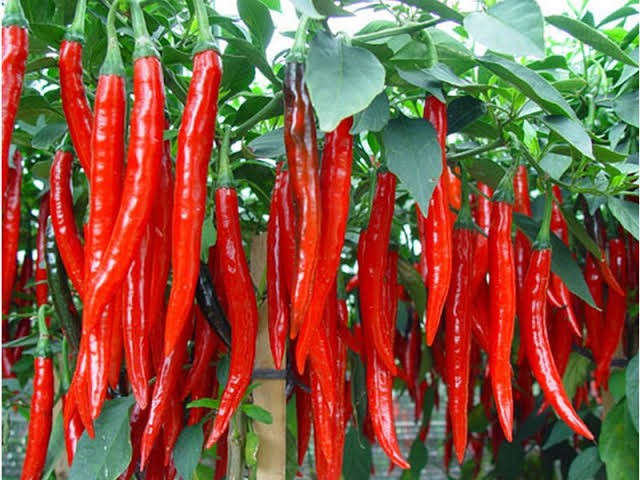
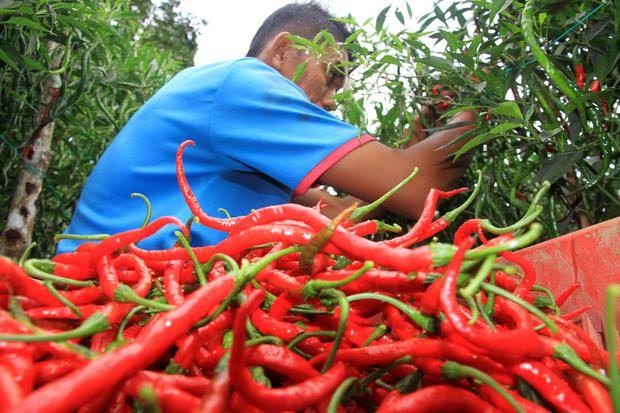
Cultivation of chili plants has now been widely carried out by farmers, this has several advantages that can increase income figures and also great results, there is some information that I will share with all of my friends and I hope it can be a part and inspiration in farming. from my account https://noise.cash/u/frenly88 Red chili (Capsicum annuum) is a vegetable commodity that has many benefits, has high economic value and has attractive market prospects. This plant is suitable for cultivation in the lowlands and highlands with soil conditions that are crumbly or loose, fertile, rich in organic matter and soil pH between 6-7. Cultivation can be done in monoculture or alternately with shallots, or intercropped with cabbage or tomatoes. The varieties that can be used for red chili cultivation include Lembang-1, Tanjung-2, Hot Chilli, Hot Beauty and so on. The red chili cultivation process includes sowing seeds on media in the form of a mixture of soil and manure/compost (1:1), then after 7-8 days, the seeds are transferred to banana leaves/plastic pots with the same media, then the seeds are ready to be planted. in the field after 4-5 weeks of age. Beds need to be made with mulch in the form of straw or silver black plastic to maintain moisture, stabilize soil microbes, reduce leaching of nutrients by rain and reduce pest attacks. Provision of stakes can be done to support the establishment of the plant. The pests that often attack chili plants include whitefly, thrips, aphids, armyworm, tomato fruit caterpillar, fruit fly, anthracnose, wilt disease, yellow virus. Several ways can be done to control pests, including the use of natural enemies, traps, vegetable pesticides and chemical pesticides. The first harvest can be done at the age of 70–75 days after planting in the lowlands and at the age of 4-5 months in the highlands, with harvest intervals of 3–7 days. may be useful. join me on the same platform and we can earn https://read.cash/r/simpleplan90
No comments yet