 @cryptocracyOnNoiseApp
more from that month
@cryptocracyOnNoiseApp
more from that month
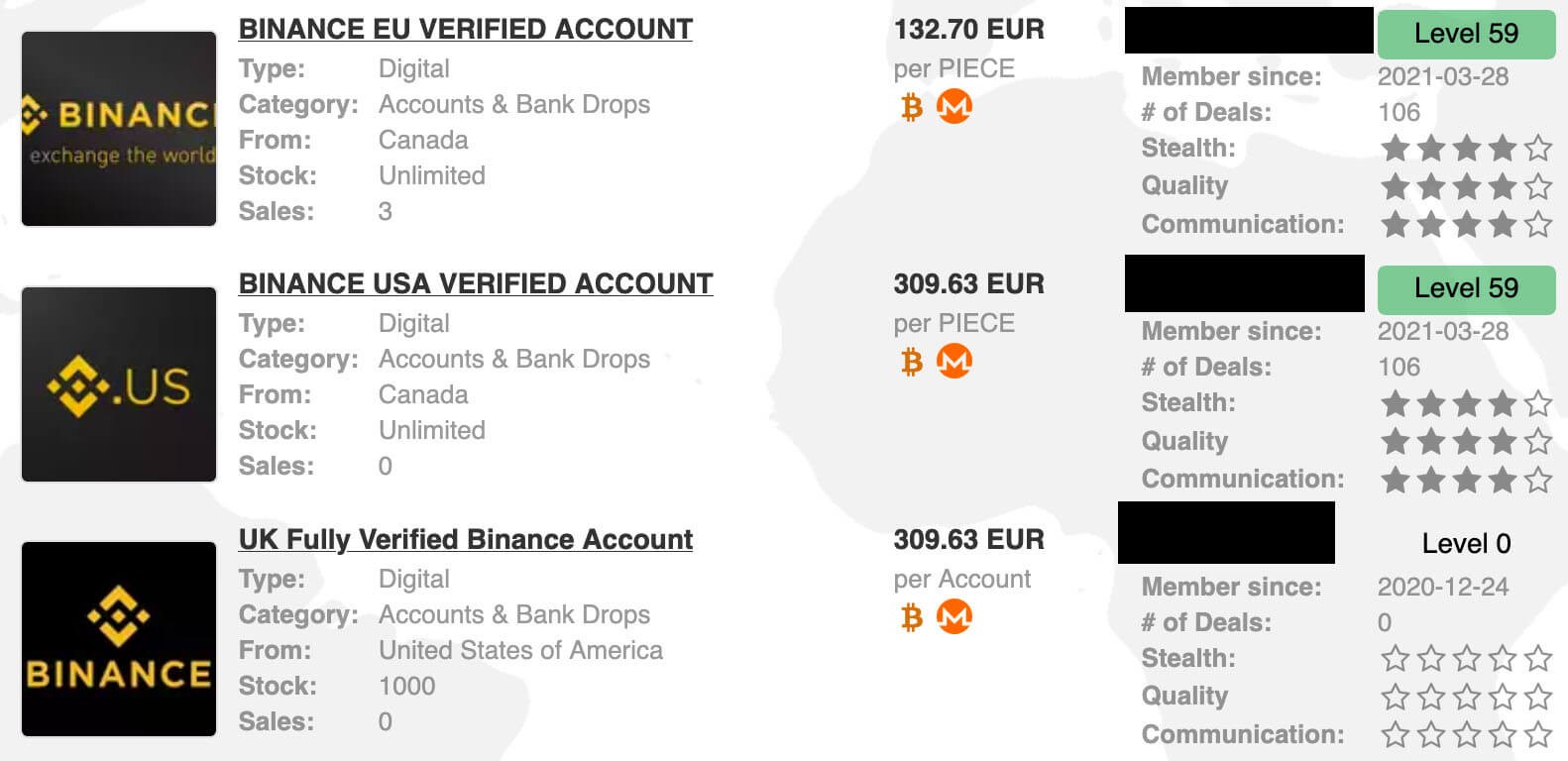
Uniswap has surpassed Ethereum in network fees. Harmony was hacked and thieves got away with $100 million in ETH, and Optimism lost 20 million tokens in Interlayer snafu. A new Chainalysis report shows that, despite an increase in Layer 1 blockchains, no one is close to killing Ethereum yet. The news about Uniswap could very well mean we’ve entered the decentralized era. If decentralized exchanges become the most popular exchanges, and there are many reasons to believe they will, then it will prove that decentralization is not just a passing fad. Regarding the murder of Ethereum, a layer 1 blockchain doesn’t need to overtake Ethereum to be a worthwhile project. Killing the leading alt chain should not even be the goal. Moody’s has downgraded Coinbase, which is launching its first crypto derivatives product. Coinbase users can now send crypto through Polygon and Solana. Tether to launch stablecoin pegged to British pound. Axie Infinity users who lost money in March’s $620 million hack will get a reimbursement. Mark Zuckerberg predicts 1 billion people will join the Meta metaverse. What we need is a metaverse for introverts. Binance CEO Changpeng Zao says bad crypto projects should not be bailed out. It’s hard to disagree. World Wide Web inventor Sir Tim Berners-Lee says Web3 doesn’t need a blockchain. Technically, he’s correct. If the goal is to take the Web back to its decentralized roots, the architecture itself need not be blockchain-based. The reason why blockchains enhance the internet is because they deliver something that mere Web technology can’t—currency freedom. Michael Saylor, head of Microstrategy, the world’s largest crypto holder, wants the government to regulate crypto. This is typically how it happens: People get involved in an industry and they’re against regulation. When they become successful, they want regulation. What changes? They realize, through experience, that scoundrels and scalawags migrate toward opportunities and quite often ruin it for everyone else. Nexo appoints Citibank to be acquisitions advisor. A phishing email targeted toward Microsoft 365 users aims to hack MetaMask. How much does your private crypto information go for on the dark web? Your Kraken verified account, $250. Binance verified account, $260. Xcoins verified account, $320. Bitit.io, $400. Want a Maltese passport? $6,500. See how much it costs to ruin your life. The price for stolen information on the dark web, in many cases, is going down. For instance, it costs $295 less in 2022 than in 2021 for stolen PayPal information for accounts with $1,000 to $3,000 balances. But for stolen information for PayPal accounts with no balance, the price is $1 more this year than last year. This has me curious about the economics of destroying people’s lives. https://cryptocracy.substack.com/p/uniswap-passes-ethereum-in-fees
No comments yet