 @cmoneyspinner
more from that month
@cmoneyspinner
more from that month
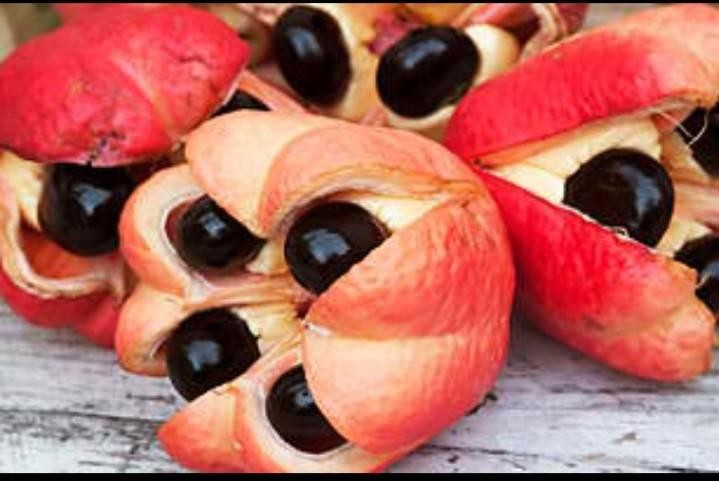
ACKEE FRUIT. It is native to West Africa, but has been cultivated in Jamaica since 1778 when it was brought to the Caribbean by British slave traders. The Jamaicans liked it so much they made it the country's national fruit and their national dish is ackee with saltfish (or codfish). WARNING: Do not eat this fruit in its unripened state as it is poisonous. However, once ripe, eat only the yellow arilli which is the edible portion. The black seeds are always toxic whether the fruit is ripe or unripened. NOTE: If you are unable to buy it fresh, you can also buy canned ackee to use in your recipe. * Ackee And Saltfish Recipe #TastyTuesdays | CaribbeanPot ~ https://youtu.be/nbfNyZbdn2I * Ackee and Saltfish Recipe | Serious Eats ~ https://www.seriouseats.com/ackee-and-saltfish ** West African Ackee Fruit • We Blog The World ~ https://weblogtheworld.com/countries/africa-africa/western-africa/ackee-west-african-expatriate I was curious to know if there were any West African recipes with this fruit as a main ingredient, but discovered that even though the ackee fruit originates from there, in that part of the world, it is used mainly for medicinal purposes. ~ “The ackee tree (Blighia sapida) is indigenous to the tropical forests of West Africa. Although it is not popularly eaten there, it is cultivated in the region for several nonfood uses: Immature fruits are used to make soap; the wood from the tree is termite resistant and used for building; extracts from the poisonous seeds are taken to treat parasites and are sometimes used as a fish poison; topical ointment made from crushed ackee leaves is applied to the skin to treat headaches and ulcers. And the Ackee leaves are also good as a fodder for goats.” #breakfast #brunch #foodblogs #cookingvideos #recipes #worldcuisine #globalflavors #Jamaicanfood #fruitsandveggies
No comments yet