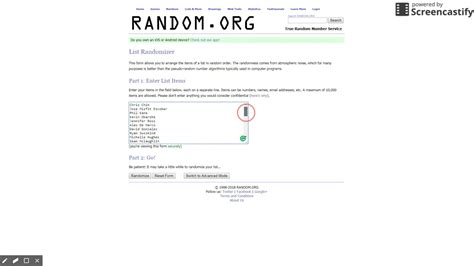
Using Random Numbers to Manage Website Activity 1. Using Random Numbers to Manage Website Activity Some creators use random number generators to decide which website to update. This may seem fair, but in practice, it creates inconsistent activity. For example, website 1 might receive an article every two days, while website 7 remains inactive for two months. This unpredictable rotation makes it difficult to retain visitors. Search engines favor regularly updated websites. Random management is detrimental to search engine optimization (SEO) and visibility. Inactive websites lose traffic, and some topics may be neglected for extended periods. This creates an editorial imbalance. The feeling of not being in control of one's strategy can be discouraging. Random number generators are fun, but ineffective for professional management. 2. Writing for Multiple Websites Simultaneously – A Time-Waste Trap Writing an article for each website seems ambitious. But in practice, it requires several hours, or even days, of work. Burnout sets in quickly. The quality of articles declines, consistency disappears, and motivation plummets. Keeping all the sites up-to-date becomes a monumental task. The solution? Prioritize. Focusing on two or three sites allows you to maintain a realistic and effective pace. You can refine each article, improve SEO, and build reader loyalty. It's better to start small and grow gradually than to try to manage everything at once. Quality trumps quantity. 3. Create multiple websites Creating several personal websites is an excellent way to explore, learn, and express yourself. But without a clear strategy, you risk spreading yourself too thin, wasting time, and jeopardizing your projects. The key to success lies in focus: choose two or three sites, develop them carefully, and adjust your strategy over time. This is how you build a solid, consistent, and sustainable online presence.
No comments yet