 @Usagi
more from that month
@Usagi
more from that month
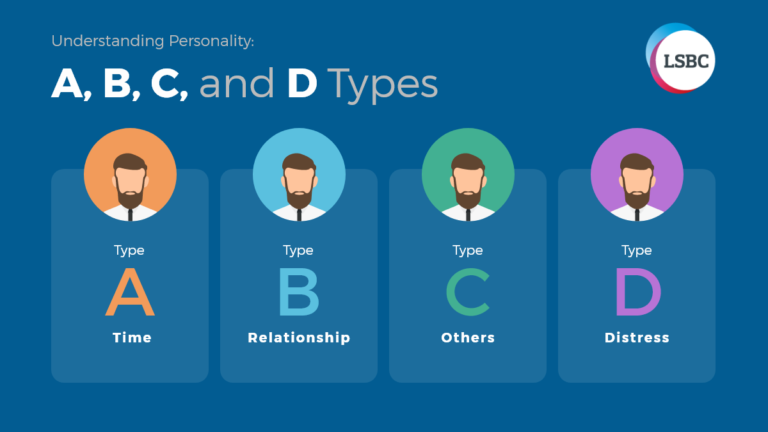
Understanding different Personalities: Type A,B,C,D ✨✨ Personality type theories are popular with researchers, managers, and management consultants when it is necessary to categorize employees and make a decision on the basis of personal characteristics (Sutton et al., 2013) because sometimes one type of personality more tends to find psychological resources to deal with stressful events while another type is more vulnerable and have a low health-related quality of life (Ross, 1995). 🔘Type A The behavior pattern shows some characteristics such as competitive achievement, ambitiousness, a strong sense of time urgency, impatience, hostility, aggressiveness. They also race against time so they believe that time should not be wasted. They dedicate themselves to their works rather than close relationships. (Yazici & Altun, 2013). 🔘Type B The behavior pattern shows some characteristics such as being easygoing, lazy, persuasive, and those types of people have a stronger relationship with other people. Similarly, they are more likely to be relaxed and forgiving in a conflict context. When they experience stress they don’t cope with it alone. They tend to get support from their close friends (Raza, 2007). So, they are less likely to suffer from coronary heart disease (CHD) because they don’t force themselves. 🔘Type C The behavior pattern is similar to Type A, but there is a key difference in being perfectionism than Type A. Type C behavior pattern shows some characteristics such as to be detailed, analytical, calm, dependable, complying to tules, mostly focusing on pleasing other people, and incapable of expressing their own feelings. For example, the person who would like to think to please other people, may ignore his/her actual feelings and become passive. 🔘Type D Type D personality also called the distressed personality. It includes two basic traits: negative affectivity (NA) and social inhibition (SI) (Pedersen et al., 2004). Firstly, Negative affectivity (NA) is the tendency to experience negative emotions across time and situations, which is related to neuroticism concept (anxious, insecure, depressed, self-pity, and emotional versus calm, self-confident, cool, and self-satisfied). While Social Inhibition (SI) is an expression of emotions and behaviors in social interactions, which is related to the introversion (reserved, shy, and quiet) concept (Nyklíček et al., 2013). Did you have an idea which personality do you have?? 🙂 Source: https://www.google.com/amp/s/lsbc.lu/understanding-personality-a-b-c-and-d-types/amp/
No comments yet