The Currency of Sustenance: Bread's Dual Role in Society
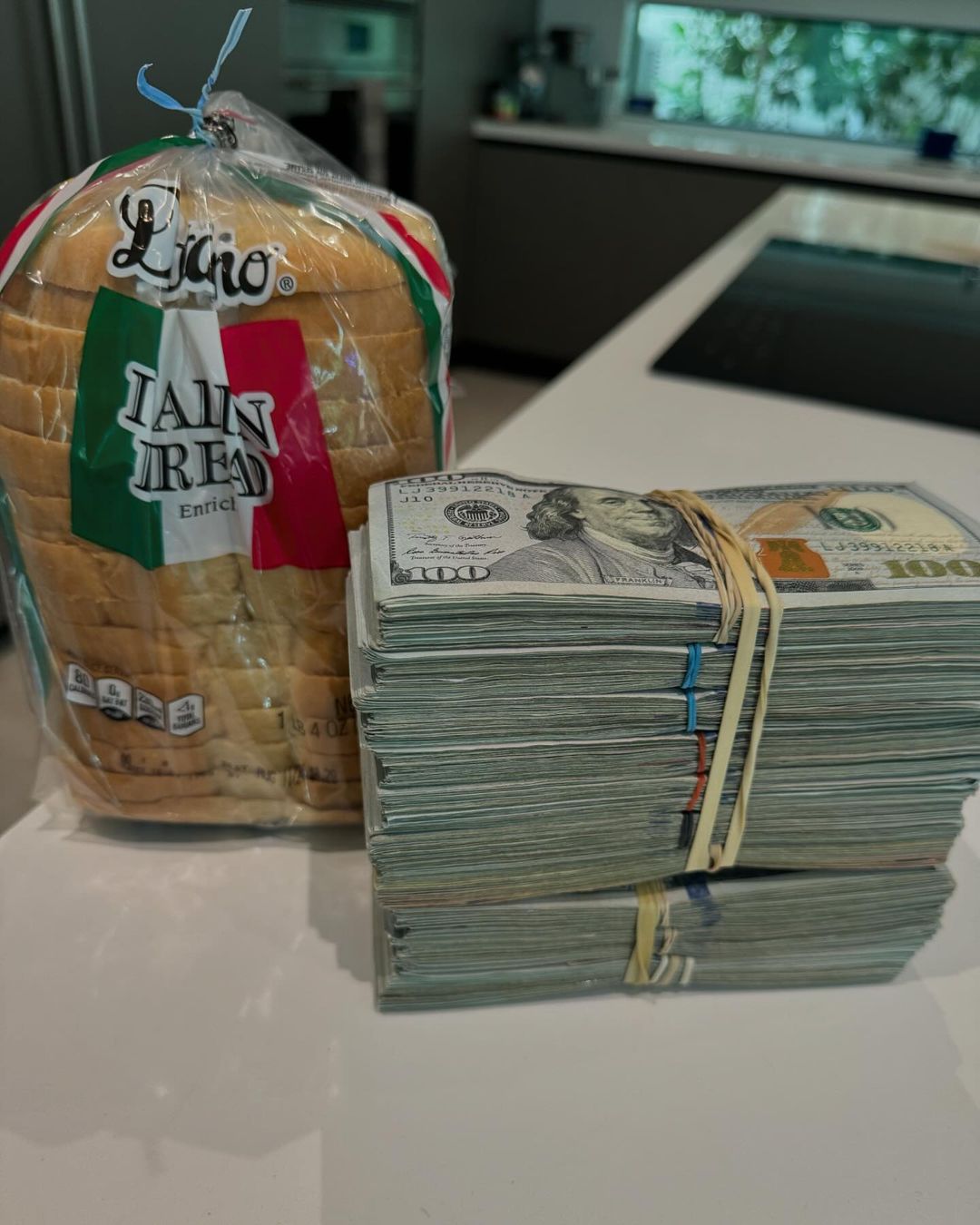
The Economics of Bread: A Philosophical Inquiry into Currency and Nourishment Introduction In the annals of human civilization, few artifacts are as universally significant as bread. This humble staple transcends mere sustenance, often serving as a metaphor for a multitude of concepts, including wealth, life, and even social standing. The thesis of this essay posits that, throughout history, bread has functioned not only as a source of nourishment but also as a medium of exchange, or "money," in various cultural contexts. This exploration will delve into the intricate relationship between bread and currency, examining how this connection shapes our understanding of value and existence. The Historical Context of Bread as Currency The earliest instances of currency are rooted in the agrarian societies of Mesopotamia, where grain, including barley and wheat, constituted a significant part of trade. In these societies, bread was a direct representation of wealth; the ability to produce or procure bread indicated a certain level of economic stability and social status. The Sumerians used grain as a form of currency, reinforcing the idea that food, specifically bread, could function as a transactional medium. This practice underscores a broader economic principle: the intrinsic value of sustenance in determining wealth. Bread in Religious and Cultural Narratives Bread's dual role as sustenance and currency is further illuminated in religious texts and cultural narratives. In Christianity, the Eucharist symbolizes the body of Christ, representing both spiritual nourishment and material sustenance. This sacramental association elevates bread from a mere food item to a representation of divine wealth. Similarly, in ancient Egypt, bread was often placed in tombs as a means to ensure that the deceased had the necessary sustenance for the afterlife, highlighting its role as a form of currency in the realm of the eternal. Moreover, in various cultures, the act of breaking bread is synonymous with fellowship and community. The communal sharing of bread can be seen as a social currency, reinforcing bonds and establishing social hierarchies. In this sense, bread transcends its physical form, becoming a symbol of trust and mutual reliance. The Metaphysical Dimensions of Bread as Money To further understand the philosophical implications of bread as currency, one must consider the metaphysical dimensions of value. The concept of money is deeply tied to trust—trust in the issuer, trust among individuals, and trust in the system as a whole. Similarly, bread carries an implicit trust in its ability to sustain life. This trust extends beyond the individual to encompass the community that produces and shares it. In this light, one might argue that bread is a form of "social money," where its value is derived from relationships rather than mere physical properties. The act of sharing bread can be seen as an investment in social capital, fostering connections that yield emotional and spiritual dividends. Contemporary Reflections: Bread in Modern Economies In contemporary society, the symbolic value of bread remains potent. The phrase "breaking bread" persists in modern vernacular, often used to signify collaboration and unity. However, the commodification of food has led to a detachment from its original significance. Bread as a product of mass production often loses its symbolic weight, becoming just another item in a supermarket aisle. Yet, movements such as artisanal baking and farm-to-table dining seek to revive the intrinsic value of bread, emphasizing local production and community engagement. In these contexts, the act of purchasing bread can be viewed as a conscious choice to invest in local economies, akin to a modern form of currency that supports sustainable practices. Conclusion The exploration of bread as a form of money reveals profound insights into the nature of value, trust, and community. As both a sustenance and a medium of exchange, bread embodies the complexities of human relationships and the economic systems we construct. In a world increasingly detached from the origins of our food, recognizing bread's multifaceted role can serve as a reminder of the interconnectedness of nourishment, wealth, and societal bonds. Ultimately, the humble loaf, in its myriad forms, continues to remind us that true wealth lies not just in currency, but in the relationships we forge and the communities we nurture.
No comments yet