Tax Compliance and Shop Closures in Enugu State, Nigeria **Tax Compliance and Shop Closures in Enugu State, Nigeria** In Enugu State, Nigeria, the enforcement of tax compliance is a pressing issue that can lead to significant consequences for shop owners and traders. The Enugu State Internal Revenue Service (ESIRS) is tasked with ensuring compliance with tax obligations, and their actions often include shop closures as a penalty for non-compliance. This essay delves into the mechanisms of tax enforcement, the frequency of visits by tax officials, payment schedules, and the implications of non-compliance, shedding light on the broader context of taxation in the region.
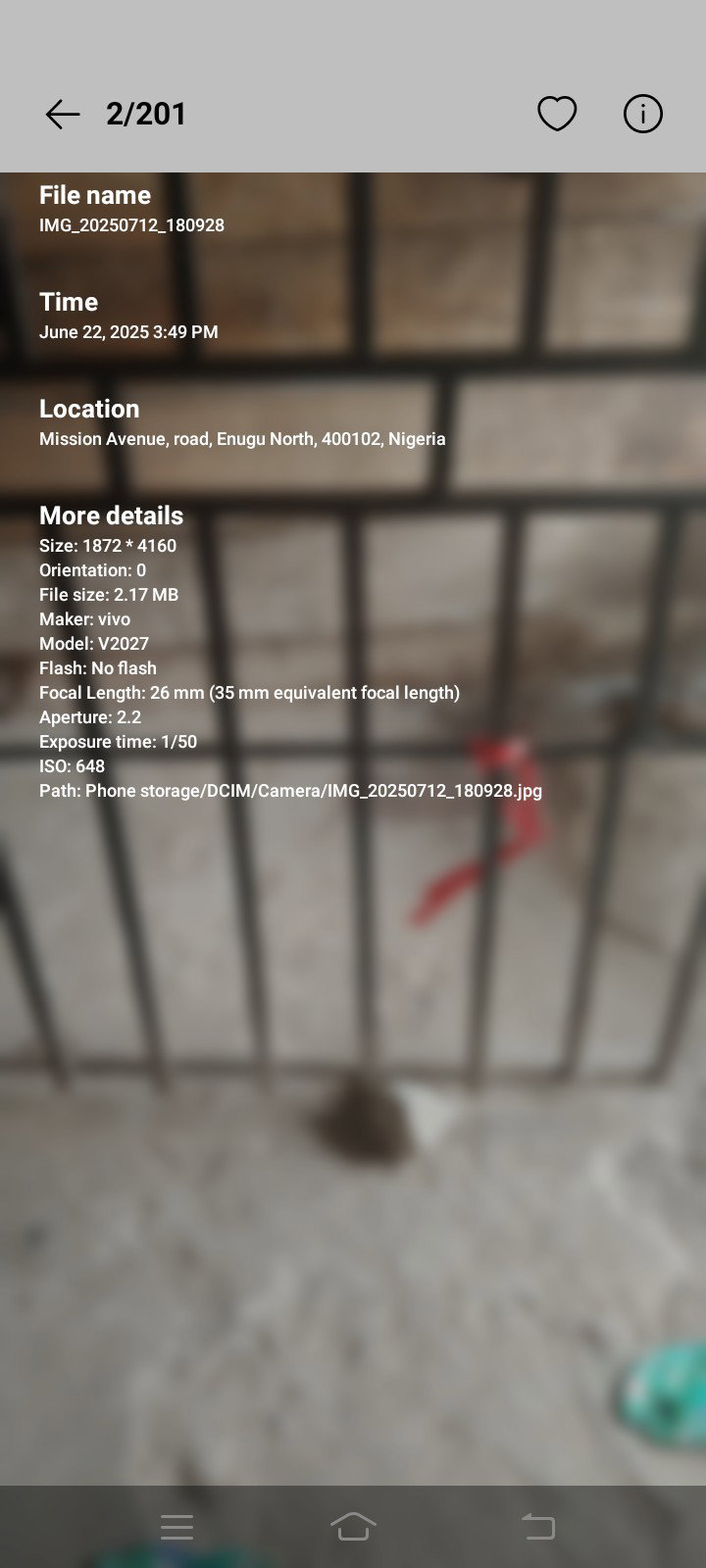
#### Shop Closures and Tax Enforcement Tax enforcement in Enugu State is primarily aimed at addressing non-compliance with tax obligations. The ESIRS has implemented measures to combat tax evasion, which may result in actions such as sealing shops or entire markets. For instance, in February 2024, parts of the Ogige Market in Nsukka were sealed due to traders' failure to comply with tax payments. This reflects a broader trend of enforcement actions aimed at ensuring that businesses adhere to their financial responsibilities. #### Frequency of Tax Authority Visits While explicit details regarding the frequency of visits by tax officials from the ESIRS remain somewhat vague, enforcement activities occur periodically and are often tied to compliance checks. Businesses operating in the informal sector, including street shops and market stalls, may encounter tax officials during inspections aimed at ensuring adherence to the unified tax payment system. These visits are generally irregular but can increase in frequency if the authorities identify non-compliance or during routine audits. The ESIRS has emphasized a streamlined system, suggesting that compliant businesses will experience fewer disturbances, particularly once they have fulfilled their tax obligations via the e-ticketing platform. #### Payment Schedule: Monthly or Yearly? The payment schedule for taxes in Enugu State varies depending on the sector—formal or informal. 1. **Informal Sector**: For street shops and market traders, a single yearly unified tax payment system has been introduced, utilizing an e-ticketing platform. This system allows business owners to make an annual payment that covers all relevant revenue-generating agencies. Once this payment is made, businesses are generally not subjected to further tax demands within the year, which helps alleviate issues related to multiple taxation. For example, a N30,000 capitation fee for street shops has been implemented, although this has been criticized by small traders as burdensome. 2. **Formal Sector**: In contrast, businesses in the formal sector typically remit taxes like Personal Income Tax (PIT) and Withholding Tax (WHT) on a monthly basis. Employers are responsible for deducting and remitting PAYE (Pay As You Earn) taxes by the 10th of the month following the deduction. Additionally, Value Added Tax (VAT) returns must be filed monthly by the 21st of the month following transactions, while Company Income Tax (CIT) is filed annually, typically within six months after the end of the company’s accounting year. #### Implications of Non-Compliance Non-compliance with tax obligations can lead to severe repercussions, including penalties and shop closures. The ESIRS has focused on creating a business-friendly environment by consolidating tax payments to mitigate issues of multiple taxation. However, public sentiment indicates frustration, particularly among small traders regarding the annual capitation fee and other tax demands. This dissatisfaction suggests a potential for increased enforcement actions, particularly if traders fail to meet their obligations. #### Arrests for Tax Non-Compliance While arrests related to tax non-compliance are technically possible, they are relatively rare for small-scale traders unless significant fraud or evasion is involved. Generally, enforcement actions such as shop closures are the primary response to non-compliance. The ESIRS prioritizes compliance through measures like sealing shops rather than immediate arrests, which tend to be reserved for cases involving severe tax crimes. #### Methods of Shop Closure The methods employed to close shops for tax non-compliance typically involve sealing rather than using physical locks. In Enugu, tax authorities often seal shops by affixing red tape or stickers across shop entrances as a visible indication of closure due to tax issues. This practice serves as an effective means of notifying the public and shop owners of non-compliance. Using tape or stickers is preferred over physical locks, as it avoids the complexities of accessing the shop's locking mechanism and allows for a clear, visible sign of enforcement action. #### Conclusion In summary, the enforcement of tax compliance in Enugu State involves a complex interplay of regulations, payment schedules, and enforcement actions. The ESIRS aims to streamline tax collection and reduce burdens on businesses, particularly in the informal sector. However, frustrations persist among traders regarding tax obligations, and enforcement actions like shop closures remain a common response to non-compliance. For precise details on visit schedules and tax obligations, it is advisable for shop owners to consult directly with the ESIRS or local tax offices. Understanding these dynamics is crucial for ensuring compliance and avoiding the consequences of enforcement actions in Enugu State.
No comments yet