 @SnowUnderSun
Super Typhoon Karding hit PInas is very hard. I wish that all pinoy & pinay noisemates are in safe.
Joined 3 May 2020 · 863 posts
Expat in Thailand. Crypto since 2015. Ex sales executive in a multinational company
120 KT
0 KT · 12¢ received · 0 KT given
@SnowUnderSun
Super Typhoon Karding hit PInas is very hard. I wish that all pinoy & pinay noisemates are in safe.
@SnowUnderSun
Heavy rains in Thailand. Expecting Super Typhoon Karding will arrive here in September 28 or 29 , but estimation that it will down from Super typhoon to tropical storm category when it will here.
 @SnowUnderSun
Rainy weather in here. Typhoon Signal no 2 will arrive in next week.
 @SnowUnderSun
I miss being in Boracay. Excellent sea water quality and amazing sunset.
 @SnowUnderSun
2 pictures were taken from the same point at sametime. One side of road is very sunny, other side of road is very gloomy. Trading & investing in crypto is like these pictures. It depends on which side that you look.

 @SnowUnderSun
simple question ( possibly a dumb question )... donations are automated based on likes or # of comments or number of followers ? or just human-made fire at will donations? The risky question which can cause me to lose receiving donations but try to understand the dynamics. my point of view is ; if can not comment to any person and can not yield in donation basis, why do we still follow people who do not follow us ? Know that noise.app is not only based on donations but wishes to see who follows me at least.
@SnowUnderSun
Good morning from Thailand. Picture from last night. Seafood is my real love 🤣
 @SnowUnderSun
noise.app is really nice but seems that I can not comment to many people posts. maybe it is caused by i following them in noise.app but they don't follow me. I should increase the number of my followers.
@SnowUnderSun
All financial investors are not happy and do not smile after FED's last night decision about increasing interest rates 0.75, but life still goes on. Even prices in cryptocurrency, gold, and stock exchanges were down, find your own way to be happy in life.
@SnowUnderSun
Faces dont smile in crypto traders after FED's last night decision about increasing interest rates 0.75, but life still goes on, even cryptocurrency, gold, stock exchanges down, find your own way to survive in financial markets during a bear trend. FOLLOW ME FOLKS
 @SnowUnderSun
I received my first donation in BCH. Thanks to the unknown person who donates. I added also ETH and BTC wallet addresses. For the information of who donated to me, I donated to orphans from all donations and my all income in noise.cash , noise.app , publish0x and other crypto-based platforms. Being an orphan is really difficult in South East Asia.

 @SnowUnderSun
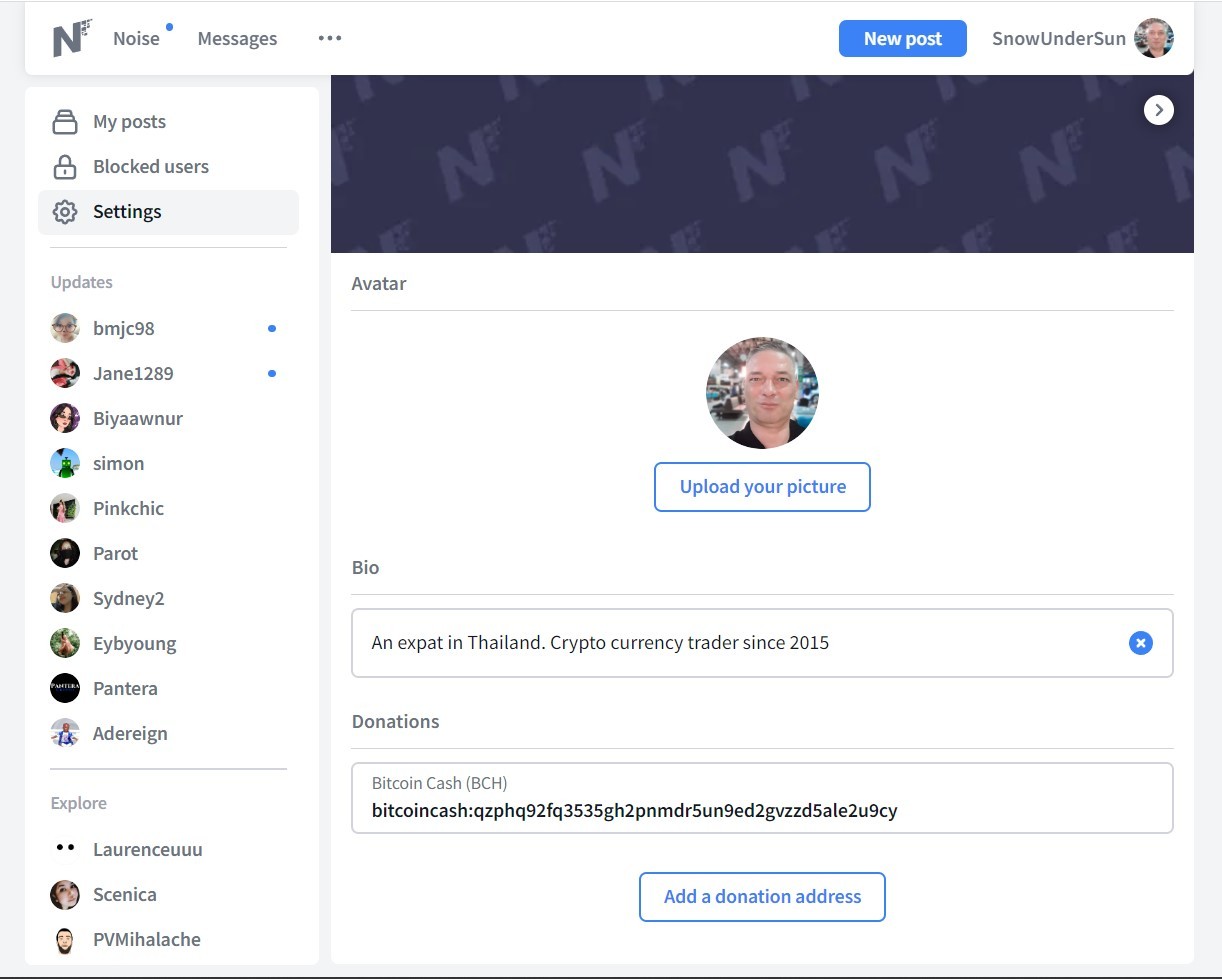
Now you can accept donations in noise.app . Join with my invitation link https://noise.app/invite/kygldfxr , add your BCH wallet address in your profile/settings for people can donate to you.
 @SnowUnderSun
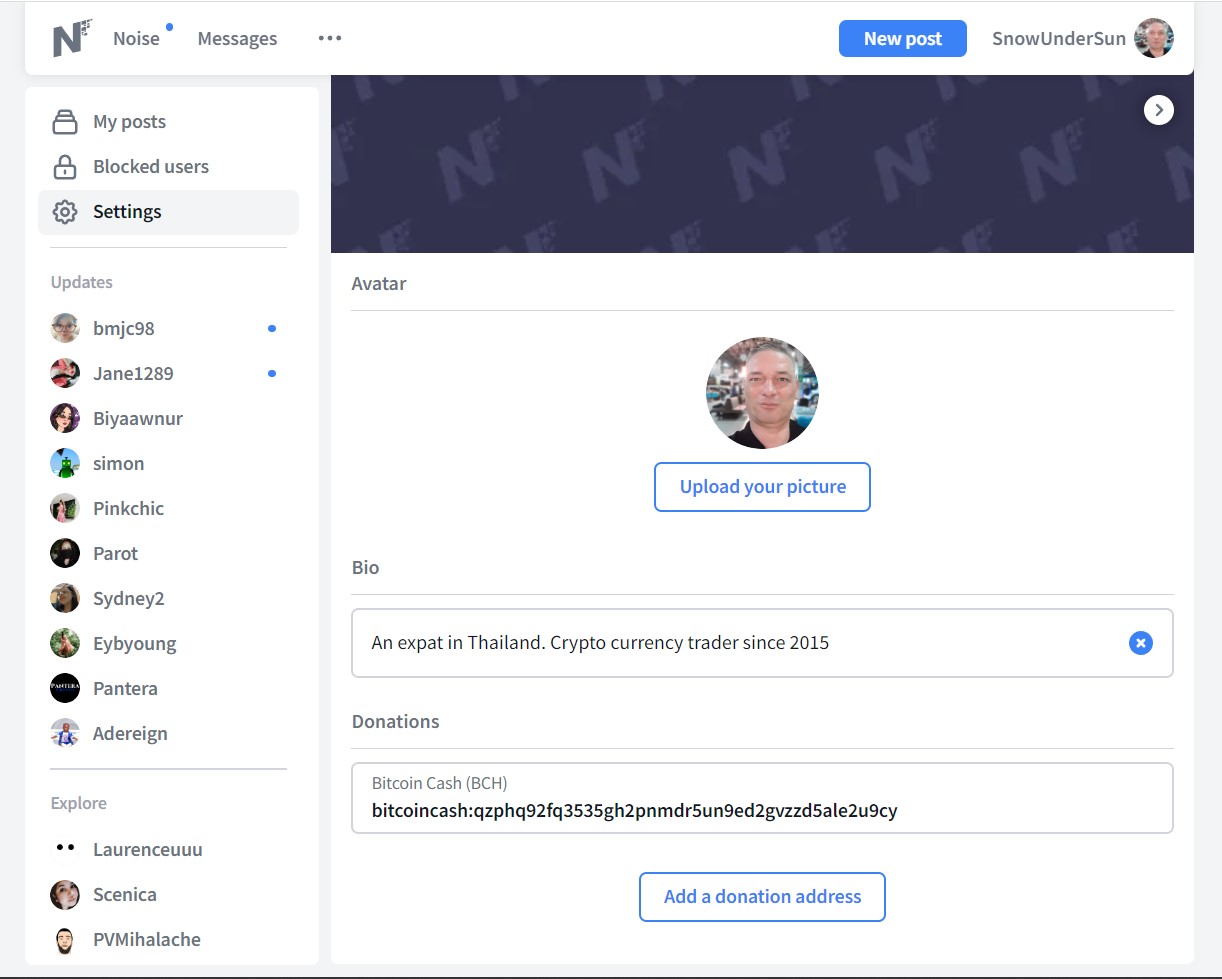
Now. you can get donations in noise.app. add your BCH and other wallet address in your profile/settings. Let's make noise.app great
 @SnowUnderSun
Hard times for people who hodl during the bear market. Need great patience and need adequate non-crypto funds to provide survive during a downtrend.
@SnowUnderSun
Dinner time in Thailand. Shabu is a Korean style on-table barbeque name in here and open buffet bbq on the table is popular in here
 @SnowUnderSun
When the sunset fall on cryptocurrencies, people become silent and less interact with other crypto traders, especially on telegram, discord, etc...
 @SnowUnderSun
An European in Thailand. Previously sales executive in a Forbes 500 company. Crypto trader since 2015. Moved to Thailand in mid 2017 with crypto earning. Like to live in South East Asia and travel to SEA countries, 5 times Indonesia, 11 times Pinas and also uncountable times in Cambodia, Laos, Vietnam, SG , etc. I like local food and local cultures.
 @SnowUnderSun
Join the noise.app Invitation link is below https://noise.app/invite/dw7ueeem
@SnowUnderSun
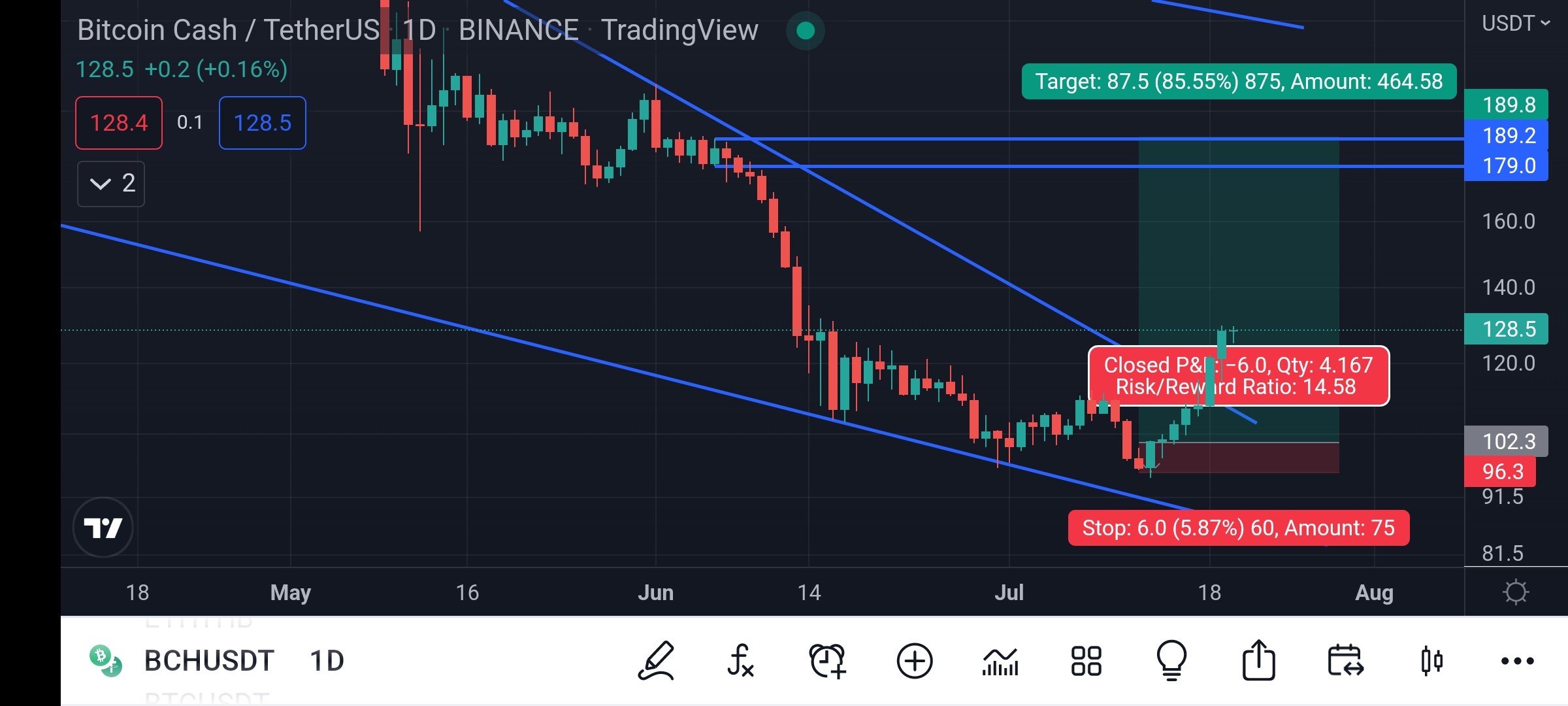
BCH is $131 now. expecting new ATH in next year.
@SnowUnderSun
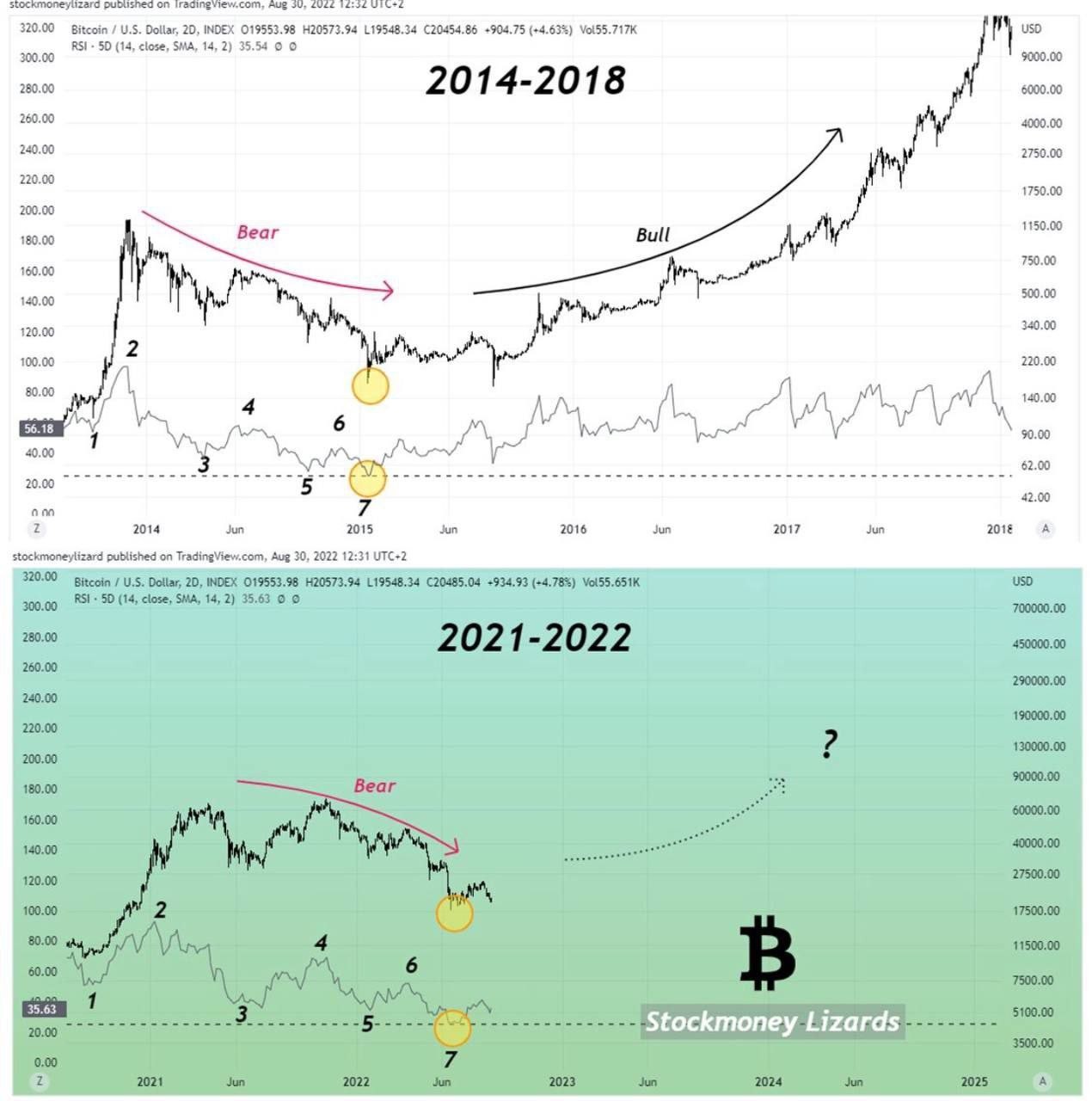
Long term market cycles. If you are an investor, you already start buying partially for sell in next 2 years.
 @SnowUnderSun
The market is collapsing again. hard time for crypto hodlers.
@SnowUnderSun
it is a hard day in crypto. BCH and other coins performed not good. Hope that market sentiment will be positive in September.
@SnowUnderSun
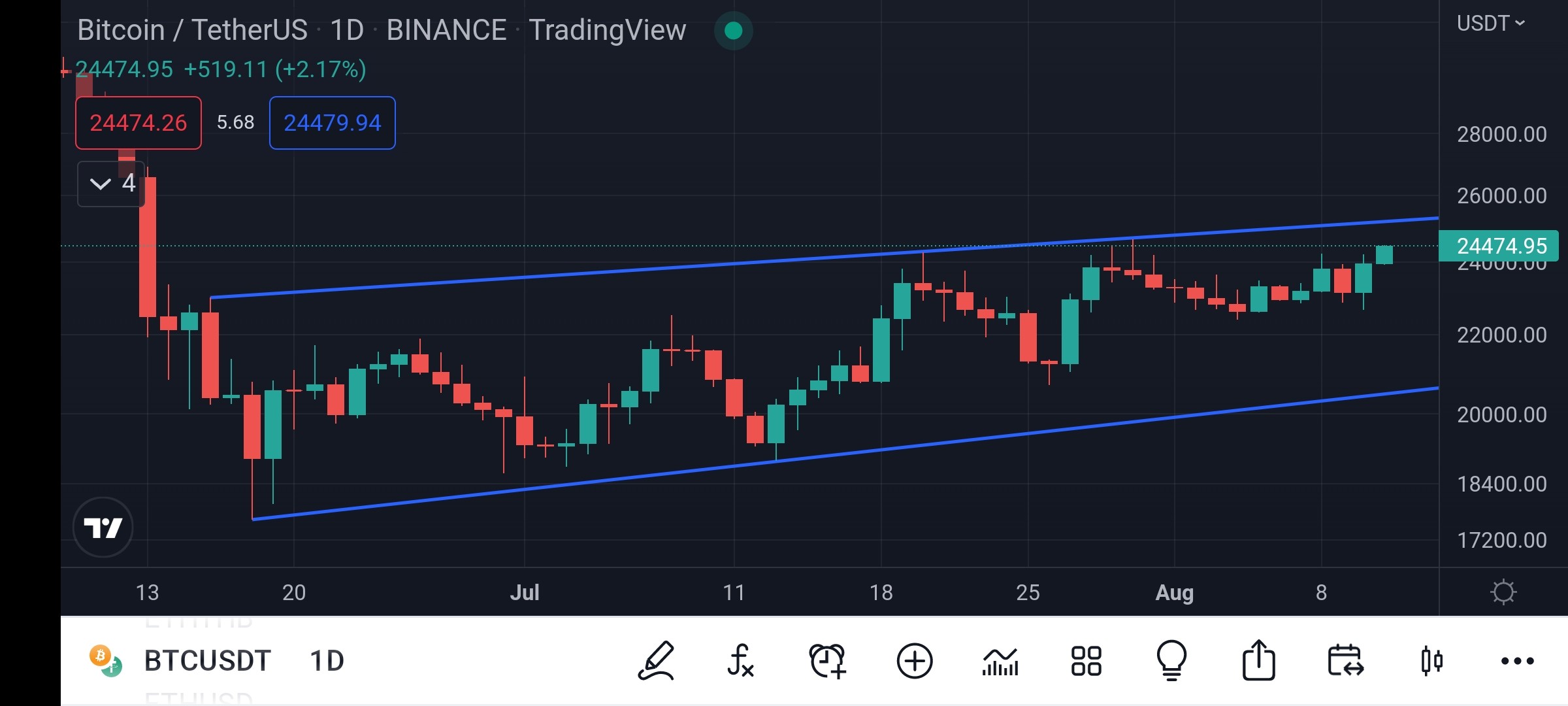
BTC my overview in daily candles
 @SnowUnderSun
Here is my latest article in read.cash https://read.cash/@SnowUnderSun/market-overview-as-of-july-20-07bf212a
@SnowUnderSun
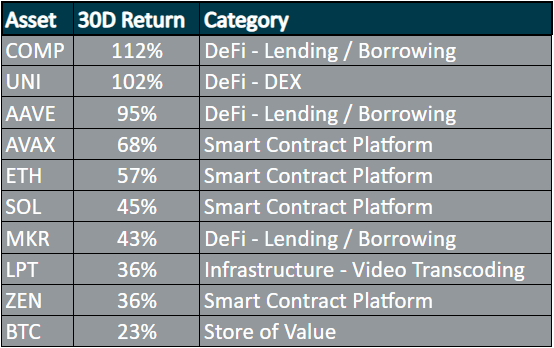
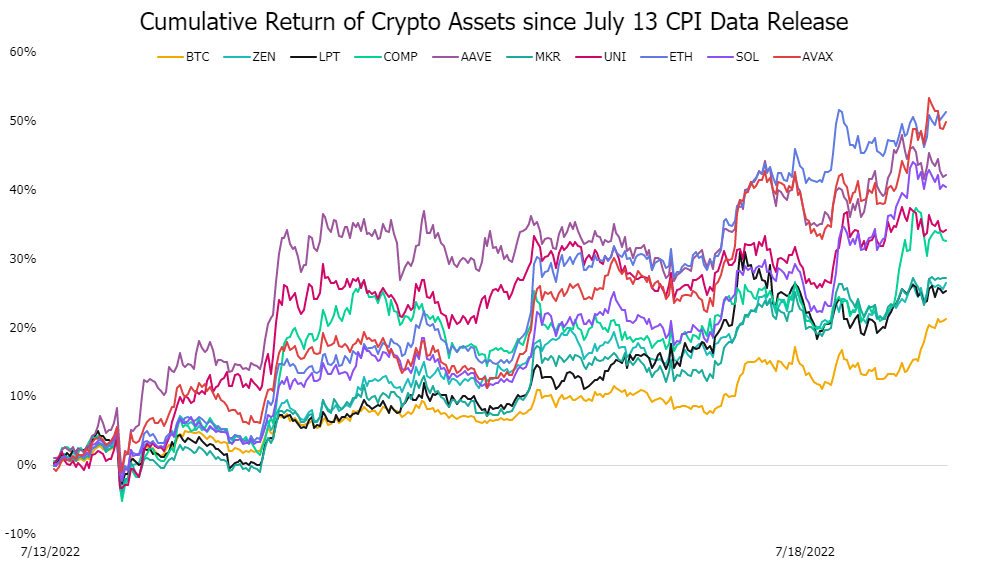
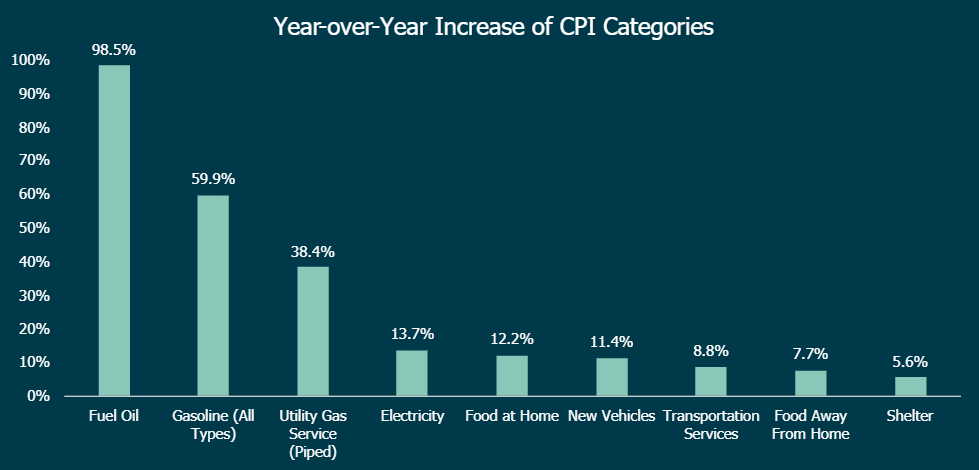
Market Overview as of July 20 **Relief in the Crypto Markets** In the month since our last newsletter, the big gainers in the crypto markets have been decentralized finance (DeFi) and smart contract platform tokens. Popular DeFi primitives like Uniswap, Aave, and MakerDAO reminded the market of the efficiency of DeFi when institutional lenders worked to pay back their DeFi positions before settling with their TradFi lenders. Despite extreme market volatility seen this year, these protocols operated exactly as programmed without acquiring bad debt and jeopardizing user funds. Meanwhile, centralized lenders are preventing users from withdrawing funds as they work on insolvency issues. On Wednesday July 13, the Bureau of Labor Statistics (BLS) released the monthly Consumer Price Index 1 rate (CPI) which increased to 9.1% YoY CPI, the largest in last 41 years. The high inflation print was expected and as of the time of this writing, cryptocurrencies like Bitcoin, smart contract platforms tokens, and DeFi tokens showed strength, gaining more than 20% since the CPI release. ETH led the rally with a 51% gain in the same period. http://email.grayscale.com/MDAwLUVVRS0xMjUAAAGFt2glnm5Q30ZgROEPG_BZa531PoYMxduUPVJOvvb9mNRcwjBJuy4-WZIlc_yxcSzcKV_YugY= The US is now tied with the United Kingdom for the 50th highest inflation out of the 167 countries tracked by Bloomberg as of July 2022. Across the globe, 20 countries, including Italy, Pakistan, Iran, China, and the U.K., are facing civil unrest due to the cost-of-living crisis. Fiat currencies are an important tool which could be used by governments to exert influence over citizens' activities. In countries facing political and economic unrest, governments can take drastic measures, demonstrated by the Canadian government’s actions to freeze the bank accounts of protesting truck drivers. Additionally, much of the monetary policy created to support fiat currencies are made by politicians acting on behalf of citizens. Widespread civil unrest across the world could create a preference for digital assets over fiat currencies and traditional equities. These assets can offer an alternative to centralized assets by providing a decentralized store-of-value with fixed, transparent monetary policy that can be used in any jurisdiction with internet access. All users need is the seed phrase 2 to their crypto wallet in order to access their crypto assets anywhere in the world, at any time. **Macro Commentary - Inflationary Woes** Looking ahead to September, the Ethereum Merge to Proof of Stake 3 could be the next major crypto-related event with market-moving potential in either direction. Aside from the Ethereum Merge and remaining assets being sold to close out positions from insolvent borrowers, crypto markets will be fighting largely against macroeconomic conditions for the foreseeable future. The Federal Reserve will meet again on July 27 to discuss interest rates, with Bloomberg estimating an upper bound increase of 100 basis points 4 (bps). To put a 100 bps (1%) short-term interest rate increase into perspective: using Federal Reserve Economic Data (FRED)’s US total debt of all types of $90 trillion 5, this would represent an increase of $900 billion of interest expense annually. Assuming US GDP is at $21 trillion 6, a 100 bps increase represents about 4.2% of GDP going into debt service instead of consumption, a shift which is bad for economic growth. Breaking down the CPI reveals, unsurprisingly, that the largest CPI drivers were increased energy prices, in the form of fuel, oil 7, and gasoline. Given that 85% of our energy consumption is fossil fuel 8, and that Russian crude and condensate output makes up 14% of the world’s total supply 9, it’s not a surprise that the Russia-Ukraine war has led to energy supply shortages, especially in European countries that have historically relied on Russian oil 10. The production of goods like medicine, chemicals, and plastics also relies on oil and its by-products, resulting in price increases beyond just energy consumption. Why does this matter in the context of cryptocurrencies? One reason is that inflation (especially structural supply-driven inflation) will impact prices, potentially for a while. At the current annual inflation rate of 9.1%, an initial purchasing power of $100 will degrade nearly 50% by year six. This debasement of monetary value is caused by both supply-driven inflation and centralized government decisions that will impact citizens for years to come, and people are aware of this. While governments and economies could collapse, cryptocurrencies could become one of the easiest ways to store and transport value as the infrastructure required to maintain the underlying systems is distributed across the globe. Historically, Bitcoin has had the highest trading volumes on a per capita basis from the beginning of 2013 to the end of 2018 in countries that have experienced significant monetary debasement over the last decade, like Russia, Nigeria, and Venezuela. A cryptocurrency like Bitcoin has a fixed monetary policy enforced by a decentralized network of node and mining operators. It operates independently of centralized actors; its supply can’t be manipulated, and it has never been bailed out through government intervention. **DeFi's Big Win Over TradFi** DeFi 11 caught some backlash from reporters as CeFi 12 platforms faced insolvency as crypto prices declined over the year. However, it’s important to note that CeFi is fundamentally different than DeFi. CeFi platforms are traditional financial institutions that deploy capital on DeFi protocols to earn yield 13. The amount of risk that CeFi companies take is solely up to them. DeFi protocols simply offer their services with strict parameters enforced by smart contracts that can not be changed. While criticisms of CeFi business practices are valid, criticism of DeFi, specifically smart contracts, is inaccurate and somewhat paradoxical. In fact, the first loans that were paid back by CeFi lenders like Celsius were the DeFi positions on protocols like Aave, Compound, and MakerDAO, while the remaining lenders to Celsius must wait for bankruptcy proceedings to complete. These protocols operate on immutable smart contracts that enforce agreements which can not be changed or negotiated on. So when a user chooses to interact with a smart contract for a loan, the loan will attempt to automatically liquidate if the debt is not kept in good standing to avoid accruing bad debt on the protocol and ultimately risking other user’s funds. While CeFi platforms halted trading amidst “extreme market conditions'', DeFi worked as intended, enforced by the smart contracts and decentralized networks supporting them. In our opinion, the human nature to take risks ultimately led to undercollateralized loans no longer being profitable and debts not being settled in time resulting in lost capital. Unlike traditional lending, no bankers were called, there weren’t court proceedings, and the entire process was automated & instantaneous. The core DeFi primitives that exist today like Aave and MakerDAO, overcollateralize their loans so when the value of the collateral falls below the value of the debt, the position will be automatically liquidated on-chain. Centralized lenders who lost money did so as a result of undercollateralized positions and the inability to close the positions in time. We saw something similar happen earlier this year in March, when one of the largest Nickel traders took a leveraged short position that required massive coordination over many days to close out the position. DeFi automates all of this. Transparency is key in trustless systems. DeFi has transparency in terms of on-chain collateral positions, liquidation points, and code execution. CeFi was more opaque, hence the contagion is much harder to map. Despite criticisms of DeFi, opaqueness in areas within traditional finance, such as the shadow banking system, have caused significantly larger losses that spread beyond direct participants. Since the Great Recession, the Financial Stability Board estimates that international shadow banking assets have grown to nearly $60 trillion. While we are down from all-time highs, the crypto market may be beginning to show signs of strength again. The success of DeFi amidst market volatility appears to have sparked renewed interest in these on-chain financial primitives. Recent market events have shown us how efficiently transparent, decentralized protocols can be in contrast to traditional finance. The value proposition for decentralized assets like Bitcoin is also becoming relevant again as economic uncertainty and civil unrest grows due to rising cost of living, inflation, and rates. We believe decentralized money that is agnostic to borders or citizenship—and which requires nothing more than a wallet & internet connection—is an extremely valuable tool for people around the world. Market Cycles
+1 more
@SnowUnderSun
My recent BCH set up. Expecting it will reach to $179-189 at first leg
 @SnowUnderSun
Nice infographic about market cycles.
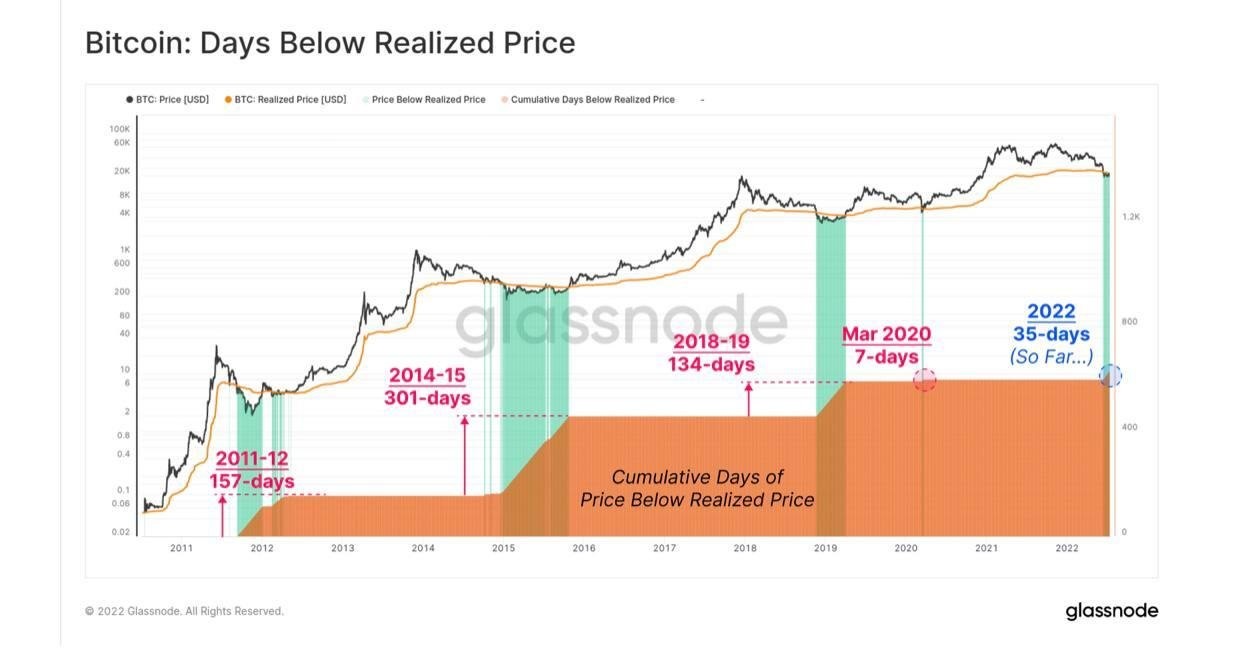 @SnowUnderSun
In fifth day, feel recovering from covid but ATK test still shown as positive.
@SnowUnderSun
Cloudy day
 @SnowUnderSun
Long time I did not look here. Whole day heavy monsoon rains in my location. Try to take pic but rain is not visible in night photo.