 @Rose
more from that month
@Rose
more from that month
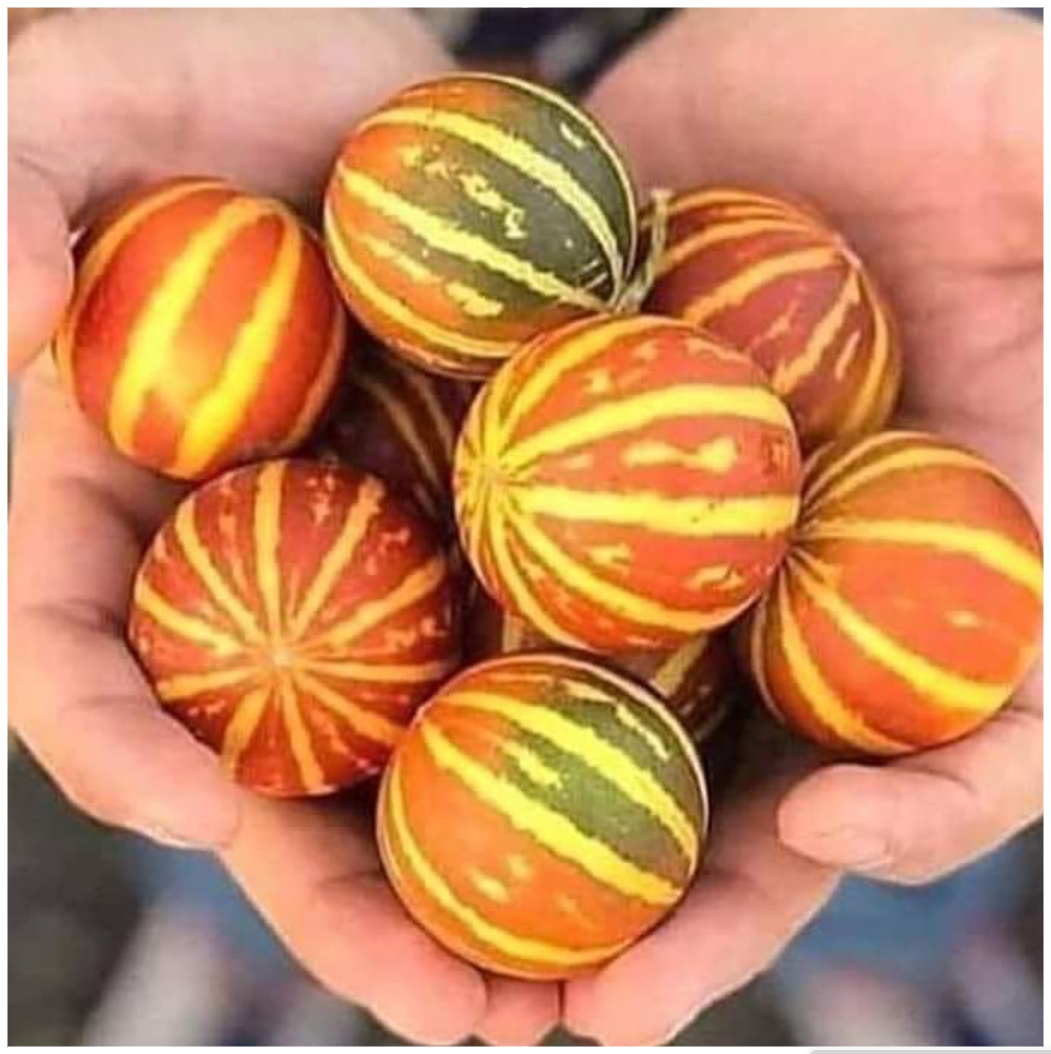
SHAMAMA Think of a melon that is the size of an apple, as effective as a perfume, and smells like a sweet treat. Shamama melon is one of the forgotten delicacies today. It is derived from the Arabic word "shemm" (fragrant, fragrant). The oldest records about Shamama appear in Divanü Lugat-ıt Türk. In the past, it was hung in many parts of the house, put between dresses, added to the bride's dowry, and a perfume put in the packs of young people who went to the military. Shamama melon was not sweet like today's melons, so it was not consumed as food. But its aroma was used to make syrup, dessert, candy, Turkish delight, sherbet for many flavors. Shamama did not smell very good when harvested. After being kept in sacks of flour or bran for 2 weeks, it would start to smell good. It is a fruit that can be grown almost everywhere in Anatolia. Some of their names in Anatolia are as follows; kohlrabi (Osmaniye), squirrel (Bolu), cinderella (Denizli), esememe (Mersin), sebeden (Maraş). In the works written by Eşref Bin Muhammed in the 14th century, he states that in medicine, sniffing shaman is very good for brain health, and consuming it relieves stomach ailments. In addition, it is written in Evliya Çelebi's travel book that şamama melons are presented as gifts among the rich and the sultans. In the Ottoman period, it has become a custom to carry a shaman by hand. People used to carry it with them both to smell good and to smell and be happy every now and then. When we examine the Anatolian literature, many poems talk about the shamama melon. In the past, this beauty, which people carried with them and gave importance to, like a mobile phone, has been forgotten today.
1 comment
Mmm never seen this melón color, sure delicious and sweet 😋