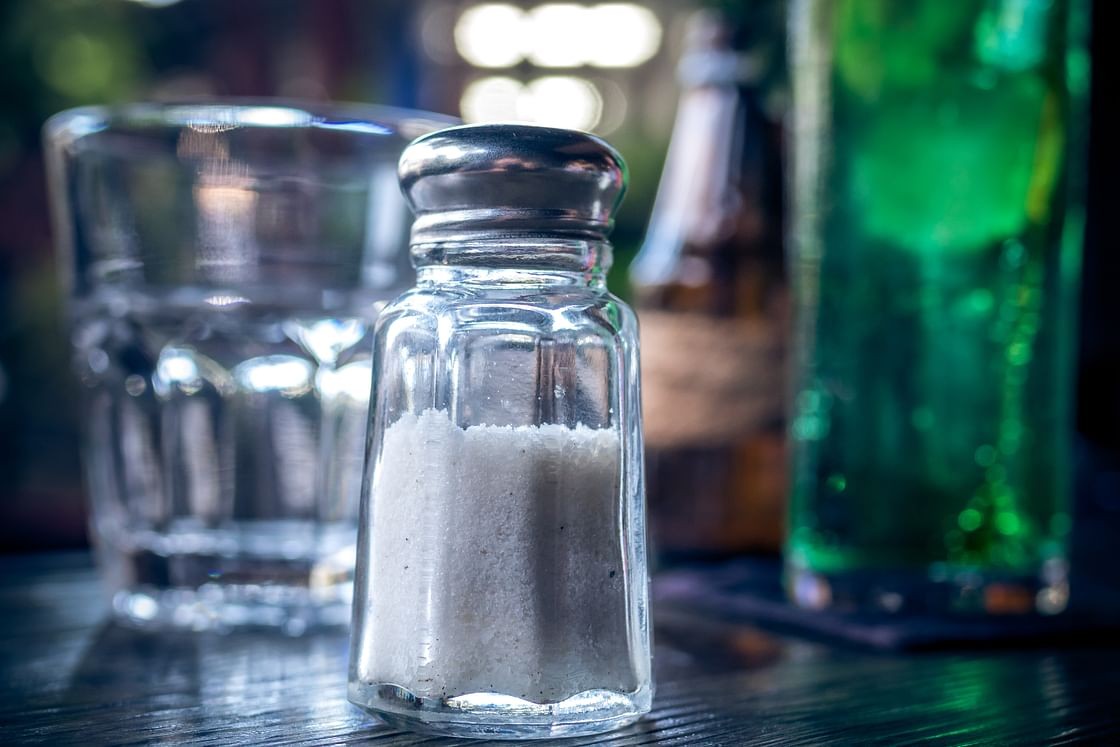
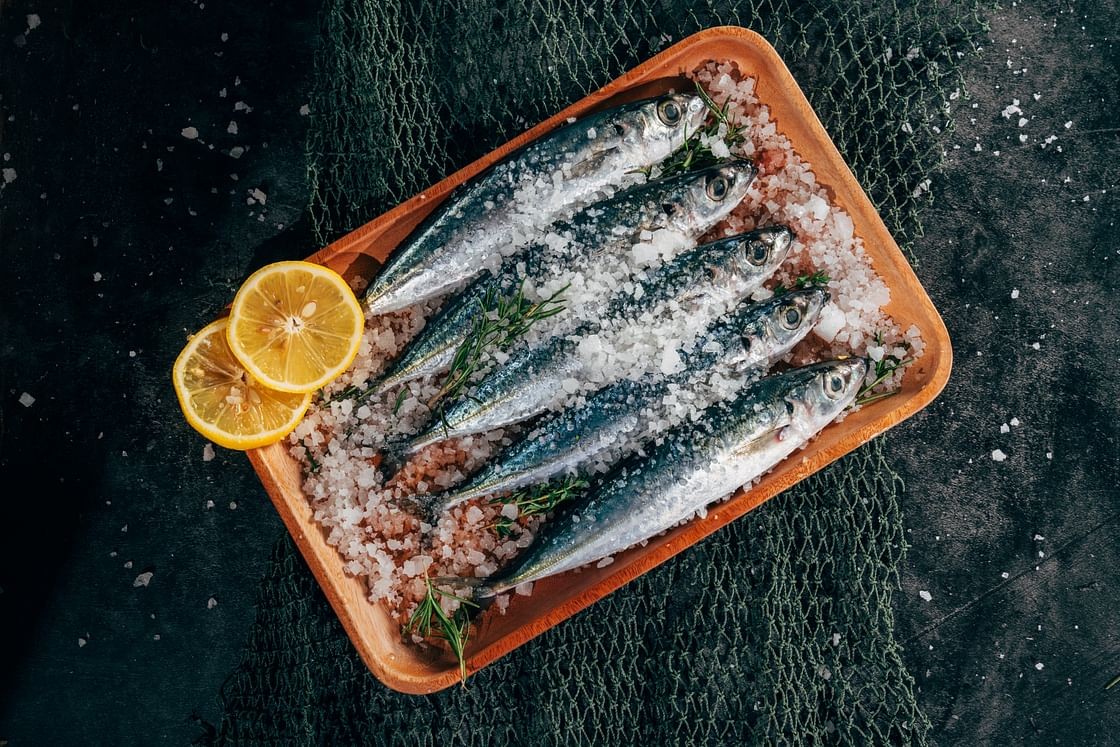
Salt ★Salt is an essential ingredient in our diet. The World Health Organization has a guideline on how much salt balances our health every day, how much salt causes various problems in the body. People should be able to follow that guideline. The World Health Organization thinks that people are suffering from various diseases due to excessive salt intake. They hope that if salt is taken in the right amount, 2.5 million people will be saved from the risk of death every year. For this, they advise to follow the guidelines given by this organization. ★Just as salt cannot be eaten when it is low in cooking, so too is the responsibility to take it in the mouth even if the salt is high. More or less salt completely spoils the taste of the food, while the amount of salt makes the food delicious. Sodium chloride, the main ingredient in salt, is essential for our life but many of us do not know exactly how much salt our body needs, we take more salt than we need daily without realizing it due to our eating habits. Excessive salt causes various problems in the body. So the World Health Organization is talking about taking only five grams of salt daily. Five grams is actually the equivalent of a teaspoon ★Whenever anyone asks us about salt, we say we don't eat salt! But our eating habits are salt dependent. Rice, curry, pulses, vegetables, fish, meat, mashed potatoes all have excess salt. We even eat salads, raw fruits with salt. Breakfast in the morning, breakfast bread in the afternoon, puri, samucha, shingara, bara, noodles soup are all made with salt. In all, I eat two to three times as much as the World Health Organization guidelines. Four members of a family consume more than 1 kg of salt per month i.e. 250-300 grams per person, 9-10 grams of salt daily, which is double the guideline. And if we eat polao, biryani, halim, noodles on weekends, the amount of salt intake increases even more. This is a very common image in all our families. And fast food is being warned again and again due to its high salt content. The pros and cons of salt, the properties and side effects of salt We all know that salt is an essential part of our daily diet. ★Almost every food without salt is incomplete, not only does salt keep the body hydrated, it also plays an important role in the proper functioning of the thyroid gland. Salt is especially helpful when blood pressure is low or when the amount of sodium in the body is low. Even salt meets the body's need for iodine, an essential nutrient for maintaining the body's total fluid volume, acid and electrolyte balance, and normal cell function. Salt is not food! There is no longer any justification for its culinary use. Potassium chloride, more than calcium chloride, barium chloride or any other chemical of the druggist. Salt cannot be digested by the body, salt has no nutritional value! Salt has no vitamins, no organic minerals! Instead, it is harmful and causes problems in the kidneys, bladder, heart, arteries, veins and blood vessels. ★Waterlogging with salt causes swelling and edema of the tissues. Salt can cause serious medical problems and can act as a heart poison. It also irritates the nervous system. Salt snatches calcium from the body, bones, etc. and attacks the mucus to form a lining all over the body. Excess salt intake is extremely harmful to health. Studies have shown that there is a risk of various types of damage if you take extra salt. Such as: heart attack, stroke, high blood pressure, thyroid, nerve problems, kidney problems are multiplied. There is a lot of damage done before people realize it, you will notice lately that the number of kidney patients among the relatives around us is increasing, and patients with high blood pressure are at home, which increases the chances of death. Excess sodium intake, mainly through salt, and inadequate potassium intake are responsible for high blood pressure. ★Studies have shown that taking less than five grams of salt daily in adults reduces the risk of cardiovascular disease, stroke, kidney problems, heart attack, etc. According to the World Health Organization, most people consume an average of 9-12 grams of salt per day, and if global salt intake were reduced, it would be possible to prevent an estimated 2.5 million deaths a year. The new guideline is why the World Health Organization is calling for a 30 percent reduction in global salt intake by 2025. The use of processed foods around the world is rapidly increasing the amount of sodium intake per day. These new guidelines will provide guidelines for reducing sodium in a variety of processed foods in all countries. Increasing production of processed foods, rapid urbanization and lifestyle changes are helping to transform the diet. ★People around the world consume more energy-dense foods, which are high in saturated fat, trans fat, sugar and salt. Salt is the primary source of sodium and an increase in sodium levels is associated with hypertension and an increased risk of kidney, heart disease, and stroke. The diet has been advised not to take processed foods that are high in salt. This is because they are especially high in salt (such as prepared foods, processed foods such as bacon, ham and salami, cheese, salty foods and instant noodles, often eaten in large quantities, bread and processed cereal products. Soy sauce, fish sauce and Table salt. ★Strategies can be used to reduce salt intake, especially if breakfast is eaten with fruit, in the case where it is reduced, secondly, if half a salad can be eaten at noon and at night, then salt will be reduced. It will keep the body healthy and will reduce the risk of damage caused by salt. **Photo: pekgels.com


No comments yet