 @Nurtaj1234
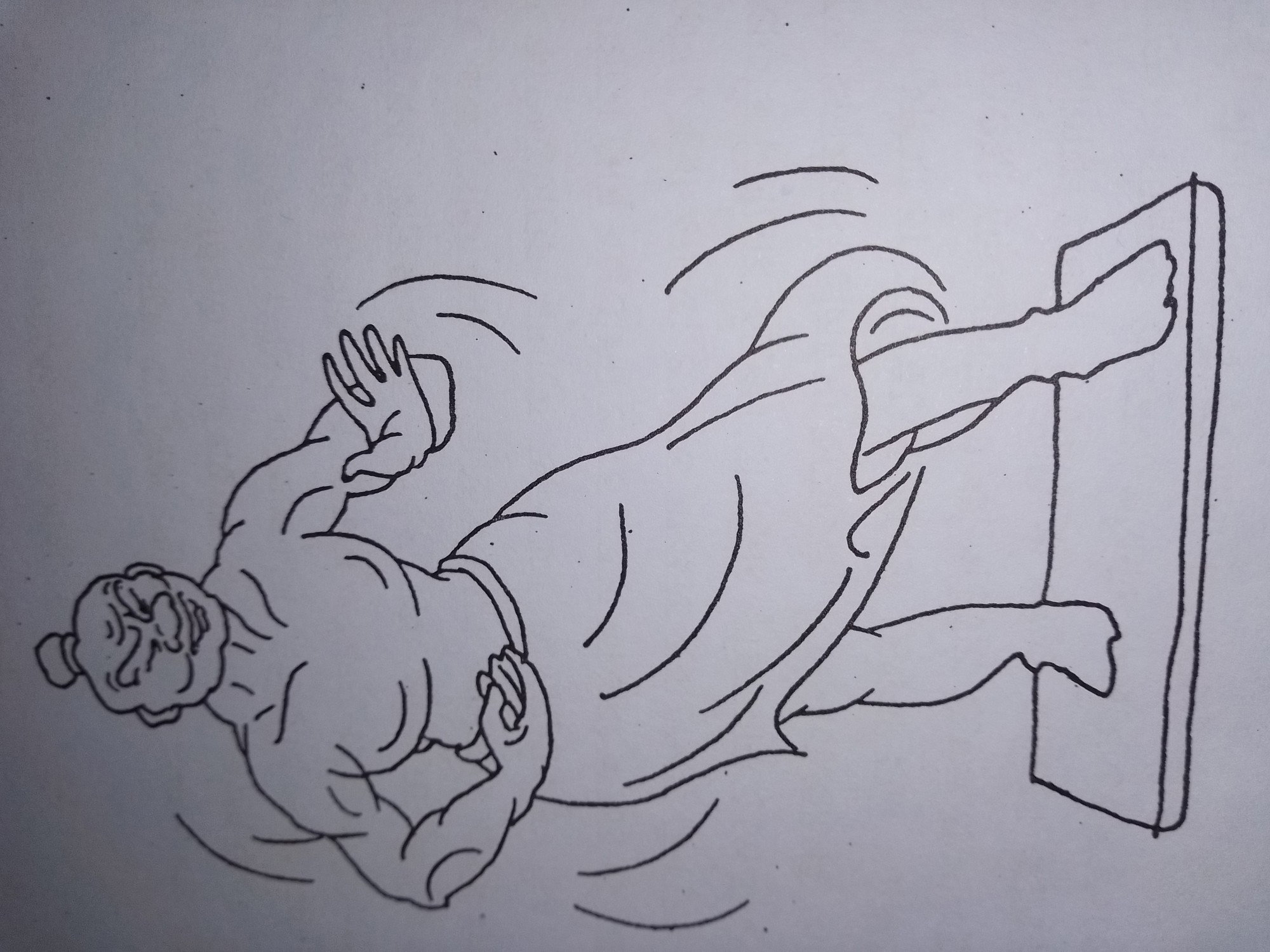
tenchology use --The old past came back Japanese scientist • J e yatagami belgadi. And the aunt is busy making shelter. That's it. No. Modern life as well as the lock this time Manaayeg gave. Towards the past. Thousands How to fade, yearless statues from years ago Can it be saved better? Pollution, Corrosion িতে in those idols saved from all this How to highlight the ancient tradition Imagination? Fancy the art and culture of the past Want to live in a new way today Japanese scientists. Nabar Taedaiji is one of the Japanese Historic city. At the south gate of this city For a long time there was a huge pair made of wood God. ‘ These two colors, called Neo, are idols of Hatashree.
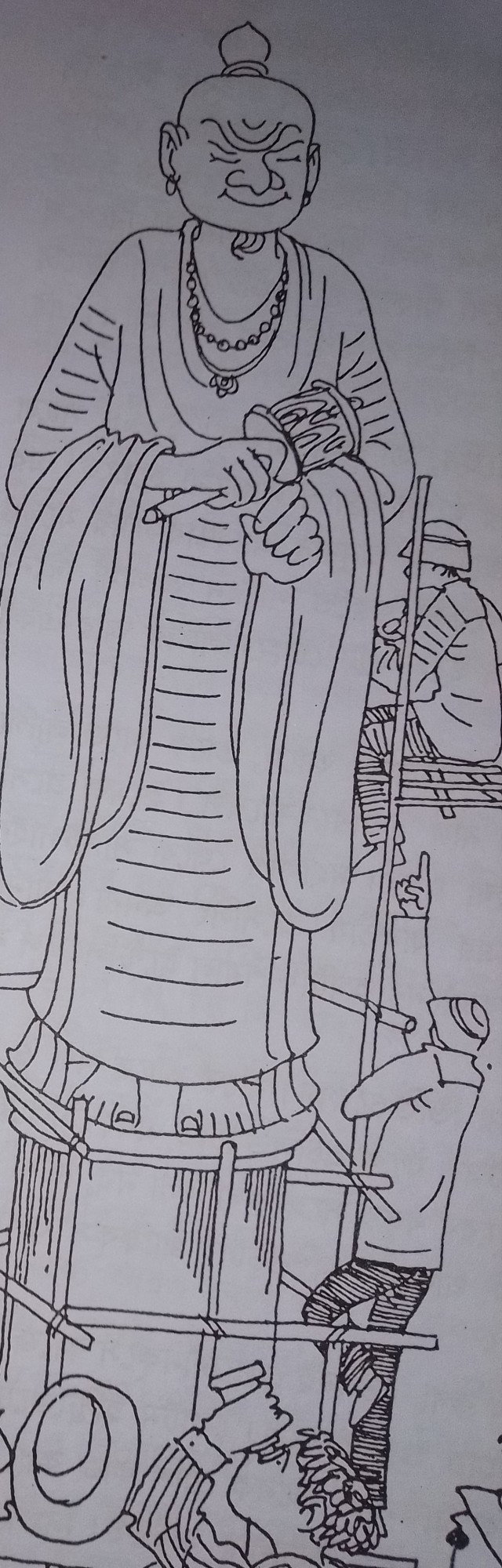
Recently with the help of mobile crane for repairs They have been removed to the temple premises In the temporary studio built. Eight meters in 1203. Two of these statues were made high. Whole wood The two statues of the god Neo are the largest in Japan Not just statues, they have been around for centuries. It was intact, which is really surprising. The two statues have survived for more than 600 years However, many idols have been destroyed. Of structure Layer clamp and nail loose on the body Was done. So scientists have two statues Decided to save properly. Kiatore in that temporary studio National Treasure Restoration Inst- 15 scientists from Tute tested the two statues The science of the new day And identifies the individual pieces. How the patch was given Pictures are also taken so that it is not difficult to attach the pair later. In broken parts They use a type of glue to attach. Corrosive laher, clamp and He cast the nail according to the previous opinion. The cracked parts are scraped and painted In such a way that it regains its former luster. Taking time to finish repairing the two statues It was five years. Scientists hope the work will be completed by the end of this year For a few more centuries the statues will be marked as two wonderful sculptures. Realizes Will take people's respect and awe. Researchers in Japan are just thinking about preserving ancient sculptures, Not that. They are also responsible for the preservation of ancient paintings and manuscripts. Traditional Japanese painting Manuscripts have been created mainly on tulle paper and silk. These are practical enough Strong and attractive. Since these are old-fashioned, the task of preservation is not very easy. That's why Needs water use, glue, machinery as well as skilled and experienced staff. This is Japan The tradition is made entirely in the lithograph system, so it has caught the attention of experts. As a result One with professional conservators has already been held in Tokyo and Kyoto International seminars. It invited several conservators from 15 cities in Japan Was. With the advancement of science, modern technology has also made a significant impact in various fields. This modern technology is now being used in the search, preservation and repair of antiquities. Modern Fiberscope instrument has come in technology. Which nowadays in the medical branch of human stomach examination Is used. Use that device to find out what's in a thousand-year-old ruin Being done. To repair many old monuments in bad weather Experimentally insert a fiber scope tube with a radius of one centimeter or less Short-length documentaries are filmed through sophisticated computers. That data and image analysis By doing so, the researchers found out what the actual condition of the bogs was and the extent of the damage. Of that computer This analysis is mainly used in space technology The fun of determining the weather and nature. One with the help of Fujinaki Pay Fibercop in Japan The search did not move like a stone. Scientists already knew, Samadhir = CSS and that visit are arranged. Hariji made in the seventh century Given the loss and restore through lottery image processing 22. Antiquities are being preserved by using Keh and AJM. This The last hedgehog that turns into a plaza that forms a coating on a metal object,
(2 << S = S e can be any prototype goose Particularly responsible for manipulation, blight and natural changes. Scientists that only Not only researching different ways of preserving antiquities, but also finding out the causes of decay Trying. They also saw toxic fumes and acid-rain coming out of the factory Destroying antiquities. A few years ago at the National Research Institute of Culture in Tokyo The property began research into how toxic air is destroying agriculture. One of them Researchers have found that acid-rain can do more harm than good to an agriculture Foggy acid. This is because the foggy acid does not leak into the body of the object, on top of the structure Involved in the level. The result is a lot of damage. An investigation is under way in the historic city of Kamakura, Tokyo. At the World Heritage Conference Japanese archaeologists have listed 358 types of archeology and natural resources. In this regard The Japanese government has also undertaken a special program. Not only in their own country, the Japanese Experts are also working on conservation in neighboring countries. Hopefully, in the coming days Every country in the world will become aware of this and a great work will begin. Thans for reading..
No comments yet