 @Nathan6692
more from that month
@Nathan6692
more from that month
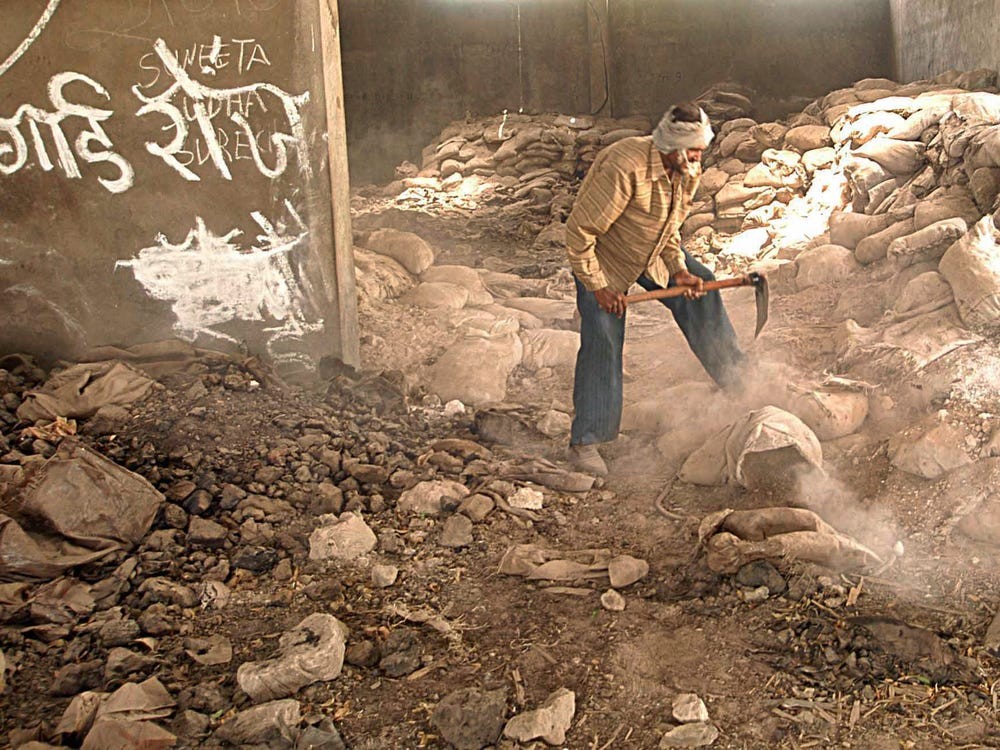
The Union Carbide Cyanide gas leak caused a death toll in the thousands. On December 2, 1984, an explosion at the Union Carbide insecticide plant in Bhopal, India, caused 45 tons of methyl isocyanate gas to leak out and reach the nearby towns, which killed more than 3,000 instantly. Later, the death toll was estimated to be between 15,000 and 20,000, according to Brittanica, with about 500,000 affected by the gas exposure. After the incident, the gas leak was reportedly not dealt with properly and more than 300 metric tons of waste remained at the site decades later in 2016. Because of this, chemical runoff is believed to have contaminated the drinking water in the area and some experts say it has caused chronic health problems and birth defects. In 2004, the government of India was required to provide clean water to residents because of contamination in the groundwater and in 2010, seven former employees of Union Carbide were convicted of negligence in relation to the incident. Mercury poisoning affected thousands in Japan. minamata poison A woman holds a victim of "Minamata Disease," or mercury poisoning, in Minamata, Japan, in 1973. The girl has a malformed hand, like many victims of the disease who suffer from physical deformities among other symptoms. AP From 1932 to 1968, The Chisso Corporation, a Japanese fertilizer company, released wastewater into the bay off of Minamata City that contained an estimated 30 tons of methylmercury. That toxic chemical affected fish in the bay that were then eaten by humans who contracted mercury poisoning, also known as Minamata disease. The disease causes among other things, seizures and muscle spasms. About 3,000 people are certified victims of the disease, while 2,000 more have sought to be classified as such. Various legal actions have awarded money to certified victims of the disease and in 2017, the UN agreement the Minamata Convention on Mercury sought to limit the risk of mercury poisonings and pollution. #info #EverythingsInfo
No comments yet