 @MoonieOnNoiseApp
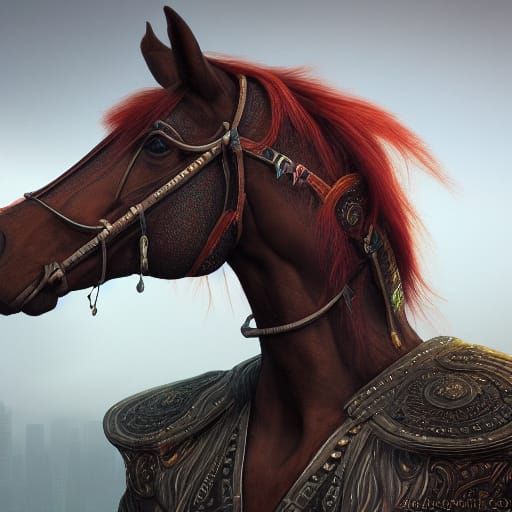
Philippine mythology creatures "tikbalang" One of the most well-known and long-lasting mythical animals in Filipino folklore. The tikbalang is claimed to be a half-human, half-horse creature in the pattern of the Greek Pan, with a human upper body and horse lower limbs. There are two known versions of the creature's appearance: the more popular and frequently depicted version depicts the tikbalang with a horse's head, while the lesser known version depicts it with a human face. Both tales agree, however, that the tikbalang has extremely long, powerful legs that resemble the back quarter of a horse, complete with hooves. According to legend, anyone who can ride the tikbalang and pluck the golden hair from its nape can tame the beast and turn it into a willing slave. However, in its natural state, the tikbalang, no matter how powerful it is, does not harm or kill people. At worst, it misleads people and plays devious tricks on their senses. Although I am not aware of any other regional variations of its name, as far as I am aware, the word tikbalang is universally understood throughout the Philippines. However, it is possible that there are other regional variations of its name. When it comes to the origin of the word, I can't say for certain where it came from. In tagalog, a balang is a locust. Since it is common knowledge that locusts have relatively lengthy hind legs, one of the things that puzzles me about the depiction of the tikbalang as stooped over with its legs folded and with knees that are higher than its shoulders is whether or not this fact might have something to do with it. It would appear to be an enormous version of a locust in some way.
3 comments
Takot ako sa tikbalang ayaw ko niyan haha.
Ahaha bat naman
Have a greatorning to you sis,naku nakakatakot Kaya yan tikbalang sis hehe keepsafe po