 @Milan1999
more from that month
@Milan1999
more from that month
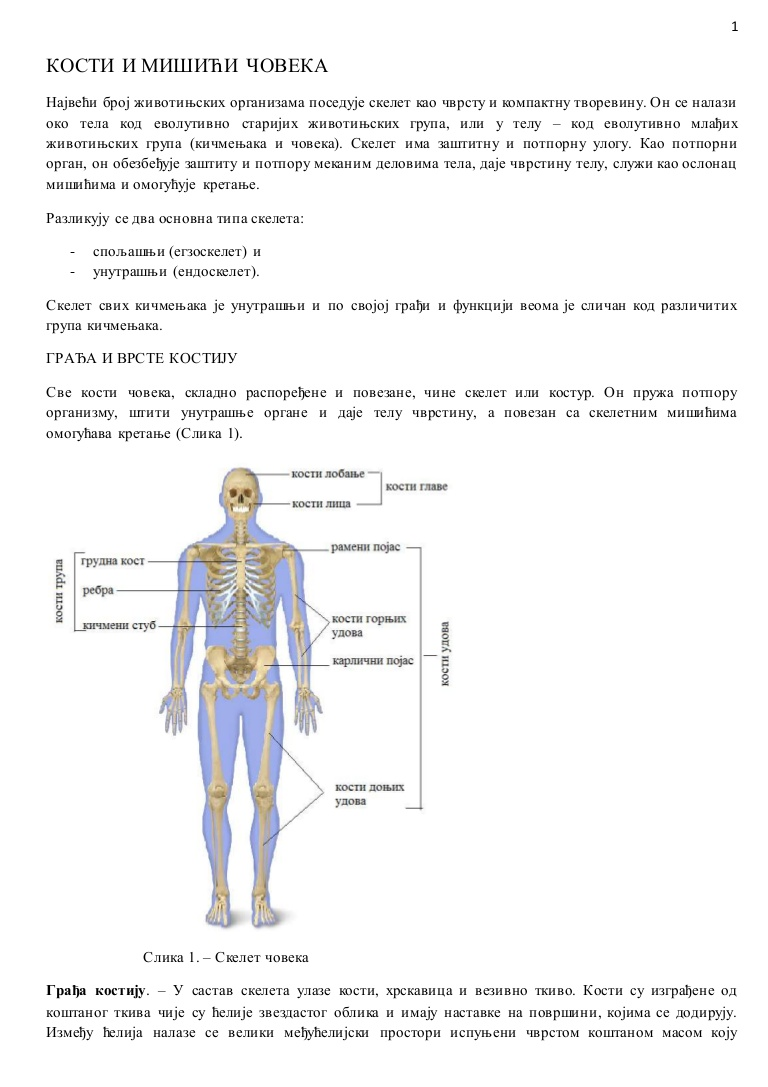
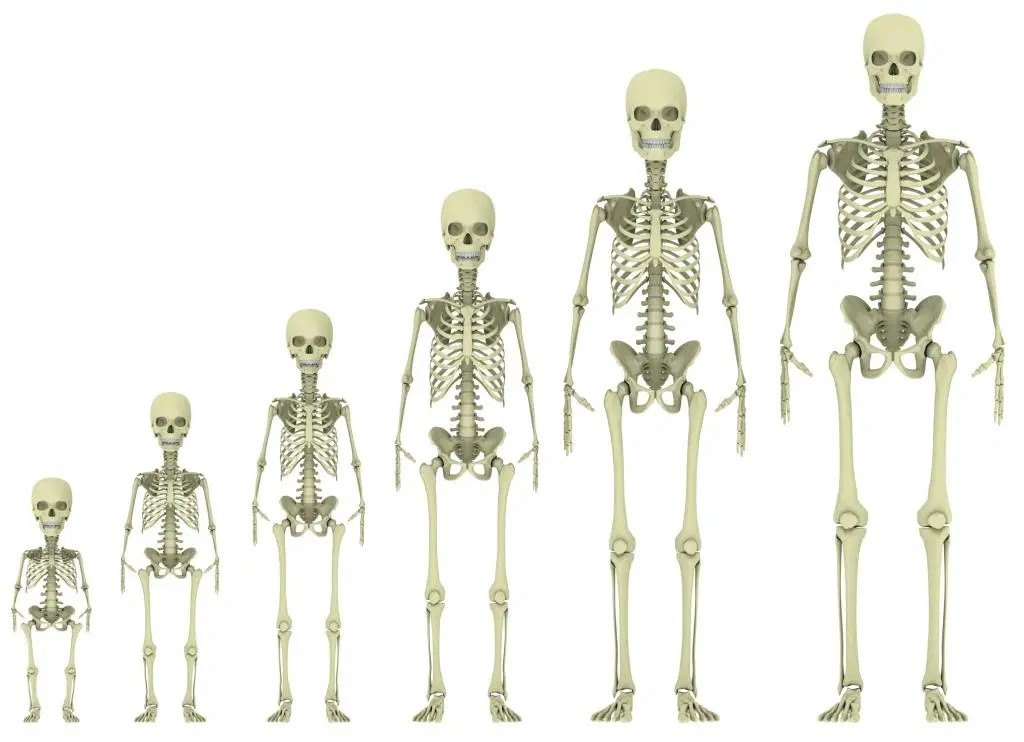
12 interesting facts about bones (which you may not have known) 1. Why bones disappear People are born with about 300 bones in their body, but over a lifetime that number drops to 206. The reason for this is that many bones like skull bones grow together as they grow up. 2. How do we grow? As long as the cartilaginous growth plate located at the ends of the long bones in the arms and legs is open, we grow. The growth plate closes in late adolescence in boys and within 2 years of getting menstruation in girls. 3. How to take care of your bones? Our bones are gaining in density until we turn 30 years old. After that, the density starts to decrease, and exercise, daily walks and a sufficient intake of calcium and vitamin D are a good way to maintain bone health. 4. How do broken bones heal? Damaged surfaces coalesce to create new bone that can sometimes be even stronger. 5. Our skeletal system has many tasks It drives us, protects our brain, heart and lungs, produces blood cells and stores and regulates minerals that help the whole body function. 6. Largest and smallest bone The femur or femur is the longest in our body while the stirrup, a tiny bone in the middle ear about 2.8 mm in size, is the smallest bone. 7. Where are the most numerous bones The hand, fingers and wrist consist of 54 bones with which we can then write, play or use a mobile phone. 8. Bone is living tissue Collagen in the bones is constantly renewed, and thus the bones that are built of collagen. 9. And teeth are bones And teeth are made up of calcium and minerals, just like bones. But teeth do not have collagen, which gives bones strength and flexibility. 10. Wonderful female bones The male and female skeletal systems look surprisingly similar, but the shape, size, and inclination of the pelvis in women are specially equipped for childbirth. 11. There are also fixed joints The bones join at the joints, most of them movable, but some are also immobile, like the bones of the skull. 12. Why do joints squeak? Muscles and ligaments support our joints, and cartilage makes it easier for them to slide and move. When the cartilage begins to wear out, the joints begin to creak.

No comments yet