 @Milan1999
more from that month
@Milan1999
more from that month
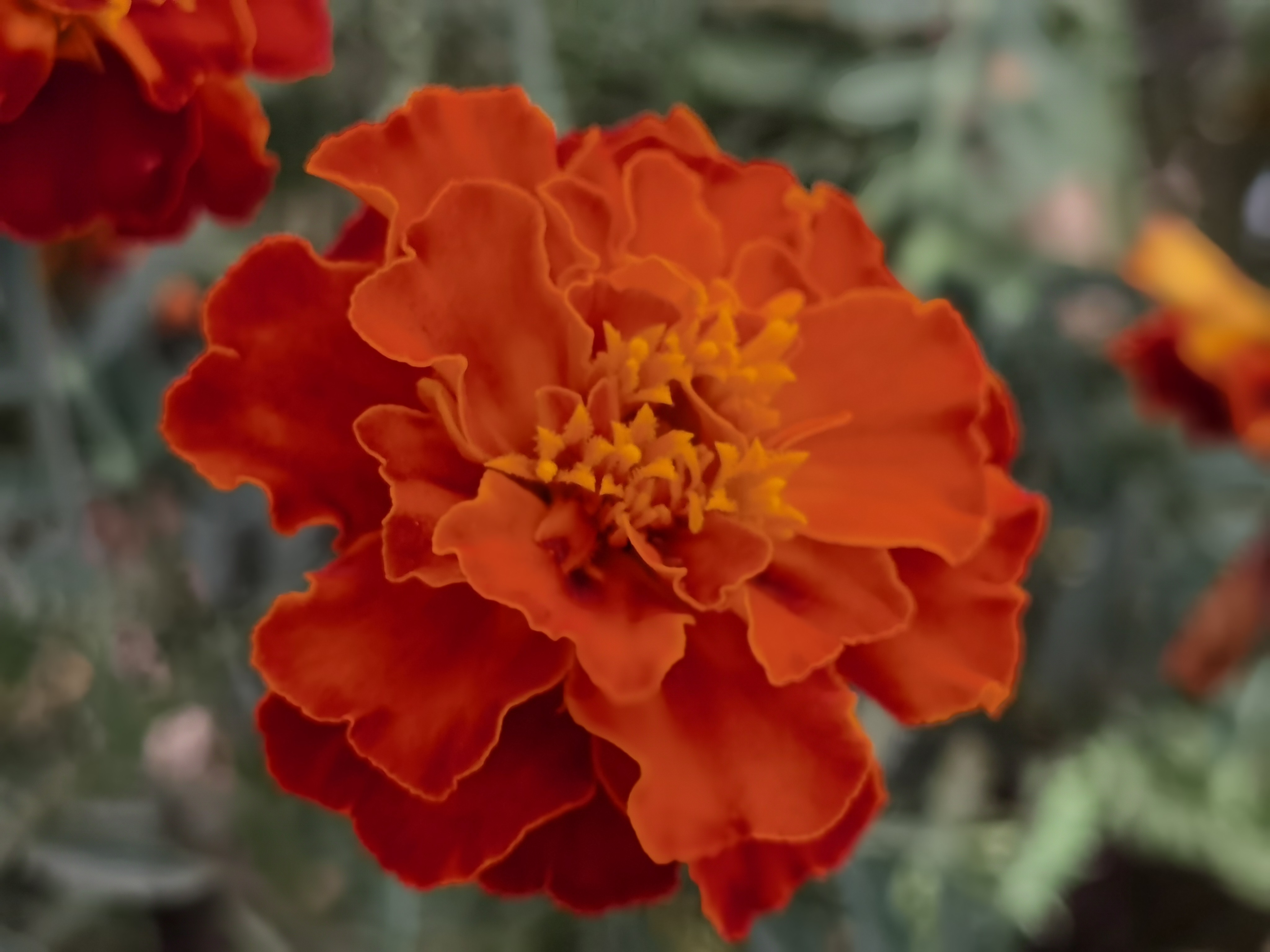
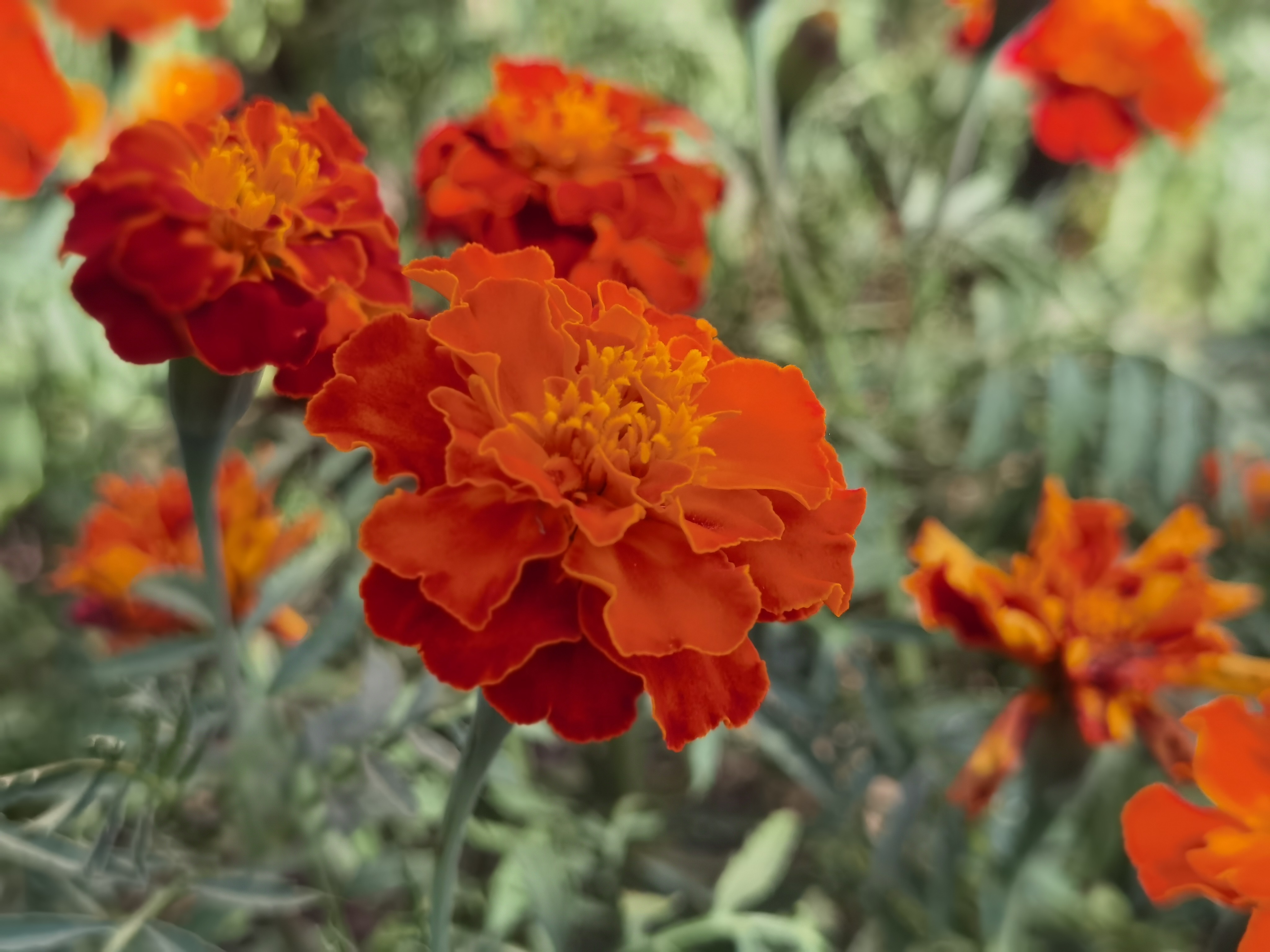
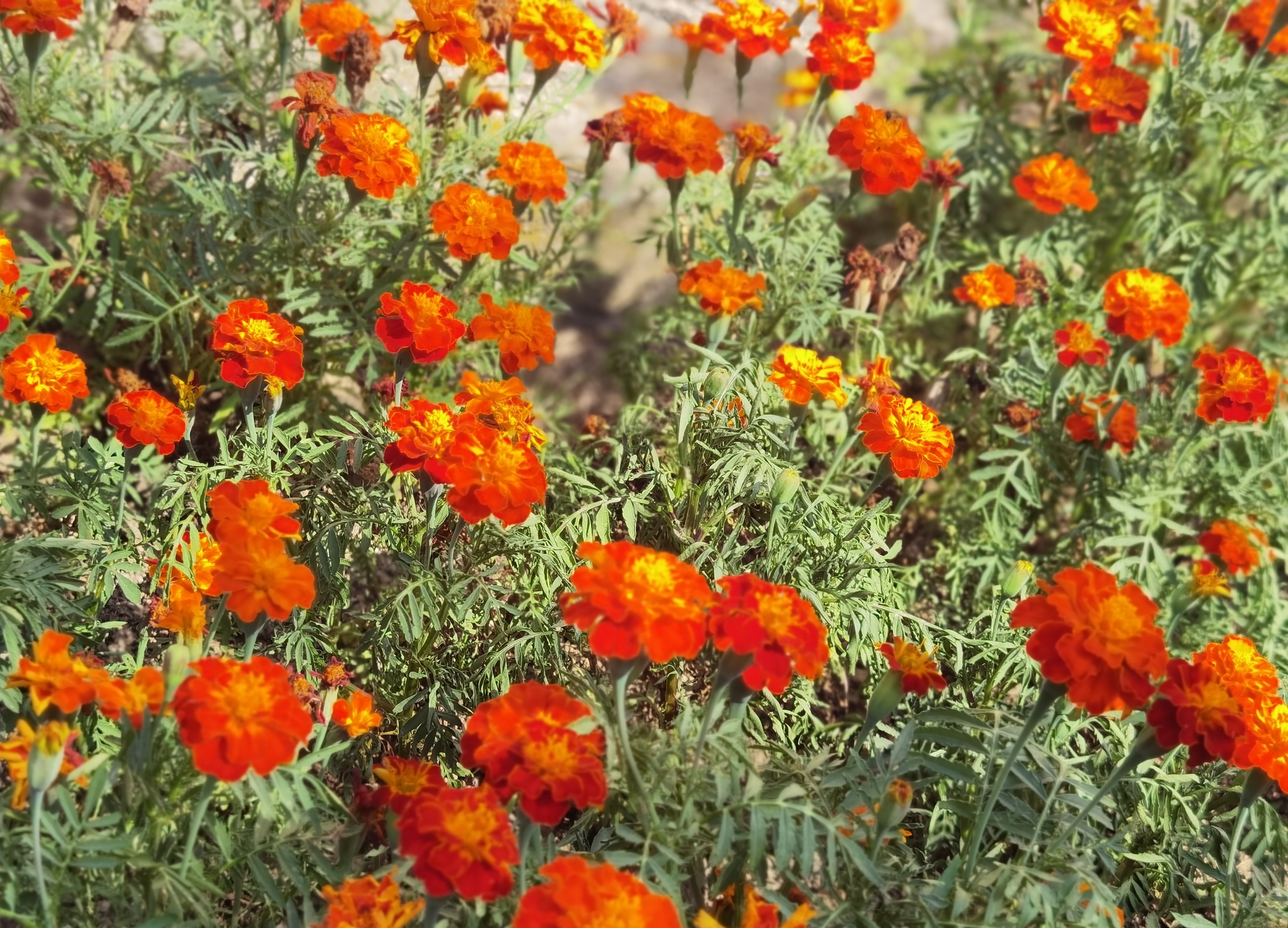
Good morning, there are quite a few types and colors of velvet. The genus is native to North and South America, but some species have become naturalized around the world. One species, Tagetes minutes, is considered a harmful invasive plant in some areas. Tagetes species vary in size from 0.1 to 2.2 m in height. Most species have green feathers (reminiscent of fern leaves). It blooms naturally in gold, orange, yellow and white, often with burgundy details. Flower heads are usually 1-4 (6) cm in diameter. In horticulture, they tend to be planted as annuals, although perennial species gain on pop Depending on the species, Tagetes grows well in almost any type of soil. Most choices for horticulture grow best in a country with good drainage. Velvet is a stereotypical flower, but it has a huge variety; some species have a fantastic scent; all velvets are good for growing in pots and give long-lasting cut flowers. There are high and low types of velvet (Tagetes erecta and Tagetes patula). Velvet flowers growing Growing velvet is not complicated. Velvet needs a lot of sun. Although it grows in almost all types of soil, velvet thrives in moderately fertile, well-drained soils. Sow them directly in the garden when the ground is warm, or start sowing indoors about a month to 6 weeks before the last day of spring frost. Velvet seeds germinate easily. Separate the seedlings when they are about 5 cm high. Plant them in a loose soil base, or transfer them to a garden. If you are planting velvet in pots, use soil based on a substrate mix. Care and maintenance Velvet is a fairly hardy and undemanding ornamental plant. It is a very grateful flower for growing. For that reason, it is recommended for beginners, because with minimal care and maintenance, with little spending of your time - it will give beautiful fragrant flowers and beautify your space. Overblown flowers should be removed regularly to make the plant more lush and to focus its energy on new leaves and flowers. Regular watering is mandatory, of course without exaggeration, especially during the summer, when there is great heat and when the plant blooms intensively. High species need support, and lower species need enough garden soil and a sunny position. Diseases Farmers and gardeners have long known that velvet is an important accompanying plant throughout the garden. Not only will the smell of velvet repel animals and insects, but the underground action of velvet will repel nematodes and other pests for up to 3 years. For that reason, velvet is considered a natural insecticide. When it comes to diseases, velvet can be prone to the following: gray mold, bacterial powdery mildew, powdery mildew and root rot. Kaadifa can also be attacked by snails, and you can fight against this if you sprinkle wood ashes on the ground around the plant. Propagation and sowing When it comes to velvet propagation, this beautiful flower is easily propagated by seeds. Sowing is from March to April in hatcheries, and directly in the ground - only if the temperatures are higher than 9 C (velvet should be planted in warm soil). The seeds are present in the cocoon of the plant, they are collected easily, and the germination is excellent (95% of the seeds will give a new plant). For planting velvet, it is best to use ordinary garden soil. If you provide the plants with a sunny position, they will give a beautiful shrub 20-70 cm high (depending on the species). If you are sowing tall types of velvet, a rod-shaped support is necessary so that your velvet is not damaged by wind and rain. Transplanting velvet is done at a distance of about 25 cm. Velvet can be planted in combination with other flowering plants and ornamental plants in general - so you will get a beautiful garden arrangement.
No comments yet