 @Milan1999
more from that month
@Milan1999
more from that month
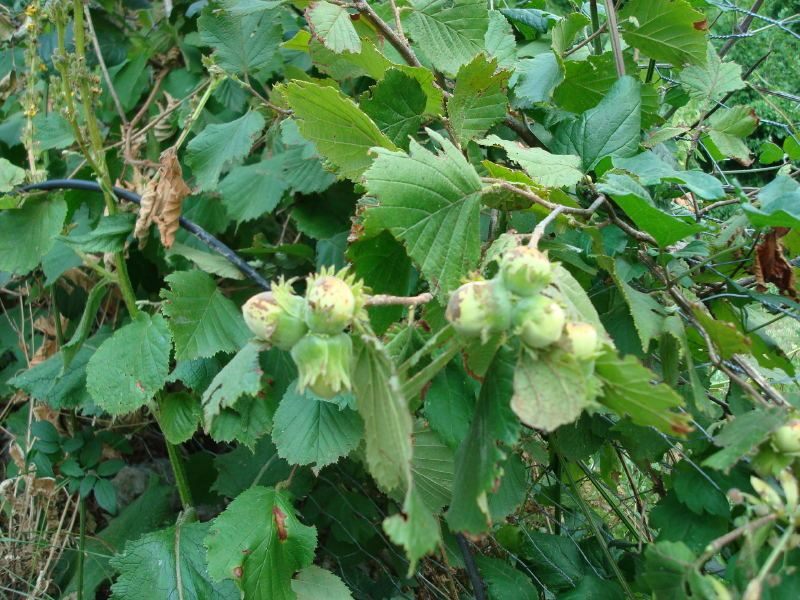
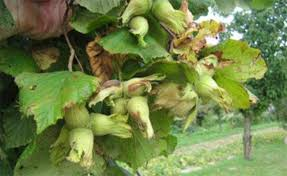
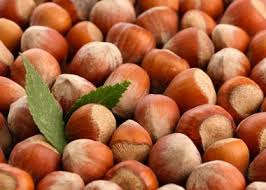
Interesting facts about hazelnuts and hazelnuts It is a shrubby plant three to eight meters high, but it can also grow as a tree up to 15 meters high. It has a smooth bark and large, double-sawed and hairy leaves on the underside. The flower is formed in early spring before leafing. The male flowers are yellow, 5 to 12 cm long, while the female flowers are small and largely hidden in the bud, with short bright red petals (1 to 3 mm). The fruit is a hazelnut (nut), which ripens in small clusters of five pieces. According to the Celtic calendar, those born from August 5 to September 1, in the sign of the hazelnut, are smart people. They have a sharpened mind so they are good at noticing and writing. They are excellent planners and organizers of even the smallest details. They have artistic inclinations, they always make something beautiful, but also practical. Sometimes they can be paranoid, and they can lack self-esteem. They are often portrayed as reserved and cool people, while in relationships they are honest and caring. According to Celtic belief, whoever cut the hazelnut would be punished by death. Those who ate its fruit, the hazelnut, attained magical abilities and acquired wisdom. According to Irish belief, a fairy who loved poetry hid in a coffin. Hazelnut was used as wood in turning (for making sticks and umbrella holders, for making fences, furniture, hoops on tubs and barrels, various tool holders, for making toothpicks, floors, etc.) Usually, when hazelnut, hazelnut is mentioned, people think of delicious chocolate with hazelnuts or dessert (cake, cake, cream) whose obligatory addition is hazelnut. Hazelnut is also a biologically highly valuable food because it contains 50 to 80 percent oil. In addition to being used in the diet, it is also used in the pharmaceutical industry, but also in folk medicine, in the treatment of anemia, blood pressure, cough, kidney and intestinal diseases, and as a natural antioxidant in the treatment of cancer. As a very resistant species to pests, it is very economical to grow and environmentally friendly. Since there is a shortage of this delicious nut all over the world, planting hazelnuts is an increasingly lucrative business. In the continental part of our country, the areas of intensive hazelnut plantations have increased in the last few years. The most represented is our autochthonous variety Istarski duguljasti, but also the varieties Rimski and Haleški. The varieties grown in our country originate from the species Corylus avellana and Corylus maxima M. The largest producers of hazelnuts in the world are Turkey with 71 percent, Italy 13 percent, Oregon and Washington with 5 percent, Spain with 3 percent. Lijeska is in the system of incentives for the establishment of permanent crops and the Government of the Republic of Croatia. And because our country meets only 5 percent of its needs by producing hazelnuts. Growing hazelnuts requires very little time, 15 to 20 days a year per hectare. Harvesting takes place within four weeks from the darkening of the husk to the falling of the hazelnuts on the ground. During II. World War II in Italy, when cocoa was a great rarity, hazelnuts were used to produce the now very famous Nutella. It was manufactured by Ferrero. Hazelnuts are rich in protein and unsaturated fats, are a significant source of vitamin B6 and thiamine, but also contain 17 percent carbohydrates, most of which are cellulose. Some places in Croatia were named after hazelnuts and hazelnuts: Kordunski Ljeskovac, Plitivčki Ljeskovac, Hrvatski Leskovac, Leskova Draga, Lešće, Lešnica, educational trail Leska (Gorski kotar) and the like. Red-leaved or bear hazel adorns many tree lines and parks of our cities with its beauty, while common hazel is widely used for planting "agricultural hedges".
No comments yet