 @MichMae99
more from that month
@MichMae99
more from that month
Facts about the human body Our bodies, many systems and other developments of which I knew little all in one book. I actually own a copy because this is another that I feel deserves more than read. Or at least to have as a reference.
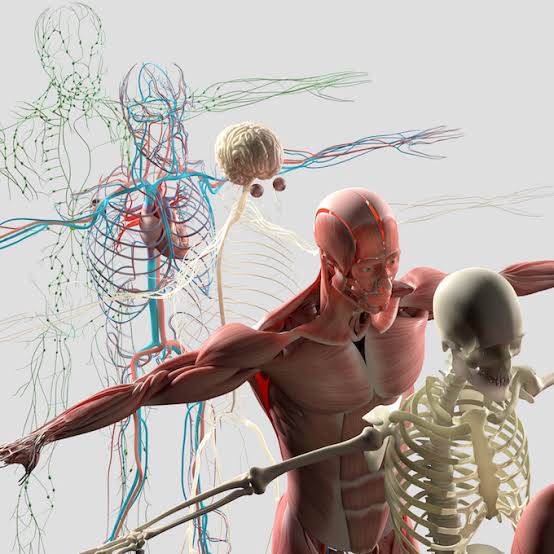
Photo source:https://www.google.com/search?q=tour+of+the+human+body&client=ms-android-huawei-rev1&prmd=ivsn&sxsrf=ALeKk03Qf6GlZRC3Wr8vmQ7wLyGfliC8YA:1602492816854&source=lnms&tbm=isch&sa=X&ved=2ahUKEwiK2On41q7sAhXaa94KHSH3AV0Q_AUoAXoECAwQAQ&biw=424&bih=779#imgrc=elSpS1lbbT7meM This is a tour of the human body, but it includes stories and asides about people associated with the discovery of various diseases or a cure or a system in the body. Some on this topic can get a bit carried away with long names for parts that involve endless Latin or Greek. A nice thing he does here when he does give these is to say what the words mean in English, often interesting enough in itself, and to say why the person naming it that might have thought that was a good idea. I didn't realise that the X-chromosome was called that because the person who discovered it didn’t know what it did – and so, like ‘planet X’, the letter was chosen due to this mystery rather than for the chromosome’s shape. And the Y-chromosome was likewise named following on from X in the alphabet. You come away from this thinking that a lot of people are basically bastards. I won’t spoil the stories, but the person who took credit for Streptomycin fits this category particularly nicely. This is quick and an interesting one. Particularly good is the last chapter – you know, we are all going to die sooner or later and so death often sharpens our interest. I’ve become fascinated by the idea that no one is allowed to die of ‘old age’ any more. You have to have died of something, but as Bryson says, getting old generally involves multiple things going wrong with you – and so picking one generally ignores the significant contribution one or other of the things you were suffering from inevitably played in your demise. Perhaps saying ‘he died of old age’ as the cause of death would be in fact be more accurate. Some of the things people were allowed to die of in the past seem so much better than heart disease or cancer - like ennui, for example. "I think he died mostly of listlessness..." As I said recently to a friend of Facebook – the category of deaths I would choose for myself would be ‘peacefully and in his sleep’.
No comments yet