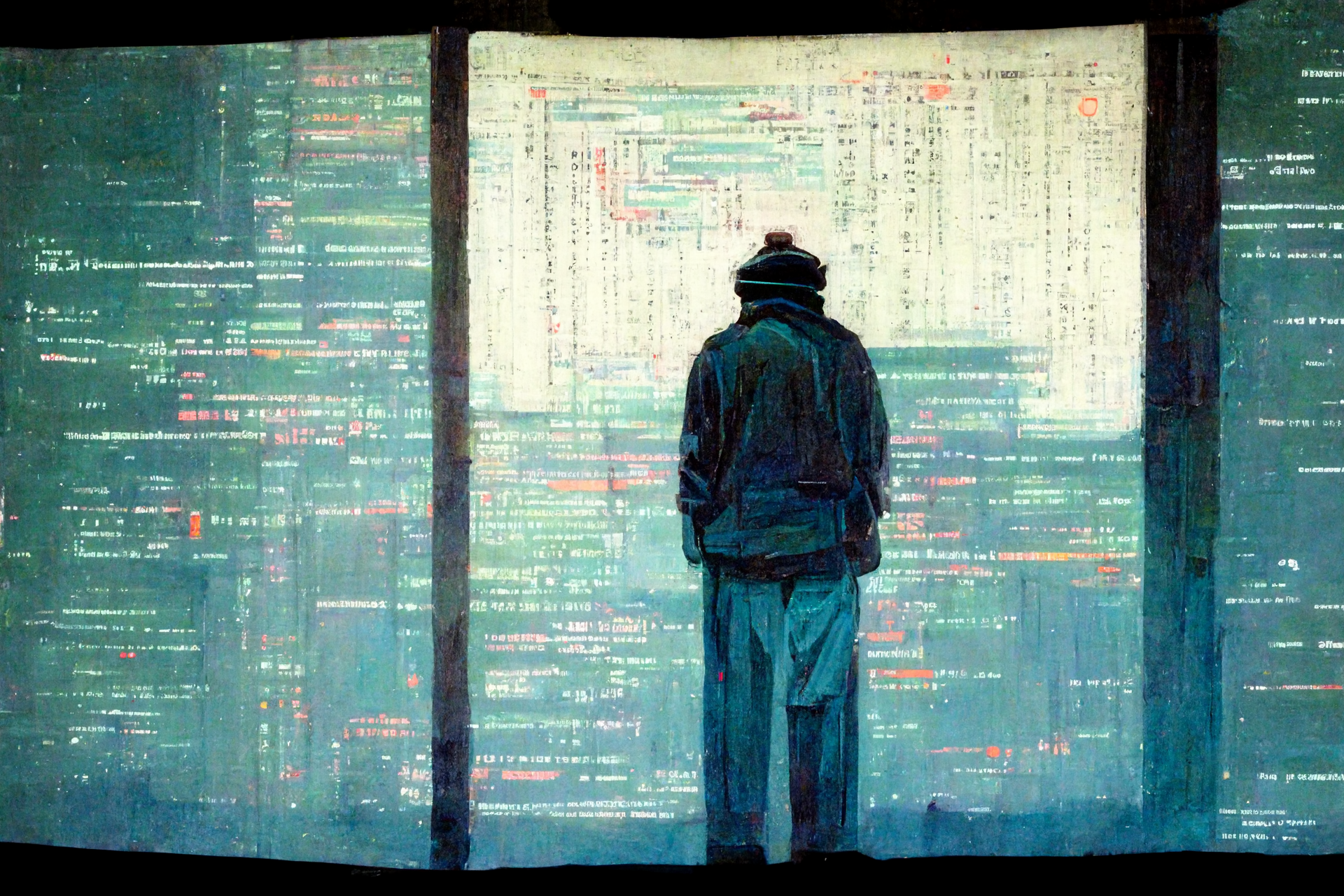
The Code Breaker Chapter 3: The Blockchain Nakamura continued to work tirelessly on his payment system, constantly refining and tweaking the code. He spent hours poring over the intricacies of the blockchain, fascinated by its potential to revolutionize the financial world. As he worked, he began to see more clearly how the blockchain could be used to create a truly decentralized financial system. Unlike traditional banks, which rely on centralized databases and intermediaries, Nakamura's payment system would be based entirely on the blockchain. The blockchain was a decentralized, distributed ledger that allowed for secure, transparent record-keeping of transactions. Because the blockchain was not controlled by any single entity, it was much more resistant to fraud and hacking than traditional financial systems. Nakamura knew that the blockchain was the future of finance, and he was determined to be at the forefront of this revolution. He worked long hours, fueled by his passion for the project and his belief that it could change the world. Despite the looming threat of Martin and his allies, Nakamura was determined to see his vision through. He knew that the road ahead would be difficult, but he was confident that he had the skills and the determination to overcome any obstacle that lay in his path. Nakamura spent countless hours working on his payment system, fine-tuning its design and testing its functionality. He collaborated with other cryptographers and developers from around the world, sharing his vision and ideas with anyone who would listen. He believed that the success of his payment system would not only revolutionize finance but would also help to create a more equitable world. As he continued to work, Nakamura became more convinced that the blockchain was the key to unlocking the full potential of his payment system. The blockchain was a decentralized, secure database that allowed for transparent and immutable record-keeping of transactions. It was the perfect solution for a payment system that did not rely on centralized institutions like banks or governments. Nakamura's payment system used the blockchain to keep track of transactions and to verify the authenticity of each transaction. It was designed to be fast, efficient, and reliable, allowing for instant peer-to-peer transactions without the need for intermediaries. Despite the challenges and the opposition, Nakamura continued to work tirelessly on his payment system. He was driven by a deep sense of purpose and a belief that he could create something truly transformative. And as he worked, the blockchain began to take on a life of its own, spreading beyond finance and into other industries, becoming a symbol of a new era of decentralized technology. <<Chapter 2 | Chapter 3 | Chapter 4>> https://read.cash/@InvalidCastX/the-code-breaker-94746d93 https://read.cash/@InvalidCastX/the-code-breaker-chapter-4-the-hacker-506b644c
@InvalidCastX
Joined 27 April 2022 · 276 posts
Crypto believer and hodler
120 KT
0 KT received · 0 KT given
Posts
The Code Breaker Chapter 2: The Banker David Martin sat in his office in downtown Manhattan, scrolling through his emails on his tablet. He had just received a message from a trusted source that caught his attention. It was about a new payment system being developed by a cryptographer named Hiroshi Nakamura in Tokyo. Martin read through the details of the system and realized that it could potentially disrupt the entire banking industry. Martin was the CEO of one of the largest banks in the world. He was a man who knew how to wield power and influence to get what he wanted. And what he wanted was to maintain the status quo, where banks held the power and control over people's finances. He knew that if Nakamura's payment system took off, it could undermine the entire banking industry. People would no longer need to rely on banks to transfer money or pay for goods and services. It was a direct threat to his business, and he knew he had to act fast. Martin immediately called a meeting with his top executives to discuss the threat posed by Nakamura's payment system. They brainstormed ways to shut it down, but they knew it wouldn't be easy. Nakamura was a skilled cryptographer, and he had designed his system to be decentralized, making it harder to attack. Martin knew he needed to act quickly before it was too late. He began to use his influence to sway politicians and regulators to his side, painting Nakamura's payment system as a threat to national security and consumer protection. He also hired a team of hackers to try and break into Nakamura's system and steal his code. Martin was determined to protect his industry and his bottom line, and he would stop at nothing to do so. The battle between Nakamura and Martin was just beginning, and it was sure to be a long and bitter fight. Martin's first move was to gather his team of experts to investigate Nakamura's payment system. He wanted to know how it worked and what made it different from the traditional financial system. As they dug deeper, they discovered that Nakamura's system used a new technology called the blockchain. Martin's team concluded that the blockchain was a powerful and disruptive technology that could threaten the established financial industry. Martin knew that he had to act quickly to protect his interests, and he began to develop a plan to shut down Nakamura's payment system. He reached out to his contacts in the financial industry and government to try and get them on his side. He argued that Nakamura's payment system was unregulated and could be used for illegal activities like money laundering and terrorism financing. Martin knew that he needed to create a narrative that would make Nakamura's payment system seem dangerous and risky. As he worked on his plan, Martin couldn't help but feel a sense of satisfaction. He had faced challengers before, but he had always come out on top. He was confident that he could do it again. He knew that he had the power, influence, and resources to shut down Nakamura's payment system before it gained any traction. But as Martin continued to work on his plan, he couldn't shake the feeling that Nakamura was different. He was unlike any challenger Martin had faced before. He was smart, determined, and passionate about his work. Martin knew that this battle would not be easy, but he was determined to win it at all costs. <<Chapter 1 | Chapter 2 | Chapter 3>> https://read.cash/@InvalidCastX/the-code-breaker-48f44b05 https://read.cash/@InvalidCastX/the-code-breaker-06bab0b0
The Code Breaker Chapter 1: The Cryptographer *Tokyo, Japan in the late 1990s* Hiroshi Nakamura's eyes were glued to the screens in front of him. The lines of code danced across the monitors as he typed furiously on his keyboard. It was the middle of the night, and his Tokyo apartment was quiet except for the whirring of his computer fans. Nakamura had always been fascinated by cryptography, the art of writing and breaking secret codes. But he was no ordinary cryptographer. His mind worked in ways that others could not comprehend. He saw patterns where others saw chaos, and he had a vision for the future that no one else could imagine. As he worked on his latest project, a decentralized electronic payment system, Nakamura's mind raced with possibilities. He dreamed of a world where people could transfer money without the need for banks or governments. Where anyone with a computer or a smartphone could participate in the global economy. For Nakamura, this was more than just a project. It was a calling. He knew that the traditional financial system was broken, and he was determined to fix it. His decentralized payment system would be faster, cheaper, and more secure than anything that had come before. As he typed, he felt a sense of excitement building inside him. He knew that he was onto something big, something that could change the world. And he was determined to see it through, no matter what challenges lay ahead. Nakamura had been working on his project for months, pouring all his time and energy into it. His dedication was fueled by a deep sense of dissatisfaction with the current financial system. He had seen firsthand the way banks and governments had abused their power, and he knew that it was time for a change. As he typed, Nakamura's mind wandered to his childhood. He had grown up in a small village in rural Japan, where his parents had instilled in him a strong work ethic and a sense of purpose. They had taught him that anything was possible if he was willing to work hard and never give up. Those lessons had stayed with Nakamura, driving him to push himself harder and harder. And now, as he worked on his payment system, he felt like he was on the verge of something great. But he also knew that his project was risky. The traditional financial industry would not take kindly to a decentralized payment system, and he could face legal and financial repercussions if he didn't tread carefully. Despite the risks, Nakamura was undeterred. He had already come up with a way to make his payment system more secure than anything that had come before. His system was based on a new technology called the blockchain, which allowed for secure and transparent record-keeping of transactions. With the blockchain, Nakamura was able to create a system that was virtually hack-proof. Each transaction was recorded on a decentralized network of computers, making it impossible for anyone to manipulate the records. As he worked, Nakamura's excitement grew. He knew that his payment system had the potential to change the world. And he was willing to do whatever it took to make it a reality. Chapter 1 | Chapter 2>> https://read.cash/@InvalidCastX/the-code-breaker-94746d93
https://read.cash/@InvalidCastX/the-code-breaker-48f44b05 Chapter 1: The Cryptographer Hiroshi Nakamura's eyes were glued to the screens in front of him. The lines of code danced across the monitors as he typed furiously on his keyboard. It was the middle of the night, and his Tokyo apartment was quiet except for the whirring of his computer fans. Nakamura had always been fascinated by cryptography, the art of writing and breaking secret codes. But he was no ordinary cryptographer. His mind worked in ways that others could not comprehend. He saw patterns where others saw chaos, and he had a vision for the future that no one else could imagine. As he worked on his latest project, a decentralized electronic payment system, Nakamura's mind raced with possibilities. He dreamed of a world where people could transfer money without the need for banks or governments. Where anyone with a computer or a smartphone could participate in the global economy. For Nakamura, this was more than just a project. It was a calling. He knew that the traditional financial system was broken, and he was determined to fix it. His decentralized payment system would be faster, cheaper, and more secure than anything that had come before. As he typed, he felt a sense of excitement building inside him. He knew that he was onto something big, something that could change the world. And he was determined to see it through, no matter what challenges lay ahead. Nakamura had been working on his project for months, pouring all his time and energy into it. His dedication was fueled by a deep sense of dissatisfaction with the current financial system. He had seen firsthand the way banks and governments had abused their power, and he knew that it was time for a change. As he typed, Nakamura's mind wandered to his childhood. He had grown up in a small village in rural Japan, where his parents had instilled in him a strong work ethic and a sense of purpose. They had taught him that anything was possible if he was willing to work hard and never give up. Those lessons had stayed with Nakamura, driving him to push himself harder and harder. And now, as he worked on his payment system, he felt like he was on the verge of something great. But he also knew that his project was risky. The traditional financial industry would not take kindly to a decentralized payment system, and he could face legal and financial repercussions if he didn't tread carefully. Despite the risks, Nakamura was undeterred. He had already come up with a way to make his payment system more secure than anything that had come before. His system was based on a new technology called the blockchain, which allowed for secure and transparent record-keeping of transactions. With the blockchain, Nakamura was able to create a system that was virtually hack-proof. Each transaction was recorded on a decentralized network of computers, making it impossible for anyone to manipulate the records. As he worked, Nakamura's excitement grew. He knew that his payment system had the potential to change the world. And he was willing to do whatever it took to make it a reality. --To be continue
Binance WOTD 20-26 March 2023 Theme: Technical 3 letters ◑TAX | KYC | API | STP | DEX 4 letters ◑ DEFI | SAFU | VOTE 5 letters ◑ TRADE | PRIDE | ORDER | BANDS 6 letters ◑ MOVING | SIGNAl | FORCES | ACTION | VOTING | BRIDGE | ASSETS | CREDIT 7 letters ◑ SQUEEZE | AVERAGE | PREVENT | STAKING | PROTECT | PREDICT | ANALYZE 8 letters ◑ PLATFORM | OPTIMIZE | AUTOMATE
Binance WODL Theme: Binance Build Three Letters TAX API Four Letters Five Letters ORDER Six Letters Seven Letters PROTECT PREVENT Eigth Letters PLATFORM FEEDBACK
Binance WODL Theme = DEFI Eigth Letter AUTOMATE OPTIMIZE Seven Letter STAKING PREDICT ANALYZE EARNING Six Letter VOTING Five Letter TRADE Four Letter DEFI SAFU VOTE
Binance WODL Seven Letter Wodl words CHATBOT DYNAMIC NETWORK Six Letter Wodl words CRYPTO CODING PROMPT Five Letter Wodl Answers CROWD MODEL TRAIN Four Letter Wodl Answers EASY GIFT RARE Three Letter Wodl answers DAO NFT KYC
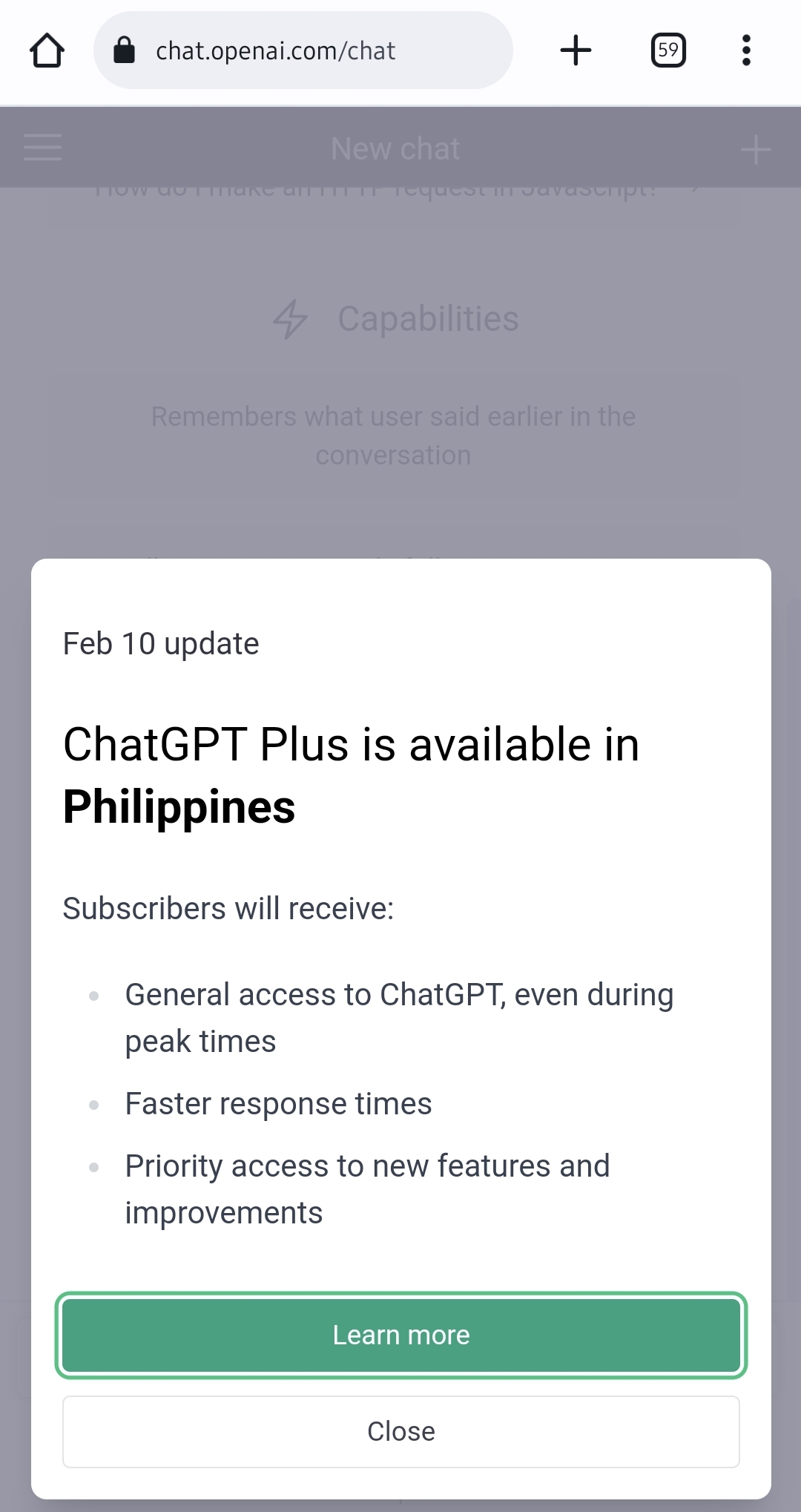
Ignore my 59 tabs focus on ChatGPT Plus is available in Philippines 😅
SOME SOCIAL RULES THAT MAY HELP YOU: 1. Don’t call someone more than twice continuously. If they don’t pick up your call, presume they have something important to attend to; 2. Return money that you have borrowed even before the person that borrowed you remember or ask for it. It shows your integrity and character. Same goes with umbrellas, pens and lunch boxes. 3. Never order the expensive dish on the menu when someone is giving you a lunch/dinner. 4. Don’t ask awkward questions like ‘Oh so you aren’t married yet?’ Or ‘Don’t you have kids’ or ‘Why didn’t you buy a house?’ Or why don't you buy a car? For God’s sake it isn’t your problem; 5. Always open the door for the person coming behind you. It doesn’t matter if it is a guy or a girl, senior or junior. You don’t grow small by treating someone well in public; 6. If you take a taxi with a friend and he/she pays now, try paying next time; 7. Respect different shades of opinions. Remember what's 6 to you will appear 9 to someone facing you. Besides, second opinion is good for an alternative; 8. Never interrupt people talking. Allow them to pour it out. As they say, hear them all and filter them all; 9. If you tease someone, and they don’t seem to enjoy it, stop it and never do it again. It encourages one to do more and it shows how appreciative you're; 10. Say “thank you” when someone is helping you. 11. Praise publicly. Criticize privately; 12. There’s almost never a reason to comment on someone’s weight. Just say, “You look fantastic.” If they want to talk about losing weight, they will; 13. When someone shows you a photo on their phone, don’t swipe left or right. You never know what’s next; 14. If a colleague tells you they have a doctors' appointment, don’t ask what it’s for, just say "I hope you’re okay". Don’t put them in the uncomfortable position of having to tell you their personal illness. If they want you to know, they'll do so without your inquisitiveness; 15. Treat the cleaner with the same respect as the CEO. Nobody is impressed at how rude you can treat someone below you but people will notice if you treat them with respect; 16. If a person is speaking directly to you, staring at your phone is rude; 17. Never give advice until you’re asked; 18. When meeting someone after a long time, unless they want to talk about it, don’t ask them their age and salary; 19. Mind your business unless anything involves you directly - just stay out of it; 20. Remove your sunglasses if you are talking to anyone in the street. It is a sign of respect. Moreso, eye contact is as important as your speech; and 21. Never talk about your riches in the midst of the poor. Similarly, don't talk about your children in the midst of the barren.
Very funny 🫤 #ChatGPT #AI
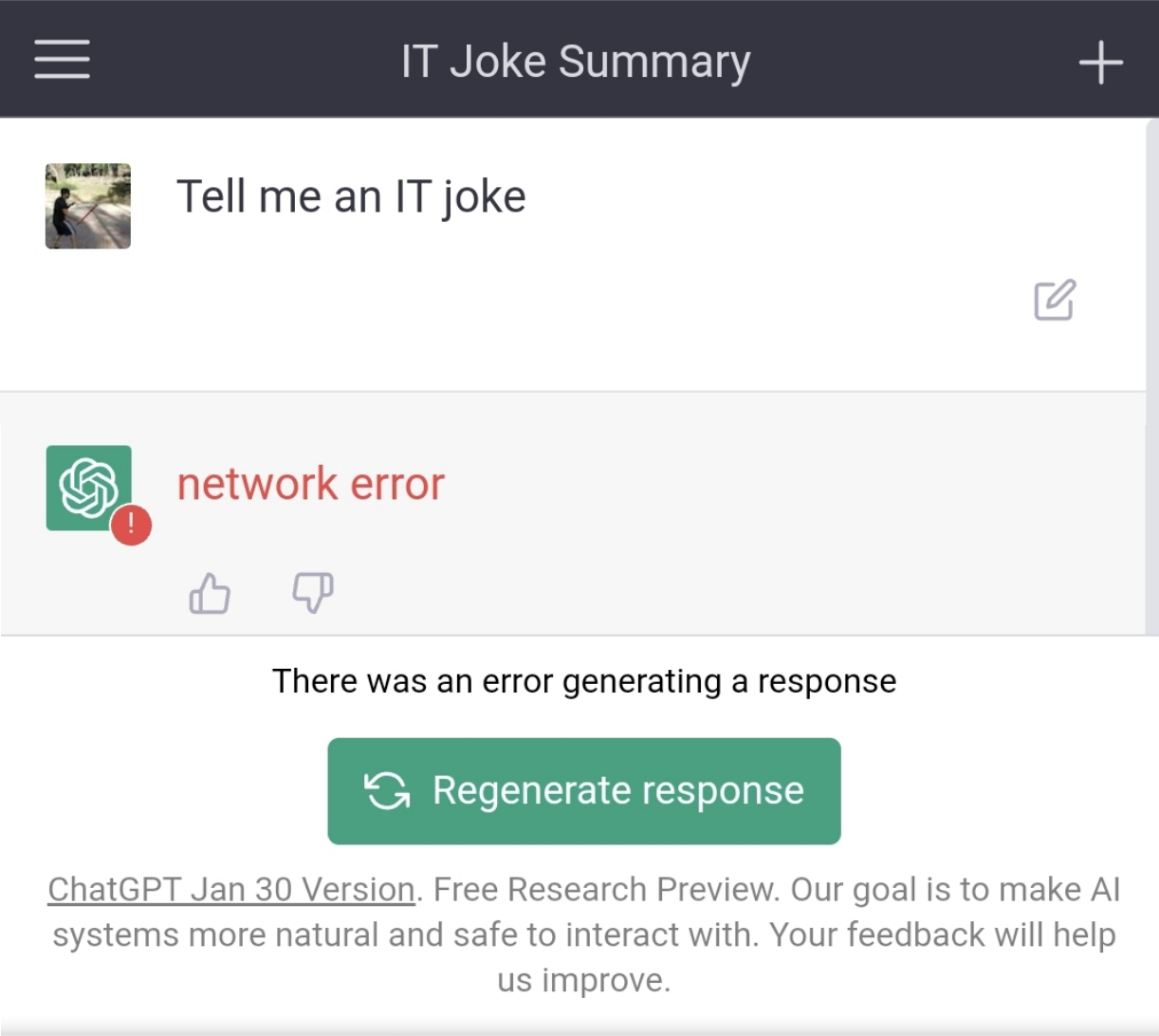
Anybody got one?
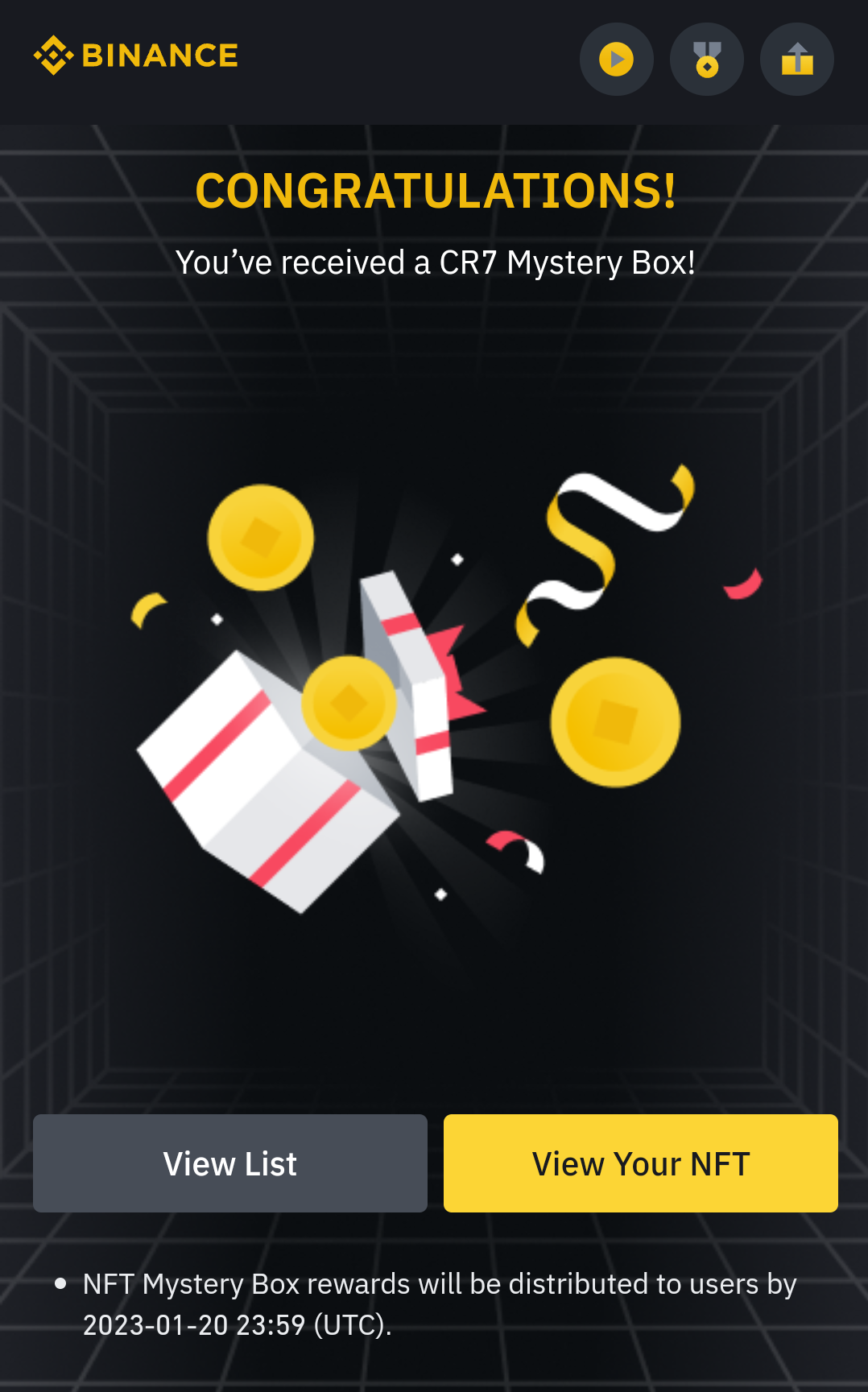
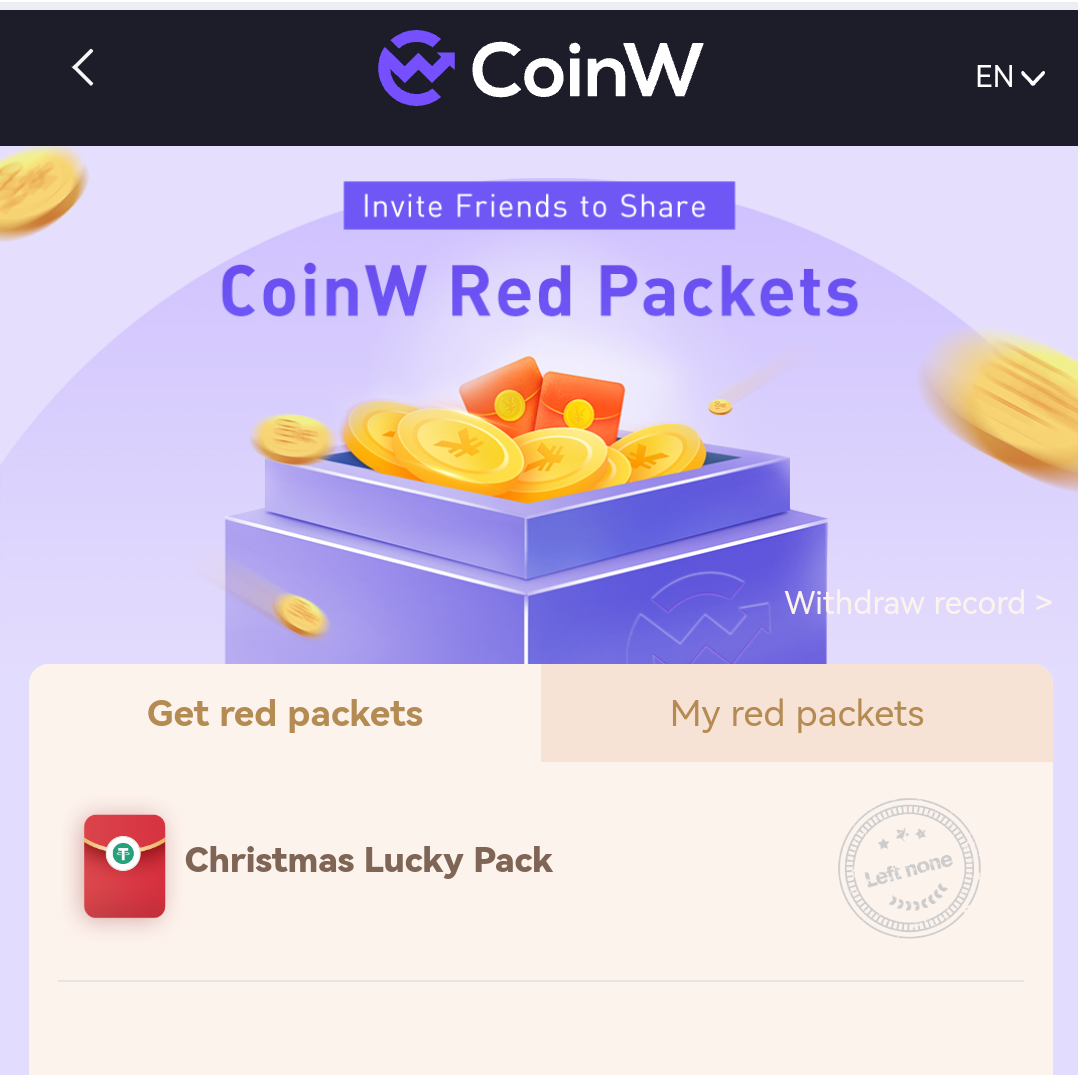
Minsan na nga lang umabot ng red envelope, for new users only. 😅😩
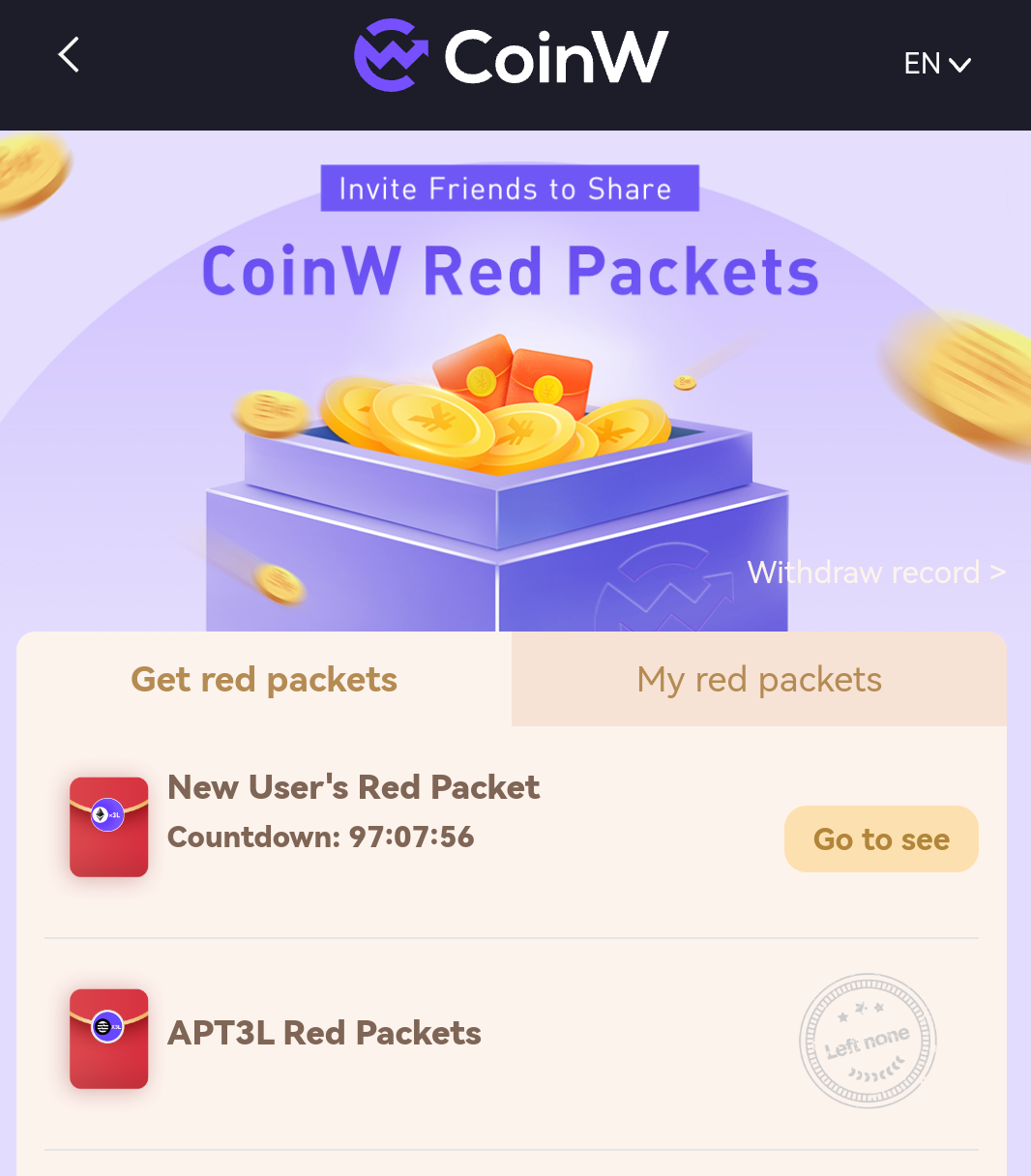
Wala bang Homepaslupa Buddies dito sa noise? Grabe ang wi-witty nila kasi. 🤣

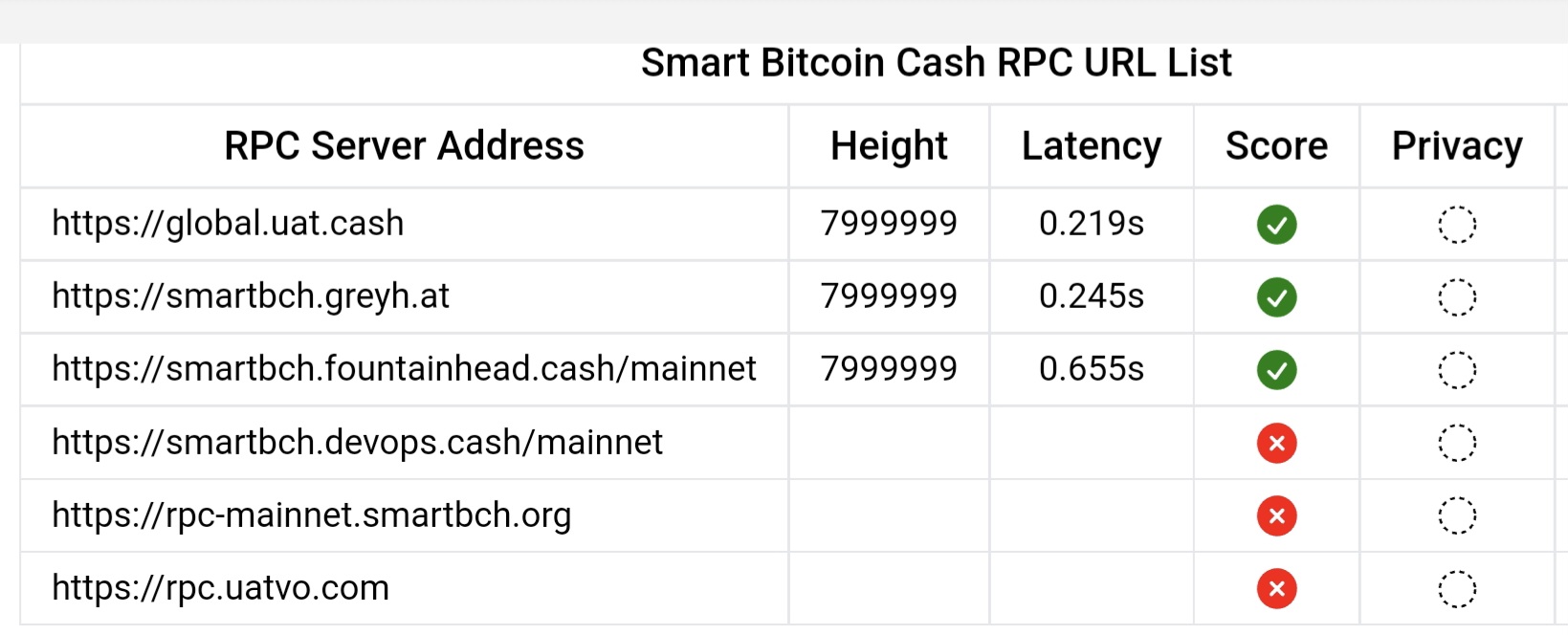
An update regarding the issue: https://noise.app/InvalidCast/pjrn906p I just checked on chainlist.org and seems the RPC is now working https://smartbch.fountainhead.cash/mainnet But I saw some post (rather a message) in telegram https://t.me/smartbch_community/126847 that we can also use this new RPC: https://rpc.smartbch.org
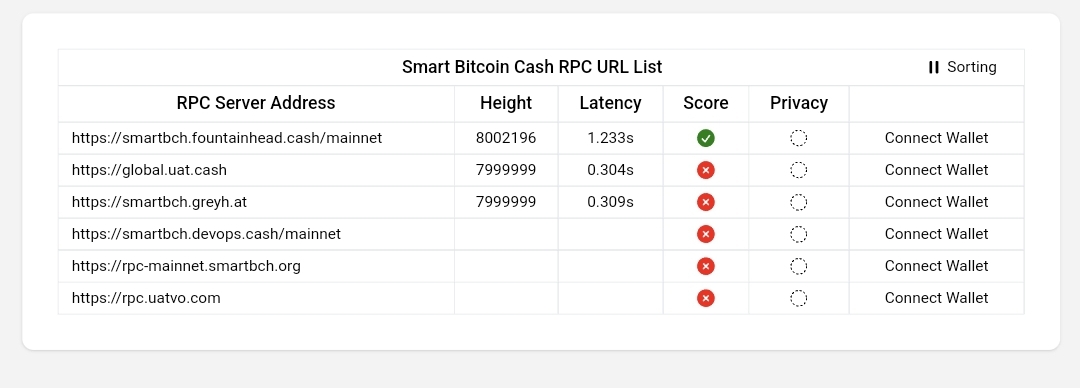
Any update? Still stuck at 7999999 link: https://chainlist.org/?search=Smartbch
Crypto WODL Binance Answers Eight Letter Wodl FOOTBALL Seven Letter Wodl RONALDO PREMIUM AUCTION SPECIAL UTILITY SUPPORT STATUES Six Letter LEGACY ICONIC RARITY WALLET VERIFY SPORTS Five Letter Wodl GIFTS PERKS Four Letter Wodl FANS Three Letter Wodl NFT
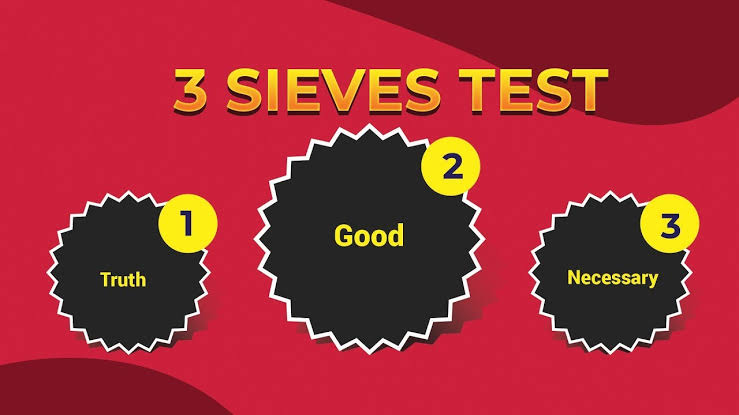
Worth the read: In Ancient Greece, Socrates had a great reputation of wisdom. One day, someone came to find the great philosopher and said to him: - "Do you know what I just heard about your friend?" - "A moment", replied Socrates. "Before you tell me, I would like to test you the three sieves." - "The three sieves?" - "Yes", continued Socrates. - "Before telling anything about the others, it's good to take the time to filter what you mean. I call it the test of the three sieves. The first sieve is the TRUTH. Have you checked if what you're going to tell me is true?" - "No, I just heard it." - "Very good! So, you don't know if it's true. We continue with the second sieve, that of KINDNESS. What you want to tell me about my friend, is it good?" - "Oh, no! On the contrary." - So, questioned Socrates, "You want to tell me bad things about him and you're not even sure they're true? Maybe you can still pass the test of the third sieve, that of NECESSARY. Is it useful that I know what you're going to tell me about this friend? - "No, really." - So, concluded Socrates, "What you were going to tell me is neither True, nor Good, nor Useful. Why, then, did you want to tell me this?" 💭💡 "Gossip is a bad thing. In the beginning, it may seem enjoyable and fun, but in the end, it fills our hearts with bitterness and poisons us, too!" — Pope Francis
guilty 😢😵
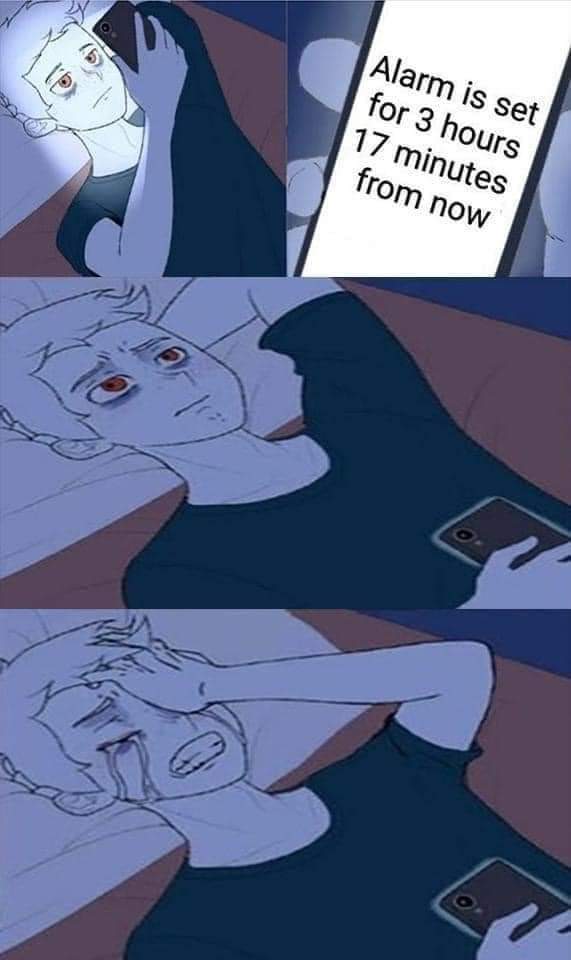
🙂 #FeelingAnakinSkywalker
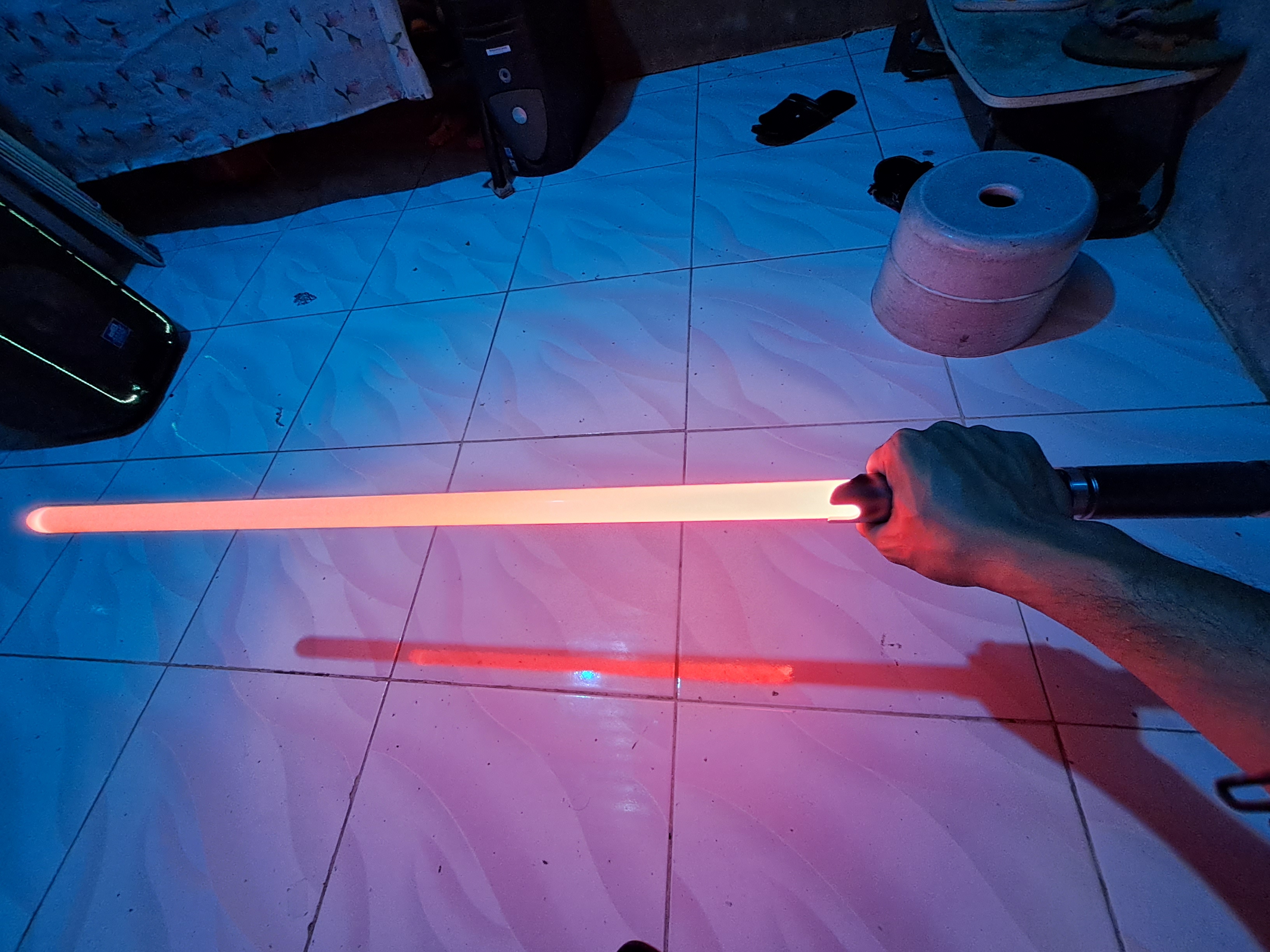
I got it now. ⚔️ https://noise.app/InvalidCast/p33r3z3p
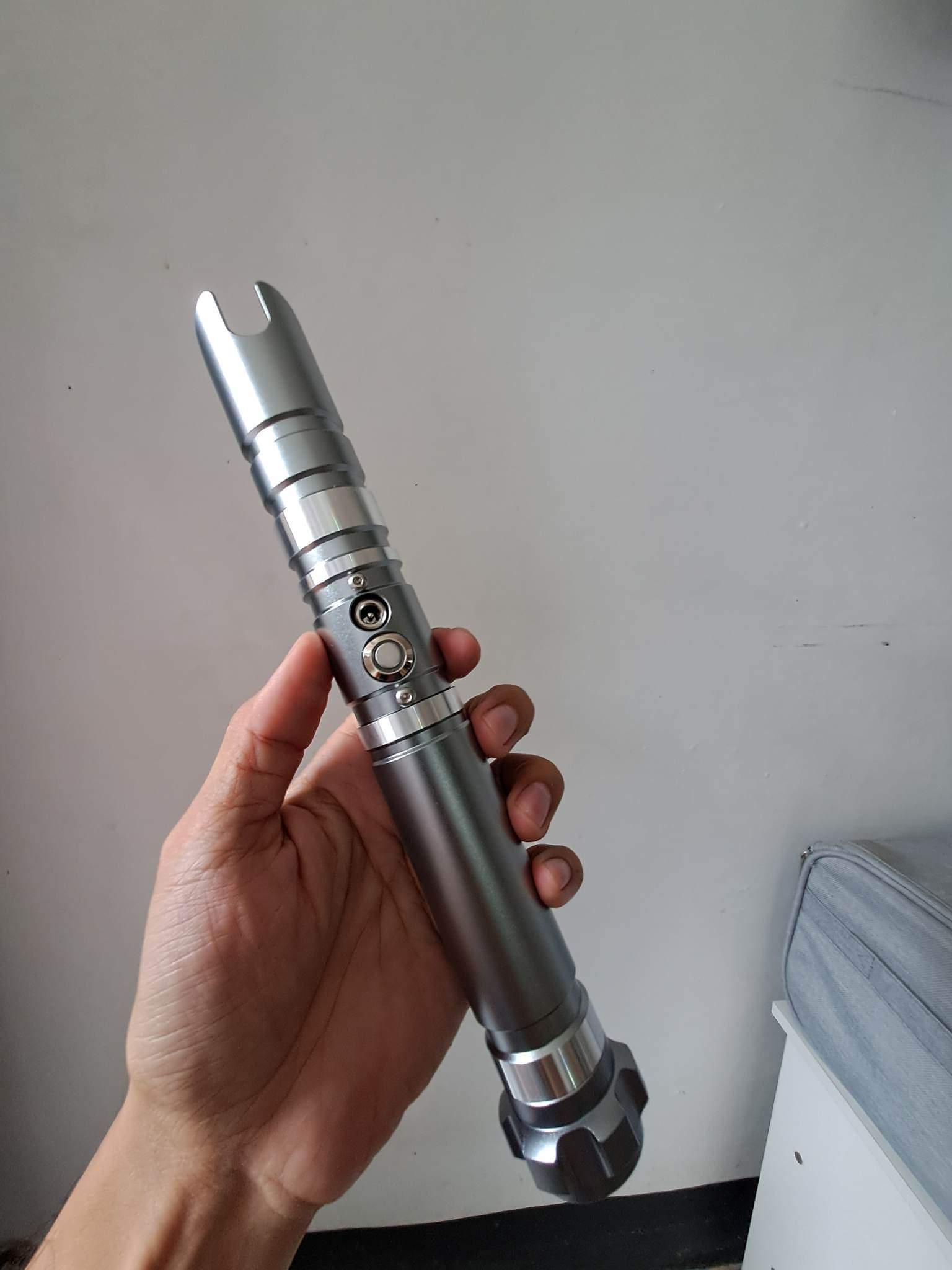
T+6 after Christmas

I got this NFT minted from UnstoppableDomain by creating an account in Hi app. 👉https://hi.com/InvalidCast
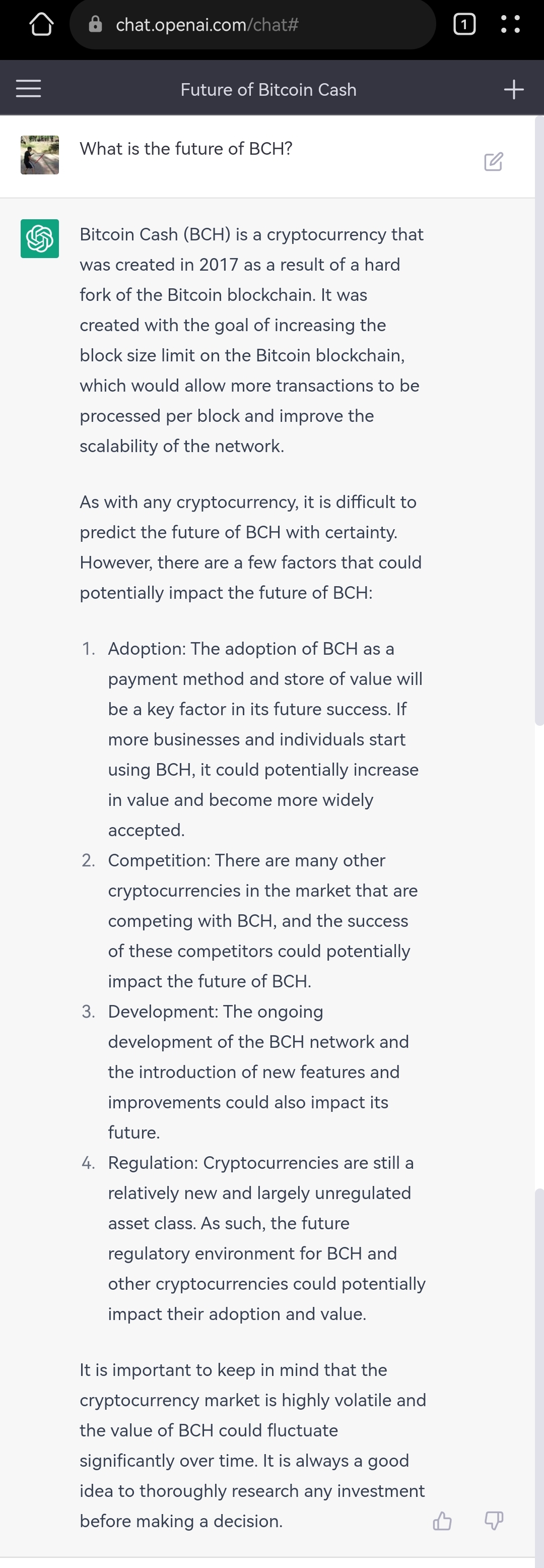
Future of Bitcoin Cash according to an AI Chatbot InvalidCast: What is the future of BCH? ChatGPT: Bitcoin Cash (BCH) is a cryptocurrency that was created in 2017 as a result of a hard fork of the Bitcoin blockchain. It was created with the goal of increasing the block size limit on the Bitcoin blockchain, which would allow more transactions to be processed per block and improve the scalability of the network. As with any cryptocurrency, it is difficult to predict the future of BCH with certainty. However, there are a few factors that could potentially impact the future of BCH: Adoption: The adoption of BCH as a payment method and store of value will be a key factor in its future success. If more businesses and individuals start using BCH, it could potentially increase in value and become more widely accepted. Competition: There are many other cryptocurrencies in the market that are competing with BCH, and the success of these competitors could potentially impact the future of BCH. Development: The ongoing development of the BCH network and the introduction of new features and improvements could also impact its future. Regulation: Cryptocurrencies are still a relatively new and largely unregulated asset class. As such, the future regulatory environment for BCH and other cryptocurrencies could potentially impact their adoption and value. It is important to keep in mind that the cryptocurrency market is highly volatile and the value of BCH could fluctuate significantly over time. It is always a good idea to thoroughly research any investment before making a decision.
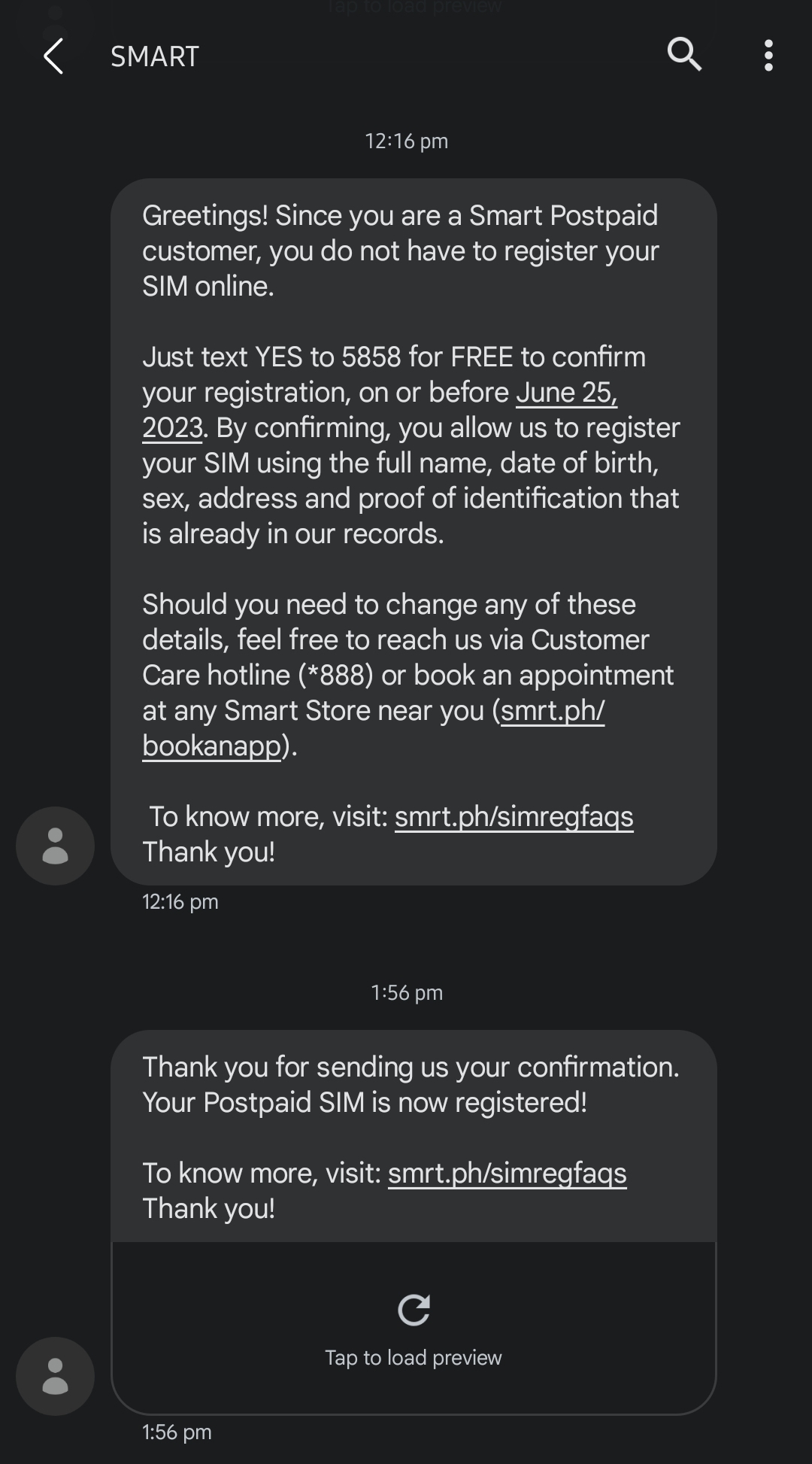
Ok, so SIM card registration is much easier if you are a postpaid user. 🤔
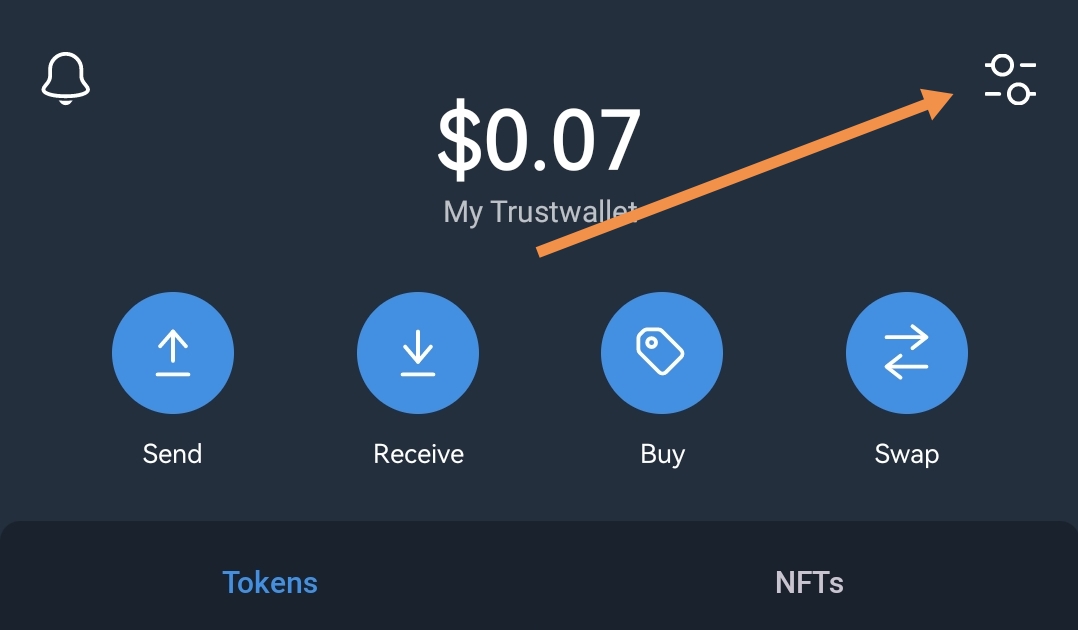
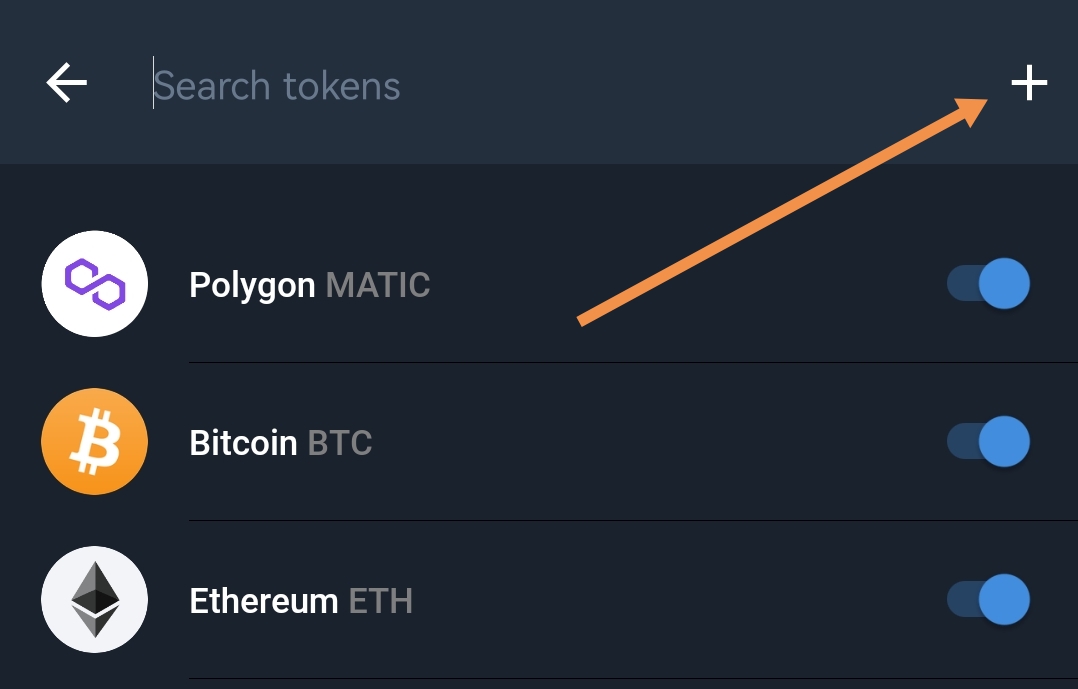
We can also manually add the Network just like we do in metamask Tap the switch/filter icon in the upper right corner Tap the "+" sign Select the Network tab Provide the required values (or you can copy my settings) Name: SmartBCH Symbol: SBCH Node URL: https://smartbch.grey.at Explorer URL: https://sonar.cash/ Or use the settings found in https://t.me/smartbch_community Network name: Smart Bitcoin Cash New RPC URL: https://global.uat.cash mainnet Chain ID: 10000 Currency Symbol : BCH Block Explorer URL : https://www.smartscan.cash/ Other RPC's incase the default goes down: https://smartbch.fountainhead.cash/mainnet https://smartbch.grey.at https://smartbch.electroncash.de/
+2 more
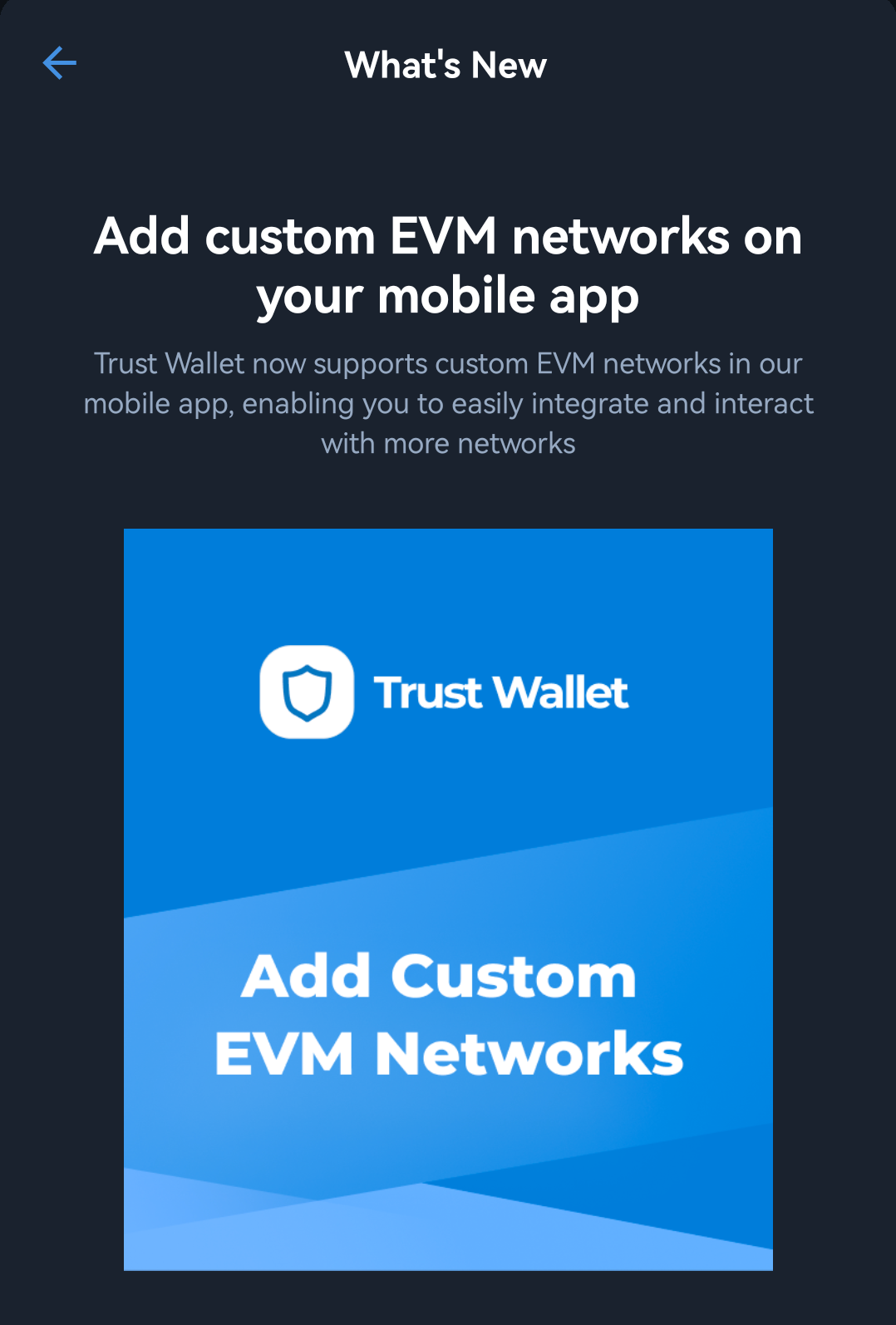
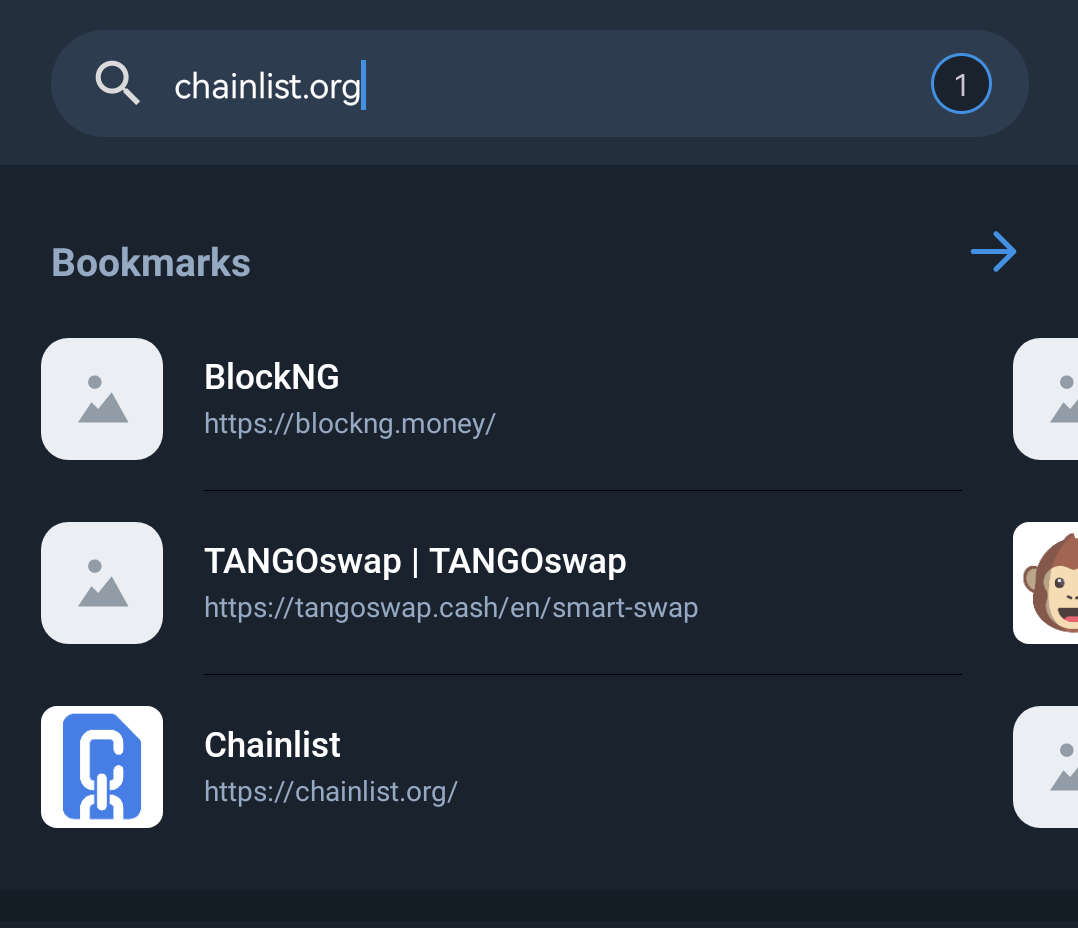
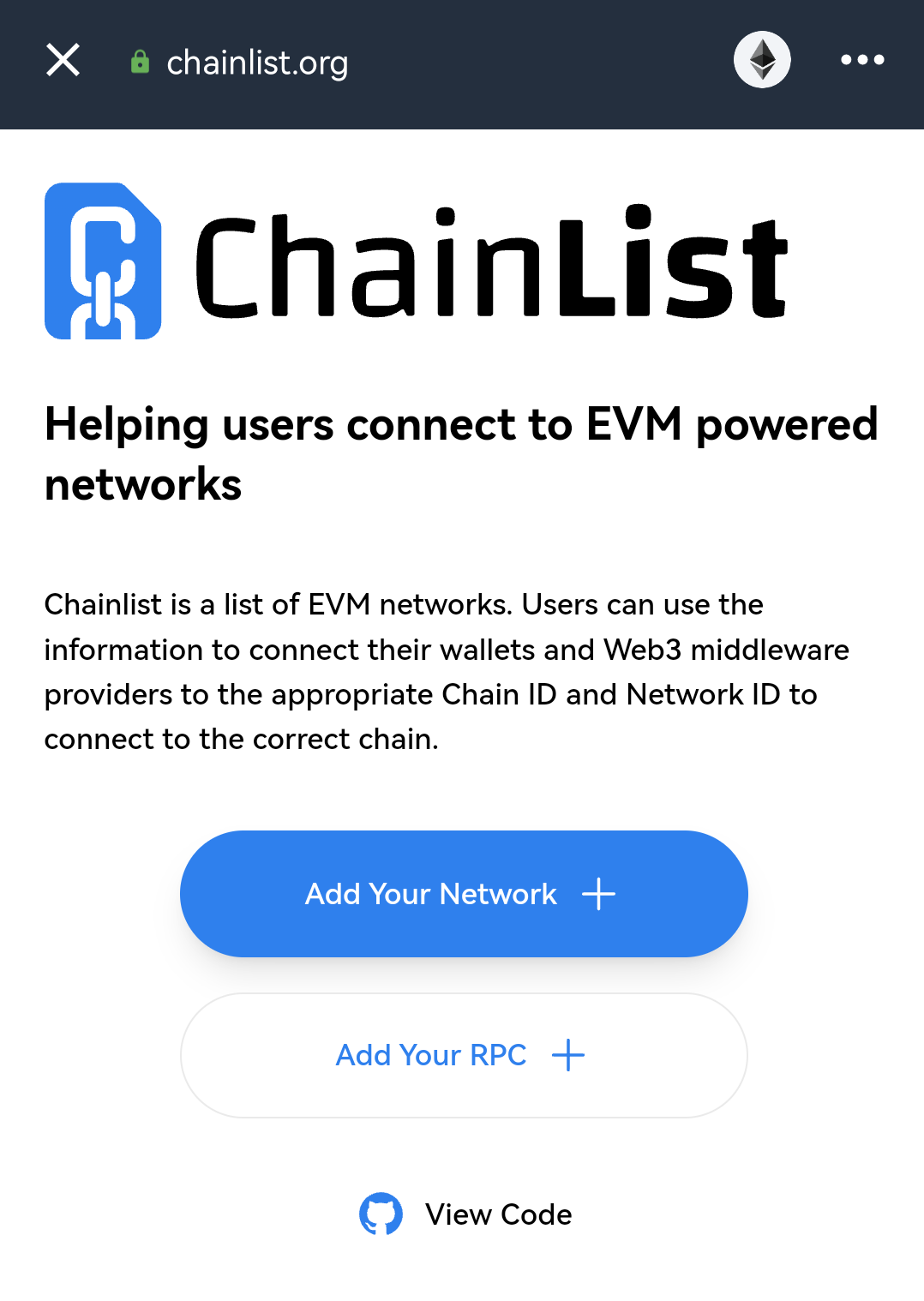
Nice update from Trustwallet. We can now add custom EVM like SmartBCH Open your Trust Wallet app Go to Browser Type chainlist.org Search SmartBCH Then tap Add to Trust Wallet

+1 more
Binance WODL Answers Theme: Gift Card Period: 2022-Dec-26 to 2023-Jan-01 3 Letters: 4 Letters: EASY, SEND, GIFT 5 Letters: 6 Letters: REWARD, REDEEM, DESIGN, CREATE, CRYPTO 7 Letters: DIGITAL, SPECIAL, CONVERT, INSTANT 8 Letters: FLEXIBLE, TRANSFER Join TG Group: https://t.me/RushDApp Follow in Twitter: https://twitter.com/RushDAppBCH Join CashRain: https://cashrain.com/RushDApp
Ow 😢
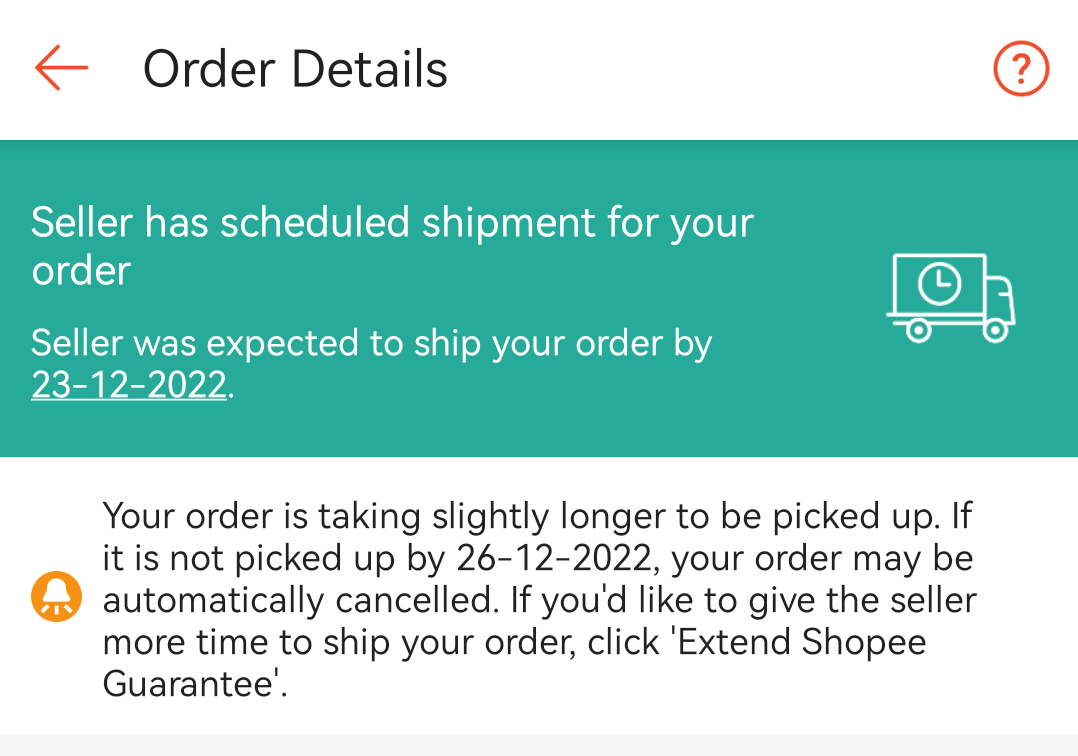

Bokya nanaman 😅 Join to get sign up bonus. https://www.coinw.com/front/invitePublicity?r=1300673&language=en_US