 @Gwenie
Filipino Desserts Being an archipelago with many regions, the Philippines offers a wide variety of desserts. Here are some of the most popular that can be found all over the country or can easily be made at home. **Leche Flan**
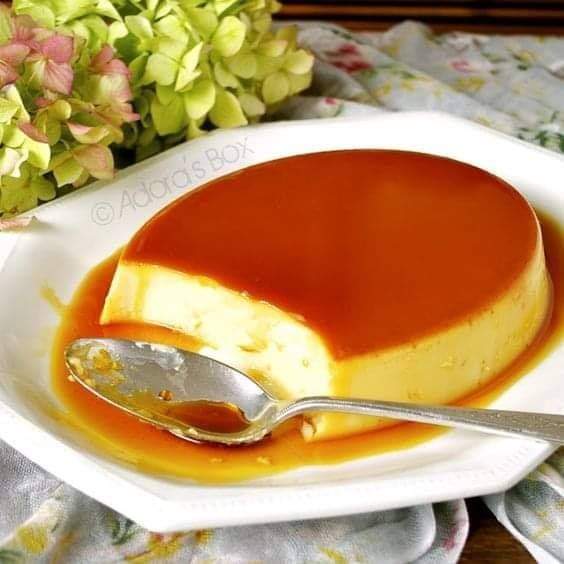
*Leche flan*, also known as Spanish flan, is one of the Filipino favorites. It is a dessert made of a steamed mixture of condensed milk, evaporated milk, and egg yolks. It also has a layer of caramelized sugar that turns into syrup when cooked together. Leche flan and crème caramel look the same. However, crème caramel does have cream while Leche flan doesn't. The latter also uses condensed milk instead of sugar. **Minatamis na Saging**
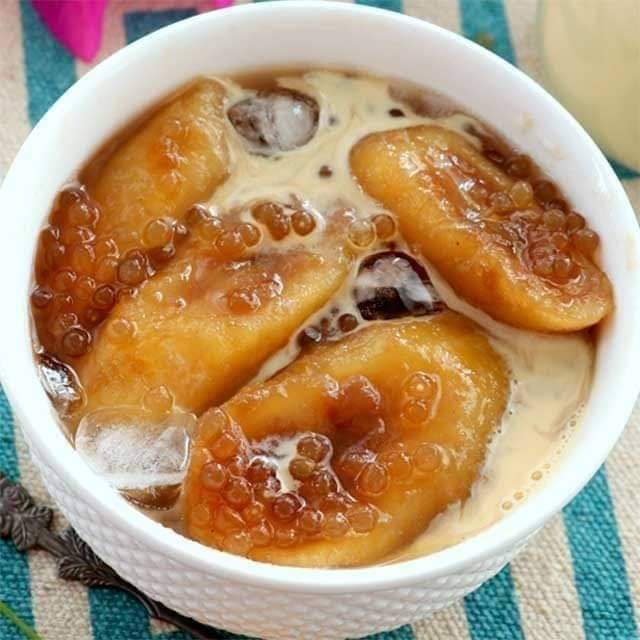
*Minatamis na sagging* directly translates to *sweetened banana*. With the many varieties of Filipino desserts, this one is quite quick and easy to prepare. *Minatamis na saging* is prepared using a *sagging na saba*–a variety of plantain banana that can be cooked ripe or unripe, and when ripe, it can be eaten raw. The *saba* is sweetened by cooking in a mixture of brown sugar, water, vanilla extract, and salt. Tapioca pearls and evaporated milk can also be added to this dessert. **Ube Halaya**
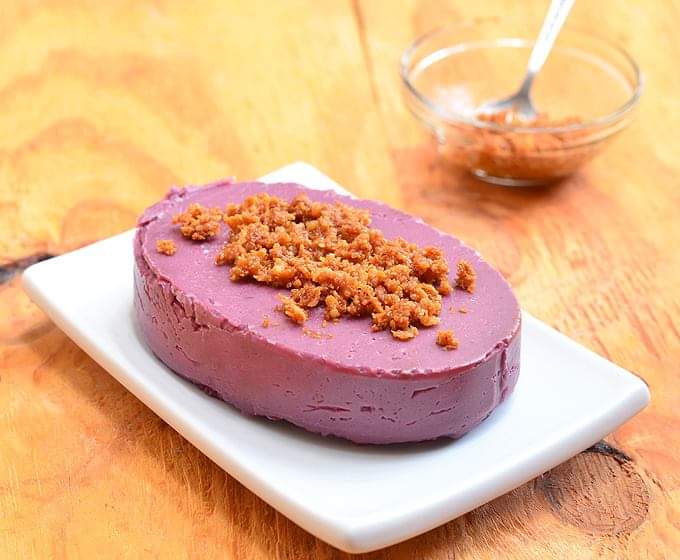
*Ube halaya* is a classic Filipino dessert made of *ube* or purple yam. Similar to mashed potatoes, this recipe starts by boiling the *ube* until fork-tender and mashing until smooth. The mashed *ube* is then cooked in a mixture of coconut milk, evaporated milk, condensed milk, and butter. It is then served cold and topped with shredded cheese, *latik*, or sweetened *macapuno* strings. **Silvanas**
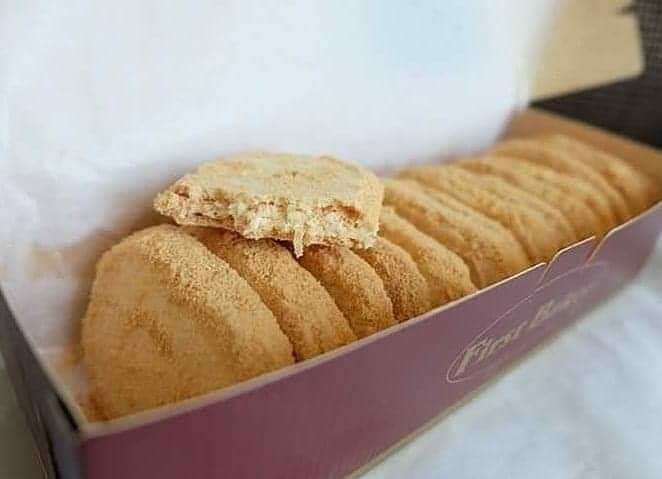
*Silvanas*, also spelled as *sylvannas*, is a Filipino frozen cookie that consists of a layer of buttercream sandwiched between two cashew-meringue wafers then coated with ground cashew or cookie crumbs to add extra flavor. This one is also easy to make and only needs a few ingredients. **Sapin-Sapin**
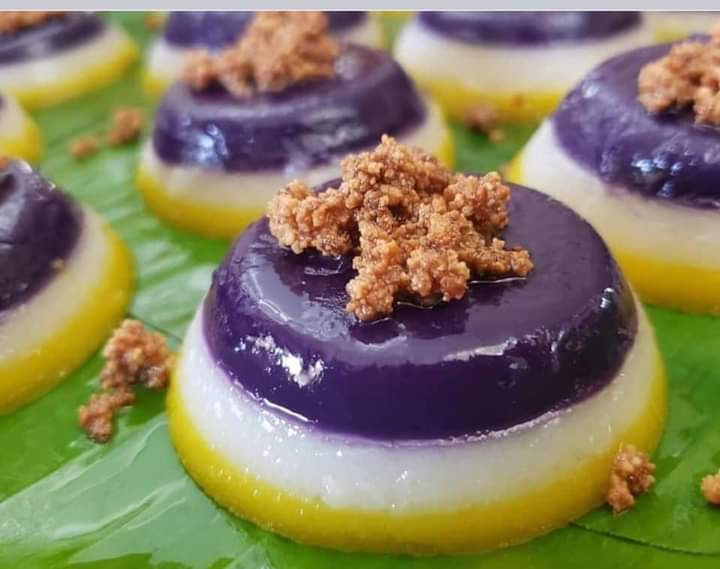
*Sapin-Sapin* directly translates as *layers*. In making this colorful sweet treat, all we need are glutinous rice flour, coconut milk, condensed milk, and sugar. The ingredients will be mixed to form a smooth batter which will be divided into three portions. Food colorings will be added in the two portions and will be steamed on top of the other. *Sapin-Sapin* is served with *latik* on top or *yema* spread. **Mais con Yelo**
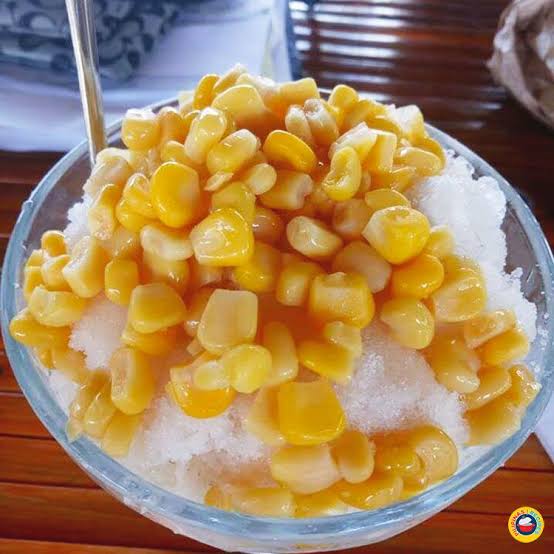
*Maìz con hielo* directly translates to *corn with ice* in Spanish. The Philippines was colonized by the Spanish for more than three centuries that is why many Spanish words were integrated into Tagalog. *Mais con yelo* is a traditional dessert that consists of crushed ice layered with whole corn kernels and sweetened using evaporated milk and sugar. This dessert can also be served with ice cream or *leche flan* on top. **Saba con Yelo**
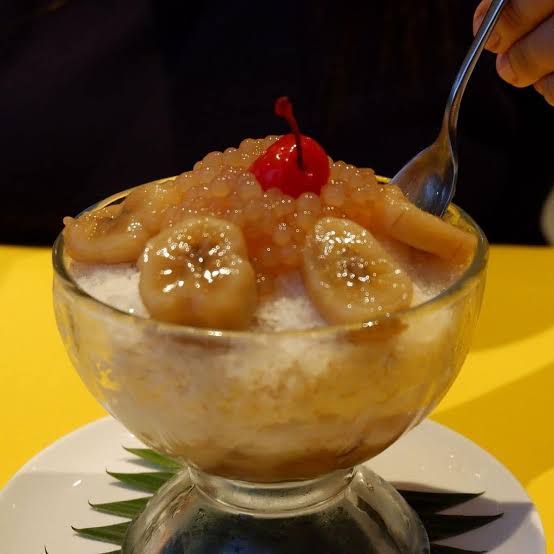
Similar to *mais con yelo*, this dessert also uses crushed ice, evaporated milk, and sugar. However, instead of corn, *minatamis na saging* is used in this dessert. Desserts are usually served after a meal, but Filipinos are known for not sticking to the standard mealtimes. Instead, we have what we call *merienda* in the morning and the mid-afternoon. *Merienda* is a light meal or snack and it can be anything. From pastries, burgers, sandwiches, noodles, and most especially, desserts.


8 comments
It's been a while, and you come back with this?😋🤤 It makes me so hungryyyy for deserts right now, especially that Sapin!
You should try the halaya and the leche flan ;;-;; those babies are to die for-
Woah orz
You should visit here one day then I'll take you to the best all you can eat dessert places because I'm that addicted to sweets hehehe
Haha. Yeah that colorful dessert is so yummy too 😃
All my favorites ;;-;; in one article ;;-;; ahh i suddenly find the need to make ;;-;;
Hehe. You should. Consider it as a treat after getting the job 🎉🥳
I willll! But when i get the time and energy to ;;-;; all this paper collection is tiring me out