 @Genieljay
more from that month
@Genieljay
more from that month
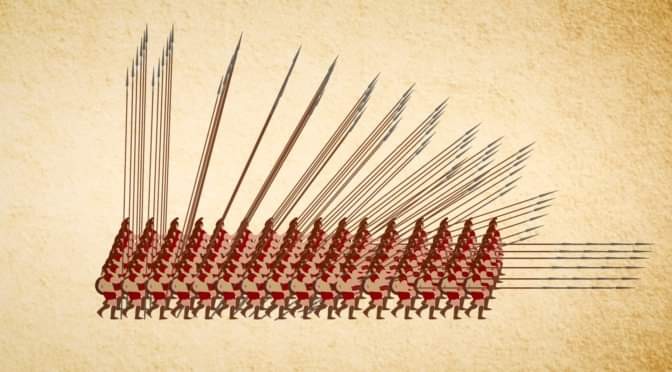
The Macedonian phalangites, otherwise known as the 'foot companions', are the mainstay of the ancient Macedonian army. Armed with the 12 - 16 feet long sarisa and moving in compact formation, the phalangites are virtually unstoppable on the front. They are a walking meat grinder that can hold in place the opposing force. Their armors are lighter and their shields are smaller compared to the standard Greek hoplites. But this is more than compensated by their longer spears and better coordination with the cavalry. Should the enemy reach them within striking distance, they can quickly discard their spears and draw their short swords to engage the enemy in hand-to-hand combat. Despite their strength, the flanks and the rear of the phalangites are extremely vulnerable to flanking attack, needing constant protection from lighter and more mobile troops. The phalangites also tend to lose their cohesion on uneven ground, exposing more gaps in their formation that can readily be exploited by lighter infantries. Another notable drawback is their lack of tactical flexibility. They cannot quickly adjust to the changing battle circumstances and turn about-face to defend against an unexpected attack. Nor, they cannot be expected to exploit the sudden appearance of weaknesses in the enemy's formation. Contrary to popular belief, the phalangites did not owe their success to their longer spears alone. Left on their own, they will be massacred by hails of projectiles from the Persian missile units and won't stand a chance against well-timed cavalry charges on their exposed flanks. This is further evidenced by the fact that the Greek Successor States of Alexander the Great had gradually declined as they discarded the combined arms tactics he so thoroughly used throughout his campaigns and instead, opted for more, inflexible phalanx warfare practiced by the Greeks before the reforms of Philip of Macedon. Sooner or later, they will be vanquished by the rising powers of Roman maniples, Parthian cataphracts, and even the Galatian swordsmen from the north of Mainland Greece.
No comments yet