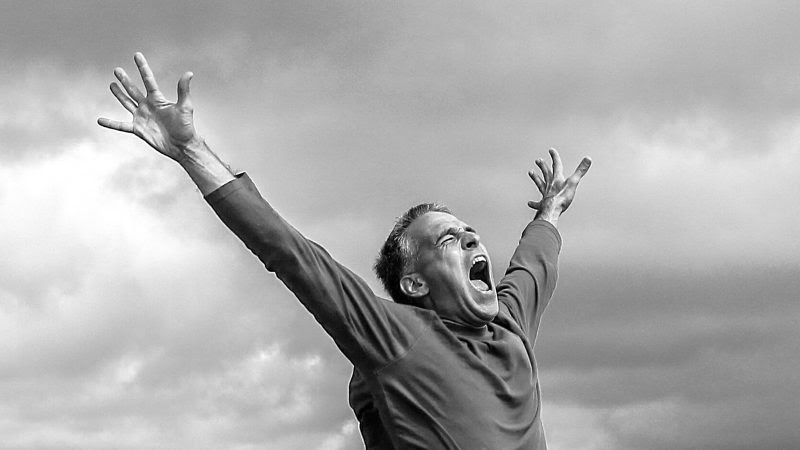
Powerful Life Lesson #12
**12. Live an honorable life.**
The view of “You Only Live Once” encourages people to make the most out of the present moment. Nevertheless, taken to the extreme, this view leads to consequences that you’ll regret later in life. Live in a way that others respect will respect you is a better philosophy.
Subscribe for more life lesson ;)
Powerful Life Lesson #11
**11. Choose kindness all the time.**
Life is tough. Some people don’t get the breaks they want or deserve. Many would fight to insist that they are right. Insist on being kind instead.
Kindness brings people together. Doing good actually feels good too! It can be hard to understand, but the act of kindness is just as psychologically rewarding as receiving kindness from others. **Kindness helps us live longer**
In a world full of negativity, choose to be different and foster a spirit of kindness.
Subscribe for more life lesson ;)
Powerful Life Lesson #10
**10. Patience is a powerful tool for success.**
**No matter how much talent you have and the iron-clad work ethic you adhere to,** **if you don’t ha****ve patience, you will not go very far**. https://www.developgoodhabits.com/be-patient/
But patience is about more than business success. It is also a key to health and happiness. Patience is an antidote to both stress and anger. Being patient allows you to overcome challenging situations in your life. This flexibility helps you to better adapt to life's inevitable curveballs.
Subscribe for more life lessons ;)
Powerful Life Lesson #9
**9. Cherish what you have in your life.**
There will be times when you’ll envy what others possess or have achieved in their lives. This prevents you from seeing the good things in your own life and wastes energy that you could otherwise direct in working towards your success.
Don’t fall into this trap. Learn to appreciate all that you have now.
Subscribe for more life lesson ;)
Powerful Life Lesson #8
8. **Appreciate your journey**
It is far too easy to get caught up in worrying about the future.
When people get too caught up in what will happen, they do not take time to enjoy the present. Life is a journey. You will not end up where you expect. So learn to enjoy the trip while keeping one eye on the road.
If you appreciate the now, you will be far better off when you get to where you are going.
Subscribe for more life lesson.
Powerful Life Lesson #7
7. **Learn to develop good habits.**
The best way to achieve success in life is by repeating the same small actions day in and day out.
This form of routine will inexorably move you toward your greater goals in life.
However, it is not easy to create new habits. Before they can become habits you need to get these actions ingrained as part of your natural daily routine. This can be difficult if habits go against your inclinations or daily routines.
**[If you want to change your habits I have a few important pages you should look at.** ****First is a list of good habits******. You need to know what habits you want before you make changes. The second is a guide to** ****adding a new habit to your routine******. The final important page is a guide to changing bad habits.** ****Changing bad habits is difficult******, but it is easier when you replace them with good ones.]** https://www.developgoodhabits.com/good-daily-habits-list/ https://www.developgoodhabits.com/how-to-form-a-habit-in-8-easy-steps/ https://www.developgoodhabits.com/break-bad-habit/
Subscribe for more life lessons :)
Powerful Life Lesson #6
6. You alone have the power to create the life you want.
Other people can support you. They can guide you. Train you. Help you.
Others can make your success difficult. Like **crabs in the bucket**, they can attempt to pull you back down to their level.
But in the end, it is your decision, *and your responsibility*, as to the direction which your life will take. **And it is 100% up to you to make it happen.**
Subscribe for more life lesson ;)
Powerful Life Lesson #5
5. You’ll be surprised by people.
Some will restore your belief in humanity while others make you think that we are the worst species on the planet.
Never judge people by their appearance. Always remain open about what you can learn from other people.
People who judge people tell more about themselves than others.
5. Make every moment count
Life is a speeding bullet. When you get older it seems like years have gone by in the time it takes you to blink your eye.
*What is the difference?*
Often it comes down to how much joy we extract from life. When you are constantly working, raising your family and dealing with your responsibilities it is easy for the days to seem short and lifeless.
It is important to grab a hold of joy when you can. Make every moment count. Live life to the fullest, because time is short and you never know what the next day brings.
Subscribe for more life lessons ;)
Powerful Life Lesson #4
4. **Take care of your health early**
You should never wait until you have *health problem*s to worry about your health.
The best way to keep yourself healthy is by prevention. Smoking, drinking, vaping, drugs, partying, overeating, fast food and too much stress all cause strain on our bodies. While you *may* be able to do these things in your 20s with little ill effect, you are building a debt that your health will pay for when you get older.
Start being health conscious as early as you can. Eat right. Get regular doctor checkups. **Follow heath habits**. All of this will help prevent future health problems.
When we’re young we can push our body to its limits day after day. It seems as nothing can touch us and we are invincible. However, as we grow older all the parties, drinking, smoking, and eating fast food take a toll on our health. Start developing healthy habits while you’re still young and healthy. Take regular checkups with your doctor and dentist in order to prevent future problems.
Subscribe for more life lesson ;)

Powerful Lofe Lesson #3
3. **Take Action – Immediately**
Far too often people put things off.
I will begin a diet next week. I will save when I get a better job. I will ask her out once I know she will accept.
Often this procrastination is based on fear of failure or a desire for perfect results.
You do not need perfection to take action. It is far better to swing and miss than to never try at all. Even your failures teach you lessons that will help you succeed in the future.
Powerful Life Lesson #2
2. **Walk Your Own Path**
Unfortunately, many people love to judge others.
It is easy to let peer pressure can make you stray from your own path and follow others.
It is important to march to the beat of your own drummer and avoid that pressure to conform to some popular norm.
You are your own special person and you should follow your own path and reach your own dreams. Not let others dictate the way you live your life.
Subscribe for more life lesson ;)
Powerful Life Lesson #1
1. **Never underestimate the power of compound interest.**
Start saving money now. Save as early as possible and let that money grow. It may seem odd to put money away for “retirement” when you are still a teen with a paper route. But the earlier you begin to save, compound interest will help to grow your savings to greater highs.
You don’t have to wait until you have a better-paying job to start putting away some amount in your savings account. A few years hence, you’ll appreciate that you did.
Subscribes for more life lesson ;)
GoodMorning Everyone ;)
Goodnight ^^ Tomorrow is another day ;) let me rest for now ;) Thank you for your comments and likes 😊😊😊 So much appreciated 😍😍😍
Lastly in 10 important life lessons we are often taught too late
10. For every action, there’s an equal opposite reaction
Before you say something or act in a certain way, think about the consequences. A person could be unprepared to hear some truth or won’t respond well to our gesture, no matter how good our intentions are. Treat each word with caution
You want more ?? Subscribe me and ill post more often ;)
9th in 10 important life lessons we are often taught too latet
9. Be flexible with your goals
Sometimes we feel it’s the right time to take action and put our plans in motion only to realize that we were wrong. It’s important to analyze our current position and how our activities could influence our future. Sometimes it’s better to postpone a certain goal or even change it for the time being. Accepting a promotion in a bad time could get us in more trouble than good if the time is not right.
Subscribe for more life lessons ;)
8th in 10 important life lessons we are often taught too late
8. Live and let live
We often try to help people when we see they’re making a mistake. This type of behavior can lead us into all kinds of troubles and misunderstandings. Don’t force your ideas onto others, let those who want your help and guidance seek you out. Sometimes it’s best to stay away and let them come to you or you might seem intrusive to others.
Subscribe for more life lesson ;)
7th in 10 important life lessons we are often taught too late
7. Make every moment count
Life goes by faster than we think. When you’re in your twenties you think you’ll stay there forever but before you know it you are in your thirties and it’s too late for the things you wanted to do as a young person. Live your life to its full extent because life is short and we never know what tomorrow brings.
Subscribe for more life lessons ;)
6th in 10 important life lessons we are often taught too late
6. Take care of your health early
When we’re young we can push our body to its limits day after day. It seems as nothing can touch us and we are invincible. However, as we grow older all the parties, drinking, smoking, and eating fast food take a toll on our health. Start developing healthy habits while you’re still young and healthy. Take regular checkups with your doctor and dentist in order to prevent future
Subscribe for more life lessons ;)
5th in 10 important life lessons we are often taught too late
5. Never fail to try more
Even when we’re feeling most prepared there is a chance we fail in accomplishing our goal. An athlete could lead the entire race only to fall just in front of the finish line and lose. This doesn’t mean the athlete should stop competing; on the contrary, he would work even harder for the next competition. The results will come, eventually.
4th in 10 important life lessons we are often taught too late
4. Good things don’t come easy
If you want to have a good life with a successful career, emotional satisfaction, and trustworthy friends you have to work hard. Luck can take you only so far and the rest is entirely up to you, the amount of effort you put in every day, and the ability to learn from your mistakes. Don’t think for a moment that someone else is going to fight your battles with the same vigor and devotion as you would.
3rd in 10 important life lessons we are often taught too late
3. Experience what you have learned
No matter how much we think we know about some topic, it’s only after we have put that knowledge into use that we get confirmation of the actual level of understanding that we possess. Sure, we could read about painting, learn all the techniques and brush types, colour palettes, etc. but only when we get in front of a canvas and start painting we put our knowledge to the test.
As EduGeeksClub’s career expert, Julia Smith once wrote: “Young people often face difficulties when it comes to putting what they have learned into practice; therefore all this knowledge becomes useless when it should be the fuel that propels their careers”.
2nd in 10 important life lessons we are often taught too late
2. Don’t hesitate when you should act
There is an old Roman proverb that people often quote – “Carpe diem” – meaning “Seize the day”. More often than not, we fail to act due to lack of confidence or courage. This hesitation keeps us from moving forward and puts us in a cage of wondering what might have been. Whenever you feel it’s time to act, take action. No matter the outcome, you will end up smarter than before.
10 important life lessons we are often taught too late
1. Walk your own path
People like to judge other people. This peer pressure can make you stray from the path you started to carve for your future. Don’t mind other people’s aspirations, don’t ever let someone else’s goals and dreams influence your vision of life. It’s your path and you decide where it takes you and how long it takes you to see it through.
Life is too short . So live your life to the fullest . Make it exciting . Explore the thing you want to do . Be who you are and do whaterver you can do . Respect people that may come and go in your life =) Never give up . And put God 1st in every situation =)
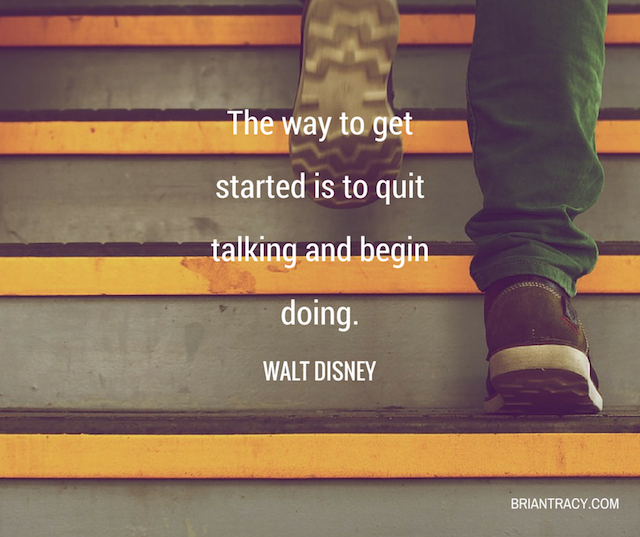
“The way get started is to quit talking and begin doing.” – Walt Disney
This straight-to-business quote comes from the man who created the happiest place on earth – and a multibillion-dollar empire.
How does your day goes by ?
Tree ferns are older than dinosaurs. And that's not even the most interesting thing about them
With massive fronds creating a luxuriously green canopy in the understory of Australian forests, tree ferns are a familiar sight on many long drives or bushwalks. But how much do you really know about them?
First of all, tree ferns are ferns, but they are not really trees. To be a tree, a plant must be woody (undergo secondary plant growth, which thickens stems and roots) and grow to a height of at least three metres when mature. While tree ferns can have single, thick trunk-like stems and can grow to a height of more than 15 metres, they are never woody.
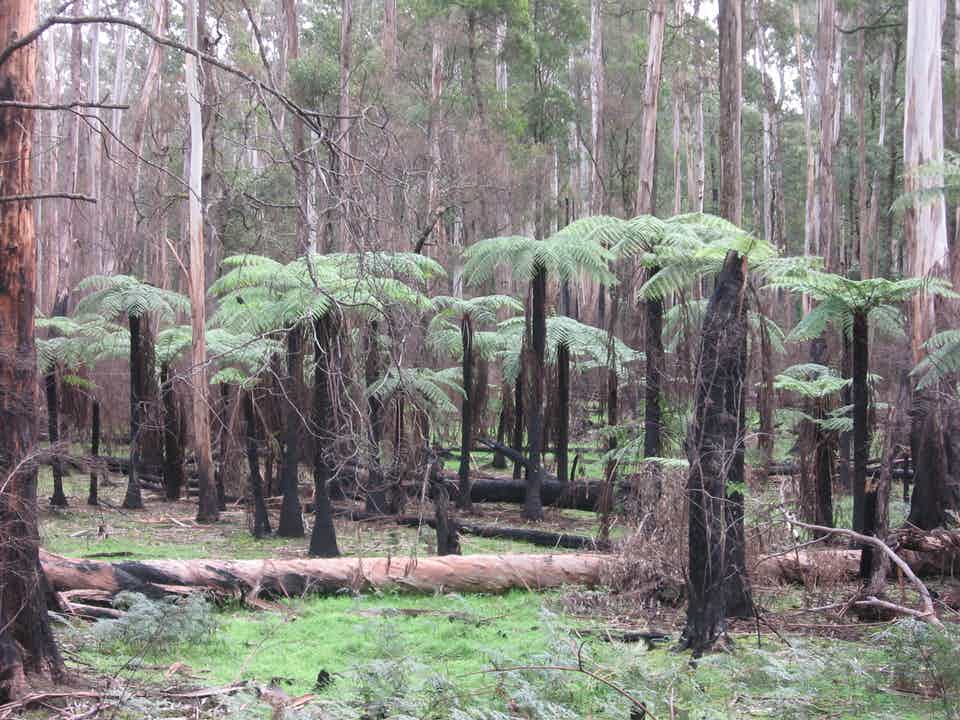
They’re also incredibly hardy — tree ferns are often the first plants to show signs of recovery in the early weeks after bushfires.
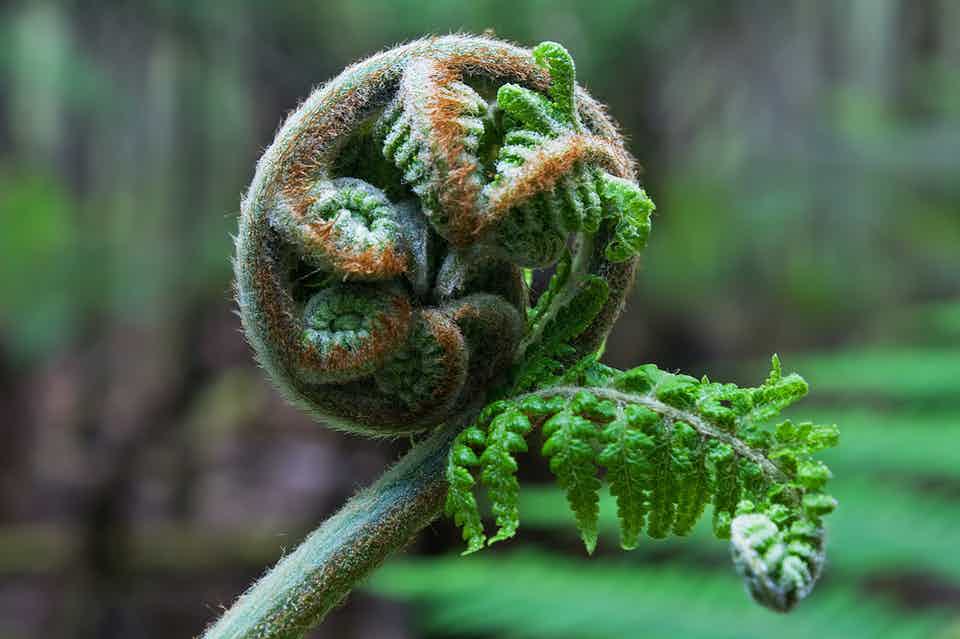
The unfurling of an almost iridescent green tree fern fiddlehead amid the sombre black of the bushfire ash is almost symbolic of the potential for bushfire recovery.
Ancient family ties
Tree ferns are generally slow growing, at rates of just 25-50 millimetres height increase per year. This means the tall individuals you might spot in a mature forest may be **several centuries old**. https://www.ncbi.nlm.nih.gov/pmc/articles/PMC5426625/#:%7E:text=The%20tree%20fern%20species%20in,grow%20to%2020m%20%5B16%5D.
However, in the right environment they can grow faster, so guessing their real age can be tricky, especially if they’re growing outside their usual forest environment.
As a plant group, tree ferns are ancient, dating back **hundreds of millions of years** and pre-dating dinosaurs. https://www.nzgeo.com/stories/ferns-the-glory-of-the-forest/
They existed on earth long before the flowering or cone-bearing plants evolved, and were a significant element of the earth’s flora during the **Carboniferous** period 300-360 million years ago, when conditions for plant growth were near ideal. This explains why ferns don’t reproduce by flowers, fruits or cones, but by more primitive spores. https://www.nationalgeographic.com/science/prehistoric-world/carboniferous/
In fact, fossilised tree ferns and their relatives called the fern allies laid down during the carboniferous then have provided much of the earth’s fossil fuels dating from that period. And tree ferns were a great **food source**, with Indigenous people once **eating the pulp** that occurs in the centre of the tree fern stem either raw or roasted as a starch. https://trove.nla.gov.au/work/9452631 https://museumsvictoria.com.au/bunjilaka/about-us/the-plants-of-milarri-garden/
Until recent times, ferns were quiet achievers among plant groups with an expanding number of species and greater numbers. Today, human activities are limiting **their success** by the clearing of forests and agricultural practices. Climate change is also a more recent threat to many fern species. https://www.environment.gov.au/system/files/resources/28b03b9a-2b02-4a50-82d0-54697736ab6e/files/threatened-tasmanian-ferns.pdf
Species you’ve probably seen
Two of the more common tree fern species of south eastern Australia are ***Cyathea australis*** and ***Dicksonia antarctica***. Both species have a wide distribution, extending from Queensland down the Australian coast and into Tasmania. https://www.anbg.gov.au/gnp/interns-2003/cyathea-spp.html https://www.anbg.gov.au/gnp/interns-2003/dicksonia-antarctica.html
They’re often found growing near each other along rivers and creeks. They look superficially alike and many people would be unaware that they are entirely different species at first glance. That is, until you look closely at the detail of their fronds and run your fingers down the stalks.
Your smartphone can soon tell if you’re drunk or not
Using a built-in sensor, your smartphone can soon tell when you’ve had too much to drink by detecting changes in the way you walk, reveal researchers.
They envisioned that in the next couple of years, people would go out with friends and drink at risky levels, get an alert at the first sign of impairment and are sent strategies via their devices “to help them stop drinking and protect them from high-risk events”.
According to the study published in the Journal of Studies on Alcohol and Drugs, having real-time information about alcohol intoxication could be important for helping people reduce alcohol consumption, preventing drinking and driving.
“We have powerful sensors we carry around with us wherever we go. We need to learn how to use them to best serve public health,” said Brian Suffoletto from Stanford University, who conducted the research while at the University of Pittsburgh in the US.
For the results, the research team recruited 22 adults aged 21-43.
Volunteers came to a lab and received a mixed drink with enough vodka to produce a breath alcohol concentration of 0.20 per cent. They had one hour to finish the alcohol.
The participants had their breath alcohol concentration analysed and performed a walking task.
For this task, researchers placed a smartphone on each participant’s lower back, secured with an elastic belt. Participants walked a straight line for 10 steps, turned around, and walked back 10 steps.
About 90 per cent of the time, the researchers were able to use changes in gait to identify when participants’ breath alcohol concentration exceeded 0.08 per cent, the legal limit for driving in the US.
“This lab study shows that our phones can be useful to identify ‘signatures’ of functional impairments related to alcohol,” Suffoletto said.
Although placing the smartphone on the lower back does not reflect how people carry their cell phones in real life, the research group plans to conduct additional research while people carry phones in their hands and in their pockets.
The researchers also wrote that this is a “proof-of-concept study” that provides a foundation for future research on using smartphones to remotely detect alcohol-related impairments.

How the pandemic might play out in 2021 and beyond
June 2021. The world has been in pandemic mode for a year and a half. The virus continues to spread at a slow burn; intermittent lockdowns are the new normal. An approved vaccine offers six months of protection, but international deal-making has slowed its distribution. An estimated 250 million people have been infected worldwide, and 1.75 million are dead.
Scenarios such as this one imagine how the COVID-19 pandemic might play out1. Around the world, epidemiologists are constructing short- and long-term projections as a way to prepare for, and potentially mitigate, the spread and impact of SARS-CoV-2, the virus that causes COVID-19. Although their forecasts and timelines vary, modellers agree on two things: COVID-19 is here to stay, and the future depends on a lot of unknowns, including whether people develop lasting immunity to the virus, whether seasonality affects its spread, and — perhaps most importantly — the choices made by governments and individuals. “A lot of places are unlocking, and a lot of places aren’t. We don’t really yet know what’s going to happen,” says Rosalind Eggo, an infectious-disease modeller at the London School of Hygiene & Tropical Medicine (LSHTM). https://www.nature.com/articles/d41586-020-02278-5#ref-CR1
“The future will very much depend on how much social mixing resumes, and what kind of prevention we do,” says Joseph Wu, a disease modeller at the University of Hong Kong. Recent models and evidence from successful lockdowns suggest that behavioural changes can reduce the spread of COVID-19 if most, but not necessarily all, people comply.
 @Danilyn29