 @Btccuba
more from that month
@Btccuba
more from that month
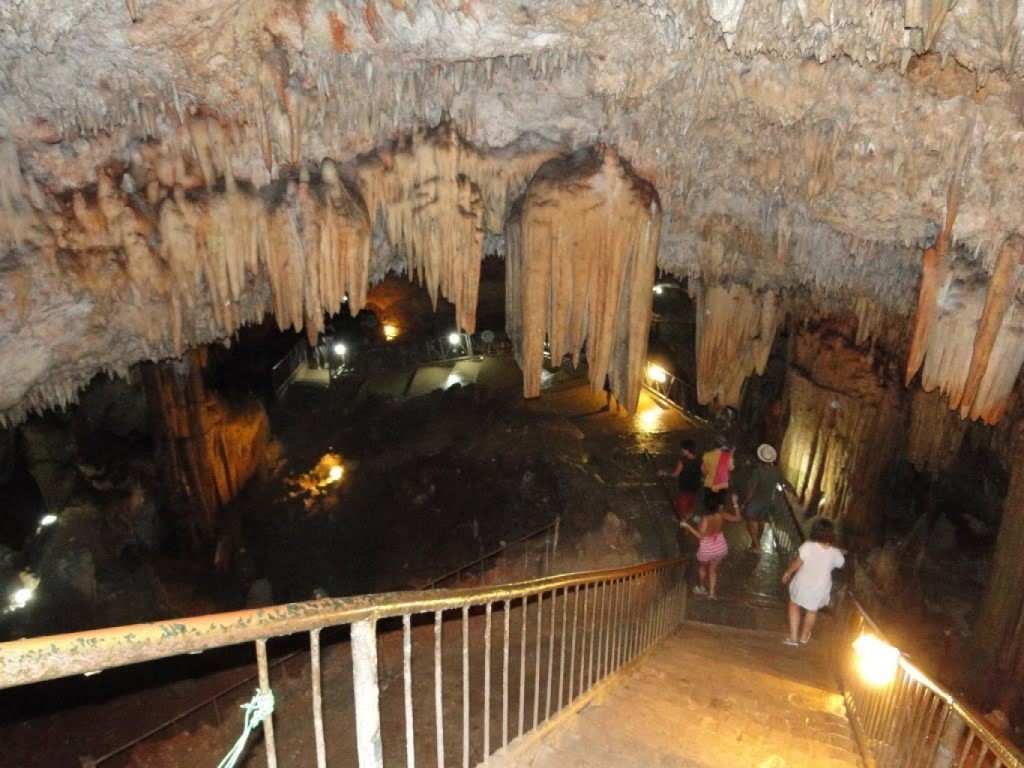
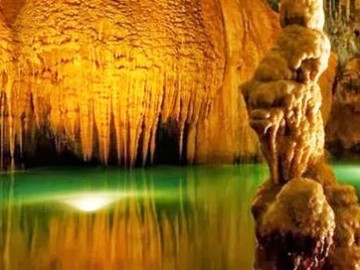
Caves of Bellamar. They are a set of caverns of more than 23 kilometers of galleries located in the Matanzas province, Cuba. Due to the beauty of its galleries and caves, the important paleontological finds, as well as a wide range of crystalline processes, they were declared a National Monument. The Bellamar Caves were discovered by chance in February 1861 when a slave lost his bar digging a hole in the ground, trying to remove a rock of lime. The slave and the overseer imagined that the earth had swallowed the bar. Don Manuel Santos Parga, owner of the farm, asked for explanations and when he did not receive any answers, he went to the scene, ordered that it be dug there; and as soon as a space of little more than a rod had been opened, a great current of disgusting odor came out through the hole; hot and smoky; then the entrance to the cave was thus exposed. Mr. Parga, who was knowledgeable about mines and caves, realized what the discovery meant and began to prepare the cave for visitors to enjoy. They took out many stones; they made masonry stairs that are still in use; they installed handrails; and as soon as it was a reality, he installed electric light. He or one of the guides under his employment led the tourists through the passageways of the cave while explaining what they were seeing. Two years after the event, José V. Betancourt, from Matanzas, recounted what happened. Originally called the Parga Caves in homage to its discoverer, the point changed its name to Las Cuevas de Bellamar, plural, (although specialists indicate that it is a single cave with several rooms) due to its proximity to the homonymous beach in the west of Matanzas. In the first two years more than two thousand people visited it. In those days it was a resounding success, both tourist and scientific. #Naturaleza
No comments yet