Pieces I Had
My life was an incomplete puzzle
the pieces I had.
Still created the most beautiful picture
but it was very quite finished.
I was always staring at that missing piece
contemplating its existence .
I tried to fill the void with the shape of others
but they would never quite fit.
I wondered whether I'd ever find it
then you came along
and I discovered my jigsaw matched
with the mislaid piece you had been
holding for me .
Throughout lost time inside your heart.
I got back my Cent 😊😸😄
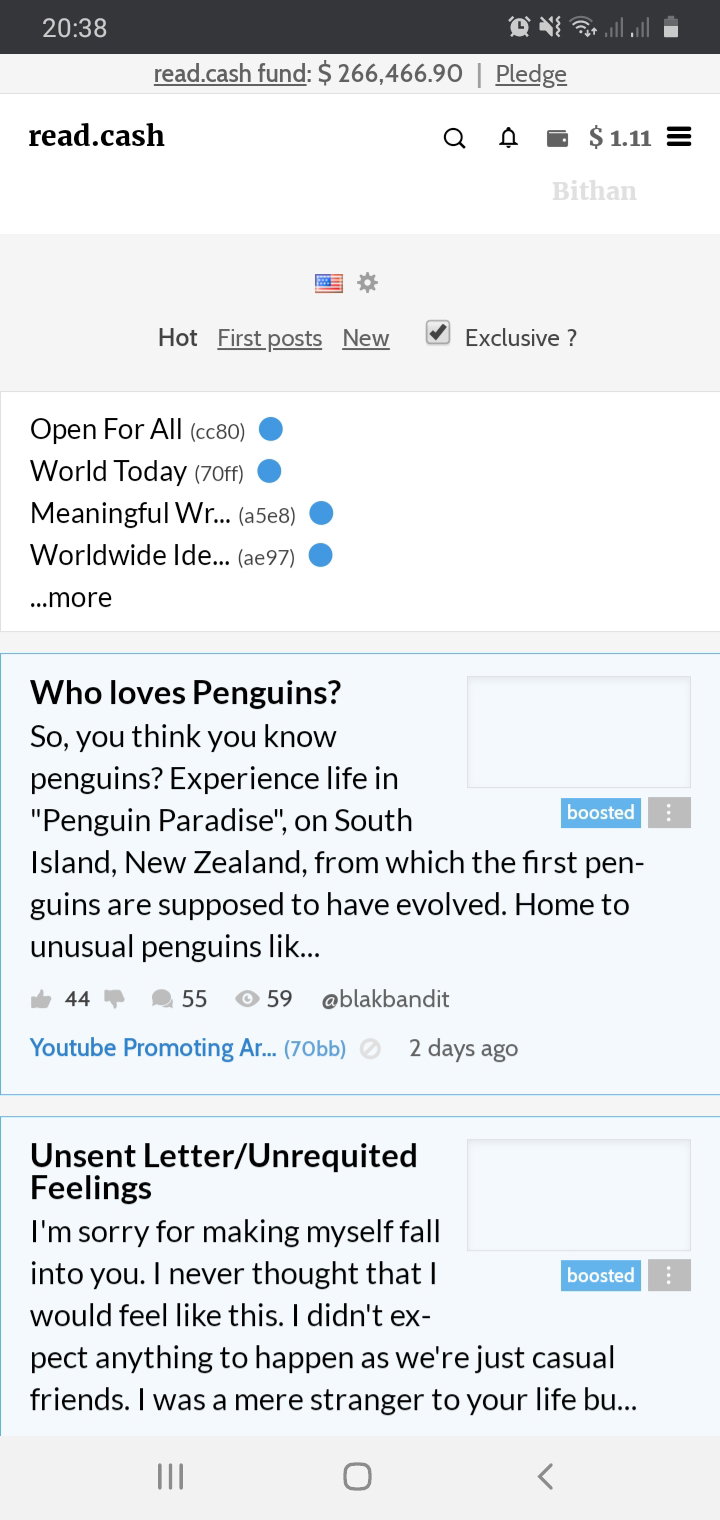
A little while ago I lost $ 0.46 And now I got it back. A little will ago I also posted. Now I am very happy. 😸 I think people like me got into trouble. Everyone is back now. 🐶
And it depends on our BCH market Like it will decrease us too .. So don't worry anyone. If the BCS market grows, so will we.
Thanks to everyone for support me...🤗🤗😇
Lost $0.46 😞
I had $1.56. But now that $1.11. I lost $0.46, why Redcash ?? Why did that happen ?? It's actually hard for me.😞😞 Again, my points are not increasing. Why hello@readcah???
It’s really sad for me.. 😞😞
Call Of Duty: Black Ops Actor Speaks Up About His Role Being Recast
**Frank Woods actor James C Burns isn't happy that he won't be returning for Cold War.**
Call of Duty: Black Ops Cold War is a direct sequel to the first Black Ops and will bring back many of the series' previous characters, including Alex Mason and Frank Woods--but the parts will be played by new actors. James C Burns, who played Frank Woods in earlier Black Ops games, is not returning--and he's disappointed. The actor has now discussed why this recasting has bothered him. https://www.gamespot.com/games/call-of-duty-black-ops-cold-war/ https://www.gamespot.com/articles/call-of-duty-black-ops-cold-war-revealed-a-direct-/1100-6481439/
In a lengthy video, Burns opens up about how it feels to see someone else playing his character. Although he's diplomatic about the new actor (who has not been publicly named), and expressed some excitement for the game, he's also clearly disappointed. https://www.youtube.com/watch?v=GznDJ2JBrPU&feature=youtu.be
https://player.gamespot.com/embed/amp/6453616/?allowMutedAutoplay=true#amp=1
Call Of Duty Black Ops: Cold War Release Date & Campaign - Everything You Need To Know
In an excerpt posted to Reddit (and picked up on by Eurogamer), Burns talks about how his previous performances, and his knowledge of the character's backstory, would have informed his performance. https://www.eurogamer.net/articles/2020-08-30-original-voice-actor-behind-frank-woods-is-so-bummed-hes-not-reprising-his-role-in-call-of-duty-black-ops-cold-war
https://d-19137776921635008224.ampproject.net/2008150009001/frame.html
"I'm sure the story's going to be f***ing brilliant," Burns says, but thinks it could have been even better with him attached. "I've got 80000 pounds of weight to bring to this thing. And not a knock at whoever they got in there, but he doesn't have the background I have with Woods. I got 11 years with this guy, man."
"Not that this guy's not gonna do a great job...but I would have f***ing crushed this thing." he continues. "I wish I had a shot at it."
More from GameSpot: https://www.gamespot.com/
**Call Of Duty: Black Ops Cold War Will Bring Back 4v4 Play For Pro CoD** https://www.gamespot.com/articles/call-of-duty-black-ops-cold-war-will-bring-back-4v/1100-6481651/#ftag=GSS-16-10aac1h
The decision may stem from the fact that, while Frank Woods has been a character across multiple Black Ops and Call of Duty titles, Cold War is specifically a sequel to the first Black Ops game--so that sense of character history might confuse things rather than inform them. But then, considering how strange the plots can get in the Black Ops series, it's hard to say what the case will be.
Alex Mason's original actor, Sam Worthington (Avatar), also isn't returning. Meanwhile, a very strong Ronald Reagan impersonator has been cast as the president. Activision has not yet shared who portrays Reagan or the other characters in the game. https://www.gamespot.com/articles/call-of-duty-black-ops-cold-war-features-ronald-re/1100-6481450/
Call of Duty: Black Ops Cold War will feature open-ended missions with multiple endings. The game will release November 13 for PS4, Xbox One, and PC; PS5 and Xbox Series X versions are also coming. Multiplayer and Zombies have yet to be detailed, but we know that multiplayer will be showcased on September 9. Cold War will also connect with Call of Duty: Warzone, with the battle royale game continuing to operate alongside the latest annual entry in the CoD series. https://www.gamespot.com/articles/call-of-duty-black-ops-cold-war-has-open-ended-mis/1100-6481436/ https://www.gamespot.com/articles/call-of-duty-black-ops-cold-war-details-on-multipl/1100-6481413/ https://www.gamespot.com/games/call-of-duty-warzone/
https://8bddf4adffc668f941065f859e3ecaa5.safeframe.googlesyndication.com/safeframe/1-0-37/html/container.html?n=0

Rajshahi
HISTORY AND CULTURE IN RAJSHAHI
Located on the northern banks of the Padma River in western Bangladesh, Rajshahi is one of the country’s seven metropolitan cities and serves as the divisional headquarters of the Rajshahi Division. Established in 1700, the city has many been under the control of Rajas, Maharajas and Zamindars over the centuries, and has many interesting historical and cultural attractions for visitors to explore. Rajshahi is also renowned for the superb quality of its natural silk products, widely considered to be the best in Bangladesh.
The Varendra Research Museum is one of Rajshahi’s main attractions, offering visitors insight into the history and culture of the region. Cared for by the Rajshahi University, the Varendra Museum is believed to be the oldest museum in Bangladesh, having been established in East Bengal as far back as 1910. The museum’s exhibits include the personal collections of the Rajahs of **Natore** and Rajshahi. The six galleries of the museum include collections from the Bronze Age Indus Valley Civilization, with ancient Arabic, Sanskrit and Persian scripts; Buddhist and Hindu stone sculptures; contemporary wood sculptures ; Persian Sanskrit and old Bengali inscriptions in stone; and items relating to the indigenous and tribal culture of the Rajshahi region. https://www.bangladesh.com/blog/explore-the-cultural-wonders-of-natore
The activity of silk farming, known as sericulture, involves raising silkworms for the production of silk. Research reveals that silk production started in China as far back as 5000 BCE, later spreading to other countries. The majority of Bangladeshi silk products are produced in Rajshahi, with three main types being available – eri silk, mulberry silk and tassar silk. Mulberry silk is considered to be of the highest quality, while eri silk is seen as the most humane. With the production of mulberry silk, the cocoon is placed in hot water with the silkworm pupae still inside, thereby killing it, while with eri silk, the cocoon is used after the adult has emerged.
Other places of interest in Rajshahi include the Shrine of Hazrat Shah Mokhdum; Borokuthi compound; Horagram bazar; and Shaheb Bazar which includes shopping malls, markets, business offices, banks, hotels, and schools. Around 23 km to the east of the city is the Puthia Temple Complex featuring ancient Hindu temples built by Hindu Zamindars Rajas of the Puthia Raj family. Laid out around a lake with stretches of law and borders of plants, the **Puthia Temple Complex** is a slice of history soaked in tranquility. https://www.bangladesh.com/religious-sites/

Spam my Comment and Reply
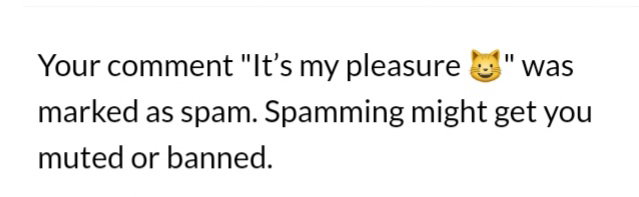
why is this spam my comment? What do you want to reply to your thank you so much for sharing etc. post,?
When i press it, it is disappear i can no longer see.
Please if you don't mean spam, can you undo it too, we are the ones who mute even if it is not a spam comment and reply to you !
It really hurts when I see that in my notification 😞😣
Dying Heart
There’s something else waiting for us
Like hidden gems taking stage in a cave.
There’s birds that fly the sky .
There’s bats that pry the cave.
And I am now lose,
Inside me is you.
Your memories
My birthing heart dances,
Upwards and only upwards
Because it can see the righteous
End it shows me no mercy
It’s give you a touch
of me and my dying heart .
You are lucky
I said to the sun you are so lucky
to have a sky
full of friends.
But she looked disappointed
and she sighed as she said
I am really all alone up here
in the end.
The clouds just drifts by and
all the birds must descend .
The sunflower love me then leave me
as the sky blackens.
They bask in my light then they
turn their heads.
She said I have mastered the art of accepting in the end.
Love and loss is a duo so brutally blended.
Secret love
Secret love can be very exciting but also painful. If you have to hide your relationship with a loved one, you most certainly know the feeling.
While every couple’s out there sharing their funny love stories, you have to keep quiet and pretend that you’re single.
If your love isn’t hurting anyone (if it’s not cheating, duh) we are sure it’s a beautiful love story so we want to share some amazing inspirational quotes about people hiding their love.
**22 Signs He Has A Secret Crush On You** https://herway.net/true-love/chemistry/22-signs-he-has-a-secret-crush-on-you/
Even though there are a thousand stories, books and songs about secret lovers out there, sometimes one sentence expresses your feelings best.
**Things You Will Feel When You Meet The Right One** https://herway.net/relationship/7-things-you-will-feel-when-you-meet-the-right-one/
PlayMuteLoaded: 85.71%Remaining Time -0:11Fullscreen
We’re sure what you have is true love, that’s why we made this collection of secret lovers quotes for you.
SECRET LOVE QUOTES: The best quotes on hidden love
1. “There is nothing better for the spirit or the body than a love affair. It elevates the thoughts and flattens the stomachs.” – Barbara Howar
2. “A hidden connection is stronger than an obvious one.” – Heraclitus
**Gaslighting: 8 Signs Of The Secret Form Of Mind Abuse** https://herway.net/life/gaslighting-8-examples-brutal-mind-abuse/
3. “… and it is madness in all women to let a secret love kindle within them, which, if unreturned and unknown, must devour the life that feeds it; and, if discovered and responded to, must lead, ignis-fatuus-like, into miry wilds whence there is no extrication.” – Charlotte Brontë
4. “Some of the best moments in life are the ones you can’t tell anyone about.” – Unknown
5. “I wanted to tell you all my secrets but you became one of them instead.” – Unknown
6. “In the bottom of my heart lies a secret which I have never told a soul in the world. There is an image of this person who is dearest to me and closer than anything else.” – Melanie Rock
7. “The hours I spend with you go by the fastest, but they are the hours I look forward to the most.” – Unknown
8. “There is no greater agony than bearing an untold story inside you.” – Maya Angelou
9. “He is stronger than anyone I know, and warmer than anyone realizes; he is a secret that I have kept and will keep for the rest of my life.” – Veronica Roth
10. “Hard to sit here and be close to you, and not kiss you.” – F. Scott Fitzgerald
11. “How flippantly we all treat a secret love, like a joke, something cute, as if it’s just a sweet little thing to pat. But when we are the secret lover, we hold our breath with each word they speak, we long so desperately for their touch, even just brief, we could almost bleed we long for it so. And when they find a lover, we feel like a shadow, longing to be seen as real, until we finally learn we have nothing more to do than to fade away from their light.” – Stephanie Schneider
12. “I hid my love in field and town Till e’en the breeze would knock me down’ The bees seemed singing ballads o’er, The fly’s bass turned a lion’s roar; And even silence found a tongue, To haunt me all the summer long; The riddle nature could not prove Was nothing else but secret love.” – John Clare
13. “I like to have a secret love affair, a hidden life, something to lie about.” ― Graham Greene
SECRET LOVE QUOTATIONS: Sad quotes about hiding emotions
1. “And above all, watch with glittering eyes the whole world around you because the greatest secrets are always hidden in the most unlikely places. Those who don’t believe in magic will never find it.” – Roald Dahl
2. “Where secrecy reigns, carelessness, and ignorance delight to hide while skill loves the light.” – Daniel C. Gelman
3. “You’re standing there with your man, but I see you lookin’ at me, and so I gave you a little smile, then you smile back at me.” – Three Plus
4. “I think we’re just going to have to be secretly in love with each other and leave it at that.” – Margot Tenenbaum, The Royal Tenenbaums
5. “A wise man’s bosom is the safe of his secrets.” – Ali bin Abu-Talib
6. “I’ll be your best kept secret and your biggest mistake.” – Fall Out Boy
7. “He wanted her. She’d never tell. Secretly she wanted him as well.” – Avril Lavigne
8. “The extreme form of passionate love is secret love.” – Japanese proverb
9. “I’m afraid to lose you and you’re not even mine.” – Drake
10. “Love ceases to be a pleasure when it ceases to be a secret.” – Aphra Behn
11. “I love you as certain dark things are to be loved, in secret, between the shadow and the soul.” – Pablo Neruda
12. “There is no secret left in the fact that I am madly in love with you. My happiness glows on my face and my smile gives it away. I have tried hard but now I can’t do that anymore.” – Sheila Johns
13. “My hands still remember what it was like to hold you in our secret hours of the night.” – William C. Hannan
14. “I don’t know why I get so protective and jealous over you when you’re not even mine.” – Amarjeet Das
15. “The worst way to miss someone is when they are right beside you and yet you know you can never have them.” – Unknown
16. “To burn with desire and keep quiet about it is the greatest punishment we can bring on ourselves.”– Federico García Lorca
17. “One sweet, sad secret holds my heart in thrall; A mighty love within my breast has grown; Unseen, unspoken, and of no one known; And of my sweet, who gave it, least of all.” – Félix Arvers
18. “If you love someone, tell them. For hearts are often broken by words left unspoken.” – Stephanie Roogle
19. “We’ve all at some point in our life encountered that feeling of secretly liking someone, secretly having your eyes on them, secretly wishing they knew, but deep inside you were afraid of what the outcome would be. So you kept it unnoticed. Kept it hidden, locked inside, just hoping that maybe one day that moment would finally come when they would notice you!” – Telisa McLaughlin
SAD LOVE QUOTES: The heartbreak of secret lovers
1. “He compared her to the moon. She compared him to the sun. But they could never touch, so the stars and clouds whispered, passing along their messages and the ocean was their witness.” – Unknown
2. “Letting go means to come to the realization that some people are a part of your history, but not a part of your destiny.” – Steve Maraboli
3. “It’s difficult for me to imagine the rest of my life without you. But I suppose I don’t have to imagine it… I just have to live it.” – Ranata Suzuki
4. “I wonder if it’s possible to have a love affair that lasts forever.” – Andy Warhol
5. “I don’t know why I can’t stop missing you when I never really had you.” – Unknown
6. “A relationship is the rainbow between two hearts sharing seven colors of feelings; love, sadness, happiness, truth, faith, secret and respect.” – Unknown
7. “Being secretly in love with someone is the hardest feeling. You get hurt, you get jealous, you cry and you get broken… but the saddest part is he/she doesn’t know about it.” – Unknown
FALLING IN LOVE (with the wrong person) quotes: A secret lover’s broken heart
1. “Sometimes it takes a heartbreak to shake us awake & help us see we are worth so much more than we’re settling for.” – Mandy Hale
2. “If you didn’t love him, this never would have happened. But you did. And accepting that love and everything that followed it is part of letting it go.” Sarah Dessen
3. “One of the best times for figuring out who you are and what you really want out of life? Right after a break-up.” – Mandy Hale
4. “Today expect something good to happen to you no matter what occurred yesterday. Realize the past no longer holds you captive. It can only continue to hurt you if you hold on to it. Let the past go. A simply abundant world awaits.” – Sarah Ban Breathnach
5. “You must be strong enough to know that love will come to you when you are ready. You must be strong enough to know when to say goodbye, and know that letting go is not weak.” – Marisa Donnelly
6. “The truth was, he now belonged only to my past, and it was time I begin to accept it, as much as it hurt to do so.” – Tammara Webber
7. “The greatest step towards a life of simplicity is to learn to let go.” – Steve Maraboli
8. “Inner peace can be reached only when we practice forgiveness. Forgiveness is letting go of the past, and is therefore the means for correcting our misperceptions.” – Gerald G. Jampolsky
9. “If letting go, if letting people and things work themselves out in the way that they needed to without your help was the most important thing, then it was also the hardest.” – Deb Caletti
10. “Thank you for reminding me what butterflies felt like. Our secret remains my heart’s pleasure to this day.” – Unknown
11. “The only thing more unthinkable than leaving was staying; the only thing more impossible than staying was leaving.” – Elizabeth Gilbert
12. “If you’re brave enough to say goodbye, life will reward you with a new hello.” – Paulo Coelho
13.“I have so much that I want to say to you, but I can’t say a word.” – Michelle Burns
14. “So it’s true when all is said and done, grief is the price we pay for love.“ – E.A. Bucchianeri
SECRET CRUSH LOVE SAYINGS: The beginning of a love story
1. “You see in all my life I’ve never found. What I couldn’t resist, what I couldn’t turn down. I could walk away from anyone I ever knew. But I can’t walk away from you.” – Billy Joel
2. “My best friend is my secret crush. I love him in a way he loves another girl, and he loves me like a sister.” – Unknown
3. “Don’t have to be a genius. To figure what’s between us.” – Charlie Midnight, Lauren Christy, Scott Spock, Graham Edwards
4. “The spaces between your fingers are meant to be filled with mine.” – Unknown
5. “Loving you is like breathing. How can I stop?” – Unknown
6. “I’ll be yours forever, just tell me when to start.” – Unknown
7. “Cause sometimes I just can’t ignore. The way I feel when I see you smile.” – Steve Soto, Jim Donoho
8. “When I see you, I admit I start to lose my grip and all of my cool.” – Kara DioGuardi, Patrik Berger
9. “You’re my secret crush, you’re my favorite daydream.” – Unknown
10. “If my love for you is a crime, I want to be the most wanted criminal.” – Unknown
11. “You know that feeling when your head says no, but your heart says yes? It’s wrong, but it feels so right? I wish we could be together.” – Unknown
12. “Ever since I met you, it hasn’t been the same. All you’ve got me doing is drawing hearts around your name.” – Unknown
13. “The fate of love is that it always seems too little or too much.” – Amelia Barr
14. “I pretended to look around, but I was looking at you.” – Unknown
15. “I’m so glad you are in my life, but I want to be more than this.” – Unknown
16. “I was praying that you and me might end up together… It’s like wishing for rain as I stand in the desert.” – Ron Pope, Zach Berkman
17. “If you don’t stop staring at a girl you cannot have, you will never see one you can.” – Unknown
18. “When someone says, ‘You two should go out!’ And you’re there like… I wish.” – Unknown
19. “I love you with all my life, but it’s not like you will ever know.” – Amber Hope
20. “A simple whisper from your voice. And I fade away.” – Tyson Ritter, Nick Wheeler
21. “I miss you. I long for you. I secretly love you. I think about you all the time.” – Unknown
22. “It’s amazing how one little conversation can change things forever.” – Unknown
23. “I want a new life. And I want it with you.” – Jimmy Jam, Terry Lewis
If you liked these secret lovers quotes and want to continue in this sad quotes manner, maybe you should take a look at our **motivational quotes for those whose love isn’t returned**. https://herway.net/love/touching-quotes-for-lonely-hearts/
If you’re done with feeling sad and would like to improve your mood.

How Sunflowers Follow Sun, Day By Day .
At dawn, whole fields of sunflowers stand at attention, all facing east, and begin their romance with the rising sun. As that special star appears to move across the sky, young flowers follow its light, looking up, then over and westward, catching one final glance as the sun disappears over the horizon.
At night, in its absence, the sunflowers face east again, anticipating the sun’s return.
They do this until they get old, when they stop moving. Then, always facing east, the old flowers await visits from insects that will spread their pollen and make new sunflowers. Those flowers too, will follow the sun.
https://www.nytimes.com/interactive/2018/admin/100000004569818.embedded.html#amp=1
It’s not love. It’s heliotropism, and sunflowers are not the only plants that track the sun. But until now, how sunflowers do it has been a mystery. http://lifeofplant.blogspot.com/2011/03/heliotropism.html
In a study published Friday in Science, researchers revealed that the sunflower’s internal clock and ability to detect light work together, turning on genes related to growth at just the right time to allow the stems to bend with the arc of the sun. The research team also showed that when fully grown, as tall as people in some cases, plants that always face east get a head start, warming up early to attract pollinators. http://science.sciencemag.org/cgi/doi/10.1126/science.aaf9793
To get to the bottom of sunflowers’ pursuit of the sun, Stacey Harmer and Hagop Atamian, plant biologists at the University of California, Davis, and their colleagues studied sunflowers in fields, pots and growth chambers. http://harmerlab.openwetware.org/
Mature sunflowers maintain an eastward orientation to attract pollinators like bees.Credit...Nicky Creux/U.C. Davis
First, to find out what the advantage of this solar tracking might be, they prevented outdoor potted sunflowers from tracking the sun. As a result, the plants grew smaller than those that followed the sun. Chasing the sun promoted growth. But what triggered it??
The fact that sunflowers switch directions at night to face east again, with no apparent cue, suggested an internal clock at work. The researchers put sunflower plants in a room with lights rigged to mimic the sun’s path on different light and dark cycles. The plants behaved as expected on a 24-hour cycle. But during a 30-hour day, they were confused. And when plants that had learned a 24-hour cycle outdoors were placed under a fixed light indoors, they continued to bend from east to west for a few days, as if following the sun. This meant that a 24-hour circadian rhythm was guiding the sunflowers’ movement. But without muscles, how did they move? https://www.sciencedaily.com/terms/circadian_rhythm.htm
The answer was in their stems. Like those of other plants, the stems of young sunflowers grow more at night — but only on their west side, which is what allows their heads to bend eastward. During the day, the stems’ east side grows, and they bend west with the sun. Dr. Atamian collected samples of the opposite sides of stems from sunflowers periodically, and found that different genes, related to light detection and growth, appeared active on opposite sides.
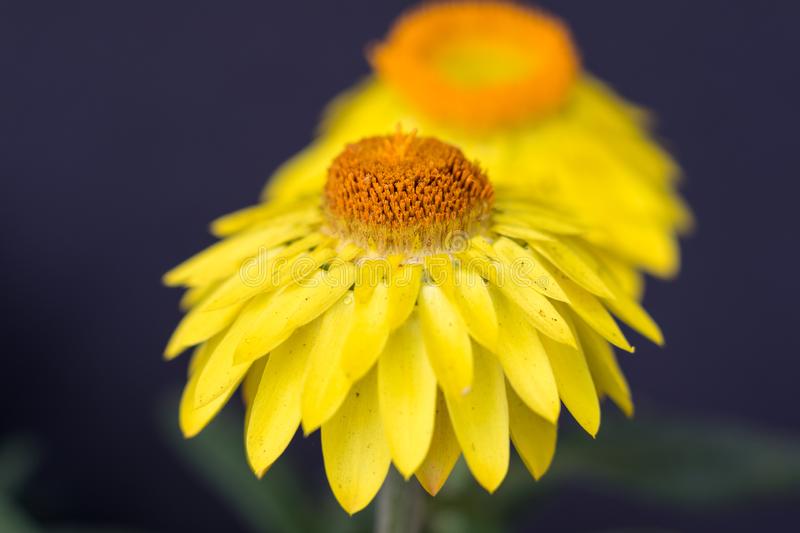
The Colour Green
**Green is the color of balance,**
**harmony and growth**
The color green relates to balance and harmony. From a color psychology perspective, it is the great balancer of the heart and the emotions, creating equilibrium between the head and the heart.
From a meaning of colors perspective, green is also the color of growth, the color of spring, of renewal and rebirth. It renews and restores depleted energy. It is the sanctuary away from the stresses of modern living, restoring us back to a sense of well being. This is why there is so much of this relaxing color on the earth, and why we need to keep it that way.
Green is an emotionally positive color, giving us the ability to love and nurture ourselves and others unconditionally. A natural peacemaker, it must avoid the tendency to become a martyr.
It loves to observe, and therefore relates to the counselor, the good listener, the social worker. It loves to contribute to society. It is the charity worker, the good parent and the helpful neighbor.
Being a combination of yellow and blue, green encompasses the mental clarity and optimism of yellow with the emotional calm and insight of blue, inspiring hope and a generosity of spirit not available from other colors.
This is a color that has a strong sense of right or wrong, inviting good judgment. It sees both sides of the equation, weighs them up, and then usually takes the moral stand in making appropriate decisions. On the negative side, it can be judgmental and over-cautiouGreGreen promotes a love of nature, and a love of family, friends, pets and the home. It is the color of the garden lover, the home lover and the good host.
It is generous and loves to share, but it also looks for recognition. It is friendly and can keep confidences.
This color relates to stability and endurance, giving us persistence and the strength to cope with adversity.
Green is the color of prosperity and abundance, of finance and material wealth. It relates to the business world, to real estate and property. Prosperity gives a feeling of safety to green.
On the negative, the color green can be possessive and materialistic, with a need to own people and things.
If your favorite color is green, it will reflect in your personality! **Personality color green** will give you more information on this. https://www.empower-yourself-with-color-psychology.com/personality-color-green.html
If you are thinking of using green in a business application, read about the **meanings of colors in business**. https://www.empower-yourself-with-color-psychology.com/color-meanings-in-business.html
**Positive and Negative Traits**
**Positive keywords** include: growth and vitality, renewal and restoration, self-reliance, reliability and dependability, being tactful, emotionally balanced and calm, nature lover and family oriented, practical and down to earth, sympathetic, compassionate and nurturing, generous, kind and loyal with a high moral sense, adaptable, encourages 'social joining' of clubs and other groups, a need to belong.
**Negative keywords** include: being possessive and materialistic, indifferent and over-cautious, envious, selfish, greedy and miserly, devious with money, inconsiderate, inexperienced, a hypochondriac and a do-gooder.
**Green Represents**
**Harmony and balance:** Green is the great balancer of our mental, emotional and physical energies which is why there is so much green on our planet. Green is the heart centre of the body.
**Growth:** As in nature, green leaves are an indication the plant is still growing.
**Hope:** Green is the anticipation of things to come.
**Effects of Green**
**Rejuvenating:** The color green revitalizes us when we are physically, mentally or emotionally exhausted.
**Nurturing:** Because of its link with the heart, green urges us to nurture others. Green is also nurturing to us - another reason why it is the most predominant colour on earth.
**Dependable, agreeable and diplomatic:** The color green helps us to see situations clearly from all sides.
**Possessiveness:** Green is a color that encourages us to want to own things and people, to collect and possess. Green encourages materialism.
**Envy:** Green with envy' is a common phrase and a negative reaction to the color green.
**Variations of the Color Green**
**Pale green:** As the color of new growth on plants, it indicates immaturity, youthfulness and inexperience. It allows us to see things from a new perspective, to make a fresh start.
**Emerald green:** This is an inspiring and uplifting color suggesting abundance and wealth in all its forms, from material wellbeing, to emotional wellbeing to creative ideas.
**Jade green:** The color of trust and confidentiality, tact and diplomacy, jade green indicates a generosity of spirit, giving without expecting anything in return. It increases worldly wisdom and understanding, assisting in the search for enlightenment.
**Lime green:** Lime green inspires youthfulness, naivety and playfulness; it is liked the most by younger people. It creates a feeling of anticipation, and helps to clear the mind of negativity.
**Dark green:** There is a degree of resentment in dark green. Often used by wealthy businessmen, ambitious and always striving for more wealth, dark green signifies greed and selfish desire.
**Aqua:** Aqua calms the spirit, offering protection and healing for the emotions.
**Olive green:** Although the traditional color for peace, 'offering an olive branch', the color olive suggests deceit and treachery, blaming others for its problems. However there is also a strength of character with it that can overcome adversity to develop an understanding and caring of the feelings of others.
**Yellow green:** This color green suggests cowardice, conflict and fear.
**Grass green:** Grass green is the color of money. It is self-confident and secure, natural and healthy, occurring in abundance in nature

Philosophy of Art
Philosophy of art
**Philosophy of art**, the study of the nature of art, including concepts such as interpretation, representation and expression, and form. It is closely related to aesthetics, the philosophical study of beauty and taste. https://www.britannica.com/topic/aesthetics
**Philosophy of art**
Distinguishing Characteristics
The philosophy of art is distinguished from art criticism, which is concerned with the analysis and evaluation of particular works of art. Critical activity may be primarily historical, as when a lecture is given on the conventions of the Elizabethan theatre in order to explain some of the devices used in Shakespeare’s plays. It may be primarily analytical, as when a certain passage of poetry is separated into its elements and its meaning or import explained in relation to other passages and other poems in the tradition. Or it may be primarily evaluative, as when reasons are given for saying that the work of art in question is good or bad, or better or worse than another one. Sometimes it is not a single work of art but an entire class of works in a certain style or genre (such as pastoral poems or Baroque music) that is being elucidated, and sometimes it is the art of an entire period (such as Romantic). But in every case, the aim of art criticism is to achieve an increased understanding or enjoyment of the work (or classes of works) of art, and its statements are designed to achieve this end. https://www.britannica.com/topic/philosophy https://www.britannica.com/art/art-criticism https://www.britannica.com/biography/William-Shakespeare https://www.merriam-webster.com/dictionary/analytical https://www.merriam-webster.com/dictionary/genre https://www.britannica.com/art/Baroque-art-and-architecture https://www.britannica.com/art/Romanticism https://www.merriam-webster.com/dictionary/criticism
The test of the success of art criticism with a given person is: Has this essay or book of art criticism increased or enhanced the person’s understanding or appreciation of the work of art in question? Art criticism is particularly helpful and often necessary for works of art that are more than usually difficult, such that persons not already familiar with the artist or the genre or the period would be unable to adequately understand or enjoy the work if left to themselves. https://www.merriam-webster.com/dictionary/enhanced
The task of the philosopher of art is more fundamental than that of the art critic in that the critic’s pronouncements presuppose answers to the questions set by the philosopher of art. The critic says that a given work of music is expressive, but the philosopher of art asks what is meant by saying that a work of art is expressive and how one determines whether it is. In speaking and writing about art, critics presuppose that they are dealing with clear concepts, the attainment of which is the task of the philosopher of art. https://www.britannica.com/art/music
Britannica Premium: Serving the evolving needs of knowledge seekers. Get 30% your subscription today.**Subscribe Now** https://subscription.britannica.com/subscribe?partnerCode=MBP_BTS2020_USD_B
The task of the philosopher of art is not to heighten understanding and appreciation of works of art but to provide conceptual foundations for the critic by (1) examining the basic concepts that underlie the activities of critics and enable them to speak and write more intelligibly about the arts and by (2) arriving at true conclusions about art, aesthetic value, expression, and the other concepts that critics employ. https://www.merriam-webster.com/dictionary/conceptual https://www.merriam-webster.com/dictionary/aesthetic
Upon what do philosophers of art direct their attention? “Art” is the ready answer, but what is art and what distinguishes it from all other things? The theorists who have attempted to answer this question are many, and their answers differ greatly. But there is one feature that virtually all of them have in common: a work of art is a human-made thing, an artifact, as distinguished from an object in nature. A sunset may be beautiful, but it is not a work of art. A piece of driftwood may have aesthetic qualities, but it is not a work of art since it was not made by a human. On the other hand, a piece of wood that has been carved to look like driftwood is not an object of nature but of art, even though the appearance of the two may be exactly the same. This distinction was challenged in the 20th century by artists who declared that *objets trouvés* (“found objects”) are works of art, since the artist’s perception of them as such makes them so, even if the objects were not human-made and were not modified in any way (except by exhibition) from their natural state. https://www.merriam-webster.com/dictionary/artifact https://www.britannica.com/topic/appearance
Nevertheless, according to the simplest and widest definition, art is anything that is human-made. Within the scope of this definition, not only paintings and sculptures but also buildings, furniture, automobiles, cities, and garbage dumps are all works of art: every change that human activity has wrought upon the face of nature is art, be it good or bad, beautiful or ugly, beneficial or destructive. https://www.merriam-webster.com/dictionary/beneficial
The ordinary usage of the term is clearly less wide. When works of art are spoken of in daily life, the intention is to denote a much narrower range of objects—namely, those responded to aesthetically. Among the things in this narrower range, a distinction, although not a precise one, is made between fine and useful art. Fine art consists of those works designed to produce an aesthetic response or that (regardless of design) function as objects of aesthetic appreciation (such as paintings, sculptures, poems, musical compositions)—those human-made things that are enjoyed for their own sake rather than as means to something else. Useful art has both an aesthetic and a utilitarian dimension: automobiles, glass tumblers, woven baskets, desk lamps, and a host of other handmade or manufactured objects have a primarily useful function and are made for that purpose, but they also have an aesthetic dimension: they can be enjoyed as objects of beauty, so much so that people often buy one brand of car rather than another for aesthetic reasons even more than for mechanical reasons (of which they may know nothing). A borderline case is architecture: many buildings are useful objects the aesthetic function of which is marginal, and other buildings are primarily objects of beauty the utility of which is incidental or no longer existent (Greek temples were once places of worship, but today their value is entirely aesthetic). The test in practice is not how they were intended by their creators, but how they function in present-day experience. Many great works of painting and sculpture, for example, were created to glorify a deity and not, insofar as can be ascertained, for an aesthetic purpose (to be enjoyed simply in the contemplation of them for their own sake). It should be added, however, that many artists were undoubtedly concerned to satisfy their aesthetic capabilities in the creation of their work, since they were highly perfectionistic as artists, but in their time there was no such discipline as aesthetics in which they could articulate their goals; in any case, they chose to create “for the greater glory of God” by producing works that were also worthwhile to contemplate for their own sake. https://www.britannica.com/art/Western-architecture https://www.britannica.com/art/painting https://www.britannica.com/art/sculpture https://www.merriam-webster.com/dictionary/ascertained https://www.merriam-webster.com/dictionary/discipline https://www.merriam-webster.com/dictionary/aesthetics https://www.merriam-webster.com/dictionary/articulate
This aesthetic sense of the word *art*, whether applied to fine art or useful art, is the one most employed by the majority of critics and philosophers of art today. There are two other senses of *art*, however, that are still narrower, and, to avoid confusion, their use should be noted: (1) Sometimes the term *art* is restricted to the visual arts alone or to some of the visual arts. But as philosophers of art use the term (and as it is used here), art is not limited to visual art; music and drama and poetry are as much arts as are painting, sculpture, and architecture. (2) Sometimes the term *art* is used in a persuasive sense, to include only those works considered good art. Viewers at an art gallery, examining a painting they dislike, may exclaim “That’s not art!” But if the term *art* is to be used without confusion, it must be possible for there to be bad art as well as good art. The viewer, then, is not really denying that the work in question is art (it is a human-made object presented to be contemplated for its own sake) but only that it is worthwhile. https://www.britannica.com/art/visual-arts https://www.britannica.com/art/theatre-art https://www.britannica.com/art/poetry
The word *art* is also ambiguous in another way: it is sometimes used to designate the activity of creating a work of art, as in the slogan “Art is expression,” but it is more often used to designate the product of that process, the completed artwork or artifact itself, as in the remark “Art is a source of great enjoyment to me.” There will be occasion later to remark on this ambiguity. https://www.merriam-webster.com/dictionary/ambiguous https://www.merriam-webster.com/dictionary/ambiguity
Countless proffered definitions of *art* are not definitions at all but are theories about the nature of art that presuppose that the ability to identify certain things in the world as works of art already exists. Most of them are highly unsatisfactory even as theories. “Art is an exploration of reality through a sensuous presentation”—but in what way is it an exploration? Is it always concerned with reality (how is music concerned with reality, for example)? “Art is a re-creation of reality”—but is all art re-creation, even music? (It would seem likely that music is the creation of something, namely, a new set of tonal relationships, but not that it is the re-creation of anything at all.) “Art is an expression of feeling through a medium”—but is it always an expression (*see below* Art as expression) and is it always feeling that is expressed? And so on. It appears more certain that Shakespeare’s *King Lear* is a work of art than that these theories are true. All that seems to be required for identifying something as a work of art in the wide sense is that it be not a natural object but something made or transformed by a human being, and all that is required for identifying it as art (not as good art but as art) in the narrower sense is that it function aesthetically in human experience, either wholly (fine art) or in part (useful art); it is not even necessary, as has been shown, that it be intended by its creator to function in this way. https://www.britannica.com/topic/philosophy-of-art/Art-as-expression#ref36272 https://www.britannica.com/topic/human-being
The Interpretation Of Art
Works of art present problems of both interpretation and evaluation. Evaluation is not the concern of this article (*see* aesthetics), but one problem about interpretation deserves to be mentioned. Works of art are often difficult, and how to interpret them properly is far from obvious. The question then arises as to what factors should guide efforts at interpretation. https://www.britannica.com/topic/aesthetics
At one extreme lies the view known as isolationism, according to which a knowledge of the artist’s biography, historical background, and other factors is irrelevant to an appreciation of the work of art and usually is harmful in that it gets in the way, tending to substitute a recital of these facts for the more difficult attempt to come to grips with the work of art itself. If the work of art is not understood on first acquaintance, it should be read (or heard, or viewed) again and yet again. Constant re-exposure to it, so that the recipient is totally absorbed in and permeated by it, is the way to maximum appreciation.
At the other extreme, contextualism holds that the work of art should always be apprehended in its context or setting and that not merely knowledge about it but total appreciation of it is much richer if it is approached with this knowledge. According to the contextualists, not only literature (ordinarily appreciated contextually) but also the other arts, even nonrepresentational painting and music, should be apprehended in this way. https://www.merriam-webster.com/dictionary/context https://www.britannica.com/art/literature https://www.britannica.com/art/painting https://www.britannica.com/art/music
No critic or art lover need hold to either position in its undiluted form: a person could well be an isolationist about some kinds of art, such as music, a contextualist about others, such as historical dramas and religious paintings. It is essential to be more specific, however, about the factors—other than careful and repeated perusal of the work of art itself—that the contextualist holds are either necessary or extremely helpful in the appreciation of works of art:
1. Other works of art by the same artist. If the artist has created other works, particularly in the same genre, acquaintance with them may enhance appreciation of the work at hand. Quantity of works has no particular merit in itself, but when, say, one of the piano concertos of the 18th-century Austrian composer Wolfgang Amadeus Mozart is heard, the auditor may (often largely unconsciously) compare its mode, thematic material, and method of development and resolution with some of Mozart’s 25 other piano concertos. Knowledge of the entire corpus of his work in a certain genre may heighten enjoyment of a particular work. https://www.merriam-webster.com/dictionary/genre https://www.merriam-webster.com/dictionary/enhance https://www.britannica.com/biography/Wolfgang-Amadeus-Mozart
Wolfgang Amadeus Mozart, oil on canvas by Barbara Krafft, 1819.Alfredo Dagli Orti—REX/Shutterstock.com
2. Other works of art in the same genre by other artists, particularly in the same style or tradition. Appreciation of the pastoral poem “Lycidas,” by the English poet John Milton, is doubtless enhanced by a study of the pastoral tradition in poetry, with which Milton supposed his readers to be acquainted. To study “Lycidas” in isolation would needlessly deprive the reader of much of the richness of texture of the poem and would even make some of the references in it unintelligible. https://www.britannica.com/topic/Lycidas https://www.britannica.com/biography/John-Milton https://www.merriam-webster.com/dictionary/enhanced
3. A study of relevant facts about the artistic medium, such as the instrumental limitations or advantages of pipe organs in the time of the German composer Johann Sebastian Bach (1685–1750) or the modes of presentation of ancient Greek tragedies in the Athenian theatre. An acquaintance with the artistic conventions and idioms in which the artist operated often leads to better understanding of certain aspects of the artist’s work and helps to avert misunderstandings of it. https://www.britannica.com/biography/Johann-Sebastian-Bach https://www.britannica.com/art/theatre-art https://www.merriam-webster.com/dictionary/idioms
4. A study of the age in which the artist lived—the spirit of the time and its current ideas, the complex influences that molded the artist, even the social, economic, and political conditions of the time and place in which the artist worked. Sometimes such knowledge is of dubious relevance. It can be argued that no aid to the study of the 82 string quartets and 104 symphonies of the 18th-century Austrian composer Joseph Haydn is provided by reading about the political and economic conditions of his day. It is interesting to study the evolution of the string quartet or symphony from its origin through Haydn to the present, but this would appear to be an evolution traceable entirely within the art form and not dependent on factors outside it. This, however, is not always so—particularly in literature, where a study of such exterior factors seems to be of much more relevance. It would seem important to know, for example, that Milton was aware of the new Copernican astronomy but deliberately chose in *Paradise Lost* to make his cosmos Ptolemaic, the antiquated astronomical system that was already steeped in literature, mythology, and tradition. https://www.britannica.com/biography/Joseph-Haydn https://www.britannica.com/art/quartet-music https://www.britannica.com/art/symphony-music https://www.britannica.com/science/Copernican-system https://www.britannica.com/science/Ptolemaic-system https://www.britannica.com/topic/myth
5. A study of the artist’s life. Anthologists of literature constantly assume that this is an important consideration, since they supply detailed biographies prior to their selections by each author. It is true, of course, that knowledge of the artist’s life can distract attention from the artist’s work, as with those who cannot hear Ludwig van Beethoven’s late quartets without constantly thinking, “What a pity it was that he was deaf at the time!” Yet such knowledge may also heighten experience of a work; some would say, at any rate, that it helps to know that Milton was blind when he wrote the sonnet “On His Blindness.” It is the relevance of this kind of knowledge to an appreciation of the poem, as a poem, that is in dispute. In every case, however, it should be kept in mind that acquaintance with the artist’s biography is a means toward an end, the enhanced appreciation and understanding of the work of art, and that otherwise it is aesthetically irrelevant. The facts about the artist’s life are the means and the enhanced appreciation the end, not the other way around, as is often found, for example, in psychoanalytic essays attempting to infer from works of art facts about the artist’s subconscious conflicts; in these cases the work is being taken as the means and the study of the artist’s life as the end. https://www.britannica.com/biography/Ludwig-van-Beethoven
6. A study of the artist’s intentions. When difficulties arise as to what to make of a work of art or when several conflicting interpretations come to mind, how is the difficulty to be resolved? One obvious suggestion is to consult the artist, if that is possible; the artist’s records or memoirs, if any; or the testimony of the artist’s friends, acquaintances, or associates. It is tempting to believe that, whichever way the artist intended it, this is the way the work should be interpreted. For surely artists know their own work better than anyone else does, and for that reason their own word should be law.
This temptation is hotly decried by other critics as “the intentional fallacy”—the fallacy (if it is a fallacy) of believing that whichever way the artist intended it is by definition the way it really is. Works of art should stand on their own, without help from their creators. If the artist’s intentions are not sufficiently realized within the work, forcing the recipient to go outside for help, this is held to be an artistic defect. Moreover, once the work has been completed and presented to the world, it belongs to the world and no longer exclusively to the artist, and in its interpretation the artist now becomes just one critic among many, whose word should be respected but not taken as the final authority. Perhaps other critics can think of better interpretations than the artist did, which give a greater aesthetic reward in subsequent encounters with the work; perhaps there are even acceptable interpretations (such as Freudian interpretations of Shakespeare’s *Hamlet*) that the artist could not possibly have thought of at the time. https://www.britannica.com/topic/fallacy https://www.merriam-webster.com/dictionary/aesthetic https://www.britannica.com/biography/Sigmund-Freud
In the late 18th and early 19th centuries, Johann Wolfgang von Goethe set forth three criteria for critics to consider in interpreting and evaluating a work of art: (1) What was the artist trying to do? (2) Did the artist do it? (3) Was it worth doing? The first of the three is intentionalistic, and, says the intentionalist, surely this is plausible: artists can hardly be blamed for failing to do what they had no intention of doing. It must first be known, then, what they were trying to do. https://www.britannica.com/biography/Johann-Wolfgang-von-Goethe https://www.merriam-webster.com/dictionary/criteria
But the anti-intentionalist points out that the intention makes no difference, only the product does. If the ballerina excuses her fall in the middle of the dance by saying that she intended it, the dance is just as marred aesthetically as if she had fallen accidentally. https://www.britannica.com/art/dance
The persistent questioner might ask, however, if there are not at least some works of art in which the intentions of the artist have to be known? Suppose that a contemporary critic reads a dull, stodgy, moralistic Victorian novel and says at the end, “What an excellent parody of a Victorian novel!” But it was not a parody. Its intentions were deadly serious—and should not this be known in order to interpret and evaluate it properly? Not at all, replies the anti-intentionalist. All the critic has to say is, “As a Victorian novel, this is deadly dull; as a parody of a Victorian novel, it is brilliant; if the author intended it in the former way, so much the worse for the author”—the work can still be praised for being a brilliant parody, even if it wasn’t intended as one.
Still, the intentionalist has a point: sometimes the clue to unlocking an otherwise intransigent work may come from the artist’s statement of intention, and a plausible interpretation might be unobtainable without it. Such a suggestion might have come from a reader (or viewer or listener) rather than the artist, but there is no point in disdaining helpful hints, regardless of their source. If the suggestion does come from the artist, that is nothing against it. Perhaps a work is less aesthetically perfect because it requires outside clues to its interpretation, but few works of art even approach perfection, and they may yet amply repay attention, all the more if some plausible suggestion comes from the outside. The 20th-century Russian composer Sergey Prokofiev intended his *Classical Symphony* to be a playful homage to the classical symphonic form developed by Haydn, and, regardless of whether the suggestion that it be construed this way came from Prokofiev or from someone else, if it is rewarding to listen to it in this way, then no one gains by refusing to accept the suggestion. A statement of intention is not the only key to unlocking the secrets of works of art, but it is one key among many, and there appears to be no good reason why it should not be used. https://www.merriam-webster.com/dictionary/intransigent https://www.merriam-webster.com/dictionary/disdaining https://www.britannica.com/biography/Sergey-Prokofiev

Aesthetics
Aesthetics
**Aesthetics**, also spelled **esthetics**, the philosophical study of beauty and taste. It is closely related to the philosophy of art, which is concerned with the nature of art and the concepts in terms of which individual works of art are interpreted and evaluated. https://www.britannica.com/topic/philosophy-of-art
**Aesthetics**
To provide more than a general definition of the subject matter of aesthetics is immensely difficult. Indeed, it could be said that self-definition has been the major task of modern aesthetics. We are acquainted with an interesting and puzzling realm of experience: the realm of the beautiful, the ugly, the sublime, and the elegant; of taste, criticism, and fine art; and of contemplation, sensuous enjoyment, and charm. In all these phenomena we believe that similar principles are operative and that similar interests are engaged. If we are mistaken in this impression, we will have to dismiss such ideas as beauty and taste as having only peripheral philosophical interest. Alternatively, if our impression is correct and philosophy corroborates it, we will have discovered the basis for a philosophical aesthetics. https://www.merriam-webster.com/dictionary/aesthetics https://www.merriam-webster.com/dictionary/sublime https://www.merriam-webster.com/dictionary/criticism https://www.merriam-webster.com/dictionary/peripheral https://www.merriam-webster.com/dictionary/corroborates
This article seeks to clarify the nature of modern aesthetics and to delineate its underlying principles and concerns. Although the article focuses on Western aesthetic thought and its development, it surveys some of the seminal features of Marxist and Eastern aesthetics. https://www.merriam-webster.com/dictionary/delineate https://www.merriam-webster.com/dictionary/aesthetic https://www.merriam-webster.com/dictionary/seminal
The Nature And Scope Of Aesthetics
Aesthetics is broader in scope than the philosophy of art, which comprises one of its branches. It deals not only with the nature and value of the arts but also with those responses to natural objects that find expression in the language of the beautiful and the ugly. A problem is encountered at the outset, however, for terms such as *beautiful* and *ugly* seem too vague in their application and too subjective in their meaning to divide the world successfully into those things that do, and those that do not, exemplify them. Almost anything might be seen as beautiful by someone or from some point of view, and different people apply the word to quite disparate objects for reasons that often seem to have little or nothing in common. It may be that there is some single underlying belief that motivates all of their judgments. It may also be, however, that the term *beautiful* has no sense except as the expression of an attitude, which is in turn attached by different people to quite different states of affairs. https://www.merriam-webster.com/dictionary/comprises https://www.britannica.com/art/beauty https://www.merriam-webster.com/dictionary/disparate
Britannica Premium: Serving the evolving needs of knowledge seekers. Get 30% your subscription today.**Subscribe Now** https://subscription.britannica.com/subscribe?partnerCode=MBP_BTS2020_USD_B
Moreover, in spite of the emphasis laid by philosophers on the terms *beautiful* and *ugly*, it is far from evident that they are the most important or the most useful either in the discussion and criticism of art or in the description of that which appeals to us in nature. To convey what is significant in a poem, we might describe it as ironic, moving, expressive, balanced, and harmonious. Likewise, in characterizing a favourite stretch of countryside, we may prefer to describe it as peaceful, soft, atmospheric, harsh, and evocative, rather than beautiful. The least that should be said is that *beautiful* belongs to a class of terms from which it has been chosen as much for convenience’ sake as for any sense that it captures what is distinctive of the class. https://www.merriam-webster.com/dictionary/ironic https://www.merriam-webster.com/dictionary/evocative
At the same time, there seems to be no clear way of delimiting the class in question—not at least in advance of theory. Aesthetics must therefore cast its net more widely than the study either of beauty or of other aesthetic concepts if it is to discover the principles whereby it is to be defined. We are at once returned, therefore, to the vexing question of our subject matter: What should a philosopher study in order to understand such ideas as beauty and taste?
Three approaches to aesthetics
Three broad approaches have been proposed in answer to that question, each intuitively reasonable:
1. The study of the aesthetic concepts, or, more specifically, the analysis of the “language of criticism,” in which particular judgments are singled out and their logic and justification displayed. In his famous treatise *On the Sublime and Beautiful* (1757), Edmund Burke attempted to draw a distinction between two aesthetic concepts and, by studying the qualities that they denoted, to analyze the separate human attitudes that are directed toward them. Burke’s distinction between the sublime and the beautiful was extremely influential, reflecting as it did the prevailing style of contemporary criticism. In more recent times, philosophers have tended to concentrate on the concepts of modern literary theory—namely, those such as representation, expression, form, style, and sentimentality. The study invariably has a dual purpose: to show how (if at all) these descriptions might be justified and to show what is distinctive in the human experiences that are expressed in them. https://www.britannica.com/topic/concept https://www.britannica.com/topic/logic https://www.merriam-webster.com/dictionary/treatise https://www.britannica.com/topic/On-the-Sublime-and-Beautiful https://www.britannica.com/biography/Edmund-Burke-British-philosopher-and-statesman
**Edmund Burke**Edmund Burke, detail of an oil painting from the studio of Sir Joshua Reynolds, 1771; in the National Portrait Gallery, London.Courtesy of the National Portrait Gallery, London
2. A philosophical study of certain states of mind—responses, attitudes, emotions—that are held to be involved in aesthetic experience. Thus, in the seminal work of modern aesthetics *Kritik der Urteilskraft* (1790; *The Critique of Judgment*), Immanuel Kant located the distinctive features of the aesthetic in the faculty of “judgment,” whereby we take up a certain stance toward objects, separating them from our scientific interests and our practical concerns. The key to the aesthetic realm lies therefore in a certain “disinterested” attitude, which we may assume toward any object and which can be expressed in many contrasting ways. https://www.britannica.com/topic/mind https://www.britannica.com/topic/perception https://www.britannica.com/topic/aesthetic-experience https://www.britannica.com/topic/Critique-of-Judgment https://www.britannica.com/biography/Immanuel-Kant https://www.britannica.com/science/judgment-psychology
**Immanuel Kant**Immanuel Kant, print published in London, 1812.Photos.com/Getty Images
More recently, philosophers—distrustful of Kant’s theory of the faculties—have tried to express the notions of an “aesthetic attitude” and “aesthetic experience” in other ways, relying upon developments in philosophical psychology that owe much to G.W.F. Hegel, the phenomenologists, and Ludwig Wittgenstein (more precisely, the Wittgenstein of the *Philosophical Investigations* [1953]). In considering these theories (some of which are discussed below), a crucial distinction must be borne in mind: that between philosophy of mind and empirical psychology. Philosophy is not a science, because it does not investigate the causes of phenomena. It is an a priori or conceptual investigation, the underlying concern of which is to identify rather than to explain. In effect, the aim of the philosopher is to give the broadest possible description of the things themselves, so as to show how we must understand them and how we ought to value them. The two most prominent current philosophical methods—phenomenology and conceptual analysis—tend to regard this aim as distinct from, and (at least in part) prior to, the aim of science. For how can we begin to explain what we have yet to identify? While there have been empirical studies of aesthetic experience (exercises in the psychology of beauty), these form no part of aesthetics as considered in this article. Indeed, the remarkable paucity of their conclusions may reasonably be attributed to their attempt to provide a theory of phenomena that have yet to be properly defined. https://www.britannica.com/biography/Ludwig-Wittgenstein https://www.britannica.com/topic/philosophy-of-mind https://www.merriam-webster.com/dictionary/empirical https://www.merriam-webster.com/dictionary/conceptual
3. The philosophical study of the aesthetic object. This approach reflects the view that the problems of aesthetics exist primarily because the world contains a special class of objects toward which we react selectively and which we describe in aesthetic terms. The usual class singled out as prime aesthetic objects is that comprising works of art. All other aesthetic objects (landscapes, faces, *objets trouvés*, and the like) tend to be included in this class only because, and to the extent that, they can be seen as art (or so it is claimed). https://www.merriam-webster.com/dictionary/comprising
If we adopt such an approach, then there ceases to be a real distinction between aesthetics and the philosophy of art; and aesthetic concepts and aesthetic experience deserve their names through being, respectively, the concepts required in understanding works of art and the experience provoked by confronting them. Thus Hegel, perhaps the major philosophical influence on modern aesthetics, considered the main task of aesthetics to reside in the study of the various forms of art and of the spiritual content peculiar to each. Much of recent aesthetics has been similarly focused on artistic problems, and it could be said that it is now orthodox to consider aesthetics entirely through the study of art.
The third approach to aesthetics does not require this concentration upon art. Even someone who considered art to be no more than one manifestation of aesthetic value—perhaps even a comparatively insignificant manifestation—may believe that the first concern of aesthetics is to study the objects of aesthetic experience and to find in them the true distinguishing features of the aesthetic realm. Unless we restrict the domain of aesthetic objects, however, it becomes extremely difficult to maintain that they have anything significant in common beyond the fact of inspiring a similar interest. This means that we should be compelled to adopt the second approach to aesthetics after all. And there seems no more plausible way of restricting the domain of aesthetic objects than through the concept of art. https://www.merriam-webster.com/dictionary/manifestation
The three approaches may lead to incompatible results. Alternatively, they may be in harmony. Once again, it can only be at the end point of our philosophy that we shall be able to decide. Initiallyl, it must be assumed that the three approaches may differ substantially, or merely in emphasis, and thus that each question in aesthetics has a tripartite form. https://www.britannica.com/art/harmony-music

Rainbow
Rainbow
meteorological phenomenon caused by reflection, refraction and dispersion of light in water droplets.
A **rainbow** is an arc of colour in the sky that can be seen when the sun shines through falling rain. The pattern of colours start with red on the outside and changes through orange , yellow, green, blue, indigo, and violet on the inside. Sometimes a second, larger, dimmer rainbow is seen. https://simple.m.wikipedia.org/wiki/Yellow https://simple.m.wikipedia.org/wiki/Green https://simple.m.wikipedia.org/wiki/Blue https://simple.m.wikipedia.org/wiki/Indigo https://simple.m.wikipedia.org/wiki/Violet
A double rainbow
A rainbow is created when white light is bent (refracted) while entering a droplet of water, split into separate colours, and reflected back. A rainbow is actually round like a circle. On the ground, the bottom part is hidden, but in the sky, like from a flying airplane, it can be seen as a circle around the point opposite the Sun. https://simple.m.wikipedia.org/wiki/Refraction https://simple.m.wikipedia.org/wiki/Dispersion https://simple.m.wikipedia.org/wiki/Reflection https://simple.m.wikipedia.org/wiki/Sun
Rainbows often appear after storms, and are popular symbols for peace in many cultures. https://simple.m.wikipedia.org/wiki/Storm https://simple.m.wikipedia.org/wiki/Culture

Benefits Of Aloe Vera
What are the benefits of aloe vera?
Medically reviewed by **Natalie Butler, R.D., L.D.** — Written by Joe Leech — Updated on May 14, 2020 https://www.medicalnewstoday.com/reviewers
Bioactive compounds https://www.medicalnewstoday.com/articles/318591#bioactive-compounds
Antioxidant and antibacterial effects https://www.medicalnewstoday.com/articles/318591#antioxidant-and-antibacterial-effects
Wound healing https://www.medicalnewstoday.com/articles/318591#wound-healing
Dental plaque https://www.medicalnewstoday.com/articles/318591#dental-plaque
Canker sores https://www.medicalnewstoday.com/articles/318591#canker-sores
Constipation https://www.medicalnewstoday.com/articles/318591#constipation
Skin health https://www.medicalnewstoday.com/articles/318591#skin-health
Blood sugar https://www.medicalnewstoday.com/articles/318591#blood-sugar
Risks https://www.medicalnewstoday.com/articles/318591#risks
Summary https://www.medicalnewstoday.com/articles/318591#summary
We include products we think are useful for our readers. If you buy through links on this page, we may earn a small commission. **Here’s our process.** https://www.medicalnewstoday.com/product-selection-process
Aloe vera is a popular medicinal plant that people have used for thousands of years.
Aloe vera, or *Aloe barbadensis*, is a thick, short-stemmed plant that stores water in its leaves. It is best known for treating skin injuries, but it also has several other uses that could potentially benefit health.
This article lists eight potential health benefits of aloe vera. It also covers some of the risks associated with use.
1. It contains healthful plant compounds
Share on PinterestAloe vera may help treat skin injuries.
The cosmetic, pharmaceutical, and food industries use aloe vera extensively, and the plant has an estimated annual market value of $13 billion globally. https://www.ncbi.nlm.nih.gov/pmc/articles/PMC4342203/
Aloe vera is known for its thick, pointed, and fleshy green leaves, which may grow to about 12–19 inches (30–50 centimeters) in length.
Each leaf contains a slimy tissue that stores water, and this makes the leaves thick. This water filled tissue is the “gel” that people associate with aloe vera products.
The gel contains most of the beneficial bioactive compounds in the plant, including vitamins, minerals, amino acids, and antioxidants. https://www.medicalnewstoday.com/articles/195878.php https://www.medicalnewstoday.com/articles/301506.php
2. It has antioxidant and antibacterial properties
Antioxidants are important for health. Aloe vera gel contains powerful antioxidants belonging to a large family of substances known as polyphenols. https://www.ncbi.nlm.nih.gov/pmc/articles/PMC3729540/
These polyphenols, along with several other compounds in aloe vera, help inhibit the growth of certain bacteria that can cause infections in humans.
Aloe vera is known for its antibacterial, antiviral, and antiseptic properties. This is part of why it may help heal wounds and treat skin problems. https://www.ncbi.nlm.nih.gov/pmc/articles/PMC6330525/
3. It accelerates wound healing
People most often use aloe vera as a topical medication, rubbing it onto the skin rather than consuming it. In fact, it has a long history of use in treating sores, and particularly burns, including sunburn.
The United States Pharmacopeia describe aloe vera preparations as a skin protectant as early as 1810–1820. https://www.researchgate.net/profile/Tugba_Yilmaz-Ozden/publication/334227062_Twenty_years_of_research_on_Aloe_vera/links/5d1de8c992851cf440636d82/Twenty-years-of-research-on-Aloe-vera.pdf
Studies suggest that it is an effective topical treatment for first and second degree burns.
For example, a review of experimental studies found that aloe vera could reduce the healing time of burns by around 9 days compared with conventional medication. It also helped prevent redness, itching, and infections. https://www.ncbi.nlm.nih.gov/pmc/articles/PMC6330525/
The evidence for aloe vera helping heal other types of wound is inconclusive, but the research is promising.
4. It reduces dental plaque
Tooth decay and diseases of the gum are very common health problems. One of the best ways to prevent these conditions is to reduce the buildup of plaque, or bacterial biofilms, on the teeth.
In a mouth rinse study of 300 healthy people, researchers compared 100% pure aloe vera juice with the standard mouthwash ingredient chlorhexidine. https://www.ncbi.nlm.nih.gov/pmc/articles/PMC4006208/
After 4 days of use, the aloe vera mouth rinse appeared to be just as effective as chlorhexidine in reducing dental plaque.
Another study found similar benefits of aloe vera mouth rinse over a 15- to 30-day period. https://pubmed.ncbi.nlm.nih.gov/24603910/
Aloe vera is effective in killing the plaque-producing bacterium *Streptococcus mutans* in the mouth, as well as the yeast *Candida albicans*.
5. It helps treat canker sores
Many people experience mouth ulcers, or canker sores, at some point in their lives. These usually form underneath the lip, inside the mouth, and last for about a week. https://www.medicalnewstoday.com/articles/303311 https://www.ncbi.nlm.nih.gov/books/NBK546250/
Studies have shown that aloe vera treatment can accelerate the healing of mouth ulcers.
For example, in a 7-day study of 180 people with recurrent mouth ulcers, applying an aloe vera patch to the area was effective in reducing the size of the ulcers. https://pubmed.ncbi.nlm.nih.gov/23240939/
However, it did not outperform the conventional ulcer treatment: corticosteroids.
In another study, aloe vera gel not only accelerated the healing of mouth ulcers, it also reduced the pain associated with them. https://www.ncbi.nlm.nih.gov/pmc/articles/PMC3491322/
6. It reduces constipation
Aloe vera may also help treat constipation. https://www.medicalnewstoday.com/articles/150322.php
This time it is the latex, not the gel, that provides the benefits. The latex is a sticky yellow residue present just under the skin of the leaf.
The key compound responsible for this effect is called aloin, or barbaloin, which has well-established laxative effects. https://www.ncbi.nlm.nih.gov/pmc/articles/PMC6163315/
However, people have raised concerns about safety with frequent use. For this reason, aloe latex has not been available in the U.S. as an over-the-counter medication since 2002. https://www.ncbi.nlm.nih.gov/pmc/articles/PMC6349368/
Contrary to popular belief, aloe vera does not appear to be effective against other digestive conditions, such as irritable bowel syndrome or inflammatory bowel disease. Learn more here. https://www.medicalnewstoday.com/articles/37063.php https://www.medicalnewstoday.com/articles/320532
7. It may improve skin and prevent wrinkles
There is some preliminary evidence to suggest that topical aloe vera gel can slow aging of the skin.
In a 2009 study of 30 females over the age of 45, taking oral aloe vera gel increased collagen production and improved skin elasticity over a 90-day period. https://www.ncbi.nlm.nih.gov/pmc/articles/PMC2883372/ https://www.medicalnewstoday.com/articles/262881.php
Reviews also suggest that aloe vera could help the skin retain moisture and improve skin integrity, which could benefit dry skin conditions. https://www.ncbi.nlm.nih.gov/pmc/articles/PMC6330525/
Read more about aloe vera’s effects on the skin here:
aloe vera for acne https://www.medicalnewstoday.com/articles/321273
aloe vera for psoriasis https://www.medicalnewstoday.com/articles/320081
aloe vera for eczema https://www.medicalnewstoday.com/articles/323507
8. It lowers blood sugar levels
People sometimes use aloe vera as a remedy for diabetes. This is because it may enhance insulin sensitivity and help improve blood sugar management. https://www.medicalnewstoday.com/info/diabetes/ https://www.medicalnewstoday.com/info/diabetes/whatisinsulin.php
For example, a review of eight studies found that aloe vera could have benefits for people with prediabetes or type 2 diabetes due to its effects on glycemic control. https://pubmed.ncbi.nlm.nih.gov/27009750/?from_term=blood+sugar+aloe&from_pos=5
However, the quality of the existing studies is not ideal, so scientists do not currently recommend using aloe vera for this purpose.
Risks
Aloe vera is a safe remedy with few known side effects.
The National Center for Complementary and Integrative Health (NCCIH) say that topical use is likely safe. https://www.nccih.nih.gov/health/aloe-vera
That said, the oral use of aloe vera may cause stomach cramps or diarrhea due to its laxative effects. There have also been some reports of liver damage associated with long-term aloe vera supplement use. https://www.ncbi.nlm.nih.gov/pmc/articles/PMC2826749/
The NCCIH also report that nondecolorized whole leaf extract of aloe vera seems to be associated with cancer risk in rats. https://www.nccih.nih.gov/health/aloe-vera
Summary
Aloe vera has a range of therapeutic properties, especially as an ointment for the skin and gums.
People can use bottled aloe vera gel or take it directly from the leaf of an aloe plant. Aloe vera juice has different uses to aloe vera gel. https://www.medicalnewstoday.com/articles/324072
Oral options should contain decolorized whole leaf extract of aloe vera to minimize

Conversation : ( Mieaw and Me)
Me : Hi mieaw!!
Mieaw : Hello!!
Me : What are you doing??
Mieaw : Can't you see i'm dancing?? Why bother me??
Me :Do I disturb you ?? Yes. But it doesn’t say dance. Hahahaha 🤣😂
Mieaw : I' m angry with you. 😾😾 Don’t talk to me.
Me : ok. tata!! bye!! bye!! 😝🤪😪
Hello peoples!
@Reo giving sponsorship and very simple Instruction if you want to know more check this link-
https://read.cash/@Reo/sponsorship-announcement-9e46ced2
Good luck everyone. And thank you @Reo.. 😸
Rolls-Royce Teases New Ghost With Another Video Days Before Debut
**Probably the only ghosting we approve.**
In case you aren't aware, a new Rolls-Royce Ghost is coming and it's set to welcome September of this dreaded year. Ever since it was first teased and officially announced in July, we've seen multiple teasers of the Ghost throughout the month of August – most of them were animations as promised by the British luxury marque. https://www.motor1.com/rolls-royce/ghost/
But Rolls-Royce isn't done yet. Another teaser came out of London – another animation – but this time, bits and pieces of the four-door sedan were shown, though under the concealment of sheer fabric. Here are notable screenshots from the teaser clip, though you can view it in full in the video embedded on top. https://www.motor1.com/body-styles/sedan/
https://youtu.be/Nm0tf1lZjAI
Gallery: New Rolls-Royce Teaser Video Screenshots
Rolls-Royce releases another teaser of the Ghost, showing bits and pieces of the upcoming model in a sensual fashion.
Rolls-Royce releases another teaser of the Ghost, showing bits and pieces of the upcoming model in a sensual fashion.
Rolls-Royce releases another teaser of the Ghost, showing bits and pieces of the upcoming model in a sensual fashion.
There are only a few elements confirmed from this latest teaser, though. Apart from the always-present Spirit of Ecstacy, it looks like the DRLs upfront will be two rectangular boxes per headlight cluster, which deviates from the current styling. Not a surprise, and so is the shape of the next-generation luxury saloon.
That's pretty much the only thing you'll get from the teaser, but we know a few things about the upcoming Ghost based on previous releases. First, we know that the new Ghost will have 152 LEDs in the dashboard, which seems to be a new way to implement the popularized starlight headliner. https://www.motor1.com/news/440740/2021-rolls-royce-ghost-dashboard-leds/
What We Know So Far:
⠀New Rolls-Royce Ghost Has 220 Pounds Of Sound-Deadening Materials https://www.motor1.com/news/439568/new-rolls-royce-ghost-insulation/
⠀Rolls-Royce Ghost Teaser Vid Reveals 'Simple' Suspension Setup https://www.motor1.com/news/438383/rolls-royce-ghost-engineering-teaser/
The new Ghost will also have 220 pounds of sound-deadening materials, which is quite expected from a car of this price point. Lastly, one of the first teasers revealed that it will have a *simple* suspension setup – though we highly doubt the veracity of that word for the British marque.
As announced, the second-generation Rolls-Royce Ghost is set to debut on September 1, 2020. We're still waiting for what Rolls-Royce meant with *Post- Opulence* – something that the Ghost will carry, according to the automaker. https://www.motor1.com/news/436118/rolls-royce-ghost-post-opulence/

Hello SUBSCRIBER there are sponsorship giveaway this channel subscribe to her @Jisso_Kimo join it is the link of giveaway https://read.cash/@Jisso_Kim/sponsorship-for-you-b7ab69e3
Thank you @Jisso_kim for this opportunity....
Ronaldo warns Juventus
Ronaldo warns Juventus are ready to conquer 'Italy, Europe and the world' in 2020-21
PATRIC RIDGE
27/08/2020
CRISTIANO RONALDO https://www.goal.com/en/player/cristiano-ronaldo/h17s3qts1dz1zqjw19jazzkl
JUVENTUS https://www.goal.com/en/team/juventus/bqbbqm98ud8obe45ds9ohgyrd
SERIE A https://www.goal.com/en/serie-a/1/1r097lpxe0xn03ihb7wi98kao
UEFA CHAMPIONS LEAGUE https://www.goal.com/en/uefa-champions-league/1/4oogyu6o156iphvdvphwpck10
The Serie A champions are stronger than ever according to their star forward, as life begins under Andrea Pirlo in Turin
Cristiano Ronaldo's aim is to "conquer **Italy**, Europe and the world" with **Juventus** in 2020-21. https://www.goal.com/en/team/italy/eks08q2vbr45w563zrctsl5xo https://www.goal.com/en/team/juventus/bqbbqm98ud8obe45ds9ohgyrd
Juve ultimately had a somewhat underwhelming campaign in 2019-20 as, despite retaining their **Serie A** title, they failed to win the **Coppa Italia** and were knocked out of the **Champions League** in the last 16. https://www.goal.com/en/serie-a/1r097lpxe0xn03ihb7wi98kao https://www.goal.com/en/coppa-italia/6694fff47wqxl10lrd9tb91f8 https://www.goal.com/en/uefa-champions-league/4oogyu6o156iphvdvphwpck10
**Even in the league, things were less comfortable than the champions are used to** - after beating **Napoli** by 11 points in 2018-19, their winning margin was cut to just one by Antonio Conte's **Inter**. https://www.goal.com/en-gb/news/juventus-are-serie-a-champions-again-but-theyre-not-italys/1ojhire9203dy188wn3ckt2mat https://www.goal.com/en/team/napoli/gi0l1habji5hpgar77dl5jqe https://www.goal.com/en/team/internazionale/3vo5mpj7catp66nrwwqiuhuup
https://32a5c2457e33608e5400e29ec8bd717c.safeframe.googlesyndication.com/safeframe/1-0-37/html/container.html?n=0
Ronaldo scored 37 goals across all competitions in his second season with the Bianconeri, and he has lofty goals for the next campaign.
"As I'm getting ready for my third season as a Bianconero, my spirit and ambition are as high as ever," Ronaldo posted on his official Instagram account.
"Goals. Victories. Commitment. Dedication. Professionalism. With all my strength and with the precious help from my team-mates and all of the Juventus staff, we work once again to conquer Italy, Europe and the world!
"Breaking records. Overcoming obstacles. Winning titles and achieving personal goals. To do more and better once and again. To reach higher and to succeed in all challenges that may come our way.
"Making every year into an adventure better than the one before and winning everything for our fans and supporters. To be the bearers of this amazing and unique passion that is Juventus, and to live up to its history, elevating our name, our values and our standards as high as possible."
Ronaldo rounded off the message with a rallying cry to the fans.
He wrote: "We are Juventus! We are the champions! We are back and stronger than ever! We are counting on you! All together! Fino Alla Fine!"
The new Serie A campaign will begin on September 19. Juventus are bidding to become the first team ever to win the Italian title 10 seasons running, with Inter and **AC Milan** the only other sides to have reached double figures for titles win in their entire history. https://www.goal.com/en/team/milan/9dntj5dioj5ex52yrgwzxrq9l

Random Photography -02
Hello good people!!
I hope you all of well by the grace of Almighty Allah . I'm also good. I want to show you some pictures. Here are these -
At first I want to thank @Telesfor sir. 🌼🌼
@Telesfor has encouraged me to do this post. That's why I'm posting pictures of myself again. Thank you very much.😸😸 He upvoted me. I hope you like this post as much as your previous post. Thanks for staying with me. I hope you like it. 😸If you want you can see my previous post. Here is the link-
https://read.cash/@Bithan/random-view-69686cc2
Neymar Will Ditch Nike For Puma
Neymar Jr. will no longer have a partnership with Nike. *RMC Sport’s* Mohamed Bouhafsi tweeted out the news and added that the 28-year-old would be joining Puma. https://twitter.com/mohamedbouhafsi/status/1299796110760869892?s=20
Furthermore, *UOL Esporte* states that Neymar’s deal with Nike will come to an end when the calendar turns to September. The Brazilian media outlet adds that even before the coronavirus pandemic, the PSG forward had difficulty reaching a new deal with Nike, a company that he’s been with since the age of 13. https://www.uol.com.br/esporte/futebol/ultimas-noticias/2020/08/29/neymar-e-nike-encerram-patrocinio-apos-jogador-nao-concordar-com-valores.htm?utm_source=twitter&utm_medium=social-media&utm_content=geral&utm_campaign=esporte
There’s no information on when the deal between Neymar and Puma officially begins, but there’s no question that he will be the footballer will be the marquee star in their marketing department.
Now some will say it’s a foolish decision of the 28-year-old deciding to part-ways with Nike, but other star players have left the swoosh logo and are doing fine.
Kawhi Leonard of the Los Angeles Clippers left the Jordan Brand, a sub-section of Nike, for New Balance in 2018. Meanwhile, Steph Curry decided to leave Nike for Under Armour in 2013 and has extended his contract until 2024. https://www.si.com/nba/2018/11/28/kawhi-leonard-new-balance-shoe-deal-endorsement-raptors https://www.si.com/nba/2015/09/16/under-armour-stephen-curry-contract-equity-stake
Perhaps Neymar wants to be the alpha male and have a company that revolves around him and has more influence in creating and marketing products.

Love and Accept the Person you are.
You are a different person to different people.
Annoying to one. Talented to another. Quiet to a few. Flawless to your lover. Stranger to some. Insecure to others. The best to your friend. The worst to your enemy. Someone to one. The one to another. Smart to a few. Daring to others. Difficult to a lot. Unknown to the rest.
Who you are is too vast to be classified by the state of your attitude, or categorized by the opinions of others.
How others see you isn’t as important as how you see yourself!
So love & accept the person you are.
You ruined Me
I can't erase the truth ,
And It's all i want to do,
You leave teaces of you
Everything and in the air
I can feel you breathe
Elsewhere on this earth
But somehow beside me.
I think of how softly , you ruined me.
And of how unnerving an undoing can be.
When you never see it coming .
Cutu Mieaws Part -02
Let me show you adorable mieaws...
Are they adorable?? 😻 Am i right guys??😼😽 Do you like them?? Please comment in comment box..
Call Of Duty: Warzone Dev Has "Lots Of Ideas" For The Train
**Right now, the train circles the map and not much else, but that could change in the future.**
One of the most notable new additions to the Call of Duty: Warzone map recently was the freight train, which came to the game in Season 5. Players and teams can climb aboard the train to find loot, and the train has proven to be a popular place for skirmishes. https://www.gamespot.com/games/call-of-duty-warzone/
Getting the train into the game was Infinity Ward's first step in building out additional features for it. In the future, developer Infinity Ward is looking to add more possibilities focused around the train.
Call Of Duty Season 5: Everything You Need To Know
"We have lots of ideas around [the train]," multiplayer director Joe Cecot told Red Bull. "We wanted to get it in there in Season Five and have it be a fun thing to interact with, where you have a lot of movie moments of vehicles chasing trains, people fighting over the train, [that sort of thing]." https://www.redbull.com/au-en/call-of-duty-warzone-battle-royale-interview-and-future
Cecot went on to tease that Infinity Ward has a "bunch of ideas around how to use the train for different games modes," but he didn't share any concrete details.
For his part, Raven Software creative director Amos Hodge said the developer is working on "lots of ideas to update the train in general." Along the same lines, the studio wants to add even more "interactive elements" to keep Warzone feeling fresh. It recently had a scavenger hunt of sorts as players raced to uncover clues related to Black Ops Cold War.
"Everyone has so many ideas on how to make the train better, so many mechanics and game modes," he said. "We're definitely talking about all that stuff, reading Reddit and seeing suggestions and everyone's just excited about it. Not only the train but we've been excited to get more interactive elements in the map like that, to make the map feel more alive."
Players have discovered that the train in Warzone cannot be stopped, no matter how much stuff you put in front of it. It's exciting to think about what Infinity Ward may do next to update the Warzone meta with something new for the train specifically. https://www.reddit.com/r/CODWarzone/comments/i4mr5a/we_tried_to_stop_the_train_teammountaingoat/
It has been a big month for Call of Duty, as Warzone's Season 5 Reloaded update recently came out, while Activision officially announced Call of Duty: Black Ops Cold War. That reveal actually happened within Warzone, and the game will be updated with content from Black Ops Cold War in the future. This is a shift from the approach taken in Black Ops 4, where the Blackout mode was within the game itself. https://www.gamespot.com/articles/cod-patch-notes-warzone-modern-warfare-update-out-/1100-6481352/ https://www.gamespot.com/games/call-of-duty-black-ops-cold-war/ https://www.gamespot.com/games/call-of-duty-black-ops-4/


World's Oldest Couple
Guinness World Records crowns Ecuadorian husband and wife world's oldest couple
Their marriage - which began in secret - has lasted 79 years and the couple has collectively lived just less than 215 years.
Image:Julio Mora and Waldramina Quinteros are officially the world's oldest couple
Julio Mora and Waldramina Quinteros have been married longer than most people have been alive.
He is aged 110 and she is 104 - and they've just been awarded the Guinness World Record for the world's oldest married couple.
Mr Mora was born on 10 March 1910 and Ms Quinteros on 16 October 1915. Combined, the Ecuadorian couple have lived just shy of 215 years.
Image:The pair married in 1941
There are longer marriages that the Guinness World Records is aware of, but none between people so old.
The pair married in 1941 in the first church built by the Spanish in Quito: La Iglesia de El Belen. Julio secretly slipped away from his parents to wed his lover as neither of their families approved.
"We never divorced, never something similar. We didn't think about that," Ms Quinteros said.
Both are retired teachers and live in the north-central part of Quito, Ecuador's capital.
And they can gather quite a crowd: four surviving children, 11 grandchildren, 21 great-grandchildren and one great-great-grandchild.
At the start of the year, one of their grandchildren suggested that his grandparents could be among the world's oldest couples.
Image:They wed in secret due to their families' disapproval
Their daughter Cecilia then sent all the documents the Guinness World Record requested until they received the certification mid-August.
Both are in lucid and healthy, Celia said, although their mental health had suffered recently due to the pandemic.
"For a month they have been different, more downcast, because they miss large family gatherings," she said.
"Since March, we have not had any of that. My parents need family contact."
Celia said the pair enjoy going to the cinema and theatre together. She said her father enjoys watching television and drinking milk. Her mother, who enjoys desserts, reads the newspaper every morning.
Asked if he had some advice for those seeking to live a long life, Ms Quinteros said: "(I advise) to speak ... the truth. Do not lie, because lies can lose the world."
Previously holding the record for the oldest married couple were Texas residents Charlotte and John Henderson, who have a combined age of 212 years and 52 days
Solo
You will glow on a summer afternoon
in silence when no ones watching
you'll perform your best solo
feel strong on some days
a grieve deeply on others
you will unfurl slow and steady
to open up
and take more of this world into your arms
in quite moment...
Yes , you will experience some of your most
noteworthy and happy moments
all by yourself.
And no, they are not invalidate
cause no one watching or cheering along.
Leslie H.Freas Has Passed Away
Linda Hamilton's identical twin sister and Terminator 2 body double Leslie H. Freas has passed away 'unexpectedly' at the age of 63
Linda Hamilton is mourning the loss of her twin sister Leslie H. Freas, who died last Saturday in Mount Laurel, New Jersey.
As announced in an obituary published Thursday by The Burlington County Times, Leslie 'passed away unexpectedly,' at the age of 63. https://www.legacy.com/obituaries/burlingtoncountytimes/obituary.aspx?n=leslie-h-freas&pid=196704811&fhid=29465
Having worked as a nurse in both the ER and in hospice care, Leslie was remembered as a 'consummate caretaker, and devoted her life to helping her children and the lives of others.'
**Gone but not forgotten: Linda Hamilton is mourning the loss of her twin sister Leslie H. Freas, who died last Saturday; seen with Leslie (left) at the 1991 premiere of Terminator 2 in LA**
Additionally, Freas appeared in her identical twin sister's most iconic film, 1991's sci-fi masterpiece sequel, Terminator 2: Judgment Day.
Leslie was Linda's Sarah Connor body double in several scenes in the James Cameron-directed film, including the apocalyptic playground dream sequence and in the scene where the villainous T-1000 cyborg imitates Sarah.
https://scripts.dailymail.co.uk/static/mol-fe/static/mol-fe-xpmodule-news-search/1.12.0/iframe.html?renderer=amp&forceIto=MOL_AMP_related&apiHost=https%3A%2F%2Fwww.newzit.com%2Fapi&geo=auto&startTab=news&limit=7&enlargeFirst=true&environment=production&version=1.12.0&channel=tvshowbiz#amp=1
The twin sisters, who were born and raised in Salisbury, Maryland, attended the premiere for the film together in July of 1991 in Los Angeles, California, appearing to have a very close bond.
**Iconic: Leslie was Linda's Sarah Connor body double in several scenes in the James Cameron-directed sci-fi masterpiece sequel**
**One and only: Leslie appeared in several scenes in the film, including the apocalyptic playground dream sequence and in the scene where the T-1000 cyborg imitates Sarah**
Leslie's obituary also identified her as 'an avid fisherwoman' and that she 'was not shy about out-fishing anyone who joined her.'
Leslie is survived by her three children Ashley, Adam, and Kendall, as well as two grandchildren, Luna Bo and Ollie.
Linda and Leslie also have an older sister Laura, and younger brother Ford.
**Laughing sisters: The twins, who were born and raised in Maryland, attended the premiere for the film together in July of 1991 in Century City, California, appearing to have a very close bond**
Actress Linda, who has not yet commented publicly on her sister’s passing, last year reprised her role of Sarah Connor in a new installment of the Terminator franchise.
The film, titled Terminator: Dark Fate, saw her reunited with her strong-armed costar, Arnold Schwarzenegger.
And although it was Hamilton's first time back in a Terminator film in nearly 30 years, the film did not meet studio expectations in terms of becoming a box office blockbuster.
Nonetheless, the sequel did not disappoint most franchise fans, and scored a surprising 70 percent on Rotten Tomatoes.
**Actress Linda, who has not yet commented publicly on her sister¿s passing, last year reprised her role of Sarah Connor in a new installment of the franchise, Terminator: Dark Fate; seen here last October at the premiere for the film in Seoul, South Korea**
" Does It Hurt To Burn?? " ☀☀
You bask in it’s shine ,
Thrive in it’s light,
Your soak up all the pleasant warmth.
But did you ever ask
The sun
" Does it hurt to burn?? "
 @Bithan