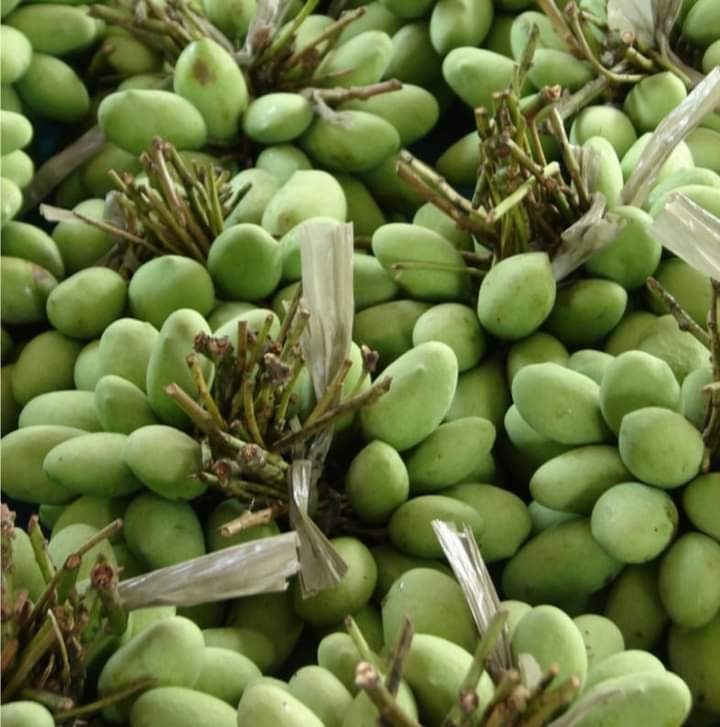
THREATENED PAJO MANGOES (MANGIFERA ALTISSIMA) MUST BE SAVED DUE TO HABITAT LOSS. By: Ryan Deuz J. Luzande,PGDE,MAED,LPT 10th of June,2020 at 3:00PM Pangamangaen or Mangifera altissima was a common sight in the 1990's most specially during summer time. Used as dipping sauce or for salad with thinly sliced pajo or pahutan mangoes, mixed with tomatoes,onions, ground black pepper and salt, and this appetizer is really mouthwatering and smells like dill weed, I swear, the aroma is like the dill weed, that is the best way to express that citrusy smell and taste. I inherited my taste buds from my father, Randy Montaña Luzande, he love to eat this with fried fish. When ripe, it is exemptionally sweet, sweeter than other varieties and species of large mangoes I have ever tasted. As I grew older, its popularity started to decline, even my younger siblings are not aware of the existence of such fruit since this commodity diminished from public market and fruit stand. When did my research about this tree, I was really disappointed to learn that it is already a threatend or vulnerable species mainly due to habitat loss. M. altissima can be found in the Philippines from Luzon to Mindoro, it is also found in backyards for its fruits or as wood but not popular since it is not durable. It is native to Solomon Islands, New Britain, Papua New Guinea, and Indonesia. Paho or mebacang in Indonesia can grow up to 35 meters in height and with elliptic to oblong-lanceolate leaves, the flowers are cream white or white in colour, and the fruit is ovoid drupe in shape. It can be found in wet medium or low altitude forest. Health benefits of this tiny mangoes that you will truly value the most. 1. Good for the eyes, most specially the ripe fruits for it contains 25 diverse carotenoids have been identified in the mesocarp fraction, such as provitamin A, lutein, α-carotene, and β-carotene this is the reason behind the yellowish colour of this part of the fruit. 2. Antioxidant properties is due to different phenols that can be found in all parts of the plant and other large variety of antioxidants, pigments, and vitamins that are responsible for the antioxidant and free radical scavenging activities associated with mangoes. 3. Anti-inflammatory effect of mango in several chronic pathological disorders associated with inflammation.Inflammatory bowel diseases, which includes ulcerative colitis described chronic inflammation and mucosal damage in the large intestine. 4. Anticancer effect of mangoes is based from the presence of bioactive components which has cytotoxic effects in pancreatic cancer cells that correlated, among the isolated compounds, with mangiferolate and isoambolic acid. Also can fight off tumor of the colon. 5. It contain high level of vitamin C, fibre and pectin, helps in controlling high cholesterol level. While study about the positive effect of this fruit consumption for diabetic patients is still on its way and had it tested with mice that shown a decrease in the amount of blood sugar. Propagation Pajo can be propagated by seed and cleft grafting, using either seedlings of mango or M. altissima as a rootstock. For more articles, please visit and like Deuz J. Luzande,PGDE. Thank you
No comments yet