 @BabyStarCandy
more from that month
@BabyStarCandy
more from that month
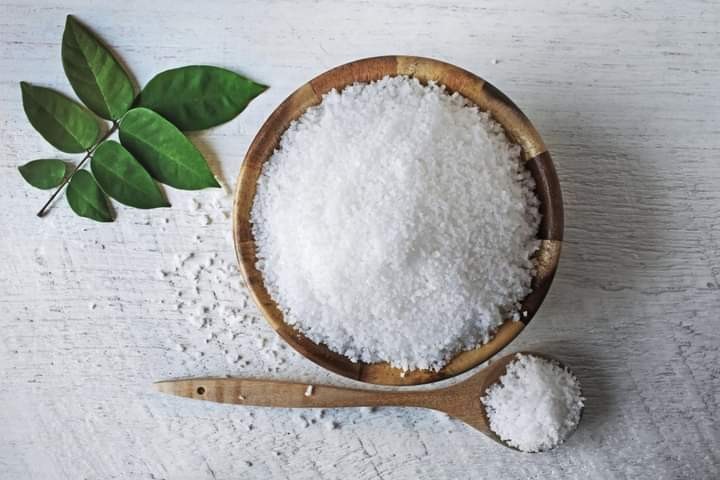
Myth: Salt is Always Bad For You Most myths are based on some degree of truth. It’s true that a small percentage of people have what is known as salt-sensitive hypertension. They should avoid too much salt because it raises their blood pressure. But for most people there isn’t a link between normal salt (sodium) intake and high blood pressure. The evidence suggests that factors such as body weight are more directly linked to high blood pressure than sodium intake. Sodium is an essential mineral. It is vital to our health and it should not be avoided. But, most of us consume much more than we need. It is very easy to consume 2 to 3 times the recommended intake. Salt may not always be responsible for an increase in blood pressure, but excessive intake is related to many other health issues, such as kidney damage, decreased cognitive function, and poor bone and joint health. A good general target intake for a sodium is 1,500-2,400 mg per day. A teaspoon of table salt contains approximately 2,400 mg of sodium. The majority of sodium in the diet is found in grains and breads, meats, and canned and fried vegetables. Eating a varied diet rich in fruits and fresh vegetables and limiting processed food will typically result in a healthy sodium intake. The Truth: Sodium (salt) is an essential dietary nutrient, and it isn’t strongly related to high blood pressure in most people, so most people do not need to avoid it. But, anything in excess can be harmful, and sodium is no exception. So, if you are hypertensive, overweight, or concerned about sodium-related hypertension, you should consult your physician or dietician about what level of sodium would be appropriate for you. More information on sodium: Source:https://askthescientists.com/qa/minerals/#SODIUM #Health
No comments yet