 @Ayukyukyu2
edited
@Ayukyukyu2
edited
Versatile yam fruit
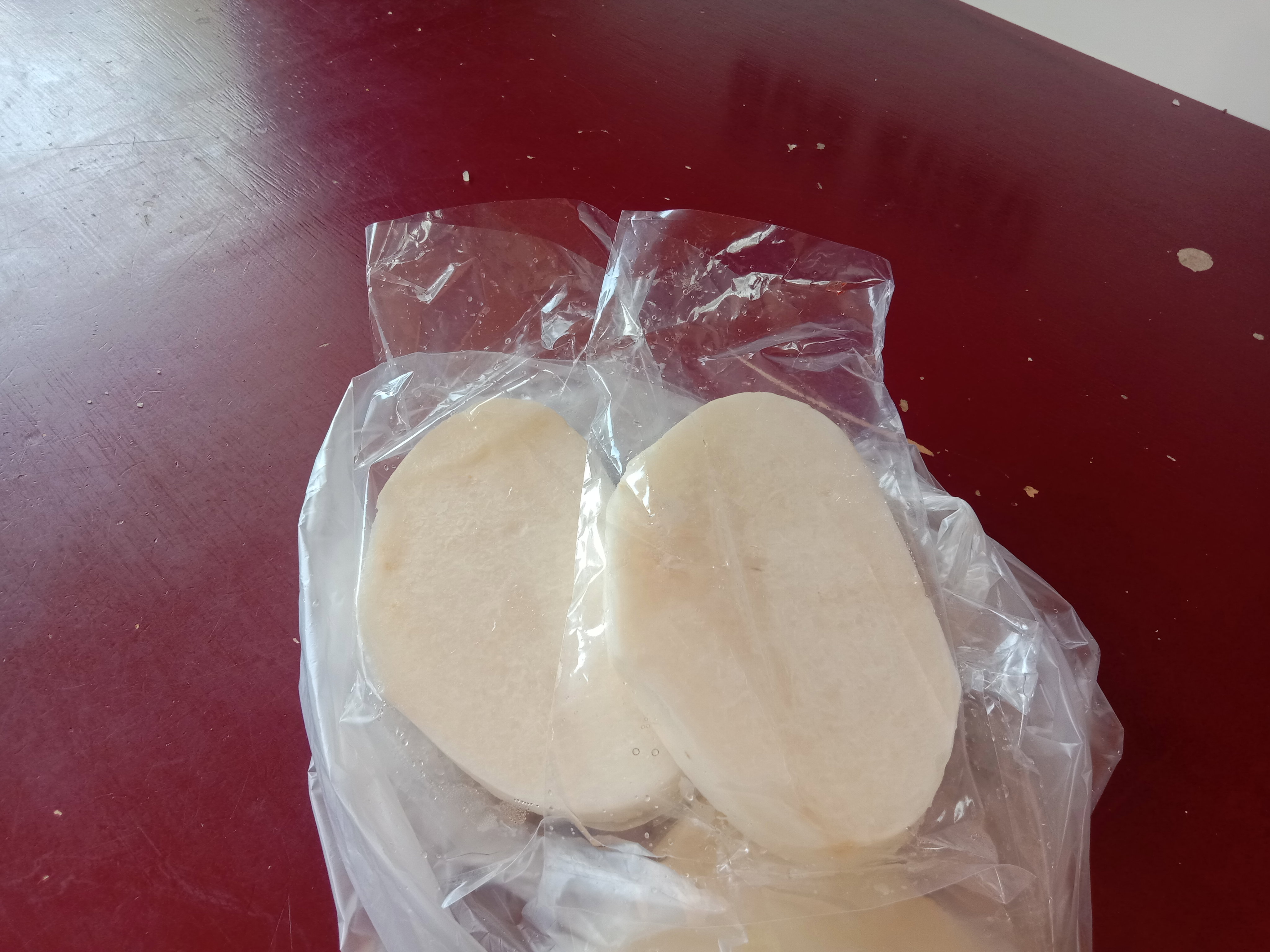
Jicama (Pachyrhizus erosus L.) is a legume plant originating from tropical America and has the potential to be developed as a food crop as a source of carbohydrates as well as vegetable protein. Jicama is known for its white tubers which can be eaten as a component of salad and pickles or used as a mask to refresh the face and whiten the skin. So, you can call Jicama a multi-functional fruit, it can be used for food, salad or beauty. When eaten, the taste of Jicama is actually tasteless. The taste of Jicama is sweet and cool. The sweet taste of jicama comes from an oligosaccharide commonly called inulin which cannot be digested by the human intestine. My article this time wants to describe the role of jicama for humans, be it as food or snacks and can also be a medium for beauty. Various processed foods and snacks containing yam
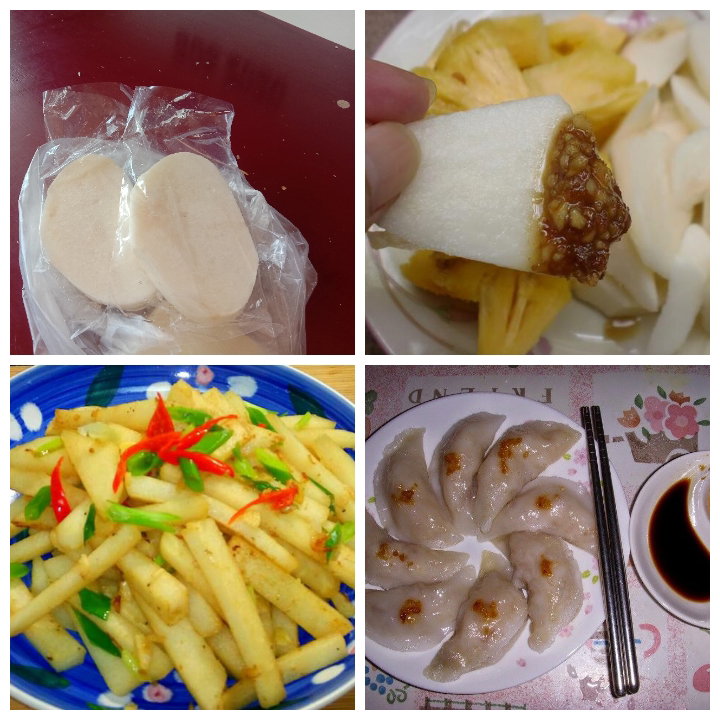
Jicama is actually not only good to eat as fruit or for dessert. Jicama can also be used as food. In the picture above I show various processed snacks from Jicama and it tastes like eating radish. Making stir-fry from Jicama can also add to your inspiration in the world of cooking or it can also be used as a dimsum filling which is no less delicious. Can be used as a substitute for meat. Apart from that, jicama is delicious to eat as a salad, which is dipped in the special seasoning of fruit salad and is guaranteed to be delicious. Jicama for body health
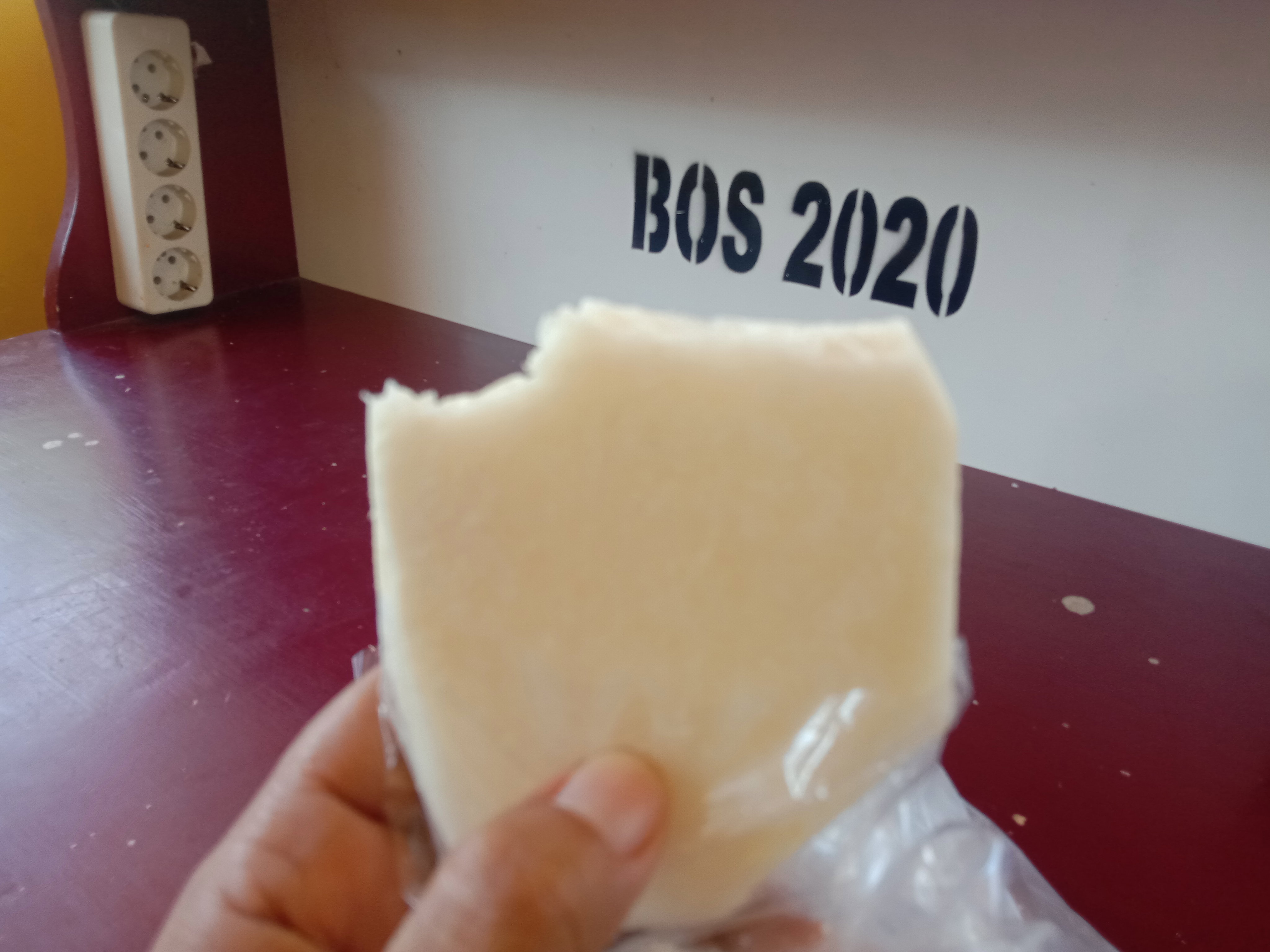
Other than for cooking or as dessert turns out that the nutritional content of Jicama is very good for health and safe to consume every day. There are no harmful side effects if you eat yam fruit every day as a complementary food, but it would be nice if you ate a wide variety of foods so that you can fulfill all the nutrients your body needs. Reporting from Healthline, jicama contains antioxidants which can help prevent damage to cells in the body and can also ward off free radicals. Antioxidants can also prevent chronic diseases such as cancer, diabetes, cardiovascular and cognitive decline. Because Jicama contains pachyrhizon, rotenone, vitamin B1, and vitamin C. Jicama for skin beauty
Because of the vitamin c contained in Bengkoang is rich in vitamin C which can reduce melanin production. Then, the antioxidant content in bengkoang can also make facial skin look radiant. For Realfoodfam who want to have bright and shining facial skin, they can try natural masks from bengkoang dregs regularly. And the antioxidant content that is also present in bengkoang can protect the skin from the sun and pollution in the environment. Thus, the production of collagen in the skin also increases. Jicama has many ingredients that are considered effective for treating the face, because they contain several nutrients such as vitamin E, thiamine, calcium, phosphorus, riboflavin, vitamin B6, zinc, pantothenic acid, vitamin C, and copper. The benefits of jicama masks to brighten the skin. Make jicama masks
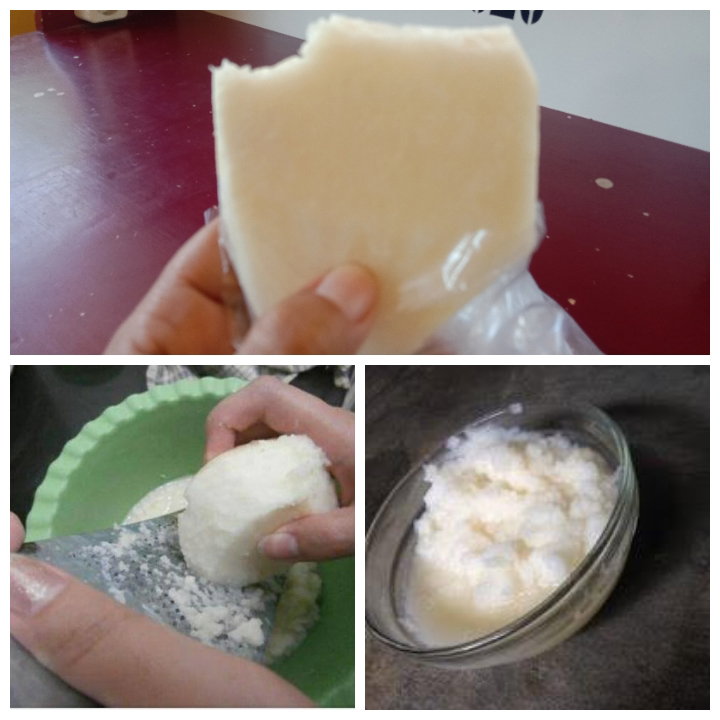
Here are the steps to make a jicama mask to brighten the face, includes : Materials and tools : Prepare 1 brush Then provide 1 fruit grater 1 bowl 1 yam How to make jicama masks : Prepare jicama Peel and wash the yam Grate the yam slowly, then squeeze the grated yam until it releases water, then separate it in a different container Apply the juice of jicama to the face using a brush Leave it for a few moments, then rinse Then use the yam pulp as a scrub, so that dead skin cells are lifted and make your face look bright Massage your face for 1 minute, then rinse with cold water If your face is clean, use a moisturizer to bind the nutrients from Jicama *This is information from me about a kind of yam root, I hope this is useful.*







12 comments
A lot of benefits ma'am. I love the foods from the phone. It's quite delicious. Everytime I saw a food it makes me crave.
Hopefully useful .. is where you plant this fruit?
Bengkoang paling enak di jadikan rujak memang hehe. Tapi saya baru tau kalo bengkoang bisa di olah jadi makanan lain selain rujak.
Bisa seperti pengganti labu siam atau isian risol juga enak.. Gak tau pun jika itu bengkuang
Yang paling umum isian risol yang di jual di tempat saya paling kentang. Tapi kalo isian bengkoang sangat rare sekali Bu..
Rasa tampilan baru...
Now I can relate when I saw the whole raw crop, we call it camote in our own vernacular language, its very delicious with lots of recipe related with desserts, never knew it can be use as beauty products though
Yes, because it can be eaten raw. Thank you for providing information in your language. If the language of my country is Bengkoang, the name is. And in my country many beauty products from this fruit are used as masks, scrubs or facial cleansers.
I guess camote is not fruit because it can get below ground right?
In the Philippines we call them UBE and they happen to be my favourite ❤️
UBE? It's a cool name... It's my favorite, too.
Yes and we make jam out of it ❤️